v2.webp)


- Stacked stone houses and narrow alleys — The village itself is an attraction: multi-level stone homes built into the slope, tiny windows and twisting lanes that show how people adapted to life at 2,000+ m. Wandering these alleys gives a real feel for daily life and old mountain architecture.
- Village mosque (the central prayer house) — A humble stone mosque that still anchors communal life. Visiting during non-prayer times lets you observe local religious customs, simple masonry details, and the way the community gathers.
- Khinalug ethnographic displays / small community museum — A compact room or two with traditional clothing, tools, photos and stories curated by locals. Not glossy, but full of first-hand context that makes the village’s language and customs come alive.
- Old cemetery and
- Stacked stone houses and narrow alleys — The village itself is an attraction: multi-level stone homes built into the slope, tiny windows and twisting lanes that show how people adapted to life at 2,000+ m. Wandering these alleys gives a real feel for daily life and old mountain architecture.
- Village mosque (the central prayer house) — A humble stone mosque that still anchors communal life. Visiting during non-prayer times lets you observe local religious customs, simple masonry details, and the way the community gathers.
- Khinalug ethnographic displays / small community museum — A compact room or two with traditional clothing, tools, photos and stories curated by locals. Not glossy, but full of first-hand context that makes the village’s language and customs come alive.
- Old cemetery and carved grave markers — Weathered stones and locally styled grave markers that reflect centuries of local burial customs. The site is quiet and gives perspective on lineage, inscriptions, and changing artistic motifs.
- Communal springs and stone water channels — Clear mountain springs, stone troughs and ancient irrigation channels that still supply the village. They’re tangible evidence of long-running community engineering and are pleasant places to sit and watch daily routines.
- Panoramic village viewpoints — Small ledges and terraces around Khinalug offer sweeping views of the Greater Caucasus ridges and the deep valley below. Sunrise and late afternoon light are especially rewarding for photography and atmosphere.
- Short shepherd trails and nearby summer pastures — Paths that start inside the village and climb to communal pastures where shepherds graze flocks. You can take a short walk, meet herders, see seasonal huts and watch cheese-making or sheep tending up close.
- Traditional weaving and craft spots — Local women and families who still weave, spin wool and make small textiles. These are working demonstrations rather than tourist shows—good for learning techniques and buying honest, locally made pieces.
- Homestays and village hospitality experiences — Staying overnight in a family guesthouse to eat khinalug bread, local cheese and tea is one of the most authentic ways to understand daily life. Conversation over a shared meal beats any guidebook.
- Defensive features and watch-tower elements — Many homes incorporate tower-like forms and narrow defensive openings from older times when villages needed protection. Examining these gives insight into historic security concerns and the multi-functional nature of Khinalug architecture.
Spotted a mistake or missing something? Contact us.


 Best Backpacking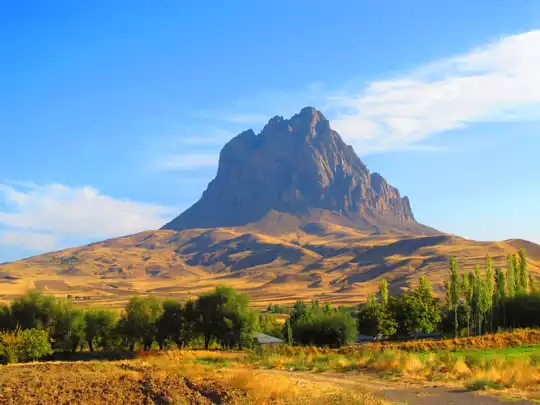
.jpg) Hi, I’m Johan (Netherlands 🇳🇱), the creator of TakeYourBackpack. Over the past 3 decades, I’ve backpacked through 90+ countries across six continents, gaining extensive experience with independent travel, long-term trips, and overland routes.
Hi, I’m Johan (Netherlands 🇳🇱), the creator of TakeYourBackpack. Over the past 3 decades, I’ve backpacked through 90+ countries across six continents, gaining extensive experience with independent travel, long-term trips, and overland routes.