×

Japan🇯🇵 | citiesAsahikawa
zoo, ramen village, winter festival | things to do and best time to go

Explore NumazuExplore Tokushima

Backpacking in Asahikawa
👌 Worth visitingcity ranked #31
By Johan Kruseman 🇳🇱 | last update: 26 April, 2026

Most people treat Asahikawa as a quick zoo stop, but the surprise is how many locals are actually out drinking and eating late on weeknights, which makes it far more social than its sleepy reputation. Sitting in central Hokkaido, it’s cheaper and more low-key than Sapporo, with easy rail access to Daisetsuzan hikes, a compact bar district, safe streets, and a slightly gritty, working-city feel. Fewer hostels mean fewer backpackers, but the ones here actually talk to each other.

Discover everything you want to know in the 📖 Japan Travel Guide.
Loading the map 🌍
CLICK TO FILTER
city
town
village
unique site
national park
hike
beach
attraction
festival
region
SHOW COUNTRY‘S BESTSHOW ALL

✨ Why go?
Ranked #31 city in Japan
Why visitors keep coming back

Asahikawa is a strategic basecamp for backpackers exploring Hokkaido. It offers a blend of highlights and activities that keep your itinerary dynamic without overwhelming your schedule. The hostels here are budget-friendly and social, perfect for meeting fellow travelers. You’ll find delicious local food that won’t break the bank, fueling your adventures. The city is walkable, making it easy to navigate and soak in the atmosphere. Plus, its nightlife is laid-back yet lively, ideal for unwinding after a day of exploration. With easy onward travel, Asahikawa can be a smart stop or a launching pad for day trips, depending on your style.
Get the complete Travel Guide for Japan
Everything organized for offline planning — routes, highlights, costs & tips

See what’s inside 👉

Get the Travel Guide -
  1. Asahiyama Zoo — Japan’s most famous zoo for a reason: clever enclosures (think glass tunnels and penguin “parades”) let you watch animal behavior up close rather than through a fence.
  2. Otokoyama Sake Brewery & Museum — historic kura (storehouse) turned visitor spot where you can learn about local brewing, smell the koji, and buy/taste regional sake right in the city.
  3. Tokiwa Park — the city’s green lung with ponds, wide paths and seasonal displays (cherry blossoms in spring, lit-up snow scenes in winter); a calm place to feel how Asahikawa lives outside tourist spots.
  4. Asahikawa Ramen Village (Ramen Mura) — a compact way to try authentic Asahikawa-style ramen (soy-forward broths with a bit of pork backfat) from several well-regarded stalls without running all over town.
  5. Heiwa-dori Shopping
  6. read more 👉
  1. Asahiyama Zoo — Japan’s most famous zoo for a reason: clever enclosures (think glass tunnels and penguin “parades”) let you watch animal behavior up close rather than through a fence.
  2. Otokoyama Sake Brewery & Museum — historic kura (storehouse) turned visitor spot where you can learn about local brewing, smell the koji, and buy/taste regional sake right in the city.
  3. Tokiwa Park — the city’s green lung with ponds, wide paths and seasonal displays (cherry blossoms in spring, lit-up snow scenes in winter); a calm place to feel how Asahikawa lives outside tourist spots.
  4. Asahikawa Ramen Village (Ramen Mura) — a compact way to try authentic Asahikawa-style ramen (soy-forward broths with a bit of pork backfat) from several well-regarded stalls without running all over town.
  5. Heiwa-dori Shopping Park — a long pedestrian shopping street where locals eat, shop and hang out; good for people-watching, small cafés, and picking up Hokkaido snacks and practical travel gear.
  6. Asahikawa Museum of Art — modest but thoughtful exhibitions focused on Hokkaido artists and themes; a pleasant cultural stop that gives context to local aesthetics and crafts.
  7. Asahikawa City Museum (local history) — straightforward, well-presented exhibits on the city’s development and Ainu heritage that actually make sense on-site—useful if you want local history that ties into the landscape you’re seeing.
  8. Asahikawa Furniture Showrooms & Workshops
    Spotted a mistake or missing something? Contact me.

🏘️ NeighborhoodsHow different areas shape the experience

Asahikawa offers a unique blend of urban charm and natural beauty, making it a strategic stop for backpackers.

Center City: The heart of Asahikawa, this area is bustling with shops and eateries. It’s walkable, with a vibrant nightlife scene. Great for short stays, you’ll find affordable hostels and easy access to public transport.

Asahikawa Station Area: Perfect for those on the move, this area is a transport hub. It’s quieter than the center but still has decent dining options. Ideal for longer stays, you can explore nearby attractions with ease.

Higashikawa: A bit further out, this neighborhood offers a more laid-back vibe. It’s close to nature, making it suitable for outdoor enthusiasts. While transport is less frequent, the tranquility is worth it for longer visits.

⌛️ 1 dayHow to make the most of one day

Asahikawa, Japan’s second-largest city, is a delightful blend of urban charm and natural beauty, making it a perfect spot for a day trip. Start your morning at the Asahikawa Ramen Village, where you can savor steaming bowls of the city’s famous soy sauce ramen. The rich flavors will fuel your adventures ahead.

After breakfast, stroll through the nearby Asahiyama Zoo. This isn’t just any zoo; it’s known for its innovative enclosures that let you get up close with the animals. Spend a couple of hours here, soaking in the playful antics of the penguins and seals.

In the afternoon, head to the picturesque Otokoyama Sake Brewery. This isn’t on every tourist’s radar, but the guided tour offers a fascinating glimpse into sake production, complete with tastings.

As evening approaches, wander through … read more 👉
Asahikawa, Japan’s second-largest city, is a delightful blend of urban charm and natural beauty, making it a perfect spot for a day trip. Start your morning at the Asahikawa Ramen Village, where you can savor steaming bowls of the city’s famous soy sauce ramen. The rich flavors will fuel your adventures ahead.

After breakfast, stroll through the nearby Asahiyama Zoo. This isn’t just any zoo; it’s known for its innovative enclosures that let you get up close with the animals. Spend a couple of hours here, soaking in the playful antics of the penguins and seals.

In the afternoon, head to the picturesque Otokoyama Sake Brewery. This isn’t on every tourist’s radar, but the guided tour offers a fascinating glimpse into sake production, complete with tastings.

As evening approaches, wander through the lively shopping district of Heiwa Dori. Grab dinner at a local izakaya, where you can enjoy fresh seafood and perhaps a local beer. The atmosphere is warm and inviting, perfect for wrapping up your day in Asahikawa.
Build the Right Itinerary
Use the Japan Travel Guide’s 7, 14 & 21-day routes as a starting point to plan a trip that actually works on the ground.

Get the Travel Guide -

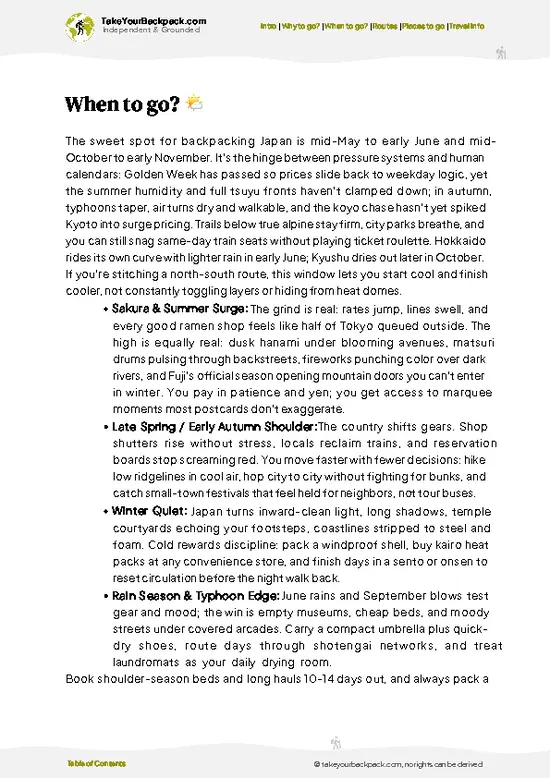
🌤️ When to go?Best time to visit Asahikawa


  • Weather: Winters in Asahikawa are brutally cold, often dipping below -15°C (5°F), perfect for snow lovers but tough for casual backpackers. Summers hover around a comfortable 20-25°C (68-77°F), ideal for hiking and exploring without overheating.

  • Daylight Hours: Winter days are short, with only about 6 hours of daylight, limiting sightseeing time. Summer offers up to 16 hours, maximizing your adventure window.

  • Crowds: Winter attracts ski and snow festival fans, so expect busy spots and higher prices. Summer is quieter, especially outside the Obon holiday, offering a more relaxed pace.

  • Seasonal Activities: Winter’s Asahikawa Snow Festival is a highlight but demands warm gear. Summer brings lush landscapes and access to nearby national parks, perfect for trekking and wildlife spotting.
  • read more 👉

  • Weather: Winters in Asahikawa are brutally cold, often dipping below -15°C (5°F), perfect for snow lovers but tough for casual backpackers. Summers hover around a comfortable 20-25°C (68-77°F), ideal for hiking and exploring without overheating.

  • Daylight Hours: Winter days are short, with only about 6 hours of daylight, limiting sightseeing time. Summer offers up to 16 hours, maximizing your adventure window.

  • Crowds: Winter attracts ski and snow festival fans, so expect busy spots and higher prices. Summer is quieter, especially outside the Obon holiday, offering a more relaxed pace.

  • Seasonal Activities: Winter’s Asahikawa Snow Festival is a highlight but demands warm gear. Summer brings lush landscapes and access to nearby national parks, perfect for trekking and wildlife spotting.

  • Price Fluctuations: Accommodation and transport costs spike in winter due to festival demand. Summer rates are steadier and often more budget-friendly for backpackers.


Pro-tip: Aim for late spring or early autumn to dodge extremes—mild weather, fewer tourists, and better prices make it a smart, comfortable choice.


source: climatestotravel.comJANJanuary: fair for travelingFEBFebruary: fair for travelingMARMarch: good for travelingAPRApril: highly recommended for travelingMAYMay: highly recommended for travelingJUNJune: good for travelingJULJuly: highly recommended for travelingAUGAugust: highly recommended for travelingSEPSeptember: highly recommended for travelingOCTOctober: highly recommended for travelingNOVNovember: good for travelingDECDecember: fair for traveling
when-to-go

✈️ The ultimate backpacker shortcutJapan Travel Guide

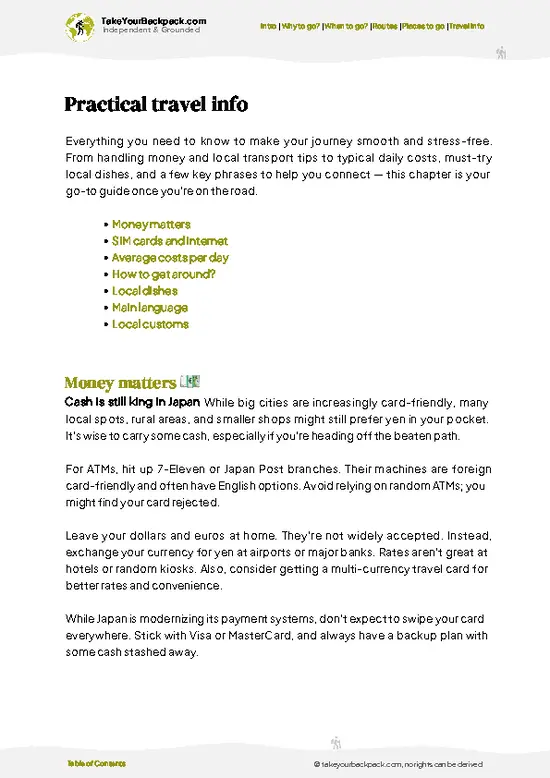
Skip weeks of research and hit the road with confidence. Get 411 pages of proven routes, transport advice, and real safety insights—built for your phone and 100% offline-ready.
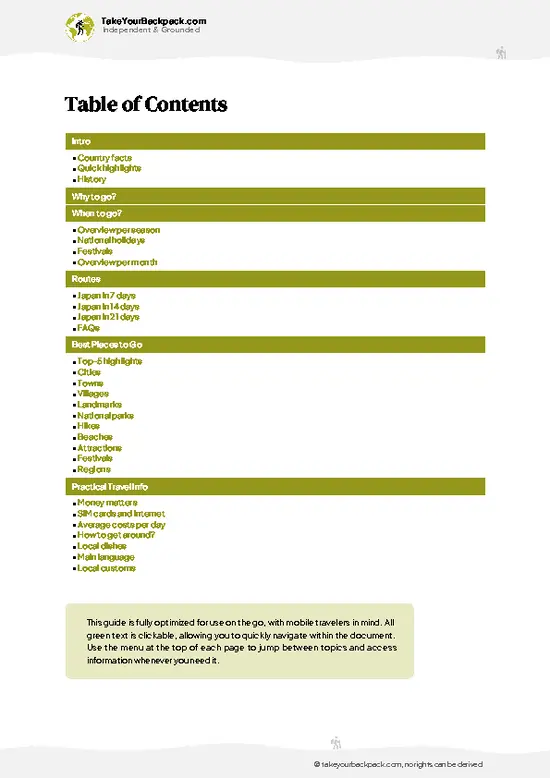
example page 0 from our offline Travel Guide for Japanexample page 1 from our offline Travel Guide for Japanexample page 2 from our offline Travel Guide for Japanexample page 3 from our offline Travel Guide for Japanexample page 4 from our offline Travel Guide for Japan
🎒 Your 411-page offline travel companion
7, 14 & 21-day routes paced for real travel
140 ranked highlights with honest skip-it advice
Logistics solved: Best areas to stay & transport
Safety blueprints: Common local scams to avoid
No Wi-Fi? No problem: Phone-optimized offline PDF
👉 See all 30+ guide features

📅 Plan smarter in minutes, not weeks
Realistic travel times & pacing
Best months per region
Festivals & national holidays
Budget expectations

🗺️ Go to the right places, skip the overrated ones
140 ranked highlights across the country
Hidden gems beyond the tourist trail
Honest pros & cons of destinations
Top hikes, parks & viewpoints
Lesser-known places most travelers miss
Clear “worth it vs skip it” guidance

🛏️ Travel smoothly without rookie mistakes
Best areas to stay
Transport systems explained simply
Local transport tradeoffs
Common scams & safety advice
SIM cards, money & practical tips
What to expect before arrival

🌍 Understand the country, not just visit it
Culture & traditions
52 Essential phrases & customs
Festivals worth planning around
Traveler-friendly historical context
Insights that make places more meaningful

📱 Built for real travel conditions
Fully downloadable PDF
Works completely offline
Optimized for phone use
Useful in remote areas & buses
Everything in one place
Save weeks of stressful planning
Get instant access to the full guide directly. 30-day money-back guarantee.


Sent to your inbox immediately after payment • 100% Secure Checkout
Best Backpacking Travel Advisor 2025 tourism awardBest Backpacking
Travel Advisor
2025
What others say about Take Your Backpack Guides:
⭐⭐⭐⭐⭐
Fantastic, amazing amount of information!
⭐⭐⭐⭐⭐
My goodness this is amazing, it's what I've been looking for hats off too you!
⭐⭐⭐⭐⭐
I think this is absolutely BRILLIANT
⭐⭐⭐⭐
Very complete and informative. It's still missing places, but I gotta to commend you
⭐⭐⭐⭐⭐
This is truly amazing, thank you, can't wait to explore it with my kids!
⭐⭐⭐⭐⭐
Awesome resource, thank you!
⭐⭐⭐⭐⭐
This is amazing! Can't wait to explore the ones I haven't seen
⭐⭐⭐⭐
I love this! Well done, great idea.
⭐⭐⭐⭐⭐
Thanks for taking the time to make this gem!
⭐⭐⭐⭐⭐
This might be the best website I've ever seen.
⭐⭐⭐⭐⭐
Congratulations, and thank you so much for your work; it's incredibly valuable.
⭐⭐⭐⭐
In all seriousness I think you did a great job pointing out the important spots
⭐⭐⭐⭐⭐
10/10 very good
⭐⭐⭐⭐⭐
As someone who's only just starting to visit regularly this is awesome, thank you.
⭐⭐⭐⭐
Thank you very much! I'm going to visit my dad, it's going to be very useful!
⭐⭐⭐⭐⭐
This is really cool! We'll be travelling for the first time and this definitely come in handy.
⭐⭐⭐⭐⭐
You are now our minister of culture, congratulations 👨‍💼
⭐⭐⭐⭐⭐
Just wanted to tell you that this is a pearl! Going to follow your recommendations.
⭐⭐⭐⭐⭐
This is so cool. I'll definitely be using the resource for my travels soon.
⭐⭐⭐⭐⭐
This is very impressive! Good work.
⭐⭐⭐⭐⭐
This is an amazing and informative site. Very well done!

🛏️ Where to stay?Where staying makes the most sense

Asahikawa’s best backpacker zone centers around the area near Asahikawa Station. It’s the city’s pulse—safe, easy to navigate, and loaded with budget hostels that cater to solo travelers and small groups. Staying here means you’re plugged into the social scene without sacrificing convenience; cafes, izakayas, and local markets are a short walk away, making it easy to meet fellow travelers or locals. Compared to the quieter residential neighborhoods, this area trades a bit of calm for connection and accessibility, which is a smart move if you want to maximize your time and energy. It’s the sweet … read more 👉
Asahikawa’s best backpacker zone centers around the area near Asahikawa Station. It’s the city’s pulse—safe, easy to navigate, and loaded with budget hostels that cater to solo travelers and small groups. Staying here means you’re plugged into the social scene without sacrificing convenience; cafes, izakayas, and local markets are a short walk away, making it easy to meet fellow travelers or locals. Compared to the quieter residential neighborhoods, this area trades a bit of calm for connection and accessibility, which is a smart move if you want to maximize your time and energy. It’s the sweet spot where comfort meets value, perfect for those who want to explore without overthinking logistics.

🚌 Getting aroundTransportation options and practical tips

Asahikawa moves at a pace that’s neither frantic nor sluggish—it’s a city where schedules matter, but there’s room for a bit of local rhythm. The flow here is a blend of punctuality and practicality, shaped by the cold Hokkaido climate and a community that values efficiency without rushing the experience. You’ll find transit options that reward planning but also allow for spontaneous detours, making your choices a strategic game of balancing time, money, and comfort.


  • Walking: The city center is compact and walkable, perfect for budget travelers who want to soak in local life without spending a yen. Walking costs zero, offers maximum flexibility, and doubles as a free sightseeing tour, but it’s slower and less practical in winter’s chill.

  • Asahikawa City Bus: Runs roughly from 6:00 AM
  • read more 👉
Asahikawa moves at a pace that’s neither frantic nor sluggish—it’s a city where schedules matter, but there’s room for a bit of local rhythm. The flow here is a blend of punctuality and practicality, shaped by the cold Hokkaido climate and a community that values efficiency without rushing the experience. You’ll find transit options that reward planning but also allow for spontaneous detours, making your choices a strategic game of balancing time, money, and comfort.


  • Walking: The city center is compact and walkable, perfect for budget travelers who want to soak in local life without spending a yen. Walking costs zero, offers maximum flexibility, and doubles as a free sightseeing tour, but it’s slower and less practical in winter’s chill.

  • Asahikawa City Bus: Runs roughly from 6:00 AM to 10:00 PM, fares hover around 210 yen per ride. It’s a reliable, budget-friendly option with decent coverage, though buses can be slow during peak hours and less comfortable if crowded.

  • JR Hokkaido Local Trains: Connects Asahikawa to nearby towns and attractions. Tickets start at about 400 yen, with trains running every 30-60 minutes. Faster than buses, more comfortable, but less frequent and requires schedule awareness.

  • Rental Bicycles: Available seasonally, costing around 500-800 yen per day. Offers a sweet spot between speed and cost, letting you cover more ground than walking while staying close to street-level experiences. Weather-dependent and requires some stamina.

👛 Costs (as of 23 December 2024)What things cost and how to budget

Backpacking in Asahikawa, Japan, offers a clear trade-off between cost and comfort, with prices reflecting the city’s balance of local charm and practical travel infrastructure. Here’s how your daily expenses typically stack up:
  • Dorm Accommodation (High Season): Expect to pay around $25 to $35 per night. High season, usually in summer and winter holidays, pushes prices up due to demand, especially in popular hostels near the station or city center.
  • Dorm Accommodation (Off-Season): Off-peak times drop prices to about $18 to $25. You’ll find quieter hostels with more availability, which can mean better deals and a more relaxed vibe.
  • Meals: Budget around $10 to $20 daily if you stick to convenience stores, local ramen shops, or small eateries. Asahikawa is famous for its ramen, so a hearty
  • read more 👉
Backpacking in Asahikawa, Japan, offers a clear trade-off between cost and comfort, with prices reflecting the city’s balance of local charm and practical travel infrastructure. Here’s how your daily expenses typically stack up:
  • Dorm Accommodation (High Season): Expect to pay around $25 to $35 per night. High season, usually in summer and winter holidays, pushes prices up due to demand, especially in popular hostels near the station or city center.
  • Dorm Accommodation (Off-Season): Off-peak times drop prices to about $18 to $25. You’ll find quieter hostels with more availability, which can mean better deals and a more relaxed vibe.
  • Meals: Budget around $10 to $20 daily if you stick to convenience stores, local ramen shops, or small eateries. Asahikawa is famous for its ramen, so a hearty bowl for $7 to $10 is both filling and affordable. Splurging on a nicer meal will push costs higher, but street food and supermarkets keep it manageable.
  • Local Transport: Single bus rides typically cost about $1.50 to $2.50. Asahikawa’s bus network covers most tourist spots, but if you’re walking or renting a bike, you can cut this cost significantly.
  • City Transport Pass: A one-day bus pass runs around $5 to $7, which is a smart buy if you plan multiple trips in a day. It simplifies hopping around without fussing over exact change.
  • Basic Activities/Entry Fees: Museums and attractions generally charge between $3 and $8. For example, the Asahiyama Zoo, a must-see, costs about $7. These fees are modest but add up if you’re hitting several spots daily.
  • Miscellaneous Expenses: Budget $5 to $10 for things like bottled water, snacks, or occasional small purchases. Convenience stores are everywhere, but prices can be slightly higher than in bigger cities.

All told, a realistic daily budget for backpacking in Asahikawa ranges from about $60 on the lean side to $90 if you lean into comfort and convenience. This range lets you decide how much you want to invest in ease versus stretching your dollar. Knowing these trade-offs upfront means you can plan your days with confidence, choosing when to save and when to indulge.
⚠️ Prices can change and everyone travels differently, so take this as a rough guide. Hope it helps you plan your adventure!

🚌 Day tripsWhere to go beyond the main area

Asahikawa is a strategic launchpad for unforgettable day trips in Hokkaido, offering a blend of nature, culture, and adventure.

Sounkyo Gorge
Just an hour away, Sounkyo Gorge is a stunning showcase of rugged cliffs and waterfalls. The hike to the Ginga and Ryusei Falls is a must, especially in autumn when the foliage ignites in fiery colors. Budget around ¥1,500 for transport and snacks. Avoid the mistake of underestimating the weather; it can change quickly, so pack layers.


Daisetsuzan National Park
A little over an hour from Asahikawa, Daisetsuzan is Hokkaido’s largest national park, perfect for hiking enthusiasts. Trails range from easy walks to challenging climbs, with breathtaking views of volcanic landscapes. Expect to spend about ¥2,000 on transport and a packed lunch. Late … read more 👉
Asahikawa is a strategic launchpad for unforgettable day trips in Hokkaido, offering a blend of nature, culture, and adventure.

Sounkyo Gorge
Just an hour away, Sounkyo Gorge is a stunning showcase of rugged cliffs and waterfalls. The hike to the Ginga and Ryusei Falls is a must, especially in autumn when the foliage ignites in fiery colors. Budget around ¥1,500 for transport and snacks. Avoid the mistake of underestimating the weather; it can change quickly, so pack layers.


Daisetsuzan National Park
A little over an hour from Asahikawa, Daisetsuzan is Hokkaido’s largest national park, perfect for hiking enthusiasts. Trails range from easy walks to challenging climbs, with breathtaking views of volcanic landscapes. Expect to spend about ¥2,000 on transport and a packed lunch. Late spring to early fall is ideal, but be cautious of snow lingering into June.
👉 Explore Daisetsuzan National Park

Biei
Famous for its rolling hills and vibrant flower fields, Biei is just 30 minutes away. Rent a bike to explore the picturesque countryside at your own pace. Total costs can be around ¥1,800, including bike rental. Summer is peak season, but don’t miss the lavender blooms in July. Many first-timers overlook the local cafes, which serve delicious homemade treats.


Furano
Known for its lavender fields and ski resorts, Furano is about an hour from Asahikawa. In summer, the vibrant colors are a photographer’s dream. Budget around ¥2,000 for transport and a meal. The best time to visit is July, but be prepared for crowds. A common mistake is to rush through; take your time to soak in the scenery.
Want to know what more Japan offers?
The Japan Travel Guide describes 140 highlights, from cities to national parks, from beaches to hikes

Get the Travel Guide -

🍲 FoodLocal Cuisine & Drinks

In Asahikawa, ramen is the star. The rich, soy-based broth, often topped with tender slices of pork and green onions, warms you up after a day of exploring. Street vendors serve up yakitori, skewered chicken grilled to perfection, with a smoky aroma that pulls you in.

Markets buzz with locals enjoying sushi made from fresh Hokkaido seafood, a must-try for any backpacker. Don’t miss the sake; it’s a local pride, often enjoyed in small, cozy bars where you can chat with friendly locals.

Remember, slurping your noodles is a compliment here. Embrace the casual vibe, and let the flavors guide your adventure.

🛡️ SafetyStaying Safe: What Travelers Should Know

Asahikawa is generally safe, but like any city, a little awareness goes a long way. Stick to well-lit areas at night, especially if you’re solo. The downtown district is lively, but quieter streets can feel isolated.

While scams are rare, be cautious of overly friendly locals who might push you toward specific shops. It’s usually harmless, but trust your instincts. Carry cash, as some places don’t accept cards, and keep your belongings close in crowded spots. A confident demeanor and a friendly smile will serve you well.

Other Japanese cities near Asahikawa

Explore more nearby:

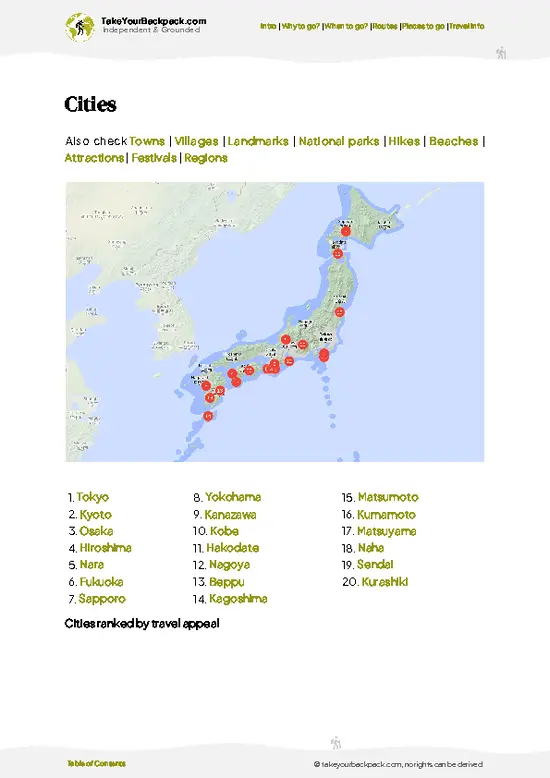
  • Sapporo—snow festival, beer halls, tree-lined boulevards| 113 km away
  • Hakodate—night views, historic port, morning market| 260 km away
  • Aomori—Nebuta floats, apple orchards, northern bay| 354 km away

👉 Discover all cities

Or checkout all Japan has to offer (think cities, towns, villages, national parks, hikes, beaches, festivals)
Country photo of Japan

I 💚 feedbackKey takeaways before you go

Asahikawa’s charm lies in its authentic vibe and the stunning views of the Daisetsuzan mountains. You’ll savor local ramen like nowhere else. Just know: it’s not a bustling metropolis, so if you crave nightlife, you might feel a bit isolated after dark.

✈️ When did I visit Japan?
As part of my 1.5 year travel around the world trip, I visited Japan in August 2015.

✍️ Help improve this page!
The information on this page is based on my own backpacking experience in Japan, supplemented with up-to-date research and feedback from other travelers. Travel details can change, so if you notice anything outdated or incomplete, feel free to let me know.


👋 Meet the authorWho’s Behind Take Your Backpack?

Johan, backpacker and founder of TakeYourBackpackHi, I’m Johan (Netherlands 🇳🇱), the creator of TakeYourBackpack. Over the past decade, I’ve backpacked through 80+ countries across six continents, gaining extensive experience with independent travel, long-term trips, and overland routes.

This site is built on a combination of firsthand travel experience and carefully curated insights from other backpackers. Many guides are based on places I’ve personally visited, while others bring together tips, observations, and practical advice shared by trusted travelers I’ve met along the way.

The goal is to provide realistic, experience-driven guidance — not generic itineraries — so you can explore destinations with better context, clearer expectations, and more confidence.

Get Full Country Guide |
Instant download • 140 highlights • Full Offline guide