×

Japan🇯🇵 | best citiesTop-Rated 10 cities in Japan

Japan’s cities are a fascinating blend of ancient tradition and cutting-edge modernity, each offering unique experiences that cater to different travel styles and budgets. Major hubs like Tokyo and Osaka pulse with vibrant nightlife and extensive transport connections, making them ideal for backpackers seeking convenience and excitement. In contrast, smaller urban centers like Kanazawa and Nara provide a more intimate glimpse into Japan’s rich cultural tapestry, often at a lower cost.

Understanding regional and seasonal nuances is crucial. For instance, cherry blossom season in Kyoto transforms the city into a breathtaking spectacle, but it also means higher prices and larger crowds. Choosing the right city impacts your overall vibe, safety, and cultural immersion. A well-planned itinerary can unlock a smoother travel experience, allowing you to navigate Japan’s intricate transport system with ease and enjoy the local flavors without breaking the bank.

By Johan Kruseman 🇳🇱 | Updated September 4, 2026
Explore the best towns in Japan

Why go?Why These city Stand Out

Japan’s cities are a fascinating tapestry of cultural diversity, historical depth, and regional identities. Each urban center offers a unique lens through which to understand the country’s rich heritage. Unlike many other nations, Japan’s cities are not just modern metropolises; they are living museums, where ancient traditions coexist with cutting-edge technology. This duality shapes urban experiences in profound ways.

The transport networks in Japan are among the most efficient in the world, making it easy to traverse vast distances quickly. However, this efficiency comes with trade-offs. While you can zip from Tokyo to Kyoto in under three hours, the temptation to rush through these cities can lead to missed opportunities for deeper exploration. Understanding the balance between travel read more 👉
Japan’s cities are a fascinating tapestry of cultural diversity, historical depth, and regional identities. Each urban center offers a unique lens through which to understand the country’s rich heritage. Unlike many other nations, Japan’s cities are not just modern metropolises; they are living museums, where ancient traditions coexist with cutting-edge technology. This duality shapes urban experiences in profound ways.

The transport networks in Japan are among the most efficient in the world, making it easy to traverse vast distances quickly. However, this efficiency comes with trade-offs. While you can zip from Tokyo to Kyoto in under three hours, the temptation to rush through these cities can lead to missed opportunities for deeper exploration. Understanding the balance between travel time and depth of experience is crucial. Slower travel allows for immersion in local customs, cuisine, and community life, enriching your journey.

Geographically, Japan’s islands create distinct regional identities, each with its own climate and cultural nuances. This diversity means that what you experience in one city may be vastly different in another. For instance, the subtropical climate of Okinawa contrasts sharply with the snowy winters of Hokkaido. Such variations can influence not only what you see but also how you feel during your travels.

Infrastructurally, Japan is well-suited for urban exploration, yet the language barrier can pose challenges. While major cities have English signage, smaller towns may not. This can limit access to certain experiences unless travelers are willing to engage with the local language and customs.

Ultimately, Japan’s cities matter because they encapsulate the essence of a nation that values both tradition and innovation. Understanding these dynamics empowers travelers to navigate the complexities of urban life in Japan, transforming logistics into a rewarding adventure.
Evaluating the Top Choices
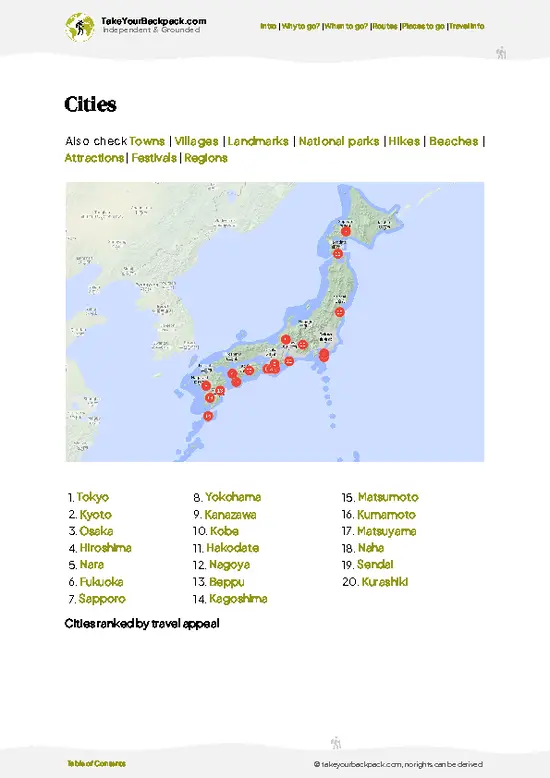
The list of best cities in Japan is created based on culture, vibe, attractions, transport ease, and local charm. If you feel a city is missing in this list, please let us know.

When to go?Timing Your Visit for the Best Experience

Seasonality plays a crucial role in shaping the experience of visiting cities in Japan. Each season brings distinct weather patterns, cultural events, and crowd dynamics that can significantly influence travel plans.

Spring is renowned for cherry blossoms, attracting many visitors. Temperatures are mild, making it comfortable for exploration. However, this peak season also means larger crowds and higher accommodation costs. The trade-off here is clear: while the beauty of blooming sakura is captivating, the experience can feel crowded and rushed.

Summer presents a different scenario. Cities can become hot and humid, with temperatures often soaring. This season also hosts numerous festivals, which can be vibrant and lively. However, the heat can deter some travelers. Those willing to brave … read more 👉
Seasonality plays a crucial role in shaping the experience of visiting cities in Japan. Each season brings distinct weather patterns, cultural events, and crowd dynamics that can significantly influence travel plans.

Spring is renowned for cherry blossoms, attracting many visitors. Temperatures are mild, making it comfortable for exploration. However, this peak season also means larger crowds and higher accommodation costs. The trade-off here is clear: while the beauty of blooming sakura is captivating, the experience can feel crowded and rushed.

Summer presents a different scenario. Cities can become hot and humid, with temperatures often soaring. This season also hosts numerous festivals, which can be vibrant and lively. However, the heat can deter some travelers. Those willing to brave the weather may enjoy unique cultural experiences, but they should prepare for the associated discomfort.

Autumn offers a sweet spot for many. The weather is generally pleasant, with cooler temperatures and stunning fall foliage. Crowds begin to thin out compared to spring, providing a more relaxed atmosphere. This season balances the beauty of nature with manageable tourist levels, making it an ideal time for many travelers.

Winter brings its own charm, especially in urban areas. While temperatures drop, cities are often adorned with festive lights and events. However, some attractions may have reduced hours or be closed. The trade-off here involves experiencing a quieter, more intimate side of city life, but with the potential for chilly weather.

Shoulder seasons—spring and autumn—often present the best opportunities for travelers. They offer a mix of favorable weather and moderate crowds, allowing for a more enjoyable experience. Understanding these seasonal rhythms can empower travelers to make informed decisions, optimizing their journey through Japan’s urban landscapes.

city hoppingPlanning Your Route Efficiently

Transport Networks and Regional Clustering

Japan’s transport system is a marvel of efficiency. The Shinkansen, or bullet train, connects major cities with incredible speed, making it the backbone of intercity travel. To maximize your experience, cluster cities by region. Start in the Kanto region with Tokyo, then move to the Kansai region, hitting Kyoto and Osaka. This logical flow minimizes backtracking and optimizes travel time.

Optimal Sequencing and Timing

Plan your stops based on proximity. For instance, a trip from Tokyo to Kyoto takes about two hours on the Shinkansen. Allocate at least two days in each city to soak in the culture and sights. This pacing allows for a balance between exploration and relaxation. Rushing through cities can lead to missed experiences, so prioritize quality … read more 👉

Transport Networks and Regional Clustering

Japan’s transport system is a marvel of efficiency. The Shinkansen, or bullet train, connects major cities with incredible speed, making it the backbone of intercity travel. To maximize your experience, cluster cities by region. Start in the Kanto region with Tokyo, then move to the Kansai region, hitting Kyoto and Osaka. This logical flow minimizes backtracking and optimizes travel time.

Optimal Sequencing and Timing

Plan your stops based on proximity. For instance, a trip from Tokyo to Kyoto takes about two hours on the Shinkansen. Allocate at least two days in each city to soak in the culture and sights. This pacing allows for a balance between exploration and relaxation. Rushing through cities can lead to missed experiences, so prioritize quality over quantity.

Common Planning Mistakes

One common pitfall is underestimating travel time. While Japan is compact, each city has its own rhythm. Factor in local transport, which can add time to your itinerary. Avoid cramming too many cities into a short timeframe; this often leads to fatigue and frustration. Instead, focus on a few key experiences in each location.

Trade-offs and Constraints

Speed versus depth is a critical trade-off. A fast-paced itinerary may allow for more cities, but it sacrifices the richness of experience. Budget considerations also play a role; while the Shinkansen is fast, it can be pricey. Consider regional rail passes for cost-effective travel. Flexibility is key; allow for spontaneous detours or extended stays if a city captures your interest.

Strategic Planning

Use a map to visualize your route. This helps in understanding distances and travel times. Keep an eye on local festivals or events that might enhance your experience. A well-planned trip in Japan is not just about seeing more; it’s about engaging deeply with each destination.

The ListMust-Visit cities in Japan

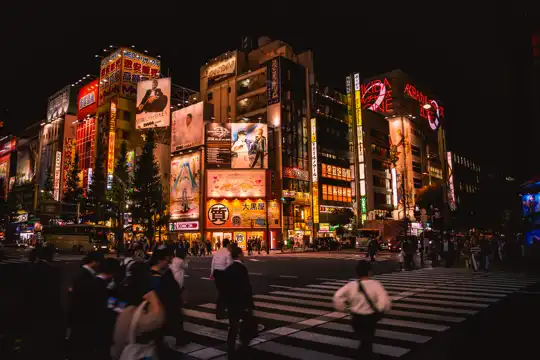
1 Tokyo

urban sprawl, pop culture, historic districts

Navigate a metropolis of contrasts, from ancient temples to futuristic neighborhoods, where every district offers a distinct experience.

Japan - Tokyo

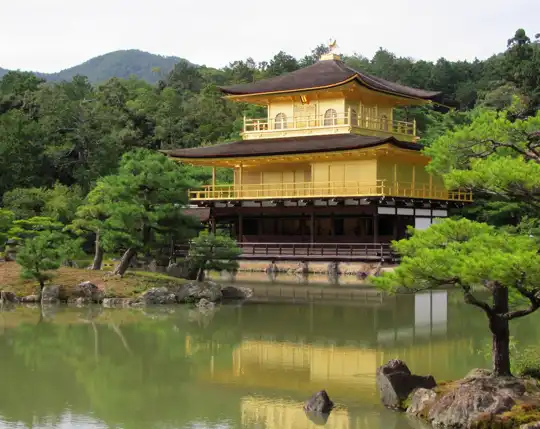
2 Kyoto

temple districts, geisha quarters, bamboo groves

Discover centuries-old rituals, stroll through atmospheric lanes, and experience a city where tradition shapes the everyday.

Japan - Kyoto

3 Osaka

street food arcades, neon nightlife, castle park

Sample regional snacks in bustling markets, enjoy lively entertainment districts, and relax in green spaces near the city center.

4 Hiroshima

Peace Memorial, okonomiyaki, island shrine

Reflect at historic sites, sample savory pancakes, and take a short ferry to a famous torii rising from the sea.

japan-city-hiroshima
© Google |

5 Nara

ancient temples, free-roaming deer, Buddha statue

Encounter sacred deer in city parks, visit Japan’s oldest wooden structures, and see monumental Buddhist art up close.

6 Fukuoka

canal-side dining, city beaches, ramen alleys

Sample Hakata ramen in bustling yatai stalls, unwind along sandy urban shores, and navigate a city where food and relaxation intersect daily.

7 Sapporo

snow festival, beer halls, tree-lined boulevards

Attend winter celebrations, taste local brews, and explore a city designed for open spaces and seasonal events.

8 Yokohama

harbor skyline, Chinatown, modern museums

Experience Japan’s largest port city through waterfront promenades, diverse cuisine, and innovative urban spaces blending old and new.

9 Kanazawa

samurai district, gold leaf crafts, Kenrokuen garden

Wander preserved neighborhoods, admire intricate gardens, and discover artisan traditions that shape the city’s quiet, refined atmosphere.

10 Kobe

harborfront, sake breweries, mountain cable cars

Ride up to panoramic viewpoints, taste local beef, and explore a cosmopolitan city shaped by international trade and natural scenery.

11 Hakodate

night views, historic port, morning market

Ascend Mount Hakodate for city lights, explore Western-influenced districts, and start your day with fresh seafood at the market.

12 Nagoya

modern towers, automotive museums, castle keep

Tour technology museums, discover unique local dishes, and see how tradition and industry coexist in Japan’s manufacturing hub.

japan-city-nagoya
© Google |

13 Beppu

hot spring hells, steam baths, mountain backdrop

Soak in mineral-rich waters, witness surreal geothermal landscapes, and relax in a town famous for its onsen culture.

14 Kagoshima

active volcano, seaside parks, Satsuma history

View Sakurajima’s volcanic plume, stroll subtropical gardens, and learn about a city shaped by both nature and samurai heritage.

15 Matsumoto

alpine views, black castle, local art scene

Climb castle towers for mountain vistas, browse galleries, and enjoy a compact city framed by the Japanese Alps.

16 Kumamoto

fortress ruins, Suizenji garden, local sweets

Explore castle grounds, relax in landscaped parks, and sample regional confections in a city with deep samurai roots.

17 Matsuyama

hilltop castle, literary heritage, Dogo Onsen

Bathe in historic hot springs, climb to panoramic castle grounds, and trace the footsteps of famous Japanese writers.

18 Naha

Ryukyu heritage, covered markets, coastal fortress

Explore Okinawan culture through lively markets, visit restored castle sites, and enjoy subtropical city life by the sea.

19 Sendai

tree-lined avenues, Tanabata festival, regional cuisine

Walk broad boulevards, enjoy seasonal festivals, and sample specialties like gyutan in a city balancing urban life with green spaces.

20 Kurashiki

canal district, folk art, white-walled warehouses

Wander preserved waterways, browse craft museums, and experience a city where merchant history remains visible at every turn.

21 Ise

Shinto shrines, pilgrimage routes, sacred forests

Follow ancient paths to Japan’s most revered shrine, surrounded by centuries-old trees and a deep sense of spiritual tradition.

22 Okayama

Korakuen garden, castle, cycling routes

Cycle through riverside paths, visit a reconstructed castle, and unwind in one of Japan’s most admired landscape gardens.

23 Shizuoka

Mt. Fuji views, green tea fields, coastal cycling

Cycle along the Pacific coast, sip fresh tea, and catch clear glimpses of Japan’s iconic mountain from city parks and viewpoints.

24 Takamatsu

island ferries, udon shops, Ritsurin garden

Board ferries to art-filled islands, savor regional noodles, and stroll through one of Japan’s most celebrated landscape gardens.

25 Uji

Byodo-in temple, tea houses, riverside walks

Sip matcha in historic teahouses, visit UNESCO-listed temples, and enjoy tranquil strolls along the Uji River.

26 Wakayama

mountain temples, pilgrimage trails, castle park

Hike sacred routes, visit spiritual retreats, and explore a city where religious history shapes daily life.

27 Asahikawa

zoo, ramen village, winter festival

Visit a renowned zoo, warm up with local noodles, and experience snowy landscapes during the city’s lively winter events.

28 Toyama

alpine gateway, glass art, seafood markets

Access mountain routes, admire contemporary glasswork, and sample fresh seafood from the deep Toyama Bay.

29 Gifu

cormorant fishing, mountain castle, river valley

Watch traditional fishing on the Nagara River, tour a mountaintop keep, and explore a city shaped by its waterways.

30 Miyazaki

beach resorts, subtropical gardens, Shinto shrines

Relax on Pacific beaches, visit mythic shrines, and stroll through lush gardens shaped by a warm southern climate.

31 Fukui

dinosaur museum, Zen temples, rugged coastline

Visit world-class fossil exhibits, meditate in tranquil temples, and walk dramatic cliffs along the Sea of Japan.

32 Kochi

Sunday market, castle, Pacific coastline

Browse open-air markets, tour a hilltop castle, and enjoy fresh seafood along the rugged southern coast.

33 Saga

ceramic villages, hot air balloons, castle ruins

Browse pottery workshops, attend colorful balloon festivals, and wander sites that reveal the area’s feudal past.

34 Shimonoseki

fish market, Kanmon Strait, pufferfish cuisine

Try fugu prepared by experts, watch ships pass through the strait, and explore a city defined by its maritime setting.

35 Tottori

sand dunes, manga museum, coastal trails

Climb sweeping dunes, discover manga culture, and hike along quiet seaside paths in Japan’s least populous prefecture capital.

36 Yamagata

hot spring towns, cherry harvest, temple steps

Climb stone stairways to ancient temples, soak in rural onsen, and visit during the region’s celebrated cherry season.

37 Yamaguchi

pagoda, hot springs, literary history

Visit a five-story pagoda, relax in quiet onsen, and discover a city with deep ties to poets and scholars.

38 Numazu

harborfront, seafood markets, Mt. Fuji glimpses

Dine on fresh catches by the bay, spot Fuji across the water, and enjoy a relaxed pace in a coastal setting.

39 Mito

Kairakuen garden, plum blossoms, art museum

Admire seasonal blooms in a famous garden, explore a modern art museum, and enjoy a city known for its horticultural heritage.

40 Morioka

stone bridges, noodle shops, mountain backdrop

Sample regional noodles, cross historic bridges, and enjoy views of Mount Iwate from a compact city center.

41 Sasebo

naval port, island cruises, fusion cuisine

Cruise among scattered islands, sample unique burgers, and experience a city influenced by international maritime history.

42 Tokushima

Awa Odori dance, river whirlpools, indigo dyeing

Join energetic summer dances, watch tidal whirlpools, and learn about traditional crafts in a city with deep festival roots.

43 Nobeoka

river gorge, castle ruins, citrus groves

Hike along scenic rivers, explore remnants of feudal castles, and sample local citrus in a city surrounded by nature.

44 Kofu

vineyards, mountain views, Takeda shrine

Taste local wines, visit shrines dedicated to samurai legends, and enjoy panoramic views of surrounding peaks.

Think you know Japan?

Prove you’re a true local — uncover 34 lesser-known cities in Japan that locals tend to keep to themselves.
Loading the map 🌍

Expert viewExpert Commentary on cities

Transport Hubs

Japan’s transport system is a marvel of efficiency. The Shinkansen, or bullet train, connects major cities with remarkable speed, making it tempting to hop from one urban center to another. However, while the allure of visiting multiple cities quickly is strong, consider the trade-off: time spent in transit can detract from your experience. Each journey, though swift, requires planning—reservations, ticket purchases, and navigating stations.

Focus on a handful of cities—three to five is a sweet spot. This allows you to immerse yourself in local culture without feeling rushed. Each city has its own rhythm, and understanding this is key. For instance, Tokyo’s frenetic pace contrasts sharply with the more laid-back vibe of a city like Kanazawa. By choosing fewer destinations, … read more 👉

Transport Hubs

Japan’s transport system is a marvel of efficiency. The Shinkansen, or bullet train, connects major cities with remarkable speed, making it tempting to hop from one urban center to another. However, while the allure of visiting multiple cities quickly is strong, consider the trade-off: time spent in transit can detract from your experience. Each journey, though swift, requires planning—reservations, ticket purchases, and navigating stations.

Focus on a handful of cities—three to five is a sweet spot. This allows you to immerse yourself in local culture without feeling rushed. Each city has its own rhythm, and understanding this is key. For instance, Tokyo’s frenetic pace contrasts sharply with the more laid-back vibe of a city like Kanazawa. By choosing fewer destinations, you can explore neighborhoods, try local foods, and engage with residents, which enriches your experience.

Urban Pacing

Japan’s cities have distinct paces. In bustling metropolises, the energy is palpable, but it can be overwhelming. You might find yourself caught in a whirlwind of sights and sounds, which can lead to fatigue. Balance is essential. Spend a few days in a high-energy city, then transition to a quieter locale. This not only recharges your batteries but also offers a deeper understanding of Japan’s diverse urban landscapes.

Consider the local calendar as well. Festivals can dramatically change the atmosphere of a city, making it lively and crowded. If you’re in a city during a major event, embrace it, but be prepared for higher costs and limited accommodation options. Conversely, visiting during off-peak times can yield a more intimate experience but may limit certain attractions.

Local Costs

Budgeting in Japan can be tricky due to regional variations. Major cities often have higher costs for accommodation and dining, while smaller towns can be surprisingly affordable. However, don’t let the allure of cheaper options lead you to miss out on unique experiences. Street food in urban areas can be both delicious and budget-friendly, while local markets often offer fresh, authentic cuisine at reasonable prices.

When planning, factor in transportation costs. The Japan Rail Pass can be a game-changer if you’re traveling between cities frequently. However, if you’re sticking to one region, local passes may offer better value. Always weigh the cost of convenience against the experience. Sometimes, a longer train ride to a lesser-known area can yield richer interactions and discoveries than a quick trip to a popular spot.

Exploring More Cities vs. Deeper Immersion

The classic dilemma: do you explore more cities quickly or dive deeper into fewer? Each approach has its merits. Rapid exploration can provide a broad overview of Japan’s diversity, but it often sacrifices depth. You might miss the nuances of local customs or the chance to build connections with residents.

On the flip side, immersing yourself in a single city allows for a richer experience. You can develop a routine, discover hidden spots, and truly appreciate the local culture. This often leads to serendipitous encounters—like striking up a conversation with a shop owner or joining a community event.

Consider your travel style. If you thrive on spontaneity and variety, a broader approach may suit you. If you prefer to savor experiences, opt for fewer cities. Remember, it’s not just about the number of places you visit; it’s about the quality of your interactions.

Planning and Prioritizing Cities

When planning your itinerary, prioritize based on interests. Are you drawn to history, food, nature, or modern culture? Research regional specialties and align your choices with what excites you. For example, if you’re a history buff, focus on cities rich in heritage and museums. If food is your passion, seek out culinary hotspots.

Timing is also crucial. Japan’s seasons dramatically affect experiences. Cherry blossom season in spring or the vibrant foliage in autumn can enhance your visit, but they also attract crowds. If you’re traveling during peak times, book accommodations and transport well in advance to avoid last-minute stress.

Safety is another consideration. Japan is one of the safest countries for travelers, but it’s wise to stay aware of local customs and etiquette. Understanding basic phrases in Japanese can go a long way in building rapport with locals. Respect for personal space and quietness in public transport are cultural norms that enhance the travel experience.

Cultural Considerations

Cultural immersion is a rewarding aspect of travel. Engage with local customs, whether it’s participating in a tea ceremony or attending a local festival. These experiences often require advance planning, so research ahead of time.

Be mindful of cultural sensitivities. For instance, certain behaviors, like speaking loudly in public or eating while walking, may be frowned upon. Observing local etiquette not only enriches your experience but also fosters goodwill with residents.

In summary, Japan’s cities offer a complex tapestry of experiences. By understanding the transport systems, pacing, costs, and cultural nuances, you can navigate this landscape with confidence, turning logistics into a satisfying game of discovery.

✈️ The backpacker research shortcutJapan Travel Guide

An offline-friendly backpacking guide with optimized travel routes, ranked highlights, transport advice, and the best areas to stay.
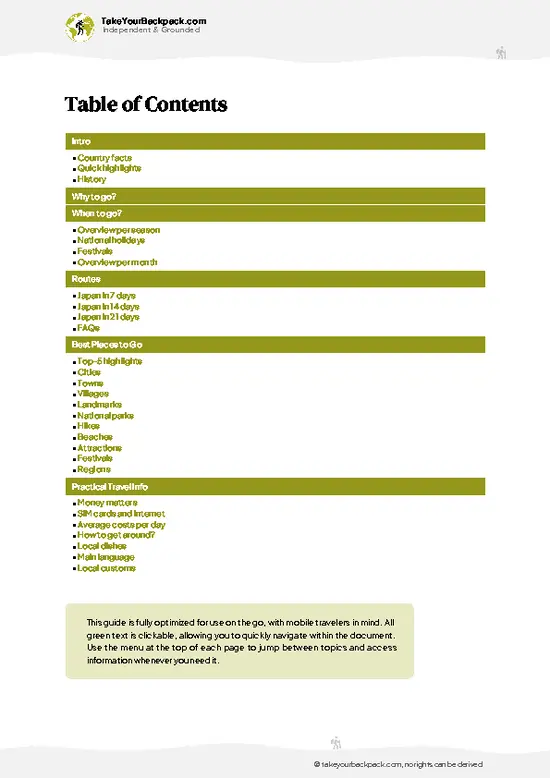
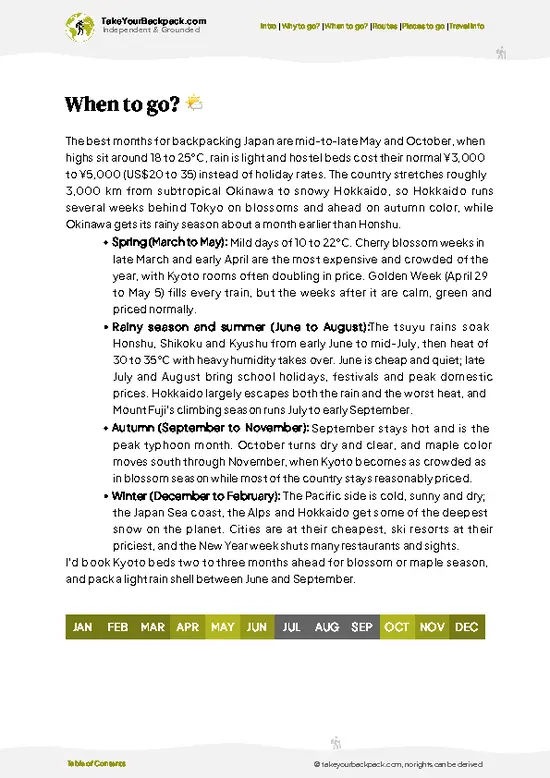
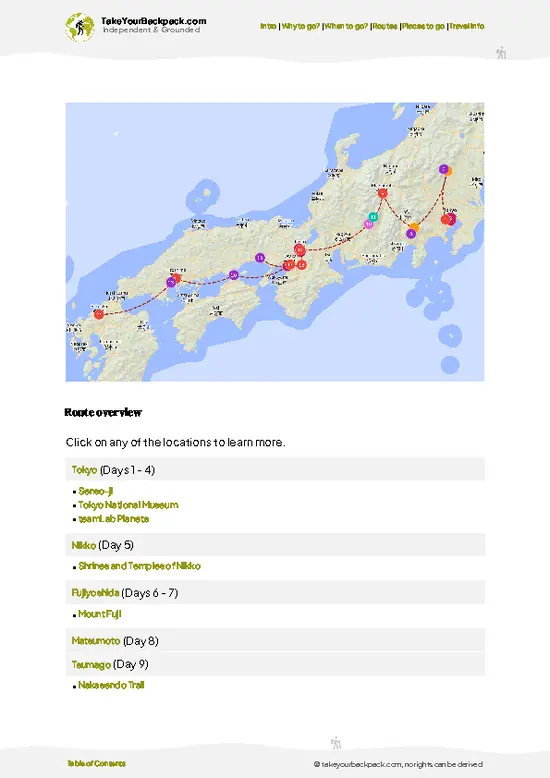
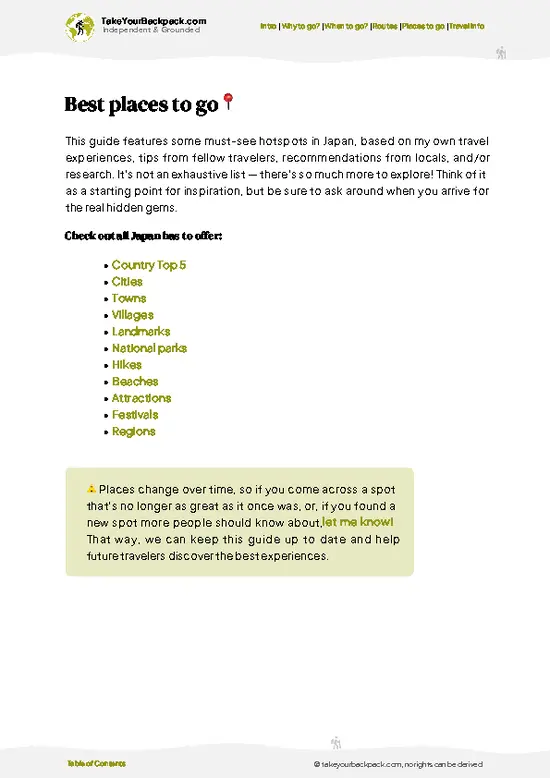
example page 0 from our offline Travel Guide for Japan
example page 1 from our offline Travel Guide for Japan
example page 2 from our offline Travel Guide for Japan
example page 3 from our offline Travel Guide for Japan
example page 4 from our offline Travel Guide for Japan
example page 5 from our offline Travel Guide for Japan
example page 6 from our offline Travel Guide for Japan
example page 7 from our offline Travel Guide for Japan
The digital guide (482 pages) contains:
140 highlights, ranked by travel appeal
Optimized 7, 14 & 21-day travel routes
Cities, national parks, landmarks, beaches
How to get around
Offline-friendly for travel without Wi-Fi
👉 Click to see all 30+ guide features

📅 Plan smarter in minutes, not weeks
Month by month travel advice
Festivals & national holidays
Budget expectations

🗺️ Go to the right places, skip the overrated ones
Honest pros & cons of destinations
Top hikes, parks & viewpoints
Lesser-known places most travelers miss
Clear “worth it vs skip it” guidance

🛏️ Travel smoothly without rookie mistakes
Best areas to stay
Transport systems explained simply
Common scams & safety advice
SIM cards, money & practical tips

🌍 Understand the country, not just visit it
Culture & traditions
52 Essential phrases & customs
Festivals worth planning around
Traveler-friendly historical context
Insights that make places more meaningful

📱 Built for real travel conditions
Fully downloadable PDF
Works completely offline
Optimized for phone use
Useful in remote areas & buses
Everything in one place
Save weeks of stressful planning
Get instant access to your full guide. 30‑day money-back guarantee.
+ Add another guide for just US$7.80

By proceeding you agree to our terms.
Sent to your inbox immediately after payment • 100% Secure Checkout
Best Backpacking Travel Advisor 2025 tourism awardBest Backpacking
Travel Advisor
2025
What others say about Take Your Backpack Guides:
⭐⭐⭐⭐⭐
Fantastic, amazing amount of information!
⭐⭐⭐⭐⭐
My goodness this is amazing, it's what I've been looking for hats off too you!
⭐⭐⭐⭐⭐
I think this is absolutely BRILLIANT
⭐⭐⭐⭐
Very complete and informative. It's still missing places, but I gotta to commend you
⭐⭐⭐⭐⭐
This is truly amazing, thank you, can't wait to explore it with my kids!
⭐⭐⭐⭐⭐
Awesome resource, thank you!
⭐⭐⭐⭐⭐
This is amazing! Can't wait to explore the ones I haven't seen
⭐⭐⭐⭐
I love this! Well done, great idea.
⭐⭐⭐⭐⭐
Thanks for taking the time to make this gem!
⭐⭐⭐⭐⭐
This might be the best website I've ever seen.
⭐⭐⭐⭐⭐
Congratulations, and thank you so much for your work; it's incredibly valuable.
⭐⭐⭐⭐
In all seriousness I think you did a great job pointing out the important spots
⭐⭐⭐⭐⭐
10/10 very good
⭐⭐⭐⭐⭐
As someone who's only just starting to visit regularly this is awesome, thank you.
⭐⭐⭐⭐
Thank you very much! I'm going to visit my dad, it's going to be very useful!
⭐⭐⭐⭐⭐
This is really cool! We'll be travelling for the first time and this definitely come in handy.
⭐⭐⭐⭐⭐
You are now our minister of culture, congratulations 👨‍💼
⭐⭐⭐⭐⭐
Just wanted to tell you that this is a pearl! Going to follow your recommendations.
⭐⭐⭐⭐⭐
This is so cool. I'll definitely be using the resource for my travels soon.
⭐⭐⭐⭐⭐
This is very impressive! Good work.
⭐⭐⭐⭐⭐
This is an amazing and informative site. Very well done!

🛏️ Where to stay?Top Areas to Stay

Yes — Japan has plentiful hostels and budget accommodation concentrated in big-city neighborhoods and transport hubs across Tokyo, Kyoto, Osaka and regional centers.

Choose Shinjuku for the widest hostel choice and nonstop transport but expect noise and crowds; Asakusa and Ueno for cheaper beds close to temples and museums though quieter at night; Ikebukuro for budget shopping and decent rail links with fewer historic sights; in Kyoto, Gion/Kawaramachi puts you within walking distance of major temples yet fills fast and feels touristy while areas near Kyoto Station are best for luggage and trains but lack atmosphere; Namba (Osaka) offers food and nightlife at the cost of sleep, Umeda centers … read more 👉
Yes — Japan has plentiful hostels and budget accommodation concentrated in big-city neighborhoods and transport hubs across Tokyo, Kyoto, Osaka and regional centers.

Choose Shinjuku for the widest hostel choice and nonstop transport but expect noise and crowds; Asakusa and Ueno for cheaper beds close to temples and museums though quieter at night; Ikebukuro for budget shopping and decent rail links with fewer historic sights; in Kyoto, Gion/Kawaramachi puts you within walking distance of major temples yet fills fast and feels touristy while areas near Kyoto Station are best for luggage and trains but lack atmosphere; Namba (Osaka) offers food and nightlife at the cost of sleep, Umeda centers on transport and shopping with more business-style options, and Shin-Osaka is practical for shinkansen connections though has fewer attractions nearby; regional hubs like Susukino (Sapporo) and Hakata (Fukuoka) give affordable beds and easy train access but expect seasonal crowding or winter cold in Sapporo.

If you enjoy meeting fellow travelers, consider choosing hostels with high ratings for atmosphere. On the other hand, if you prefer having your own space, a hotel might be a better option.

JapanDiscover the Country

👋 Meet the founderWho’s Behind Take Your Backpack?

Johan, backpacker and founder of TakeYourBackpackHi, I’m Johan (Netherlands 🇳🇱), the creator of TakeYourBackpack. Over the past decade, I’ve backpacked through 80+ countries across six continents, gaining extensive experience with independent travel, long-term trips, and overland routes.

This site is built on a combination of firsthand travel experience and carefully curated insights from other backpackers. Many guides are based on places I’ve personally visited, while others bring together tips, observations, and practical advice shared by trusted travelers I’ve met along the way.

The goal is to provide realistic, experience-driven guidance — not generic itineraries — so you can explore destinations with better context, clearer expectations, and more confidence.

Get full Japan guide •
Instant download • 140 highlights • Full Offline guide