v2.webp)
- Mount Hakodate (Mountaintop Observatory) — The postcard night view is famous for a reason: the city lights, harbor and bay spread below like a glittering fan. Take the ropeway up at sunset, linger for the changing colors, and try to time it so you see both day and night scenery.
- Goryokaku Park & Goryokaku Tower — A rare, star-shaped Edo-period fort turned public park. Walk the ramparts, learn about the Boshin War’s last battles, and climb the tower for a full-star aerial view, especially pretty when the cherry trees bloom.
- Hakodate Morning Market (Asaichi) — Fresh seafood stalls and donburi counters right by the station. You can eat insanely fresh squid, crab and sea urchin here; cheap, noisy, and the best place to watch the catch become your bowl.
- Motomachi Historic District — A compact
- Mount Hakodate (Mountaintop Observatory) — The postcard night view is famous for a reason: the city lights, harbor and bay spread below like a glittering fan. Take the ropeway up at sunset, linger for the changing colors, and try to time it so you see both day and night scenery.
- Goryokaku Park & Goryokaku Tower — A rare, star-shaped Edo-period fort turned public park. Walk the ramparts, learn about the Boshin War’s last battles, and climb the tower for a full-star aerial view, especially pretty when the cherry trees bloom.
- Hakodate Morning Market (Asaichi) — Fresh seafood stalls and donburi counters right by the station. You can eat insanely fresh squid, crab and sea urchin here; cheap, noisy, and the best place to watch the catch become your bowl.
- Motomachi Historic District — A compact neighborhood of sloping streets, wooden churches and foreign consulate buildings that tell Hakodate’s 19th-century opening to the world. It’s walking-movie scenery: churches, clapboard houses, and unexpected sea views around every corner.
- Old Public Hall of Hakodate Ward — A beautifully preserved 1910 reception hall with stained glass, carved wood and a riverside setting. It’s small, photogenic, and gives a real feel for the civic life of Hakodate’s modernizing era.
- Kanemori Red Brick Warehouses (Bay Area) — Converted warehouses lining the harbor with cafes, craft shops and seasonal markets. Great for a rainy afternoon, people-watching by the water, and grabbing local snacks to take to the pier.
- Hachiman-zaka Slope — That cinematic tree-lined slope that photographers love: a gentle uphill street with a view straight down to the bay and the tram passing by. Short, simple, and one of those instant Hakodate moments you’ll want a photo of.
- Trappistine Convent — A quiet, hilltop convent run by nuns that’s open to visitors for the grounds and a tiny shop selling homemade biscuits. It’s a peaceful counterpoint to the busier tourist spots and gives a glimpse of local religious life.
- Hakodate Tropical Botanical Garden — In winter you can see Japanese macaques soaking in hot baths; year-round there are palm houses and warm-climate plants that feel incongruous in Hokkaido. Odd, charming, and surprisingly memorable.
- Yunokawa Onsen — Hakodate’s main hot-spring district, with public baths, ryokan and seaside footbaths. It’s perfect for unwinding after a long day of sightseeing and for sampling the slow, salty side of local life.
Spotted a mistake or missing something? Contact us.
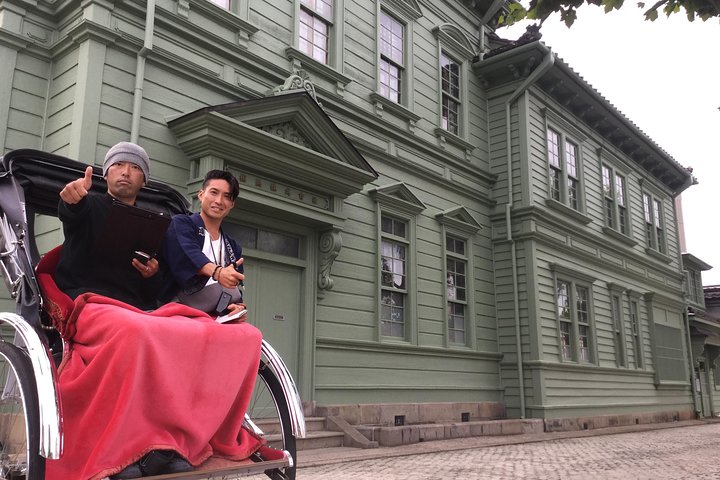
Hakodate Rickshaw Tour

Hakodate Customized Private Tour in 1 Day with Licensed Guide

Hakodate Private Custom Tour with Guide & Vehicle – Groups 1-4

Hakodate Exploration Tour with Private Guide

Hakodate: Historic Port Walk & Mt. Hakodate Panoramic Views
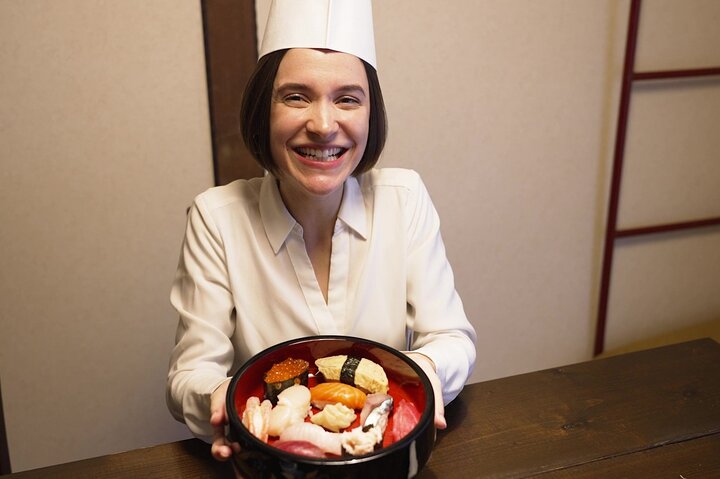
Taught by a professional! Making sushi with Hakodate's Fresh Fish
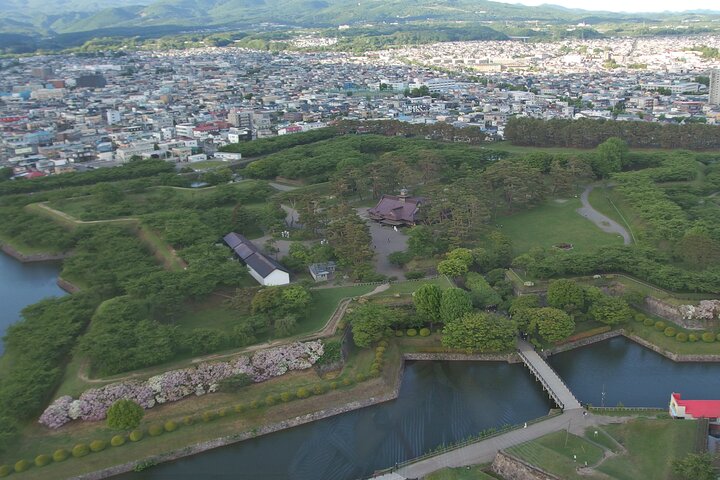
Private Full Day Guided Tour In Hakodate

Hakodate: Goryokaku Star Fort & Tower Guided History Tour

Hakodate Highlights 5 Hours Private Shore Excursion


 Best Backpacking
.jpg) Hi, I’m Johan (Netherlands 🇳🇱), the creator of TakeYourBackpack. Over the past 3 decades, I’ve backpacked through 90+ countries across six continents, gaining extensive experience with independent travel, long-term trips, and overland routes.
Hi, I’m Johan (Netherlands 🇳🇱), the creator of TakeYourBackpack. Over the past 3 decades, I’ve backpacked through 90+ countries across six continents, gaining extensive experience with independent travel, long-term trips, and overland routes.