×

Japan🇯🇵 | citiesAomoriNebuta floats, apple orchards, northern bay | things to do and best time to go

Explore NagoyaExplore Uji

Backpacking in Aomori
By Johan Kruseman 🇳🇱 | Updated September 4, 2026

Ten years ago Aomori felt like a quiet end-of-the-line port where you killed time before Hokkaido; now it’s cleaner, better signed, and noticeably prouder of itself, but still far from polished Tokyo-style tourism. Up in northern Honshu, it’s a compact, safe, slightly sleepy city with great payoffs: the Nebuta Museum, the waterfront, and easy day trips to Oirase Gorge or Hirosaki. It’s cheaper and calmer than Sendai, light on nightlife and hostels, but trains, buses, and solo wandering are all pleasantly straightforward.

Discover everything you want to know in the 📖 Japan Travel Guide.


Get your Japan guide
140 ranked highlights, routes & tips, works offline (482 pages)
Loading the map 🌍
CLICK TO FILTER
cities
towns
villages
landmarks
national parks
hikes
beaches
attractions
festivals
regions
SHOW COUNTRY’S BESTSHOW ALL

✨ Why go?
Ranked #99 city in Japan
Why visitors keep coming back

Aomori is a strategic basecamp for backpackers, offering a blend of affordability and convenience. The city is walkable, making it easy to explore local food stalls and vibrant markets without breaking the bank. Hostels here are not just budget-friendly; they foster a sense of community, perfect for meeting fellow travelers. While Aomori has its own highlights, it also serves as a launchpad for day trips to stunning nearby landscapes. Plus, with easy onward travel options, you can seamlessly continue your journey. If you’re after a mix of culture and practicality, Aomori fits the bill.
Want to include Aomori in your Japan route?
Create a personalized Japan itinerary that includes Aomori and the places that fit your trip — based on your travel style, budget, and available time. Get your route in seconds.

Generate my trip

💡 HighlightsTop highlights of Aomori

  • Nebuta Museum WA RASSE — The festival’s floats come alive here: massive illuminated Nebuta, hands-on drum/haneto demo space, and great context on the summer parade. If you want Nebuta without sweating through a festival, this is it.
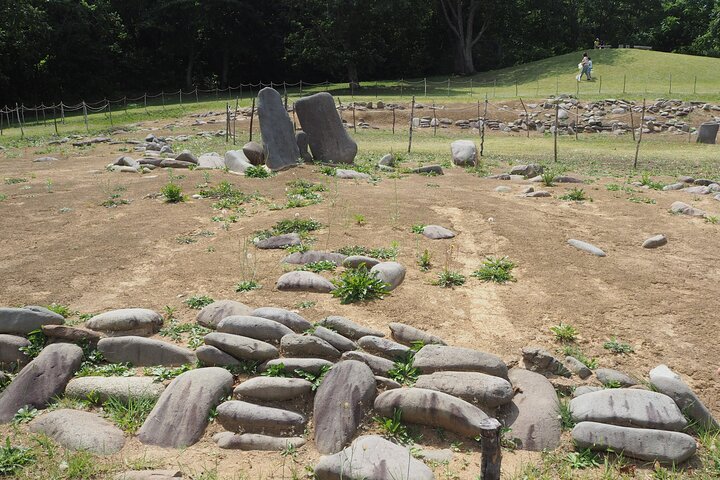
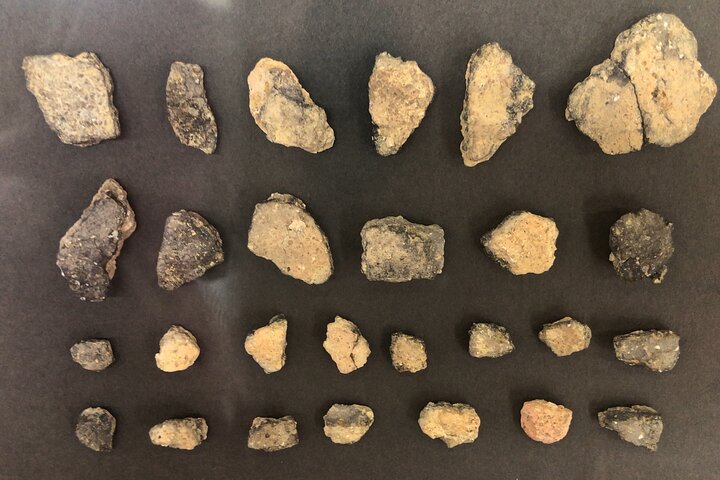
  • Sannai-Maruyama Archaeological Site — One of Japan’s largest Jōmon-era settlements with reconstructed longhouses, preserved pit-dwellings and a museum that makes 4,000+ years feel tangible. A quiet, surprisingly atmospheric place to wander and imagine ancient life.
  • Aomori Museum of Art — Clean, airy galleries (and a huge outdoor Yoshitomo Nara dog statue) focused on local artists and rotating shows; the building and sculpture garden are worth the visit even if you’re not a museum geek.
  • Asamushi Onsen & Asamushi Aquarium — A coastal hot-spring town inside Aomori
read more 👉
  • Nebuta Museum WA RASSE — The festival’s floats come alive here: massive illuminated Nebuta, hands-on drum/haneto demo space, and great context on the summer parade. If you want Nebuta without sweating through a festival, this is it.
  • Sannai-Maruyama Archaeological Site — One of Japan’s largest Jōmon-era settlements with reconstructed longhouses, preserved pit-dwellings and a museum that makes 4,000+ years feel tangible. A quiet, surprisingly atmospheric place to wander and imagine ancient life.
  • Aomori Museum of Art — Clean, airy galleries (and a huge outdoor Yoshitomo Nara dog statue) focused on local artists and rotating shows; the building and sculpture garden are worth the visit even if you’re not a museum geek.
  • Asamushi Onsen & Asamushi Aquarium — A coastal hot-spring town inside Aomori city limits: small, friendly ryokan, seaside baths and a compact aquarium showcasing Sanriku coastal life. Good for a mellow evening and fresh seafood.
  • ASPAM (Aomori Prefectural Tourist Center) — The pyramid-shaped landmark on the bay with an observation deck, cider/apple souvenirs and easy orientation to the city. Cheap, quick views and useful for planning the rest of your day.
  • A-Factory (apple market and cider cellar) — A compact food hall by the harbor that’s all about Aomori apples: tastings, craft ciders, packaged goods and small eateries. Perfect for trying local flavors without hunting restaurants.
  • Aomori Gyosai Center (Fishermen’s Wharf) — No-frills seafood market stalls and kaisendon (seafood bowls) where locals eat; lively in the morning and ideal for an authentic, wallet-friendly seafood fix.
  • Gappo Park — A leafy, historic seaside park with ancient pines, strolling paths and good picnic spots; lovely at cherry-blossom time and a peaceful counterpoint to the city’s festival energy.
  • Aomori Bay Bridge & Waterfront Promenade — Walkable waterfront with nice views over the harbor, sunset spots and easy access to ASPAM, A-Factory and the port—great for evening photos and casual people-watching.
  • Hakkōda-maru (Museum Ship) — The retired ferry docked at Aomori Port that runs as a hands-on museum about the Aomori-Hakodate sea route; climb decks, see the crew spaces and get a maritime slice of local history.
Nearby day-trip highlights include Hirosaki Castle (famous for cherry blossoms), the Oirase Gorge & Lake Towada for waterfall hikes, and the Hakkōda Mountains for ropeway views — my personal favorite for a day out is Oirase Gorge (beautiful, easy hiking and not far by bus).
Spotted a mistake or missing something? Contact us.

Things to do in Aomori

Ratings based on Tripadvisor reviews. When you book through this link, you support our work at no extra cost to you.

🏘️ NeighborhoodsHow different areas shape the experience

Aomori offers a unique blend of culture and nature, making it a fascinating stop for backpackers.

Aomori City Center: This is the heartbeat of Aomori. You’ll find affordable hostels and local eateries. The vibe is lively, especially at night, with bars and izakayas buzzing. Walkability is excellent, and public transport connects you to attractions like the Aomori Museum of Art. Perfect for short stays.

Hirosaki: A bit further out, Hirosaki is quieter and known for its historic castle and cherry blossoms. It’s a charming area with a laid-back atmosphere, ideal for longer stays. Costs are lower here, and it’s easily accessible by train. Great for those who want a more relaxed pace.

Shichinohe: This rural area offers stunning landscapes and hiking opportunities. It’s less touristy, so expect … read more 👉
Aomori offers a unique blend of culture and nature, making it a fascinating stop for backpackers.

Aomori City Center: This is the heartbeat of Aomori. You’ll find affordable hostels and local eateries. The vibe is lively, especially at night, with bars and izakayas buzzing. Walkability is excellent, and public transport connects you to attractions like the Aomori Museum of Art. Perfect for short stays.

Hirosaki: A bit further out, Hirosaki is quieter and known for its historic castle and cherry blossoms. It’s a charming area with a laid-back atmosphere, ideal for longer stays. Costs are lower here, and it’s easily accessible by train. Great for those who want a more relaxed pace.

Shichinohe: This rural area offers stunning landscapes and hiking opportunities. It’s less touristy, so expect a tranquil vibe. Accommodation options are limited, but it’s perfect for nature lovers willing to sacrifice some comfort for breathtaking views.

⌛️ 1 dayA smart one-day plan

Aomori, Japan, is a treasure trove of culture and nature, nestled at the northern tip of Honshu. It’s known for its rich history, stunning landscapes, and the famous Nebuta Matsuri festival.

Start your day in the vibrant Aomori Bay area. Grab a coffee at a local café and stroll along the waterfront, soaking in views of the iconic Aomori Bay Bridge. Next, head to the Aomori Museum of Art, where the striking architecture and impressive collection of contemporary art will captivate you.

In the afternoon, make your way to the bustling Hachinohe Fish Market. Here, you can sample fresh seafood and experience the local vibe. Don’t miss the lesser-known Sannai-Maruyama Site, an archaeological gem that offers a glimpse into Japan’s Jomon period.

As evening falls, explore the lively streets of … read more 👉
Aomori, Japan, is a treasure trove of culture and nature, nestled at the northern tip of Honshu. It’s known for its rich history, stunning landscapes, and the famous Nebuta Matsuri festival.

Start your day in the vibrant Aomori Bay area. Grab a coffee at a local café and stroll along the waterfront, soaking in views of the iconic Aomori Bay Bridge. Next, head to the Aomori Museum of Art, where the striking architecture and impressive collection of contemporary art will captivate you.

In the afternoon, make your way to the bustling Hachinohe Fish Market. Here, you can sample fresh seafood and experience the local vibe. Don’t miss the lesser-known Sannai-Maruyama Site, an archaeological gem that offers a glimpse into Japan’s Jomon period.

As evening falls, explore the lively streets of the Aomori city center. Enjoy a bowl of Aomori’s famous miso ramen at a cozy eatery. Wrap up your day with a walk through the illuminated streets, reflecting on the unique blend of tradition and modernity that defines Aomori.
Turn your Aomori visit into an Japan adventure
Build a complete Japan route with Aomori, hidden gems, must-see destinations, and realistic travel times included.

Generate my trip

🌤️ When to go?Choosing the right time of year


  • Weather: Aomori’s summers hover around 20-25°C (68-77°F), pleasant but humid; winters dive below freezing, often with heavy snow—ideal if you crave snowy landscapes but tough for backpacking.

  • Temperature: Spring and autumn offer mild temps between 10-18°C (50-64°F), perfect for hiking without overheating or freezing.

  • Daylight Hours: Summer stretches daylight to about 15 hours, maximizing your exploration time; winter shrinks it to around 9 hours, limiting outdoor activities.

  • Crowds: Peak tourist influx hits during the Nebuta Festival in early August, swelling prices and crowds; shoulder seasons are quieter and more budget-friendly.

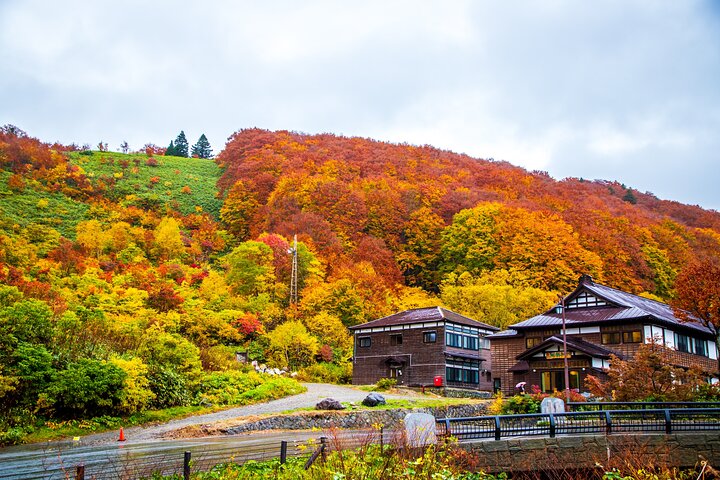
  • Seasonal Activities: Summer’s Nebuta Festival is a spectacle but pricey; autumn brings vibrant foliage and fewer tourists; winter offers snow sports
read more 👉

  • Weather: Aomori’s summers hover around 20-25°C (68-77°F), pleasant but humid; winters dive below freezing, often with heavy snow—ideal if you crave snowy landscapes but tough for backpacking.

  • Temperature: Spring and autumn offer mild temps between 10-18°C (50-64°F), perfect for hiking without overheating or freezing.

  • Daylight Hours: Summer stretches daylight to about 15 hours, maximizing your exploration time; winter shrinks it to around 9 hours, limiting outdoor activities.

  • Crowds: Peak tourist influx hits during the Nebuta Festival in early August, swelling prices and crowds; shoulder seasons are quieter and more budget-friendly.

  • Seasonal Activities: Summer’s Nebuta Festival is a spectacle but pricey; autumn brings vibrant foliage and fewer tourists; winter offers snow sports but demands gear and patience.

  • Price Fluctuations: Expect accommodation and transport costs to spike during festivals and winter holidays; spring and autumn provide the best value for money.


Pro-tip: Aim for late September to early October—cool temps, colorful leaves, manageable crowds, and wallet-friendly rates make it the sweet spot for backpackers.


source: climatestotravel.comJANJanuary: fair for travelingFEBFebruary: fair for travelingMARMarch: good for travelingAPRApril: highly recommended for travelingMAYMay: highly recommended for travelingJUNJune: good for travelingJULJuly: good for travelingAUGAugust: good for travelingSEPSeptember: highly recommended for travelingOCTOctober: excellent for travelingNOVNovember: highly recommended for travelingDECDecember: fair for traveling
when-to-go

✈️ The backpacker research shortcutJapan Travel Guide

An offline-friendly backpacking guide with optimized travel routes, ranked highlights, transport advice, and the best areas to stay.
example page 0 from our offline Travel Guide for Japan
example page 1 from our offline Travel Guide for Japan
example page 2 from our offline Travel Guide for Japan
example page 3 from our offline Travel Guide for Japan
example page 4 from our offline Travel Guide for Japan
example page 5 from our offline Travel Guide for Japan
example page 6 from our offline Travel Guide for Japan
example page 7 from our offline Travel Guide for Japan
The digital guide (482 pages) contains:
140 highlights, ranked by travel appeal
Optimized 7, 14 & 21-day travel routes
Cities, national parks, landmarks, beaches
How to get around
Offline-friendly for travel without Wi-Fi
👉 Click to see all 30+ guide features

📅 Plan smarter in minutes, not weeks
Month by month travel advice
Festivals & national holidays
Budget expectations

🗺️ Go to the right places, skip the overrated ones
Honest pros & cons of destinations
Top hikes, parks & viewpoints
Lesser-known places most travelers miss
Clear “worth it vs skip it” guidance

🛏️ Travel smoothly without rookie mistakes
Best areas to stay
Transport systems explained simply
Common scams & safety advice
SIM cards, money & practical tips

🌍 Understand the country, not just visit it
Culture & traditions
52 Essential phrases & customs
Festivals worth planning around
Traveler-friendly historical context
Insights that make places more meaningful

📱 Built for real travel conditions
Fully downloadable PDF
Works completely offline
Optimized for phone use
Useful in remote areas & buses
Everything in one place
Save weeks of stressful planning
Get instant access to your full guide. 30‑day money-back guarantee.
+ Add another guide for just €6.50

By proceeding you agree to our terms.
Sent to your inbox immediately after payment • 100% Secure Checkout
Best Backpacking Travel Advisor 2025 tourism awardBest Backpacking
Travel Advisor
2025
What others say about Take Your Backpack Guides:
⭐⭐⭐⭐⭐
Fantastic, amazing amount of information!
⭐⭐⭐⭐⭐
My goodness this is amazing, it's what I've been looking for hats off too you!
⭐⭐⭐⭐⭐
I think this is absolutely BRILLIANT
⭐⭐⭐⭐
Very complete and informative. It's still missing places, but I gotta to commend you
⭐⭐⭐⭐⭐
This is truly amazing, thank you, can't wait to explore it with my kids!
⭐⭐⭐⭐⭐
Awesome resource, thank you!
⭐⭐⭐⭐⭐
This is amazing! Can't wait to explore the ones I haven't seen
⭐⭐⭐⭐
I love this! Well done, great idea.
⭐⭐⭐⭐⭐
Thanks for taking the time to make this gem!
⭐⭐⭐⭐⭐
This might be the best website I've ever seen.
⭐⭐⭐⭐⭐
Congratulations, and thank you so much for your work; it's incredibly valuable.
⭐⭐⭐⭐
In all seriousness I think you did a great job pointing out the important spots
⭐⭐⭐⭐⭐
10/10 very good
⭐⭐⭐⭐⭐
As someone who's only just starting to visit regularly this is awesome, thank you.
⭐⭐⭐⭐
Thank you very much! I'm going to visit my dad, it's going to be very useful!
⭐⭐⭐⭐⭐
This is really cool! We'll be travelling for the first time and this definitely come in handy.
⭐⭐⭐⭐⭐
You are now our minister of culture, congratulations 👨‍💼
⭐⭐⭐⭐⭐
Just wanted to tell you that this is a pearl! Going to follow your recommendations.
⭐⭐⭐⭐⭐
This is so cool. I'll definitely be using the resource for my travels soon.
⭐⭐⭐⭐⭐
This is very impressive! Good work.
⭐⭐⭐⭐⭐
This is an amazing and informative site. Very well done!

🛏️ Where to stay?Choosing the right base

In Aomori, the best backpacker base is the area around Aomori Station. It’s the city’s pulse—safe, easy to navigate, and packed with budget-friendly hostels that attract solo travelers and small groups. Staying here means you’re plugged into local life without the hassle of long commutes. The vibe is low-key but social, with cozy cafes and izakayas where you can strike up conversations without feeling lost in a tourist bubble. Compared to the quieter, more residential neighborhoods, this spot balances comfort and convenience perfectly. You trade a bit of tranquility for access and connection—an … read more 👉
In Aomori, the best backpacker base is the area around Aomori Station. It’s the city’s pulse—safe, easy to navigate, and packed with budget-friendly hostels that attract solo travelers and small groups. Staying here means you’re plugged into local life without the hassle of long commutes. The vibe is low-key but social, with cozy cafes and izakayas where you can strike up conversations without feeling lost in a tourist bubble. Compared to the quieter, more residential neighborhoods, this spot balances comfort and convenience perfectly. You trade a bit of tranquility for access and connection—an ideal trade-off for savvy backpackers who want to maximize experience over downtime.

🚌 Getting aroundMoving around without the hassle

Aomori moves at a pace that feels like a gentle pulse rather than a frantic rush. It’s not a city where you’ll find subway trains barreling every two minutes or buses packed shoulder-to-shoulder. Instead, the rhythm here leans on a blend of punctuality and quiet gaps—where schedules matter, but so does the space between. You’ll find yourself balancing time, money, and comfort like a chess player plotting moves, knowing that each choice nudges your experience in a different direction.


  • Walking: The heart of Aomori is surprisingly walkable, especially around the city center and near the waterfront. Zero cost, full control over your pace, and the chance to soak in local life up close. Just be ready for some chilly winds in winter.

  • Aoimori Railway: Runs from early morning (~5:30 AM) to late
read more 👉
Aomori moves at a pace that feels like a gentle pulse rather than a frantic rush. It’s not a city where you’ll find subway trains barreling every two minutes or buses packed shoulder-to-shoulder. Instead, the rhythm here leans on a blend of punctuality and quiet gaps—where schedules matter, but so does the space between. You’ll find yourself balancing time, money, and comfort like a chess player plotting moves, knowing that each choice nudges your experience in a different direction.


  • Walking: The heart of Aomori is surprisingly walkable, especially around the city center and near the waterfront. Zero cost, full control over your pace, and the chance to soak in local life up close. Just be ready for some chilly winds in winter.

  • Aoimori Railway: Runs from early morning (~5:30 AM) to late evening (~11 PM). Tickets hover around 200-500 yen depending on distance. It’s reliable and faster than buses but less frequent, so timing is key if you want to avoid long waits.

  • City Buses: Cover most neighborhoods with fares around 200 yen flat. They’re slower and less predictable than trains but cheaper and more flexible for reaching spots off the rail line. Expect a modest level of comfort and occasional delays.

  • Rental Bicycles: Available near major stations for about 500 yen per day. A sweet middle ground—faster than walking, cheaper than taxis, and a bit of exercise to keep you sharp. Great for exploring at your own rhythm without the hassle of public transit schedules.

👛 Costs (as of 4 September 2026)What things cost and how to budget

Backpacking in Aomori, Japan, offers a clear trade-off between comfort, time, and money, with costs that reflect its quieter, less tourist-heavy vibe compared to Japan’s major cities.
  • Dorm Accommodation (High Season): Expect to pay around $25-$35 per night in a shared dorm during peak travel months (spring cherry blossom or autumn foliage seasons). These hostels provide basic but clean facilities, often with communal kitchens.
  • Dorm Accommodation (Off-Season): In the quieter months, prices drop to about $18-$25. This is a solid saving if you’re flexible with timing and want to stretch your budget without sacrificing safety or cleanliness.
  • Meals: Budget meals, like convenience store bento boxes or small local eateries, cost roughly $6-$10 per meal. Splurge occasionally on a local specialty
read more 👉
Backpacking in Aomori, Japan, offers a clear trade-off between comfort, time, and money, with costs that reflect its quieter, less tourist-heavy vibe compared to Japan’s major cities.
  • Dorm Accommodation (High Season): Expect to pay around $25-$35 per night in a shared dorm during peak travel months (spring cherry blossom or autumn foliage seasons). These hostels provide basic but clean facilities, often with communal kitchens.
  • Dorm Accommodation (Off-Season): In the quieter months, prices drop to about $18-$25. This is a solid saving if you’re flexible with timing and want to stretch your budget without sacrificing safety or cleanliness.
  • Meals: Budget meals, like convenience store bento boxes or small local eateries, cost roughly $6-$10 per meal. Splurge occasionally on a local specialty like fresh seafood or miso ramen, and you’re looking at $12-$20. Cooking your own food can cut costs further.
  • Local Transport: Single bus rides within Aomori city typically run $1.50-$2.50. Taxis are expensive and rarely necessary unless you’re in a rush or traveling late at night.
  • City Transport Pass: A one-day bus pass costs about $5-$7, which is a smart buy if you plan multiple stops or want to explore beyond the city center efficiently.
  • Basic Activities/Entry Fees: Museums, parks, and local attractions usually charge between $3 and $8. The Nebuta Museum, for example, is around $6, offering a deep dive into Aomori’s famous festival culture.
  • Miscellaneous Expenses: Budget around $3-$7 daily for essentials like bottled water, snacks, or small souvenirs. Internet cafes or coin laundries add minor costs but are handy for longer stays.

Total daily costs for backpacking in Aomori typically range from $40 to $70, depending on your season and how much you lean into local experiences versus convenience. This balance lets you decide if you want to save time with a city pass or splurge on fresh seafood dinners. Knowing these trade-offs upfront means you’re not caught off guard—you’re playing the travel game with a clear strategy.


source: en-aomori.com
⚠️ Prices can change and everyone travels differently, so take this as a rough guide. Hope it helps you plan your adventure!

🚌 Day tripsExploring the surroundings

Aomori is a fantastic base for day trips that pack a punch without draining your wallet. Here are some top picks that balance time, money, and comfort.

Oirase Gorge
Just a 30-minute bus ride from Aomori, Oirase Gorge is a stunning showcase of nature. The trail winds alongside a crystal-clear river, with waterfalls and lush greenery that make you feel like you’ve stepped into a postcard. Bring a packed lunch to enjoy by the water. The best time to visit is during autumn for the vibrant foliage. A round trip will cost you around ¥1,500. First-timers often underestimate the trail’s length; plan for at least 3-4 hours of walking.


Hirosaki Castle
A mere 40 minutes by train, Hirosaki Castle is a must-see for history buffs. The castle grounds are expansive, featuring cherry blossoms in spring … read more 👉
Aomori is a fantastic base for day trips that pack a punch without draining your wallet. Here are some top picks that balance time, money, and comfort.

Oirase Gorge
Just a 30-minute bus ride from Aomori, Oirase Gorge is a stunning showcase of nature. The trail winds alongside a crystal-clear river, with waterfalls and lush greenery that make you feel like you’ve stepped into a postcard. Bring a packed lunch to enjoy by the water. The best time to visit is during autumn for the vibrant foliage. A round trip will cost you around ¥1,500. First-timers often underestimate the trail’s length; plan for at least 3-4 hours of walking.


Hirosaki Castle
A mere 40 minutes by train, Hirosaki Castle is a must-see for history buffs. The castle grounds are expansive, featuring cherry blossoms in spring and a beautiful park year-round. Entry is about ¥300, making it a budget-friendly stop. Don’t miss the chance to explore the surrounding samurai district. Many visitors rush through; take your time to soak in the atmosphere.


Shirakami-Sanchi
This UNESCO World Heritage site is about an hour away by train and bus. It’s a hiker’s paradise, with ancient beech forests and diverse wildlife. The entrance is free, but transportation will cost around ¥2,000. Late spring to early summer is ideal for lush scenery. A common mistake is underestimating the trails; be prepared for a full day of adventure.
Want to know what more Japan offers?
The Japan Travel Guide describes 140 highlights, from cities to national parks, from beaches to hikes

Get the Travel Guide -

🍲 FoodLocal Cuisine & Drinks

In Aomori, food is a celebration of the region’s bounty. Dive into miso ramen, where the rich broth warms you from the inside out, or savor Aomori apples—crisp, sweet, and a local pride. Street vendors serve up grilled seafood at bustling markets, filling the air with smoky aromas that beckon you closer.

When it comes to drinks, don’t miss the local sake; it’s smooth and often enjoyed warm, perfect for sharing with new friends. Etiquette here leans toward communal dining, so don’t hesitate to share dishes. Just remember to say “Itadakimasu” before digging in—it’s a nod to the meal ahead.

🛡️ SafetyScams, Hazards, and Annoyances

Aomori is generally safe, but staying aware enhances your experience. Stick to well-lit areas at night, especially around the waterfront. Solo travelers should feel comfortable, yet it’s wise to avoid empty streets after dark.

While scams are rare, watch for overly friendly locals who might push you toward specific shops. Everyday annoyances include occasional language barriers; a translation app can be a lifesaver. Carry yourself confidently, and you’ll navigate Aomori like a pro, enjoying its charm without unnecessary hiccups.

FAQTraveler FAQ

2 to 3 days are sufficient to explore Aomori. This allows time to visit key sites like the Nebuta Museum, Aomori Museum of Art, and take a day trip to the nearby Oirase Gorge. The city is compact, making it easy to cover major attractions within this timeframe.
Yes, Aomori is safe for solo backpackers. The city has low crime rates and a friendly local population. Basic precautions like avoiding poorly lit areas at night and keeping valuables secure are recommended, as in any city.
Aomori is known for its Nebuta Festival, held every August, featuring large illuminated floats. It is also famous for its fresh apples, which are a major local product, and the scenic Oirase Gorge, a popular natural attraction.
⚠️ Things can change over time, so always validate details locally before you go.

Other Japanese cities near Aomori

Explore more nearby:

  • Hakodate—night views, historic port, morning market| 105 km away
  • Morioka—stone bridges, noodle shops, mountain backdrop| 129 km away
  • Sapporo—snow festival, beer halls, tree-lined boulevards| 254 km away

💡 Not sure where to go next?
Create a personalized itinerary for Japan including Aomori and the places that fit your trip.

Generate my itinerary

👉 Discover all cities

Or checkout all Japan has to offer (think cities, towns, villages, national parks, hikes, beaches, festivals)
Country photo of Japan

We 💚 feedbackParting advice and final tips

Aomori’s cherry blossoms in spring are a sight that’ll stick with you—imagine pink petals swirling like confetti. But be ready for the weather; it can turn chilly and wet unexpectedly. Pack layers and embrace the unpredictability; it’s part of the adventure.

✈️ When did I visit Japan?
As part of my 1.5 year travel around the world trip, I visited Japan in August 2015.

✍️ Help improve this page!
The information on this page is based on my own backpacking experience in Japan, supplemented with up-to-date research and feedback from other travelers. Travel details can change, so if you notice anything outdated or incomplete, feel free to let me know.


🙋‍♂️ Give feedback

👋 Meet the founderWho’s Behind Take Your Backpack?

Johan, backpacker and founder of TakeYourBackpackHi, I’m Johan (Netherlands 🇳🇱), the creator of TakeYourBackpack. Over the past decade, I’ve backpacked through 80+ countries across six continents, gaining extensive experience with independent travel, long-term trips, and overland routes.

This site is built on a combination of firsthand travel experience and carefully curated insights from other backpackers. Many guides are based on places I’ve personally visited, while others bring together tips, observations, and practical advice shared by trusted travelers I’ve met along the way.

The goal is to provide realistic, experience-driven guidance — not generic itineraries — so you can explore destinations with better context, clearer expectations, and more confidence.

Get full Japan guide •
Instant download • 140 highlights • Full Offline guide