v2.webp)

.jpg)
Johan Kruseman
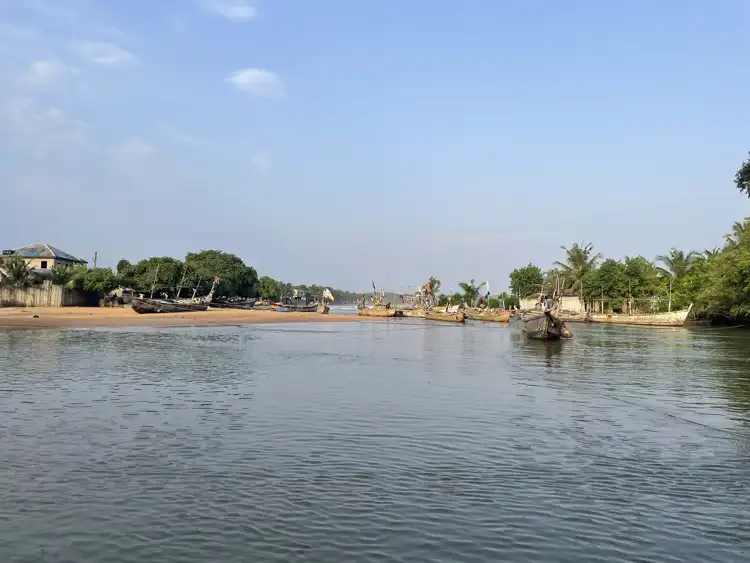
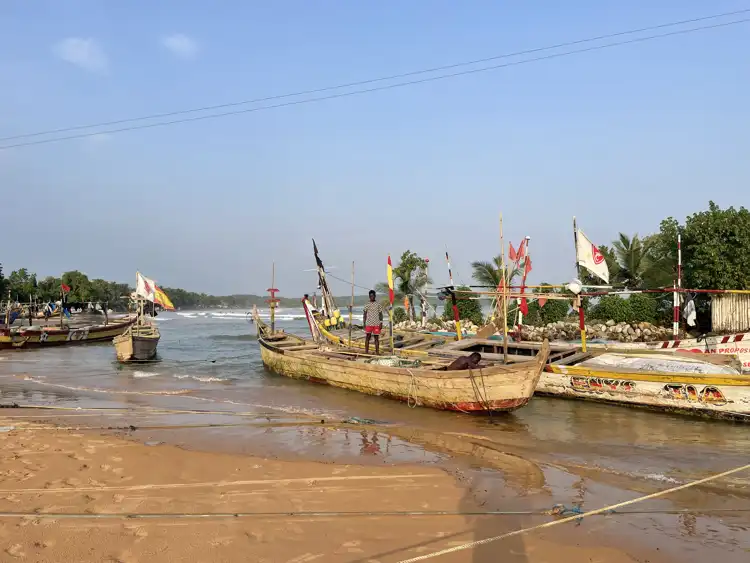
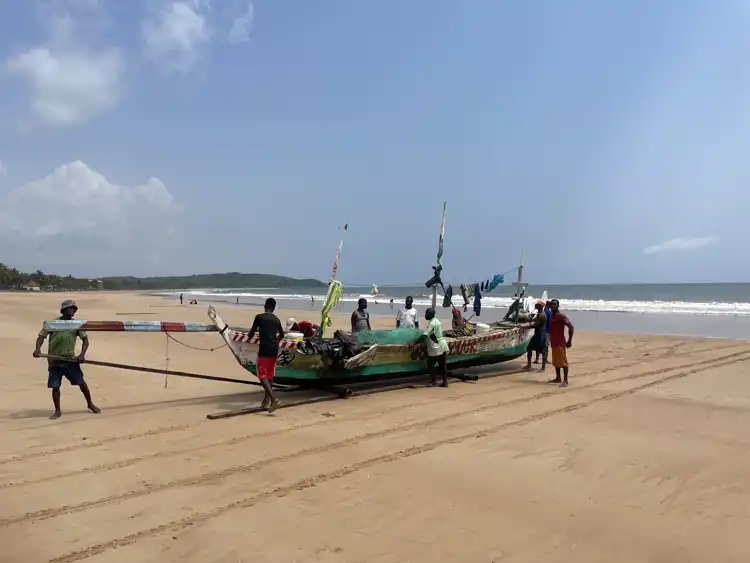
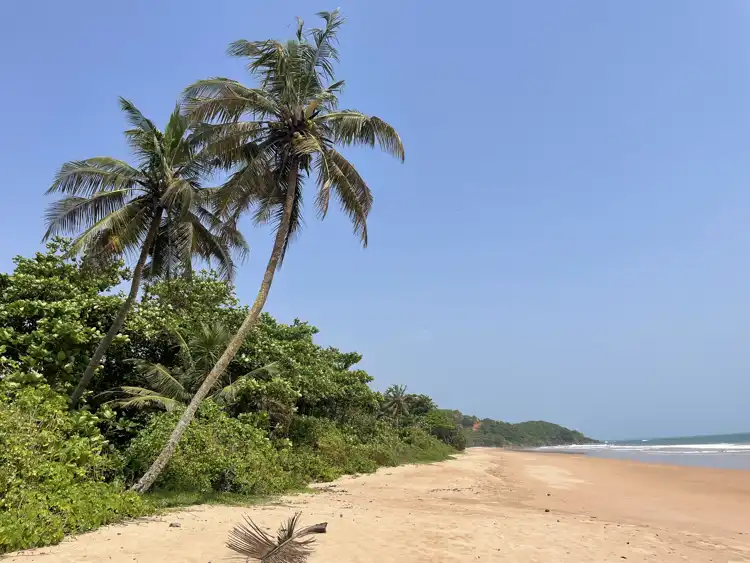
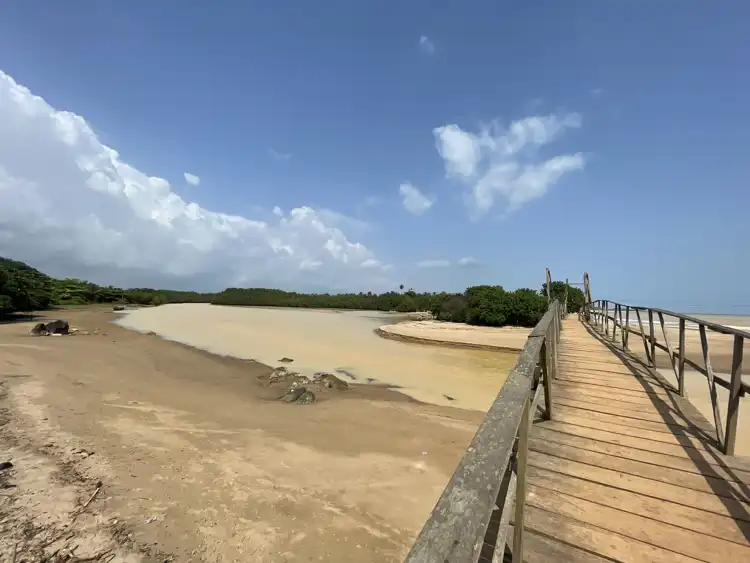
After an intense start in Cape Coast and Elmina, with horrifying insights into the history of slavery, I was ready for some relaxation. And boy, did I find it in the fishing village of Busua. The beach was lined with palm trees, and fishermen were busy either repairing their nets for the next trip or pulling fish from their latest catch. Some were casting nets directly from the shoreline, and within seconds, they’d pull in lots of small fish. In the evening, there was just one bar, hosting a different event every night—pub quizzes, painting nights, and karaoke. It became the meeting spot for locals and backpackers alike.
On the second day, I decided to hike to the next fishing village, Butre. Armed with a crucial tip on how to get there (after a Ukranian flag, turn left after the first palm tree), I set off along the beach and then through a bit of jungle.
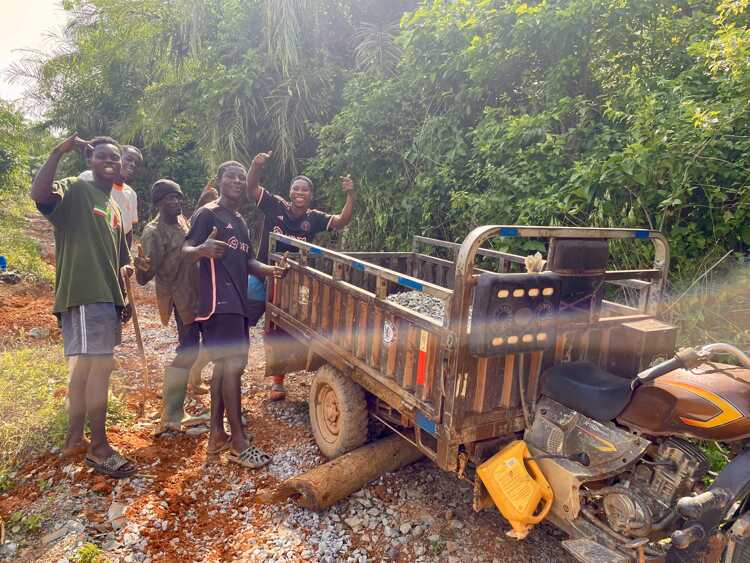
At the top of a hill, I stumbled across a lorry filled with small stones for road construction, which was being brought down by five boys. I quickly realized that the brakes on the lorry weren’t working, and this time, it seemed they had overloaded it more than usual. They were hanging onto the back to slow it down, but it kept inching forward faster and faster. I hoped I could make a difference, but even adding my 80kgs only made it not to accelerate more.
When the road got steeper, the group didn’t seem too worried, even though the lorry started speeding up again. One of the boys carried a bigger rock and tossed it in front of the right rear wheel. But the lorry was going too fast and just bounced right over it. That’s when a bit of panic kicked in because this “brake” had always worked before. One of the boys let go, sprinted ahead, grabbed a tree trunk from the side of the road, and shoved it under the lorry. That did the trick, and it stopped immediately. I’m pretty sure that tree trunk is going to replace the rock from now on—and I bet they’ll load the lorry even heavier next time.
After exploring Butre and chatting with its fishermen, I began my walk back. On the beach, a super enthusiastic young guy joined me for the last stretch. His energy even outpaced the speed of his talking, so halfway through one story, he’d already started another. It made the long walk along the beach entertaining, though also tough at the same time when hearing what was hidden behind his enthusiasm.
Three years ago, he moved to Busua to earn a small slice of the tourist income trickling into the village. His enthusiasm made him a great tour guide, but tourism had become less and mostly limited to the dry season. Because of that, he spent his first two years sleeping on the beach. Thankfully, he’s now found a place to share with others.
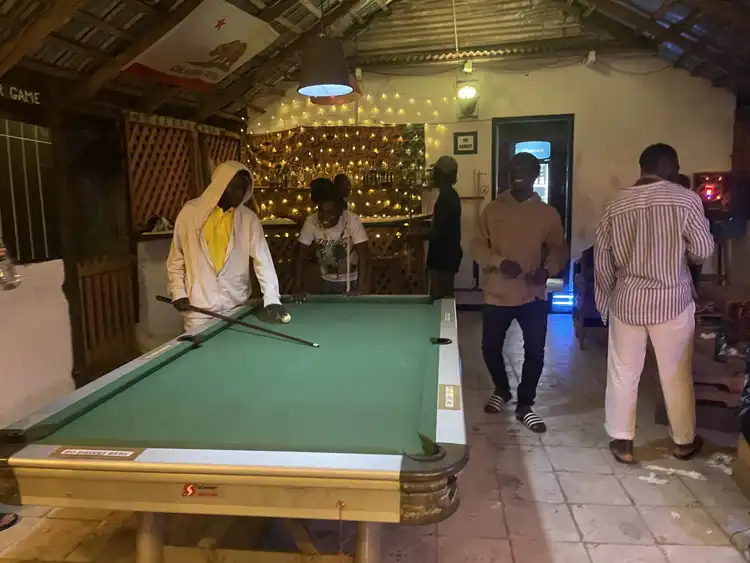
That night, after the pub quiz, there was a small pool bar. Quickly I was invited to play a game and discovered the Ghanaian pool rules while playing. The most funny one was that when the white ball was pocketed, the other one didn’t get a ball in hand but had to place it at the starting line and the ball was only allowed to be played forward. I knew this alternative rule is in use but here in Busua they really exploited it to the max. Me, in one game leading quite comfortably, only having one ball left, all the way at the bottom of the table, my opponent, not having a perfect opportunity, put the white ball straight in the closest pocket and started to laugh. Me first not understanding, quickly realized my situation. I had to hit the white ball forward over the full length of the table and back to at least hit my ball. Failing that gave my opponent a free shot. He potted two of his balls and then potted the white ball again and repeating that three times he could clear the table. Lesson learned: never leave your last ball near the bottom cushion in Ghana!