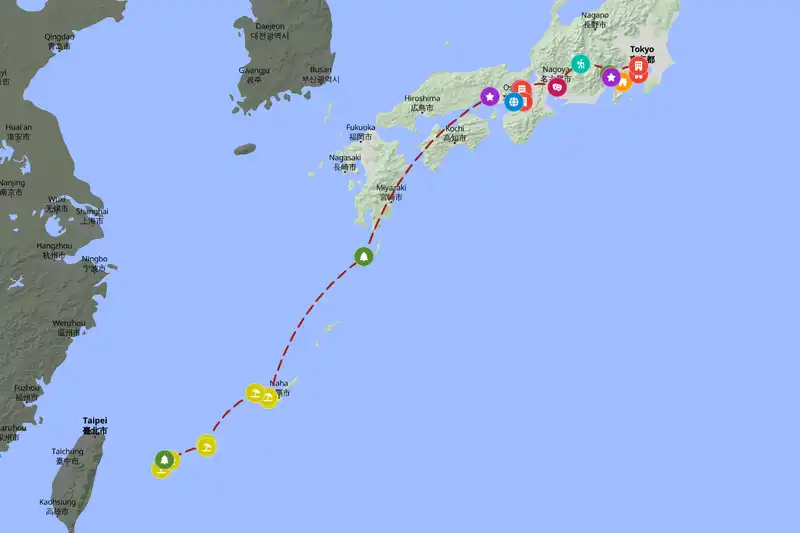
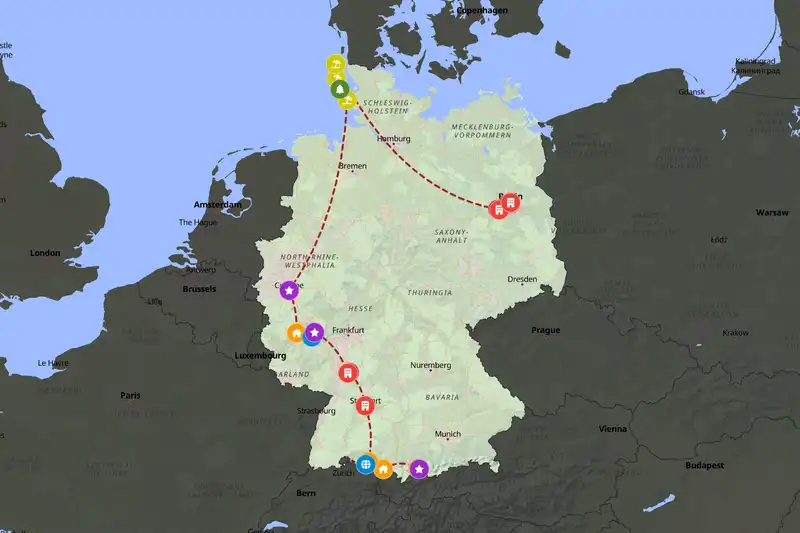
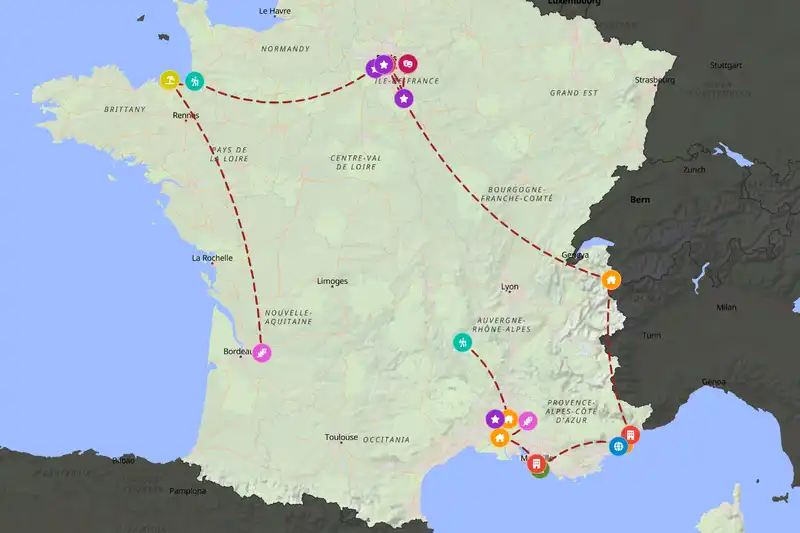
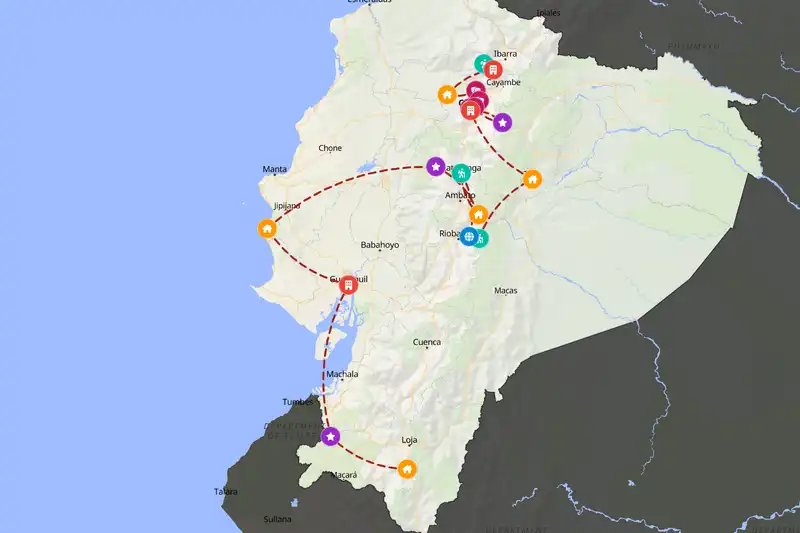
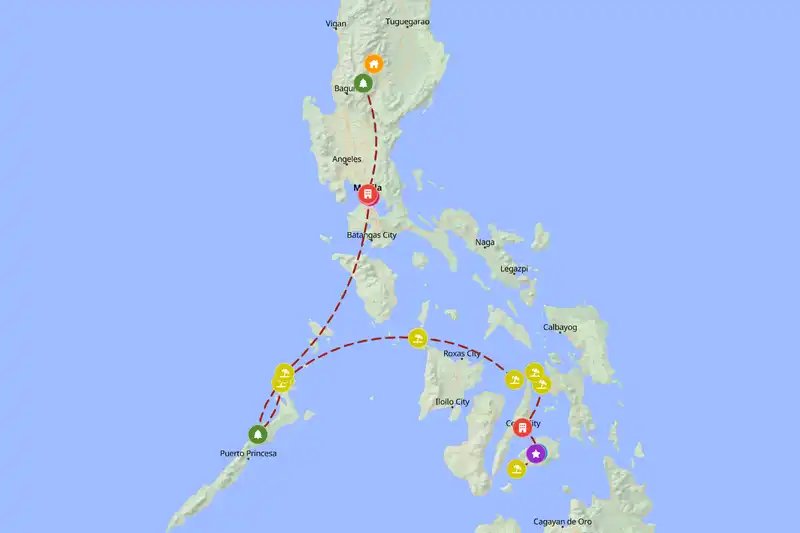
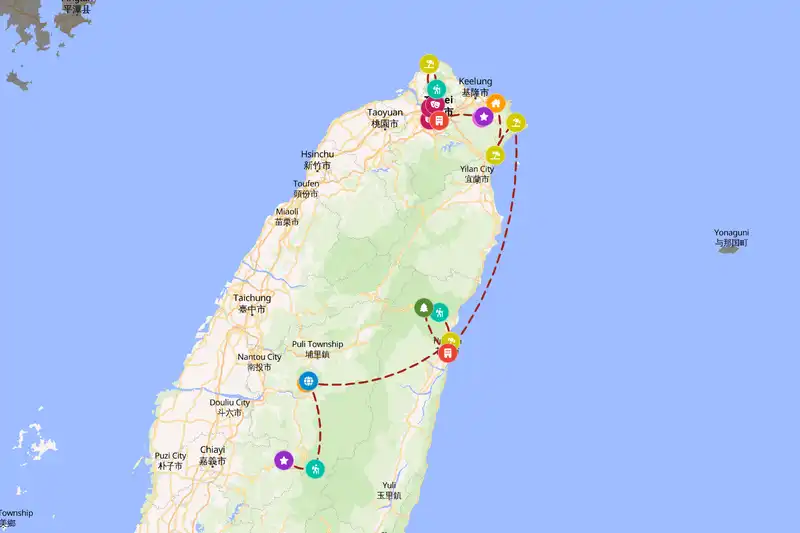
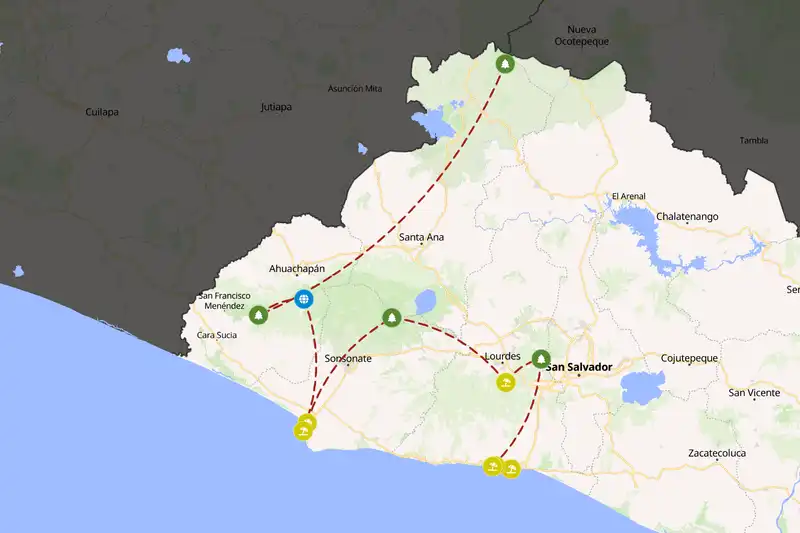
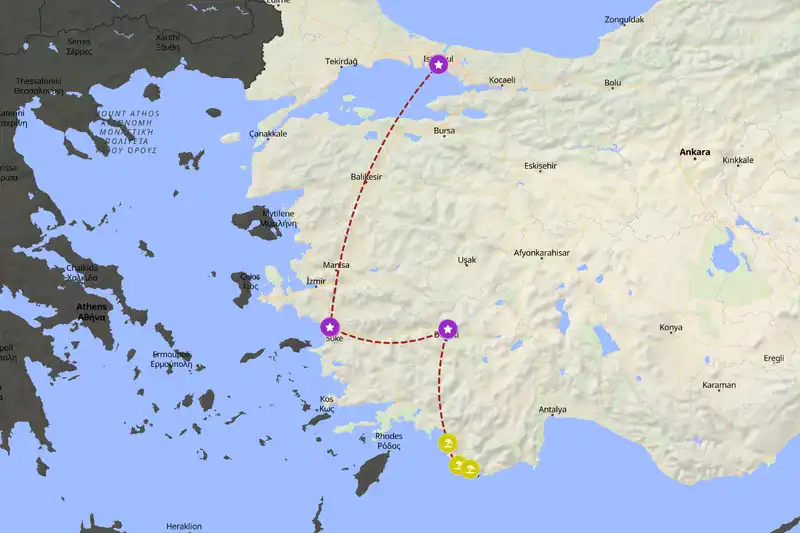
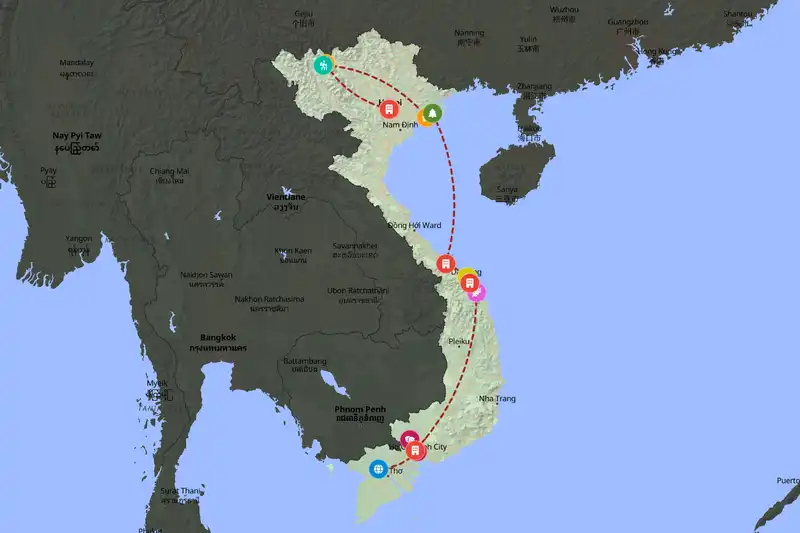
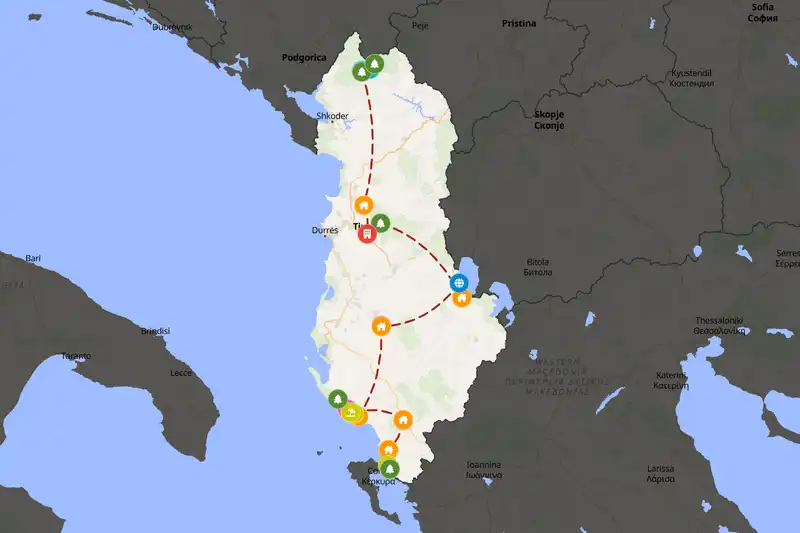
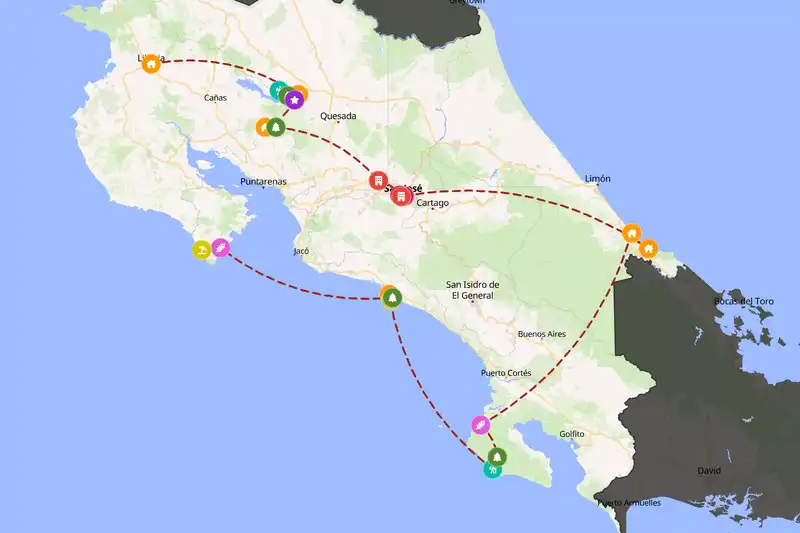
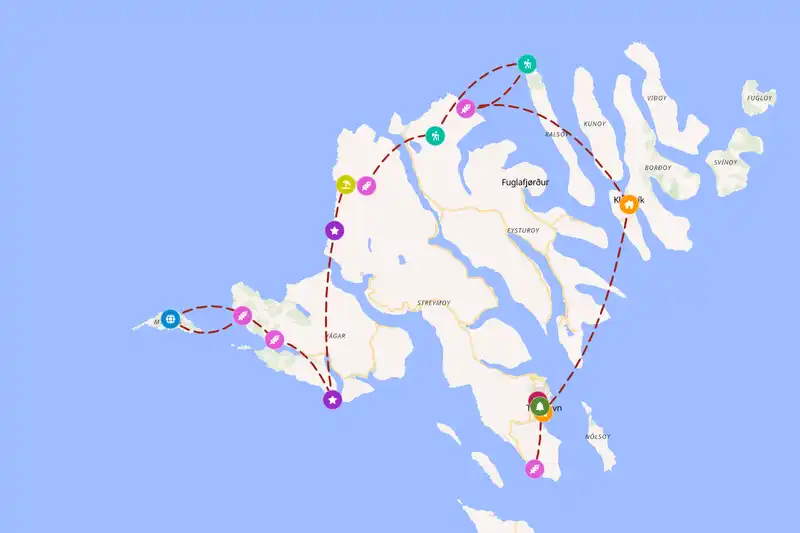
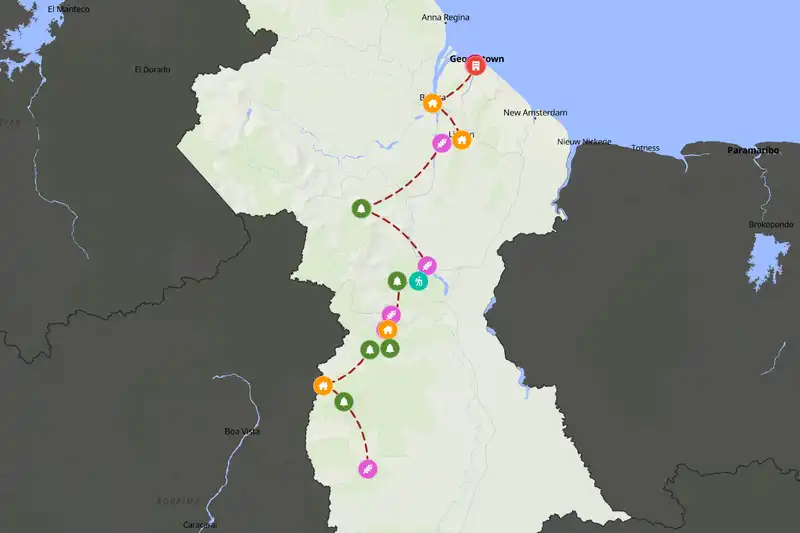
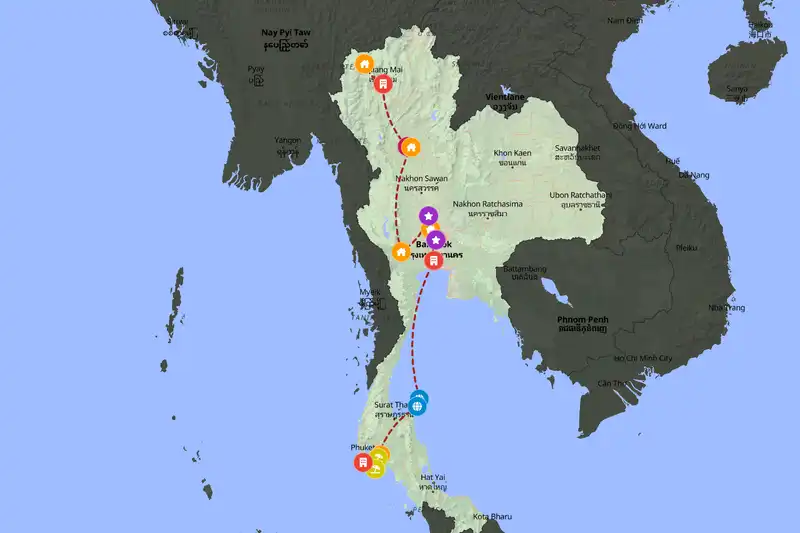
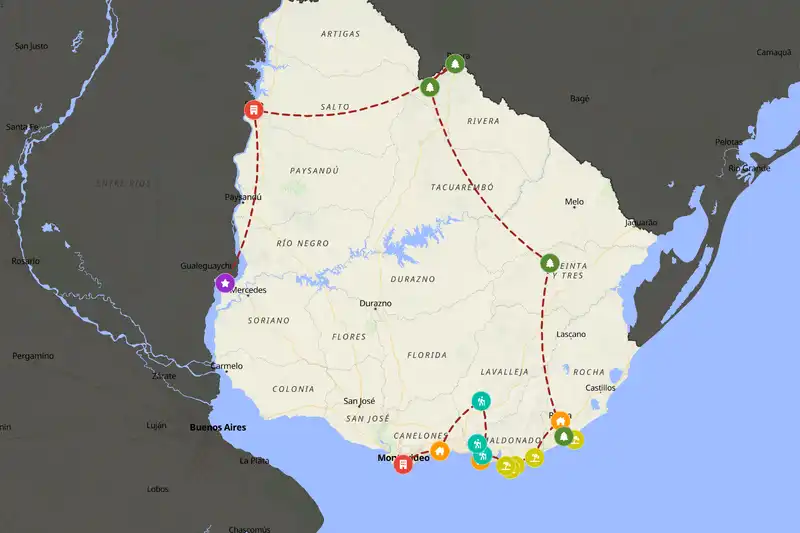
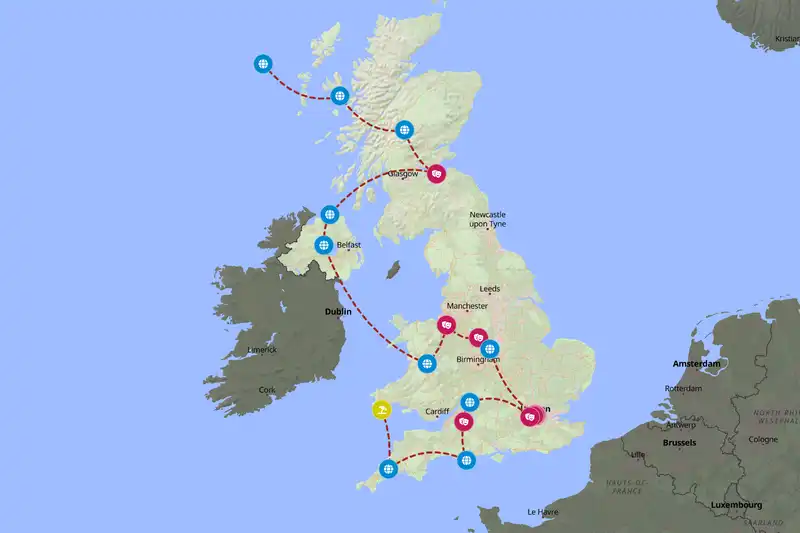
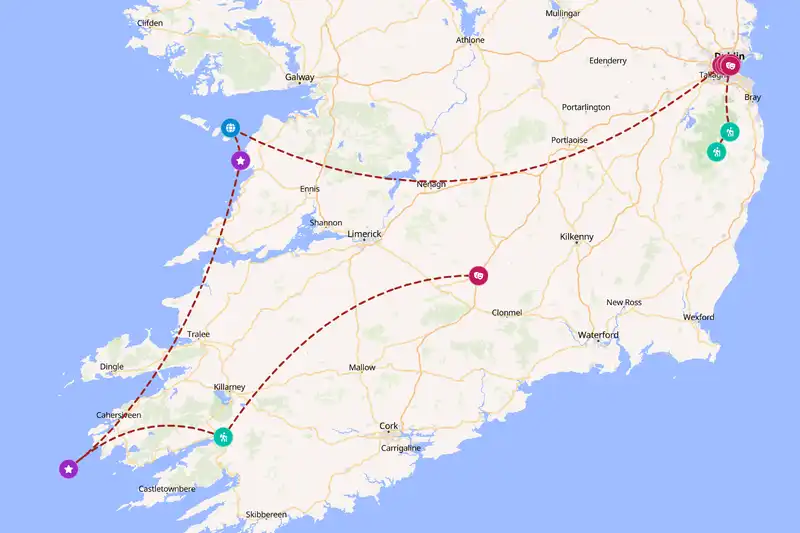
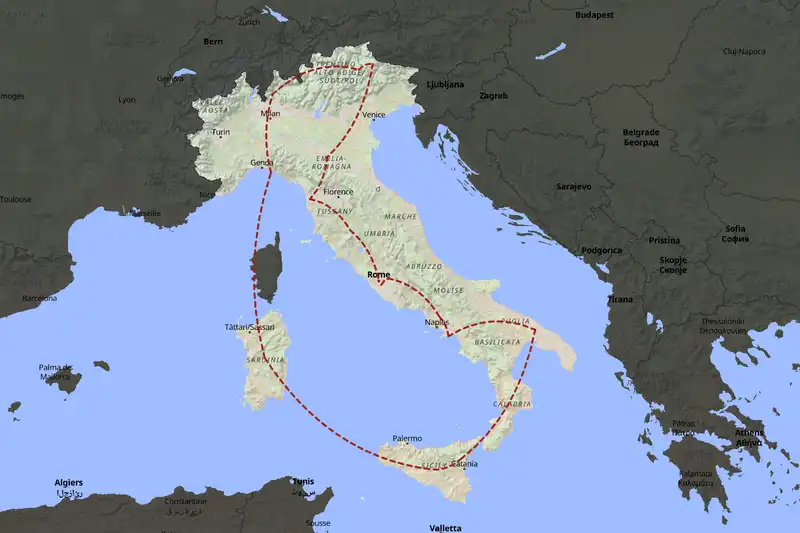
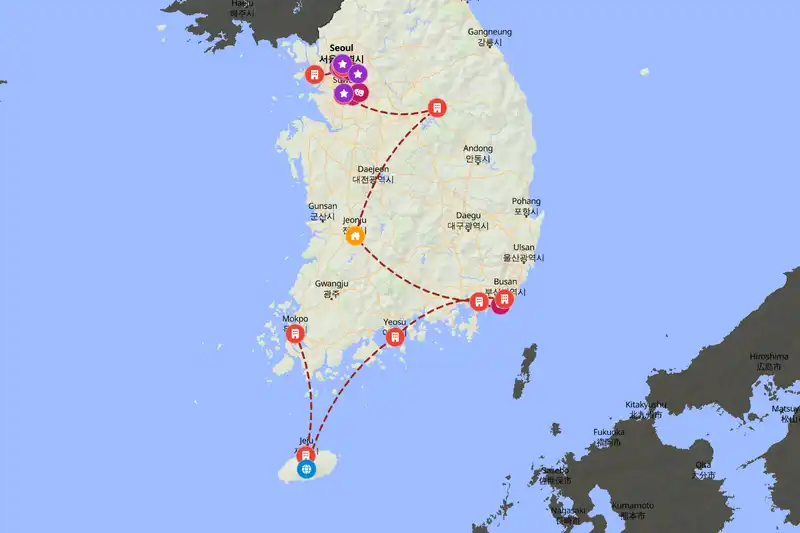
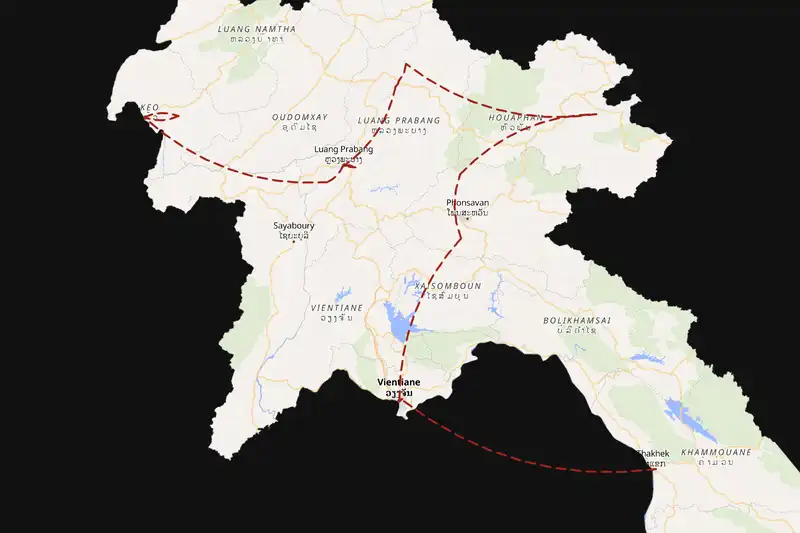
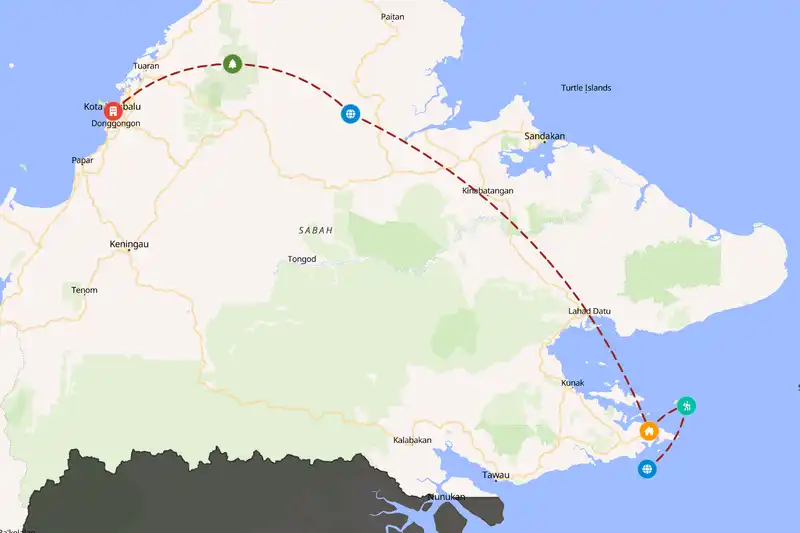
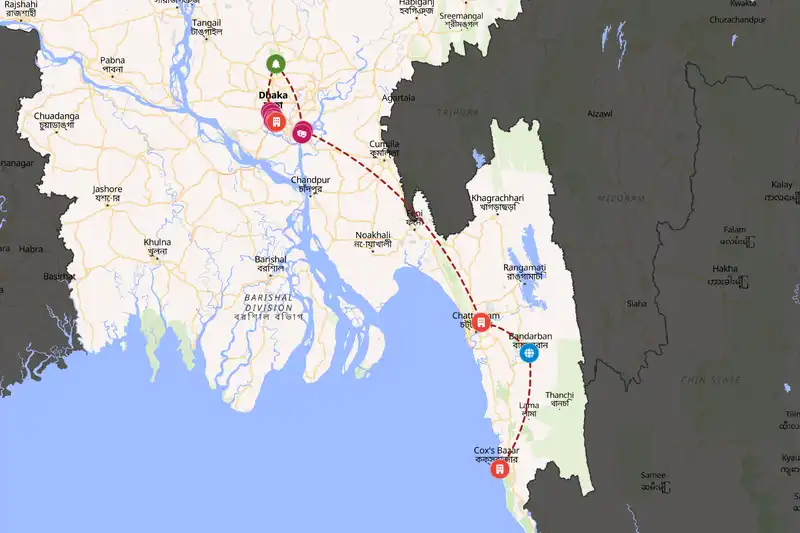
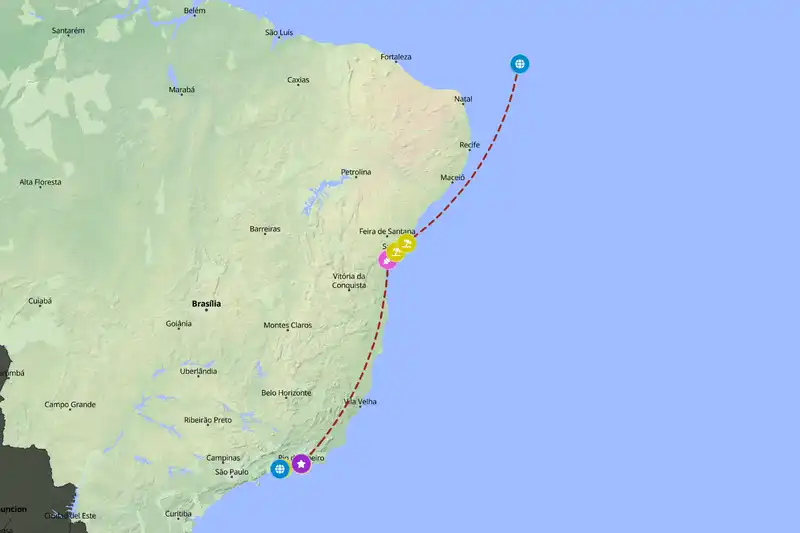
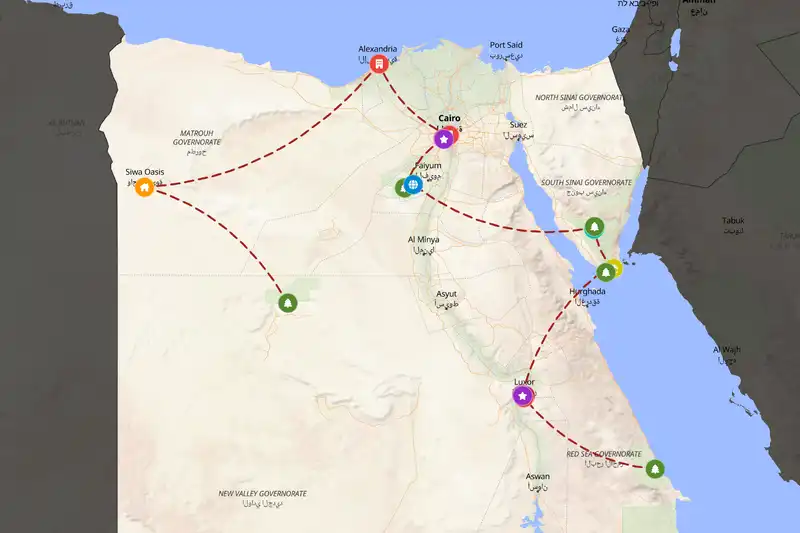
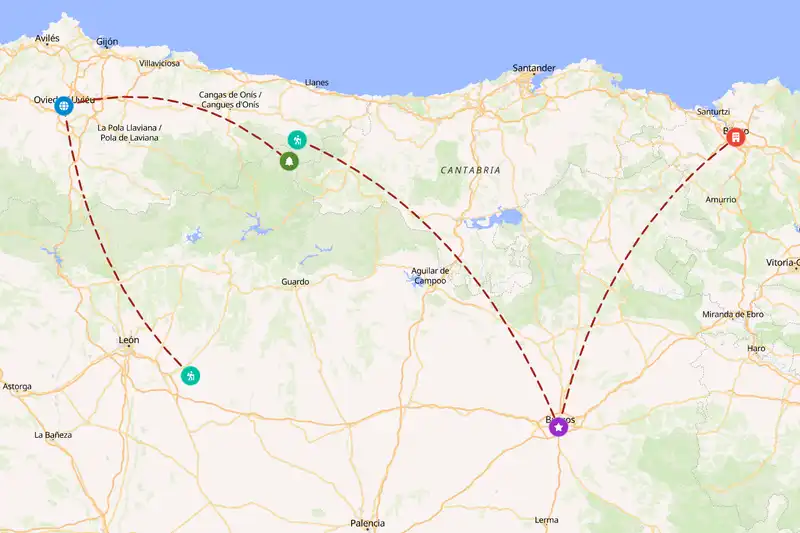
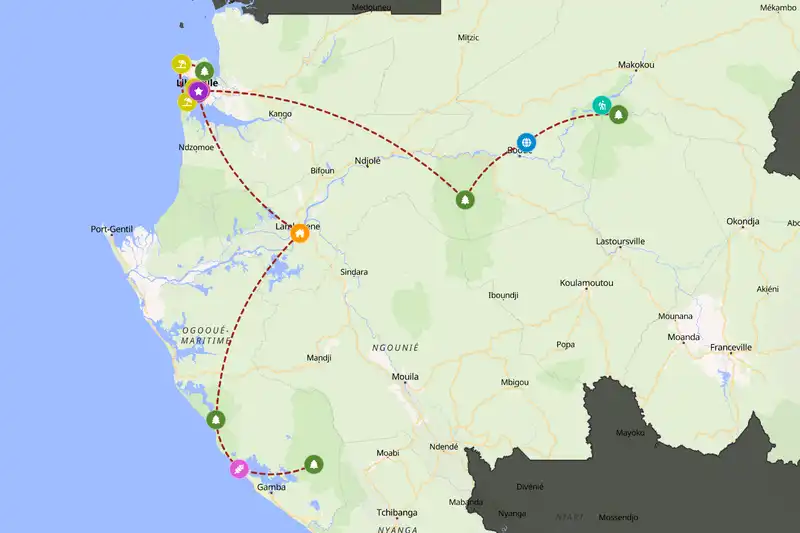
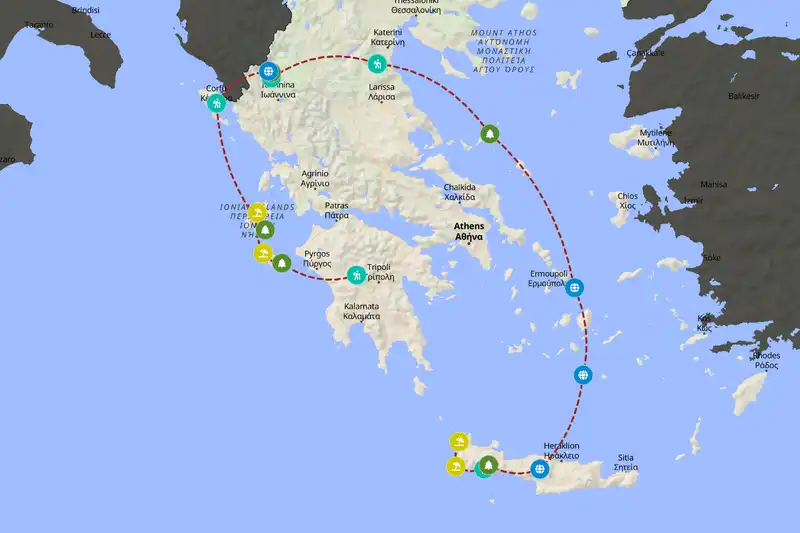
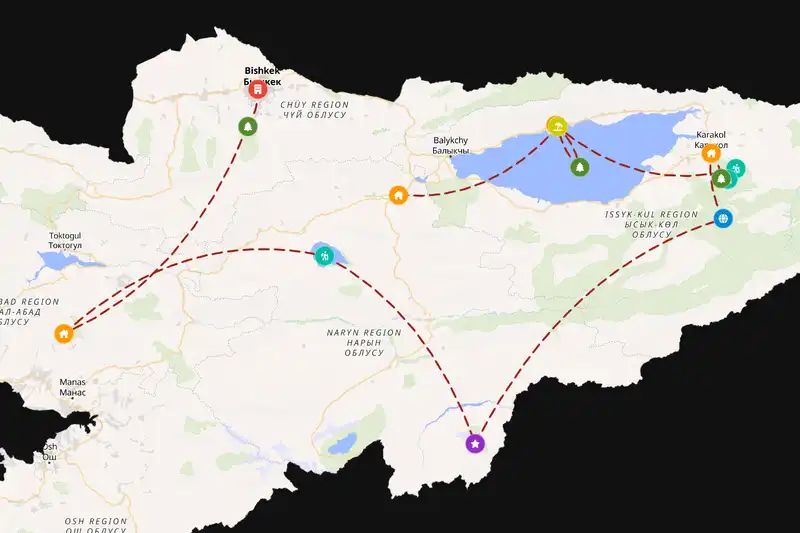
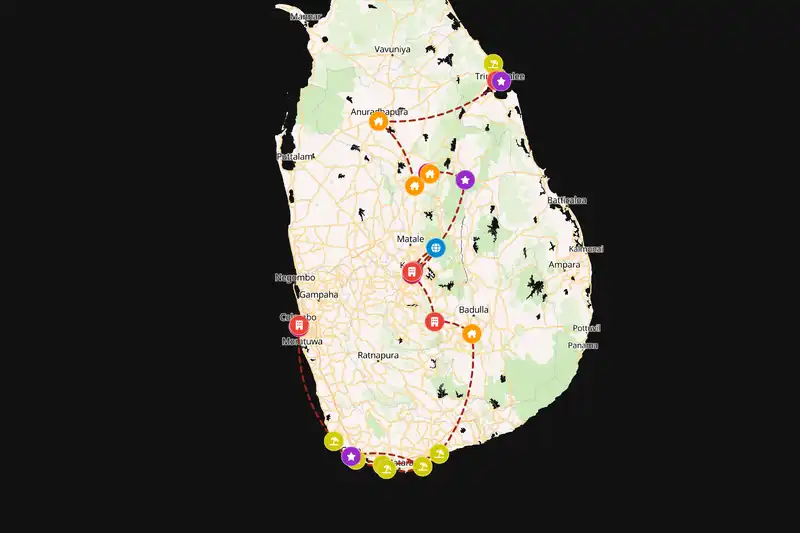
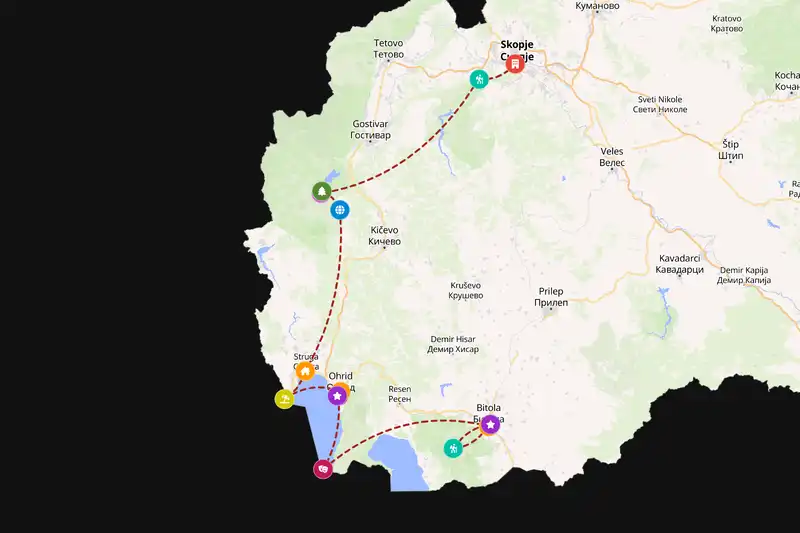
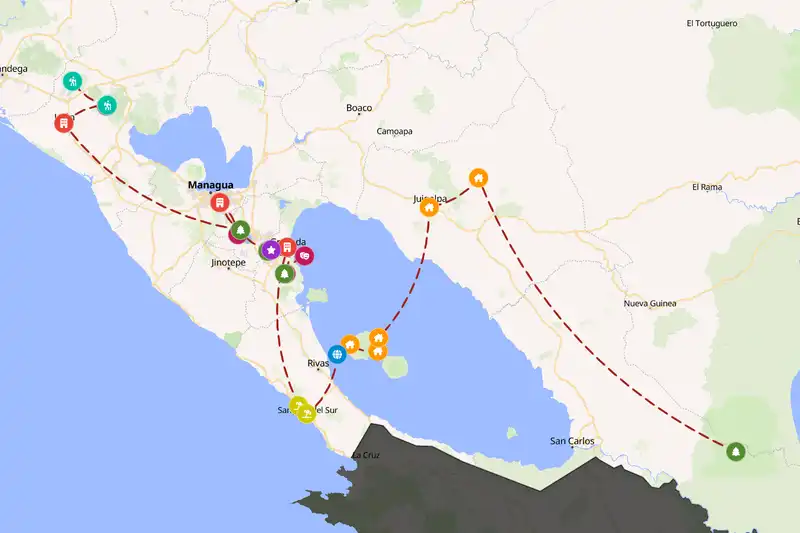
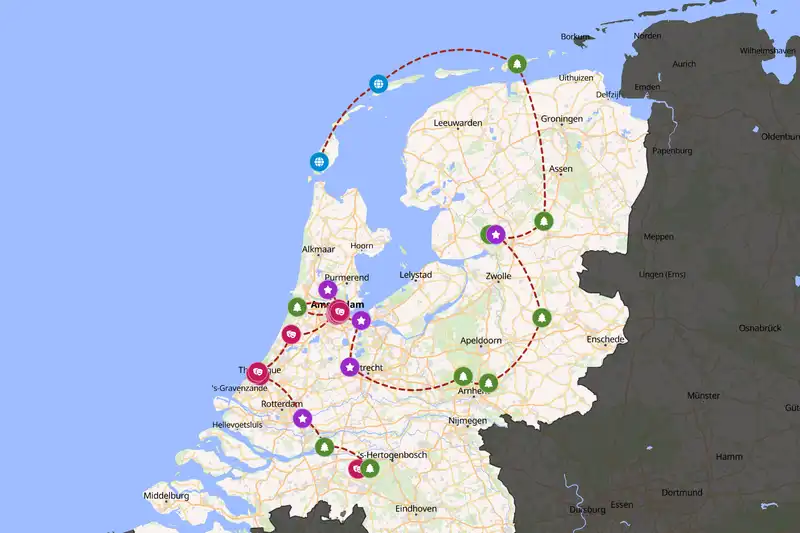
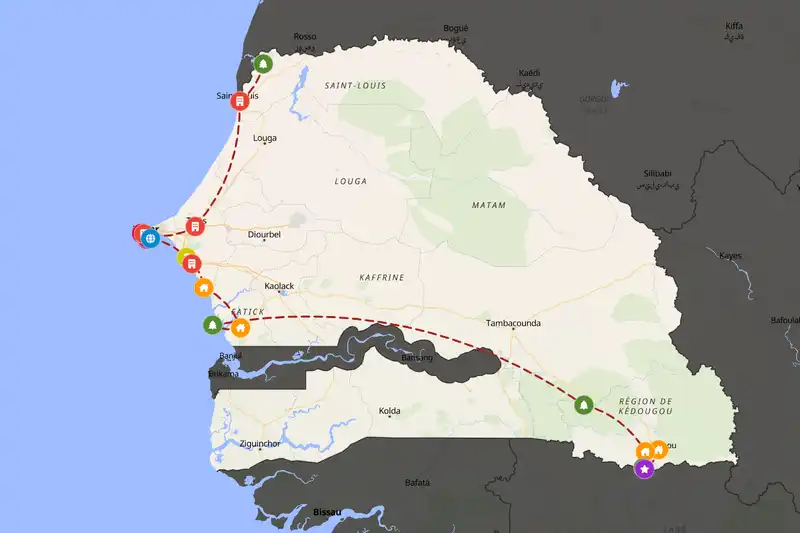
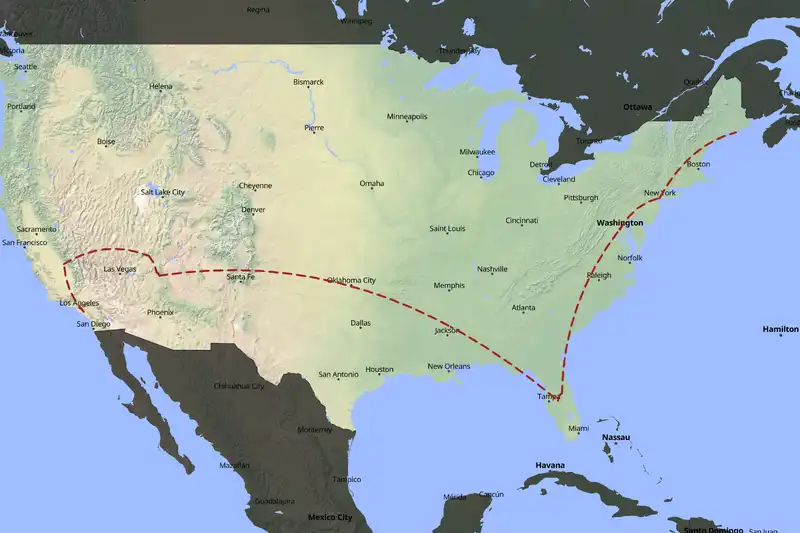
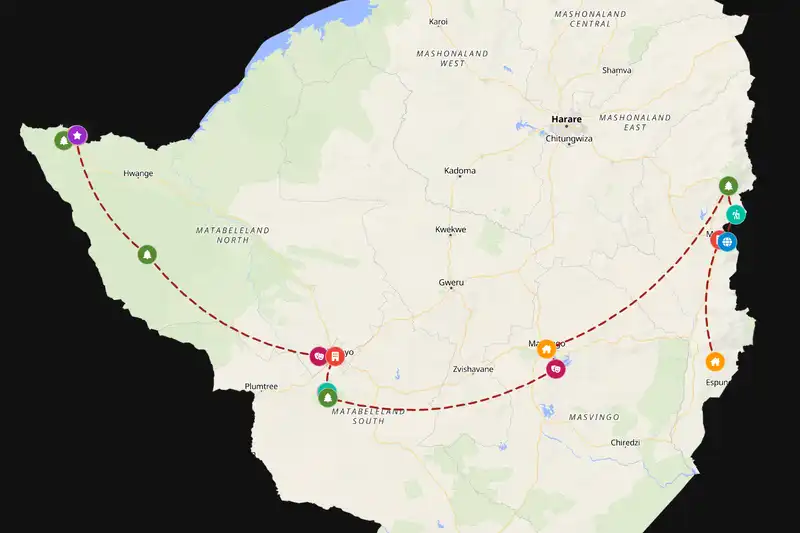
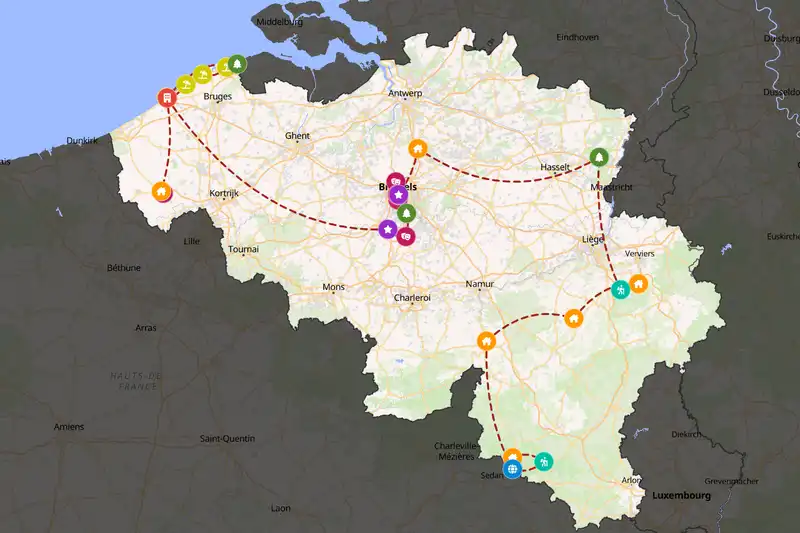
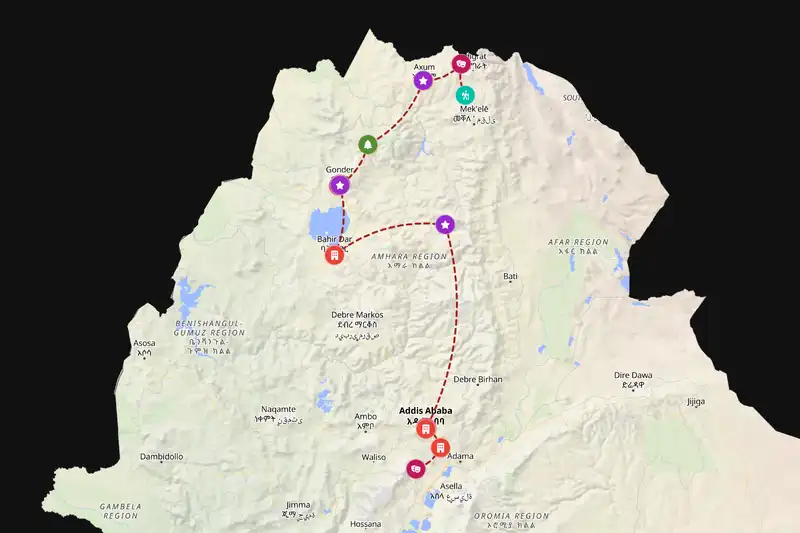
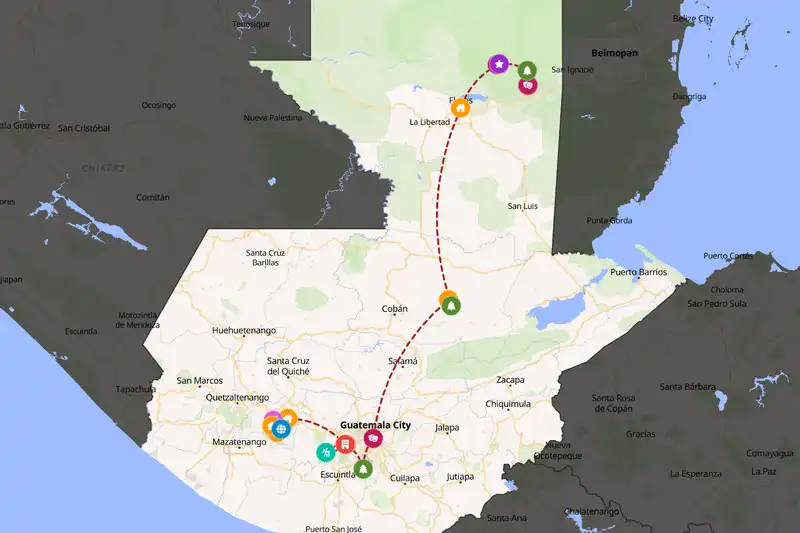
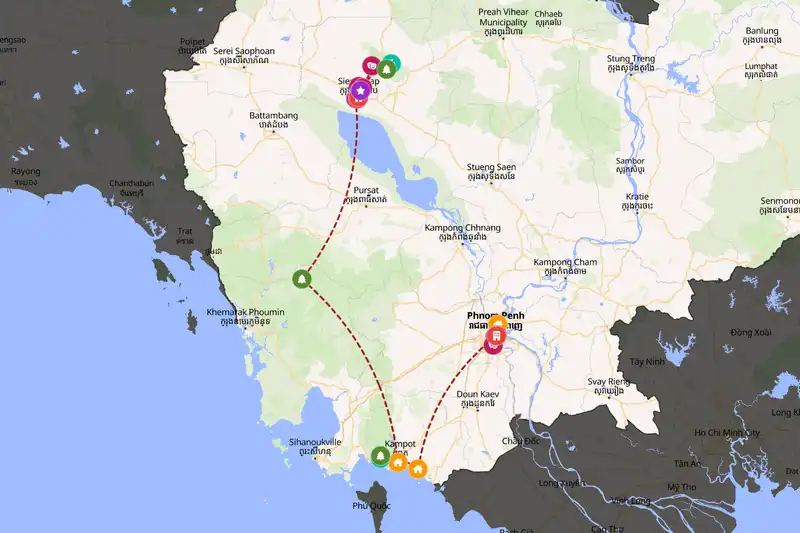
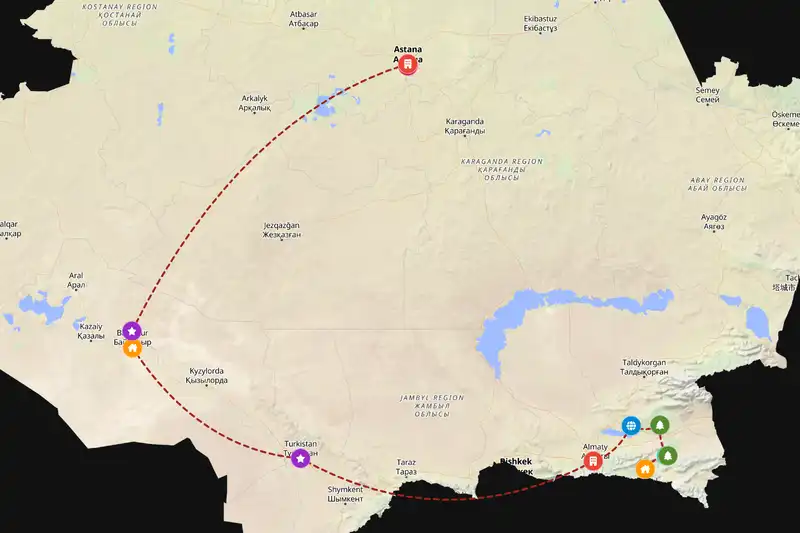
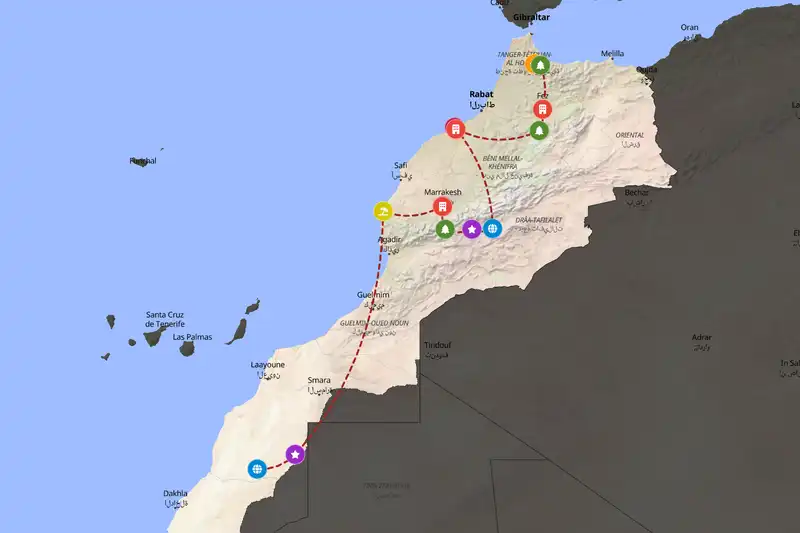
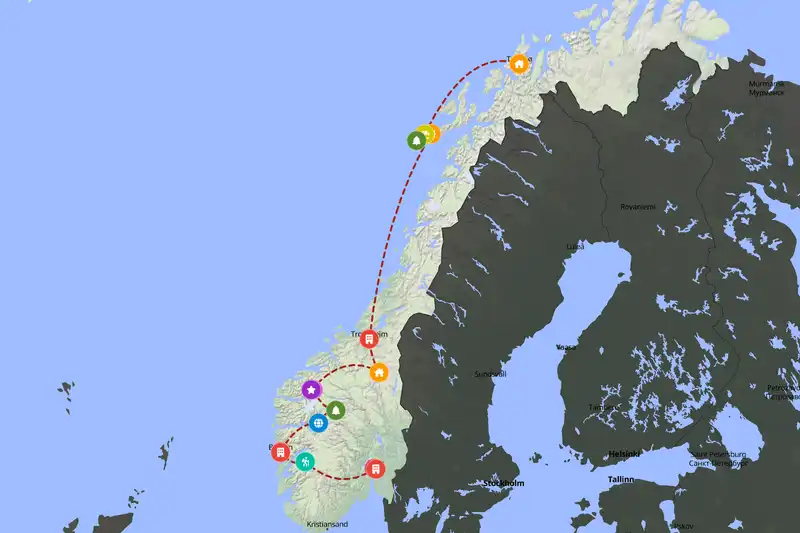
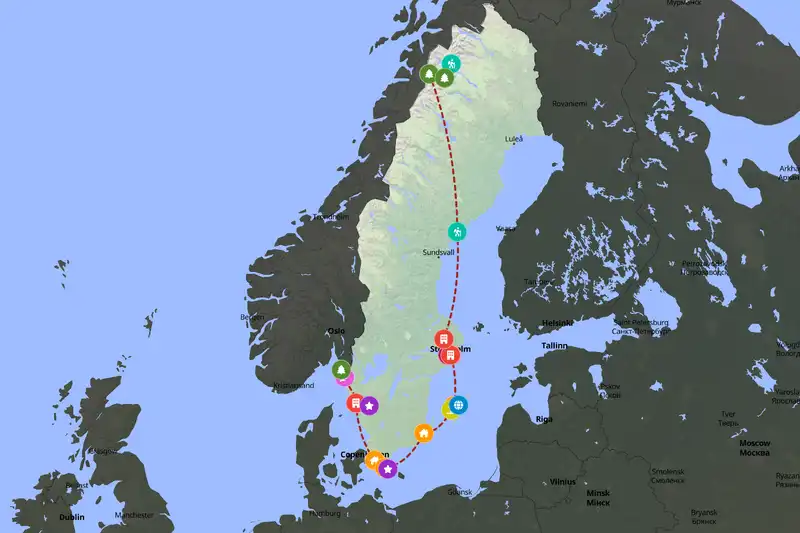
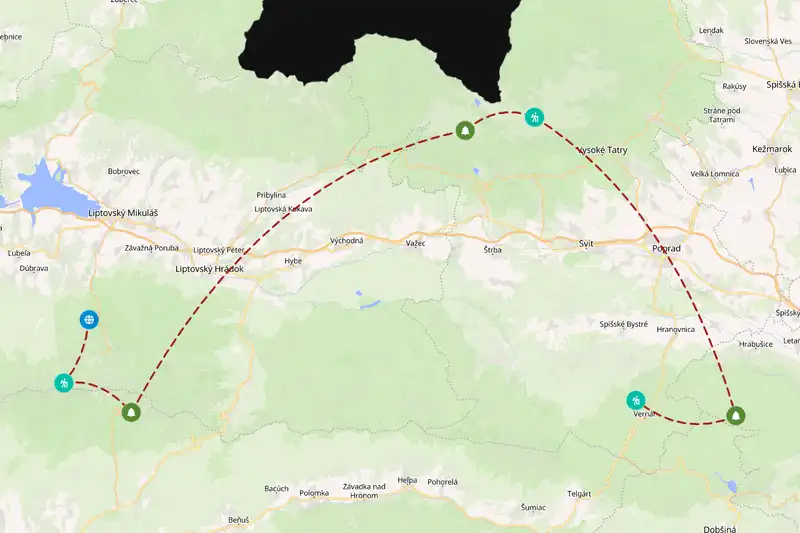
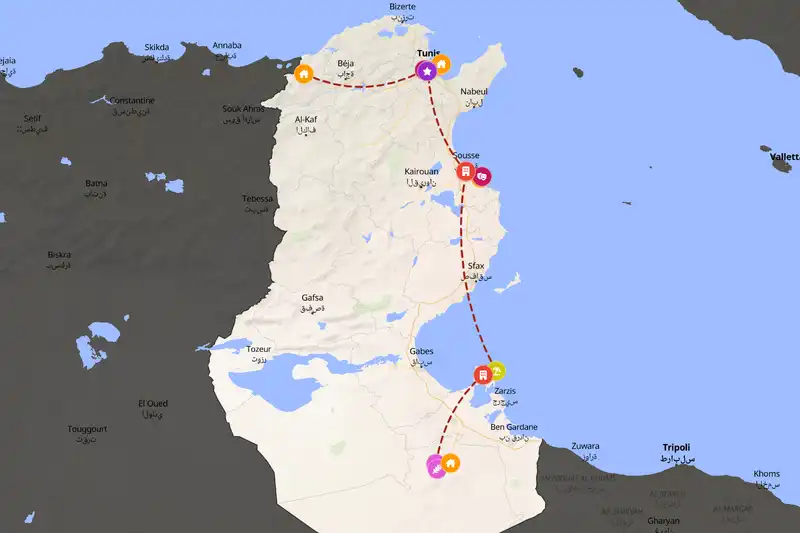
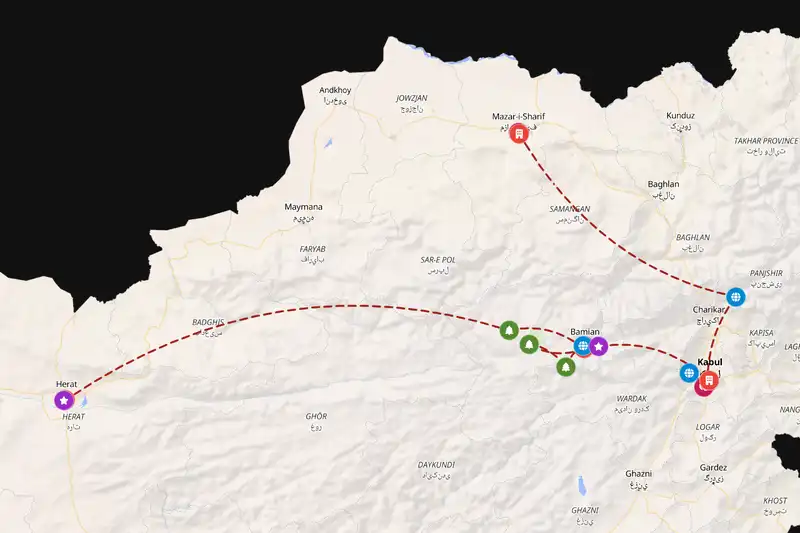
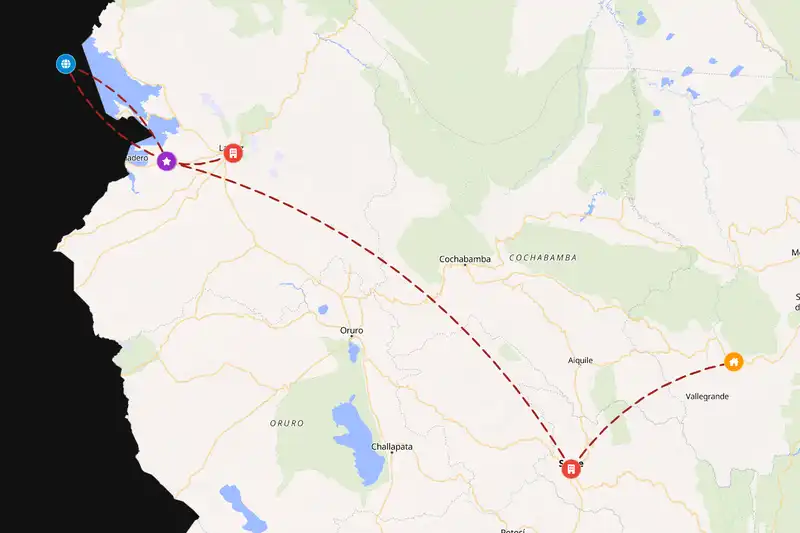
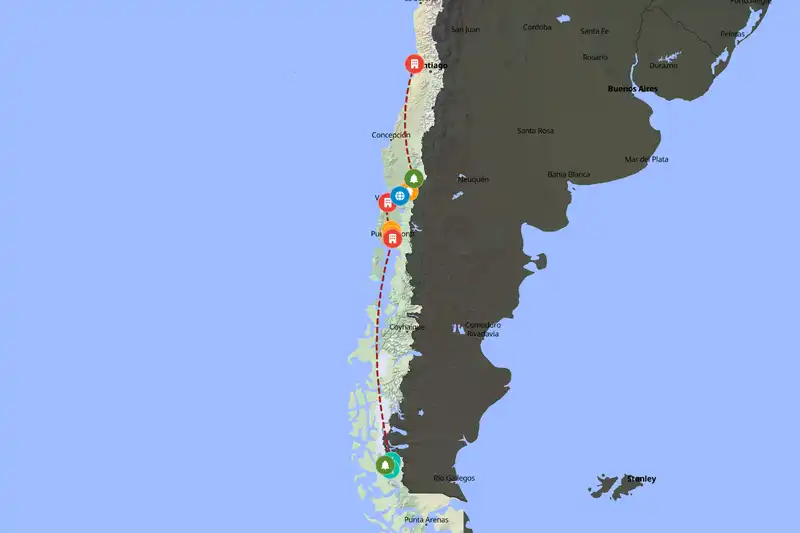
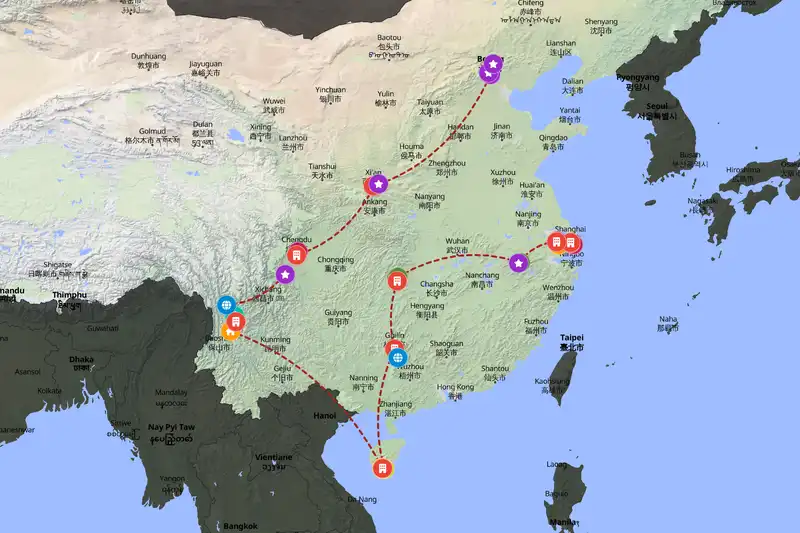
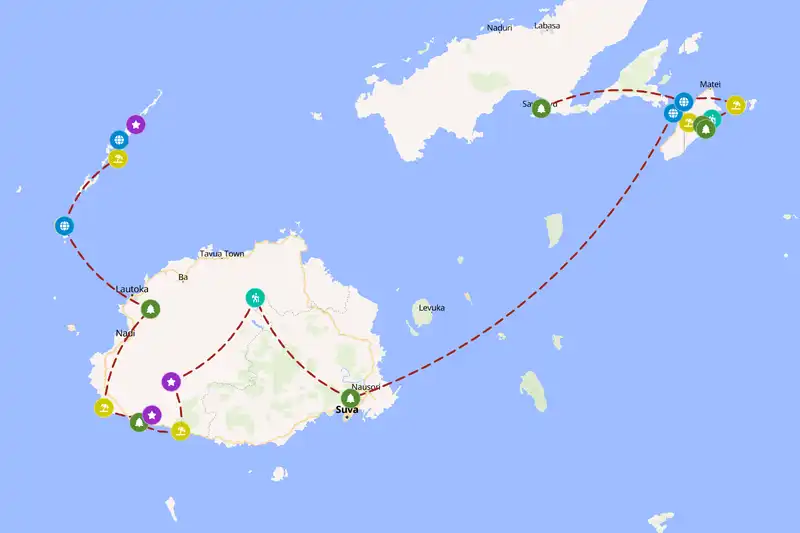
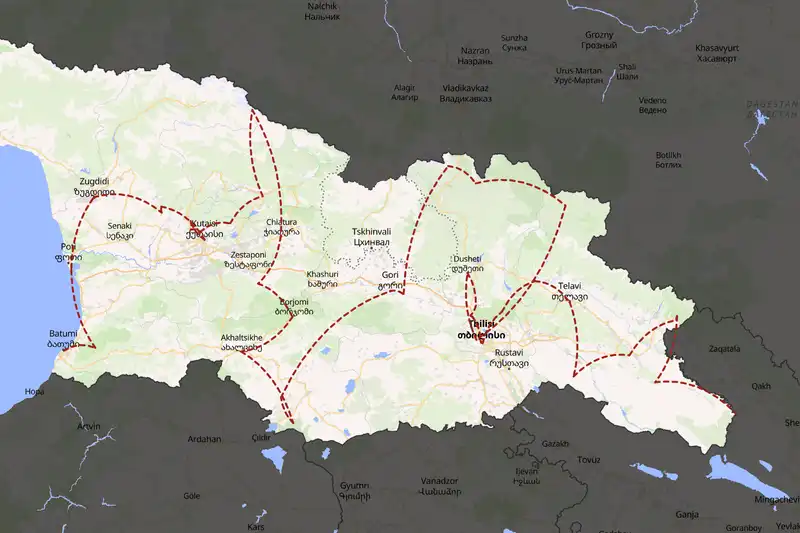
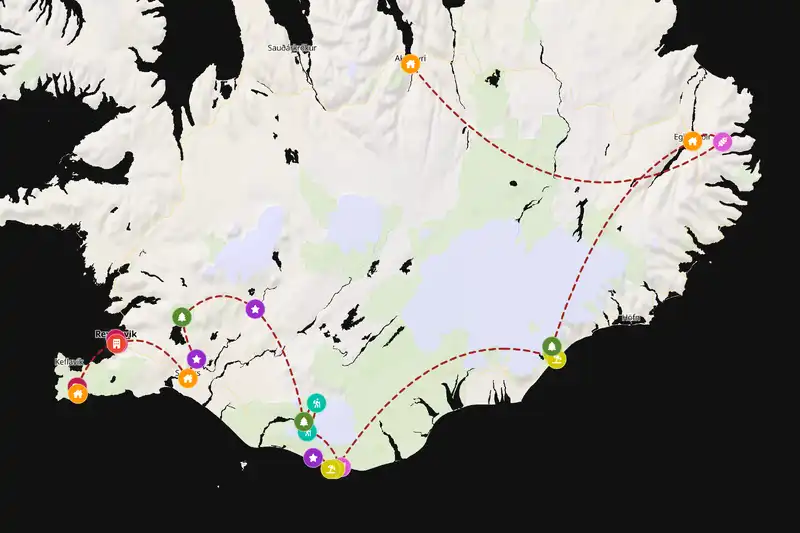
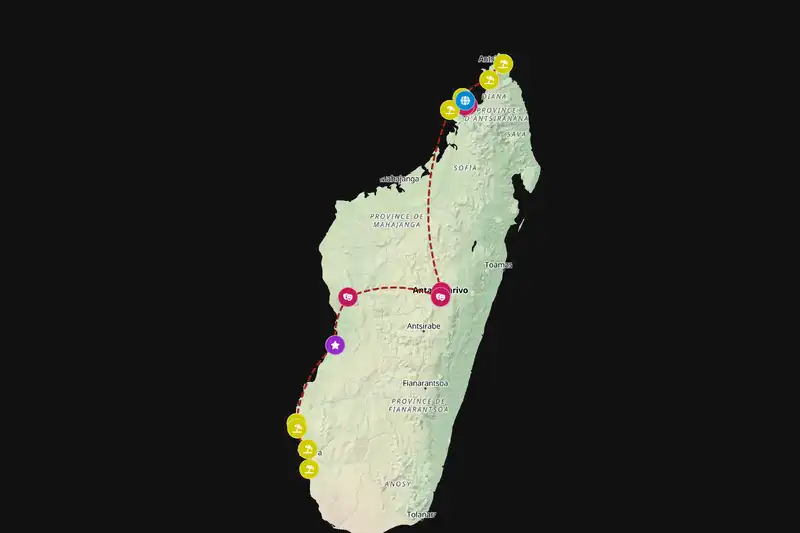
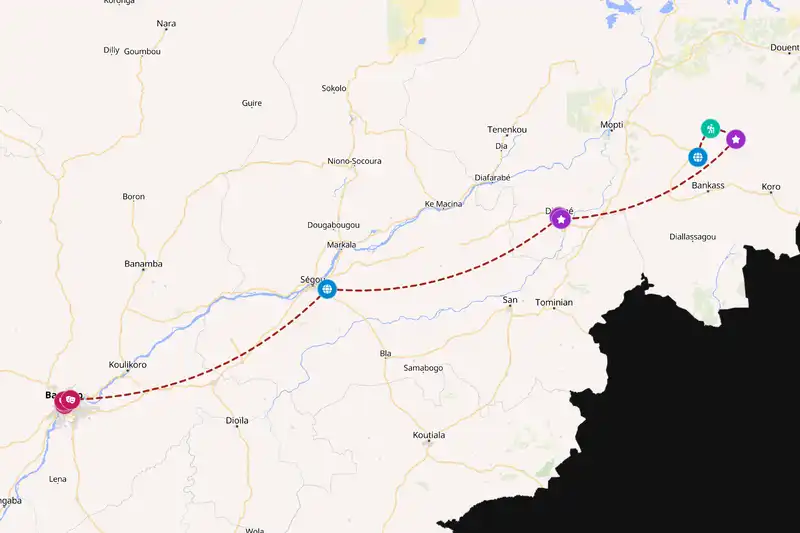
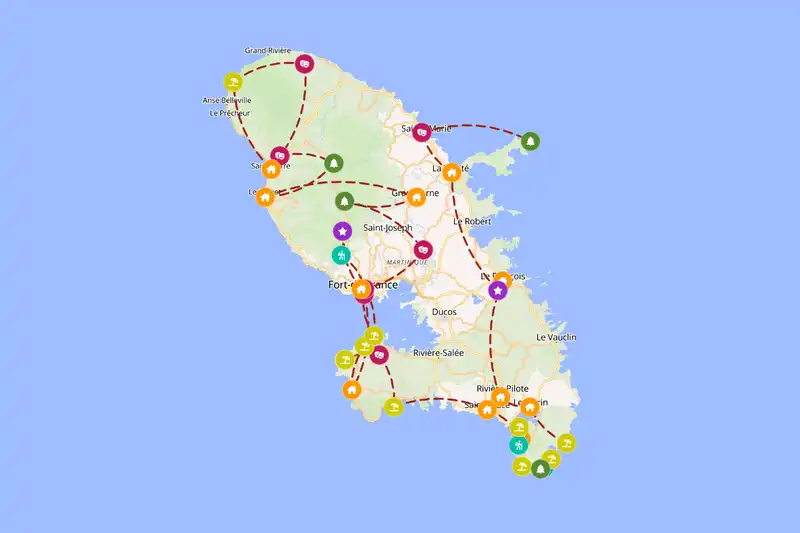
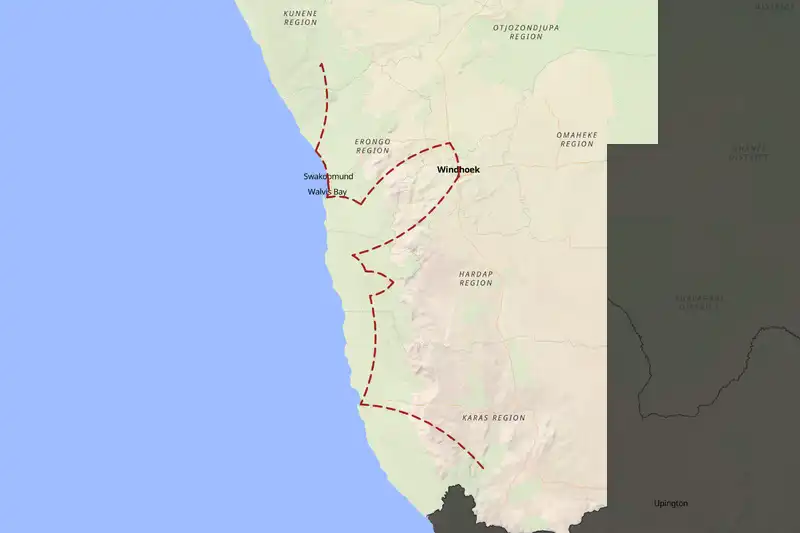
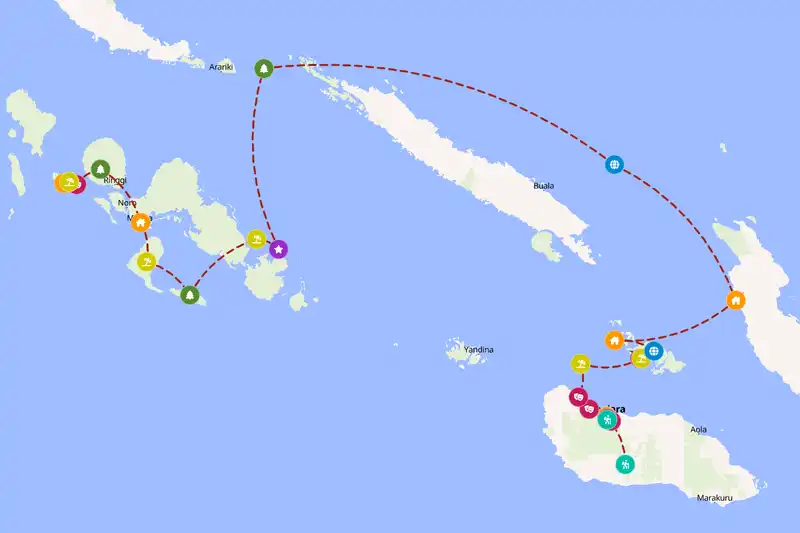
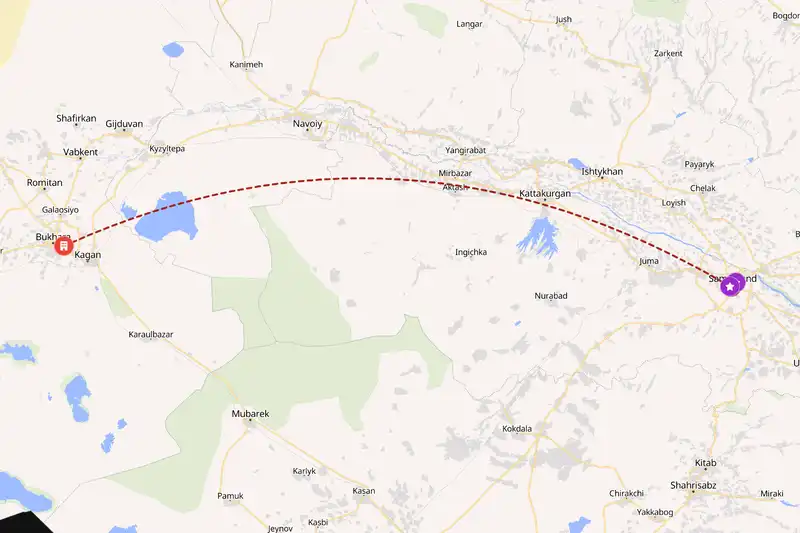
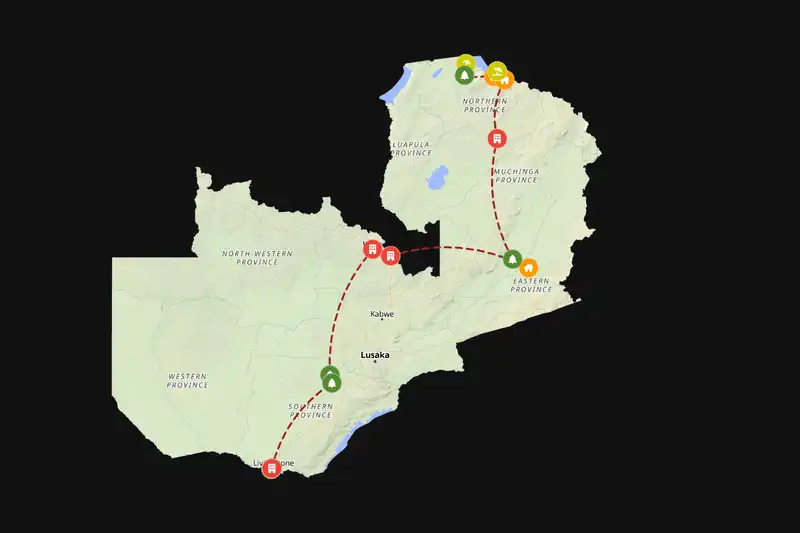
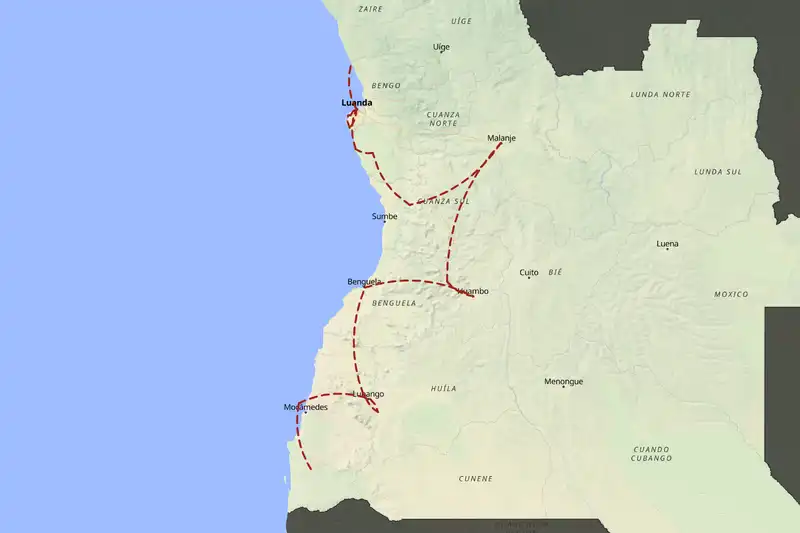
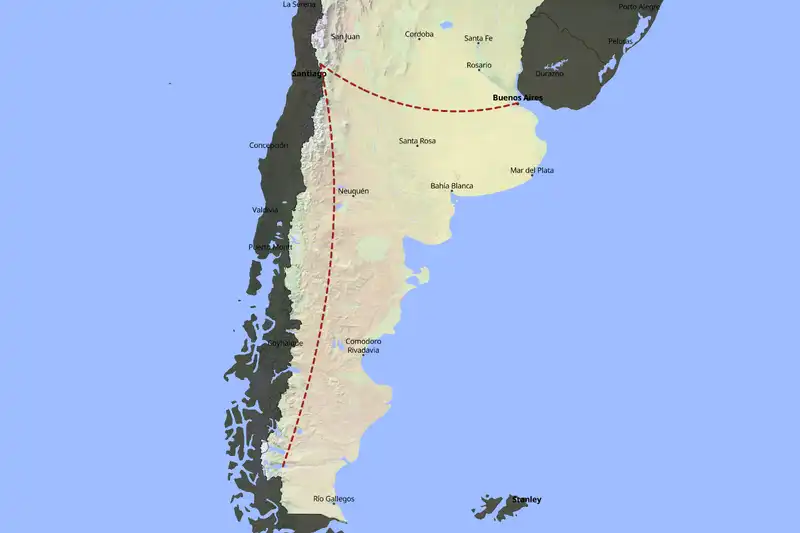
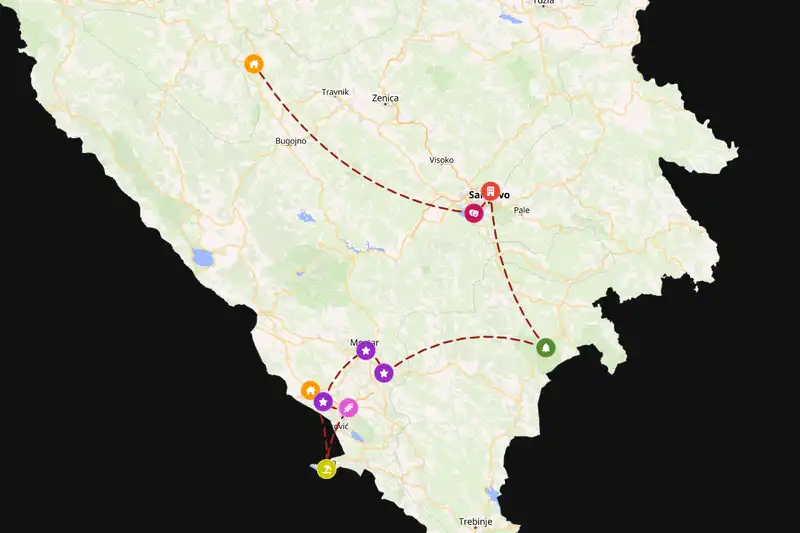
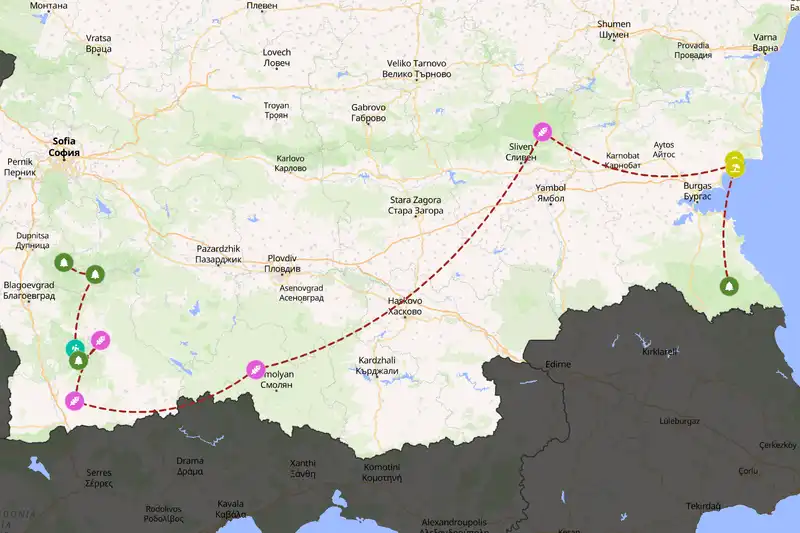
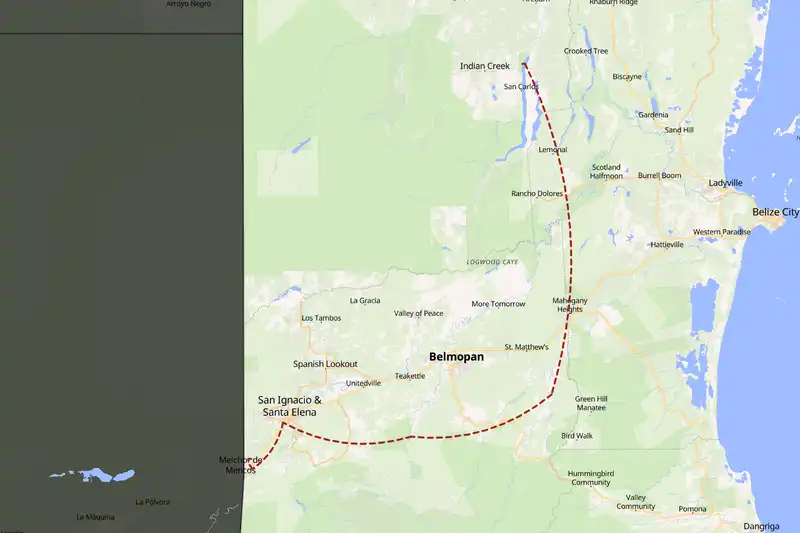
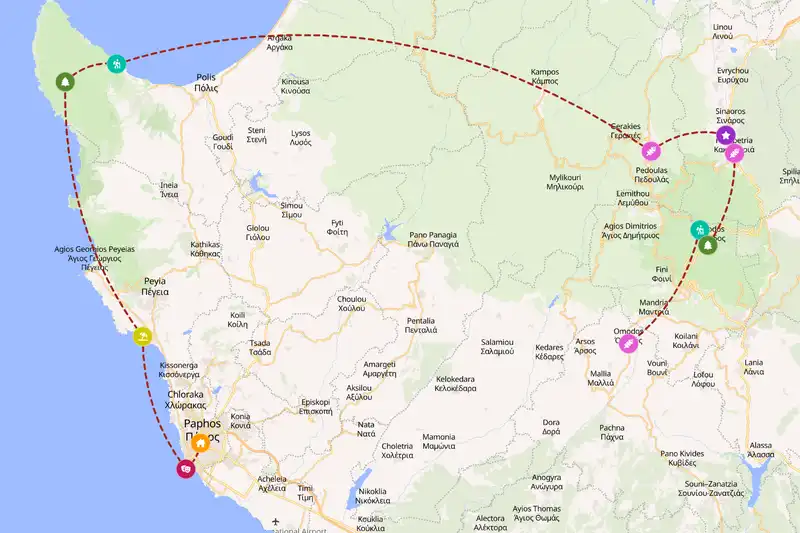
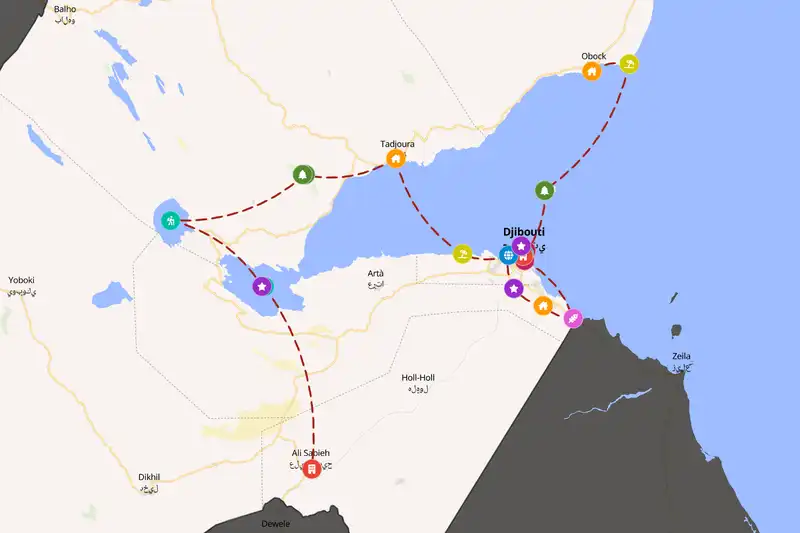
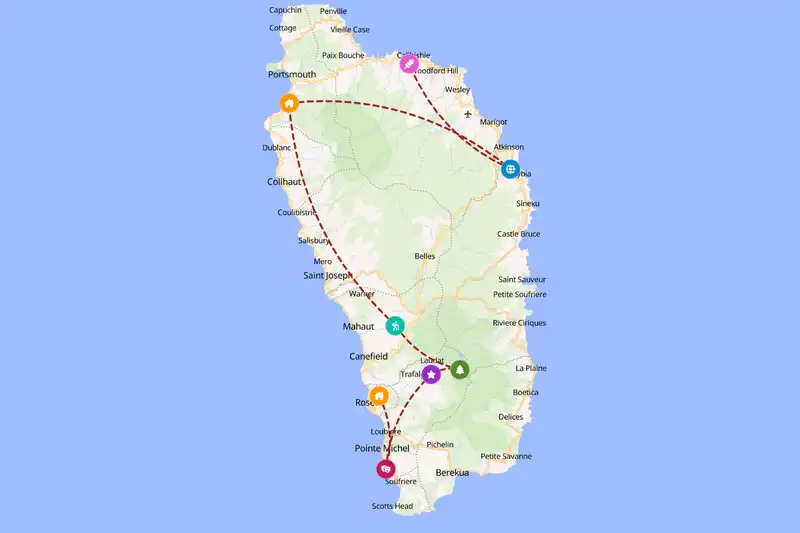
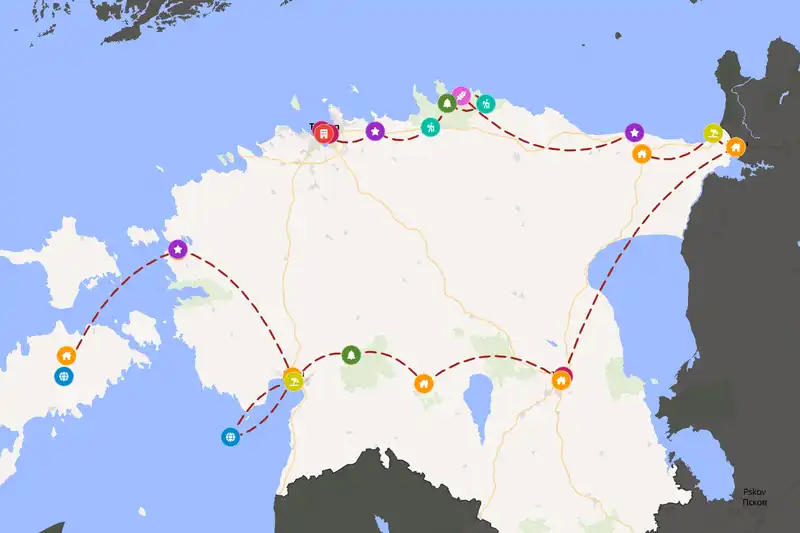
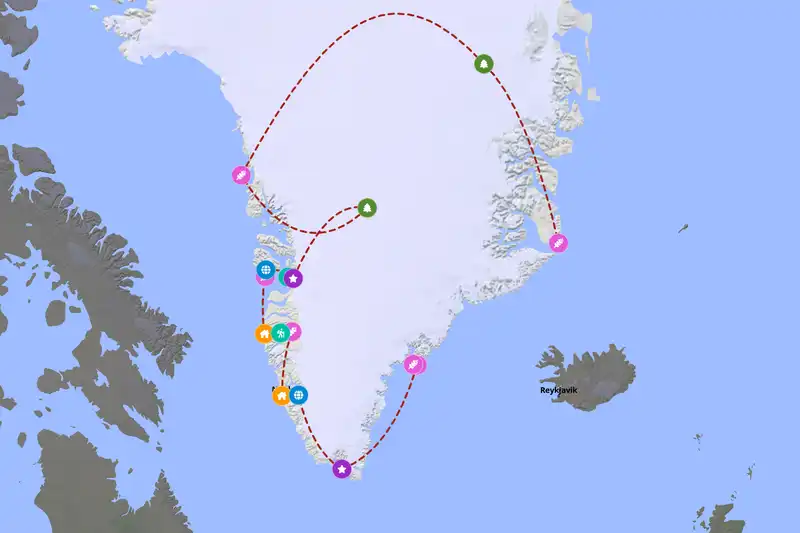
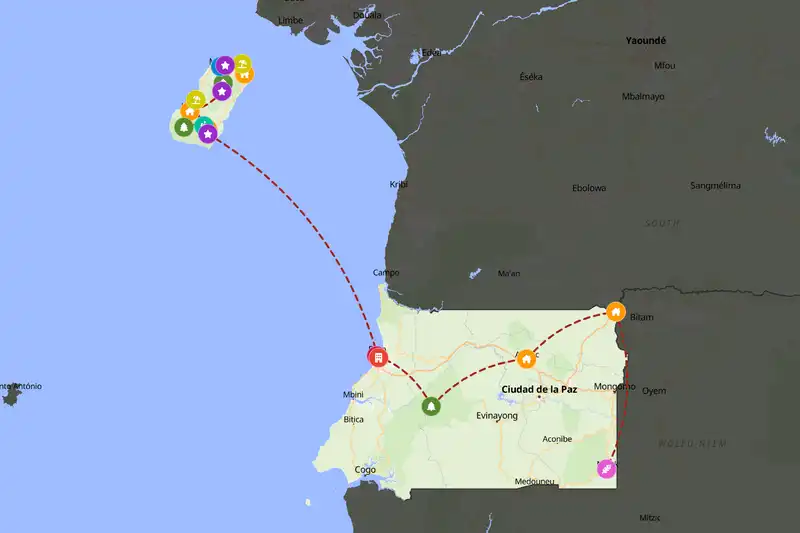
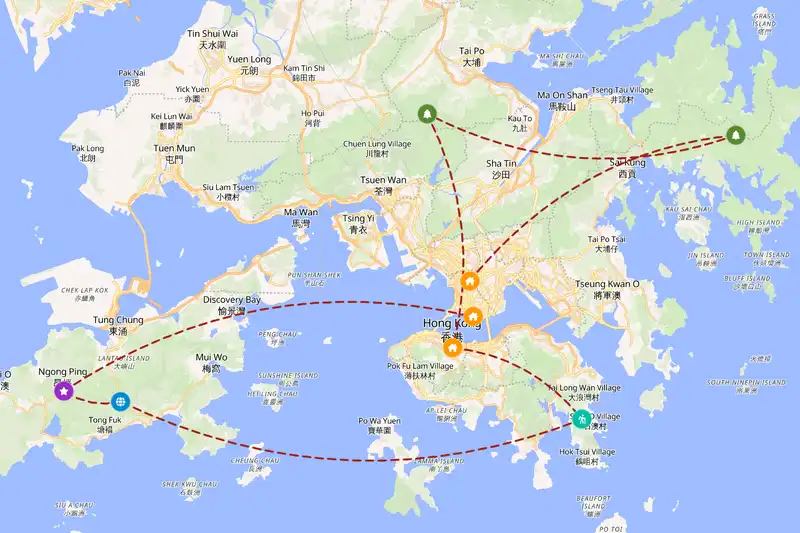
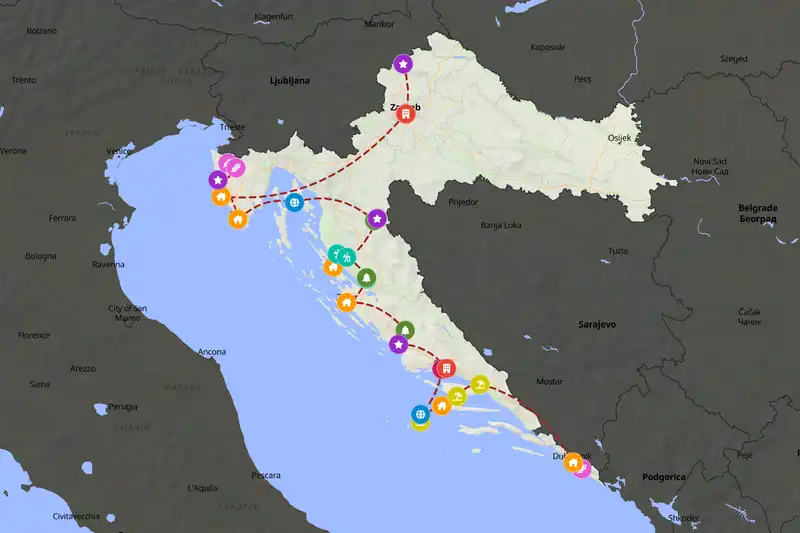
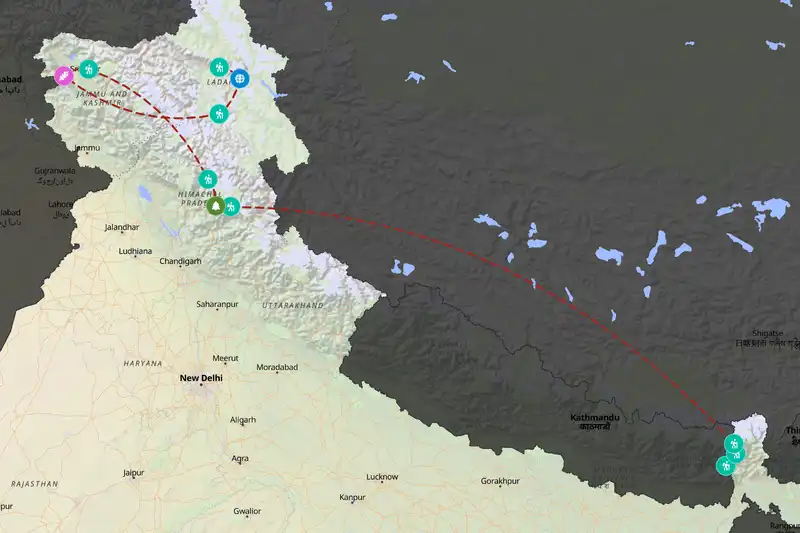
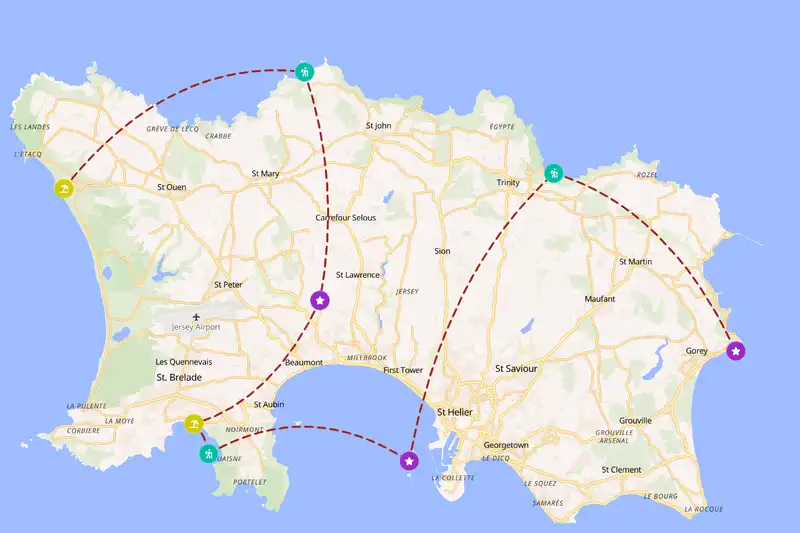
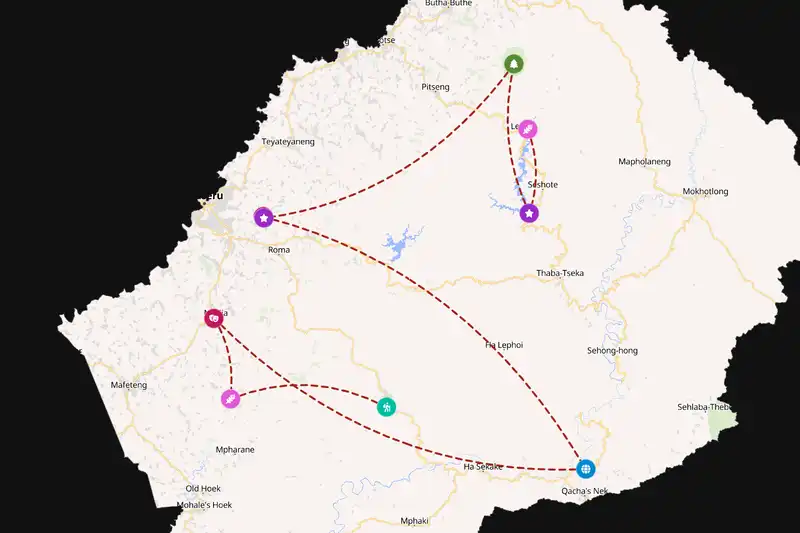
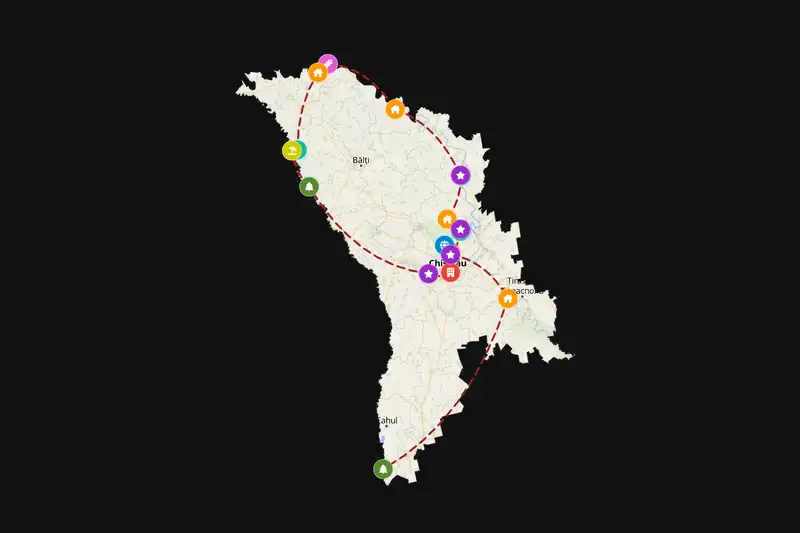
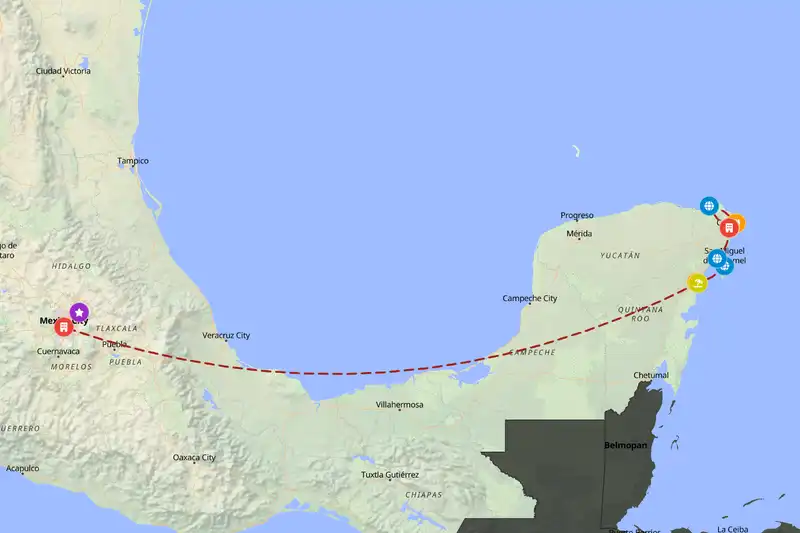
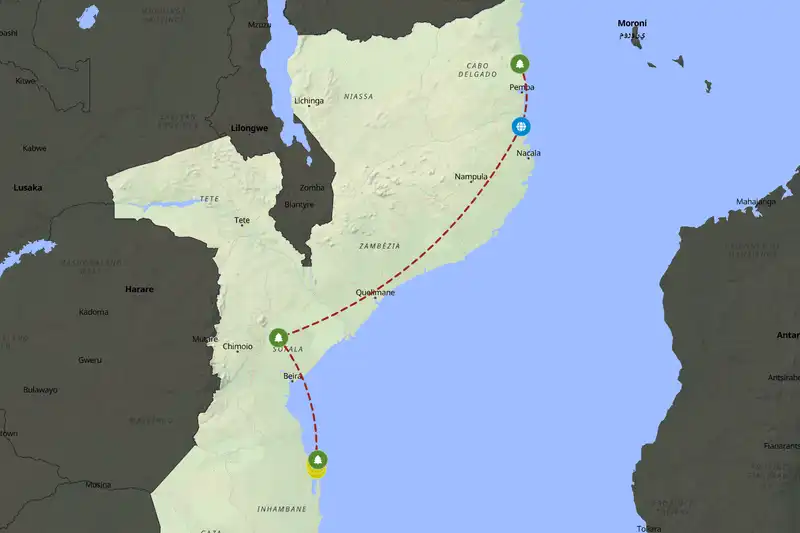
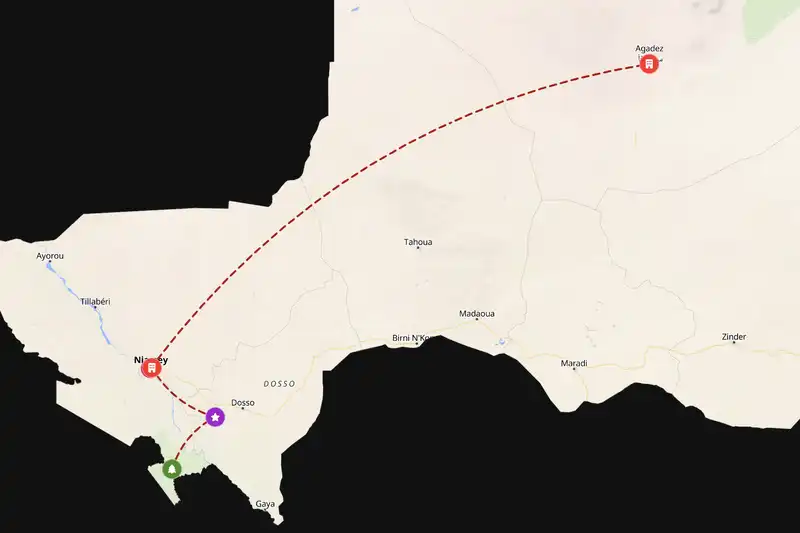
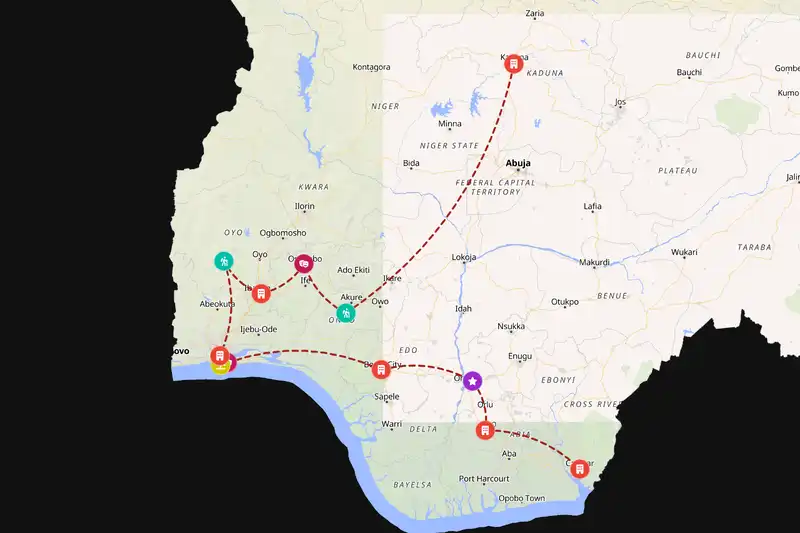
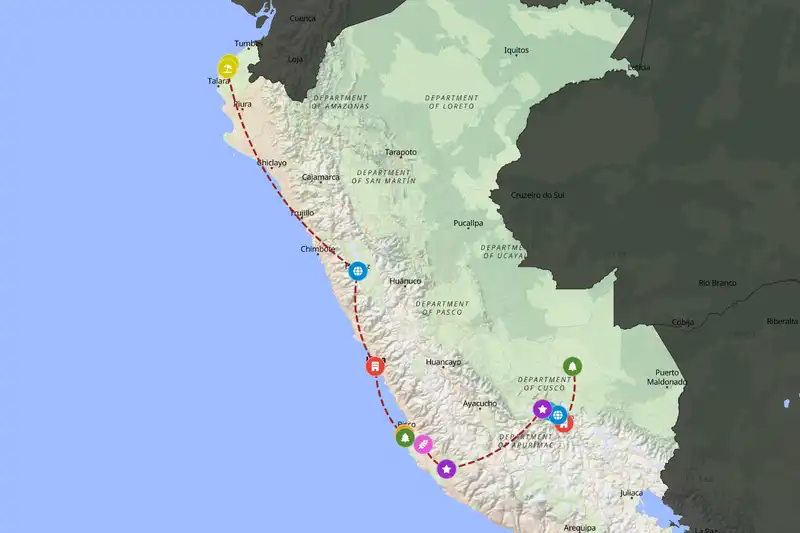
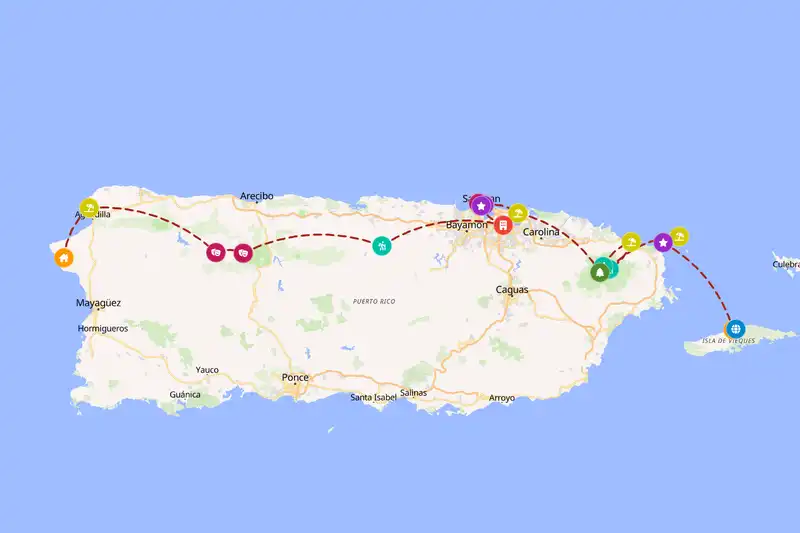
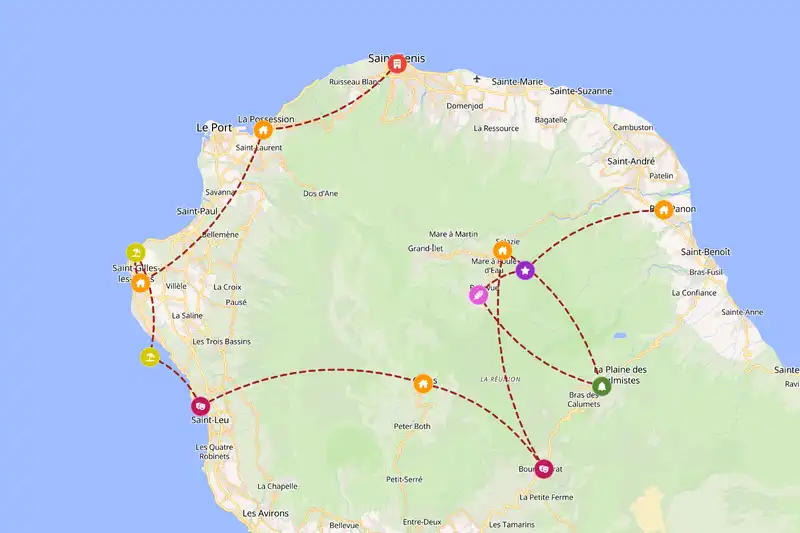
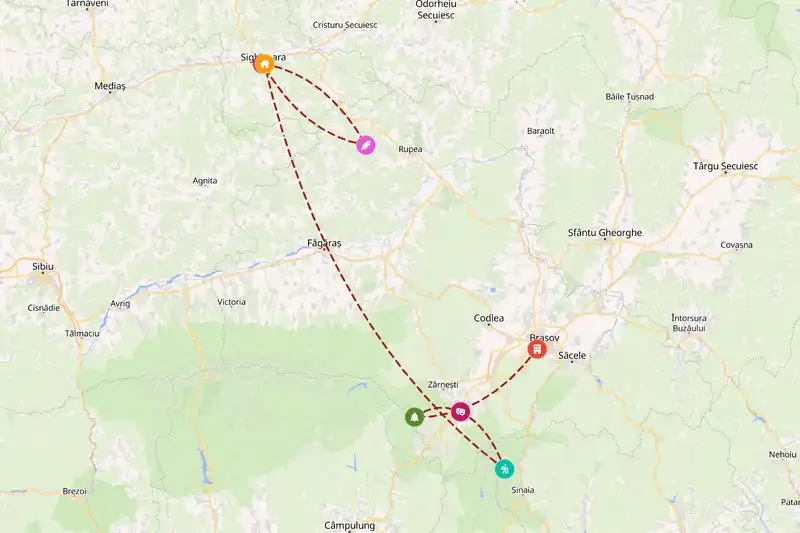
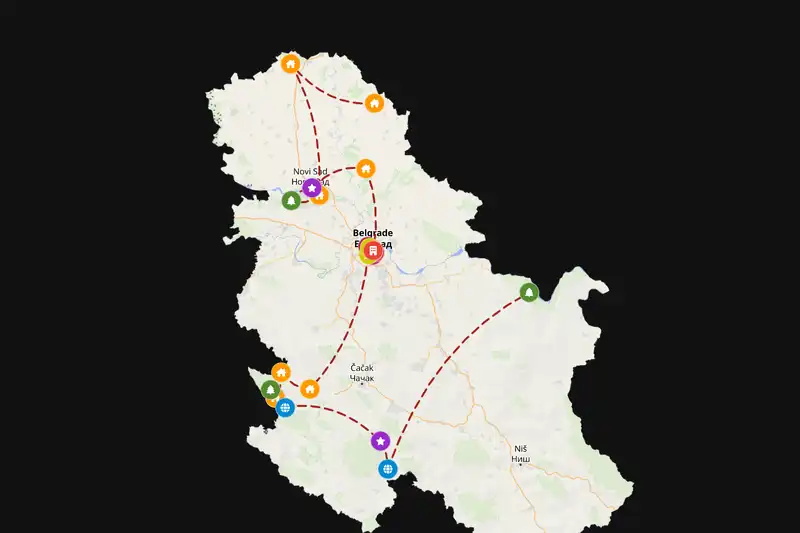
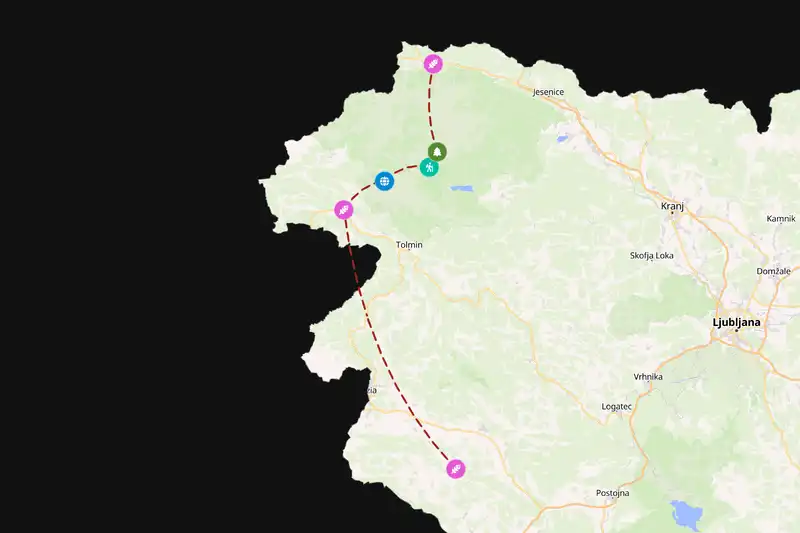
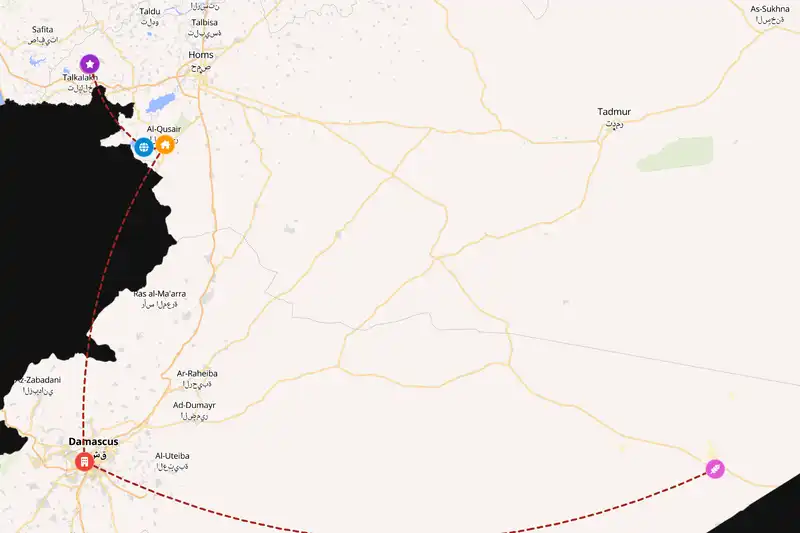
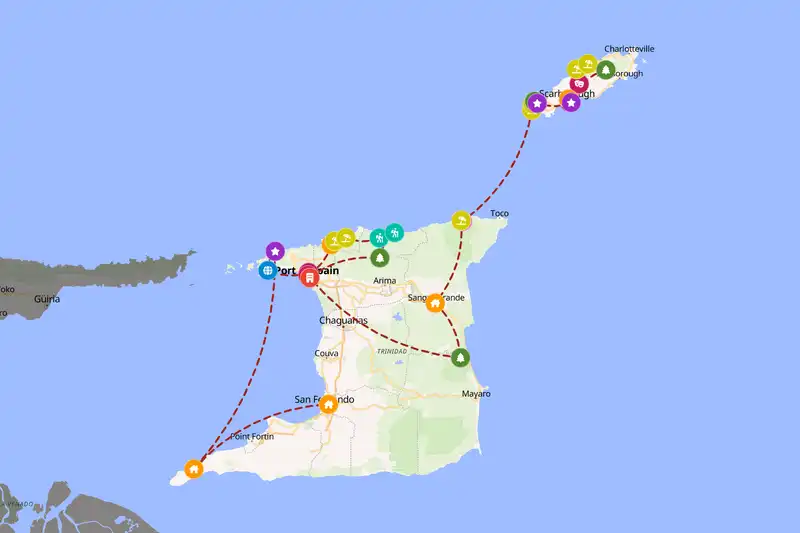
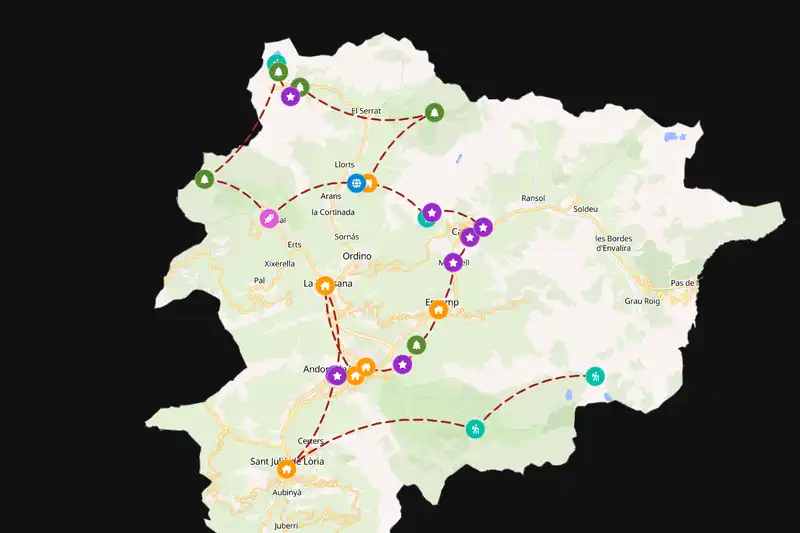
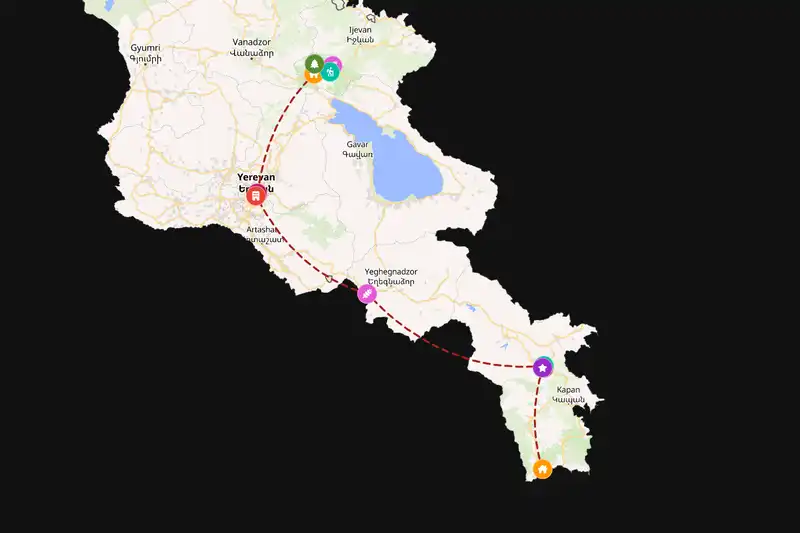
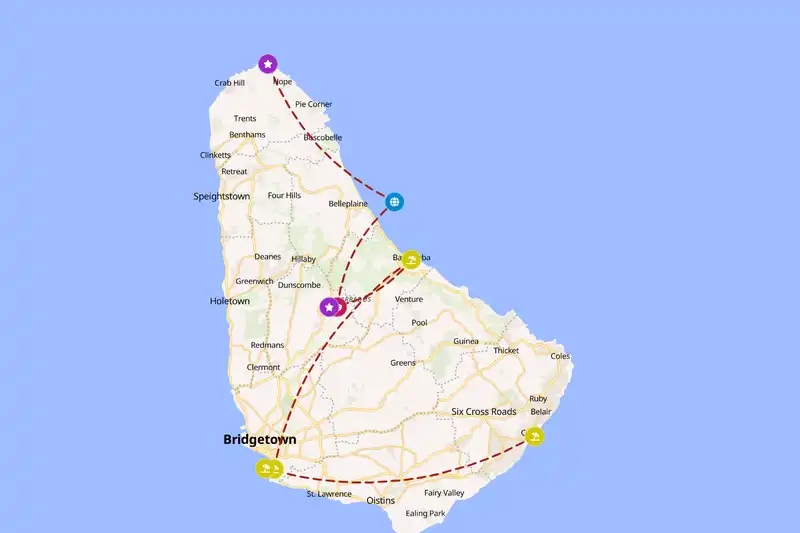
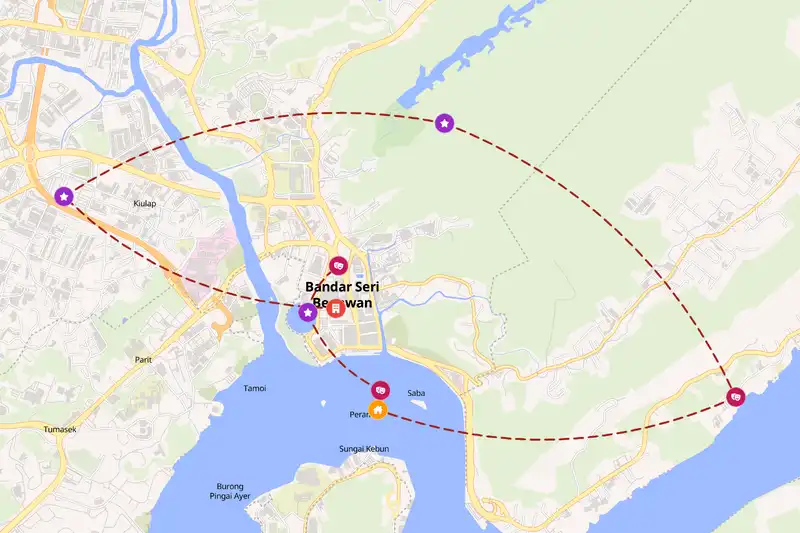
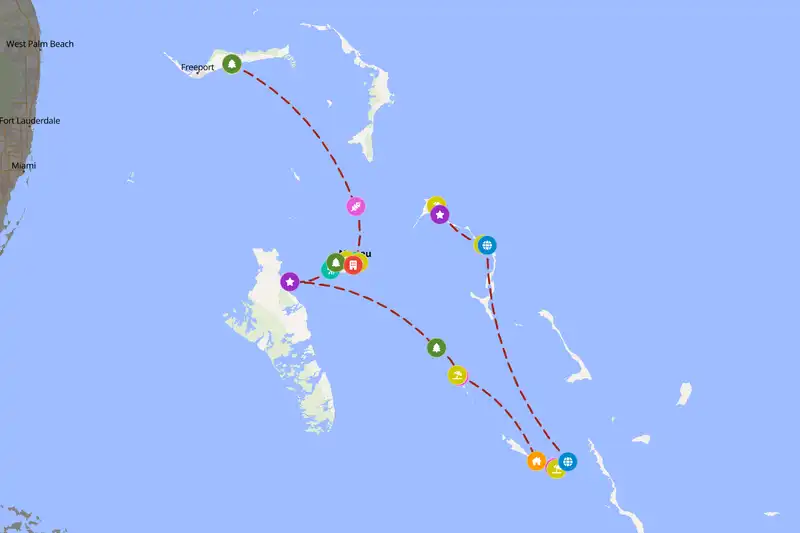
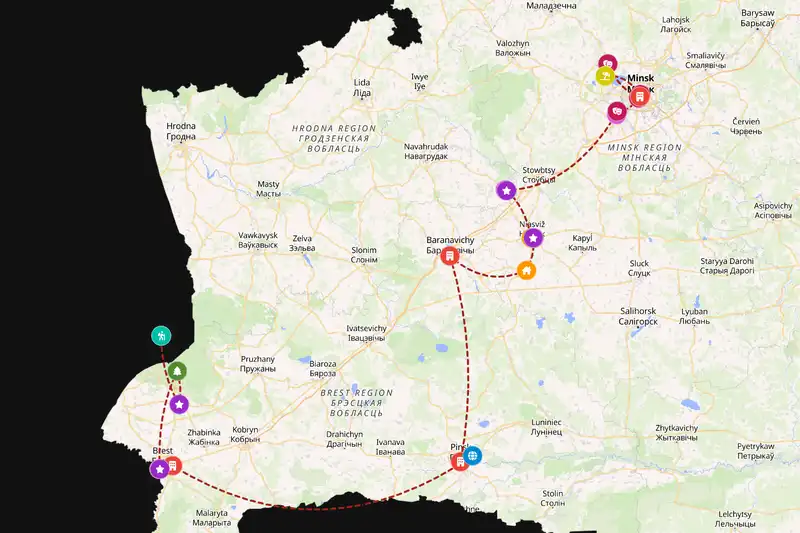
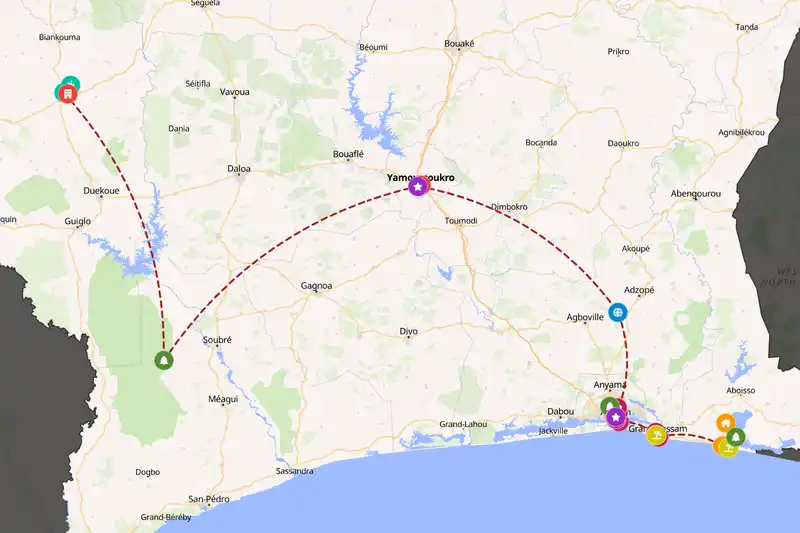
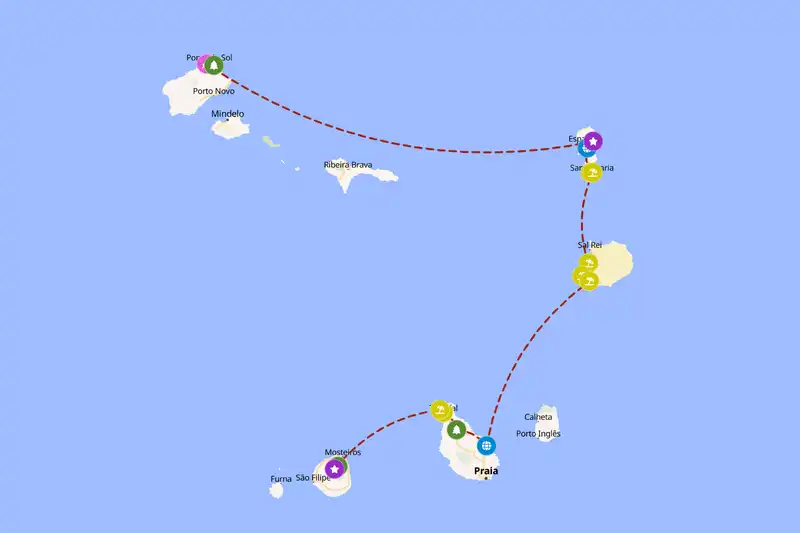
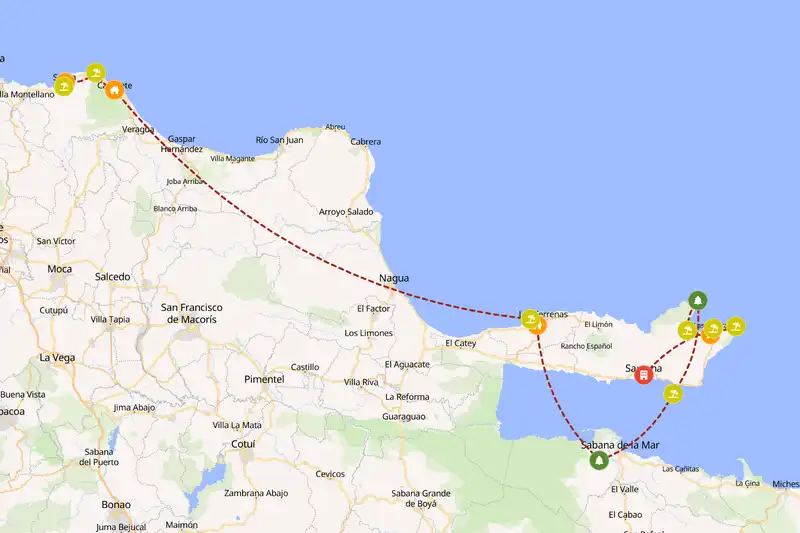
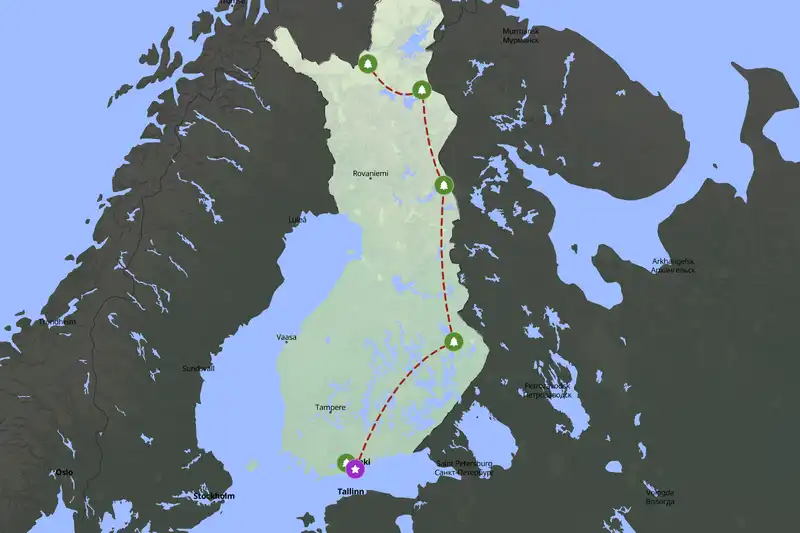
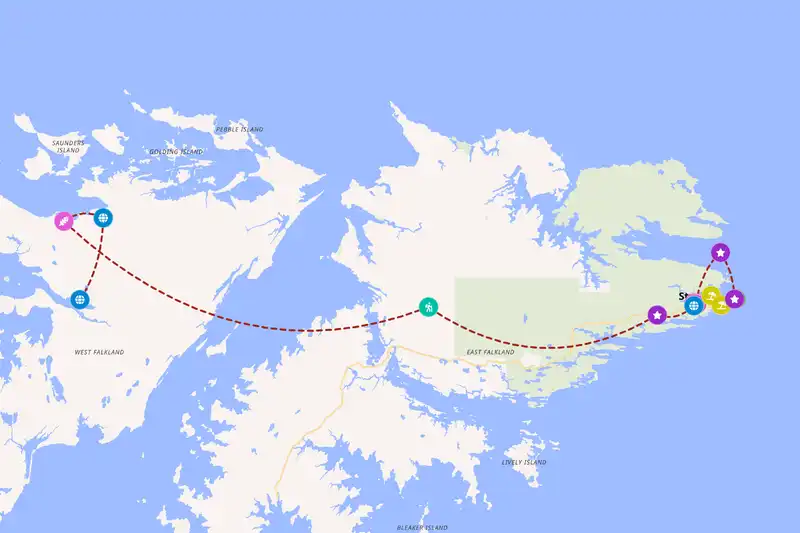
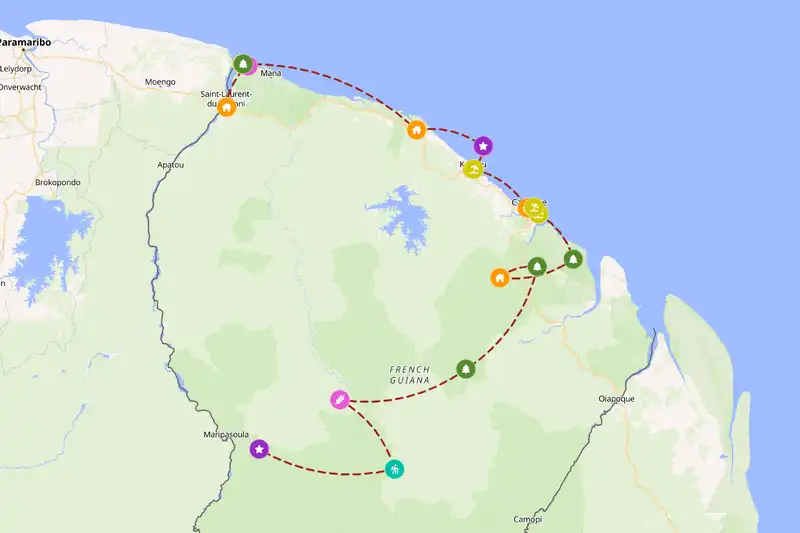
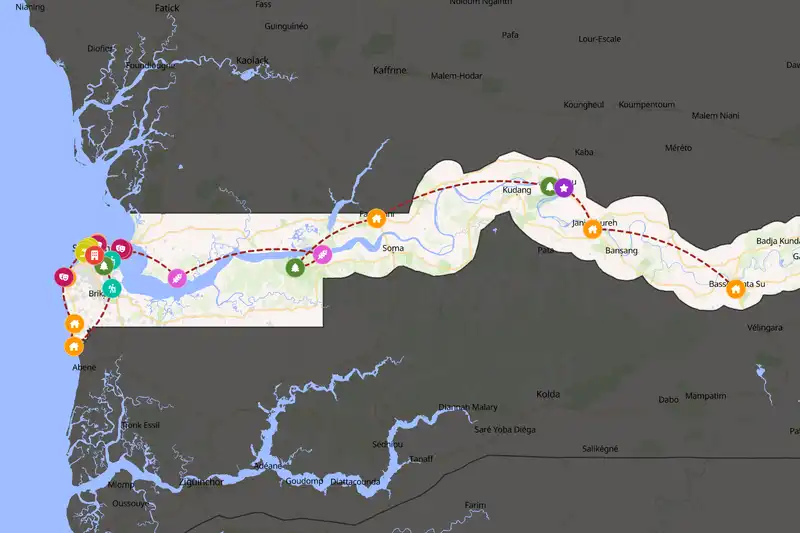
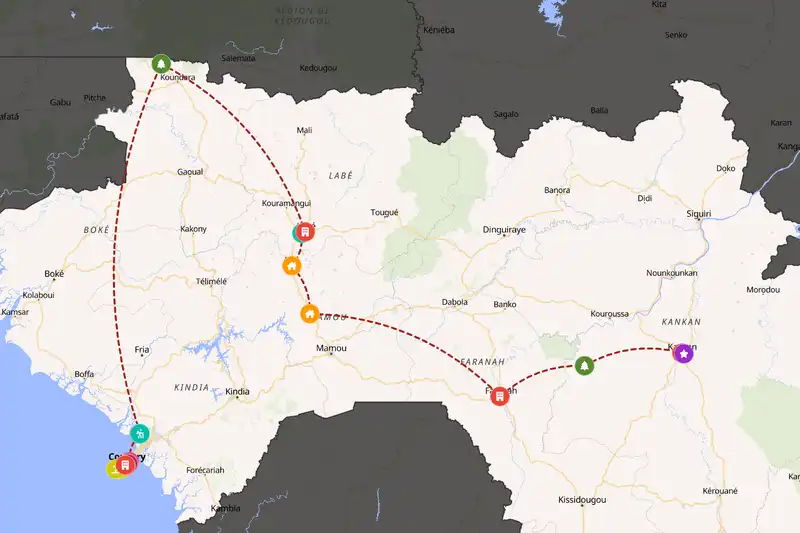
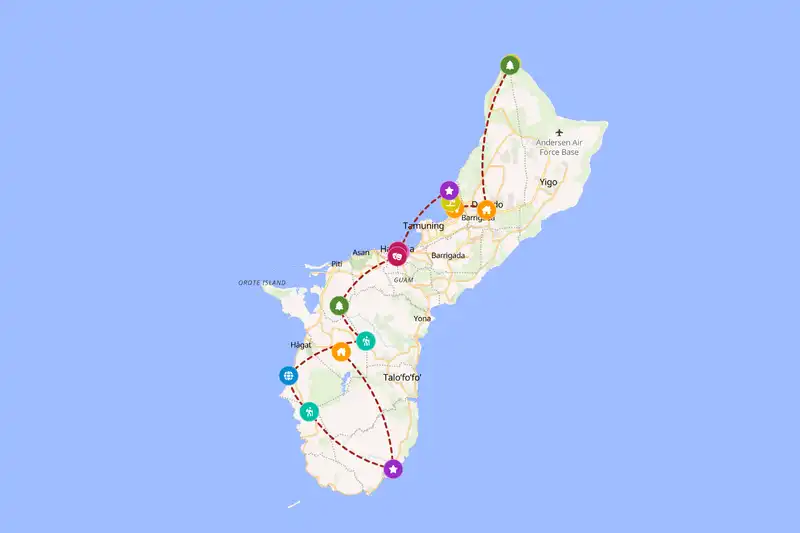
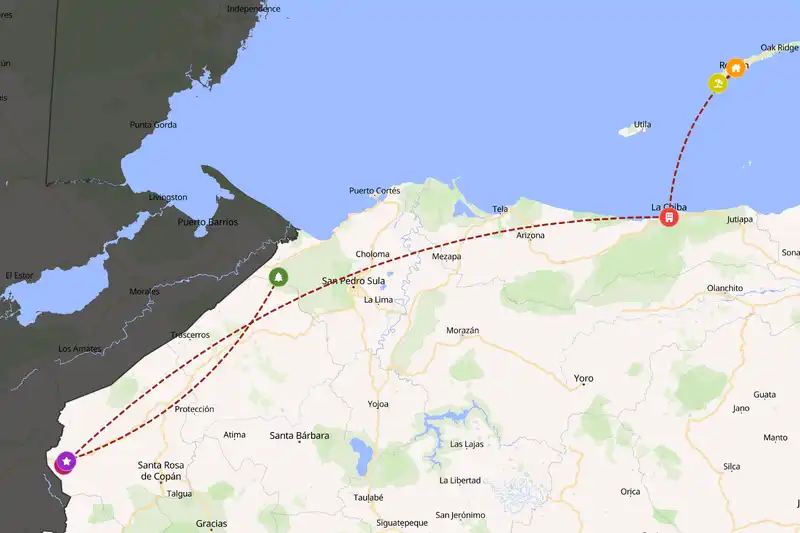
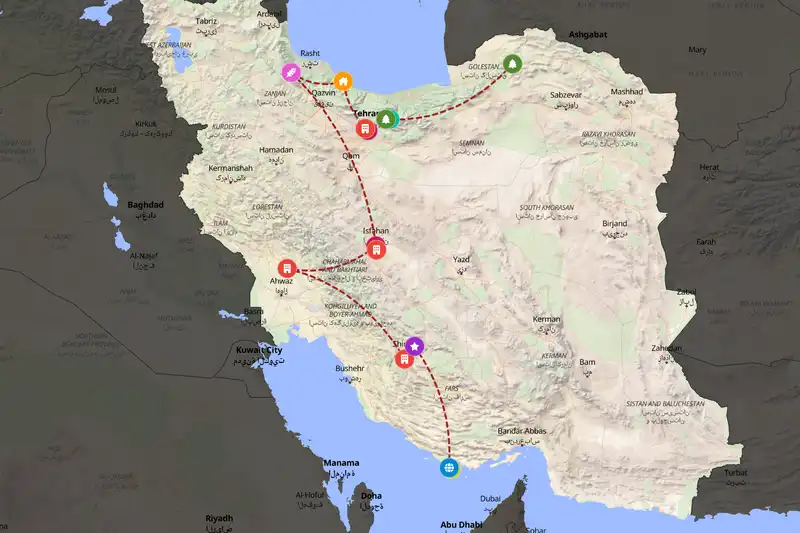
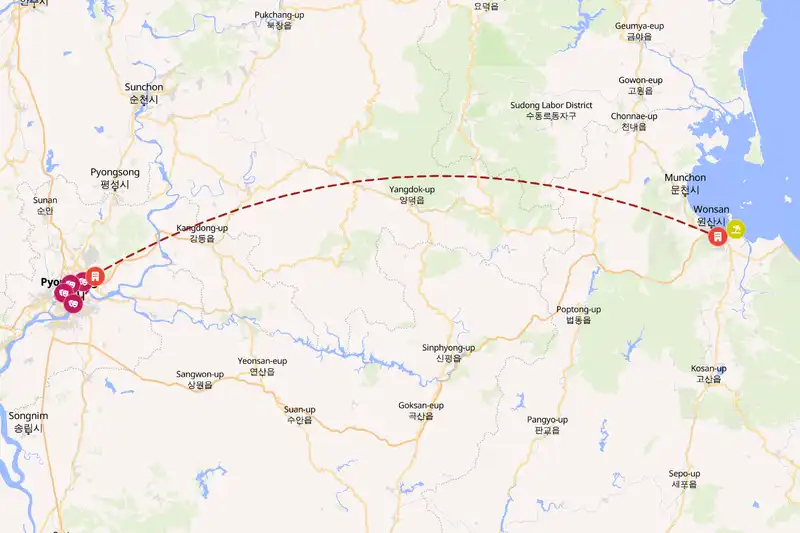
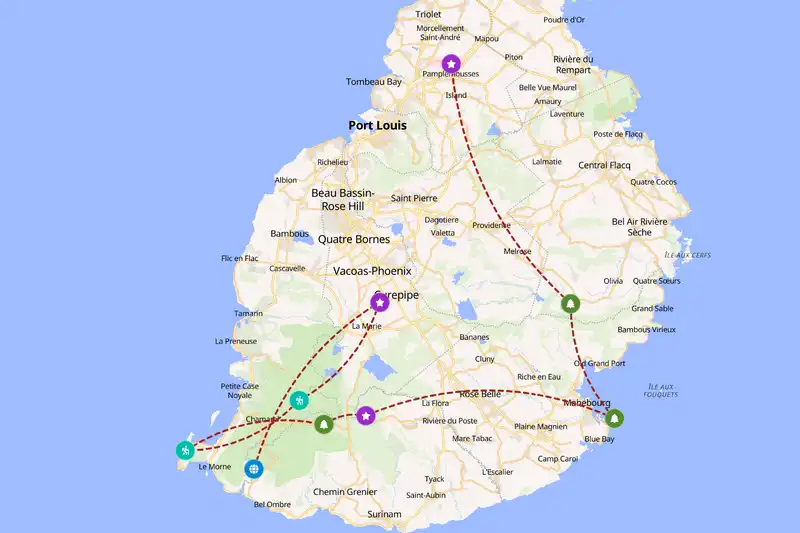
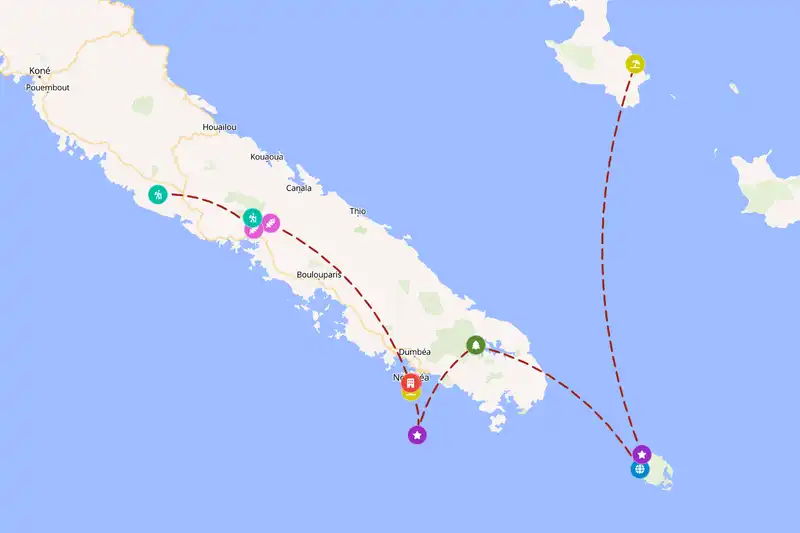
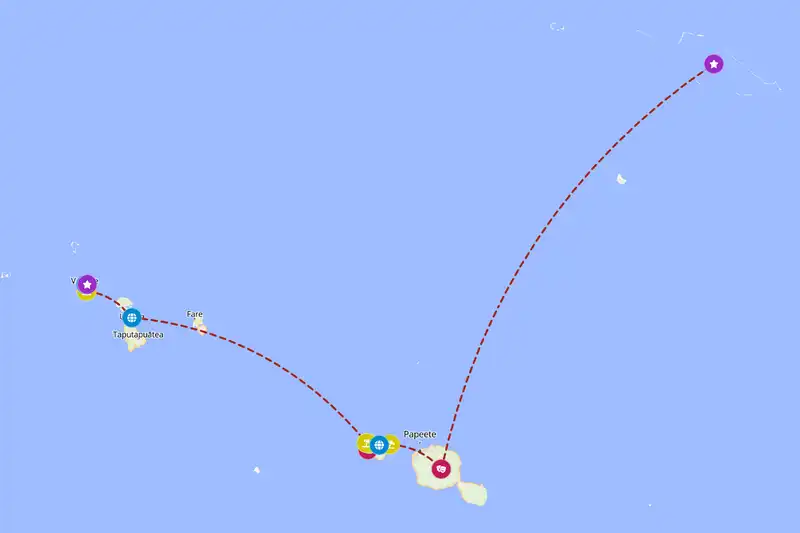
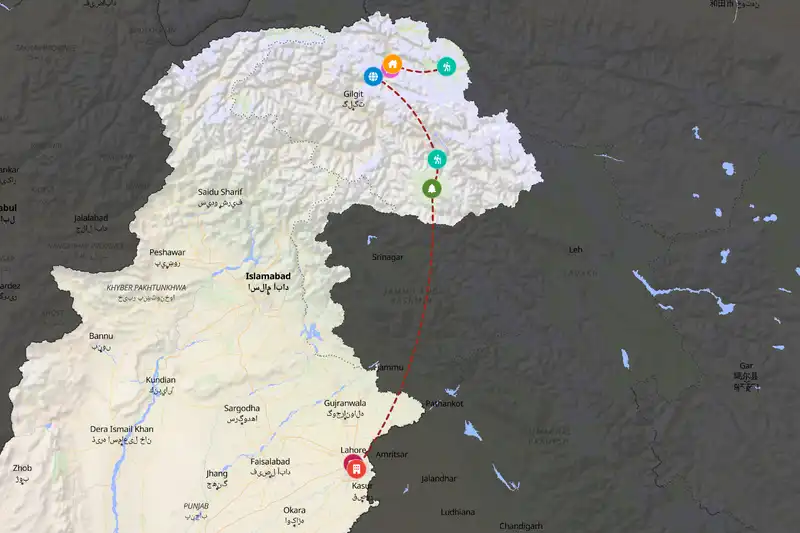
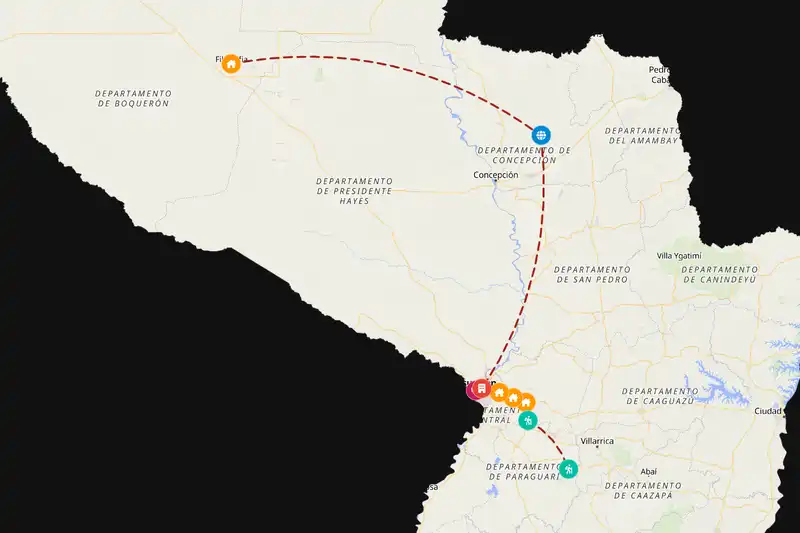
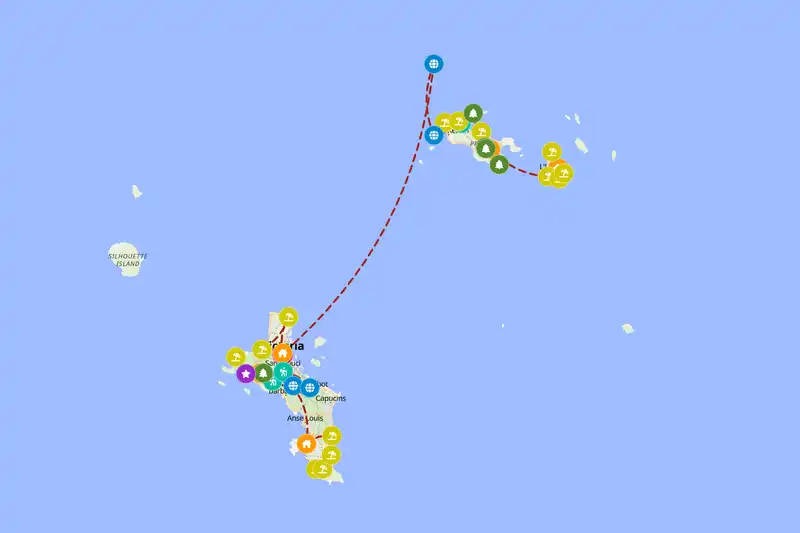
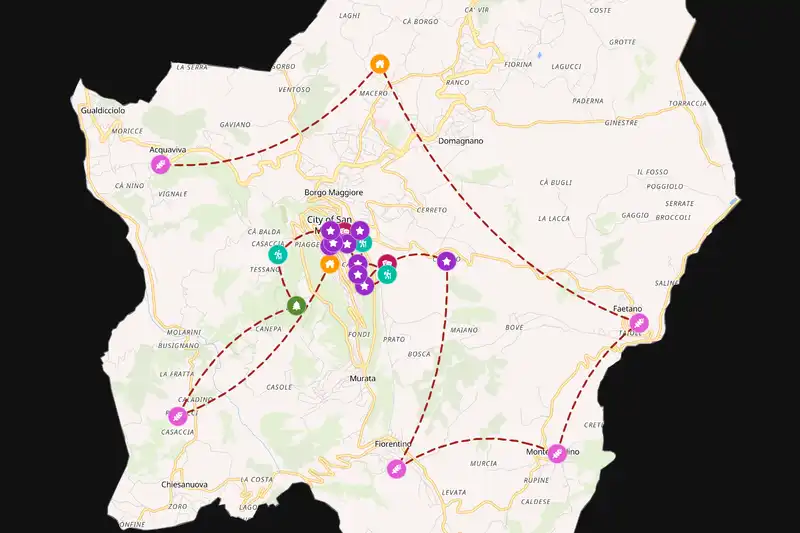
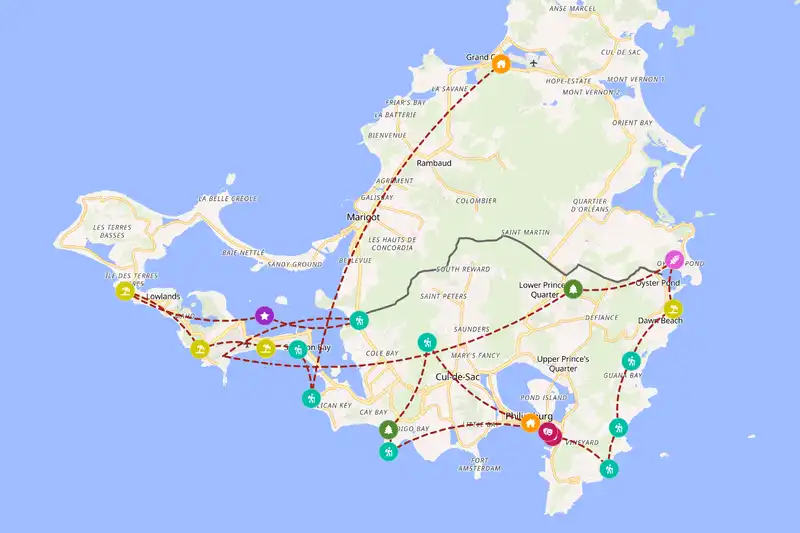
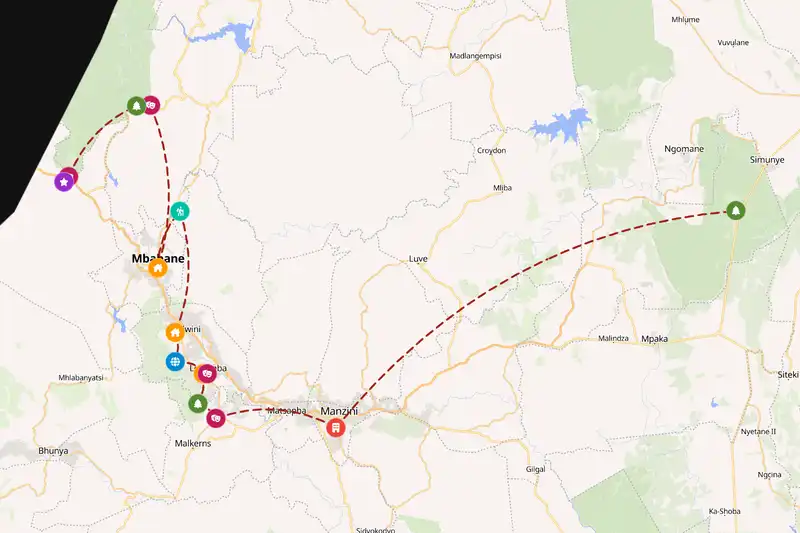
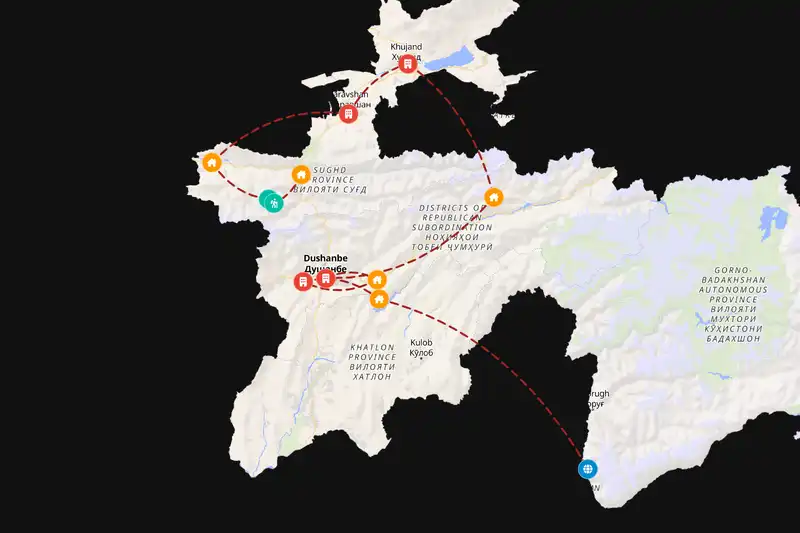
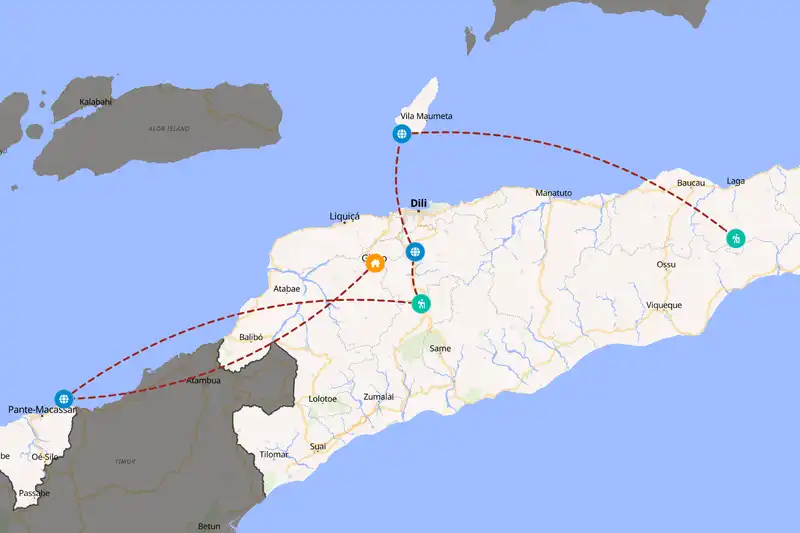
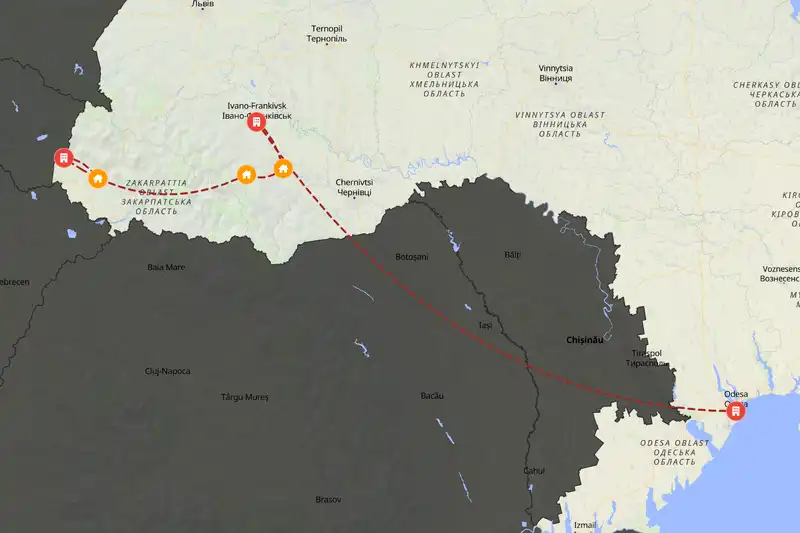
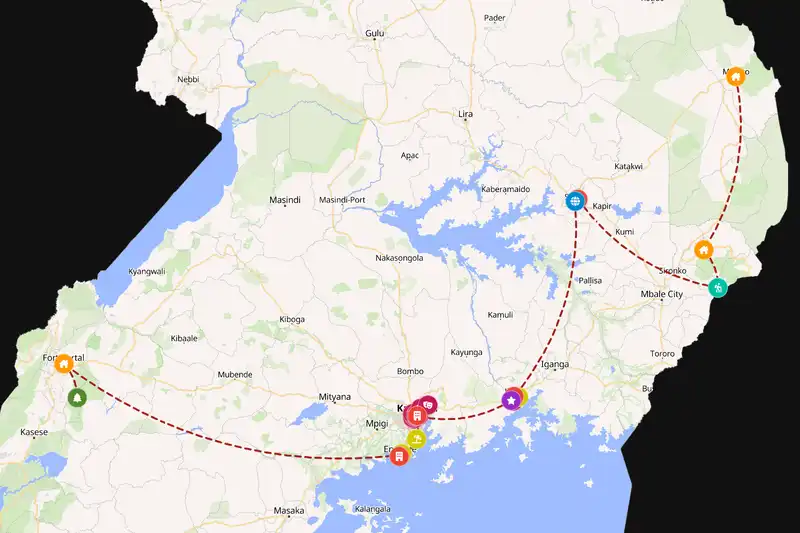
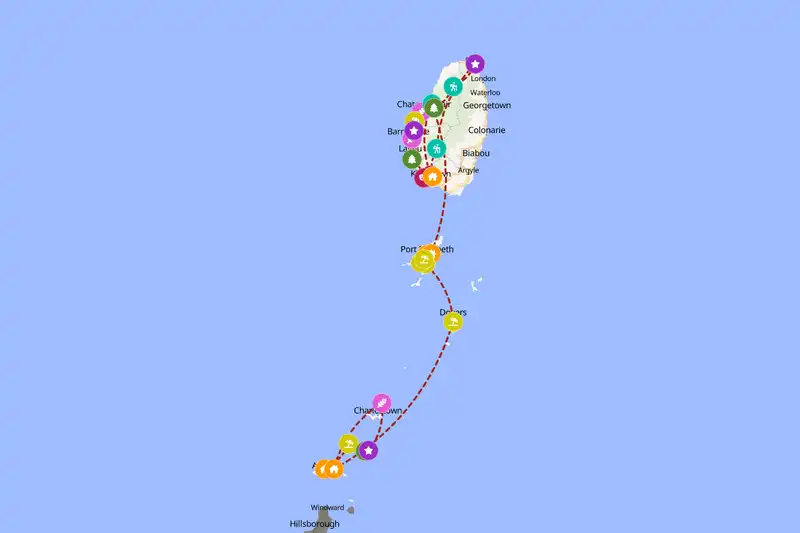
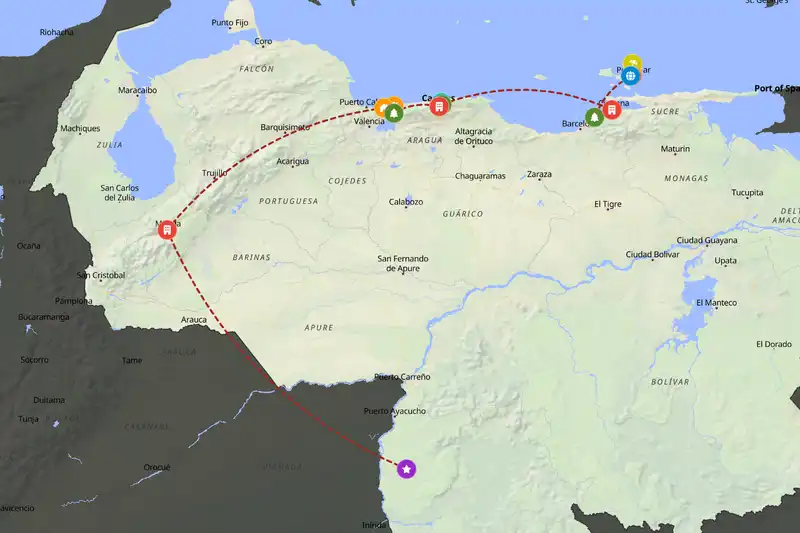
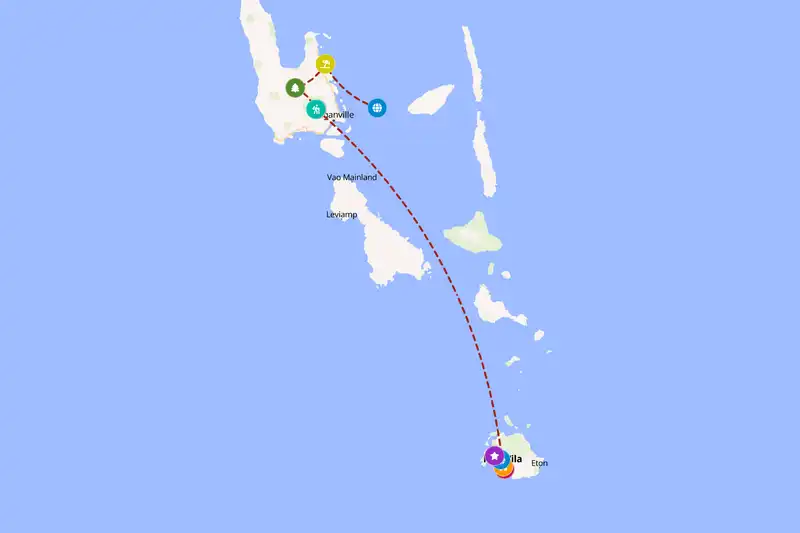
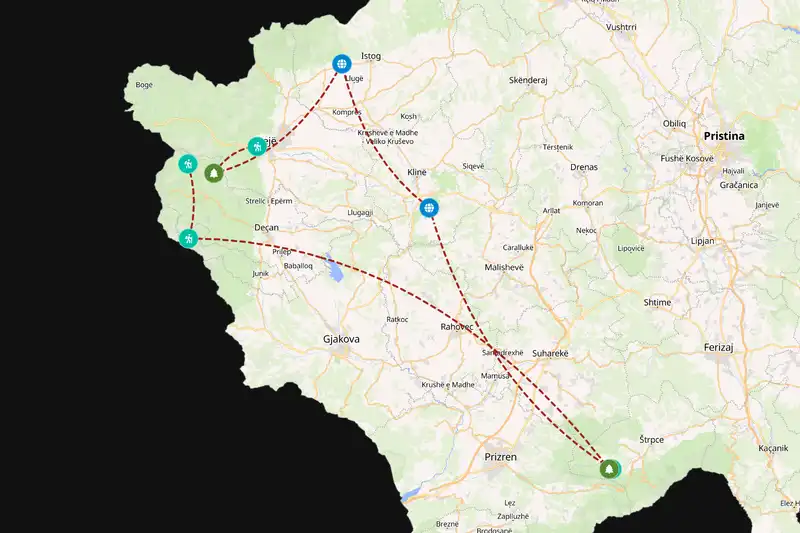
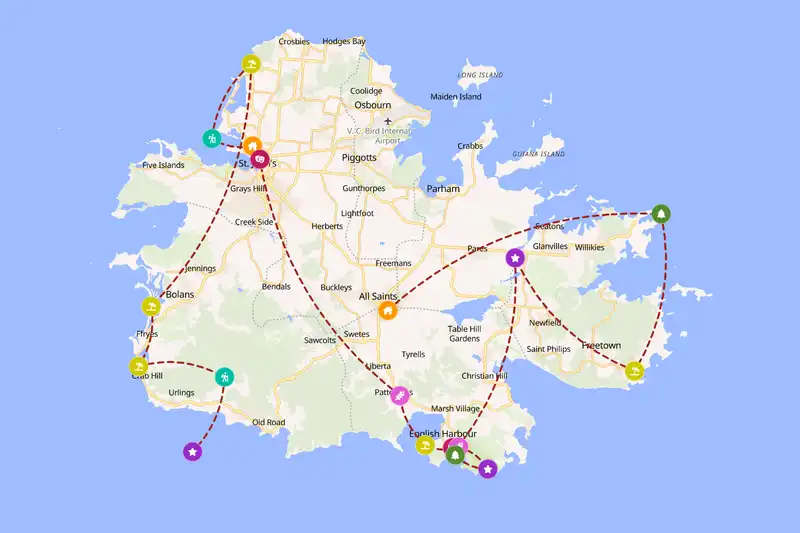
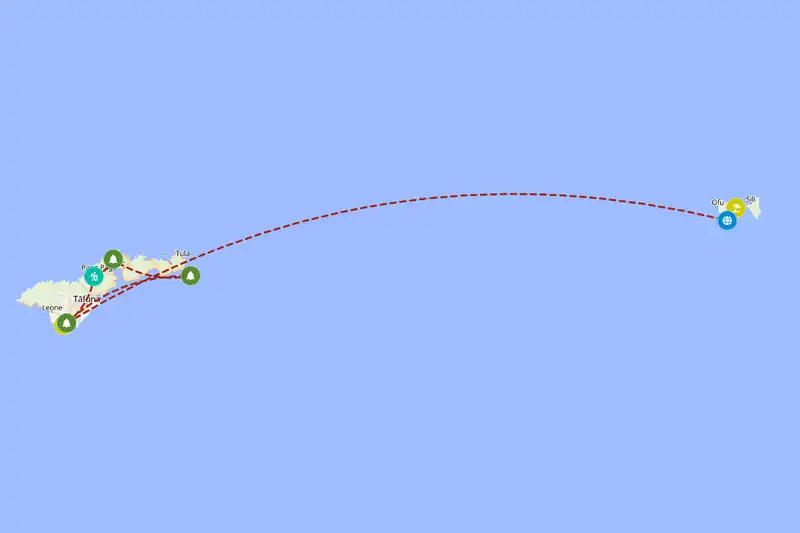
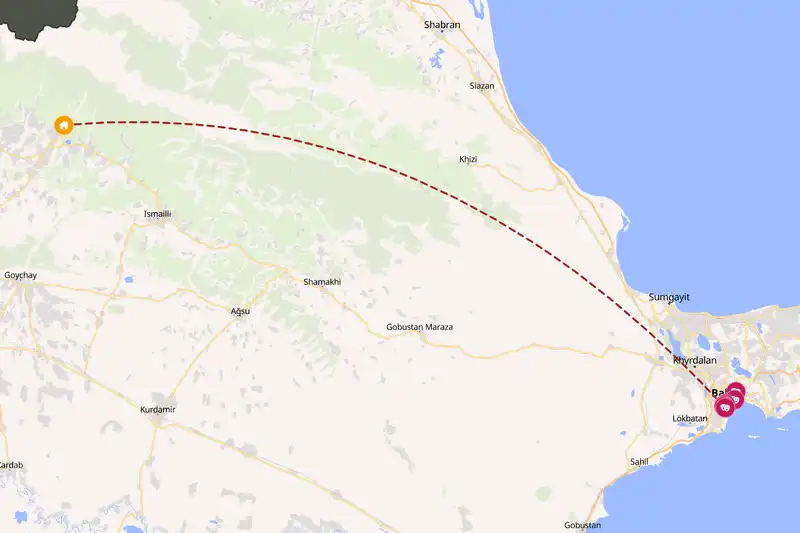
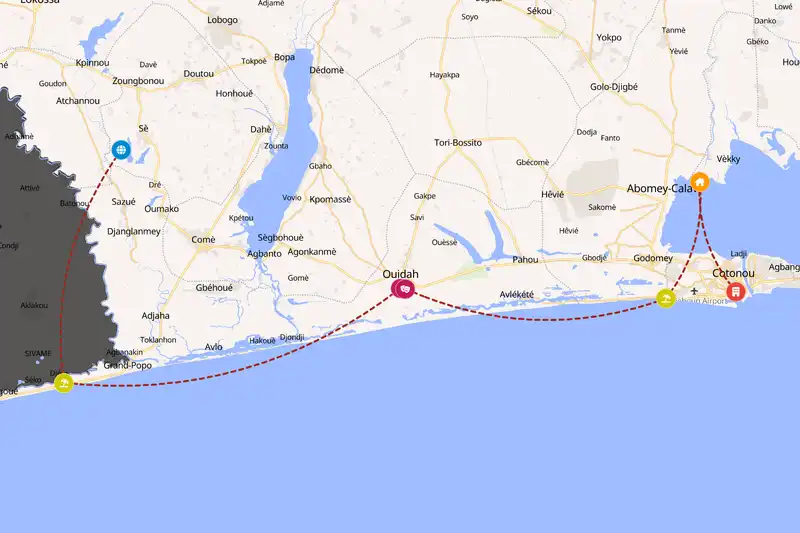
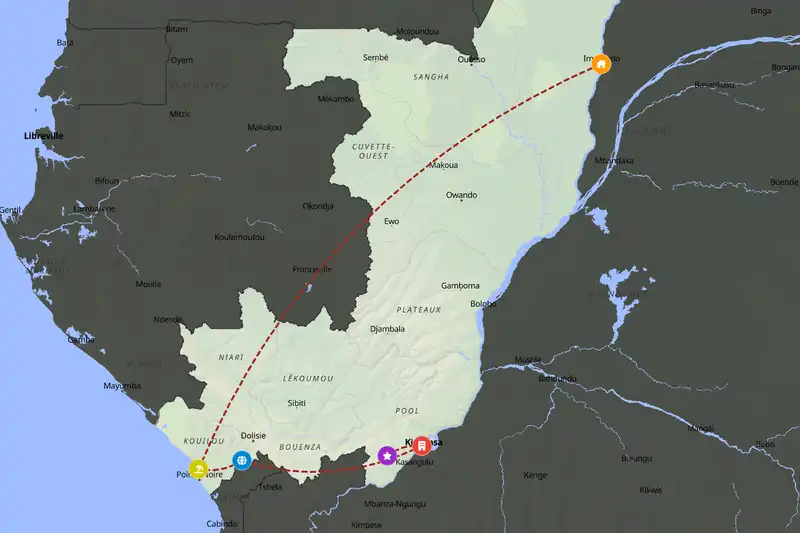
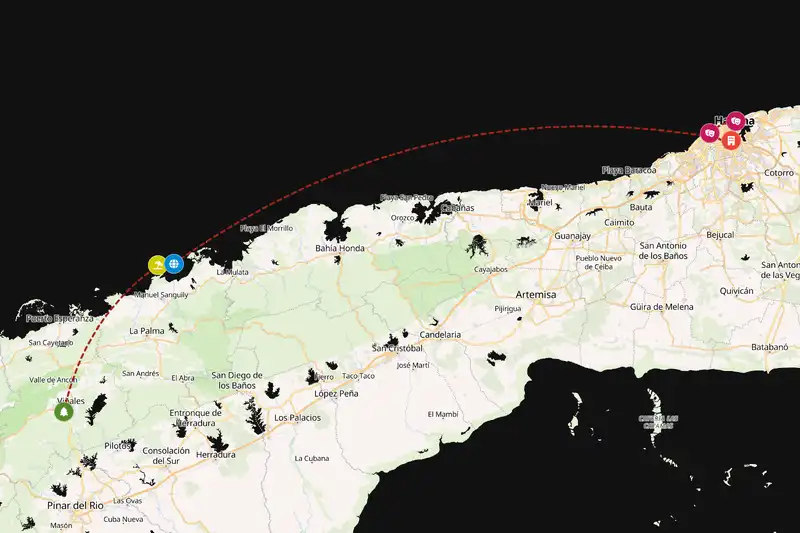
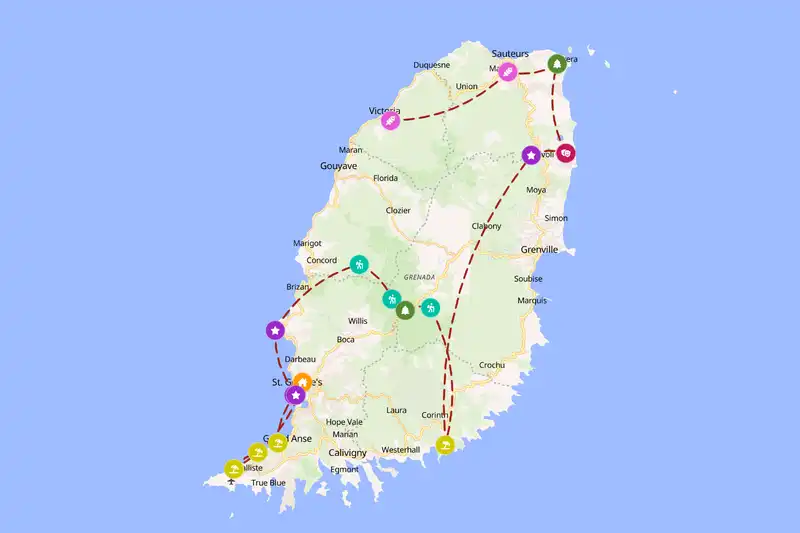
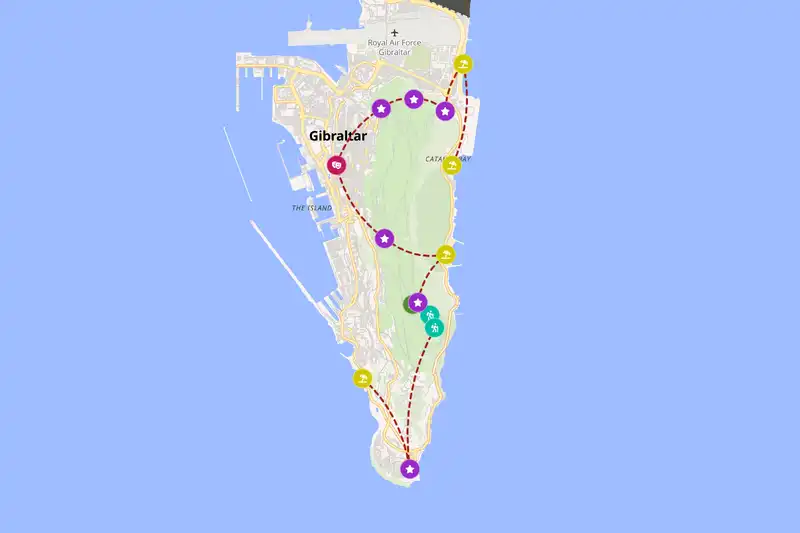
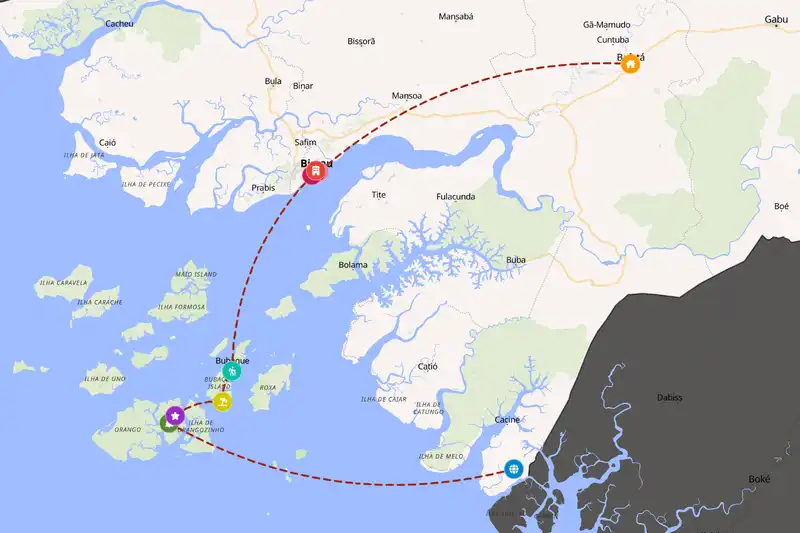
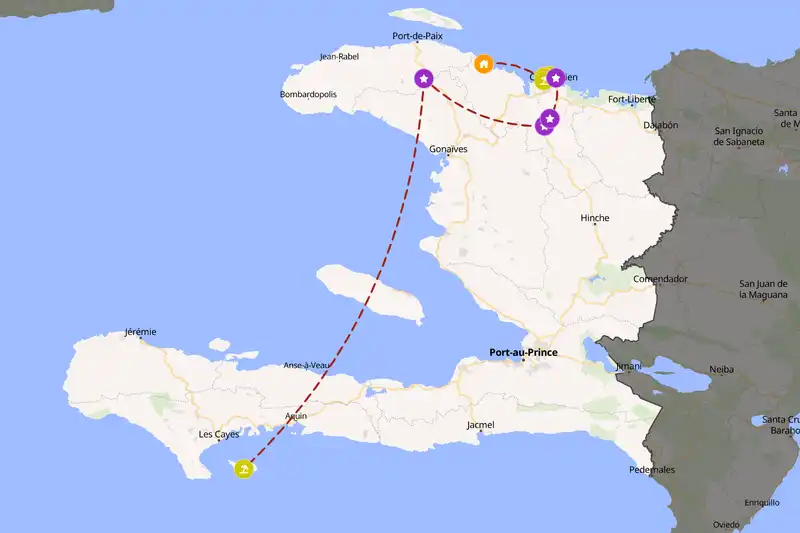
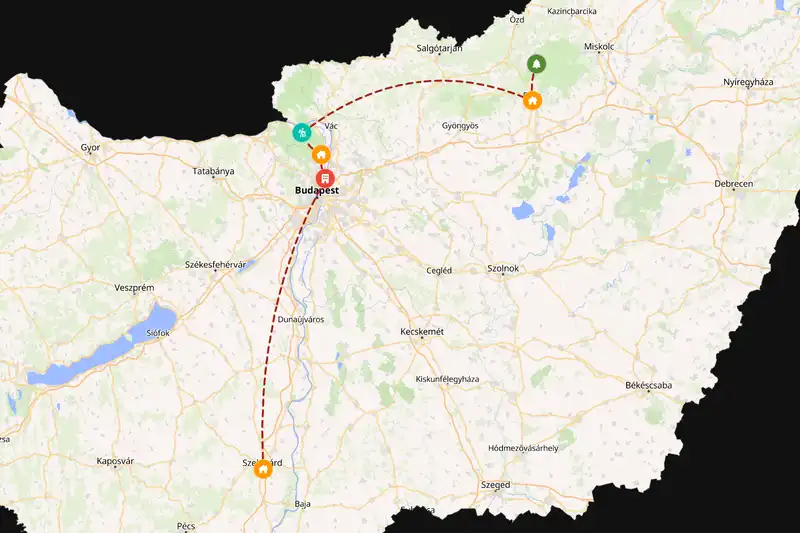
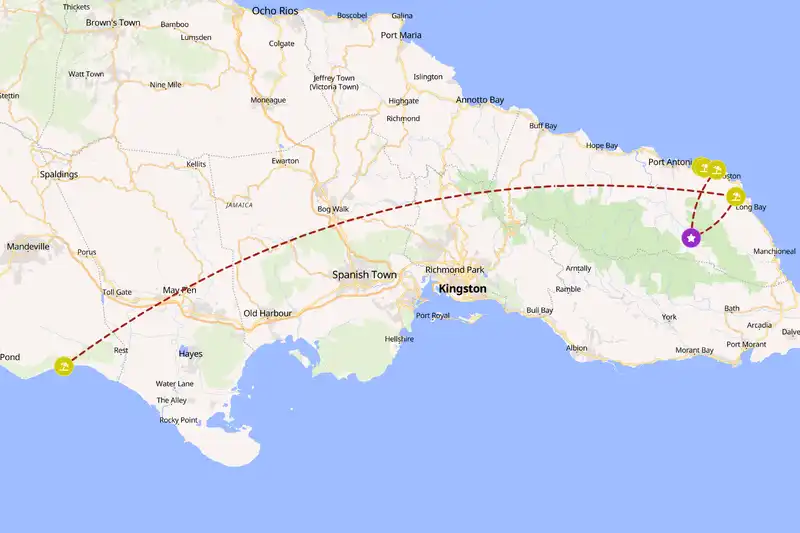
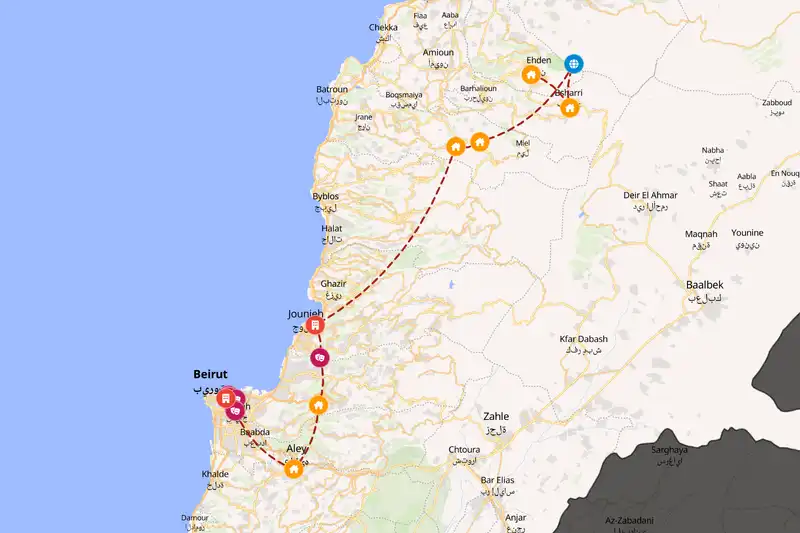
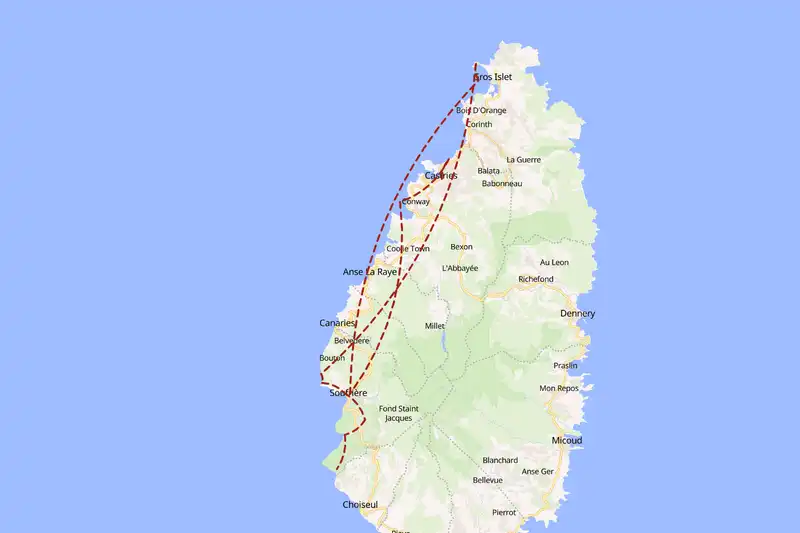
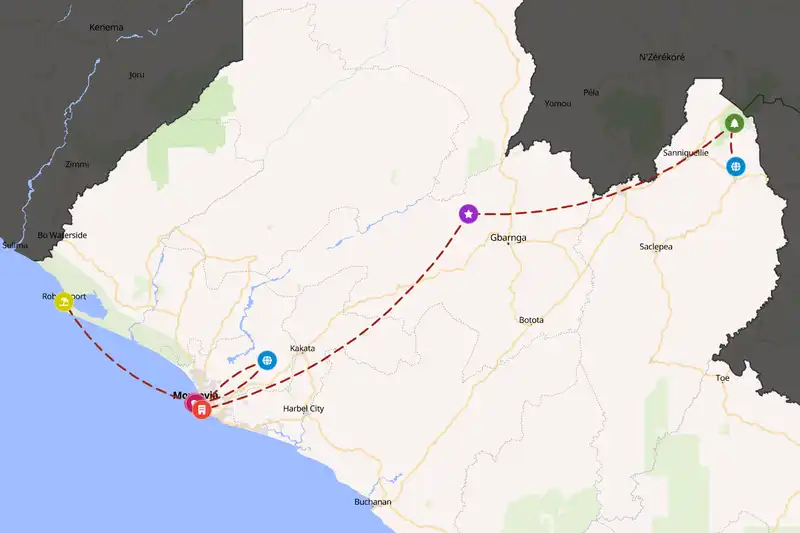
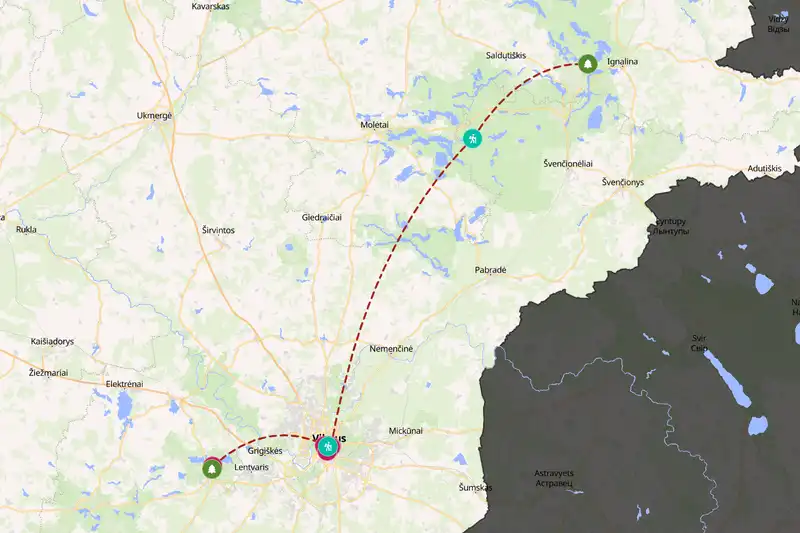
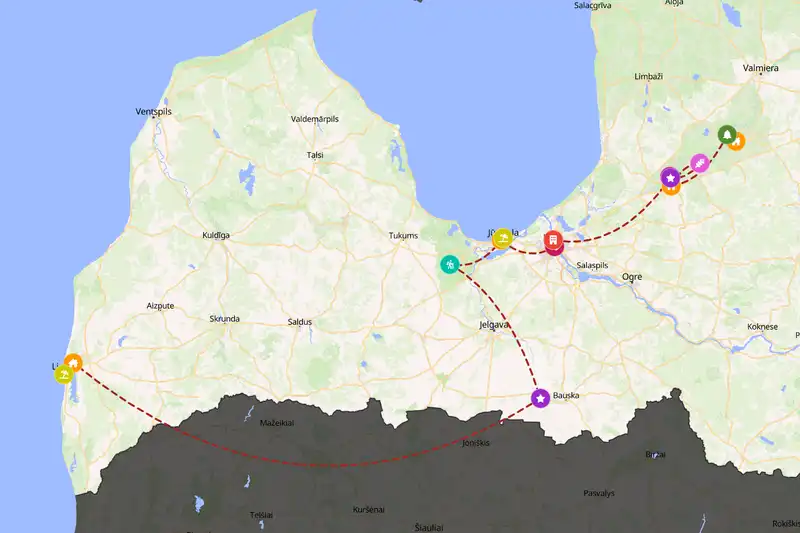
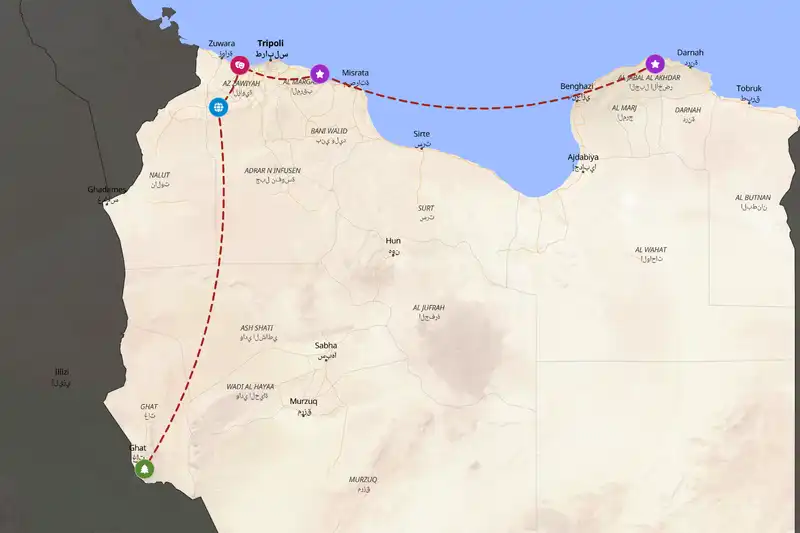
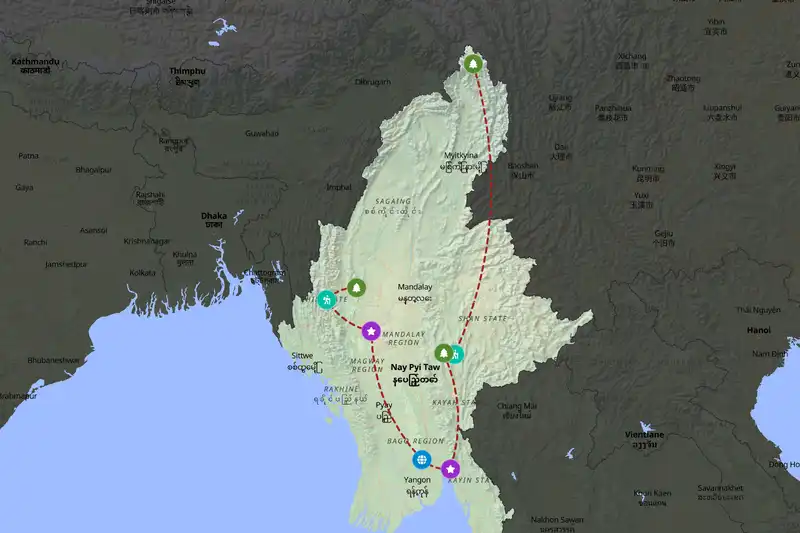
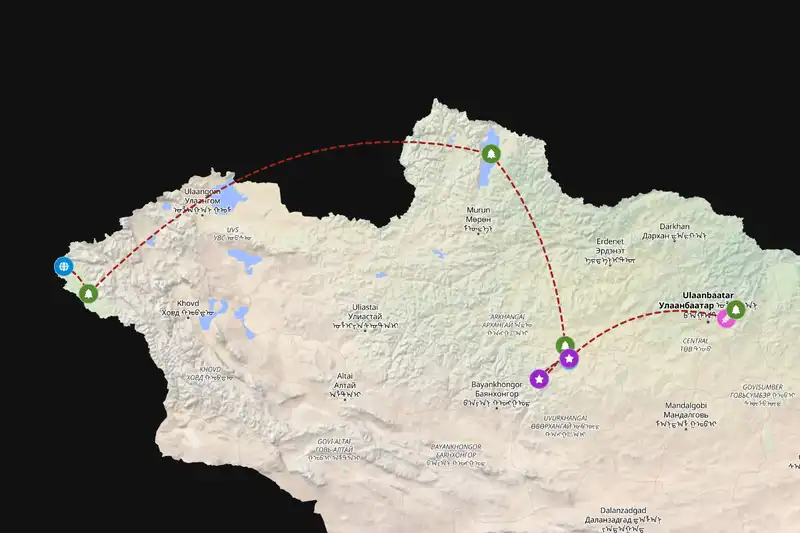
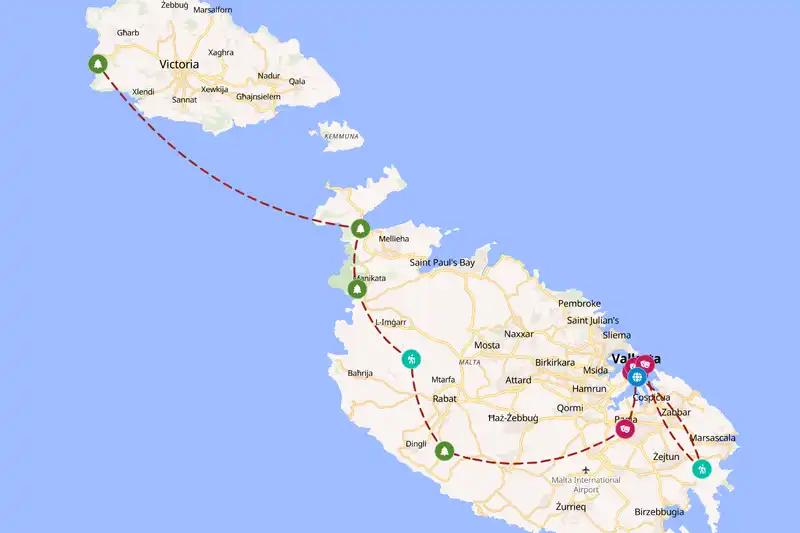
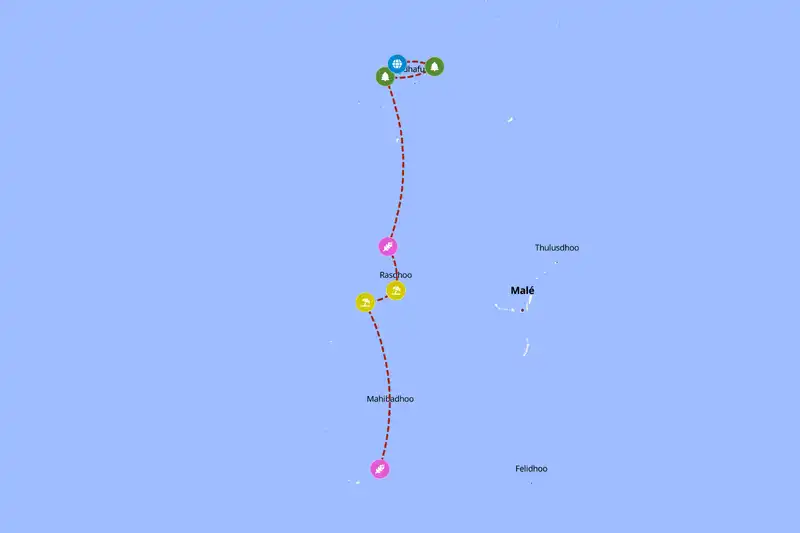
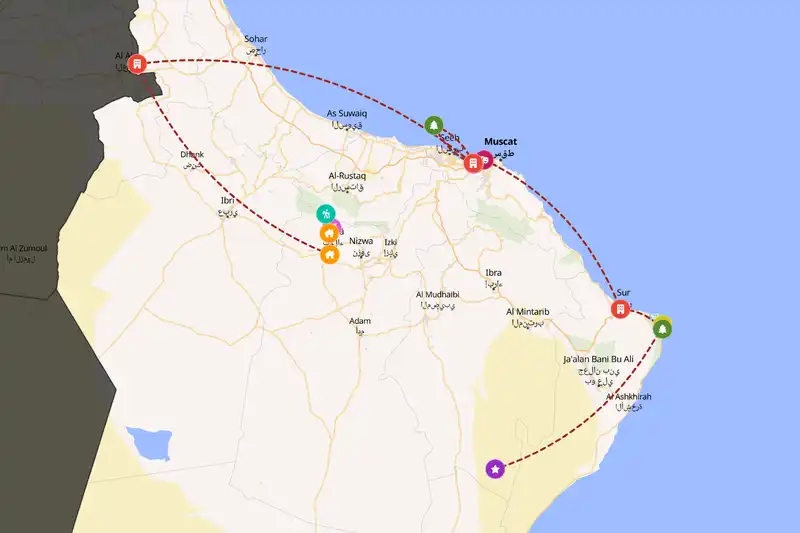
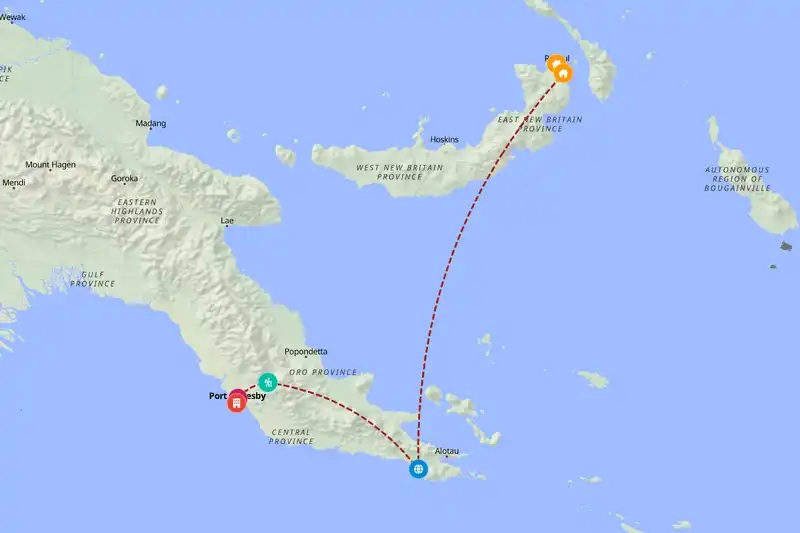
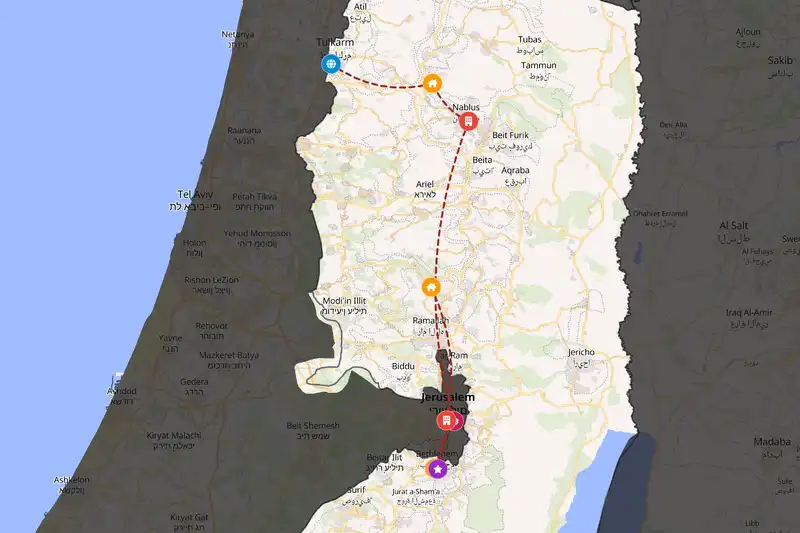
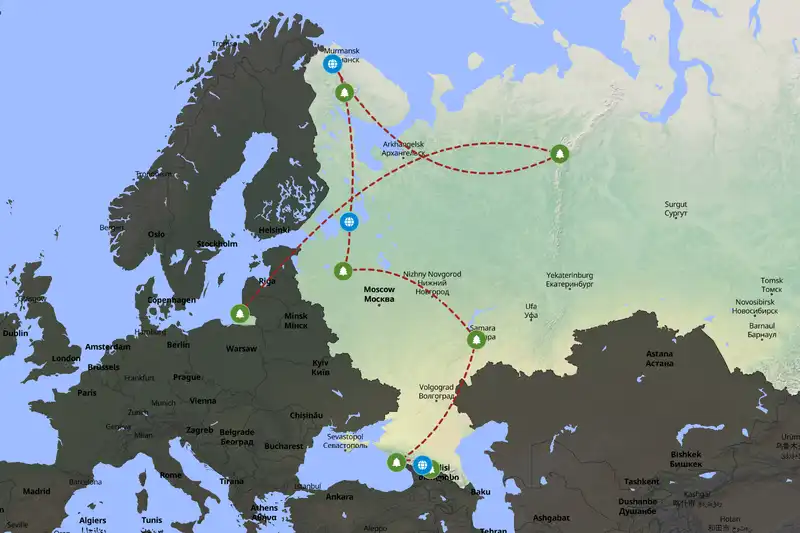
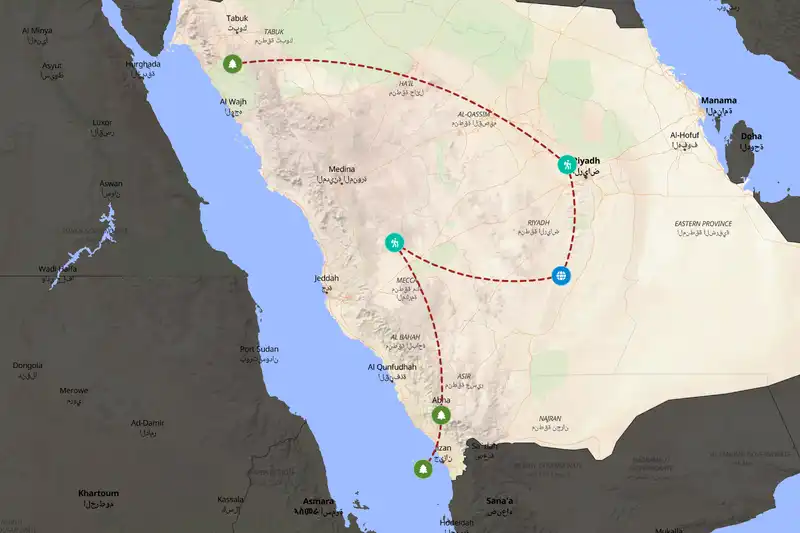
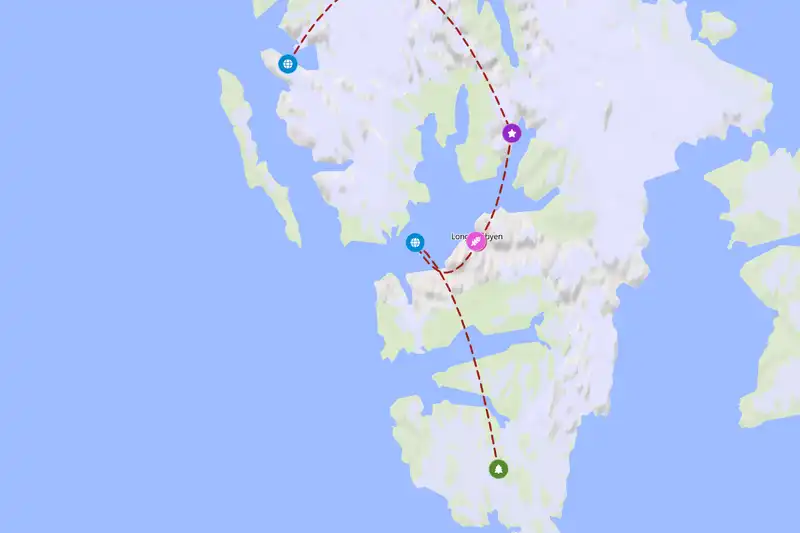
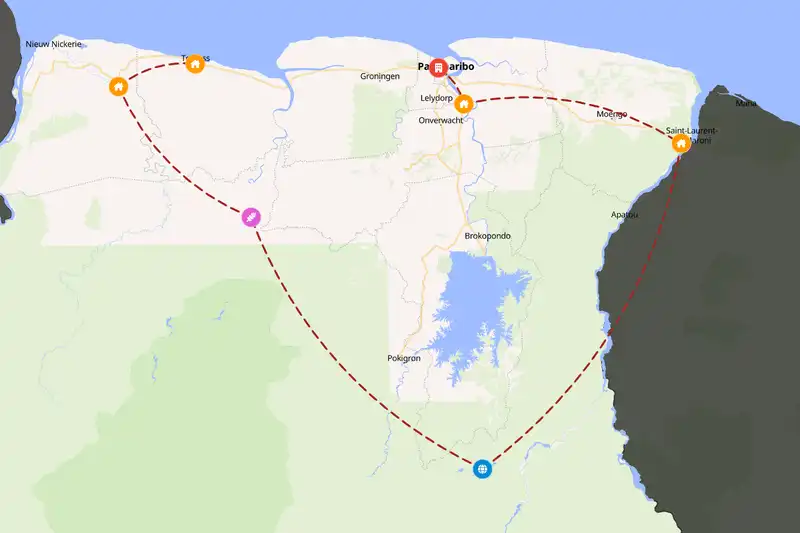
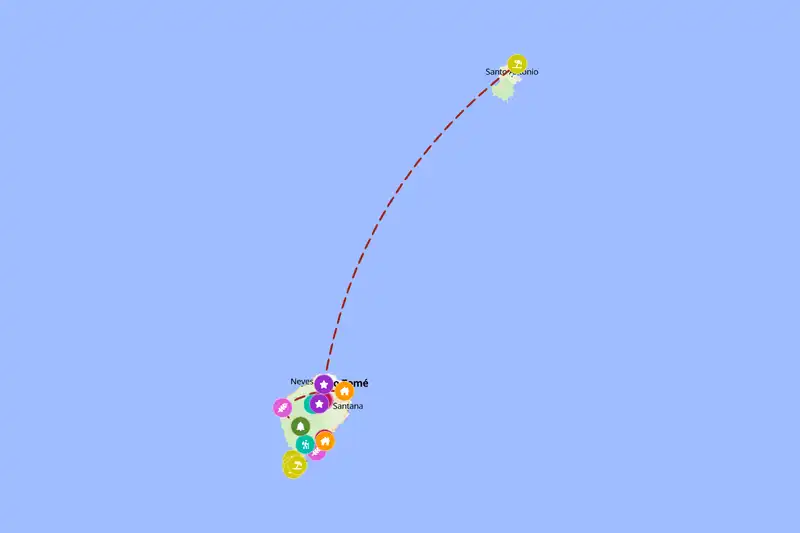
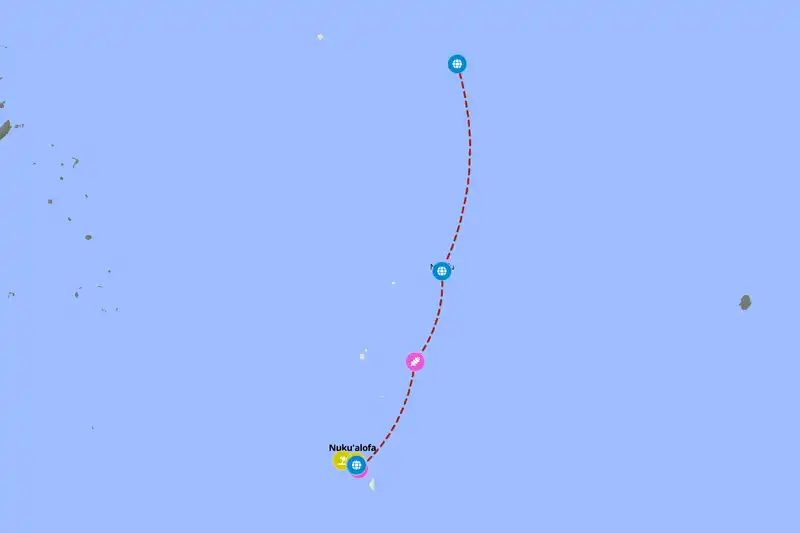
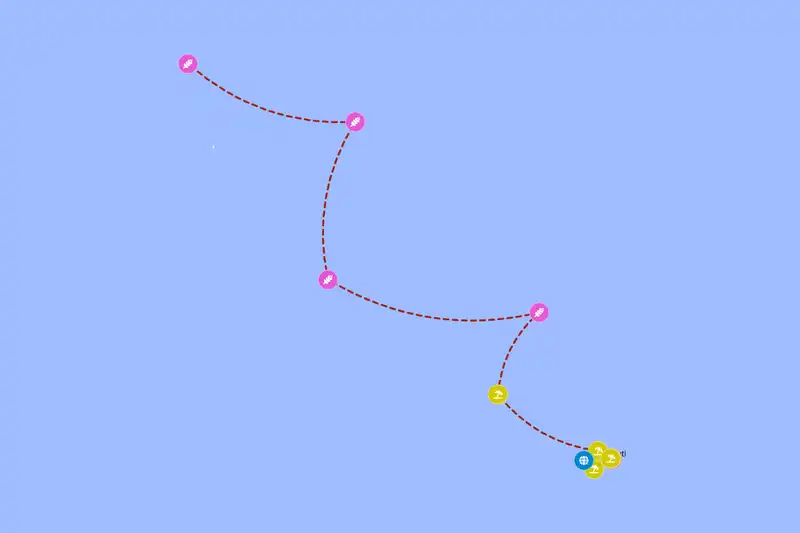
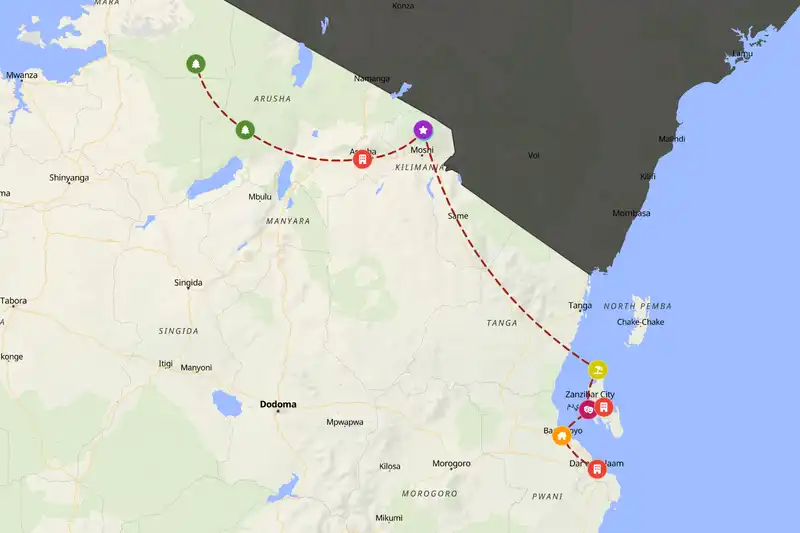
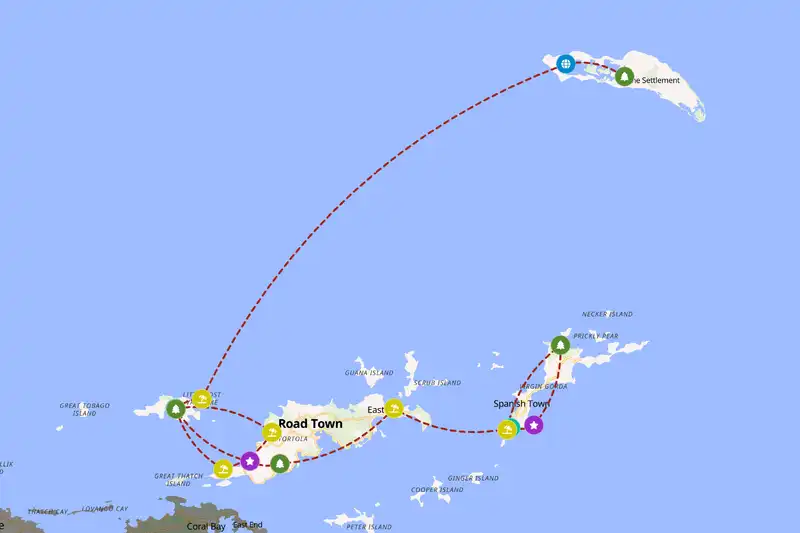
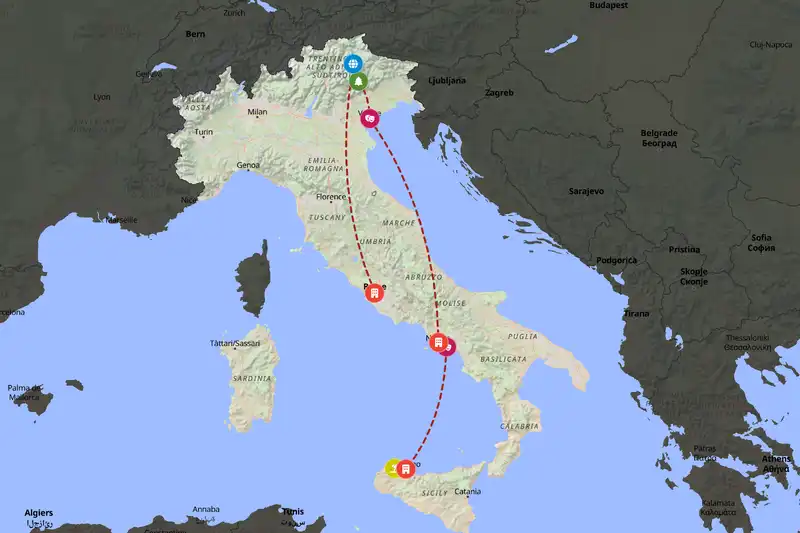
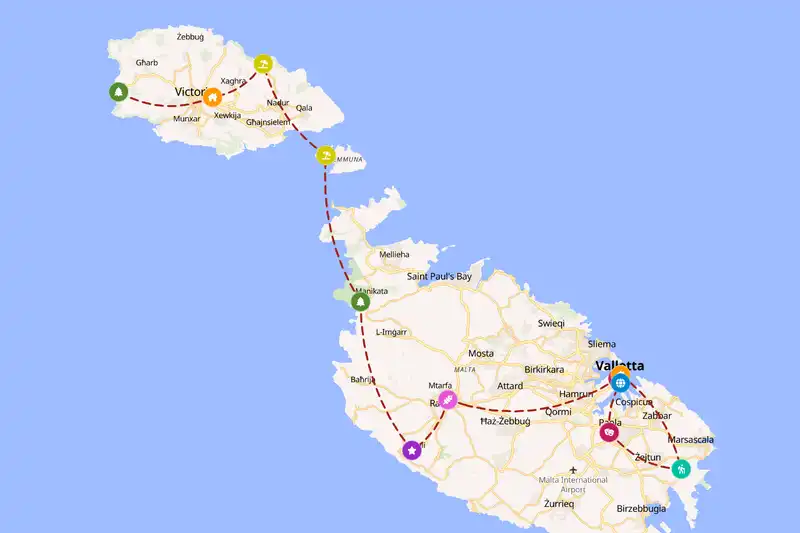
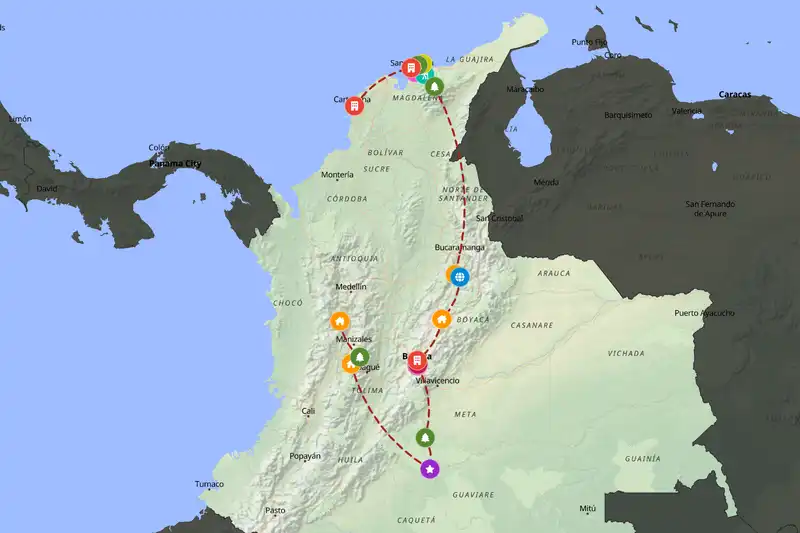
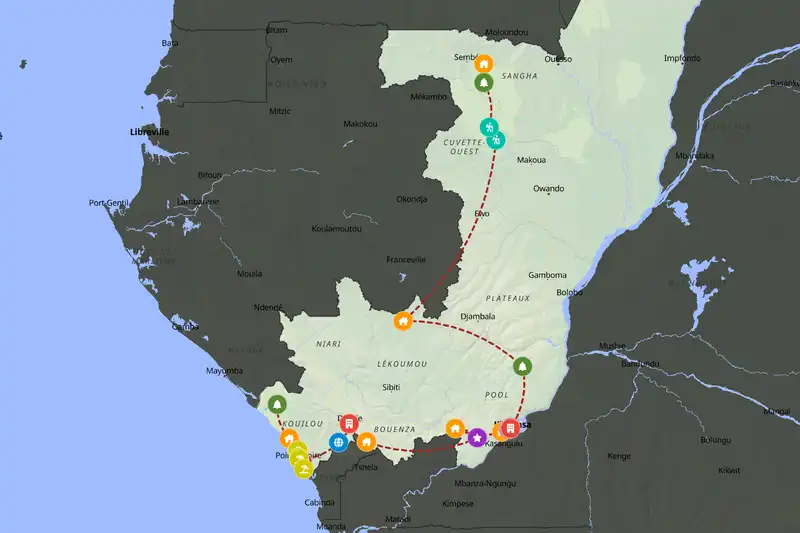
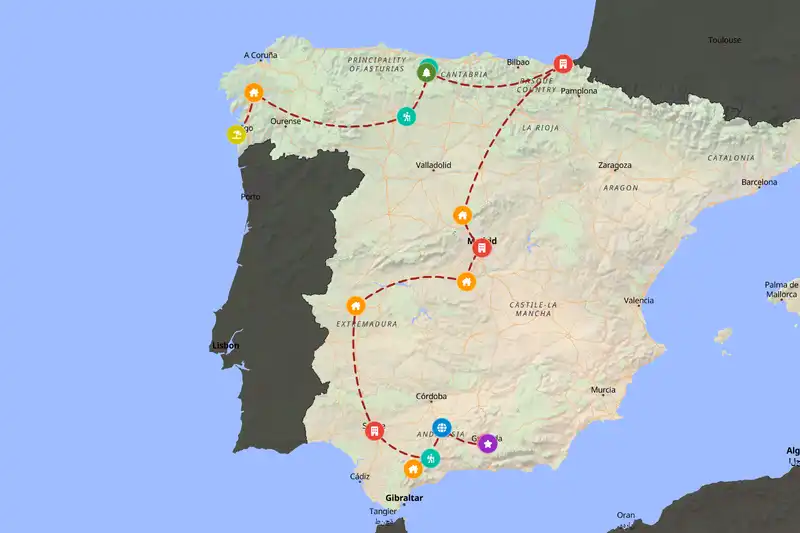
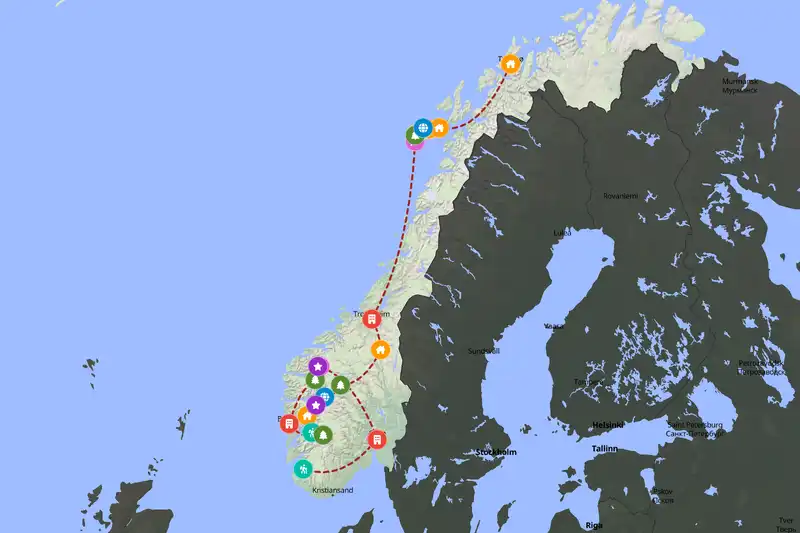
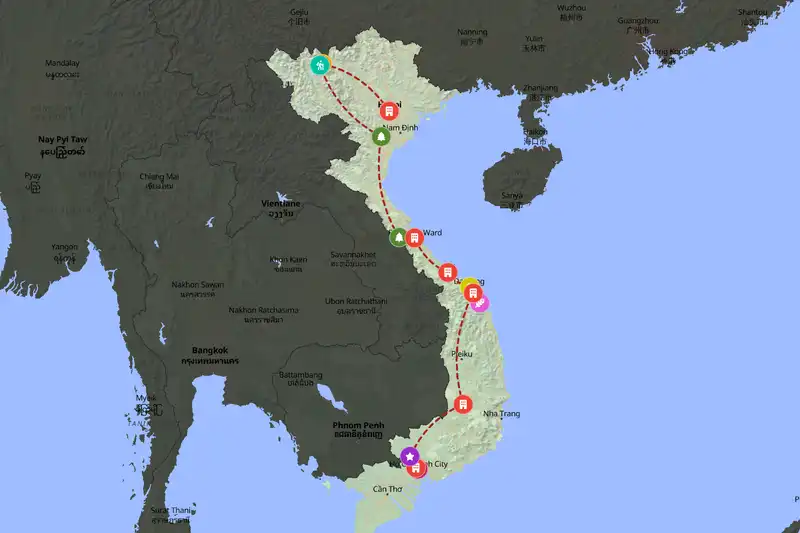
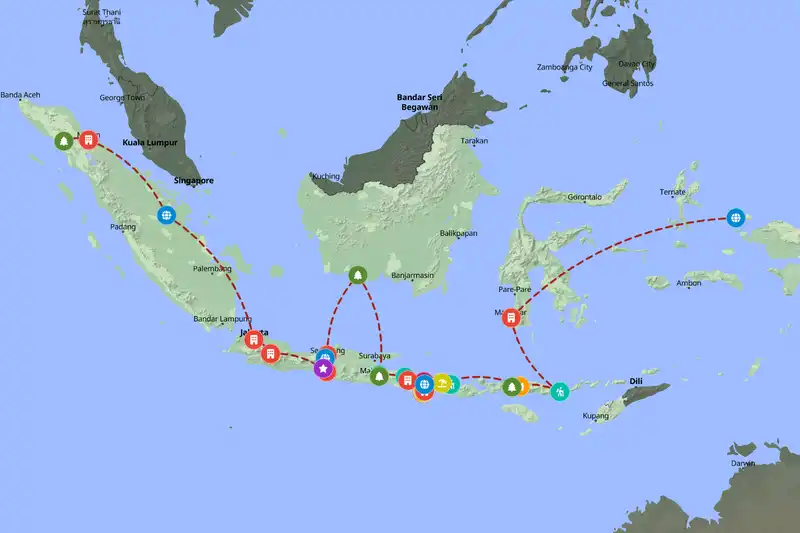
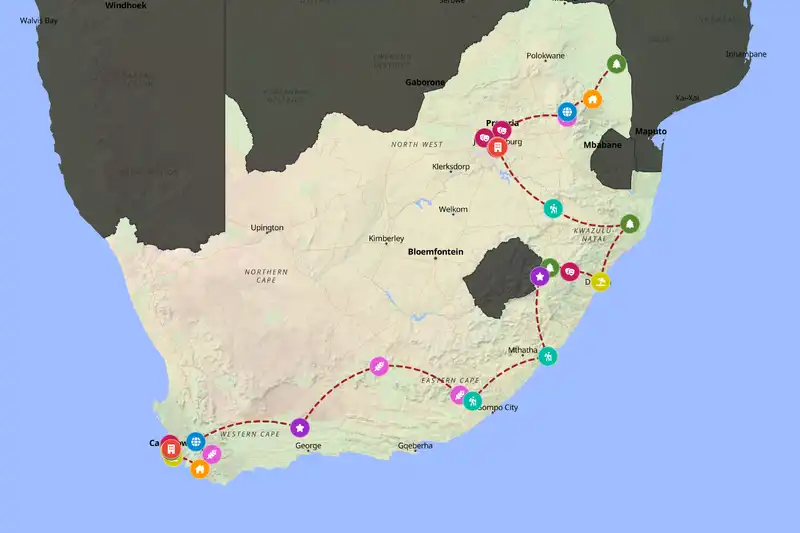
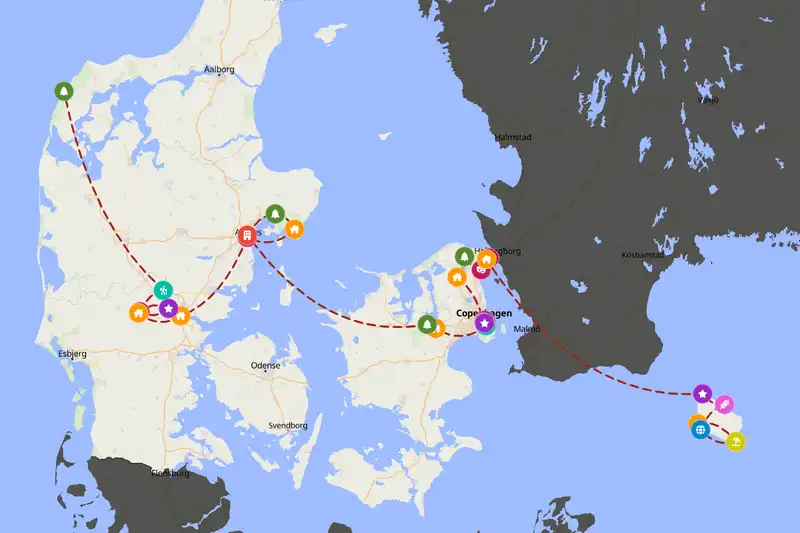
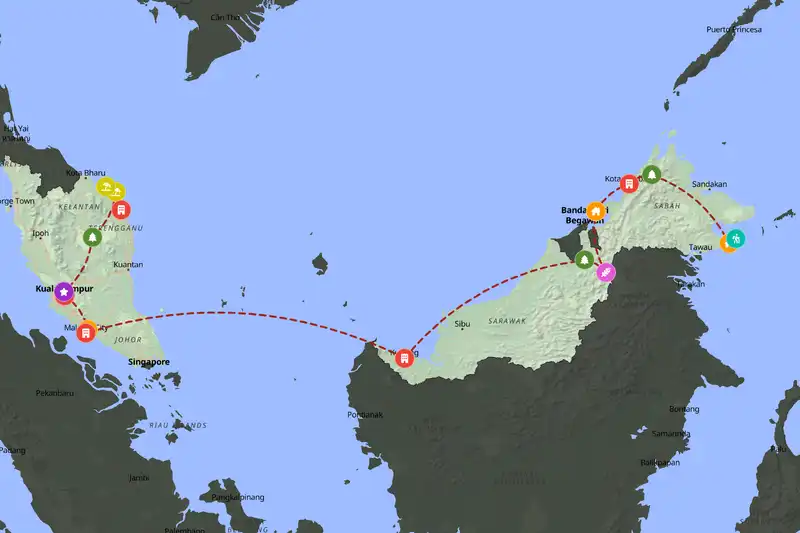
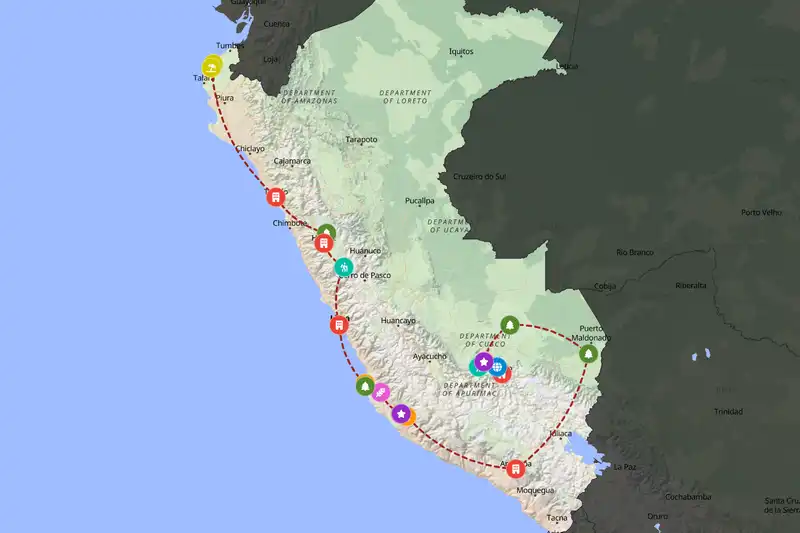
It’s a free tool that builds a personalized, day-by-day backpacking route for 220+ countries, based on your trip length, interests, and travel style. Every route draws from a database of over 15,000 real destinations, shaped by three decades of hands-on backpacking experience across 90+ countries.
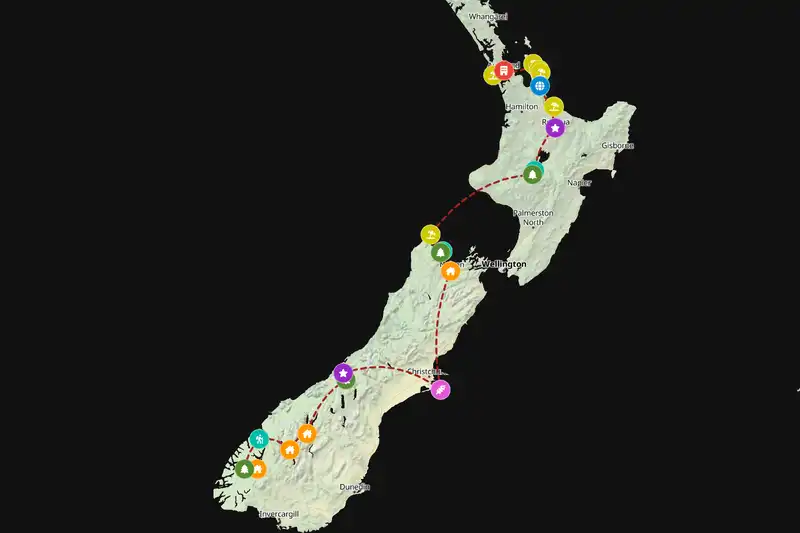
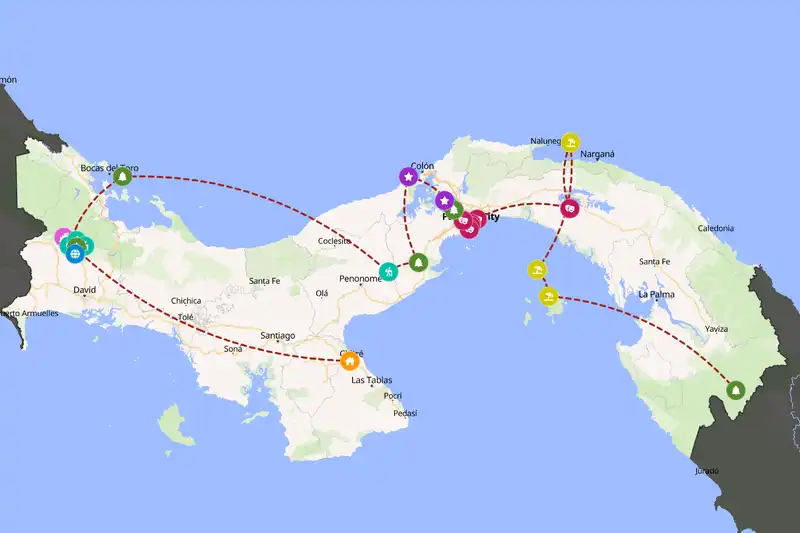
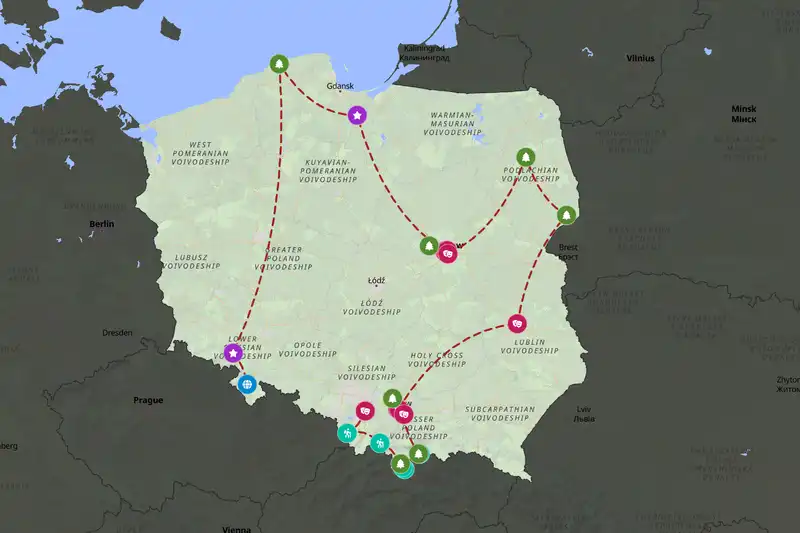
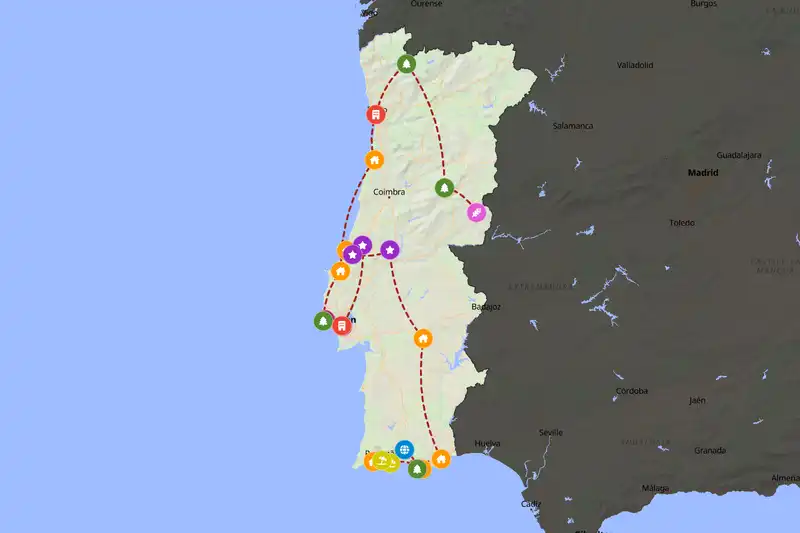
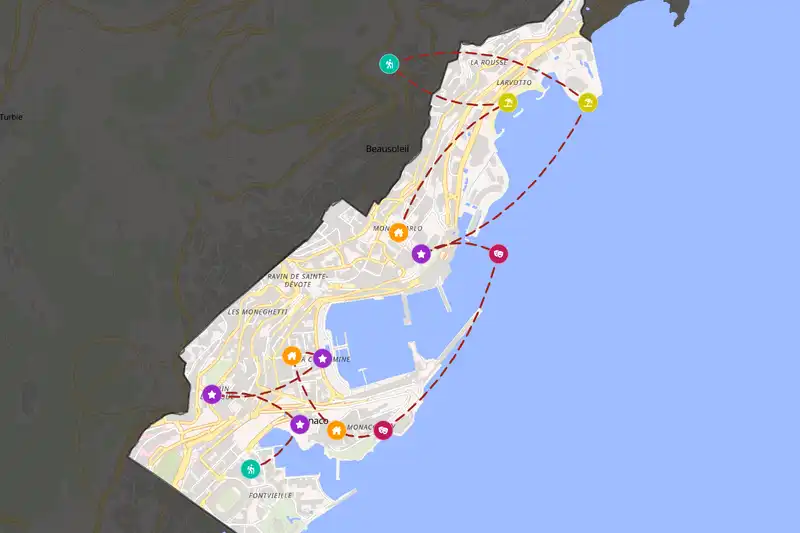
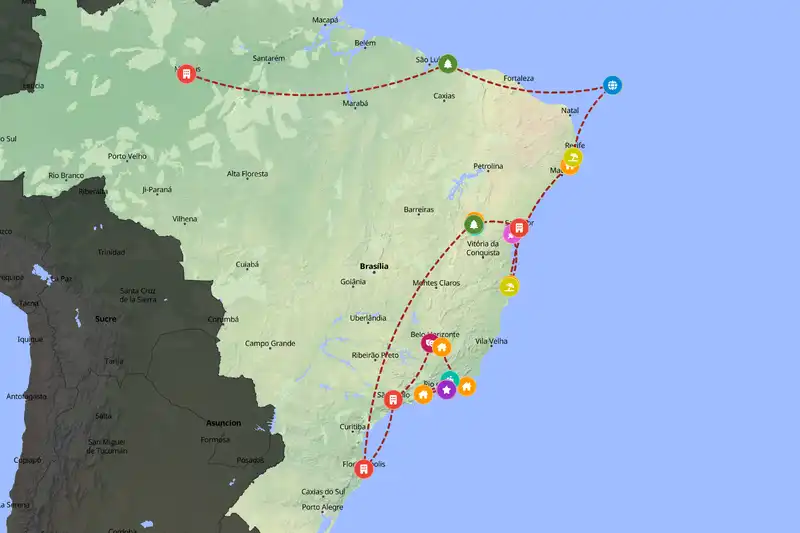
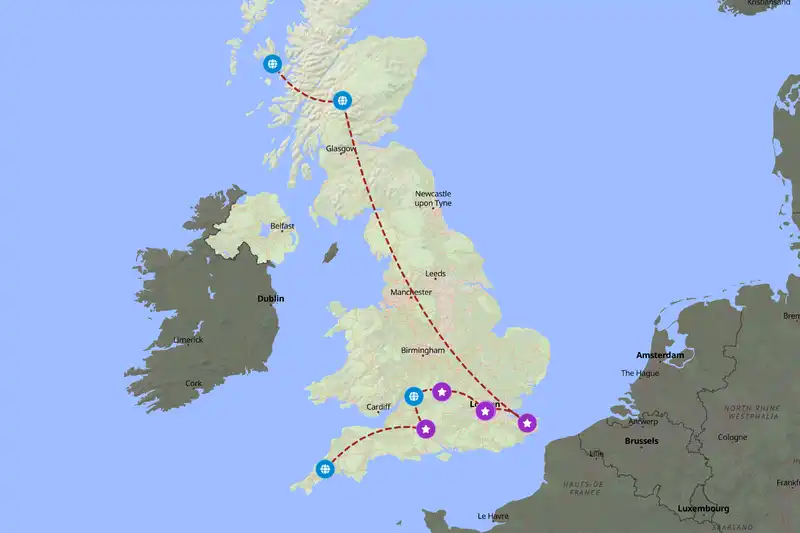
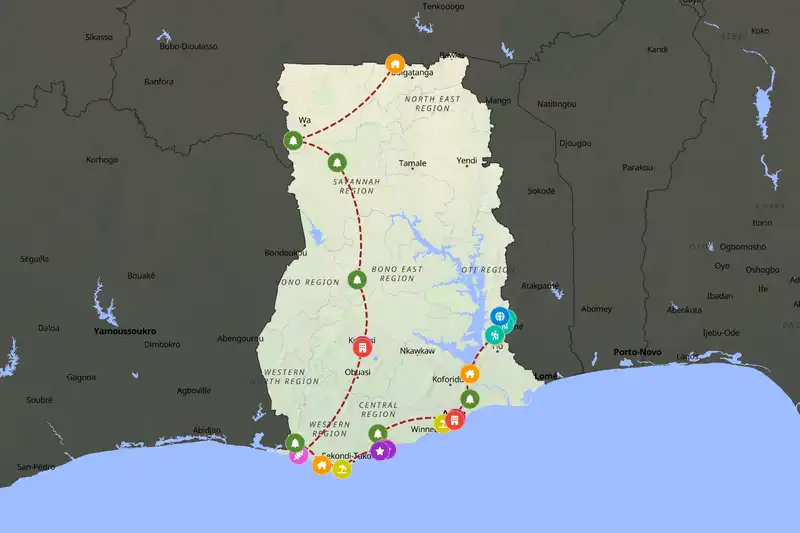
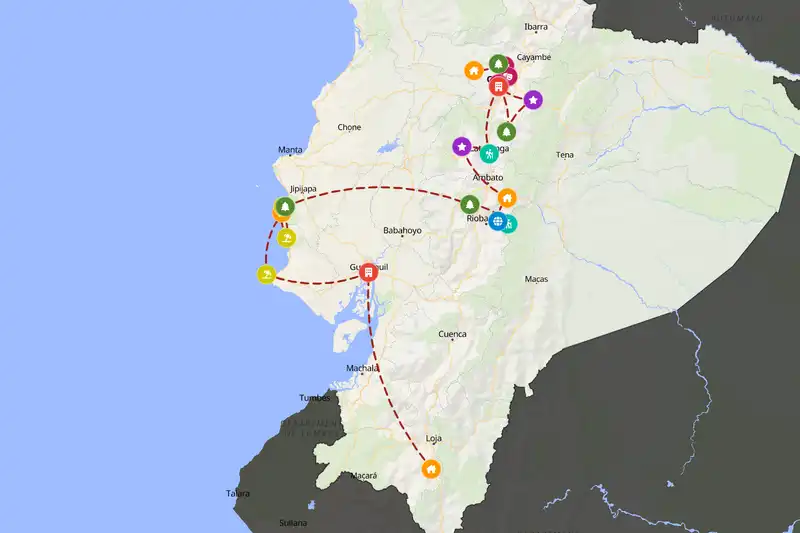
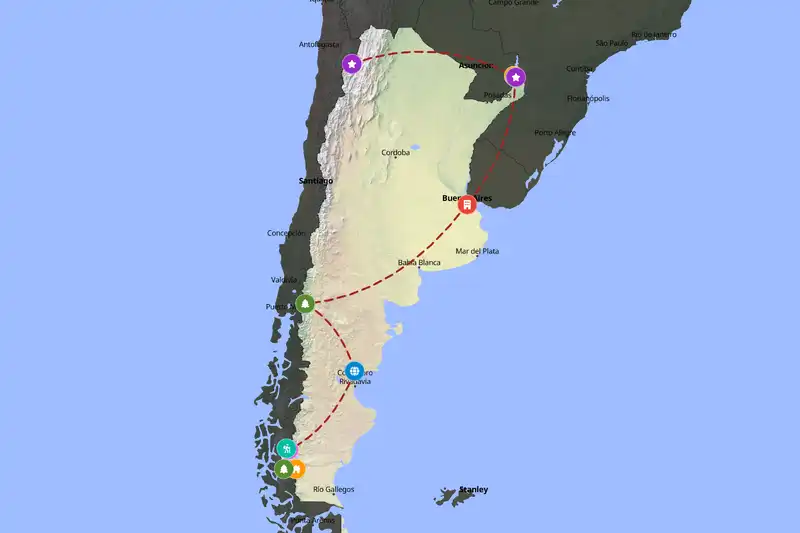
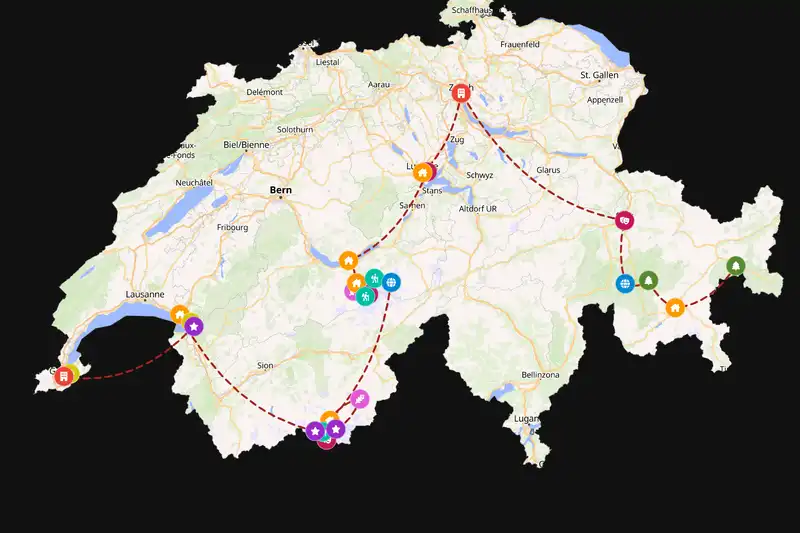
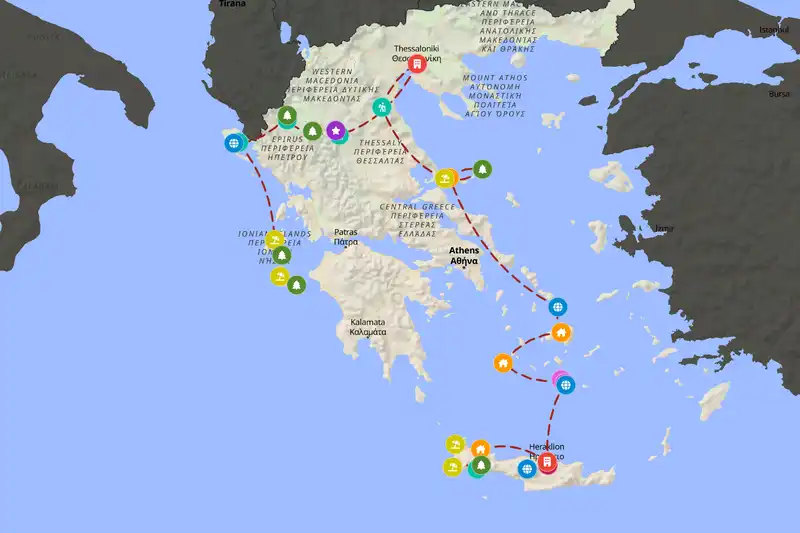
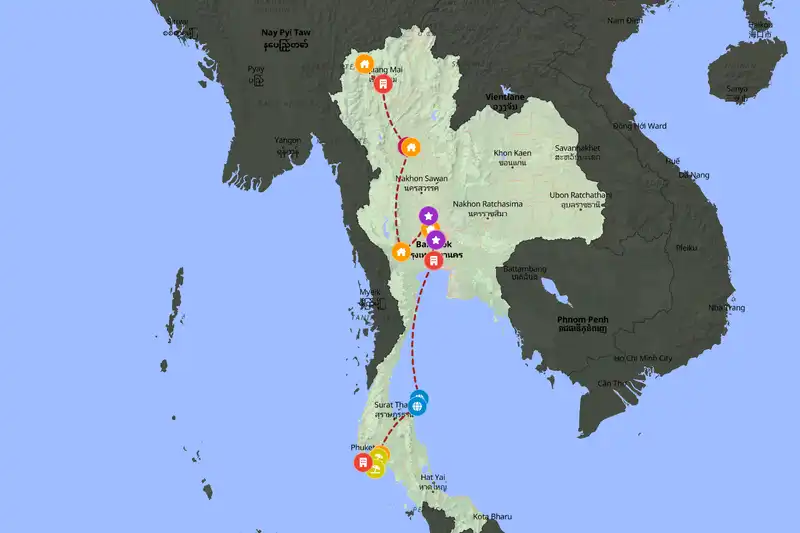
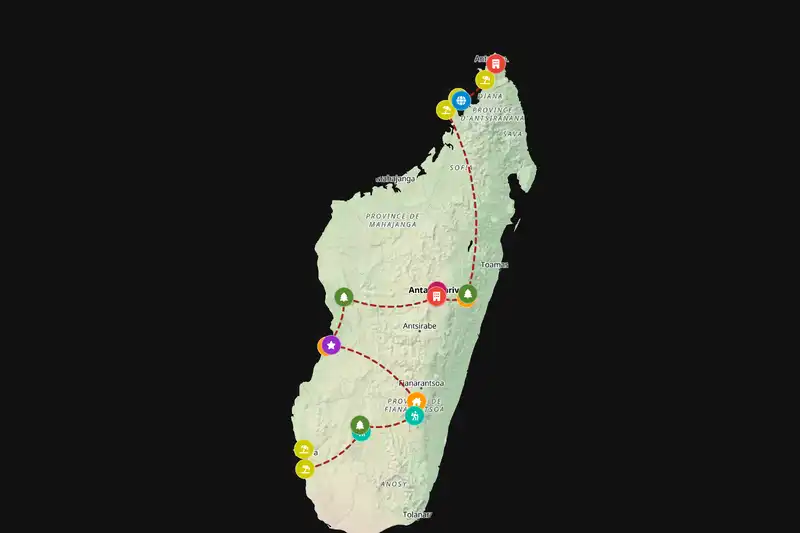
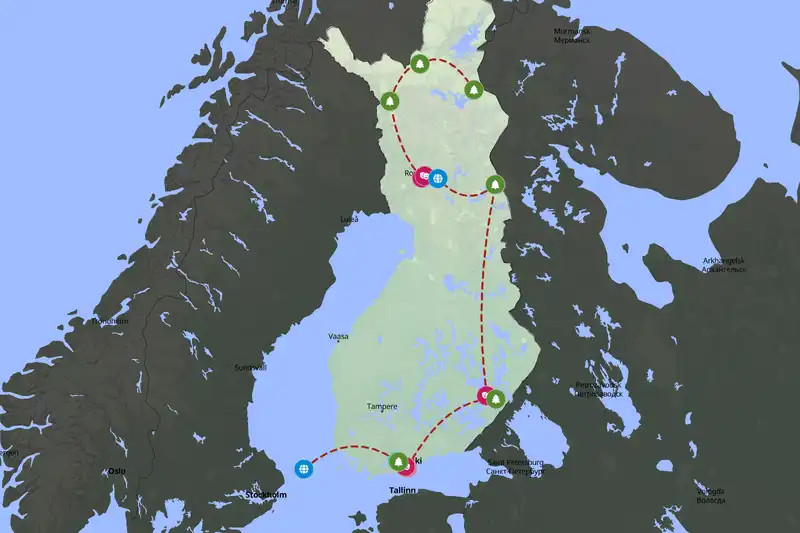
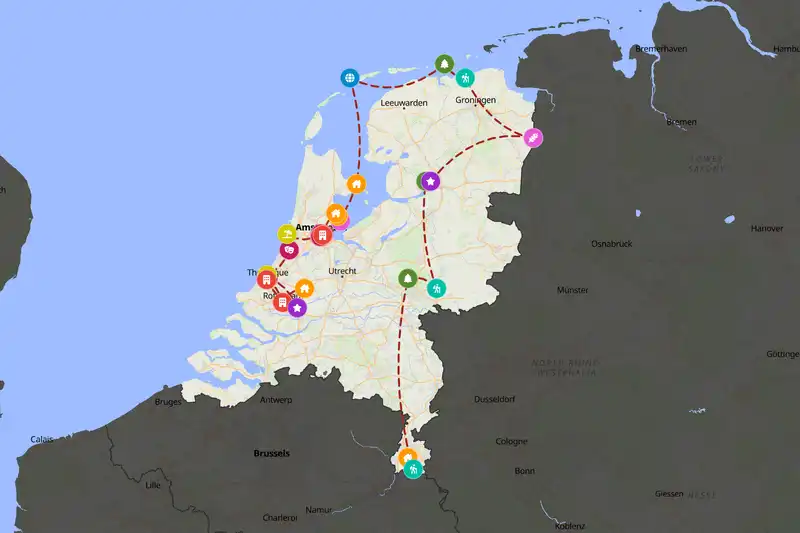
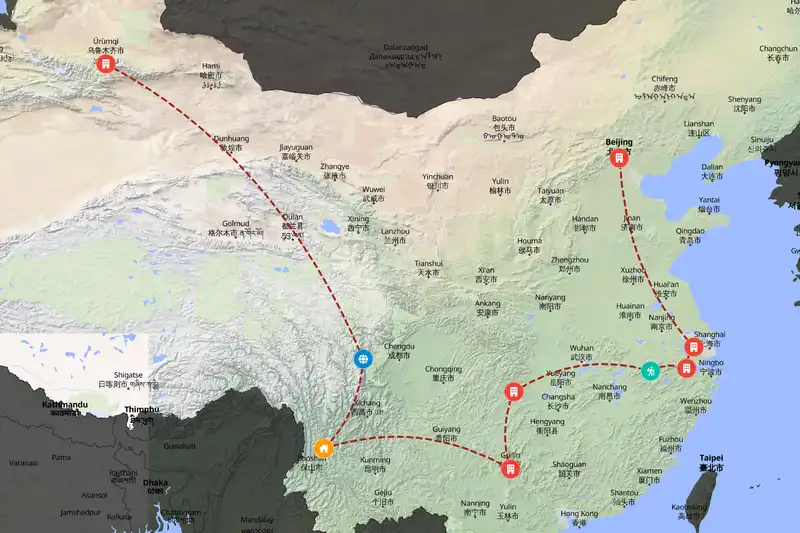
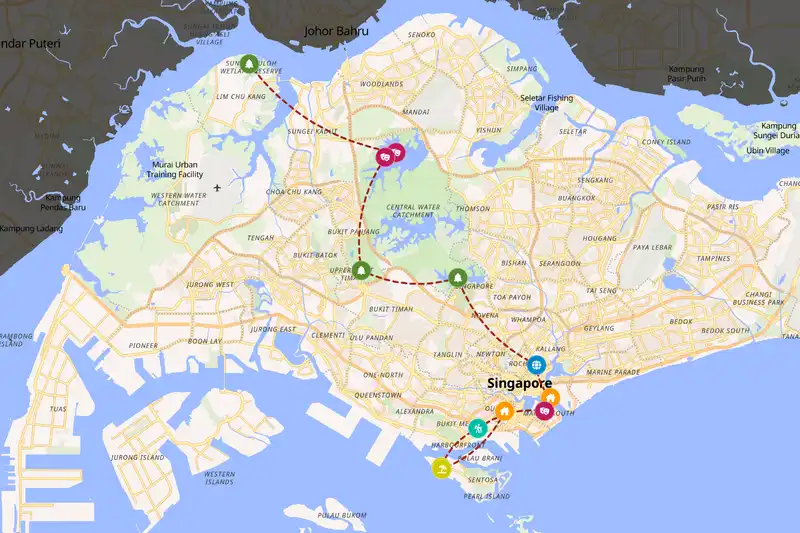
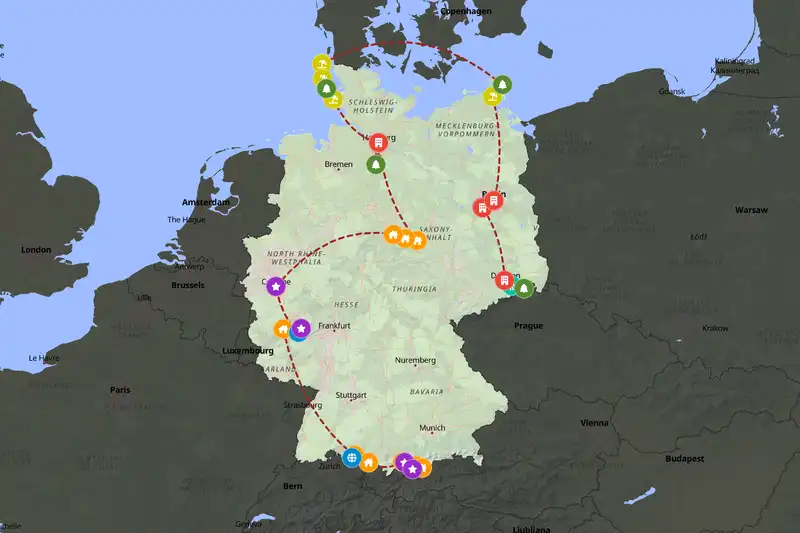
After you set your trip length, interests, and travel pace, the planner automatically selects matching destinations and sequences them into a logical route. It groups nearby places together to avoid backtracking, chooses a sensible direction across the country, and gives each stop more or less time depending on its type and how many other highlights are nearby.
Pick a country, set your trip length in days, choose your interests (cities, nature, landmarks, and more), and select a travel style and pace, then generate your route. You can also set a starting point, an end point, or a few must-visit stops if you already have something specific in mind.
Yes. Choose any mix of interests—cities and towns, villages, landmarks, national parks, hikes, beaches, or attractions—and the planner builds your route around exactly those preferences instead of a generic top-10 list.
Yes. Every route draws from a curated database of real, ranked destinations—over 15,000 locations across 220+ countries—built from years of on-the-ground travel and research rather than generic listings.
Yes. You can set a specific starting location, and optionally an end point too. If you leave either blank, the planner picks a sensible one for you based on your other choices.
Absolutely. Set your trip length, interests, travel style, and pace, and optionally lock in a starting point, end point, or must-see stops—the planner builds the route around exactly what you tell it.
Yes—it’s built in. The planner automatically clusters nearby destinations and chooses a logical direction through them, so you’re not criss-crossing the country to hit every stop.
Yes. The itinerary planner is available for 220+ countries, adapting to each destination’s own highlights, regions, and travel possibilities.
Yes. Once you’ve built a route for one country, you can extend it into a neighboring one to plan a multi-country backpacking trip in a single itinerary.
It works well for any travel style, including road trips. Set your trip length, interests, and pace, and the planner sequences your stops to minimize backtracking—you decide separately whether you cover that route by car, bus, or train.
No—the planner focuses on deciding which destinations to visit and in what order, not on booking tickets or transit schedules. Once your route is generated, you arrange transportation between stops yourself, whether that’s a bus, train, flight, or car.
Yes. Adjust your trip length, interests, starting point, or travel style at any time and generate a new route in seconds—nothing is locked in after your first result.
Yes. Once your route is ready, you can purchase a downloadable PDF version with detailed information for each stop.
It turns your route into a complete offline travel guide—detailed info for every stop, practical tips, and country background you can use on the road without relying on a signal. It’s the same kind of information we’ve relied on ourselves while backpacking across 90+ countries.
Yes. The downloadable PDF is designed for offline use, so it’s ready whenever you’re out of signal or want to save your data on the road.
It’s built specifically with backpackers in mind. Routes prioritize realistic travel distances and meaningful stops over cramming in as many places as possible—the same approach we’ve used ourselves over three decades of independent travel.
Yes. Every itinerary is built from real destinations and optimized around your trip length, travel style, and interests to create a realistic backpacking journey—not just a list of attractions.
Google Maps gets you from point A to point B once you already know where you’re going. This planner decides where those points should be—selecting and sequencing real destinations for you based on your interests, trip length, and pace, drawn from a researched database rather than crowd-sourced pins.
v2.webp)
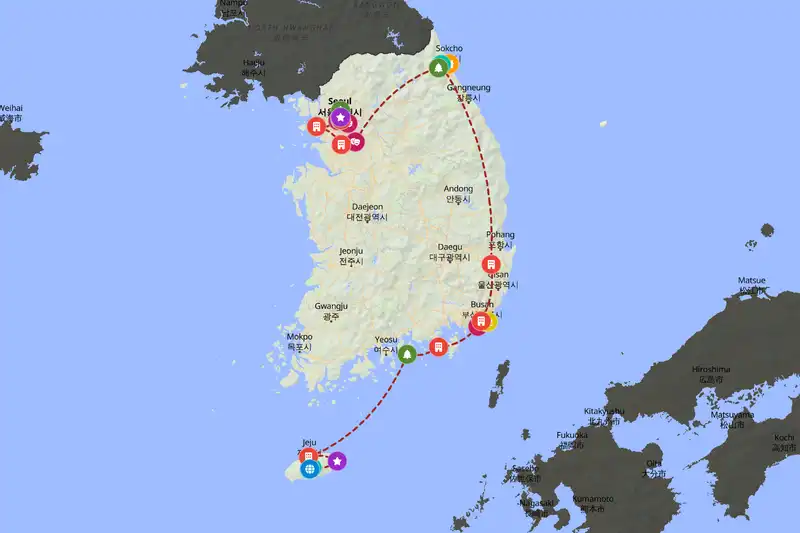
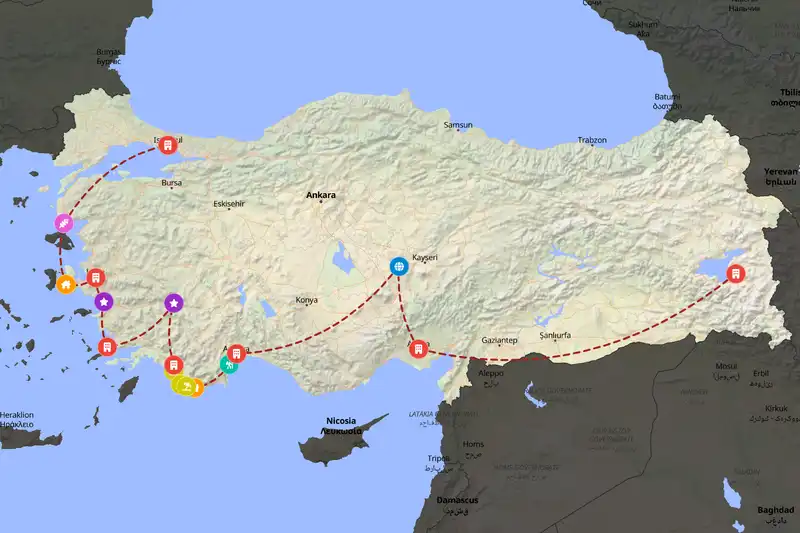




 Best Backpacking