v2.webp)



- Church of Christ Pantocrator (main church): The enormous 14th-century stone church is the heart of the complex — built by King Stefan Dečanski and surprisingly intact. Its scale and original structure give you a real sense of medieval Balkan church-building, not just a pretty façade.
- The fresco cycle: Nearly every interior surface is covered with 14th-century frescoes in remarkably vibrant color and storytelling. Portraits of saints, biblical scenes and donor portraits form one of the best-preserved narrative programs of Byzantine art in the region.
- Royal tomb of Stefan Dečanski: The king’s tomb sits inside the church and is a tangible link to the monastery’s foundation story. Seeing the funerary monument in situ makes the whole place feel lived-in rather than a museum piece.
- Stonework
- Church of Christ Pantocrator (main church): The enormous 14th-century stone church is the heart of the complex — built by King Stefan Dečanski and surprisingly intact. Its scale and original structure give you a real sense of medieval Balkan church-building, not just a pretty façade.
- The fresco cycle: Nearly every interior surface is covered with 14th-century frescoes in remarkably vibrant color and storytelling. Portraits of saints, biblical scenes and donor portraits form one of the best-preserved narrative programs of Byzantine art in the region.
- Royal tomb of Stefan Dečanski: The king’s tomb sits inside the church and is a tangible link to the monastery’s foundation story. Seeing the funerary monument in situ makes the whole place feel lived-in rather than a museum piece.
- Stonework and architectural fusion: Visoki Dečani blends Byzantine, Romanesque and local building traditions into a visually striking, rugged whole. Look closely at the carved capitals, lintels and the way different stone textures and rhythms are used — it’s craftsmanship you don’t often see preserved this well.
- Fortified walls and towers: The monastery isn’t just religious architecture — it’s a fortress too, with thick walls and defensive towers that tell of a turbulent past. The defensive layout gives the site a fortress-monastery atmosphere that’s both dramatic and photogenic.
- Monastic treasures and icons: The treasury holds icons, liturgical objects and silverwork that span centuries. Even if much isn’t on full public display, the pieces that are visible show high artistic quality and the monastery’s long cultural role.
- Living monastery and pilgrimage experience: This is an active monastery — monks still live and worship here — so visiting often includes hearing services or seeing monastic routines. That continuity of practice makes the place feel authentic and spiritually alive rather than a frozen heritage site.
- Setting and mountain views: Tucked in a quiet valley near the Prokletije foothills, the surroundings give a calm, remote vibe. Walk the grounds or step just outside the walls for a short trail and you’ll get that mountain air and a sense of why someone picked this spot to build something meant to last.
Spotted a mistake or missing something? Contact us.

Discover Peja and Rugova Half-Day Tour

Peja Tour, Rugova Gorge and Drini waterfalls (combined)

Discover Highlights of Kosovo in 4 days tour!

Private Prizren Walking Tour with Local Guide – History & Culture

Prizren & Prishtina Private Tour – Culture, Views & History

Day tour of Prizren from Pristina; Semi - Private

Kosovo Tour One Day - combined

Transfer Prishtina Airport to Prishtina City

Pristina Airport Transfer


 Best Backpacking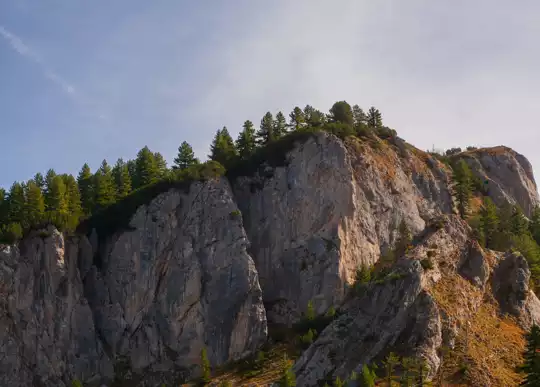
.jpg) Hi, I’m Johan (Netherlands 🇳🇱), the creator of TakeYourBackpack. Over the past 3 decades, I’ve backpacked through 90+ countries across six continents, gaining extensive experience with independent travel, long-term trips, and overland routes.
Hi, I’m Johan (Netherlands 🇳🇱), the creator of TakeYourBackpack. Over the past 3 decades, I’ve backpacked through 90+ countries across six continents, gaining extensive experience with independent travel, long-term trips, and overland routes.