v2.webp)
1. Qasr al-Farid (“The Lonely Castle”)
Let’s cut through the Instagram fog: Qasr al-Farid is not a castle, and you won’t have it to yourself unless you show up at sunrise or in the off-season. But this single, unfinished tomb is the poster child for Hegra for a reason. Carved from a solitary boulder, its sheer size and isolation make it look like something out of a fever dream—think ancient Nabataean ambition meets desert minimalism. The façade is so crisp it almost feels modern, but the real magic is in the silence that hangs around it. Stand here, and you’ll feel the weight of 2,000 years pressing in from all sides. No filter needed.
2. Jabal Ithlib and the Diwan
Forget the tourist brochures—this isn’t just a pile of rocks. Jabal Ithlib is a natural sandstone outcrop sliced by a dramatic … read more 👉
Let’s cut through the Instagram fog: Qasr al-Farid is not a castle, and you won’t have it to yourself unless you show up at sunrise or in the off-season. But this single, unfinished tomb is the poster child for Hegra for a reason. Carved from a solitary boulder, its sheer size and isolation make it look like something out of a fever dream—think ancient Nabataean ambition meets desert minimalism. The façade is so crisp it almost feels modern, but the real magic is in the silence that hangs around it. Stand here, and you’ll feel the weight of 2,000 years pressing in from all sides. No filter needed.
2. Jabal Ithlib and the Diwan
Forget the tourist brochures—this isn’t just a pile of rocks. Jabal Ithlib is a natural sandstone outcrop sliced by a dramatic … read more 👉
1. Qasr al-Farid (“The Lonely Castle”)
Let’s cut through the Instagram fog: Qasr al-Farid is not a castle, and you won’t have it to yourself unless you show up at sunrise or in the off-season. But this single, unfinished tomb is the poster child for Hegra for a reason. Carved from a solitary boulder, its sheer size and isolation make it look like something out of a fever dream—think ancient Nabataean ambition meets desert minimalism. The façade is so crisp it almost feels modern, but the real magic is in the silence that hangs around it. Stand here, and you’ll feel the weight of 2,000 years pressing in from all sides. No filter needed.
2. Jabal Ithlib and the Diwan
Forget the tourist brochures—this isn’t just a pile of rocks. Jabal Ithlib is a natural sandstone outcrop sliced by a dramatic corridor, and the Diwan is a Nabataean meeting hall carved right into the cliff. It’s not hard to imagine ancient deals being struck here, or priests whispering secrets in the cool shade. The acoustics are eerie, and the sense of ceremony is palpable. If you want to feel the pulse of the old Nabataean world, this is where it beats loudest.
3. The Tombs of Al-Khuraymat
You’ve seen tombs before, but not like these. The Al-Khuraymat cluster is where the Nabataeans flexed their architectural muscles. The facades are sharper, the details more intricate, and the setting—tucked against the ochre cliffs—feels almost theatrical. These tombs are less crowded than Qasr al-Farid, so you can actually take your time and notice the flourishes: the columns, the cornices, the inscriptions that hint at lives lived and lost. It’s a masterclass in ancient stonework, minus the selfie-stick mobs.
4. The Well-Preserved Inscriptions
Most people breeze past the Nabataean and Lihyanite inscriptions, but they’re the closest thing you’ll get to a direct message from the past. Some are graffiti, some are dedications, and all are carved with a confidence that says, “We were here, and we mattered.” If you can read ancient scripts, you’ll geek out. If not, just run your fingers over the grooves and imagine the hands that made them. It’s tactile history—no translation required.
5. The Desert Light Show (Sunrise and Sunset)
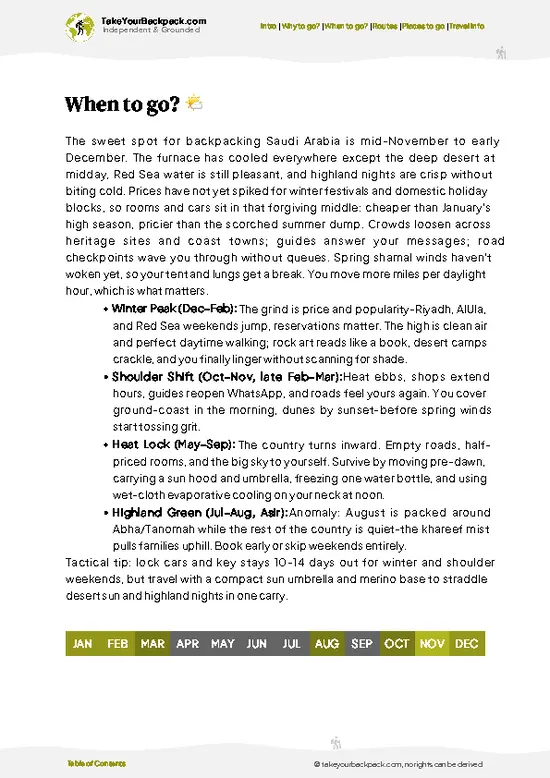
Here’s the unmarketed truth: the best show at Hegra isn’t the tombs, it’s the light. At sunrise, the sandstone glows pink and gold; at sunset, it burns with a coppery fire that makes the whole landscape look otherworldly. The crowds thin out, the air cools, and for a few minutes, you get a glimpse of what this place must have felt like before the tour buses. Bring water, ignore the influencers, and let the desert do its thing.
Let’s cut through the Instagram fog: Qasr al-Farid is not a castle, and you won’t have it to yourself unless you show up at sunrise or in the off-season. But this single, unfinished tomb is the poster child for Hegra for a reason. Carved from a solitary boulder, its sheer size and isolation make it look like something out of a fever dream—think ancient Nabataean ambition meets desert minimalism. The façade is so crisp it almost feels modern, but the real magic is in the silence that hangs around it. Stand here, and you’ll feel the weight of 2,000 years pressing in from all sides. No filter needed.
2. Jabal Ithlib and the Diwan
Forget the tourist brochures—this isn’t just a pile of rocks. Jabal Ithlib is a natural sandstone outcrop sliced by a dramatic corridor, and the Diwan is a Nabataean meeting hall carved right into the cliff. It’s not hard to imagine ancient deals being struck here, or priests whispering secrets in the cool shade. The acoustics are eerie, and the sense of ceremony is palpable. If you want to feel the pulse of the old Nabataean world, this is where it beats loudest.
3. The Tombs of Al-Khuraymat
You’ve seen tombs before, but not like these. The Al-Khuraymat cluster is where the Nabataeans flexed their architectural muscles. The facades are sharper, the details more intricate, and the setting—tucked against the ochre cliffs—feels almost theatrical. These tombs are less crowded than Qasr al-Farid, so you can actually take your time and notice the flourishes: the columns, the cornices, the inscriptions that hint at lives lived and lost. It’s a masterclass in ancient stonework, minus the selfie-stick mobs.
4. The Well-Preserved Inscriptions
Most people breeze past the Nabataean and Lihyanite inscriptions, but they’re the closest thing you’ll get to a direct message from the past. Some are graffiti, some are dedications, and all are carved with a confidence that says, “We were here, and we mattered.” If you can read ancient scripts, you’ll geek out. If not, just run your fingers over the grooves and imagine the hands that made them. It’s tactile history—no translation required.
5. The Desert Light Show (Sunrise and Sunset)
Here’s the unmarketed truth: the best show at Hegra isn’t the tombs, it’s the light. At sunrise, the sandstone glows pink and gold; at sunset, it burns with a coppery fire that makes the whole landscape look otherworldly. The crowds thin out, the air cools, and for a few minutes, you get a glimpse of what this place must have felt like before the tour buses. Bring water, ignore the influencers, and let the desert do its thing.
Spotted a mistake or missing something? Contact us.

Alula Full Day Tour

AlUla City Tour–5 Attractions with Pickup& Drop Off-Hotel/Airport

AlUla Cultural Experience

Visiting the Incredible Heritage Site Hegra in AlUla.

AlUla wonders: Hegra , Elephant rock , Old town , harrat

Private Tour in Alula with a Local Guide

Private Tour to AlUla Discover Elephant Rock and Many Hidden Gems

Hegra Tour: AlUla’s No.1 Haven For Nature, Wildlife Lovers

Fancy Tour of Hegra in a Vintage Land Rover


 Best Backpacking
.jpg) Hi, I’m Johan (Netherlands 🇳🇱), the creator of TakeYourBackpack. Over the past decade, I’ve backpacked through 80+ countries across six continents, gaining extensive experience with independent travel, long-term trips, and overland routes.
Hi, I’m Johan (Netherlands 🇳🇱), the creator of TakeYourBackpack. Over the past decade, I’ve backpacked through 80+ countries across six continents, gaining extensive experience with independent travel, long-term trips, and overland routes.