×

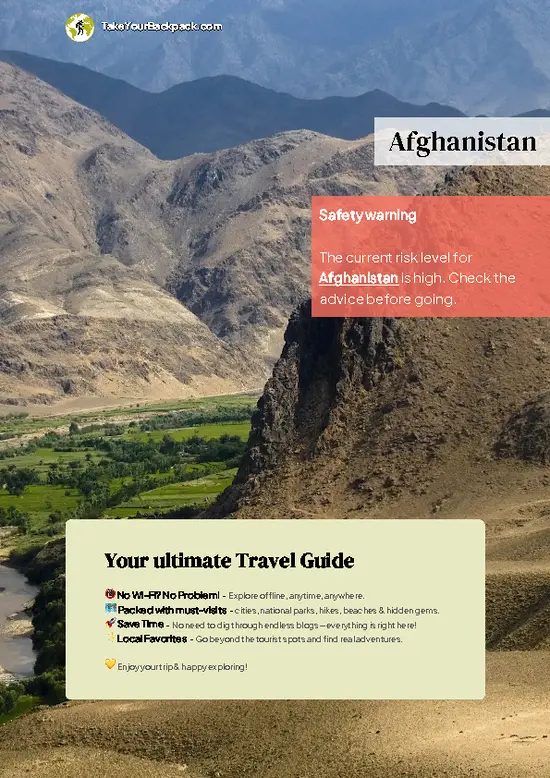
Afghanistan🇦🇫 | hikesBadakhshan Mountains Trailrugged ridgelines, glacial valleys, wildflower meadows | things to do and best time to go

Explore Band-e-Amir Lakes TrailExplore Koh-e-Baba Range Trail

Backpacking in Badakhshan Mountains Trail
👍 Recommendedhike ranked #3
By Johan Kruseman 🇳🇱 | Updated July 30, 2026

Most people online sell the Badakhshan Mountains Trail as pure alpine serenity; the surprise is how much of it is raw, working landscape, with donkey trains, dust, and village life right in your face before the big peaks finally swallow the horizon. This route runs through Afghanistan’s far northeast, in Badakhshan Province, threading high valleys that push toward the Wakhan and the Tajik border. Expect long days: multi‑day, high-altitude walking that feels tougher than the numbers suggest, with loose scree, river crossings, and passes that punish unacclimatized lungs. The payoff is brutal-beautiful—glaciated ridges, turquoise rivers, and stone hamlets that make the more accessible Panjshir and Bamyan treks feel tame. Public transport to the trailhead is patchy and slow, usually a chain of shared taxis and battered vans, so just reaching the start already feels like part of the test.

Discover everything you want to know in the 📖 Afghanistan Travel Guide.
Best time to go: April - June, September - October
Duration: 10-14 days
Distance: 200 kilometers
Total ascent: 3,500 meters
Safety warning

The current risk level for Afghanistan is high. Check the advice before going.


Get your Afghanistan guide
55 ranked highlights, routes & tips, works offline (228 pages)
Loading the map 🌍
CLICK TO FILTER
cities
towns
landmarks
national parks
hikes
attractions
festivals
regions
SHOW COUNTRY’S BESTSHOW ALL

✨ Why go?
Ranked #3 hike in Afghanistan
The unique appeal for travelers

The Badakhshan Mountains Trail in Afghanistan is a magnet for backpackers seeking a raw, unfiltered experience. The scenery-to-effort ratio is off the charts. You’ll find yourself surrounded by jagged peaks and lush valleys, all without needing to scale Everest. The trails are challenging but manageable, rewarding you with breathtaking views that make every step worthwhile.

Getting there is a breeze. Public transport access is surprisingly good, with local buses and shared taxis whisking you from city to trailhead. Once you’re on the trail, the low cost of food and lodging means you can stretch your budget while indulging in local flavors.

Flexibility is key here. You can tailor your hike to fit your pace, whether you want a leisurely stroll or a grueling trek. This adaptability makes it … read more 👉
The Badakhshan Mountains Trail in Afghanistan is a magnet for backpackers seeking a raw, unfiltered experience. The scenery-to-effort ratio is off the charts. You’ll find yourself surrounded by jagged peaks and lush valleys, all without needing to scale Everest. The trails are challenging but manageable, rewarding you with breathtaking views that make every step worthwhile.

Getting there is a breeze. Public transport access is surprisingly good, with local buses and shared taxis whisking you from city to trailhead. Once you’re on the trail, the low cost of food and lodging means you can stretch your budget while indulging in local flavors.

Flexibility is key here. You can tailor your hike to fit your pace, whether you want a leisurely stroll or a grueling trek. This adaptability makes it easy to weave the Badakhshan Mountains into a longer backpacking route through Afghanistan, allowing you to explore diverse landscapes and cultures.

After a day of hiking, nothing beats the moment you crack open that first cold beer, soaking in the sunset over the mountains. The effort pays off in ways that linger long after the hike is done.
Want to include Badakhshan Mountains Trail in your Afghanistan route?
Create a personalized Afghanistan itinerary that includes Badakhshan Mountains Trail and the places that fit your trip — based on your travel style, budget, and available time. Get your route in seconds.

Generate my trip

💡 HighlightsMust-see experiences and standout moments

  1. Wakhan Corridor ridgelines: a long, narrow spine of high trail that feels like walking the edge of the world — steep drops to the Panj River on one side and vast Pamir plateaus on the other. The mix of jagged mountains, terraced villages and the sense of being squeezed between Tajikistan and Pakistan makes the scenery uniquely dramatic compared with typical alpine treks.
  2. Big Pamir plateau: an enormous, windswept grassy plateau where the scale changes your sense of distance — endless sky, shrubby hummocks and grazing herds. It’s one of the best places to spot wild mountain residents like Marco Polo sheep and ibex; wildlife encounters here feel rare and cinematic rather than crowded.
  3. Lake Zorkul: a high-altitude, mirror-like lake sitting on the Afghan-Tajik border. The glassy water framed
read more 👉
  1. Wakhan Corridor ridgelines: a long, narrow spine of high trail that feels like walking the edge of the world — steep drops to the Panj River on one side and vast Pamir plateaus on the other. The mix of jagged mountains, terraced villages and the sense of being squeezed between Tajikistan and Pakistan makes the scenery uniquely dramatic compared with typical alpine treks.
  2. Big Pamir plateau: an enormous, windswept grassy plateau where the scale changes your sense of distance — endless sky, shrubby hummocks and grazing herds. It’s one of the best places to spot wild mountain residents like Marco Polo sheep and ibex; wildlife encounters here feel rare and cinematic rather than crowded.
  3. Lake Zorkul: a high-altitude, mirror-like lake sitting on the Afghan-Tajik border. The glassy water framed by snow-capped peaks is stunning at sunrise and is a magnet for migratory birds — a quiet, almost otherworldly alpine oasis that contrasts with rocky passes elsewhere on the trail.
  4. Noshaq viewpoints: vistas of Afghanistan’s highest peak (about 7,492 m) and its glaciated flanks — close enough on some approaches to feel the scale and remoteness of big-mountain country. Seeing Noshaq from the trail gives the hike a true high-mountain payoff you won’t find on lower, more crowded treks.
  5. Wakhi villages & Ishkashim market: the human side of the trail — stone houses, terraced fields, and Ismaili Wakhi hospitality in tiny villages, plus the colorful cross-border market at Ishkashim where local crafts, rugs and stories change hands. The mix of living culture, simple homestays and nomadic Kyrgyz summer camps in the Little Pamir adds a cultural texture that elevates the hike beyond scenery alone.
Spotted a mistake or missing something? Contact us.

🌤️ When to go?Choosing the right time of year


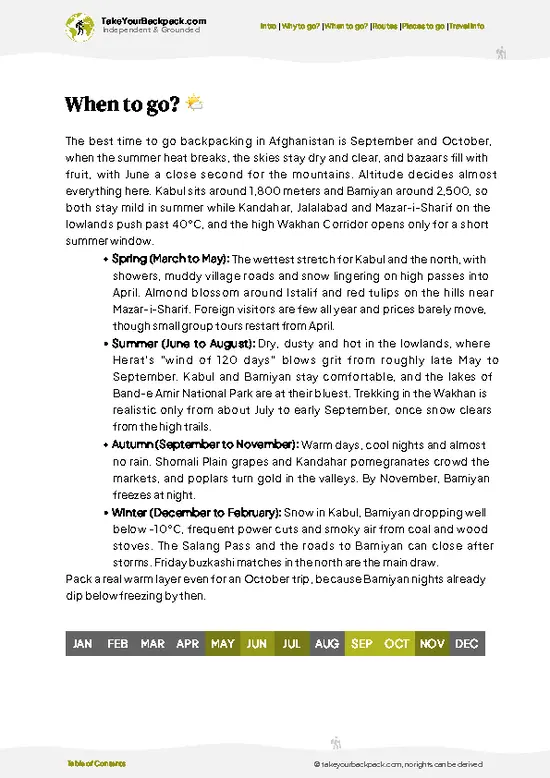
  • Weather: Spring and early autumn are your best bets. Late April through June offers melting snow and blooming wildflowers, while September to early October brings crisp air and stable skies. Summers can scorch above 30°C (86°F), making the trail a furnace, and winters lock the mountains in ice and snow.

  • Temperature: Daytime highs in the prime hiking months hover between 15-25°C (59-77°F), perfect for long treks without overheating. Nights dip sharply, often below 5°C (41°F), so pack layers to handle the chill after sunset.

  • Daylight Hours: Late spring and early autumn provide roughly 12 to 14 hours of daylight, giving you ample time to cover ground without rushing. Winter days shrink to under 10 hours, cutting into your hiking window.

  • Crowds: The trail sees few visitors year-round,
read more 👉

  • Weather: Spring and early autumn are your best bets. Late April through June offers melting snow and blooming wildflowers, while September to early October brings crisp air and stable skies. Summers can scorch above 30°C (86°F), making the trail a furnace, and winters lock the mountains in ice and snow.

  • Temperature: Daytime highs in the prime hiking months hover between 15-25°C (59-77°F), perfect for long treks without overheating. Nights dip sharply, often below 5°C (41°F), so pack layers to handle the chill after sunset.

  • Daylight Hours: Late spring and early autumn provide roughly 12 to 14 hours of daylight, giving you ample time to cover ground without rushing. Winter days shrink to under 10 hours, cutting into your hiking window.

  • Crowds: The trail sees few visitors year-round, but the shoulder seasons attract local trekkers and occasional international adventurers. Expect solitude rather than company, which means you carry your own safety and navigation.

  • Seasonal Activities: Spring brings blooming rhododendrons and active wildlife, while autumn offers harvest festivals in nearby villages, adding cultural spice to your trek. Winter and summer are mostly off-limits due to harsh conditions.

  • Price Fluctuations: Costs for guides, porters, and lodging peak in late spring and early autumn when demand rises. Off-season rates drop but come with the risk of impassable trails or extreme weather.


Pro-tip: Aim for late May or early October to balance weather, daylight, and crowd levels—this window delivers the trail’s raw beauty without the extremes.


source: climatestotravel.comJANJanuary: below average for travelingFEBFebruary: below average for travelingMARMarch: fair for travelingAPRApril: highly recommended for travelingMAYMay: excellent for travelingJUNJune: highly recommended for travelingJULJuly: fair for travelingAUGAugust: fair for travelingSEPSeptember: highly recommended for travelingOCTOctober: excellent for travelingNOVNovember: fair for travelingDECDecember: below average for traveling
when-to-go

✈️ The backpacker research shortcutAfghanistan Travel Guide

An offline-friendly backpacking guide with optimized travel routes, ranked highlights, transport advice, and the best areas to stay.
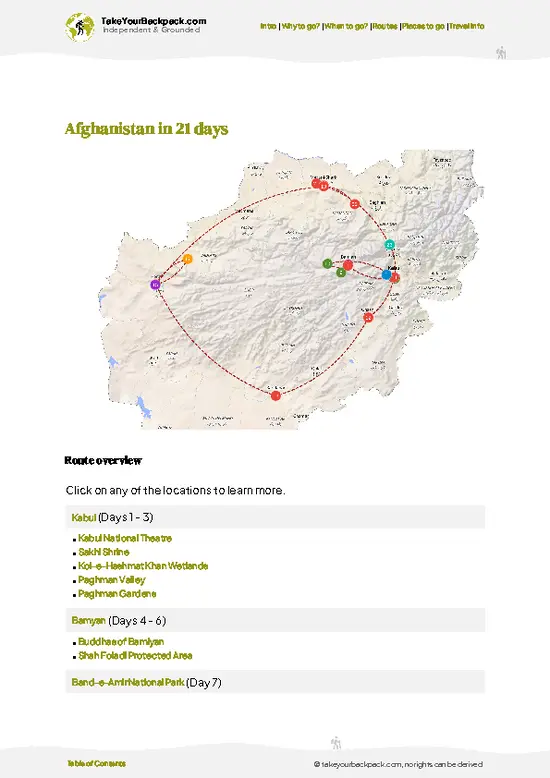
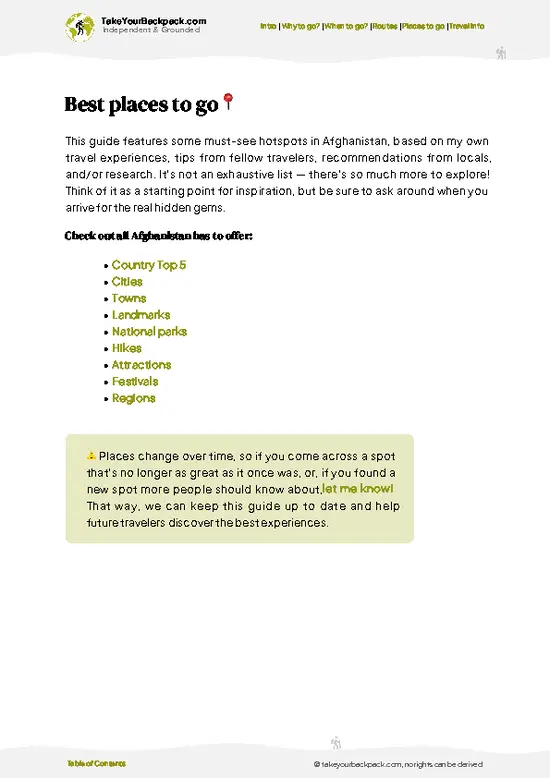
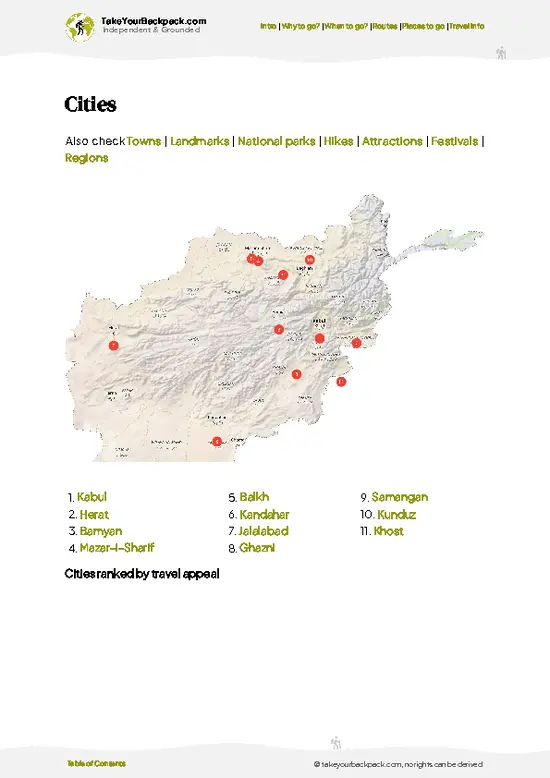
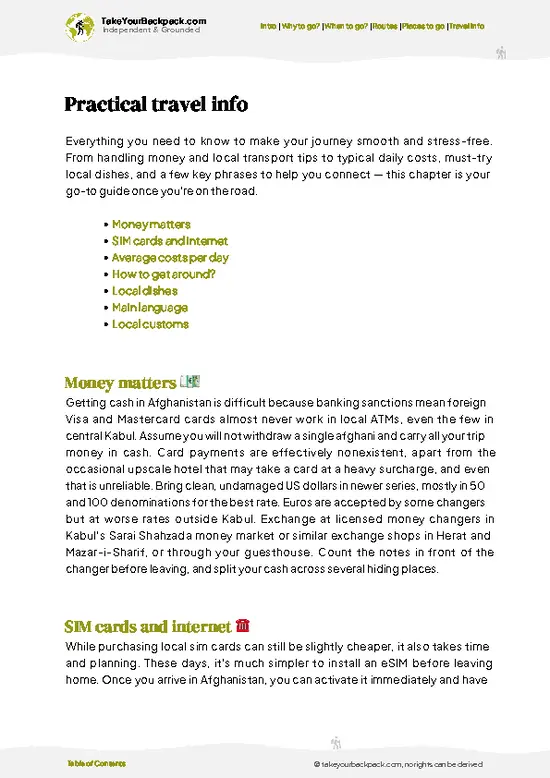
example page 0 from our offline Travel Guide for Afghanistan
example page 1 from our offline Travel Guide for Afghanistan
example page 2 from our offline Travel Guide for Afghanistan
example page 3 from our offline Travel Guide for Afghanistan
example page 4 from our offline Travel Guide for Afghanistan
example page 5 from our offline Travel Guide for Afghanistan
example page 6 from our offline Travel Guide for Afghanistan
example page 7 from our offline Travel Guide for Afghanistan
The digital guide (228 pages) contains:
55 highlights, ranked by travel appeal
Optimized 7, 14 & 21-day travel routes
Cities, national parks, landmarks, beaches
How to get around
Offline-friendly for travel without Wi-Fi
👉 Click to see all 30+ guide features

📅 Plan smarter in minutes, not weeks
Month by month travel advice
Festivals & national holidays
Budget expectations

🗺️ Go to the right places, skip the overrated ones
Honest pros & cons of destinations
Top hikes, parks & viewpoints
Lesser-known places most travelers miss
Clear “worth it vs skip it” guidance

🛏️ Travel smoothly without rookie mistakes
Best areas to stay
Transport systems explained simply
Common scams & safety advice
SIM cards, money & practical tips

🌍 Understand the country, not just visit it
Culture & traditions
52 Essential phrases & customs
Festivals worth planning around
Traveler-friendly historical context
Insights that make places more meaningful

📱 Built for real travel conditions
Fully downloadable PDF
Works completely offline
Optimized for phone use
Useful in remote areas & buses
Everything in one place
Save weeks of stressful planning
Get instant access to your full guide. 30‑day money-back guarantee.


By proceeding you agree to our terms.
Sent to your inbox immediately after payment • 100% Secure Checkout
Best Backpacking Travel Advisor 2025 tourism awardBest Backpacking
Travel Advisor
2025
What others say about Take Your Backpack Guides:
⭐⭐⭐⭐⭐
Fantastic, amazing amount of information!
⭐⭐⭐⭐⭐
My goodness this is amazing, it's what I've been looking for hats off too you!
⭐⭐⭐⭐⭐
I think this is absolutely BRILLIANT
⭐⭐⭐⭐
Very complete and informative. It's still missing places, but I gotta to commend you
⭐⭐⭐⭐⭐
This is truly amazing, thank you, can't wait to explore it with my kids!
⭐⭐⭐⭐⭐
Awesome resource, thank you!
⭐⭐⭐⭐⭐
This is amazing! Can't wait to explore the ones I haven't seen
⭐⭐⭐⭐
I love this! Well done, great idea.
⭐⭐⭐⭐⭐
Thanks for taking the time to make this gem!
⭐⭐⭐⭐⭐
This might be the best website I've ever seen.
⭐⭐⭐⭐⭐
Congratulations, and thank you so much for your work; it's incredibly valuable.
⭐⭐⭐⭐
In all seriousness I think you did a great job pointing out the important spots
⭐⭐⭐⭐⭐
10/10 very good
⭐⭐⭐⭐⭐
As someone who's only just starting to visit regularly this is awesome, thank you.
⭐⭐⭐⭐
Thank you very much! I'm going to visit my dad, it's going to be very useful!
⭐⭐⭐⭐⭐
This is really cool! We'll be travelling for the first time and this definitely come in handy.
⭐⭐⭐⭐⭐
You are now our minister of culture, congratulations 👨‍💼
⭐⭐⭐⭐⭐
Just wanted to tell you that this is a pearl! Going to follow your recommendations.
⭐⭐⭐⭐⭐
This is so cool. I'll definitely be using the resource for my travels soon.
⭐⭐⭐⭐⭐
This is very impressive! Good work.
⭐⭐⭐⭐⭐
This is an amazing and informative site. Very well done!

🛏️ Where to stay?Best areas and accommodation options

If you enjoy meeting fellow travelers, consider choosing hostels with high ratings for atmosphere. On the other hand, if you prefer having your own space, a hotel might be a better option.

🥾 Hike detailsHike details: route, duration, and difficulty of Badakhshan Mountains Trail

Total Distance: Approximately 100 kilometers (about 62 miles) across the entire trail, often broken into segments for easier trekking.

Estimated Duration: Typically takes around 7 to 10 days to complete, depending on your pace and how much time you spend exploring the stunning scenery.

Difficulty Level: Moderate to challenging. You’ll encounter steep ascents, rocky paths, and some sections that may require basic scrambling. Good fitness and hiking experience are recommended.

Starting Point: The trail usually begins in the town of Faizabad, the capital of Badakhshan Province.
  • Public Transport:
read more 👉
Total Distance: Approximately 100 kilometers (about 62 miles) across the entire trail, often broken into segments for easier trekking.

Estimated Duration: Typically takes around 7 to 10 days to complete, depending on your pace and how much time you spend exploring the stunning scenery.

Difficulty Level: Moderate to challenging. You’ll encounter steep ascents, rocky paths, and some sections that may require basic scrambling. Good fitness and hiking experience are recommended.

Starting Point: The trail usually begins in the town of Faizabad, the capital of Badakhshan Province.
  • Public Transport: You can reach Faizabad by taking a bus or shared taxi from Kabul. The journey can be lengthy and bumpy, often taking around 12-15 hours, so prepare for a long ride.

Major Landmarks:
  • Wakhan Corridor: This stunning area is known for its dramatic mountain scenery and cultural richness.
  • Lake Zorkul: A beautiful glacial lake that’s a perfect spot for a rest and some photos.
  • Historic Forts: There are ancient forts along the way, remnants of the Silk Road era, which provide a glimpse into the region’s history.

Type of Terrain and Scenery: Expect a mix of rugged mountain paths, grassy meadows, and rocky outcrops. The scenery is breathtaking, with towering peaks, deep valleys, and clear blue skies. Some sections may have snow, depending on the season.

Typical Vegetation and Wildlife:
  • Vegetation: You’ll see alpine flowers, hardy shrubs, and patches of pine trees, especially at lower elevations.
  • Wildlife: Keep an eye out for ibex, snow leopards, and various bird species. The area is rich in biodiversity, so you might spot some unique critters along the way.

This trail is a gem for those looking to experience the raw beauty of Afghanistan’s mountains, but be sure to plan carefully and consider local conditions before heading out.
⚠️ Hiking info can sometimes be outdated or inaccurate. Before you hit the trail, check the latest conditions with locals. If you do spot anything that's off, I'd love to hear from you, so I can update it for fellow travelers.

🛡️ SafetySafety Tips and Common Scams in Badakhshan Mountains Trail

The Badakhshan Mountains Trail offers a raw, exhilarating experience, but it demands respect. Weather can shift in an instant; sunny skies can morph into sudden storms. Be prepared for temperature drops, especially at altitude. Layering is your best friend—think breathable base layers and a solid waterproof shell.

The terrain varies from rocky paths to steep ascents. Footing can be tricky, so sturdy hiking boots with good grip are essential. Navigation isn’t always straightforward; a reliable map and compass, or a GPS device, will keep you on track. River crossings can be a challenge, especially after rain, so scout for the safest spots.

Wildlife encounters are rare but possible. If you spot a snow leopard or ibex, keep your distance and enjoy the moment without intruding.

First-timers … read more 👉
The Badakhshan Mountains Trail offers a raw, exhilarating experience, but it demands respect. Weather can shift in an instant; sunny skies can morph into sudden storms. Be prepared for temperature drops, especially at altitude. Layering is your best friend—think breathable base layers and a solid waterproof shell.

The terrain varies from rocky paths to steep ascents. Footing can be tricky, so sturdy hiking boots with good grip are essential. Navigation isn’t always straightforward; a reliable map and compass, or a GPS device, will keep you on track. River crossings can be a challenge, especially after rain, so scout for the safest spots.

Wildlife encounters are rare but possible. If you spot a snow leopard or ibex, keep your distance and enjoy the moment without intruding.

First-timers often underestimate the physical demands. Pace yourself, take breaks, and hydrate. The reward? Reaching a summit with panoramic views or finding a quiet spot to savor a well-earned snack. That’s where the magic happens.

Other Afghan hikes near Badakhshan Mountains Trail

Explore more nearby:

  • Salang Pass—high-altitude crossing, snow tunnels, Soviet-era remnants| 224 km away
  • Wakhan Corridor—remote valleys, Pamir peaks, Kyrgyz settlements| 230 km away
  • Koh-e-Baba Range Trail—boulder fields, juniper forests, shepherd encampments| 349 km away

💡 Not sure where to go next?
Create a personalized itinerary for Afghanistan including Badakhshan Mountains Trail and the places that fit your trip.

Generate my itinerary

👉 Discover all hikes

Or checkout all Afghanistan has to offer (think cities, towns, villages, national parks, hikes, beaches, festivals)
Country photo of Afghanistan

We 💚 feedbackKey takeaways before you go

The Badakhshan Mountains Trail is a raw, unfiltered experience. Expect to feel every step—the rocky paths, the altitude, the wind biting at your cheeks. But the surprise? Those moments when the clouds part, revealing jagged peaks that seem to pierce the sky. It’s a rush. Just be ready for the locals; their warmth is genuine, but the language barrier can be tricky. Pack extra patience and an open heart. The effort pays off in ways you can’t anticipate, especially when you finally crack open that cold beer at the end of the day.

✍️ Help improve this page!
The information on this page is based on in-depth research, insights shared by experienced travelers, and feedback from the local travel community in Afghanistan. While every effort is made to keep the information accurate and current, conditions can change — so if you spot anything incorrect or outdated, please get in touch.


🙋‍♂️ Give feedback

👋 Meet the founderWho’s Behind Take Your Backpack?

Johan, backpacker and founder of TakeYourBackpackHi, I’m Johan (Netherlands 🇳🇱), the creator of TakeYourBackpack. Over the past decade, I’ve backpacked through 80+ countries across six continents, gaining extensive experience with independent travel, long-term trips, and overland routes.

This site is built on a combination of firsthand travel experience and carefully curated insights from other backpackers. Many guides are based on places I’ve personally visited, while others bring together tips, observations, and practical advice shared by trusted travelers I’ve met along the way.

The goal is to provide realistic, experience-driven guidance — not generic itineraries — so you can explore destinations with better context, clearer expectations, and more confidence.

Get full country guide •
Instant download • 55 highlights • Full Offline guide