v2.webp)
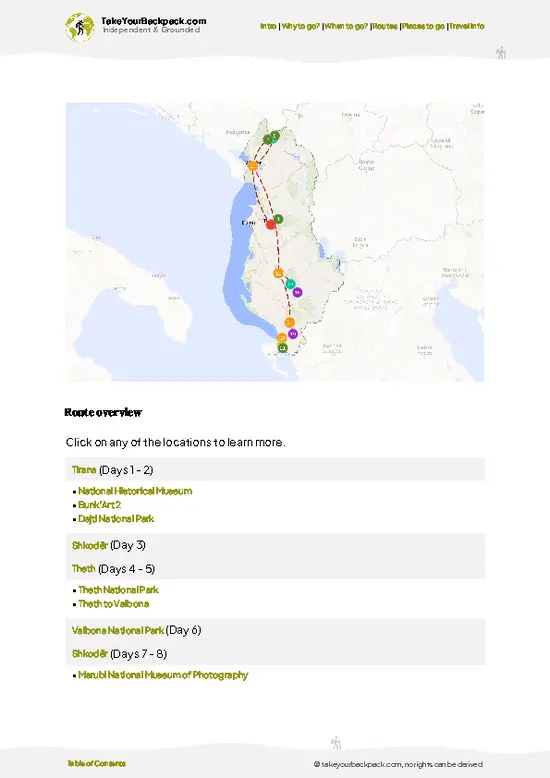
The Descent Into the Bunker
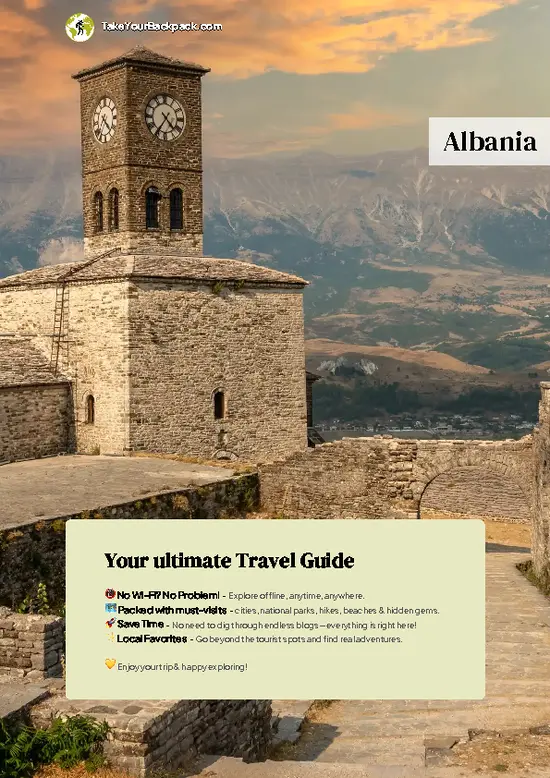
Forget the glossy Instagram shots of moody corridors and dramatic lighting. The real thrill starts the moment you step through the heavy blast doors and feel the temperature drop. This isn’t a theme park. It’s a 1970s Cold War bunker built to survive nuclear war, and the air still carries a faint whiff of concrete and paranoia. The sheer scale—over 100 rooms buried beneath a hillside—hits you immediately. You’re not just looking at history; you’re walking through the dictator’s actual doomsday plan.
The Dictator’s Suite
Enver Hoxha, Albania’s infamous leader, had his own private quarters here. They’re preserved with a kind of chilling authenticity: the spartan bed, the map room, the direct phone lines. It’s not glamorous, but it’s a rare, unvarnished look at the … read more 👉
Forget the glossy Instagram shots of moody corridors and dramatic lighting. The real thrill starts the moment you step through the heavy blast doors and feel the temperature drop. This isn’t a theme park. It’s a 1970s Cold War bunker built to survive nuclear war, and the air still carries a faint whiff of concrete and paranoia. The sheer scale—over 100 rooms buried beneath a hillside—hits you immediately. You’re not just looking at history; you’re walking through the dictator’s actual doomsday plan.
The Dictator’s Suite
Enver Hoxha, Albania’s infamous leader, had his own private quarters here. They’re preserved with a kind of chilling authenticity: the spartan bed, the map room, the direct phone lines. It’s not glamorous, but it’s a rare, unvarnished look at the … read more 👉
The Descent Into the Bunker
Forget the glossy Instagram shots of moody corridors and dramatic lighting. The real thrill starts the moment you step through the heavy blast doors and feel the temperature drop. This isn’t a theme park. It’s a 1970s Cold War bunker built to survive nuclear war, and the air still carries a faint whiff of concrete and paranoia. The sheer scale—over 100 rooms buried beneath a hillside—hits you immediately. You’re not just looking at history; you’re walking through the dictator’s actual doomsday plan.
The Dictator’s Suite
Enver Hoxha, Albania’s infamous leader, had his own private quarters here. They’re preserved with a kind of chilling authenticity: the spartan bed, the map room, the direct phone lines. It’s not glamorous, but it’s a rare, unvarnished look at the psychology of a man who ruled through fear and isolation. You can almost hear the echo of boots in the hallway. This is the opposite of sanitized history.
The Interrogation Rooms
This is where the bunker stops being a curiosity and starts getting under your skin. The interrogation rooms are stark, claustrophobic, and brutally honest about the regime’s methods. No melodrama, just the cold reality of what happened here. The displays pull no punches, and you’ll leave with a knot in your stomach—a necessary discomfort that makes the rest of the museum’s story hit harder.
Cold War Art Installations
Bunk’Art 1 isn’t just a relic; it’s alive with contemporary art that riffs on the bunker’s past. Installations use sound, light, and found objects to turn paranoia into performance. Some are playful, some are haunting, but all of them force you to confront the absurdity and terror of Albania’s isolationist era. This mashup of history and modern creativity is what elevates Bunk’Art 1 above your standard-issue war museum.
The Hall of Surveillance
Rows of vintage listening devices, bugged telephones, and propaganda posters line this corridor. It’s a crash course in the mechanics of a surveillance state, and it’s all the more surreal because you’re standing in the very place where these tools were meant to be used. The details are specific, tactile, and a little bit chilling—especially when you realize how recently all this was in play.
The Bunker’s Acoustic Oddities
Here’s my personal favorite: the way sound travels in these tunnels is bizarre. Whisper in one room, and someone three doors down might hear you. It’s a side effect of the architecture, and it gives the whole place an eerie, cinematic quality. Try it yourself—just don’t be surprised if you spook a fellow visitor. It’s a reminder that this place was designed for secrets, and it still keeps a few.
Bunk’Art 1 isn’t pretty, and it doesn’t try to be. That’s its power. If you want a museum that entertains, unsettles, and actually teaches you something about the cost of paranoia, this is the real deal.
Forget the glossy Instagram shots of moody corridors and dramatic lighting. The real thrill starts the moment you step through the heavy blast doors and feel the temperature drop. This isn’t a theme park. It’s a 1970s Cold War bunker built to survive nuclear war, and the air still carries a faint whiff of concrete and paranoia. The sheer scale—over 100 rooms buried beneath a hillside—hits you immediately. You’re not just looking at history; you’re walking through the dictator’s actual doomsday plan.
The Dictator’s Suite
Enver Hoxha, Albania’s infamous leader, had his own private quarters here. They’re preserved with a kind of chilling authenticity: the spartan bed, the map room, the direct phone lines. It’s not glamorous, but it’s a rare, unvarnished look at the psychology of a man who ruled through fear and isolation. You can almost hear the echo of boots in the hallway. This is the opposite of sanitized history.
The Interrogation Rooms
This is where the bunker stops being a curiosity and starts getting under your skin. The interrogation rooms are stark, claustrophobic, and brutally honest about the regime’s methods. No melodrama, just the cold reality of what happened here. The displays pull no punches, and you’ll leave with a knot in your stomach—a necessary discomfort that makes the rest of the museum’s story hit harder.
Cold War Art Installations
Bunk’Art 1 isn’t just a relic; it’s alive with contemporary art that riffs on the bunker’s past. Installations use sound, light, and found objects to turn paranoia into performance. Some are playful, some are haunting, but all of them force you to confront the absurdity and terror of Albania’s isolationist era. This mashup of history and modern creativity is what elevates Bunk’Art 1 above your standard-issue war museum.
The Hall of Surveillance
Rows of vintage listening devices, bugged telephones, and propaganda posters line this corridor. It’s a crash course in the mechanics of a surveillance state, and it’s all the more surreal because you’re standing in the very place where these tools were meant to be used. The details are specific, tactile, and a little bit chilling—especially when you realize how recently all this was in play.
The Bunker’s Acoustic Oddities
Here’s my personal favorite: the way sound travels in these tunnels is bizarre. Whisper in one room, and someone three doors down might hear you. It’s a side effect of the architecture, and it gives the whole place an eerie, cinematic quality. Try it yourself—just don’t be surprised if you spook a fellow visitor. It’s a reminder that this place was designed for secrets, and it still keeps a few.
Bunk’Art 1 isn’t pretty, and it doesn’t try to be. That’s its power. If you want a museum that entertains, unsettles, and actually teaches you something about the cost of paranoia, this is the real deal.
Spotted a mistake or missing something? Contact us.

Dajti Cable Car, Park & Shengjergj Waterfall from Tirana, Durres

From Durres/Golem: Tirana City Tour and Dajti Cable Car

Tirana Tandem Paragliding Adventure from Dajti Mountain

Full Albanian Experience: A 10 Day Tour

Meat Shack Lunch in the Tirana Highlands

Dajti Cable Car and Tirana city Tour from Durres or Golem

Dajti Mountain Hiking Experience with Cable Car

Discover Tirana in One Day

Semi Private: 10 Days Hiking Tour in Albania


 Best Backpacking
.jpg) Hi, I’m Johan (Netherlands 🇳🇱), the creator of TakeYourBackpack. Over the past 3 decades, I’ve backpacked through 90+ countries across six continents, gaining extensive experience with independent travel, long-term trips, and overland routes.
Hi, I’m Johan (Netherlands 🇳🇱), the creator of TakeYourBackpack. Over the past 3 decades, I’ve backpacked through 90+ countries across six continents, gaining extensive experience with independent travel, long-term trips, and overland routes.