×

Angola🇦🇴 | beachesCabo de Santa Mariashipwreck remains, windswept dunes, remote coastline | things to do and best time to go

Explore Centro Cultural Njinga MbandeExplore Praia da Lua

Backpacking in Cabo de Santa Maria
By Johan Kruseman 🇳🇱 | Updated September 23, 2026

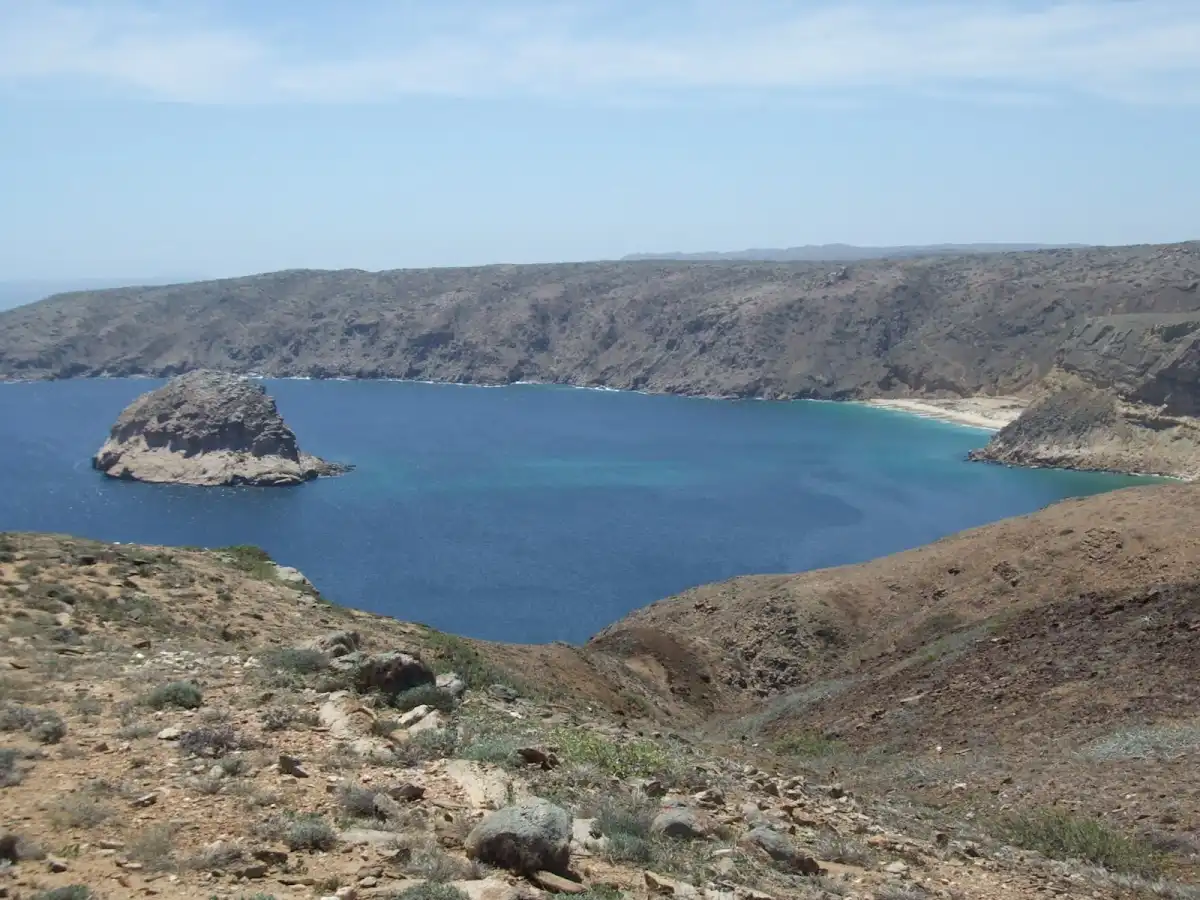
Here’s the twist: Cabo de Santa Maria beach, despite its wild, end-of-the-world vibe, is littered with the rusting skeleton of a shipwreck—not exactly the pristine escape most travel blogs promise. Tucked on the windswept tip of the Namibe province, this beach is more post-apocalyptic than postcard. You’ll dodge debris, not crowds; the water’s rough, so swimming is for the brave (or the reckless). Food and beds are scarce, so come prepared or expect to rough it. Compared to the mellow, swimmable sands of Praia do Soba nearby, Cabo de Santa Maria is for those who find beauty in the bizarre and don’t mind a little rust with their sunset.

Discover everything you want to know in the 📖 Angola Travel Guide.


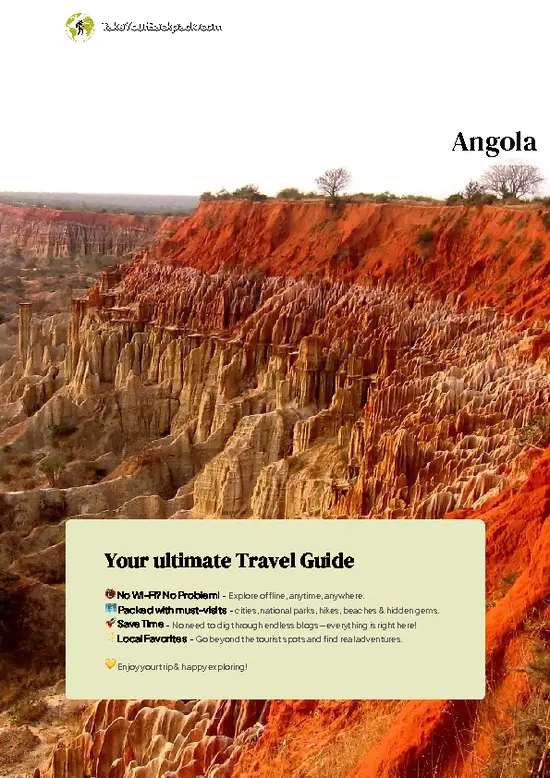
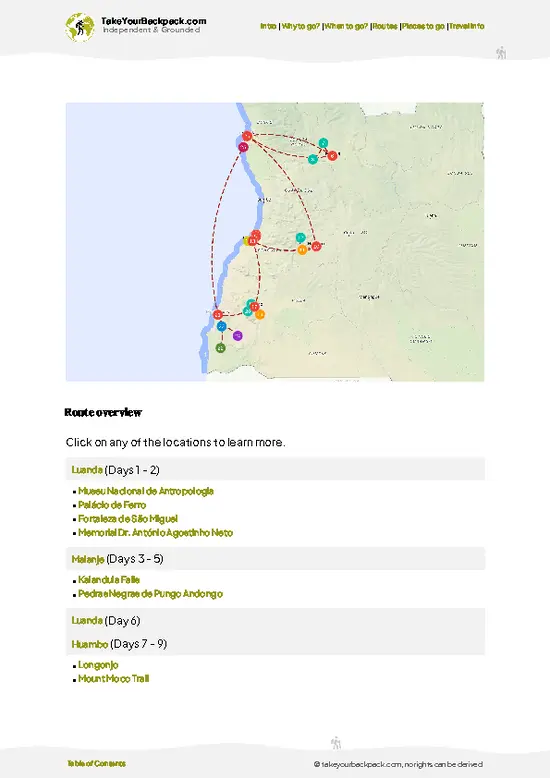
example page 0 from our offline Travel Guide for Angola
example page 1 from our offline Travel Guide for Angola
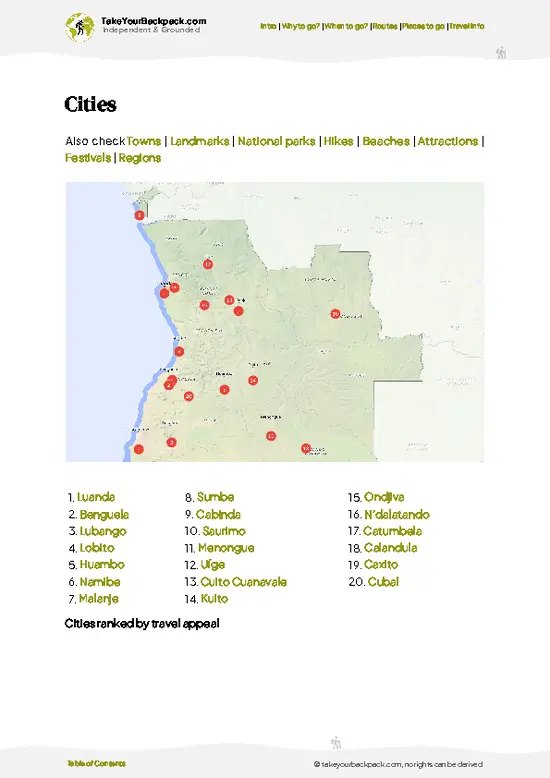
example page 2 from our offline Travel Guide for Angola
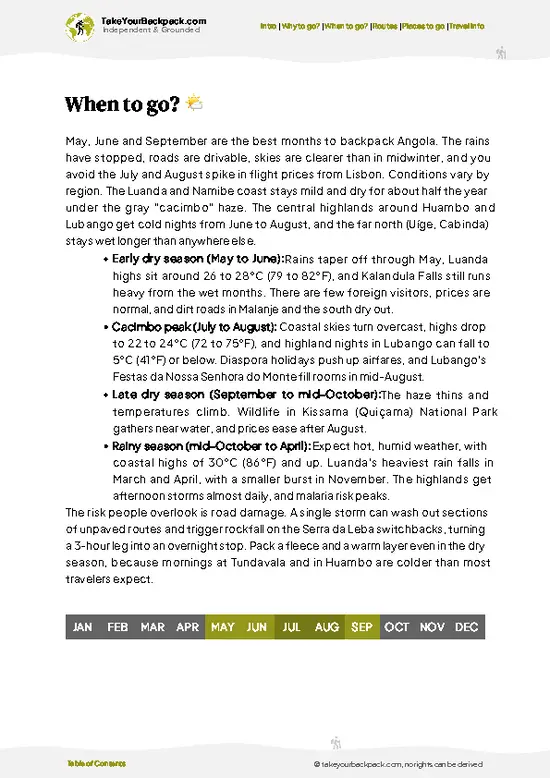
example page 3 from our offline Travel Guide for Angola
example page 4 from our offline Travel Guide for Angola
example page 5 from our offline Travel Guide for Angola
example page 6 from our offline Travel Guide for Angola
example page 7 from our offline Travel Guide for Angola
Loading the map 🌍
CLICK TO FILTER
cities
towns
landmarks
national parks
hikes
beaches
attractions
festivals
regions
SHOW COUNTRY’S BESTSHOW ALL

✨ Why go?
Ranked #99 beach in Angola
Why Cabo de Santa Maria should be on your travel list

Cabo de Santa Maria beach in Angola? It’s not just a stop; it’s a vibe. Picture this: a laid-back atmosphere where the only thing more relaxed than the locals is your travel schedule. You can kick back with a cold drink in hand, soaking in the sun without breaking the bank. Affordability is key here—your wallet won’t scream as you indulge in fresh seafood from beachside shacks.

The social scene? It’s a delightful mix of backpackers and locals, swapping stories and laughter like they’re trading baseball cards. You’ll find yourself chatting with fishermen about their latest catch or joining a spontaneous game of beach soccer.

And let’s not forget the water access. The waves are inviting, perfect for a quick dip or just splashing around. But Cabo isn’t just about swimming; it’s a connector … read more 👉
Cabo de Santa Maria beach in Angola? It’s not just a stop; it’s a vibe. Picture this: a laid-back atmosphere where the only thing more relaxed than the locals is your travel schedule. You can kick back with a cold drink in hand, soaking in the sun without breaking the bank. Affordability is key here—your wallet won’t scream as you indulge in fresh seafood from beachside shacks.

The social scene? It’s a delightful mix of backpackers and locals, swapping stories and laughter like they’re trading baseball cards. You’ll find yourself chatting with fishermen about their latest catch or joining a spontaneous game of beach soccer.

And let’s not forget the water access. The waves are inviting, perfect for a quick dip or just splashing around. But Cabo isn’t just about swimming; it’s a connector along the coastal route. It’s a pause, a breather, a chance to recharge before diving back into the adventure. So, if you’re passing through, don’t just wave at the beach—stop, soak it in, and let the absurdity of travel make you chuckle.

💡 HighlightsThe experiences that define the visit

  • Dawn landing with local fishers — Before the crowds (if there are any), long wooden canoes slide onto the sand and the whole catch is sorted right there. It isn’t a polished tourist show: it’s a working ritual you can watch from a short distance, and it gives a real window into coastal Angolan life — the boats, the calls, the way people handle and trade fish straight off the surf.
  • Rocky cape lookout hike — Cabo de Santa Maria is a true “cape” stretch: windswept headlands and exposed rock give panoramic views of the Atlantic and a sense of where land suddenly drops away. The combination of ocean swell, sharp cliffs and sweeping horizons makes for dramatic photos and easy, rewarding scrambling that feels very different from a flat, sunbathing beach.
  • Tide-pool and intertidal exploration —
… read more 👉
  • Dawn landing with local fishers — Before the crowds (if there are any), long wooden canoes slide onto the sand and the whole catch is sorted right there. It isn’t a polished tourist show: it’s a working ritual you can watch from a short distance, and it gives a real window into coastal Angolan life — the boats, the calls, the way people handle and trade fish straight off the surf.
  • Rocky cape lookout hike — Cabo de Santa Maria is a true “cape” stretch: windswept headlands and exposed rock give panoramic views of the Atlantic and a sense of where land suddenly drops away. The combination of ocean swell, sharp cliffs and sweeping horizons makes for dramatic photos and easy, rewarding scrambling that feels very different from a flat, sunbathing beach.
  • Tide-pool and intertidal exploration — Thanks to the cool, nutrient-rich waters along this stretch, the exposed rocks at low tide hide a surprising variety of life. Spend an hour poking through pools and you’ll find creatures and colours that don’t show up on a pure-sand beach — small crabs, anemones, limpets and other micro-ecosystems that tell the story of the Benguela-influenced coast.
  • Beachside seafood and market bites — The freshest meal you can have here is usually cooked within minutes of being landed. Local grills and informal stalls serve seafood that reflects the Portuguese-Angolan mix: smoky, citrusy, and ridiculously fresh. Eating on the sand with the sound of the surf is part of the draw — it’s communal, unpretentious, and rooted in the place.
  • Moonlit surf, stargazing and night fisher activity — Nightlife in the club sense isn’t the point; instead, evenings bring quiet spectacle: big, dark skies for stargazing and the ghostly pattern of lanterns from night fishers or boats on the horizon. On calmer nights you can sit on the cape, listen to the surf, and watch coastal life continue under the moon — a low-key but very local after-dark vibe.
Spotted a mistake or missing something? Contact us.
🌤️ When to go?Seasonal considerations and timing

  • Topic: Weather - Cabo de Santa Maria enjoys a dry, warm climate most of the year, but the best beach days are from May to October when rain is scarce and humidity drops. Avoid the wet season (November to April), unless you like surprise showers crashing your sunbathing plans.
  • Topic: Temperature - Expect highs around 25-30°C (77-86°F) during the dry months, perfect for swimming without turning into a roasted lobster. The wet season can feel hotter and stickier, which is less fun when you’re lugging a backpack.
  • Topic: Daylight Hours - Daylight is fairly consistent year-round, roughly 11-12 hours, so you won’t be racing the sunset to squeeze in beach time. Early mornings and late afternoons are golden for fewer crowds and cooler temps.
  • Topic: Crowds - This beach isn’t exactly a tourist magnet,
… read more 👉
  • Topic: Weather - Cabo de Santa Maria enjoys a dry, warm climate most of the year, but the best beach days are from May to October when rain is scarce and humidity drops. Avoid the wet season (November to April), unless you like surprise showers crashing your sunbathing plans.
  • Topic: Temperature - Expect highs around 25-30°C (77-86°F) during the dry months, perfect for swimming without turning into a roasted lobster. The wet season can feel hotter and stickier, which is less fun when you’re lugging a backpack.
  • Topic: Daylight Hours - Daylight is fairly consistent year-round, roughly 11-12 hours, so you won’t be racing the sunset to squeeze in beach time. Early mornings and late afternoons are golden for fewer crowds and cooler temps.
  • Topic: Crowds - This beach isn’t exactly a tourist magnet, but the dry season draws more locals and adventurous travelers. If you want near solitude, aim for shoulder months like May or October.
  • Topic: Seasonal Activities - Dry season is prime for snorkeling and fishing trips, while the wet season limits water activities due to rougher seas. Plan accordingly if you want to dive into the ocean’s offerings.
  • Topic: Price Fluctuations - Prices for local accommodations and transport spike slightly in the dry season, but it’s worth the splurge for reliable weather. Off-season deals exist but come with the risk of soggy days and fewer services.
Pro-tip: Time your visit for the dry season’s start or end—May or October—when the weather cooperates, crowds thin, and prices ease up.


source: climatestotravel.comJANJanuary: fair for travelingFEBFebruary: fair for travelingMARMarch: fair for travelingAPRApril: fair for travelingMAYMay: highly recommended for travelingJUNJune: excellent for travelingJULJuly: excellent for travelingAUGAugust: excellent for travelingSEPSeptember: excellent for travelingOCTOctober: highly recommended for travelingNOVNovember: below average for travelingDECDecember: below average for traveling
angola-beach-cabo-de-santa-maria
© Google |

✈️ The backpacker research shortcutAngola Travel Guide

An offline-friendly backpacking guide with optimized travel routes, ranked highlights, transport advice, and the best areas to stay.
example page 0 from our offline Travel Guide for Angola
example page 1 from our offline Travel Guide for Angola
example page 2 from our offline Travel Guide for Angola
example page 3 from our offline Travel Guide for Angola
example page 4 from our offline Travel Guide for Angola
example page 5 from our offline Travel Guide for Angola
example page 6 from our offline Travel Guide for Angola
example page 7 from our offline Travel Guide for Angola
The digital guide (246 pages) contains:
✅ 71 highlights, ranked by travel appeal
✅ Optimized 7, 14 & 21-day travel routes
✅ Cities, national parks, landmarks, beaches
✅ How to get around
✅ Offline-friendly for travel without Wi-Fi
👉 Click to see all 30+ guide features

📅 Plan smarter in minutes, not weeks
✅ Month by month travel advice
✅ Festivals & national holidays
✅ Budget expectations

🗺️ Go to the right places, skip the overrated ones
✅ Honest pros & cons of destinations
✅ Top hikes, parks & viewpoints
✅ Lesser-known places most travelers miss
✅ Clear “worth it vs skip it” guidance

🛏️ Travel smoothly without rookie mistakes
✅ Best areas to stay
✅ Transport systems explained simply
✅ Common scams & safety advice
✅ SIM cards, money & practical tips

🌍 Understand the country, not just visit it
✅ Culture & traditions
✅ 52 Essential phrases & customs
✅ Festivals worth planning around
✅ Traveler-friendly historical context
✅ Insights that make places more meaningful

📱 Built for real travel conditions
✅ Fully downloadable PDF
✅ Works completely offline
✅ Optimized for phone use
✅ Useful in remote areas & buses
✅ Everything in one place
Stop searching, start planning
Get instant access to your full guide. 30‑day money-back guarantee.
+ Add another guide for just

By proceeding you agree to our terms.
Sent to your inbox immediately after payment • 100% Secure Checkout
Best Backpacking Travel Advisor 2025 tourism awardBest Backpacking
Travel Advisor
2025
What others say about Take Your Backpack Guides:
⭐⭐⭐⭐⭐
Fantastic, amazing amount of information!
⭐⭐⭐⭐⭐
My goodness this is amazing, it's what I've been looking for hats off too you!
⭐⭐⭐⭐⭐
I think this is absolutely BRILLIANT
⭐⭐⭐⭐
Very complete and informative. It's still missing places, but I gotta to commend you
⭐⭐⭐⭐⭐
This is truly amazing, thank you, can't wait to explore it with my kids!
⭐⭐⭐⭐⭐
Awesome resource, thank you!
⭐⭐⭐⭐⭐
This is amazing! Can't wait to explore the ones I haven't seen
⭐⭐⭐⭐
I love this! Well done, great idea.
⭐⭐⭐⭐⭐
Thanks for taking the time to make this gem!
⭐⭐⭐⭐⭐
This might be the best website I've ever seen.
⭐⭐⭐⭐⭐
Congratulations, and thank you so much for your work; it's incredibly valuable.
⭐⭐⭐⭐
In all seriousness I think you did a great job pointing out the important spots
⭐⭐⭐⭐⭐
10/10 very good
⭐⭐⭐⭐⭐
As someone who's only just starting to visit regularly this is awesome, thank you.
⭐⭐⭐⭐
Thank you very much! I'm going to visit my dad, it's going to be very useful!
⭐⭐⭐⭐⭐
This is really cool! We'll be travelling for the first time and this definitely come in handy.
⭐⭐⭐⭐⭐
You are now our minister of culture, congratulations 👨‍💼
⭐⭐⭐⭐⭐
Just wanted to tell you that this is a pearl! Going to follow your recommendations.
⭐⭐⭐⭐⭐
This is so cool. I'll definitely be using the resource for my travels soon.
⭐⭐⭐⭐⭐
This is very impressive! Good work.
⭐⭐⭐⭐⭐
This is an amazing and informative site. Very well done!

🛏️ Where to stay?Choosing the right base

Cabo de Santa Maria beach in Angola is a slice of paradise, but finding the right spot to crash can feel like a treasure hunt.

Start your search in the area around the beach itself. It’s buzzing with backpackers and locals alike, creating a vibrant atmosphere. You’ll find budget-friendly guesthouses and hostels that welcome solo travelers with open arms. The proximity to the waves means you can roll out of bed and dive right into the ocean.

Then there’s the nearby fishing village vibe. It’s a bit quieter, but the charm is undeniable. Here, you can mingle with fishermen and snag some fresh … read more 👉
Cabo de Santa Maria beach in Angola is a slice of paradise, but finding the right spot to crash can feel like a treasure hunt.

Start your search in the area around the beach itself. It’s buzzing with backpackers and locals alike, creating a vibrant atmosphere. You’ll find budget-friendly guesthouses and hostels that welcome solo travelers with open arms. The proximity to the waves means you can roll out of bed and dive right into the ocean.

Then there’s the nearby fishing village vibe. It’s a bit quieter, but the charm is undeniable. Here, you can mingle with fishermen and snag some fresh catch for dinner. Plus, the locals are friendly, and you might just score some insider tips on the best spots to explore.

Avoid the overly commercialized areas that feel more like a theme park than a beach. They might promise luxury, but they’ll drain your wallet faster than you can say “sunburn.” Stick to the local hangouts where the vibe is relaxed, the prices are right, and the sunsets are worth every penny.

🛡️ SafetyTraveler Safety Guide

Cabo de Santa Maria beach in Angola is a slice of paradise, but like any good adventure, it comes with its quirks. The waves can be playful, but they also pack a punch. Keep an eye on the currents; they can surprise you. Locals know the best spots to swim, often sticking to areas where the waves are tamer.

As for marine life, you might spot a ray gliding by, but don’t panic—sharks are more of a myth here than a reality. Just be cautious of jellyfish, especially in warmer months.

The sun? It’s relentless. Bring sunscreen and reapply like it’s your new best friend. Mornings are usually calmer, making them prime time for a dip. Just remember, as the day heats up, so does the crowd. Keep your belongings close; theft can happen, especially when the beach gets busy. Enjoy the surf, but stay savvy!

FAQFrequently asked questions about Cabo de Santa Maria

Cabo de Santa Maria beach is accessed by road from Luanda, approximately 30 kilometers south. You can take a taxi or rent a car, with the drive taking about 45 minutes. The route is mostly paved but expect some rough patches near the beach.
Cabo de Santa Maria beach is good for swimming and snorkeling due to its clear waters and calm conditions during the dry season from June to September. Surfing is less common here as the waves are generally small and inconsistent. Bring snorkeling gear to explore the nearby rocky areas.
Yes, Cabo de Santa Maria beach is free to visit. There are no entrance fees or permits required. However, facilities are minimal, so plan accordingly with your own supplies.
⚠️ Things can change over time, so always validate details locally before you go.

Other Angolan beaches near Cabo de Santa Maria

Explore more nearby:

  • Praia da Lua—Empty shoreline, dunes, sunset light, fishing boats| 46 km away
  • Praia da Caotinha—Low-tide shoreline, returning fishing boats, grilled fish, Baía Farta road| 122 km away
  • Praia dos Surfistas—Left-hand wave, headland, generator hum, dune camps| 422 km away

💡 Not sure where to go next?
Create a personalized itinerary for Angola including Cabo de Santa Maria and the places that fit your trip.

Generate my itinerary

👉 Discover all beaches

Or checkout all Angola has to offer (think cities, towns, villages, national parks, hikes, beaches, festivals)
Country photo of Angola

We 💚 feedbackParting advice and final tips

Cabo de Santa Maria beach is a slice of paradise that feels like a well-kept secret. The vibe? Laid-back, with locals sharing laughter and the occasional grilled fish. The best surprise? Those stunning sunsets that paint the sky like a masterpiece—seriously, don’t miss it. Just a heads-up: the road can be a bit of a rollercoaster, so brace yourself. But once you’re there, you’ll realize it’s all part of the adventure. Enjoy the ride!

✍️ Help improve this page!
The information on this page is based on in-depth research, insights shared by experienced travelers, and feedback from the local travel community in Angola. While every effort is made to keep the information accurate and current, conditions can change — so if you spot anything incorrect or outdated, please get in touch.


🙋‍♂️ Give feedback

👋 Meet the founderWho’s Behind Take Your Backpack?

Johan, backpacker and founder of TakeYourBackpackHi, I’m Johan (Netherlands 🇳🇱), the creator of TakeYourBackpack. Over the past 3 decades, I’ve backpacked through 90+ countries across six continents, gaining extensive experience with independent travel, long-term trips, and overland routes.

This site is built on a combination of firsthand travel experience and carefully curated insights from other backpackers. Many guides are based on places I’ve personally visited, while others bring together tips, observations, and practical advice shared by trusted travelers I’ve met along the way.

The goal is to provide realistic, experience-driven guidance — not generic itineraries — so you can explore destinations with better context, clearer expectations, and more confidence.