Bunjilaka Aboriginal Cultural Centre
Forget the sanitized, surface-level “acknowledgement of country” you’ll see in most tourist brochures. Bunjilaka is the real deal: a living, breathing space where First Nations voices set the agenda. The exhibits don’t tiptoe around Australia’s history—they confront it, with raw honesty and pride. You’ll see artifacts, yes, but it’s the stories and the living culture—told by Indigenous Australians themselves—that hit hardest. If you want to understand Melbourne beyond the flat white and laneway art, start here.
Dinosaur Walk
You’ve seen dinosaur skeletons before, but not like this. The Dinosaur Walk is a parade of prehistoric giants, suspended mid-stride, so close you can count the vertebrae. Kids lose their minds here, but adults get sucked in too—especially … read more 👉
Forget the sanitized, surface-level “acknowledgement of country” you’ll see in most tourist brochures. Bunjilaka is the real deal: a living, breathing space where First Nations voices set the agenda. The exhibits don’t tiptoe around Australia’s history—they confront it, with raw honesty and pride. You’ll see artifacts, yes, but it’s the stories and the living culture—told by Indigenous Australians themselves—that hit hardest. If you want to understand Melbourne beyond the flat white and laneway art, start here.
Dinosaur Walk
You’ve seen dinosaur skeletons before, but not like this. The Dinosaur Walk is a parade of prehistoric giants, suspended mid-stride, so close you can count the vertebrae. Kids lose their minds here, but adults get sucked in too—especially … read more 👉
Bunjilaka Aboriginal Cultural Centre
Forget the sanitized, surface-level “acknowledgement of country” you’ll see in most tourist brochures. Bunjilaka is the real deal: a living, breathing space where First Nations voices set the agenda. The exhibits don’t tiptoe around Australia’s history—they confront it, with raw honesty and pride. You’ll see artifacts, yes, but it’s the stories and the living culture—told by Indigenous Australians themselves—that hit hardest. If you want to understand Melbourne beyond the flat white and laneway art, start here.
Dinosaur Walk
You’ve seen dinosaur skeletons before, but not like this. The Dinosaur Walk is a parade of prehistoric giants, suspended mid-stride, so close you can count the vertebrae. Kids lose their minds here, but adults get sucked in too—especially when you realize these aren’t just generic “dinosaurs,” but creatures that once stomped across what’s now Victoria. The scale is humbling, the science is sharp, and the sense of wonder is real. (Pro tip: Go early or late to dodge the school groups.)
Forest Gallery
This isn’t a diorama. It’s a living, breathing patch of Victorian forest, complete with birds, reptiles, and the earthy scent of eucalyptus. You walk through it—no glass, no ropes, just you and the wildlife (and, okay, a few well-camouflaged barriers). It’s the closest you’ll get to bushwalking in the middle of the city, and the microclimate is a welcome break from Melbourne’s moody weather. If you’re lucky, you’ll spot a lyrebird showing off its mimicry skills. My personal favorite—there’s something quietly epic about seeing city kids lose their minds over a real, live skink.
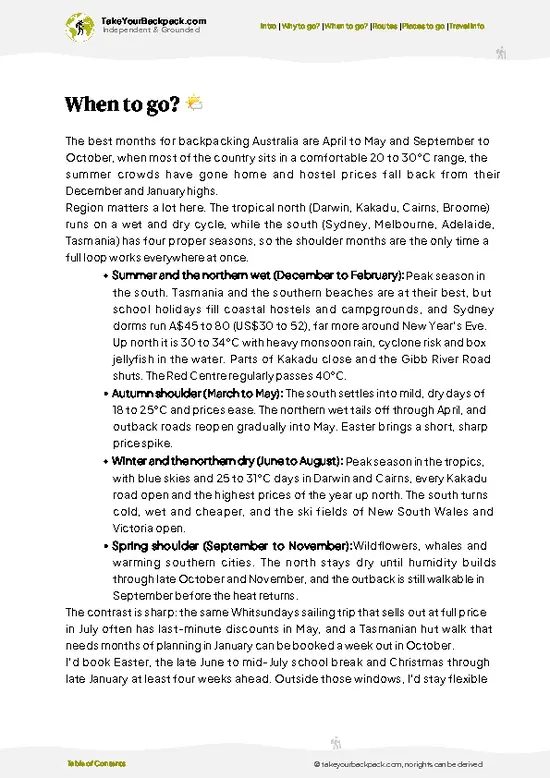
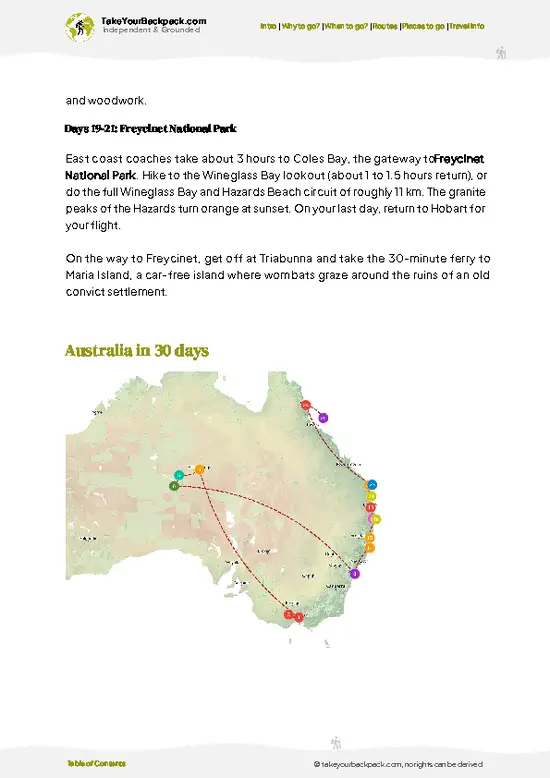
Melbourne Story
This is where the museum drops the “greatest hits” act and digs into the city’s weird, wild, and sometimes ugly past. You’ll see Phar Lap’s heart (yes, the actual horse heart), a recreated 1890s street, and enough oddball memorabilia to make you question everything you thought you knew about Melbourne. It’s not just nostalgia—it’s a crash course in how this city got its edge, from gold rush chaos to punk rock rebellion.
Science and Life Gallery
If you think science museums are just for kids, this gallery will prove you wrong. It’s a high-energy mashup of taxidermy, minerals, bugs, and hands-on experiments. The insect collection alone is worth the price of admission—think jewel beetles, stick insects, and butterflies that look like they’ve been Photoshopped. The “Wild” section is a Noah’s Ark of Australian fauna, minus the sugar-coating. You’ll leave with a new respect for the creatures that call this continent home.
IMAX Theatre
Yes, it’s a movie theater inside a museum. But this isn’t your average popcorn-and-blockbusters setup. The IMAX here is one of the largest screens in the Southern Hemisphere, and the documentaries (and the occasional Hollywood epic) are chosen to actually complement the museum’s exhibits. If you’re going to splurge on a ticket, do it here—especially for the nature films. The sound system alone will rattle your bones.
Forget the sanitized, surface-level “acknowledgement of country” you’ll see in most tourist brochures. Bunjilaka is the real deal: a living, breathing space where First Nations voices set the agenda. The exhibits don’t tiptoe around Australia’s history—they confront it, with raw honesty and pride. You’ll see artifacts, yes, but it’s the stories and the living culture—told by Indigenous Australians themselves—that hit hardest. If you want to understand Melbourne beyond the flat white and laneway art, start here.
Dinosaur Walk
You’ve seen dinosaur skeletons before, but not like this. The Dinosaur Walk is a parade of prehistoric giants, suspended mid-stride, so close you can count the vertebrae. Kids lose their minds here, but adults get sucked in too—especially when you realize these aren’t just generic “dinosaurs,” but creatures that once stomped across what’s now Victoria. The scale is humbling, the science is sharp, and the sense of wonder is real. (Pro tip: Go early or late to dodge the school groups.)
Forest Gallery
This isn’t a diorama. It’s a living, breathing patch of Victorian forest, complete with birds, reptiles, and the earthy scent of eucalyptus. You walk through it—no glass, no ropes, just you and the wildlife (and, okay, a few well-camouflaged barriers). It’s the closest you’ll get to bushwalking in the middle of the city, and the microclimate is a welcome break from Melbourne’s moody weather. If you’re lucky, you’ll spot a lyrebird showing off its mimicry skills. My personal favorite—there’s something quietly epic about seeing city kids lose their minds over a real, live skink.
Melbourne Story
This is where the museum drops the “greatest hits” act and digs into the city’s weird, wild, and sometimes ugly past. You’ll see Phar Lap’s heart (yes, the actual horse heart), a recreated 1890s street, and enough oddball memorabilia to make you question everything you thought you knew about Melbourne. It’s not just nostalgia—it’s a crash course in how this city got its edge, from gold rush chaos to punk rock rebellion.
Science and Life Gallery
If you think science museums are just for kids, this gallery will prove you wrong. It’s a high-energy mashup of taxidermy, minerals, bugs, and hands-on experiments. The insect collection alone is worth the price of admission—think jewel beetles, stick insects, and butterflies that look like they’ve been Photoshopped. The “Wild” section is a Noah’s Ark of Australian fauna, minus the sugar-coating. You’ll leave with a new respect for the creatures that call this continent home.
IMAX Theatre
Yes, it’s a movie theater inside a museum. But this isn’t your average popcorn-and-blockbusters setup. The IMAX here is one of the largest screens in the Southern Hemisphere, and the documentaries (and the occasional Hollywood epic) are chosen to actually complement the museum’s exhibits. If you’re going to splurge on a ticket, do it here—especially for the nature films. The sound system alone will rattle your bones.
Spotted a mistake or missing something? Contact us.
v2.webp)


Best Backpacking
Hi, I’m Johan (Netherlands 🇳🇱), the creator of TakeYourBackpack. Over the past decade, I’ve backpacked through 80+ countries across six continents, gaining extensive experience with independent travel, long-term trips, and overland routes.