v2.webp)


The Building Itself: The Giant Rolled Carpet
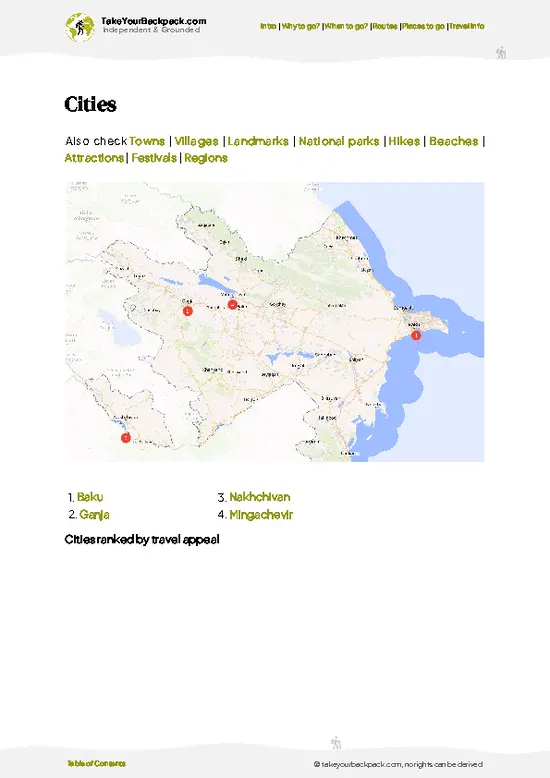
Let’s get this out of the way: you’re not walking into a dusty, old-school museum. The Azerbaijan Carpet Museum is shaped like a gigantic rolled-up carpet. It’s bold, a little bit bonkers, and absolutely impossible to forget. The exterior alone is worth a detour, especially if you’re tired of the same glass-and-steel cubes that pass for “modern” museums elsewhere. It’s a selfie magnet, sure, but it’s also a statement: carpets are the soul of Azerbaijan, and here, they get the architectural respect they deserve.
The “Carpet as Storybook” Galleries
Forget the idea that carpets are just floor coverings. Here, each gallery is a crash course in storytelling, with every knot and color loaded with meaning. You’ll see carpets that double as family trees, … read more 👉
Let’s get this out of the way: you’re not walking into a dusty, old-school museum. The Azerbaijan Carpet Museum is shaped like a gigantic rolled-up carpet. It’s bold, a little bit bonkers, and absolutely impossible to forget. The exterior alone is worth a detour, especially if you’re tired of the same glass-and-steel cubes that pass for “modern” museums elsewhere. It’s a selfie magnet, sure, but it’s also a statement: carpets are the soul of Azerbaijan, and here, they get the architectural respect they deserve.
The “Carpet as Storybook” Galleries
Forget the idea that carpets are just floor coverings. Here, each gallery is a crash course in storytelling, with every knot and color loaded with meaning. You’ll see carpets that double as family trees, … read more 👉
The Building Itself: The Giant Rolled Carpet
Let’s get this out of the way: you’re not walking into a dusty, old-school museum. The Azerbaijan Carpet Museum is shaped like a gigantic rolled-up carpet. It’s bold, a little bit bonkers, and absolutely impossible to forget. The exterior alone is worth a detour, especially if you’re tired of the same glass-and-steel cubes that pass for “modern” museums elsewhere. It’s a selfie magnet, sure, but it’s also a statement: carpets are the soul of Azerbaijan, and here, they get the architectural respect they deserve.
The “Carpet as Storybook” Galleries
Forget the idea that carpets are just floor coverings. Here, each gallery is a crash course in storytelling, with every knot and color loaded with meaning. You’ll see carpets that double as family trees, battle records, and coded love letters. The museum doesn’t just hang them on the wall; it gives you the context—who made them, why, and what secrets are woven in. If you’re the type who likes your art with a side of mystery, this is where the magic happens.
Live Weaving Demonstrations
This isn’t a “look, don’t touch” situation. On most days, you’ll find master weavers at work, hands flying, eyes locked on patterns passed down for centuries. Watching them is hypnotic—like seeing a language written in wool. You’ll realize just how much patience, skill, and stubborn pride goes into every square inch. It’s the difference between reading about a symphony and sitting in the front row.
Ancient Carpets: The Survivors
Some of the carpets here are older than most countries. You’ll see pieces that survived invasions, fires, and the Soviet era’s attempts to turn everything into gray concrete. These aren’t just museum pieces—they’re survivors, each with scars and stories. If you want to feel the weight of history, stand in front of a 17th-century Tabriz carpet and imagine the hands that made it, the feet that walked across it, and the world that’s changed around it.
Carpet Oddities: Bags, Saddles, and Shoes
If you think carpets are just for floors, you’re in for a surprise. The museum’s collection of carpet-woven bags, saddles, and even shoes is a reminder that in Azerbaijan, weaving is a way of life, not just a craft. These quirky, practical objects are proof that artistry and utility can go hand in hand. They’re also a great antidote to the “do not touch” vibe of most museums—here, you see how these objects lived real lives.
The Caspian Sea View
Step out onto the museum’s upper terrace and you get a panorama of the Caspian Sea and Baku’s skyline. It’s a reminder that you’re not just in a museum—you’re in a city that’s always been a crossroads, where East and West, old and new, crash together. It’s the perfect palate cleanser after a deep dive into centuries of wool and silk.
The Gift Shop: Not Your Average Souvenir Stand
Skip the fridge magnets. The museum shop is a treasure trove for anyone who wants to take home something real. You’ll find handwoven mini-carpets, traditional textiles, and even tools used by local weavers. Prices aren’t bargain-basement, but you’re paying for authenticity, not mass-produced kitsch. If you want a souvenir with actual soul, this is where you get it.
Let’s get this out of the way: you’re not walking into a dusty, old-school museum. The Azerbaijan Carpet Museum is shaped like a gigantic rolled-up carpet. It’s bold, a little bit bonkers, and absolutely impossible to forget. The exterior alone is worth a detour, especially if you’re tired of the same glass-and-steel cubes that pass for “modern” museums elsewhere. It’s a selfie magnet, sure, but it’s also a statement: carpets are the soul of Azerbaijan, and here, they get the architectural respect they deserve.
The “Carpet as Storybook” Galleries
Forget the idea that carpets are just floor coverings. Here, each gallery is a crash course in storytelling, with every knot and color loaded with meaning. You’ll see carpets that double as family trees, battle records, and coded love letters. The museum doesn’t just hang them on the wall; it gives you the context—who made them, why, and what secrets are woven in. If you’re the type who likes your art with a side of mystery, this is where the magic happens.
Live Weaving Demonstrations
This isn’t a “look, don’t touch” situation. On most days, you’ll find master weavers at work, hands flying, eyes locked on patterns passed down for centuries. Watching them is hypnotic—like seeing a language written in wool. You’ll realize just how much patience, skill, and stubborn pride goes into every square inch. It’s the difference between reading about a symphony and sitting in the front row.
Ancient Carpets: The Survivors
Some of the carpets here are older than most countries. You’ll see pieces that survived invasions, fires, and the Soviet era’s attempts to turn everything into gray concrete. These aren’t just museum pieces—they’re survivors, each with scars and stories. If you want to feel the weight of history, stand in front of a 17th-century Tabriz carpet and imagine the hands that made it, the feet that walked across it, and the world that’s changed around it.
Carpet Oddities: Bags, Saddles, and Shoes
If you think carpets are just for floors, you’re in for a surprise. The museum’s collection of carpet-woven bags, saddles, and even shoes is a reminder that in Azerbaijan, weaving is a way of life, not just a craft. These quirky, practical objects are proof that artistry and utility can go hand in hand. They’re also a great antidote to the “do not touch” vibe of most museums—here, you see how these objects lived real lives.
The Caspian Sea View
Step out onto the museum’s upper terrace and you get a panorama of the Caspian Sea and Baku’s skyline. It’s a reminder that you’re not just in a museum—you’re in a city that’s always been a crossroads, where East and West, old and new, crash together. It’s the perfect palate cleanser after a deep dive into centuries of wool and silk.
The Gift Shop: Not Your Average Souvenir Stand
Skip the fridge magnets. The museum shop is a treasure trove for anyone who wants to take home something real. You’ll find handwoven mini-carpets, traditional textiles, and even tools used by local weavers. Prices aren’t bargain-basement, but you’re paying for authenticity, not mass-produced kitsch. If you want a souvenir with actual soul, this is where you get it.
Spotted a mistake or missing something? Contact us.
Old and Modern Baku Tour ( Day & Night Time)

Night Baku Tour

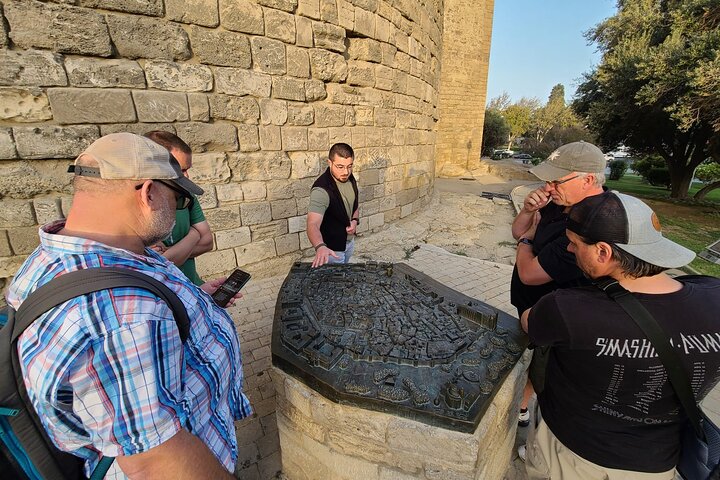
Baku City Tour with Local Guide-Old City, Flame Towers, Boulevard

Baku City Tour: Sweet & Wine Tasting and Funicular Ride
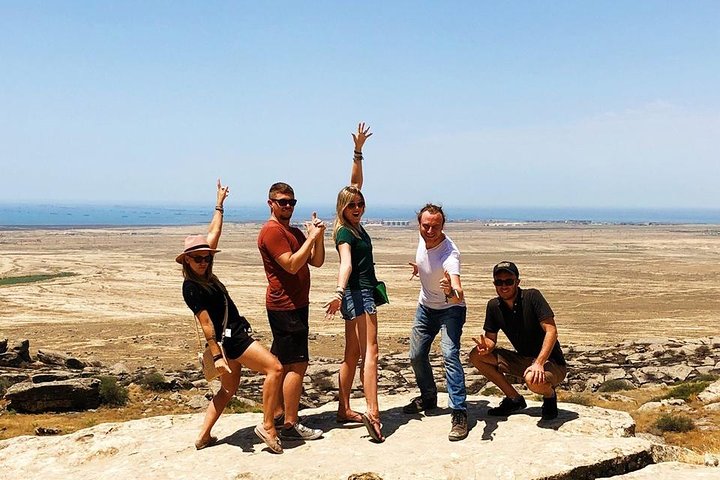
Azerbaijan Tour Package for 3 days(Baku & Absheron & Gobustan & Gabala Tours)

Private Baku City Tour

Half-Day Baku City Sightseeing Tour

9 days Baku to Qabala - Sheki - Zaqatala - Sighnaghi and Tbilisi Private Tour

Full-Day Baku City Tour


 Best Backpacking
.jpg) Hi, I’m Johan (Netherlands 🇳🇱), the creator of TakeYourBackpack. Over the past 3 decades, I’ve backpacked through 90+ countries across six continents, gaining extensive experience with independent travel, long-term trips, and overland routes.
Hi, I’m Johan (Netherlands 🇳🇱), the creator of TakeYourBackpack. Over the past 3 decades, I’ve backpacked through 90+ countries across six continents, gaining extensive experience with independent travel, long-term trips, and overland routes.