v2.webp)
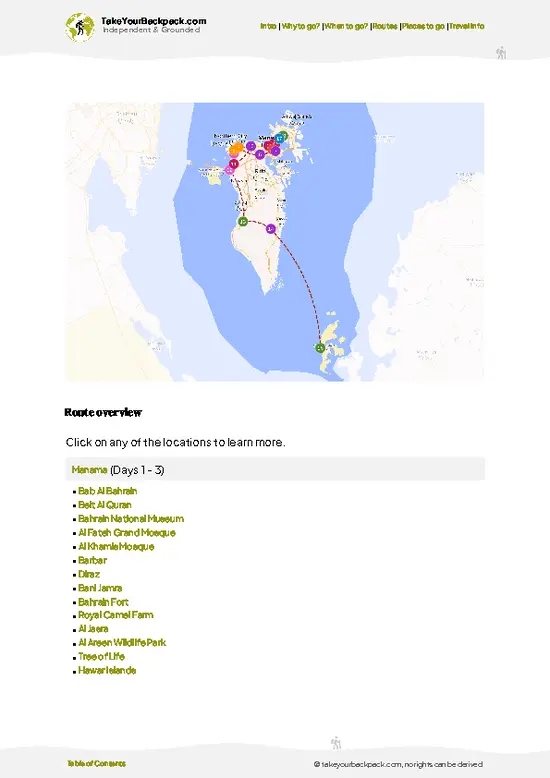
- Traditional Weaving Workshops — Bani Jamra’s claim to fame: small, family-run looms where you can watch hand-operated weaving (Sadu and local textiles) and often buy directly from the artisans. Watching the rhythm of the loom is the best way to understand the village’s craft roots.
- Sadu and Hand-Embroidery Demonstrations — many homes still practice Sadu weaving and embroidery; these short, informal demos (sometimes arranged by the weavers themselves) show techniques and social history that you won’t get in a museum.
- Bani Jamra Textile Shops — cluster of tiny shops and stalls selling locally woven cloth, scarves, cushions and runners. Prices are friendly if you haggle a little, and it’s a direct way to support families keeping the craft alive.
- Old Village Lanes & Courtyard Houses — the
- Traditional Weaving Workshops — Bani Jamra’s claim to fame: small, family-run looms where you can watch hand-operated weaving (Sadu and local textiles) and often buy directly from the artisans. Watching the rhythm of the loom is the best way to understand the village’s craft roots.
- Sadu and Hand-Embroidery Demonstrations — many homes still practice Sadu weaving and embroidery; these short, informal demos (sometimes arranged by the weavers themselves) show techniques and social history that you won’t get in a museum.
- Bani Jamra Textile Shops — cluster of tiny shops and stalls selling locally woven cloth, scarves, cushions and runners. Prices are friendly if you haggle a little, and it’s a direct way to support families keeping the craft alive.
- Old Village Lanes & Courtyard Houses — the narrow streets and traditional courtyard houses are great for slow wandering and photography: faded doors, laundry, and low walls that tell the story of village life across generations.
- The Village Mosque (central Friday mosque) — more than an architectural stop: the mosque is the social heartbeat on Fridays. Observing (respectfully) the rhythms of communal prayer and the people who gather afterwards gives real insight into local life.
- Local Majlis and Coffeehouses — sit in a neighborhood majlis or tiny coffee corner to sip gahwa, swap stories with elders, and hear oral histories about the village’s weaving and farming — one of the most genuine cultural experiences here.
- Date Palm Groves & Small Farms — pockets of date palms and small plots surround the village. A short walk among the palms is peaceful and shows the agricultural side of Bani Jamra that still sustains families.
- Bani Jamra Community Centre & Occasional Exhibitions — when open, the community center hosts craft displays, small exhibitions or classes run by local artisans — check their schedule for hands-on sessions or temporary shows.
- Street-side Bakeries and Home-cooked Treats — tiny bakeries and home cooks selling traditional Bahraini pastries, flatbreads and sweets are scattered through the village; the food is simple, inexpensive and a direct connection to daily life here.
- Walking Routes & Photographer’s Corners — planned or improvised walks around the village edges (especially around sunset) reveal quiet courtyards, working looms in open doorways, and everyday scenes that sum up Bani Jamra’s character better than any plaque.
Spotted a mistake or missing something? Contact us.

Muharraq Cultural Walking Tour

From BAHRAIN to Saudi Arabia Day Tour

Full-Day Bahrain Guided Tour

Bahrain Full Day With Traditional Lunch

Half Day Desert Tour

Manama : Day from South to North to Discover Bahrain

Bahrain Must-Try Food Tour (Manama Souq)

Discover Bahrain in half day

Catch the Essence of Manama - Half Day City Tour


 Best Backpacking
.jpg) Hi, I’m Johan (Netherlands 🇳🇱), the creator of TakeYourBackpack. Over the past 3 decades, I’ve backpacked through 90+ countries across six continents, gaining extensive experience with independent travel, long-term trips, and overland routes.
Hi, I’m Johan (Netherlands 🇳🇱), the creator of TakeYourBackpack. Over the past 3 decades, I’ve backpacked through 90+ countries across six continents, gaining extensive experience with independent travel, long-term trips, and overland routes.