v2.webp)


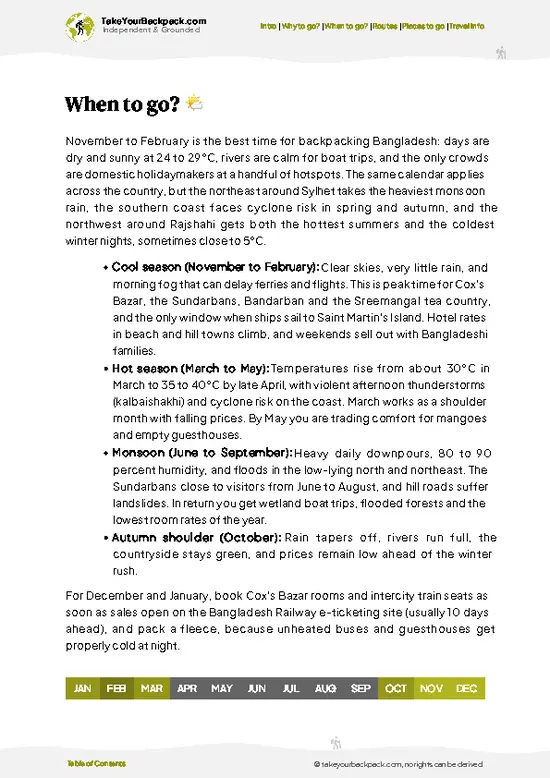
Gallery of Personal Artifacts
Forget the sanitized glass cases you see in most museums. Here, you’re face-to-face with battered shoes, blood-stained saris, and handwritten letters from the front lines. These aren’t props—they’re the real, raw remnants of ordinary Bangladeshis who risked everything. The emotional punch is immediate. You don’t just read about the war; you feel it in your gut.
Multimedia Testimony Rooms
This isn’t a passive stroll past faded photographs. The museum’s testimony rooms hit you with survivor interviews, radio broadcasts, and original newsreels. The sound design is sharp—gunfire, protest chants, the crackle of clandestine radio. It’s immersive, sometimes overwhelming, and absolutely necessary if you want to understand the stakes of 1971. You’ll leave with voices … read more 👉
Forget the sanitized glass cases you see in most museums. Here, you’re face-to-face with battered shoes, blood-stained saris, and handwritten letters from the front lines. These aren’t props—they’re the real, raw remnants of ordinary Bangladeshis who risked everything. The emotional punch is immediate. You don’t just read about the war; you feel it in your gut.
Multimedia Testimony Rooms
This isn’t a passive stroll past faded photographs. The museum’s testimony rooms hit you with survivor interviews, radio broadcasts, and original newsreels. The sound design is sharp—gunfire, protest chants, the crackle of clandestine radio. It’s immersive, sometimes overwhelming, and absolutely necessary if you want to understand the stakes of 1971. You’ll leave with voices … read more 👉
Gallery of Personal Artifacts
Forget the sanitized glass cases you see in most museums. Here, you’re face-to-face with battered shoes, blood-stained saris, and handwritten letters from the front lines. These aren’t props—they’re the real, raw remnants of ordinary Bangladeshis who risked everything. The emotional punch is immediate. You don’t just read about the war; you feel it in your gut.
Multimedia Testimony Rooms
This isn’t a passive stroll past faded photographs. The museum’s testimony rooms hit you with survivor interviews, radio broadcasts, and original newsreels. The sound design is sharp—gunfire, protest chants, the crackle of clandestine radio. It’s immersive, sometimes overwhelming, and absolutely necessary if you want to understand the stakes of 1971. You’ll leave with voices echoing in your head.
Recreation of a Refugee Camp
Instagram can’t capture the claustrophobia of a bamboo shelter or the desperation in a ration line. The museum’s recreation of a refugee camp is blunt and unsentimental. You walk through cramped corridors, see the makeshift beds, and realize how survival trumped dignity for millions. It’s not pretty, but it’s unforgettable—and it’s the kind of reality check that makes you grateful for every comfort you take for granted.
War Crimes Tribunal Exhibit
This section doesn’t sugarcoat. You get the legal documents, the mugshots, and the chilling testimonies from the post-war tribunals. It’s a crash course in justice—messy, imperfect, but absolutely vital. The exhibit forces you to confront the aftermath, not just the heroics. It’s a rare museum that’s brave enough to show you the cost of peace.
Children’s Gallery
Most war museums are off-limits for kids. Not here. The Children’s Gallery is a masterclass in age-appropriate storytelling. Through comics, dioramas, and interactive games, it teaches the next generation about courage and empathy—without trauma or sugarcoating. If you’re traveling with family, this is a safe, smart entry point into a heavy subject.
Forget the sanitized glass cases you see in most museums. Here, you’re face-to-face with battered shoes, blood-stained saris, and handwritten letters from the front lines. These aren’t props—they’re the real, raw remnants of ordinary Bangladeshis who risked everything. The emotional punch is immediate. You don’t just read about the war; you feel it in your gut.
Multimedia Testimony Rooms
This isn’t a passive stroll past faded photographs. The museum’s testimony rooms hit you with survivor interviews, radio broadcasts, and original newsreels. The sound design is sharp—gunfire, protest chants, the crackle of clandestine radio. It’s immersive, sometimes overwhelming, and absolutely necessary if you want to understand the stakes of 1971. You’ll leave with voices echoing in your head.
Recreation of a Refugee Camp
Instagram can’t capture the claustrophobia of a bamboo shelter or the desperation in a ration line. The museum’s recreation of a refugee camp is blunt and unsentimental. You walk through cramped corridors, see the makeshift beds, and realize how survival trumped dignity for millions. It’s not pretty, but it’s unforgettable—and it’s the kind of reality check that makes you grateful for every comfort you take for granted.
War Crimes Tribunal Exhibit
This section doesn’t sugarcoat. You get the legal documents, the mugshots, and the chilling testimonies from the post-war tribunals. It’s a crash course in justice—messy, imperfect, but absolutely vital. The exhibit forces you to confront the aftermath, not just the heroics. It’s a rare museum that’s brave enough to show you the cost of peace.
Children’s Gallery
Most war museums are off-limits for kids. Not here. The Children’s Gallery is a masterclass in age-appropriate storytelling. Through comics, dioramas, and interactive games, it teaches the next generation about courage and empathy—without trauma or sugarcoating. If you’re traveling with family, this is a safe, smart entry point into a heavy subject.
Spotted a mistake or missing something? Contact us.

Private Romantic Nile Felucca Sunset Dinner in Cairo

Private Cairo Airport Transfer (Pickup or Drop-off Service)

Ultimate Fayoum Desert VIP Adventure Bedouin Feast

Photography In Dhaka

Food Tour in Dhaka : Taste the Best Foods of Dhaka

Old Dhaka Private Day Tour: Shipyard, Pink Palace, Lalbagh Fort

Authentic Old Dhaka Tour: Shipyard Visit & Local Life Experience

Dhaka City Tour Like Locals

Discover Dhaka City Like a Local


 Best Backpacking
.jpg) Hi, I’m Johan (Netherlands 🇳🇱), the creator of TakeYourBackpack. Over the past 3 decades, I’ve backpacked through 90+ countries across six continents, gaining extensive experience with independent travel, long-term trips, and overland routes.
Hi, I’m Johan (Netherlands 🇳🇱), the creator of TakeYourBackpack. Over the past 3 decades, I’ve backpacked through 90+ countries across six continents, gaining extensive experience with independent travel, long-term trips, and overland routes.