×

Bangladesh🇧🇩 | attractionsNational Museum of Bangladeshhistory collections, folk art, natural history | things to do and best time to go

Explore Jatiya Sangsad BhabanExplore Shaheed Minar (Central Shaheed Minar

Backpacking in National Museum of Bangladesh
🌟 Highlightattraction ranked #6
By Johan Kruseman 🇳🇱 | Updated May 17, 2026

Forget the fantasy of wandering alone through echoing marble halls—Dhaka’s National Museum is no secret sanctuary. Expect school groups, families, and the steady hum of city life bleeding in from Shahbag, the museum’s central, chaotic neighborhood. Here’s the truth: this isn’t some sterile, glass-box museum. It’s a sprawling, sometimes overwhelming labyrinth packed with everything from ancient Buddhist relics to the blood-stained clothes of 1971’s martyrs. The wow-factor isn’t in Instagrammable grandeur, but in the raw, unfiltered story of Bangladesh—pain, pride, and resilience, all under one roof. It’s cheap to enter, but don’t expect slick English signage or air-conditioned comfort. If you want polished, go to Singapore. If you want to feel the pulse of a country still fighting to define itself, this is the real deal.

Discover everything you want to know in the 📖 Bangladesh Travel Guide.
Loading the map 🌍
CLICK TO FILTER
cities
towns
landmarks
national parks
hikes
beaches
attractions
festivals
regions
SHOW COUNTRY’S BESTSHOW ALL

✨ Why go?
Ranked #6 attraction in Bangladesh
Reasons people choose to visit here

The National Museum of Bangladesh isn’t just another stop on the tourist checklist—it’s the heartbeat of Dhaka’s chaotic charm distilled into one place. Sure, it’s not a secret; expect crowds, especially on weekends. But here’s the kicker: this museum is the best crash course you’ll get on Bangladesh’s layered history and vibrant culture without needing a guidebook or translator. The exhibits don’t just show artifacts; they tell stories of struggle, resilience, and identity—from ancient relics to the Liberation War’s raw, unfiltered reality. For backpackers, it’s a milestone that grounds your journey in context, turning random streets and markets into chapters of a living narrative. The entry fee is modest, but the payoff? Immense. You get a front-row seat to the soul of a nation that’s often … read more 👉
The National Museum of Bangladesh isn’t just another stop on the tourist checklist—it’s the heartbeat of Dhaka’s chaotic charm distilled into one place. Sure, it’s not a secret; expect crowds, especially on weekends. But here’s the kicker: this museum is the best crash course you’ll get on Bangladesh’s layered history and vibrant culture without needing a guidebook or translator. The exhibits don’t just show artifacts; they tell stories of struggle, resilience, and identity—from ancient relics to the Liberation War’s raw, unfiltered reality. For backpackers, it’s a milestone that grounds your journey in context, turning random streets and markets into chapters of a living narrative. The entry fee is modest, but the payoff? Immense. You get a front-row seat to the soul of a nation that’s often misunderstood or overlooked. Skip the flashy tourist traps; this is where you’ll find the real pulse of Bangladesh, and trust me, it’s worth every minute of your time.
Want to include National Museum of Bangladesh in your Bangladesh route?
Create a personalized Bangladesh itinerary that includes National Museum of Bangladesh and the places that fit your trip — based on your travel style, budget, and available time. Get your route in seconds.

Generate my trip

💡 HighlightsWhat this place is best known for

The Liberation War Gallery
Forget the sanitized, sepia-toned history lessons. This gallery is raw, visceral, and sometimes uncomfortable—exactly as it should be. You’ll see battered helmets, blood-stained clothing, and black-and-white photos that don’t flinch from the brutality of Bangladesh’s fight for independence. The room hums with the energy of a nation that clawed its way to freedom. If you want to understand Bangladesh beyond the headlines, this is the place to stand still and let the weight of history settle on your shoulders.


The Ethnological Gallery
Instagram will show you the bright saris and the rickshaws, but it won’t tell you about the 40+ indigenous groups who call Bangladesh home. This gallery does. The displays are unapologetically dense—masks, musical instruments, textiles, … read more 👉
The Liberation War Gallery
Forget the sanitized, sepia-toned history lessons. This gallery is raw, visceral, and sometimes uncomfortable—exactly as it should be. You’ll see battered helmets, blood-stained clothing, and black-and-white photos that don’t flinch from the brutality of Bangladesh’s fight for independence. The room hums with the energy of a nation that clawed its way to freedom. If you want to understand Bangladesh beyond the headlines, this is the place to stand still and let the weight of history settle on your shoulders.


The Ethnological Gallery
Instagram will show you the bright saris and the rickshaws, but it won’t tell you about the 40+ indigenous groups who call Bangladesh home. This gallery does. The displays are unapologetically dense—masks, musical instruments, textiles, and tools—each with its own story. It’s a crash course in the country’s real diversity, not the tourist-brochure version. If you’re the type who likes to dig beneath the surface, this is where the country’s cultural DNA is on full display.


The Natural History Gallery
Taxidermy gets a bad rap, but here it’s a time capsule. You’ll find a Bengal tiger frozen mid-snarl, birds that look like they might take flight if you blink, and a fish collection that’s more punk rock than pretty. It’s not a slick, modern science museum—think more ‘eccentric uncle’s attic’—but that’s the charm. Kids and adults alike get a kick out of the sheer oddness, and you’ll leave with a new appreciation for the wild side of Bangladesh.


The Buddhist and Hindu Sculpture Collection
If you’ve only seen Bangladesh through the lens of its Islamic heritage, this room will flip your expectations. The stone and bronze sculptures—some over a thousand years old—are hauntingly beautiful, chipped and weathered by centuries of monsoon and devotion. There’s a tactile sense of time here; you can almost feel the prayers that have worn these statues smooth. It’s a quiet, contemplative space that rewards anyone willing to slow down and really look.


The Jamdani Weaving Exhibit
Skip the souvenir shops. If you want to see the soul of Bangladeshi craftsmanship, this is it. Jamdani weaving is UNESCO-listed for a reason: the patterns are impossibly intricate, the colors bold without being brash, and the skill on display is generational. Watching a weaver at work (if you’re lucky enough to catch a demonstration) is hypnotic. This isn’t just fabric—it’s living history, and it’s far more compelling than any Instagram filter.
Spotted a mistake or missing something? Contact us.

Things to do around National Museum of Bangladesh

Ratings based on Tripadvisor reviews. When you book through this link, you support our work at no extra cost to you.

🌤️ When to go?Seasonal considerations and timing


  • Weather: The best time to visit the National Museum of Bangladesh is during the cooler, drier months from November to February. Temperatures hover around 15-25°C (59-77°F), making it comfortable to explore without sweating through your shirt.

  • Temperature: Avoid the scorching heat of April to June when temperatures can spike above 35°C (95°F), turning your museum visit into a sweaty slog rather than a cultural dive.

  • Daylight Hours: From November to February, daylight lasts about 10-11 hours, giving you ample time to soak in the exhibits without rushing, unlike the shorter days of the monsoon season.

  • Crowds: Tourist traffic peaks during December and January, especially around holidays. If you want a quieter experience, aim for November or February when locals are less likely to crowd
read more 👉

  • Weather: The best time to visit the National Museum of Bangladesh is during the cooler, drier months from November to February. Temperatures hover around 15-25°C (59-77°F), making it comfortable to explore without sweating through your shirt.

  • Temperature: Avoid the scorching heat of April to June when temperatures can spike above 35°C (95°F), turning your museum visit into a sweaty slog rather than a cultural dive.

  • Daylight Hours: From November to February, daylight lasts about 10-11 hours, giving you ample time to soak in the exhibits without rushing, unlike the shorter days of the monsoon season.

  • Crowds: Tourist traffic peaks during December and January, especially around holidays. If you want a quieter experience, aim for November or February when locals are less likely to crowd the halls.

  • Seasonal Activities: The museum occasionally hosts special exhibitions and cultural events in the winter months, adding layers to your visit beyond the permanent collection.

  • Price Fluctuations: Entry fees remain stable year-round, but accommodation and transport costs spike during peak tourist season (December-January), so plan accordingly to avoid inflated expenses.


Pro-tip: Visit on a weekday morning in November or February to dodge crowds and enjoy the museum’s quiet, contemplative atmosphere at its best.


source: climatestotravel.comJANJanuary: highly recommended for travelingFEBFebruary: excellent for travelingMARMarch: good for travelingAPRApril: fair for travelingMAYMay: fair for travelingJUNJune: fair for travelingJULJuly: good for travelingAUGAugust: good for travelingSEPSeptember: good for travelingOCTOctober: good for travelingNOVNovember: excellent for travelingDECDecember: highly recommended for traveling
when-to-go

✈️ The backpacker research shortcutBangladesh Travel Guide

An offline-friendly backpacking guide with optimized travel routes, ranked highlights, transport advice, and the best areas to stay.
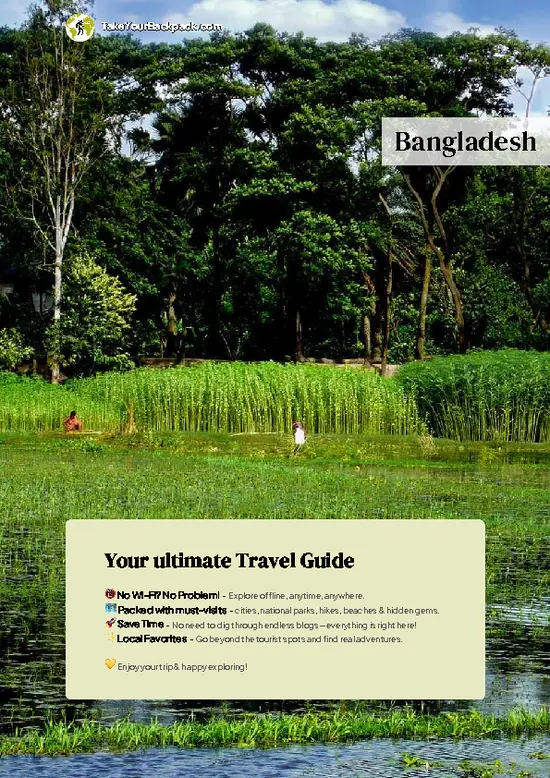
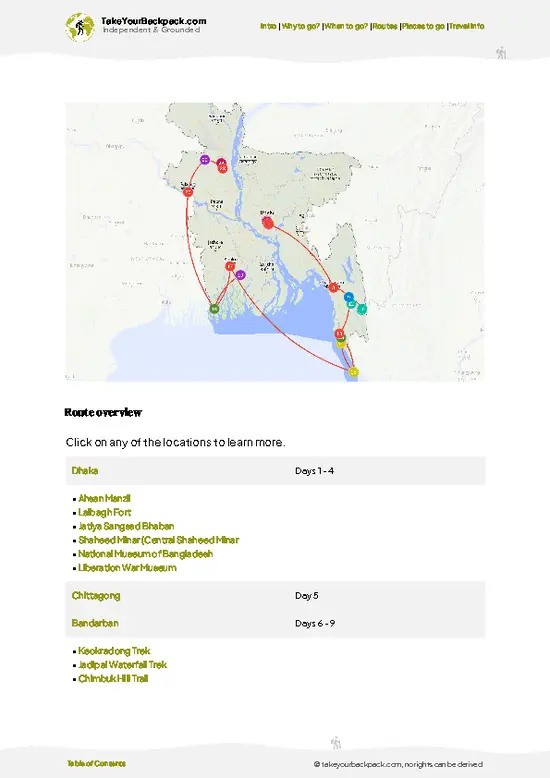
example page 0 from our offline Travel Guide for Bangladesh
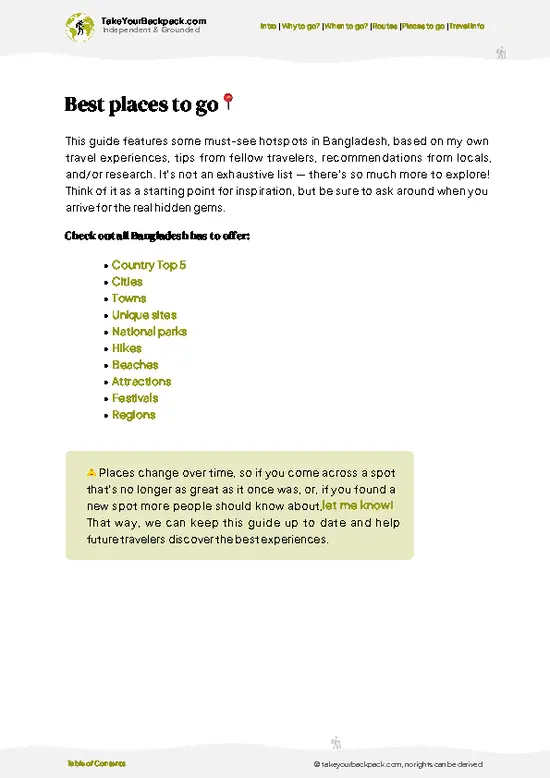
example page 1 from our offline Travel Guide for Bangladesh
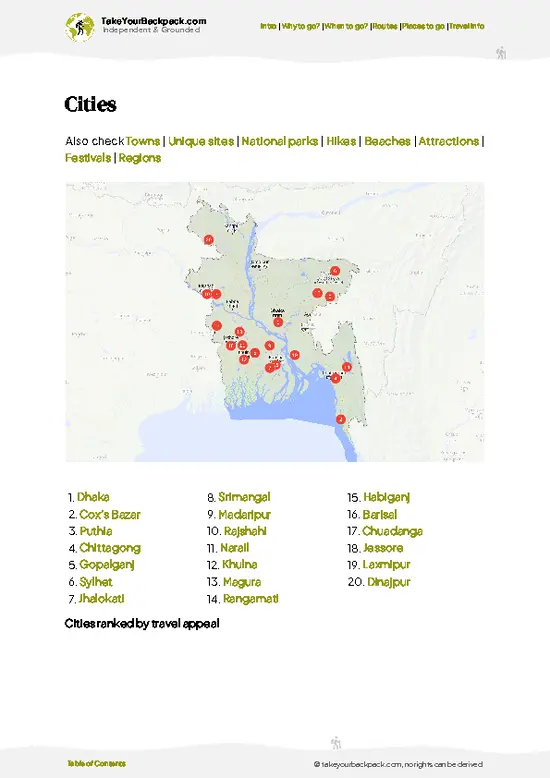
example page 2 from our offline Travel Guide for Bangladesh
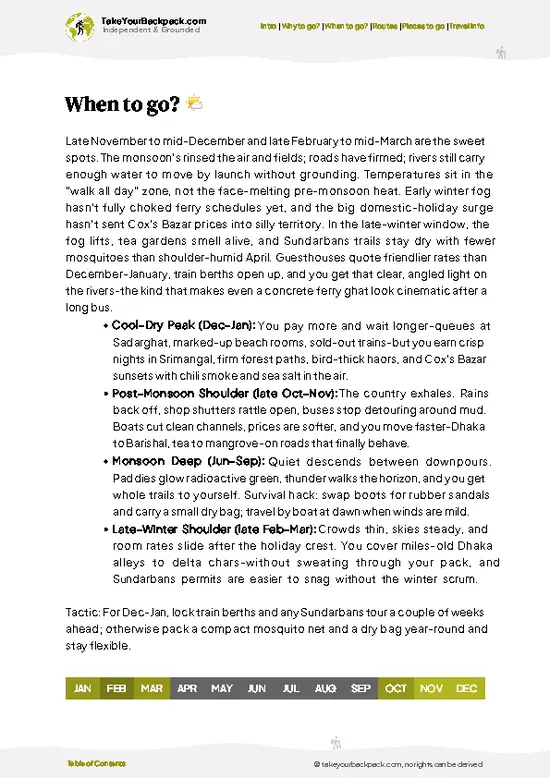
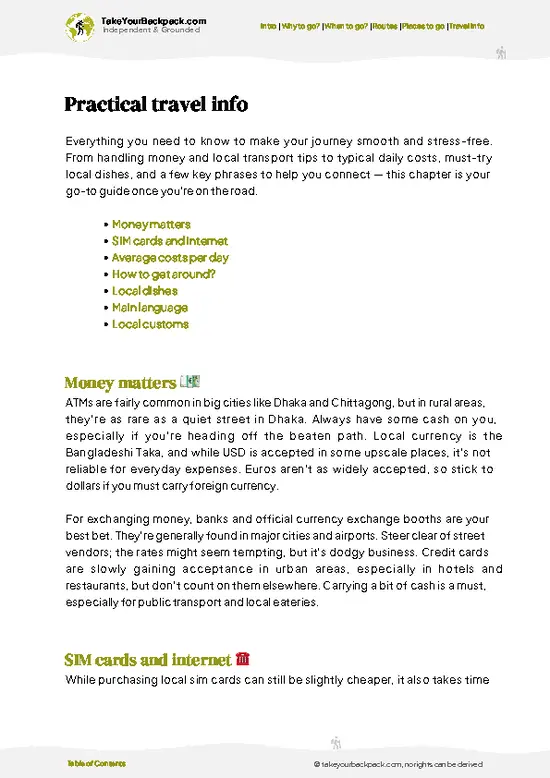
example page 3 from our offline Travel Guide for Bangladesh
example page 4 from our offline Travel Guide for Bangladesh
example page 5 from our offline Travel Guide for Bangladesh
example page 6 from our offline Travel Guide for Bangladesh
example page 7 from our offline Travel Guide for Bangladesh
The digital guide (369 pages) contains:
107 highlights, ranked by travel appeal
Optimized 7, 14 & 21-day travel routes
Cities, national parks, landmarks, beaches
How to get around
Offline-friendly for travel without Wi-Fi
👉 Click to see all 30+ guide features

📅 Plan smarter in minutes, not weeks
Month by month travel advice
Festivals & national holidays
Budget expectations

🗺️ Go to the right places, skip the overrated ones
Honest pros & cons of destinations
Top hikes, parks & viewpoints
Lesser-known places most travelers miss
Clear “worth it vs skip it” guidance

🛏️ Travel smoothly without rookie mistakes
Best areas to stay
Transport systems explained simply
Common scams & safety advice
SIM cards, money & practical tips

🌍 Understand the country, not just visit it
Culture & traditions
52 Essential phrases & customs
Festivals worth planning around
Traveler-friendly historical context
Insights that make places more meaningful

📱 Built for real travel conditions
Fully downloadable PDF
Works completely offline
Optimized for phone use
Useful in remote areas & buses
Everything in one place
Save weeks of stressful planning
Get instant access to your full guide. 30‑day money-back guarantee.


By proceeding you agree to our terms.
Sent to your inbox immediately after payment • 100% Secure Checkout
Best Backpacking Travel Advisor 2025 tourism awardBest Backpacking
Travel Advisor
2025
What others say about Take Your Backpack Guides:
⭐⭐⭐⭐⭐
Fantastic, amazing amount of information!
⭐⭐⭐⭐⭐
My goodness this is amazing, it's what I've been looking for hats off too you!
⭐⭐⭐⭐⭐
I think this is absolutely BRILLIANT
⭐⭐⭐⭐
Very complete and informative. It's still missing places, but I gotta to commend you
⭐⭐⭐⭐⭐
This is truly amazing, thank you, can't wait to explore it with my kids!
⭐⭐⭐⭐⭐
Awesome resource, thank you!
⭐⭐⭐⭐⭐
This is amazing! Can't wait to explore the ones I haven't seen
⭐⭐⭐⭐
I love this! Well done, great idea.
⭐⭐⭐⭐⭐
Thanks for taking the time to make this gem!
⭐⭐⭐⭐⭐
This might be the best website I've ever seen.
⭐⭐⭐⭐⭐
Congratulations, and thank you so much for your work; it's incredibly valuable.
⭐⭐⭐⭐
In all seriousness I think you did a great job pointing out the important spots
⭐⭐⭐⭐⭐
10/10 very good
⭐⭐⭐⭐⭐
As someone who's only just starting to visit regularly this is awesome, thank you.
⭐⭐⭐⭐
Thank you very much! I'm going to visit my dad, it's going to be very useful!
⭐⭐⭐⭐⭐
This is really cool! We'll be travelling for the first time and this definitely come in handy.
⭐⭐⭐⭐⭐
You are now our minister of culture, congratulations 👨‍💼
⭐⭐⭐⭐⭐
Just wanted to tell you that this is a pearl! Going to follow your recommendations.
⭐⭐⭐⭐⭐
This is so cool. I'll definitely be using the resource for my travels soon.
⭐⭐⭐⭐⭐
This is very impressive! Good work.
⭐⭐⭐⭐⭐
This is an amazing and informative site. Very well done!

🛏️ Where to stay?How to pick the right area

Staying near the National Museum of Bangladesh means diving into the heart of Dhaka’s old-school vibe mixed with a dash of modern chaos. The immediate area around Shahbagh is your best bet. It’s not a polished tourist district, so don’t expect cushy cafes or Instagrammable corners on every block. Instead, you get the real Dhaka—buzzing streets, street food stalls that smell like a mix of spices and exhaust, and locals who are curious but respectful. It’s safe enough during the day, and the backpacker crowd here is small but tight-knit, mostly students and solo travelers who want to soak in the … read more 👉
Staying near the National Museum of Bangladesh means diving into the heart of Dhaka’s old-school vibe mixed with a dash of modern chaos. The immediate area around Shahbagh is your best bet. It’s not a polished tourist district, so don’t expect cushy cafes or Instagrammable corners on every block. Instead, you get the real Dhaka—buzzing streets, street food stalls that smell like a mix of spices and exhaust, and locals who are curious but respectful. It’s safe enough during the day, and the backpacker crowd here is small but tight-knit, mostly students and solo travelers who want to soak in the culture without the tourist bubble.

If you want to stretch your legs a bit, Dhanmondi is another solid choice. It’s a bit more laid-back, with parks and lakes to chill by after a day of museum-hopping. It’s popular with locals and expats, so you’ll find more guesthouses and social spots where you can meet other travelers without the tourist trap prices. Both areas keep you close to the museum but also give you a genuine slice of Dhaka life—no frills, just the real deal.

👛 Costs (as of 5 March 2026)What things cost and how to budget

The entrance fee for the National Museum of Bangladesh typically ranges from USD 2 for local visitors to around USD 5 for foreign tourists. Additional costs may include fees for guided tours or photography permits, which can vary but generally remain under USD 10.
⚠️ Prices can change and everyone travels differently, so take this as a rough guide. Hope it helps you plan your adventure!

Other Bangladeshi attractions near National Museum of Bangladesh

Explore more nearby:


💡 Not sure where to go next?
Create a personalized itinerary for Bangladesh including National Museum of Bangladesh and the places that fit your trip.

Generate my itinerary

👉 Discover all attractions

Or checkout all Bangladesh has to offer (think cities, towns, villages, national parks, hikes, beaches, festivals)
Country photo of Bangladesh

We 💚 feedbackWhat to keep in mind

The National Museum of Bangladesh isn’t your typical polished tourist stop. Expect a bit of chaos—crowds, uneven signage, and some exhibits that feel stuck in time. But that’s exactly where the charm lies. The real magic is in the raw, unfiltered dive into Bangladesh’s soul: folk art that hits you in the gut, and history told with grit, not gloss. If you want curated perfection, look elsewhere. Here, you get honesty—and that’s priceless.

✍️ Help improve this page!
The information on this page is based on in-depth research, insights shared by experienced travelers, and feedback from the local travel community in Bangladesh. While every effort is made to keep the information accurate and current, conditions can change — so if you spot anything incorrect or outdated, please get in touch.


🙋‍♂️ Give feedback

👋 Meet the founderWho’s Behind Take Your Backpack?

Johan, backpacker and founder of TakeYourBackpackHi, I’m Johan (Netherlands 🇳🇱), the creator of TakeYourBackpack. Over the past decade, I’ve backpacked through 80+ countries across six continents, gaining extensive experience with independent travel, long-term trips, and overland routes.

This site is built on a combination of firsthand travel experience and carefully curated insights from other backpackers. Many guides are based on places I’ve personally visited, while others bring together tips, observations, and practical advice shared by trusted travelers I’ve met along the way.

The goal is to provide realistic, experience-driven guidance — not generic itineraries — so you can explore destinations with better context, clearer expectations, and more confidence.

Get full Bangladesh guide •
Instant download • 107 highlights • Full Offline guide