v2.webp)
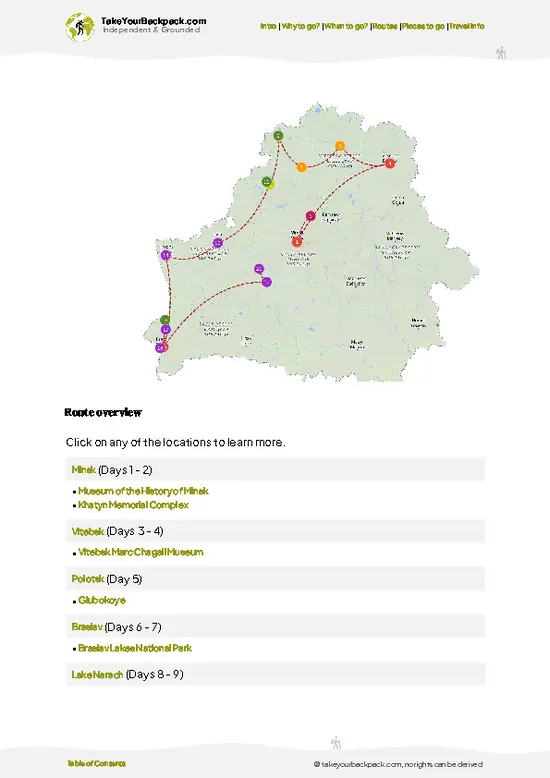
- Polesie peat bogs and wetland mosaics — sprawling sphagnum bogs, reed beds and shallow ponds create a patchwork of colors and textures. The peatlands are the backbone of the reserve’s ecology: quiet, oddly beautiful, and full of insect and plant life you won’t see in drier forests.
- Pripyat River floodplain — slow, winding channels, oxbow lakes and seasonally flooded meadows make this a prime spot for drifting boat trips and riverside hikes. Look for beaver activity on the banks and dense dragonfly swarms in summer.
- Abandoned villages and reclaimed farmland — houses, orchards and roads slowly being taken over by willow and pine. It’s a striking example of nature reclaiming human spaces — great for low-light photography and seeing how ecosystems change when people leave.
- Mixed forest mosaics
- Polesie peat bogs and wetland mosaics — sprawling sphagnum bogs, reed beds and shallow ponds create a patchwork of colors and textures. The peatlands are the backbone of the reserve’s ecology: quiet, oddly beautiful, and full of insect and plant life you won’t see in drier forests.
- Pripyat River floodplain — slow, winding channels, oxbow lakes and seasonally flooded meadows make this a prime spot for drifting boat trips and riverside hikes. Look for beaver activity on the banks and dense dragonfly swarms in summer.
- Abandoned villages and reclaimed farmland — houses, orchards and roads slowly being taken over by willow and pine. It’s a striking example of nature reclaiming human spaces — great for low-light photography and seeing how ecosystems change when people leave.
- Mixed forest mosaics — a mix of broadleaf and conifer stands, with lots of understory variety. In mushroom and berry season the woods are productive (but don’t forage there without permission) and autumn colors can be spectacular.
- Large mammals and river mammals — the reserve supports elk (moose), wild boar and wolves, while rivers and streams host beavers and otters. Sightings aren’t guaranteed, but the sheer density of signs (tracks, bites on trees, wallows) is impressive.
- Birdlife and migration stopover sites — marshes and floodplains attract cranes, storks, eagles and other raptors, plus a host of waterbirds. Spring and autumn migrations light up the skies; small hides and elevated banks are the best places to watch.
- Guided routes, observation points and safety rules — access to the reserve is regulated, so the real way to see highlights is on an official guided route or boat trip. Guides know where to go, where radiation monitoring is in place, and what to avoid (don’t touch building interiors or pick wild food). Arrange permits through the reserve authorities or a trusted local operator and stick to marked routes.
Spotted a mistake or missing something? Contact us.

 Best Backpacking
.jpg) Hi, I’m Johan (Netherlands 🇳🇱), the creator of TakeYourBackpack. Over the past 3 decades, I’ve backpacked through 90+ countries across six continents, gaining extensive experience with independent travel, long-term trips, and overland routes.
Hi, I’m Johan (Netherlands 🇳🇱), the creator of TakeYourBackpack. Over the past 3 decades, I’ve backpacked through 90+ countries across six continents, gaining extensive experience with independent travel, long-term trips, and overland routes.