
×

Bermuda🇧🇲 | attractionsBermuda Aquarium Museum & ZooNorth Rock reef tank, seal pools, lemurs, cahow exhibit | things to do and best time to go

Explore Fort St. CatherineExplore Horseshoe Bay Beach

Backpacking in Bermuda Aquarium Museum & Zoo
👀 For curious travelersattraction ranked #5
By Johan Kruseman 🇳🇱 | Updated October 20, 2026

The Bermuda Aquarium Museum & Zoo is a modern marine and natural history center with a proper zoo, not a small tank-and-fish-tray attraction. It sits in Flatts Village, Smith’s Parish, on the north shore of Bermuda, on the road that links Hamilton with the East End. Here is how it works: the North Rock exhibit is a huge coral reef tank, and the seal and otter pools are outdoors, so the animals are most active when feeding talks run. An experienced traveler checks the posted talk schedule at the gate and plans the walk around it instead of drifting round at random. The wow-factor is real but gentle, with sea turtles, sharks, lemurs, and Bermuda’s own reef life. Crowds are thin outside cruise-ship days, and the bus stops right outside. For the money it suits anyone who wants context before snorkeling. Come in the morning, when it is cooler and the animals are livelier.

Discover everything you want to know in the 📖 Bermuda Travel Guide.


example page 0 from our offline Travel Guide for Bermuda
example page 1 from our offline Travel Guide for Bermuda
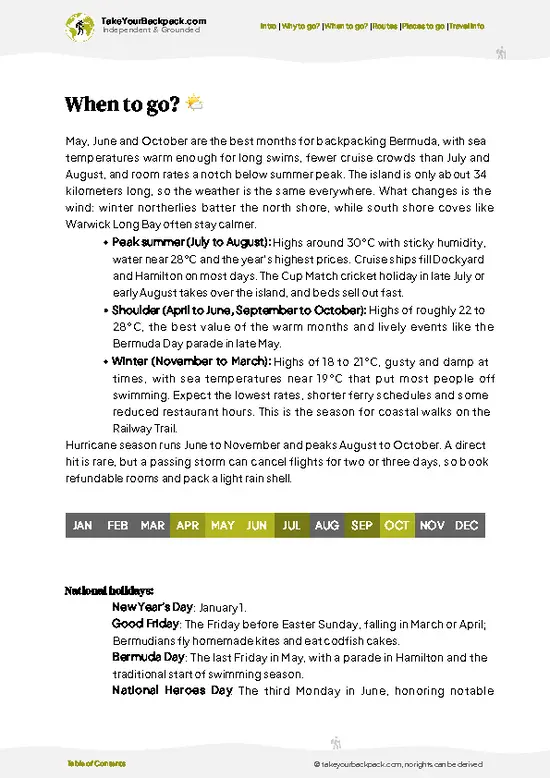
example page 2 from our offline Travel Guide for Bermuda
example page 3 from our offline Travel Guide for Bermuda
example page 4 from our offline Travel Guide for Bermuda
example page 5 from our offline Travel Guide for Bermuda
example page 6 from our offline Travel Guide for Bermuda
Loading the map 🌍
CLICK TO FILTER
cities
national parks
hikes
beaches
attractions
festivals
SHOW COUNTRY’S BESTSHOW ALL

✨ Why go?
Ranked #5 attraction in Bermuda
Why Bermuda Aquarium Museum & Zoo should be on your travel list

Bermuda Aquarium Museum & Zoo explains the island you are standing on. The North Rock tank recreates the reefs off Bermuda’s north shore, the northernmost coral reefs in the world, so a snorkel trip afterward makes far more sense. You see the parrotfish, groupers and moray eels before you meet them in the water.

The second reason is the island’s natural history. The museum covers Bermuda’s geology, its volcanic origins and the story of the cahow, a seabird once thought extinct. That makes it a rare place to understand why this speck in the Atlantic is so unusual.

It is also easy to fit in. Flatts Village is on the main bus route, the inlet next door is pleasant for a stroll, and the visit works as a rainy-day plan when beaches are off the table.

💡 HighlightsPlaces and moments you shouldn't skip

  1. North Rock Exhibit: The centerpiece is a large tank modeled on Bermuda’s offshore reef, with sharks, rays, big groupers and turtles circling past viewing windows.
  2. Seal and Harbor Seal Pools: Outdoor pools let you watch seals swim and dive at eye level, best around feeding talks.
  3. Tropical Gallery: Brightly colored reef fish, jellyfish and seahorses are shown in smaller tanks, so you can study details the big tank hides.
  4. Australasia Exhibit: Wallabies, tree kangaroos and other animals from the Pacific region give the zoo side its own character.
  5. Lemur Habitat: Ring-tailed lemurs climb and sunbathe in an open enclosure, and they are usually easy to spot.
  6. Natural History Museum: Exhibits cover Bermuda’s geology, wildlife and human history, including the cahow, the island’s rare native seabird.
  7. Turtle
… read more 👉
  1. North Rock Exhibit: The centerpiece is a large tank modeled on Bermuda’s offshore reef, with sharks, rays, big groupers and turtles circling past viewing windows.
  2. Seal and Harbor Seal Pools: Outdoor pools let you watch seals swim and dive at eye level, best around feeding talks.
  3. Tropical Gallery: Brightly colored reef fish, jellyfish and seahorses are shown in smaller tanks, so you can study details the big tank hides.
  4. Australasia Exhibit: Wallabies, tree kangaroos and other animals from the Pacific region give the zoo side its own character.
  5. Lemur Habitat: Ring-tailed lemurs climb and sunbathe in an open enclosure, and they are usually easy to spot.
  6. Natural History Museum: Exhibits cover Bermuda’s geology, wildlife and human history, including the cahow, the island’s rare native seabird.
  7. Turtle and Flamingo Areas: Green sea turtles and flamingos make easy, relaxed stops, and they are good for photos in morning light.
Allow about two to three hours to see everything at an unhurried pace.
Spotted a mistake or missing something? Contact us.

🌤️ When to go?Best time to visit Bermuda Aquarium Museum & Zoo

  • Spring (March to May): Daytime highs run 20 to 25°C (68 to 77°F), and the outdoor exhibits, including the seal and tortoise areas, are comfortable to walk. School groups fill mornings, so arrive at opening for quiet space.
  • Summer (June to September): Expect 27 to 31°C (81 to 88°F) with heavy humidity, and long daylight that gives you plenty of time. Cruise ships and families push crowds up in July and August. Hotel rates peak, though the aquarium entry price stays the same.
  • Autumn (October to November): Highs of 24 to 28°C (75 to 82°F), thinner crowds and lower accommodation prices. Hurricane season tails off, so a stormy day can close outdoor areas.
  • Winter (December to February): Highs of 17 to 21°C (63 to 70°F), shorter days and the quietest visits. Rain showers are common, but the indoor North
… read more 👉
  • Spring (March to May): Daytime highs run 20 to 25°C (68 to 77°F), and the outdoor exhibits, including the seal and tortoise areas, are comfortable to walk. School groups fill mornings, so arrive at opening for quiet space.
  • Summer (June to September): Expect 27 to 31°C (81 to 88°F) with heavy humidity, and long daylight that gives you plenty of time. Cruise ships and families push crowds up in July and August. Hotel rates peak, though the aquarium entry price stays the same.
  • Autumn (October to November): Highs of 24 to 28°C (75 to 82°F), thinner crowds and lower accommodation prices. Hurricane season tails off, so a stormy day can close outdoor areas.
  • Winter (December to February): Highs of 17 to 21°C (63 to 70°F), shorter days and the quietest visits. Rain showers are common, but the indoor North Rock exhibit stays dry. Flights and rooms are cheapest now.
Go on a weekday morning outside July and August, and use rainy afternoons for the indoor galleries.


source: climatestotravel.comJANJanuary: highly recommended for travelingFEBFebruary: highly recommended for travelingMARMarch: highly recommended for travelingAPRApril: highly recommended for travelingMAYMay: highly recommended for travelingJUNJune: good for travelingJULJuly: fair for travelingAUGAugust: fair for travelingSEPSeptember: good for travelingOCTOctober: highly recommended for travelingNOVNovember: highly recommended for travelingDECDecember: highly recommended for traveling
when-to-go

✈️ The backpacker research shortcutBermuda Travel Guide

An offline-friendly backpacking guide with optimized travel routes, ranked highlights, transport advice, and the best areas to stay.
example page 0 from our offline Travel Guide for Bermuda
example page 1 from our offline Travel Guide for Bermuda
example page 2 from our offline Travel Guide for Bermuda
example page 3 from our offline Travel Guide for Bermuda
example page 4 from our offline Travel Guide for Bermuda
example page 5 from our offline Travel Guide for Bermuda
example page 6 from our offline Travel Guide for Bermuda
The digital guide (81 pages) contains:
✅ 18 highlights, ranked by travel appeal
✅ Optimized 5, 10 & 15-day travel routes
✅ Cities, national parks, landmarks, beaches
✅ How to get around
✅ Offline-friendly for travel without Wi-Fi
👉 Click to see all 30+ guide features

📅 Plan smarter in minutes, not weeks
✅ Month by month travel advice
✅ Festivals & national holidays
✅ Budget expectations

🗺️ Go to the right places, skip the overrated ones
✅ Honest pros & cons of destinations
✅ Top hikes, parks & viewpoints
✅ Lesser-known places most travelers miss
✅ Clear “worth it vs skip it” guidance

🛏️ Travel smoothly without rookie mistakes
✅ Best areas to stay
✅ Transport systems explained simply
✅ Common scams & safety advice
✅ SIM cards, money & practical tips

🌍 Understand the country, not just visit it
✅ Culture & traditions
✅ Local customs
✅ Festivals worth planning around
✅ Traveler-friendly historical context
✅ Insights that make places more meaningful

📱 Built for real travel conditions
✅ Fully downloadable PDF
✅ Works completely offline
✅ Optimized for phone use
✅ Useful in remote areas & buses
✅ Everything in one place
Stop searching, start planning
Get instant access to your full guide. 30‑day money-back guarantee.
+ Add another guide for just

By proceeding you agree to our terms.
Sent to your inbox immediately after payment • 100% Secure Checkout
Best Backpacking Travel Advisor 2025 tourism awardBest Backpacking
Travel Advisor
2025
What others say about Take Your Backpack Guides:
⭐⭐⭐⭐⭐
Fantastic, amazing amount of information!
⭐⭐⭐⭐⭐
My goodness this is amazing, it's what I've been looking for hats off too you!
⭐⭐⭐⭐⭐
I think this is absolutely BRILLIANT
⭐⭐⭐⭐
Very complete and informative. It's still missing places, but I gotta to commend you
⭐⭐⭐⭐⭐
This is truly amazing, thank you, can't wait to explore it with my kids!
⭐⭐⭐⭐⭐
Awesome resource, thank you!
⭐⭐⭐⭐⭐
This is amazing! Can't wait to explore the ones I haven't seen
⭐⭐⭐⭐
I love this! Well done, great idea.
⭐⭐⭐⭐⭐
Thanks for taking the time to make this gem!
⭐⭐⭐⭐⭐
This might be the best website I've ever seen.
⭐⭐⭐⭐⭐
Congratulations, and thank you so much for your work; it's incredibly valuable.
⭐⭐⭐⭐
In all seriousness I think you did a great job pointing out the important spots
⭐⭐⭐⭐⭐
10/10 very good
⭐⭐⭐⭐⭐
As someone who's only just starting to visit regularly this is awesome, thank you.
⭐⭐⭐⭐
Thank you very much! I'm going to visit my dad, it's going to be very useful!
⭐⭐⭐⭐⭐
This is really cool! We'll be travelling for the first time and this definitely come in handy.
⭐⭐⭐⭐⭐
You are now our minister of culture, congratulations 👨‍💼
⭐⭐⭐⭐⭐
Just wanted to tell you that this is a pearl! Going to follow your recommendations.
⭐⭐⭐⭐⭐
This is so cool. I'll definitely be using the resource for my travels soon.
⭐⭐⭐⭐⭐
This is very impressive! Good work.
⭐⭐⭐⭐⭐
This is an amazing and informative site. Very well done!

🛏️ Where to stay?Where staying makes the most sense

Stay in Hamilton or Flatts Village, because both put you within a short bus ride or walk of the aquarium in Flatts and keep costs lower than the resort belt.
Flatts Village: This is the closest option, a few minutes from the aquarium on Flatts Inlet. It is quiet and safe at night, with a handful of guesthouses and small inns and a couple of cafes. Nightlife is minimal, so it suits travelers who want calm and early starts.
Hamilton: The capital is the best base for budget travelers. Buses along Harbour Road reach Flatts in about 15 to 20 minutes, and the ferry terminal and bus terminal sit side by … read more 👉
Stay in Hamilton or Flatts Village, because both put you within a short bus ride or walk of the aquarium in Flatts and keep costs lower than the resort belt.
Flatts Village: This is the closest option, a few minutes from the aquarium on Flatts Inlet. It is quiet and safe at night, with a handful of guesthouses and small inns and a couple of cafes. Nightlife is minimal, so it suits travelers who want calm and early starts.
Hamilton: The capital is the best base for budget travelers. Buses along Harbour Road reach Flatts in about 15 to 20 minutes, and the ferry terminal and bus terminal sit side by side. You get the widest choice of cheap eats, grocery stores and pubs, and it is the easiest place to meet other travelers. Streets are well lit and safe, but a lot of the center closes early on Sundays.
Paget and Warwick: A short bus ride south of Hamilton, these parishes have guesthouses and housing near Elbow Beach and Horseshoe Bay. They suit travelers who want beach time, with the aquarium reachable in 30 to 40 minutes by bus.
Bermuda has very few true hostels, so book guesthouses early for summer, and look for kitchen access to hold down food costs.

👛 Costs (as of 20 October 2026)What things cost and how to budget

A day at Bermuda Aquarium Museum & Zoo costs a backpacker about US$149 to 208 in high season, including entry, transport, food and a guesthouse bed.
CategoryBudget RangeLocal Reality
Entry ticket (adult)US$15 to 20Covers the aquarium, museum and zoo; children and seniors pay less.
Bus transportUS$4 to 8A single ride is about US$4; day passes are better value for several trips.
Food and drinkUS$25 to 45The on-site cafe is pricey, so pack a sandwich and buy groceries in Hamilton.
Accommodation (high season)US$100 to 120Guesthouse rooms are the cheapest option; rates fall in winter.
ExtrasUS$5 to 15Gift shop items, special feeding encounters and animal experiences cost more.
Total Daily BudgetUS$149 to 208Roughly US$180 for a mid-range day in summer.
⚠️ Prices can change and everyone travels differently, so take this as a rough guide. Hope it helps you plan your adventure!

FAQTraveler FAQ

Plan two to three hours at Bermuda Aquarium Museum & Zoo, or half a day if you want to see everything. The North Rock exhibit, seal pool and tortoise areas take about 90 minutes, while the museum and the Atlantic Ocean gallery add another hour. Feeding talks run on set times, so check the schedule at the gate.
Yes for most travelers, since Bermuda Aquarium Museum & Zoo costs roughly US$15 to 20 for adults and covers the aquarium, museum and zoo in one ticket. The coral reef tank, harbor seals and sea turtles are things you would otherwise need a boat or snorkel trip to see. Skip it if you have only one day and want to spend it on the beaches.
Take a bus from Hamilton to Flatts Village, which runs along Harbour Road in about 15 to 20 minutes for around US$4 a ride. Bermuda Aquarium Museum & Zoo is a short walk from the Flatts stop. Taxis from Hamilton cost roughly US$20 to 30, and tourists cannot rent cars, so buses, ferries and scooters are the main options.
⚠️ Things can change over time, so always validate details locally before you go.

Other Bermudian attractions near Bermuda Aquarium Museum & Zoo

Explore more nearby:

  • Crystal Caves—Pontoon over saltwater lake, stalactite chambers, Fantasy Cave| 4 km away
  • Royal Naval Dockyard—Fortress museum, Ireland Island, Commissioner’s House, craft lanes| 9 km away
  • Fort St. Catherine—Limestone ramparts, Victorian cannon, drawbridge, tunnels| 10 km away

💡 Not sure where to go next?
Create a personalized itinerary for Bermuda including Bermuda Aquarium Museum & Zoo and the places that fit your trip.

Generate my itinerary

👉 Discover all attractions

Or checkout all Bermuda has to offer (think cities, towns, villages, national parks, hikes, beaches, festivals)
Country photo of Bermuda

We 💚 feedbackKey takeaways before you go

Bermuda Aquarium Museum & Zoo works best as a half-day stop, three hours at most, so do not build a whole day around it. Pair it with a walk around Flatts Inlet and lunch in the village, then move on. I would go early on a weekday, skip the gift shop rush, and bring a hat for the open pools.

✍️ Help improve this page!
The information on this page is based on in-depth research, insights shared by experienced travelers, and feedback from the local travel community in Bermuda. While every effort is made to keep the information accurate and current, conditions can change — so if you spot anything incorrect or outdated, please get in touch.


🙋‍♂️ Give feedback

👋 Meet the founderWho’s Behind Take Your Backpack?

Johan, backpacker and founder of TakeYourBackpackHi, I’m Johan (Netherlands 🇳🇱), the creator of TakeYourBackpack. Over the past 3 decades, I’ve backpacked through 90+ countries across six continents, gaining extensive experience with independent travel, long-term trips, and overland routes.

This site is built on a combination of firsthand travel experience and carefully curated insights from other backpackers. Many guides are based on places I’ve personally visited, while others bring together tips, observations, and practical advice shared by trusted travelers I’ve met along the way.

The goal is to provide realistic, experience-driven guidance — not generic itineraries — so you can explore destinations with better context, clearer expectations, and more confidence.