×

Bhutan🇧🇹 | festivalsParo Tshechugiant thangka, dzong courtyard, spring gathering | things to do and best time to go

Explore Jambay Lhakhang DrupExplore Punakha Drubchen

Backpacking in Paro Tshechu
🏆 Top pickfestival ranked #1
By Johan Kruseman 🇳🇱 | Updated October 15, 2026

Here’s the trick nobody tells you until you’re already in Bhutan, boots dusty and rupee notes thinning: if you time your arrival for the opening days of Paro Tshechu, you’ll dodge the worst crowds, snag better vantage points, and catch the monks’ masked dances before fatigue sets in. Paro Tshechu unfolds in the shadow of Paro Dzong, a fortress-monastery perched above the Paro Valley—Bhutan’s postcard-perfect slice of the Himalayas. This isn’t your average backpacker’s festival. It’s a riot of color and movement, with hypnotic drumbeats, ancient horns, and the kind of chanting that vibrates in your chest. Locals pour in from remote villages, dressed in their finest, and a handful of travelers—those who did their homework—blend in at the edges. The festival runs for five days, usually in spring, and the energy is contagious: reverent, rowdy, and utterly communal. If you crave authenticity over Instagram fodder, Paro Tshechu delivers, but only if you’re ready to move with the rhythm, not just watch from the sidelines.

Discover everything you want to know in the 📖 Bhutan Travel Guide.


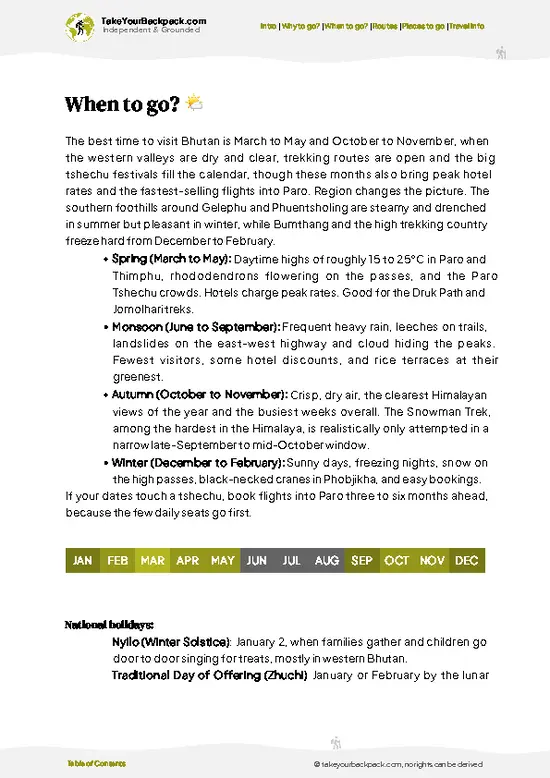
example page 0 from our offline Travel Guide for Bhutan
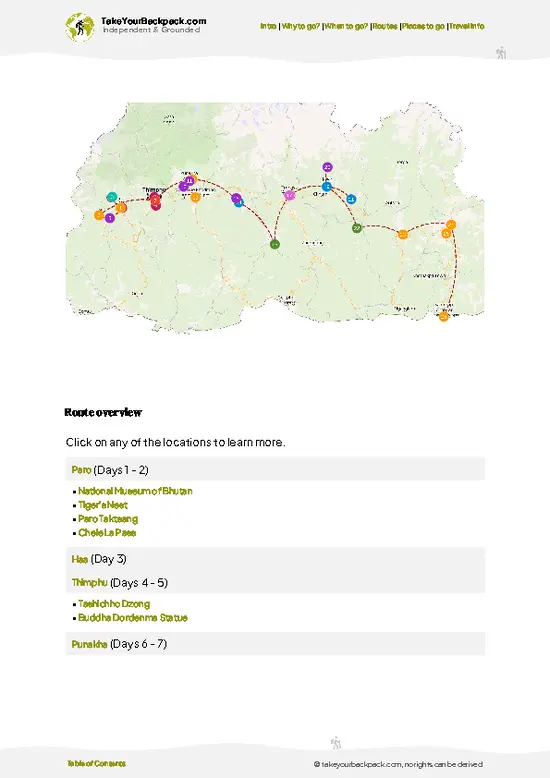
example page 1 from our offline Travel Guide for Bhutan
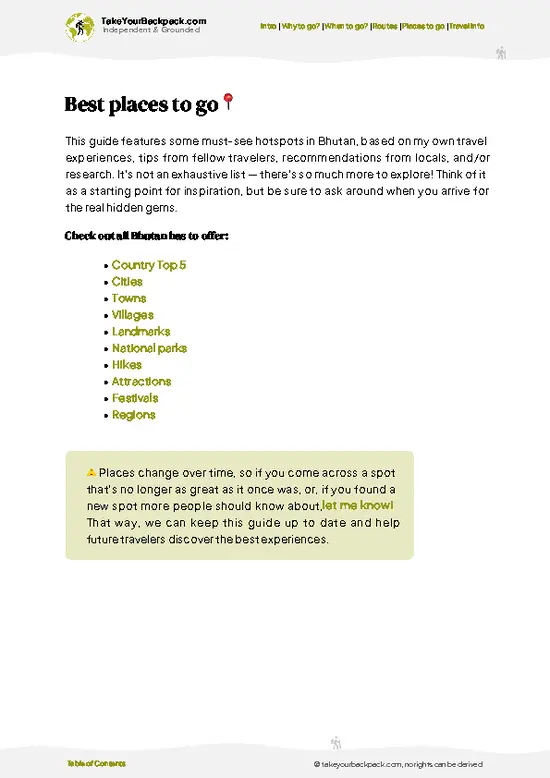
example page 2 from our offline Travel Guide for Bhutan
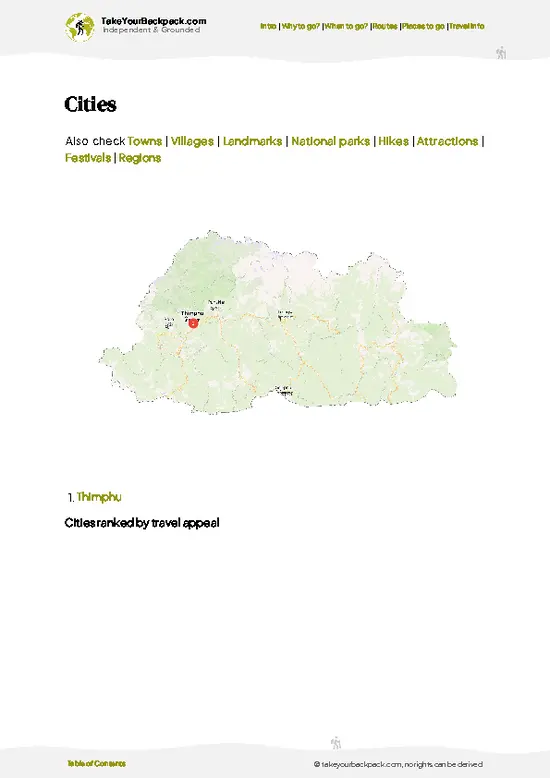
example page 3 from our offline Travel Guide for Bhutan
example page 4 from our offline Travel Guide for Bhutan
example page 5 from our offline Travel Guide for Bhutan
example page 6 from our offline Travel Guide for Bhutan
example page 7 from our offline Travel Guide for Bhutan
Loading the map 🌍
CLICK TO FILTER
cities
towns
villages
landmarks
national parks
hikes
attractions
festivals
regions
SHOW COUNTRY’S BESTSHOW ALL

✨ Why go?
Ranked #1 festival in Bhutan
Why visitors keep coming back

Backpackers flock to Bhutan’s Paro Tshechu for a reason. This festival isn’t just a spectacle; it’s a social energy powerhouse. Imagine vibrant costumes, rhythmic dancing, and the palpable buzz of a temporary community forming right before your eyes. You’re not just a spectator; you’re part of something bigger, a cultural immersion that’s hard to replicate elsewhere.

Planning your route around Paro Tshechu means you’re tapping into a unique experience that’s both affordable and rich in authenticity. Compared to similar events around the globe, this festival offers a front-row seat to Bhutanese culture without breaking the bank. You’ll witness rituals and traditions that have been preserved for centuries, all while mingling with locals who are eager to share their stories.

Plus, it fits seamlessly … read more 👉
Backpackers flock to Bhutan’s Paro Tshechu for a reason. This festival isn’t just a spectacle; it’s a social energy powerhouse. Imagine vibrant costumes, rhythmic dancing, and the palpable buzz of a temporary community forming right before your eyes. You’re not just a spectator; you’re part of something bigger, a cultural immersion that’s hard to replicate elsewhere.

Planning your route around Paro Tshechu means you’re tapping into a unique experience that’s both affordable and rich in authenticity. Compared to similar events around the globe, this festival offers a front-row seat to Bhutanese culture without breaking the bank. You’ll witness rituals and traditions that have been preserved for centuries, all while mingling with locals who are eager to share their stories.

Plus, it fits seamlessly into longer travel plans. You can trek through the stunning landscapes of Bhutan, then dive into the heart of its culture at the festival. This blend of adventure and celebration keeps your energy high and your budget intact, ensuring you’re ready for every moment that truly matters.

💡 HighlightsThe experiences that define the visit

  1. Cham (masked ritual dances) — Colorful, athletic masked dances performed by monks and lay dancers that turn myth, history and moral lessons into a visual sermon. The masks, layered costumes and precise movements are centuries-old choreography; watching a full cham is witnessing Bhutanese storytelling in its purest, least commercial form.
  2. Great thongdrel unveiling — A massive, hand-sewn sacred thangka is unfurled only for a short, reverent window, often at dawn or dusk. The hush, the sea of prostrating pilgrims and the idea that simply seeing it brings blessings make this moment deeply solemn and unforgettable.
  3. Bhutanese dress and the village gathering vibe — The whole valley becomes a runway of kira and gho, with families picnicking on rugs and elders catching up between rituals. It’s
… read more 👉
  1. Cham (masked ritual dances) — Colorful, athletic masked dances performed by monks and lay dancers that turn myth, history and moral lessons into a visual sermon. The masks, layered costumes and precise movements are centuries-old choreography; watching a full cham is witnessing Bhutanese storytelling in its purest, least commercial form.
  2. Great thongdrel unveiling — A massive, hand-sewn sacred thangka is unfurled only for a short, reverent window, often at dawn or dusk. The hush, the sea of prostrating pilgrims and the idea that simply seeing it brings blessings make this moment deeply solemn and unforgettable.
  3. Bhutanese dress and the village gathering vibe — The whole valley becomes a runway of kira and gho, with families picnicking on rugs and elders catching up between rituals. It’s less a tourist spectacle and more a living social event, perfect for seeing how community and faith mix in everyday Bhutanese life.
  4. Ritual music, chanting and instruments — The low throat chants, long horns (dungchen), drums and cymbals aren’t background music — they’re an immersive soundscape that shapes the festival’s mood. That acoustic texture gives Paro Tshechu a spine-tingling, almost hypnotic quality.
  5. Local crafts, food stalls and small-market atmosphere — Stalls sell handicrafts, prayer flags, blessed trinkets and hearty festival food (think spicy, warming dishes). It’s a practical place to pick up authentic souvenirs, taste local flavors, and support artisans—just bring small bills and a patient appetite.
Spotted a mistake or missing something? Contact us.

Things to do around Paro Tshechu

Ratings based on Tripadvisor reviews. When you book through this link, you support our work at no extra cost to you.

🌤️ When to go?When is the celebration of Paro Tshechu?

  • Weather: Paro Tshechu falls in spring, usually late March to early April. Expect crisp, dry air with daytime temps around 15-20°C (59-68°F). Nights dip to 5-10°C (41-50°F), so pack layers. Rain is rare but can surprise, so a light waterproof won’t weigh you down.
  • Temperature: Days are comfortably cool, perfect for trekking and standing through long ceremonies without overheating. The chill in the morning and evening demands a warm jacket, especially if you camp or stay in basic lodges.
  • Daylight Hours: You get roughly 12 hours of daylight, enough to catch the full festival and sneak in hikes before or after. Early starts pay off—sunrise around 6:30 AM means you can beat the crowds and soak in the mountain light.
  • Crowds: Paro Tshechu draws Bhutan’s best and a steady stream of tourists.
… read more 👉
  • Weather: Paro Tshechu falls in spring, usually late March to early April. Expect crisp, dry air with daytime temps around 15-20°C (59-68°F). Nights dip to 5-10°C (41-50°F), so pack layers. Rain is rare but can surprise, so a light waterproof won’t weigh you down.
  • Temperature: Days are comfortably cool, perfect for trekking and standing through long ceremonies without overheating. The chill in the morning and evening demands a warm jacket, especially if you camp or stay in basic lodges.
  • Daylight Hours: You get roughly 12 hours of daylight, enough to catch the full festival and sneak in hikes before or after. Early starts pay off—sunrise around 6:30 AM means you can beat the crowds and soak in the mountain light.
  • Crowds: Paro Tshechu draws Bhutan’s best and a steady stream of tourists. Arriving early in the festival helps you avoid the peak crush. Weekdays are quieter than weekends, so plan accordingly if you want elbow room.
  • Seasonal Activities: Spring blooms add color beyond the festival—rhododendrons and magnolias burst into life. This is prime trekking season, so combine your cultural fix with a trail to Tiger’s Nest or nearby valleys.
  • Price Fluctuations: Festival season spikes prices on flights, accommodation, and guides. Book months ahead to lock in rates. Budget travelers should expect a premium but can save by staying in guesthouses a short drive from Paro town.
Pro-tip: Time your visit for early festival days and early mornings to dodge crowds and catch the crisp mountain air at its best—energy saved here fuels every step and every smile.


source: climatestotravel.comJANJanuary: not recommended for travelingFEBFebruary: not recommended for travelingMARMarch: excellent for travelingAPRApril: not recommended for travelingMAYMay: not recommended for travelingJUNJune: not recommended for travelingJULJuly: not recommended for travelingAUGAugust: not recommended for travelingSEPSeptember: not recommended for travelingOCTOctober: not recommended for travelingNOVNovember: not recommended for travelingDECDecember: not recommended for traveling

✈️ The backpacker research shortcutBhutan Travel Guide

An offline-friendly backpacking guide with optimized travel routes, ranked highlights, transport advice, and the best areas to stay.
example page 0 from our offline Travel Guide for Bhutan
example page 1 from our offline Travel Guide for Bhutan
example page 2 from our offline Travel Guide for Bhutan
example page 3 from our offline Travel Guide for Bhutan
example page 4 from our offline Travel Guide for Bhutan
example page 5 from our offline Travel Guide for Bhutan
example page 6 from our offline Travel Guide for Bhutan
example page 7 from our offline Travel Guide for Bhutan
The digital guide (210 pages) contains:
✅ 52 highlights, ranked by travel appeal
✅ Optimized 5, 10 & 15-day travel routes
✅ Cities, national parks, landmarks, beaches
✅ How to get around
✅ Offline-friendly for travel without Wi-Fi
👉 Click to see all 30+ guide features

📅 Plan smarter in minutes, not weeks
✅ Month by month travel advice
✅ Festivals & national holidays
✅ Budget expectations

🗺️ Go to the right places, skip the overrated ones
✅ Honest pros & cons of destinations
✅ Top hikes, parks & viewpoints
✅ Lesser-known places most travelers miss
✅ Clear “worth it vs skip it” guidance

🛏️ Travel smoothly without rookie mistakes
✅ Best areas to stay
✅ Transport systems explained simply
✅ Common scams & safety advice
✅ SIM cards, money & practical tips

🌍 Understand the country, not just visit it
✅ Culture & traditions
✅ 52 Essential phrases & customs
✅ Festivals worth planning around
✅ Traveler-friendly historical context
✅ Insights that make places more meaningful

📱 Built for real travel conditions
✅ Fully downloadable PDF
✅ Works completely offline
✅ Optimized for phone use
✅ Useful in remote areas & buses
✅ Everything in one place
Stop searching, start planning
Get instant access to your full guide. 30‑day money-back guarantee.
+ Add another guide for just

By proceeding you agree to our terms.
Sent to your inbox immediately after payment • 100% Secure Checkout
Best Backpacking Travel Advisor 2025 tourism awardBest Backpacking
Travel Advisor
2025
What others say about Take Your Backpack Guides:
⭐⭐⭐⭐⭐
Fantastic, amazing amount of information!
⭐⭐⭐⭐⭐
My goodness this is amazing, it's what I've been looking for hats off too you!
⭐⭐⭐⭐⭐
I think this is absolutely BRILLIANT
⭐⭐⭐⭐
Very complete and informative. It's still missing places, but I gotta to commend you
⭐⭐⭐⭐⭐
This is truly amazing, thank you, can't wait to explore it with my kids!
⭐⭐⭐⭐⭐
Awesome resource, thank you!
⭐⭐⭐⭐⭐
This is amazing! Can't wait to explore the ones I haven't seen
⭐⭐⭐⭐
I love this! Well done, great idea.
⭐⭐⭐⭐⭐
Thanks for taking the time to make this gem!
⭐⭐⭐⭐⭐
This might be the best website I've ever seen.
⭐⭐⭐⭐⭐
Congratulations, and thank you so much for your work; it's incredibly valuable.
⭐⭐⭐⭐
In all seriousness I think you did a great job pointing out the important spots
⭐⭐⭐⭐⭐
10/10 very good
⭐⭐⭐⭐⭐
As someone who's only just starting to visit regularly this is awesome, thank you.
⭐⭐⭐⭐
Thank you very much! I'm going to visit my dad, it's going to be very useful!
⭐⭐⭐⭐⭐
This is really cool! We'll be travelling for the first time and this definitely come in handy.
⭐⭐⭐⭐⭐
You are now our minister of culture, congratulations 👨‍💼
⭐⭐⭐⭐⭐
Just wanted to tell you that this is a pearl! Going to follow your recommendations.
⭐⭐⭐⭐⭐
This is so cool. I'll definitely be using the resource for my travels soon.
⭐⭐⭐⭐⭐
This is very impressive! Good work.
⭐⭐⭐⭐⭐
This is an amazing and informative site. Very well done!

🛏️ Where to stay?Where staying makes the most sense

When you’re gearing up for the Paro Tshechu, staying in the right area can amplify your experience. Head to Paro Town itself. This bustling hub is alive with energy, especially during the festival. You’ll find a mix of budget-friendly guesthouses and homestays, where you can swap stories with fellow travelers over a cup of butter tea. The proximity to the festival grounds means you can easily dive into the festivities without wasting time on transport.

Next, consider Thimphu, just a short drive away. It’s a bit more urban but offers a vibrant backpacker scene. Here, you can mingle with locals … read more 👉
When you’re gearing up for the Paro Tshechu, staying in the right area can amplify your experience. Head to Paro Town itself. This bustling hub is alive with energy, especially during the festival. You’ll find a mix of budget-friendly guesthouses and homestays, where you can swap stories with fellow travelers over a cup of butter tea. The proximity to the festival grounds means you can easily dive into the festivities without wasting time on transport.

Next, consider Thimphu, just a short drive away. It’s a bit more urban but offers a vibrant backpacker scene. Here, you can mingle with locals and other travelers in cafes and markets. The atmosphere is welcoming, and you’ll find plenty of affordable lodging options. Plus, the capital’s cultural sites are a bonus when you need a break from the festival hustle.

Lastly, check out Drukgyel Dzong. It’s quieter and offers stunning views of the mountains. Staying here gives you a chance to explore the ruins and hike nearby trails, adding an adventurous twist to your trip. Just remember, book ahead; these spots fill up fast during the festival. Prioritize your energy and budget for the moments that truly matter—like witnessing the vibrant dances and rituals of Paro Tshechu.

👛 Costs (as of 15 October 2026)How expensive it really is

The Paro Tshechu festival in Bhutan is a vibrant celebration, but navigating the costs can be tricky. Here’s a breakdown to keep your budget in check while you soak in the culture.
  • Festival Tickets: Entry to the Paro Tshechu is generally free, but you might want to budget around €10-€20 ($10-$22) for special seating or guided tours that enhance your experience. This small investment can give you a better view of the colorful dances and rituals.
  • Accommodation: Expect to pay between €20-€50 ($22-$55) per night for guesthouses or budget hotels. Prices can spike during the festival, so booking in advance is crucial. For a more comfortable stay, mid-range hotels can cost €60-€100 ($66-$110) per night.
  • Local Transport: Getting around Paro is manageable. Local taxis charge about €5-€10 ($5-$11) for
… read more 👉
The Paro Tshechu festival in Bhutan is a vibrant celebration, but navigating the costs can be tricky. Here’s a breakdown to keep your budget in check while you soak in the culture.
  • Festival Tickets: Entry to the Paro Tshechu is generally free, but you might want to budget around €10-€20 ($10-$22) for special seating or guided tours that enhance your experience. This small investment can give you a better view of the colorful dances and rituals.
  • Accommodation: Expect to pay between €20-€50 ($22-$55) per night for guesthouses or budget hotels. Prices can spike during the festival, so booking in advance is crucial. For a more comfortable stay, mid-range hotels can cost €60-€100 ($66-$110) per night.
  • Local Transport: Getting around Paro is manageable. Local taxis charge about €5-€10 ($5-$11) for short rides. If you’re venturing further, consider hiring a car with a driver, which can range from €30-€50 ($33-$55) per day. This allows you to explore at your own pace.
  • Food & Drinks: Meals at local eateries are quite affordable, typically costing €3-€10 ($3-$11) per dish. If you’re feeling adventurous, try the local specialties. Budget around €15-€25 ($16-$28) per day for food and drinks, depending on your appetite.
  • Miscellaneous Expenses: This includes souvenirs, tips, and any extra activities. Set aside about €20-€50 ($22-$55) for these. It’s easy to get caught up in the moment, so having a cushion for unexpected expenses is wise.

By keeping these costs in mind, you can focus on the rich experiences that the Paro Tshechu offers without draining your wallet.


source: bhutan.travel
⚠️ Prices can change and everyone travels differently, so take this as a rough guide. Hope it helps you plan your adventure!

🍲 FoodWhat to Eat & Drink

At the Paro Tshechu, food and drink are as vibrant as the festival itself. You’ll find local specialties like momos—steamed dumplings stuffed with meat or veggies—served hot and fresh. Don’t miss out on ema datshi, the national dish made with fiery green chilies and cheese. It’s a flavor explosion that embodies Bhutanese cuisine.

Stalls line the festival grounds, each offering a taste of the culture. Grab a bowl of thukpa, a hearty noodle soup, perfect for fueling your energy as you explore. For a sweet treat, try zow—crispy rice snacks that are addictive. Wash it all down with butter tea, a unique blend of tea, butter, and salt that’s surprisingly comforting.

When it comes to etiquette, be prepared to share. It’s common to swap bites with fellow festival-goers, creating a communal atmosphere. … read more 👉
At the Paro Tshechu, food and drink are as vibrant as the festival itself. You’ll find local specialties like momos—steamed dumplings stuffed with meat or veggies—served hot and fresh. Don’t miss out on ema datshi, the national dish made with fiery green chilies and cheese. It’s a flavor explosion that embodies Bhutanese cuisine.

Stalls line the festival grounds, each offering a taste of the culture. Grab a bowl of thukpa, a hearty noodle soup, perfect for fueling your energy as you explore. For a sweet treat, try zow—crispy rice snacks that are addictive. Wash it all down with butter tea, a unique blend of tea, butter, and salt that’s surprisingly comforting.

When it comes to etiquette, be prepared to share. It’s common to swap bites with fellow festival-goers, creating a communal atmosphere. Lines can get long, so be patient and enjoy the buzz around you. Cash is king here; many stalls don’t accept cards, so stock up on local currency. Serving sizes are generous, so pace yourself—there’s plenty to savor!

Embrace the chaos and let your taste buds guide you through this culinary adventure. Each bite is a piece of Bhutan’s heart, making the festival experience richer and more authentic.

FAQCommon questions from travelers

Paro Tshechu takes place annually in the month of April, usually lasting for 4 days. The exact dates vary each year based on the lunar calendar.
There is no entrance fee to attend Paro Tshechu; it is free for all visitors. However, travelers should budget for travel, accommodation, and meals during the festival.
No, you do not need tickets in advance to attend Paro Tshechu. The festival is open to the public, and seating is generally on a first-come, first-served basis.
⚠️ Things can change over time, so always validate details locally before you go.

Other Bhutanese festivals near Paro Tshechu

Explore more nearby:

  • Haa Summer Festival—alpine meadows, yak herding, Haa Valley traditions| 15 km away
  • Thimphu Tshechu—capital city, elaborate costumes, public blessing| 22 km away
  • Punakha Drubchen—warrior reenactment, river confluence, fortress pageantry| 46 km away

💡 Not sure where to go next?
Create a personalized itinerary for Bhutan including Paro Tshechu and the places that fit your trip.

Generate my itinerary

👉 Discover all festivals

Or checkout all Bhutan has to offer (think cities, towns, villages, national parks, hikes, beaches, festivals)
Country photo of Bhutan

We 💚 feedbackWhat to keep in mind

The vibe at Paro Tshechu is electric—locals and travelers alike buzzing with excitement. Don’t miss the masked dances; they’re a window into Bhutanese culture that’ll leave you breathless. But here’s the kicker: plan your accommodations early. Prices can skyrocket as the festival approaches, and you don’t want to be scrambling for a spot. Embrace the chaos, soak in the colors, and let the energy fuel your adventure. This isn’t just a festival; it’s a celebration of life.

✍️ Help improve this page!
The information on this page is based on in-depth research, insights shared by experienced travelers, and feedback from the local travel community in Bhutan. While every effort is made to keep the information accurate and current, conditions can change — so if you spot anything incorrect or outdated, please get in touch.


🙋‍♂️ Give feedback

👋 Meet the founderWho’s Behind Take Your Backpack?

Johan, backpacker and founder of TakeYourBackpackHi, I’m Johan (Netherlands 🇳🇱), the creator of TakeYourBackpack. Over the past 3 decades, I’ve backpacked through 90+ countries across six continents, gaining extensive experience with independent travel, long-term trips, and overland routes.

This site is built on a combination of firsthand travel experience and carefully curated insights from other backpackers. Many guides are based on places I’ve personally visited, while others bring together tips, observations, and practical advice shared by trusted travelers I’ve met along the way.

The goal is to provide realistic, experience-driven guidance — not generic itineraries — so you can explore destinations with better context, clearer expectations, and more confidence.