×

Bosnia and Herzegovina🇧🇦 | attractionsMuseum of War and Genocide Victims 1992–1995personal artifacts, survivor accounts, conflict documentation | things to do and best time to go

Explore Old Bridge Museum MostarExplore Gallery 11/07/95 Sarajevo

Backpacking in Museum of War and Genocide Victims 1992–1995
By Johan Kruseman 🇳🇱 | Updated April 20, 2026

Everyone’s Instagram feed will tell you to visit the Museum of War and Genocide Victims 1992–1995 for the shock factor—the graphic exhibits, the raw photos, the heavy-handed reminders of Bosnia’s darkest days. But if you’re only chasing horror, you’re missing the point. What actually matters here is the way this small, unpolished museum in Mostar (yes, that Mostar—the one with the famous bridge and the selfie-stick battalions) forces you to slow down and listen. The crowds are thinner than at the Old Bridge, but the emotional weight is ten times heavier. It’s not a cheap thrill; the entry fee is modest, but the cost is measured in what you carry out with you. There’s no sugarcoating the trauma, but there’s also no tourist gloss—just real stories, real faces, and a rawness that makes the country’s history hit home. Compared to Bosnia’s postcard spots, this place is a gut-punch—unfiltered, unforgettable, and absolutely essential if you want to understand where you are.

Discover everything you want to know in the 📖 Bosnia and Herzegovina Travel Guide.
Loading the map 🌍
CLICK TO FILTER
cities
towns
villages
landmarks
national parks
hikes
beaches
attractions
festivals
SHOW COUNTRY’S BESTSHOW ALL

✨ Why go?
Ranked #99 attraction in Bosnia and Herzegovina
What makes it a must-see attraction

The Museum of War and Genocide Victims 1992-1995 in Bosnia and Herzegovina isn’t your typical tourist stop. Forget the polished, Instagram-friendly spots—this place hits you with raw, unfiltered history. Yes, it’s crowded, especially with school groups and history buffs, and the entry fee isn’t dirt cheap by local standards. But here’s the kicker: this museum is a brutal, necessary reckoning with a recent past that shaped the entire region. It’s not just about dates and names; it’s about the human cost of conflict, told through chilling artifacts, survivor testimonies, and haunting visuals that stick with you long after you leave.

Backpackers who make time for this site aren’t just ticking a box—they’re confronting the scars of war that still pulse beneath Bosnia’s surface. It’s a cultural … read more 👉
The Museum of War and Genocide Victims 1992-1995 in Bosnia and Herzegovina isn’t your typical tourist stop. Forget the polished, Instagram-friendly spots—this place hits you with raw, unfiltered history. Yes, it’s crowded, especially with school groups and history buffs, and the entry fee isn’t dirt cheap by local standards. But here’s the kicker: this museum is a brutal, necessary reckoning with a recent past that shaped the entire region. It’s not just about dates and names; it’s about the human cost of conflict, told through chilling artifacts, survivor testimonies, and haunting visuals that stick with you long after you leave.

Backpackers who make time for this site aren’t just ticking a box—they’re confronting the scars of war that still pulse beneath Bosnia’s surface. It’s a cultural milestone that forces you to understand the country beyond its postcard landscapes. The effort to absorb this history pays off with a deeper respect for the resilience of the people and the complexity of the region’s identity. If you’re on a route through Bosnia, skipping this museum means missing the backbone of the country’s story. It’s tough, it’s heavy, but it’s the kind of experience that transforms your trip from sightseeing to soul-searching.
Want to include Museum of War and Genocide Victims 1992–1995 in your Bosnia and Herzegovina route?
Create a personalized Bosnia and Herzegovina itinerary that includes Museum of War and Genocide Victims 1992–1995 and the places that fit your trip — based on your travel style, budget, and available time. Get your route in seconds.

Generate my trip

💡 HighlightsWhat this place is best known for

Personal Testimonies and Survivor Accounts
Forget the sanitized, glass-case version of history. The Museum of War and Genocide Victims 1992-1995 puts you face-to-face with the people who lived through the Bosnian War. You’ll hear survivors’ voices—sometimes literally, through audio recordings, sometimes through handwritten letters and photographs. These aren’t curated for comfort. The rawness is the point. You’re not just learning about history; you’re feeling the aftershocks in real time. This is the kind of experience that sticks with you long after you leave, and it’s the museum’s emotional core.


Authentic Artifacts from Everyday Life
This isn’t a parade of military hardware or uniforms behind velvet ropes. The museum’s collection is built from the mundane objects that became lifelines … read more 👉
Personal Testimonies and Survivor Accounts
Forget the sanitized, glass-case version of history. The Museum of War and Genocide Victims 1992-1995 puts you face-to-face with the people who lived through the Bosnian War. You’ll hear survivors’ voices—sometimes literally, through audio recordings, sometimes through handwritten letters and photographs. These aren’t curated for comfort. The rawness is the point. You’re not just learning about history; you’re feeling the aftershocks in real time. This is the kind of experience that sticks with you long after you leave, and it’s the museum’s emotional core.


Authentic Artifacts from Everyday Life
This isn’t a parade of military hardware or uniforms behind velvet ropes. The museum’s collection is built from the mundane objects that became lifelines or symbols of loss: battered shoes, children’s toys, family photos, and personal documents. Each item is tagged with a story—sometimes just a name, sometimes a gut-punch of context. It’s a direct line to the human cost of war, and it’s impossible to walk through without feeling the weight of those lives. If you want to understand the war beyond the headlines, this is where it happens.


Documented Evidence of Atrocities
The museum doesn’t flinch. You’ll see documentation—photographs, court transcripts, and forensic reports—of war crimes and genocide. This isn’t for shock value; it’s about bearing witness. The exhibits are blunt, sometimes graphic, and absolutely necessary. If you’re looking for a sugarcoated version of history, this isn’t your stop. But if you want to understand the scale and mechanics of what happened, this is the real education. It’s a sobering antidote to the Instagram-filtered version of “dark tourism.”


Multimedia Installations
This is where the museum pulls you in with more than just static displays. Video interviews, news footage, and interactive screens let you dig deeper, at your own pace. You can watch survivors recount their stories, see archival footage from the siege, or scroll through digital timelines that map out the conflict’s escalation. It’s immersive without being overwhelming, and it gives you agency to engage with the material on your terms.


Focus on Civilian Experience
Most war museums get lost in the weeds of military strategy and political maneuvering. Not here. The focus is on civilians—their suffering, their resilience, and their attempts to rebuild. The exhibits highlight the everyday heroism of people who survived the siege, the displacement, and the aftermath. It’s a reminder that war isn’t just about soldiers and leaders; it’s about families, neighborhoods, and the fabric of a society torn apart and stitched back together. This perspective is what sets the museum apart and makes it essential, not just educational.
Spotted a mistake or missing something? Contact us.

Things to do around Museum of War and Genocide Victims 1992–1995

Ratings based on Tripadvisor reviews. When you book through this link, you support our work at no extra cost to you.

🌤️ When to go?Seasonal considerations and timing


  • Weather: The Museum of War and Genocide Victims is best visited in late spring (May and June) or early autumn (September and October). Summers can be hot and sticky, with temperatures hitting 30°C (86°F), which makes walking around less comfortable. Winters are cold and damp, often dropping below freezing, which can dampen the experience.

  • Temperature: Expect mild weather in May, June, September, and October, ranging from 15°C to 25°C (59°F to 77°F). This range keeps you comfortable while exploring without overheating or freezing.

  • Daylight Hours: Longer daylight in May and June means more time to absorb the museum’s heavy content without rushing. By October, daylight shortens, so plan your visit earlier in the day to avoid closing times.

  • Crowds: The museum sees a spike in visitors
read more 👉

  • Weather: The Museum of War and Genocide Victims is best visited in late spring (May and June) or early autumn (September and October). Summers can be hot and sticky, with temperatures hitting 30°C (86°F), which makes walking around less comfortable. Winters are cold and damp, often dropping below freezing, which can dampen the experience.

  • Temperature: Expect mild weather in May, June, September, and October, ranging from 15°C to 25°C (59°F to 77°F). This range keeps you comfortable while exploring without overheating or freezing.

  • Daylight Hours: Longer daylight in May and June means more time to absorb the museum’s heavy content without rushing. By October, daylight shortens, so plan your visit earlier in the day to avoid closing times.

  • Crowds: The museum sees a spike in visitors during summer months (July and August), mostly tourists on vacation. If you want a quieter, more reflective visit, avoid these months.

  • Seasonal Activities: Spring and autumn offer local commemorative events and guided tours that add depth to your visit, unlike the summer when the focus is more on general tourism.

  • Price Fluctuations: Entry fees remain stable year-round, but accommodation and transport costs around the museum area rise sharply in summer, so visiting off-peak saves money.


Pro-tip: Aim for May or September to dodge the heat, crowds, and inflated prices, giving you space and time to truly engage with the museum’s powerful story.


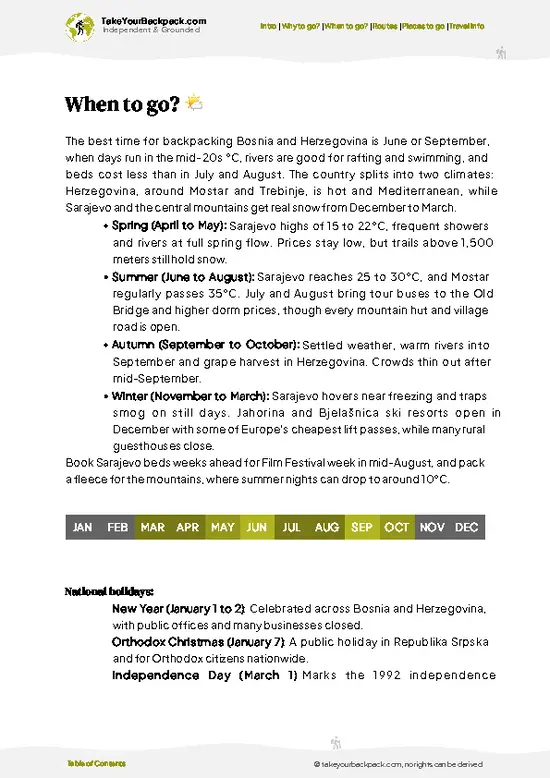
source: climatestotravel.comJANJanuary: fair for travelingFEBFebruary: fair for travelingMARMarch: good for travelingAPRApril: good for travelingMAYMay: excellent for travelingJUNJune: excellent for travelingJULJuly: fair for travelingAUGAugust: fair for travelingSEPSeptember: excellent for travelingOCTOctober: highly recommended for travelingNOVNovember: good for travelingDECDecember: fair for traveling
when-to-go

✈️ The backpacker research shortcutBosnia and Herzegovina Travel Guide

An offline-friendly backpacking guide with optimized travel routes, ranked highlights, transport advice, and the best areas to stay.
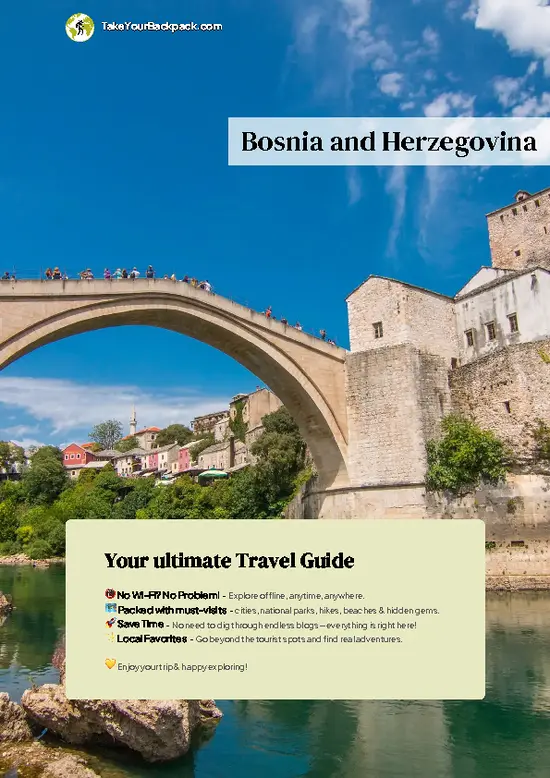
example page 0 from our offline Travel Guide for Bosnia and Herzegovina
example page 1 from our offline Travel Guide for Bosnia and Herzegovina
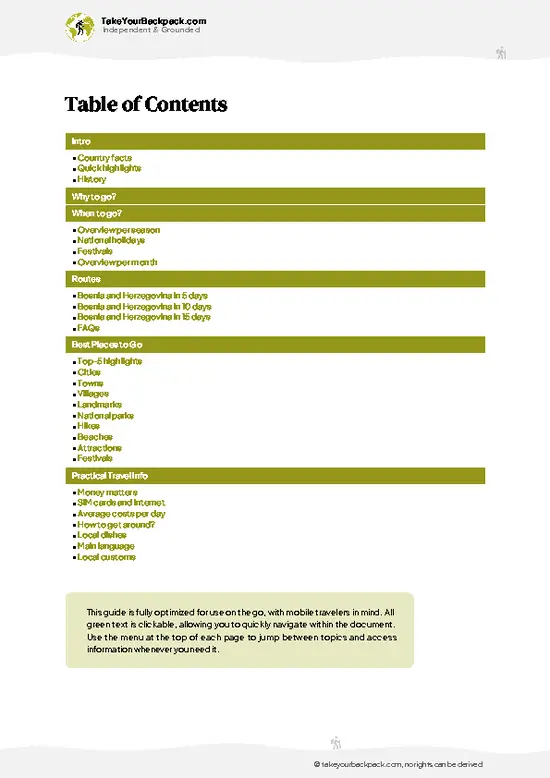
example page 2 from our offline Travel Guide for Bosnia and Herzegovina
example page 3 from our offline Travel Guide for Bosnia and Herzegovina
example page 4 from our offline Travel Guide for Bosnia and Herzegovina
example page 5 from our offline Travel Guide for Bosnia and Herzegovina
example page 6 from our offline Travel Guide for Bosnia and Herzegovina
example page 7 from our offline Travel Guide for Bosnia and Herzegovina
The digital guide (324 pages) contains:
86 highlights, ranked by travel appeal
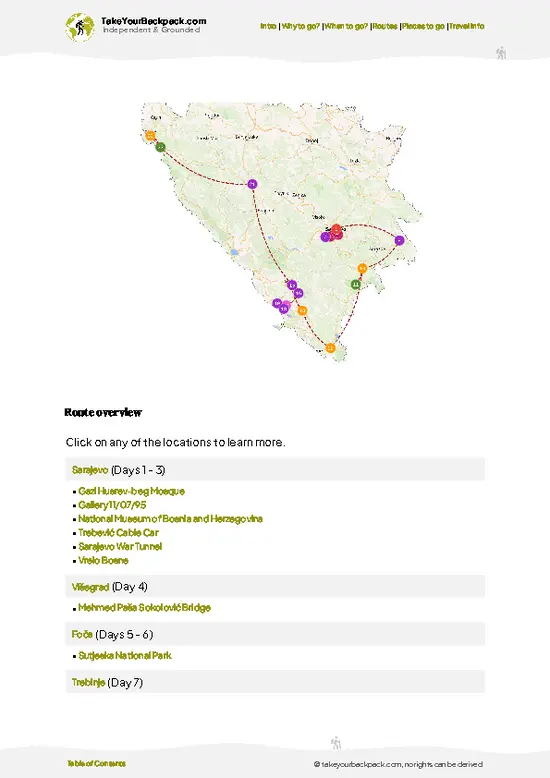
Optimized 5, 10 & 15-day travel routes
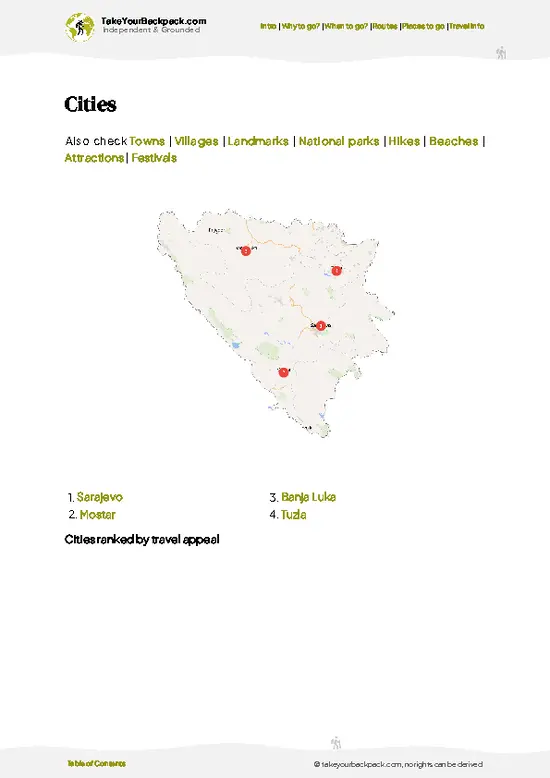
Cities, national parks, landmarks, beaches
How to get around
Offline-friendly for travel without Wi-Fi
👉 Click to see all 30+ guide features

📅 Plan smarter in minutes, not weeks
Month by month travel advice
Festivals & national holidays
Budget expectations

🗺️ Go to the right places, skip the overrated ones
Honest pros & cons of destinations
Top hikes, parks & viewpoints
Lesser-known places most travelers miss
Clear “worth it vs skip it” guidance

🛏️ Travel smoothly without rookie mistakes
Best areas to stay
Transport systems explained simply
Common scams & safety advice
SIM cards, money & practical tips

🌍 Understand the country, not just visit it
Culture & traditions
52 Essential phrases & customs
Festivals worth planning around
Traveler-friendly historical context
Insights that make places more meaningful

📱 Built for real travel conditions
Fully downloadable PDF
Works completely offline
Optimized for phone use
Useful in remote areas & buses
Everything in one place
Save weeks of stressful planning
Get instant access to your full guide. 30‑day money-back guarantee.


By proceeding you agree to our terms.
Sent to your inbox immediately after payment • 100% Secure Checkout
Best Backpacking Travel Advisor 2025 tourism awardBest Backpacking
Travel Advisor
2025
What others say about Take Your Backpack Guides:
⭐⭐⭐⭐⭐
Fantastic, amazing amount of information!
⭐⭐⭐⭐⭐
My goodness this is amazing, it's what I've been looking for hats off too you!
⭐⭐⭐⭐⭐
I think this is absolutely BRILLIANT
⭐⭐⭐⭐
Very complete and informative. It's still missing places, but I gotta to commend you
⭐⭐⭐⭐⭐
This is truly amazing, thank you, can't wait to explore it with my kids!
⭐⭐⭐⭐⭐
Awesome resource, thank you!
⭐⭐⭐⭐⭐
This is amazing! Can't wait to explore the ones I haven't seen
⭐⭐⭐⭐
I love this! Well done, great idea.
⭐⭐⭐⭐⭐
Thanks for taking the time to make this gem!
⭐⭐⭐⭐⭐
This might be the best website I've ever seen.
⭐⭐⭐⭐⭐
Congratulations, and thank you so much for your work; it's incredibly valuable.
⭐⭐⭐⭐
In all seriousness I think you did a great job pointing out the important spots
⭐⭐⭐⭐⭐
10/10 very good
⭐⭐⭐⭐⭐
As someone who's only just starting to visit regularly this is awesome, thank you.
⭐⭐⭐⭐
Thank you very much! I'm going to visit my dad, it's going to be very useful!
⭐⭐⭐⭐⭐
This is really cool! We'll be travelling for the first time and this definitely come in handy.
⭐⭐⭐⭐⭐
You are now our minister of culture, congratulations 👨‍💼
⭐⭐⭐⭐⭐
Just wanted to tell you that this is a pearl! Going to follow your recommendations.
⭐⭐⭐⭐⭐
This is so cool. I'll definitely be using the resource for my travels soon.
⭐⭐⭐⭐⭐
This is very impressive! Good work.
⭐⭐⭐⭐⭐
This is an amazing and informative site. Very well done!

🛏️ Where to stay?Best areas and accommodation options

If you’re coming to see the Museum of War and Genocide Victims 1992-1995, brace yourself: this isn’t a light tourist stop. The area around the museum is raw, heavy, and charged with history that’s still very much alive in the city’s veins. That said, the neighborhoods nearby—especially the parts of Sarajevo’s Old Town and the areas just across the Miljacka River—offer the best base for backpackers who want to be close without getting swallowed by tourist traps or feeling isolated.

These districts are safe and surprisingly social. You’ll find a mix of locals and travelers who come with purpose, … read more 👉
If you’re coming to see the Museum of War and Genocide Victims 1992-1995, brace yourself: this isn’t a light tourist stop. The area around the museum is raw, heavy, and charged with history that’s still very much alive in the city’s veins. That said, the neighborhoods nearby—especially the parts of Sarajevo’s Old Town and the areas just across the Miljacka River—offer the best base for backpackers who want to be close without getting swallowed by tourist traps or feeling isolated.

These districts are safe and surprisingly social. You’ll find a mix of locals and travelers who come with purpose, not just for the Instagram shot. The vibe is gritty but genuine, with cafés and small eateries where you can strike up conversations about the city’s past and present. It’s not polished or pretty, but it’s real—and that’s what makes it worth staying here. You’re not just visiting a museum; you’re stepping into a living story, and these neighborhoods put you right in the middle of it.

👛 Costs (as of 11 March 2026)What things cost and how to budget

As of the most recent estimates, the Museum of War and Genocide Victims 1992-1995 in Mostar, Bosnia and Herzegovina, charges an entrance fee of €5 for adults and €4 for students. Children under 12 enter free of charge. Additional costs may apply for guided tours or audio guides.
⚠️ Prices can change and everyone travels differently, so take this as a rough guide. Hope it helps you plan your adventure!

Other Bosnian attractions near Museum of War and Genocide Victims 1992–1995

Explore more nearby:


💡 Not sure where to go next?
Create a personalized itinerary for Bosnia and Herzegovina including Museum of War and Genocide Victims 1992–1995 and the places that fit your trip.

Generate my itinerary

👉 Discover all attractions

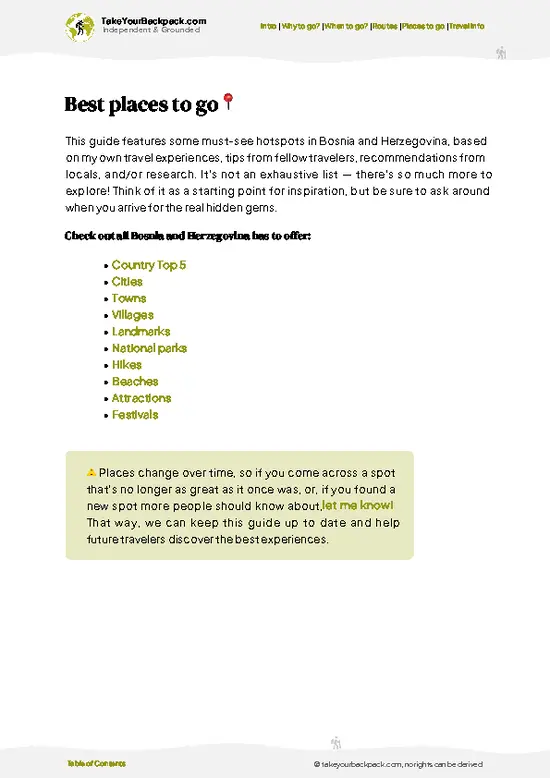
Or checkout all Bosnia and Herzegovina has to offer (think cities, towns, villages, national parks, hikes, beaches, festivals)
Country photo of Bosnia and Herzegovina

We 💚 feedbackWhat to keep in mind

Visiting the Museum of War and Genocide Victims 1992–1995 isn’t a casual stroll—it’s heavy, raw, and unfiltered. Expect crowds, especially on weekends, and a somber atmosphere that demands respect. But here’s the kicker: beyond the grim facts, you’ll find moments of unexpected humanity—handwritten letters, personal belongings, faces frozen in time—that hit harder than any textbook. It’s not a place for light curiosity, but if you’re ready to confront history’s brutal truths, it’s a sobering, necessary experience that sticks with you long after you leave.

✍️ Help improve this page!
The information on this page is based on in-depth research, insights shared by experienced travelers, and feedback from the local travel community in Bosnia and Herzegovina. While every effort is made to keep the information accurate and current, conditions can change — so if you spot anything incorrect or outdated, please get in touch.


🙋‍♂️ Give feedback

👋 Meet the founderWho’s Behind Take Your Backpack?

Johan, backpacker and founder of TakeYourBackpackHi, I’m Johan (Netherlands 🇳🇱), the creator of TakeYourBackpack. Over the past decade, I’ve backpacked through 80+ countries across six continents, gaining extensive experience with independent travel, long-term trips, and overland routes.

This site is built on a combination of firsthand travel experience and carefully curated insights from other backpackers. Many guides are based on places I’ve personally visited, while others bring together tips, observations, and practical advice shared by trusted travelers I’ve met along the way.

The goal is to provide realistic, experience-driven guidance — not generic itineraries — so you can explore destinations with better context, clearer expectations, and more confidence.

Get full country guide •
Instant download • 86 highlights • Full Offline guide