v2.webp)
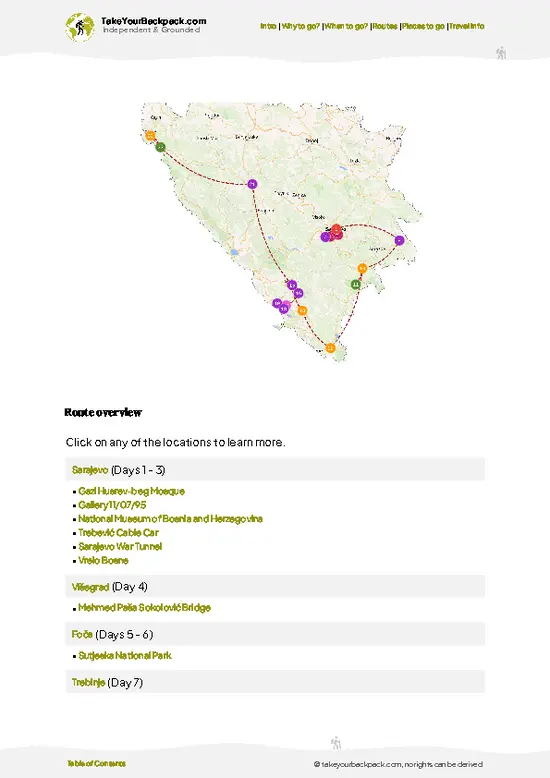
The Tunnel of Hope: Walking the Original Passage
Forget the Instagram shots of the tunnel entrance—this is not a photo op, it’s a gut-check. You’ll actually walk a section of the original tunnel, hunched over, feeling the claustrophobia and damp chill that Sarajevans endured during the siege. It’s not a sanitized simulation. The mud, the low ceiling, the echo of your own footsteps—this is as close as you’ll get to understanding what it meant to risk everything for a loaf of bread or a message from family. No filter can capture the adrenaline spike of realizing you’re standing in the artery that kept a city alive.
First-Person Testimonies: The Human Side of Survival
The real magic here isn’t in the artifacts—it’s in the faces and voices. The museum doesn’t just show you relics; it lets survivors … read more 👉
Forget the Instagram shots of the tunnel entrance—this is not a photo op, it’s a gut-check. You’ll actually walk a section of the original tunnel, hunched over, feeling the claustrophobia and damp chill that Sarajevans endured during the siege. It’s not a sanitized simulation. The mud, the low ceiling, the echo of your own footsteps—this is as close as you’ll get to understanding what it meant to risk everything for a loaf of bread or a message from family. No filter can capture the adrenaline spike of realizing you’re standing in the artery that kept a city alive.
First-Person Testimonies: The Human Side of Survival
The real magic here isn’t in the artifacts—it’s in the faces and voices. The museum doesn’t just show you relics; it lets survivors … read more 👉
The Tunnel of Hope: Walking the Original Passage
Forget the Instagram shots of the tunnel entrance—this is not a photo op, it’s a gut-check. You’ll actually walk a section of the original tunnel, hunched over, feeling the claustrophobia and damp chill that Sarajevans endured during the siege. It’s not a sanitized simulation. The mud, the low ceiling, the echo of your own footsteps—this is as close as you’ll get to understanding what it meant to risk everything for a loaf of bread or a message from family. No filter can capture the adrenaline spike of realizing you’re standing in the artery that kept a city alive.
First-Person Testimonies: The Human Side of Survival
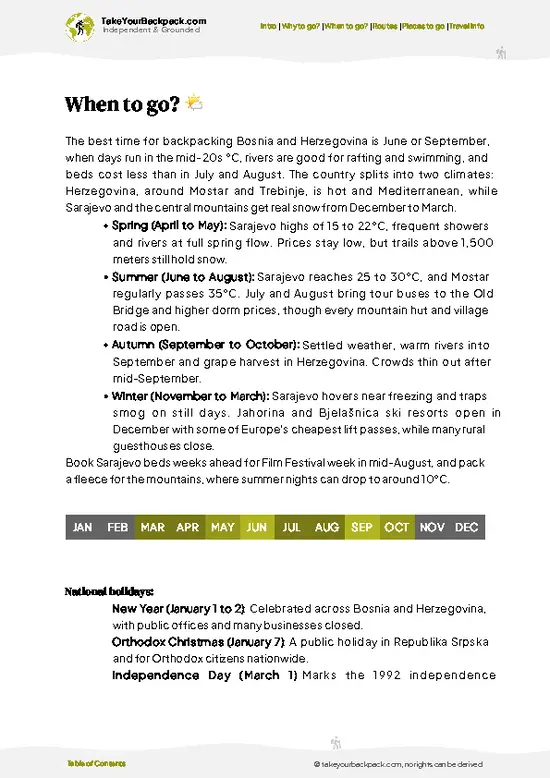
The real magic here isn’t in the artifacts—it’s in the faces and voices. The museum doesn’t just show you relics; it lets survivors tell their stories. Some guides are actual tunnel runners or their relatives. You’ll hear about smuggling babies, carrying wounded neighbors, and the dark humor that kept people sane. This isn’t a dry history lesson; it’s a living, breathing act of remembrance. If you’re lucky, you’ll get a guide who was there—no script, just raw memory.
Siege Artifacts: Everyday Objects, Extraordinary Stories
The display cases aren’t crammed with generic war junk. You’ll see battered shoes, improvised stoves, and handwritten notes—items that look ordinary until you realize they were lifelines. There’s a battered bicycle that once ferried medicine through sniper alleys. A child’s backpack patched with whatever fabric could be found. These objects aren’t just props; they’re proof of the city’s stubborn refusal to give up.
Unfiltered Footage: The Reality of the Siege
You’ll watch original video clips shot during the siege—no Hollywood soundtrack, no heroic editing. Just raw, shaky footage of people sprinting across exposed streets, dodging sniper fire, and hauling supplies through the tunnel. It’s uncomfortable, and that’s the point. You won’t leave with a sense of adventure; you’ll leave with respect for the people who lived this reality.
The House Above: War on the Doorstep
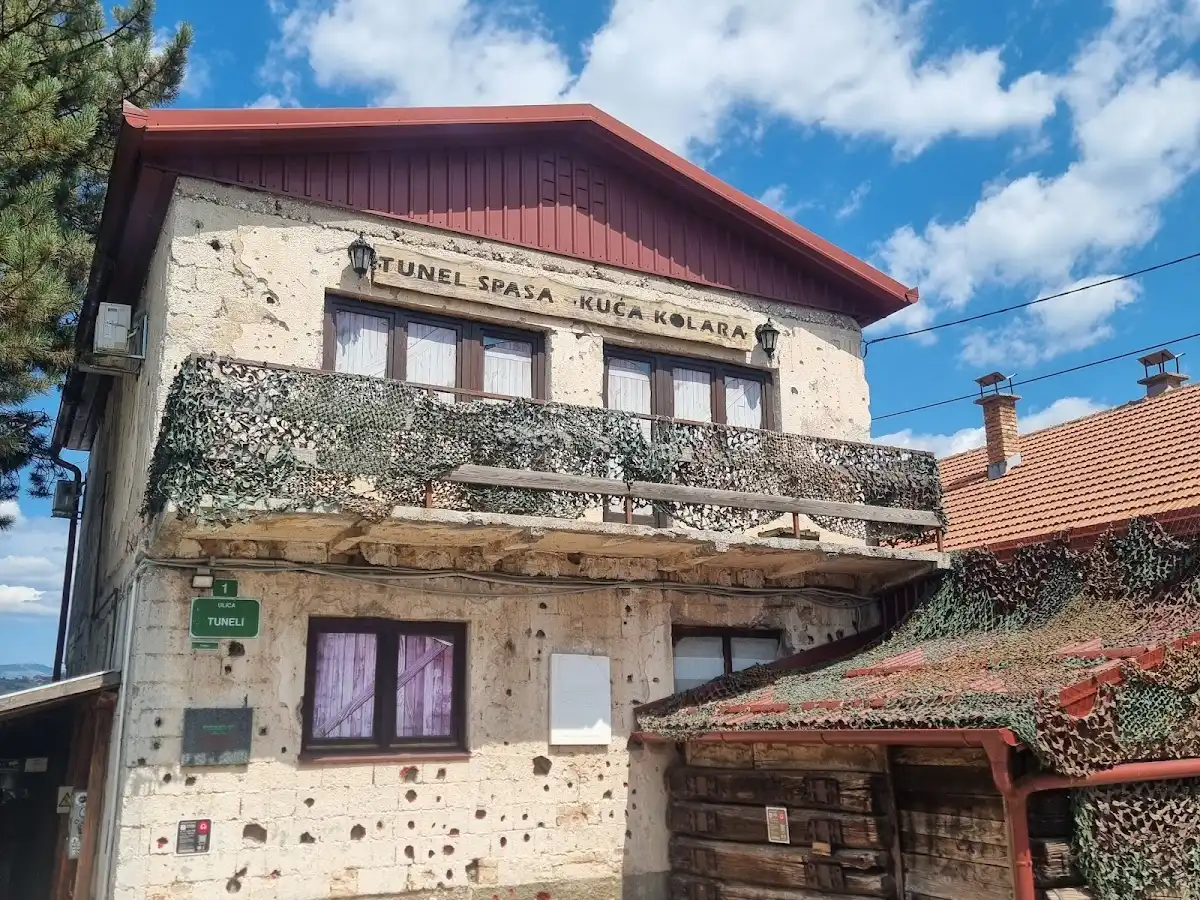
The tunnel’s entrance is literally under a family home. You’ll stand in the backyard where the Kolar family lived, cooked, and risked their lives to keep the tunnel open. The juxtaposition is jarring—kids’ toys on the grass, bullet holes in the walls, and a trapdoor to the city’s lifeline. It’s a reminder that war isn’t fought on distant battlefields; sometimes, it’s right under your kitchen table.
The Route Map: The City’s Veins Laid Bare
There’s a detailed map showing the tunnel’s route beneath the airport runway, connecting besieged Sarajevo to the outside world. It’s not just a diagram—it’s a revelation. You’ll see how close the city came to being completely cut off, and how this single, muddy passage changed the outcome for thousands. It’s the kind of detail that makes you realize the difference between a city’s survival and its collapse can be measured in meters of hand-dug earth.
Forget the Instagram shots of the tunnel entrance—this is not a photo op, it’s a gut-check. You’ll actually walk a section of the original tunnel, hunched over, feeling the claustrophobia and damp chill that Sarajevans endured during the siege. It’s not a sanitized simulation. The mud, the low ceiling, the echo of your own footsteps—this is as close as you’ll get to understanding what it meant to risk everything for a loaf of bread or a message from family. No filter can capture the adrenaline spike of realizing you’re standing in the artery that kept a city alive.
First-Person Testimonies: The Human Side of Survival
The real magic here isn’t in the artifacts—it’s in the faces and voices. The museum doesn’t just show you relics; it lets survivors tell their stories. Some guides are actual tunnel runners or their relatives. You’ll hear about smuggling babies, carrying wounded neighbors, and the dark humor that kept people sane. This isn’t a dry history lesson; it’s a living, breathing act of remembrance. If you’re lucky, you’ll get a guide who was there—no script, just raw memory.
Siege Artifacts: Everyday Objects, Extraordinary Stories
The display cases aren’t crammed with generic war junk. You’ll see battered shoes, improvised stoves, and handwritten notes—items that look ordinary until you realize they were lifelines. There’s a battered bicycle that once ferried medicine through sniper alleys. A child’s backpack patched with whatever fabric could be found. These objects aren’t just props; they’re proof of the city’s stubborn refusal to give up.
Unfiltered Footage: The Reality of the Siege
You’ll watch original video clips shot during the siege—no Hollywood soundtrack, no heroic editing. Just raw, shaky footage of people sprinting across exposed streets, dodging sniper fire, and hauling supplies through the tunnel. It’s uncomfortable, and that’s the point. You won’t leave with a sense of adventure; you’ll leave with respect for the people who lived this reality.
The House Above: War on the Doorstep
The tunnel’s entrance is literally under a family home. You’ll stand in the backyard where the Kolar family lived, cooked, and risked their lives to keep the tunnel open. The juxtaposition is jarring—kids’ toys on the grass, bullet holes in the walls, and a trapdoor to the city’s lifeline. It’s a reminder that war isn’t fought on distant battlefields; sometimes, it’s right under your kitchen table.
The Route Map: The City’s Veins Laid Bare
There’s a detailed map showing the tunnel’s route beneath the airport runway, connecting besieged Sarajevo to the outside world. It’s not just a diagram—it’s a revelation. You’ll see how close the city came to being completely cut off, and how this single, muddy passage changed the outcome for thousands. It’s the kind of detail that makes you realize the difference between a city’s survival and its collapse can be measured in meters of hand-dug earth.
Spotted a mistake or missing something? Contact us.

Lukomir Highland Village Hike

War Times Experience in Sarajevo - Half Day Tour

Planet Sarajevo Multimedia Museum

Sarajevo to Dubrovnik: Transfer With Herzegovina Tour

Utopia of Tito’s Yugoslavia, Tito’s Bunker & Siege of Sarajevo

PROFESSIONAL SARAJEVO WALKING TOUR - With guide who guided STING!

Tandem Paragliding Experience in Sarajevo, Bosnia and Herzegovina

Five Centuries of History, Culture, Empires & Hope

Climb Via Ferrata in Sarajevo

 Best Backpacking
.jpg) Hi, I’m Johan (Netherlands 🇳🇱), the creator of TakeYourBackpack. Over the past 3 decades, I’ve backpacked through 90+ countries across six continents, gaining extensive experience with independent travel, long-term trips, and overland routes.
Hi, I’m Johan (Netherlands 🇳🇱), the creator of TakeYourBackpack. Over the past 3 decades, I’ve backpacked through 90+ countries across six continents, gaining extensive experience with independent travel, long-term trips, and overland routes.