v2.webp)

The Memorial Cemetery
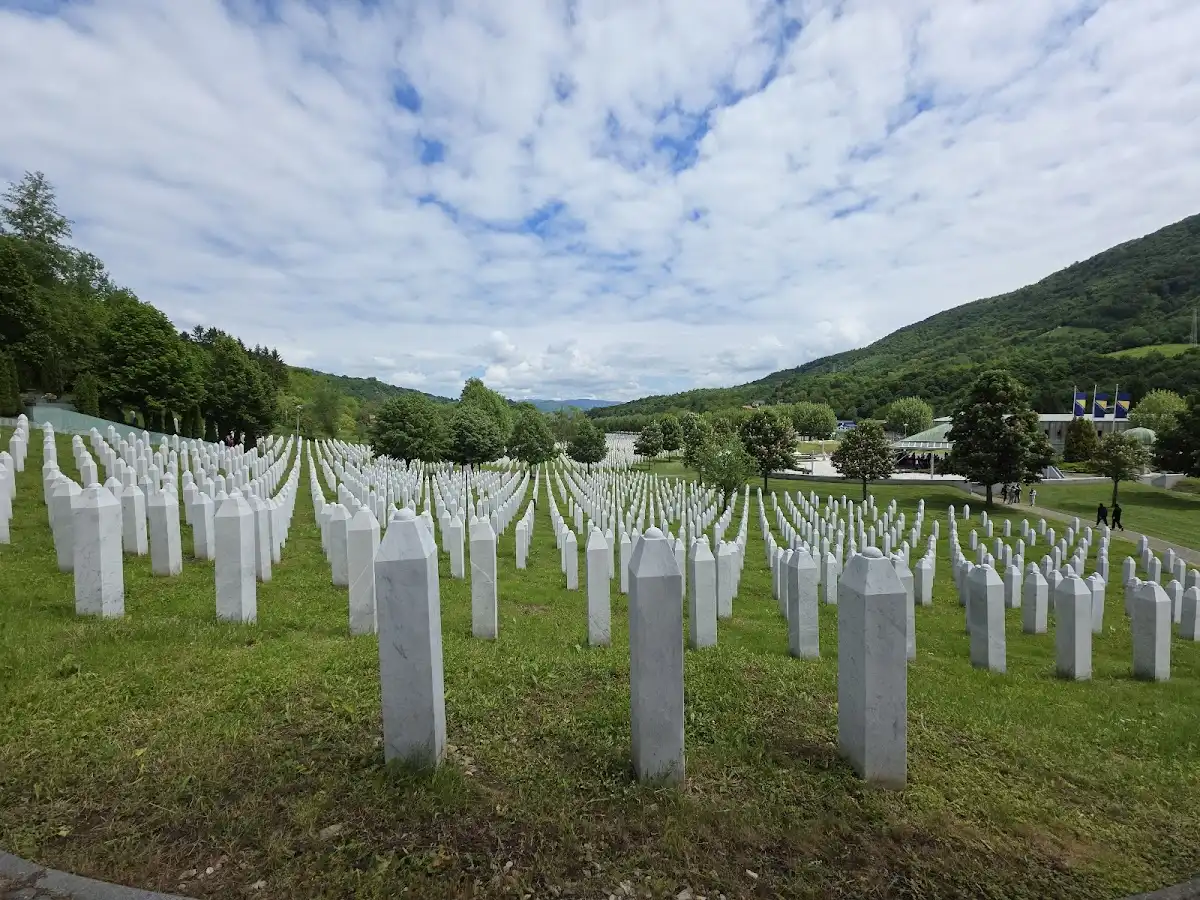
Let’s get real: this is not a photo-op. The rows of white headstones—over 6,600 of them—are a gut punch, not a backdrop. Each marker is a name, a date, a story cut short in July 1995. Walking here, you feel the weight of history in your chest. It’s not about spectacle; it’s about presence. The silence is heavy, but it’s the kind that demands you pay attention. No Instagram filter can capture the gravity of standing among the graves of a genocide. If you want to understand why this place matters, start here, on the ground, with the names.
The Former Battery Factory (Museum)
Forget the sanitized museum experience. This is the actual building where thousands sought UN protection—and were ultimately betrayed. The exhibits don’t sugarcoat anything. You’ll see personal belongings, … read more 👉
Let’s get real: this is not a photo-op. The rows of white headstones—over 6,600 of them—are a gut punch, not a backdrop. Each marker is a name, a date, a story cut short in July 1995. Walking here, you feel the weight of history in your chest. It’s not about spectacle; it’s about presence. The silence is heavy, but it’s the kind that demands you pay attention. No Instagram filter can capture the gravity of standing among the graves of a genocide. If you want to understand why this place matters, start here, on the ground, with the names.
The Former Battery Factory (Museum)
Forget the sanitized museum experience. This is the actual building where thousands sought UN protection—and were ultimately betrayed. The exhibits don’t sugarcoat anything. You’ll see personal belongings, … read more 👉
The Memorial Cemetery
Let’s get real: this is not a photo-op. The rows of white headstones—over 6,600 of them—are a gut punch, not a backdrop. Each marker is a name, a date, a story cut short in July 1995. Walking here, you feel the weight of history in your chest. It’s not about spectacle; it’s about presence. The silence is heavy, but it’s the kind that demands you pay attention. No Instagram filter can capture the gravity of standing among the graves of a genocide. If you want to understand why this place matters, start here, on the ground, with the names.
The Former Battery Factory (Museum)
Forget the sanitized museum experience. This is the actual building where thousands sought UN protection—and were ultimately betrayed. The exhibits don’t sugarcoat anything. You’ll see personal belongings, haunting video testimonies, and raw, unedited footage from July 1995. The museum doesn’t just tell you what happened; it makes you feel the chaos, the fear, and the abandonment. The peeling paint and industrial chill of the factory are not for show—they’re the original walls. It’s immersive, but not in the theme-park sense. It’s real, and it’s uncomfortable, and that’s the point.
The Wall of Names
This isn’t just a list. It’s a roll call of loss, etched in stone. The wall stretches along the cemetery, inscribed with the names of every identified victim. You’ll see clusters of the same surname—entire families wiped out. It’s a stark, physical reminder that genocide is not abstract. People come here to trace the names with their fingers, to remember, to mourn, to connect. It’s a place where the statistics become human.
Annual Commemoration (July 11th)
If you want to see the rawest edge of remembrance, come on the anniversary. Survivors, families, and thousands of supporters gather for the mass funeral of newly identified victims. It’s not a tourist event; it’s a living, breathing act of collective memory. The atmosphere is electric with grief and solidarity. You’ll see people from all over the world—some in tears, some in silence, all united by the refusal to forget. It’s one of the most intense, honest public gatherings you’ll ever witness.
Personal Testimonies and Survivor Stories
This is where the Memorial Center goes beyond history books. Survivors sometimes speak in person, and their stories are not rehearsed or polished for comfort. You’ll hear about loss, survival, and the aftermath in voices that shake and eyes that don’t look away. If you’re lucky enough to catch a testimony, it will stick with you longer than any exhibit. This is the real magic: the courage to speak, and the courage to listen.
Let’s get real: this is not a photo-op. The rows of white headstones—over 6,600 of them—are a gut punch, not a backdrop. Each marker is a name, a date, a story cut short in July 1995. Walking here, you feel the weight of history in your chest. It’s not about spectacle; it’s about presence. The silence is heavy, but it’s the kind that demands you pay attention. No Instagram filter can capture the gravity of standing among the graves of a genocide. If you want to understand why this place matters, start here, on the ground, with the names.
The Former Battery Factory (Museum)
Forget the sanitized museum experience. This is the actual building where thousands sought UN protection—and were ultimately betrayed. The exhibits don’t sugarcoat anything. You’ll see personal belongings, haunting video testimonies, and raw, unedited footage from July 1995. The museum doesn’t just tell you what happened; it makes you feel the chaos, the fear, and the abandonment. The peeling paint and industrial chill of the factory are not for show—they’re the original walls. It’s immersive, but not in the theme-park sense. It’s real, and it’s uncomfortable, and that’s the point.
The Wall of Names
This isn’t just a list. It’s a roll call of loss, etched in stone. The wall stretches along the cemetery, inscribed with the names of every identified victim. You’ll see clusters of the same surname—entire families wiped out. It’s a stark, physical reminder that genocide is not abstract. People come here to trace the names with their fingers, to remember, to mourn, to connect. It’s a place where the statistics become human.
Annual Commemoration (July 11th)
If you want to see the rawest edge of remembrance, come on the anniversary. Survivors, families, and thousands of supporters gather for the mass funeral of newly identified victims. It’s not a tourist event; it’s a living, breathing act of collective memory. The atmosphere is electric with grief and solidarity. You’ll see people from all over the world—some in tears, some in silence, all united by the refusal to forget. It’s one of the most intense, honest public gatherings you’ll ever witness.
Personal Testimonies and Survivor Stories
This is where the Memorial Center goes beyond history books. Survivors sometimes speak in person, and their stories are not rehearsed or polished for comfort. You’ll hear about loss, survival, and the aftermath in voices that shake and eyes that don’t look away. If you’re lucky enough to catch a testimony, it will stick with you longer than any exhibit. This is the real magic: the courage to speak, and the courage to listen.
Spotted a mistake or missing something? Contact us.

Lukomir Highland Village Hike

War Times Experience in Sarajevo - Half Day Tour

Planet Sarajevo Multimedia Museum

Sarajevo to Dubrovnik: Transfer With Herzegovina Tour

Utopia of Tito’s Yugoslavia, Tito’s Bunker & Siege of Sarajevo

PROFESSIONAL SARAJEVO WALKING TOUR - With guide who guided STING!

Tandem Paragliding Experience in Sarajevo, Bosnia and Herzegovina

Five Centuries of History, Culture, Empires & Hope

Climb Via Ferrata in Sarajevo

 Best Backpacking
.jpg) Hi, I’m Johan (Netherlands 🇳🇱), the creator of TakeYourBackpack. Over the past 3 decades, I’ve backpacked through 90+ countries across six continents, gaining extensive experience with independent travel, long-term trips, and overland routes.
Hi, I’m Johan (Netherlands 🇳🇱), the creator of TakeYourBackpack. Over the past 3 decades, I’ve backpacked through 90+ countries across six continents, gaining extensive experience with independent travel, long-term trips, and overland routes.