×

Botswana🇧🇼 | festivalsKhawa Dune Challenge and Cultural FestivalRed dunes, quad races, San and Bakgalagadi dance, star camping | things to do and best time to go

Explore Toyota 1000 Desert RaceExplore Gaborone International Music and Culture Week

Backpacking in Khawa Dune Challenge and Cultural
👍 Recommendedfestival ranked #5
By Johan Kruseman 🇳🇱 | Updated October 22, 2026

Years ago, Khawa was a quiet Kalahari village where the dunes were just the backdrop to the herding, hunting and craft traditions of the local San, Bakgalagadi and Bakalahari communities. Today the Khawa Dune Challenge and Cultural Festival turns that sand into a weekend of events. It sits in the Kgalagadi District in the southwest of Botswana, near the Namibian border, reached by long tar roads and a final stretch of soft sand. On the ground you find a village of sandy lanes, camp areas, a dune course where quad bikers, runners and cyclists race, and stages for traditional dance and music. You leave with sand in everything and a real look at Kalahari life. Expect a small, friendly crowd, mostly Batswana families and a few overlanders. It suits self-sufficient travelers who like dust and slow pacing. It won’t suit anyone wanting polished facilities or nightlife.

Discover everything you want to know in the 📖 Botswana Travel Guide.


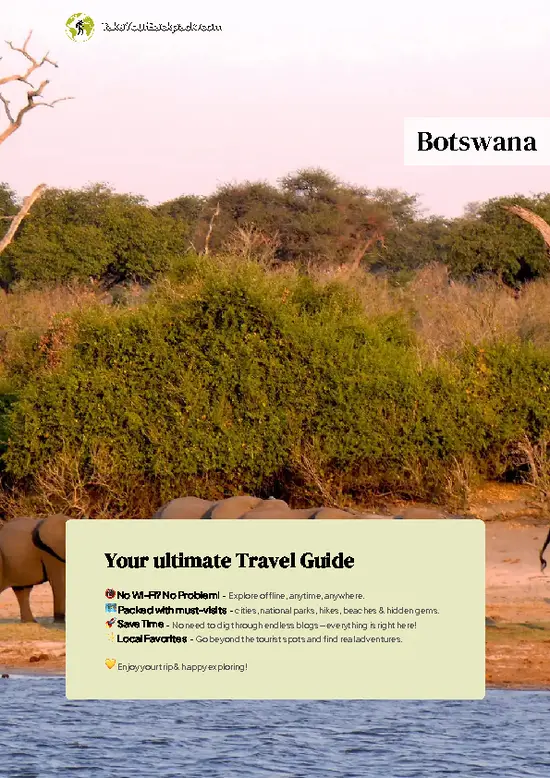
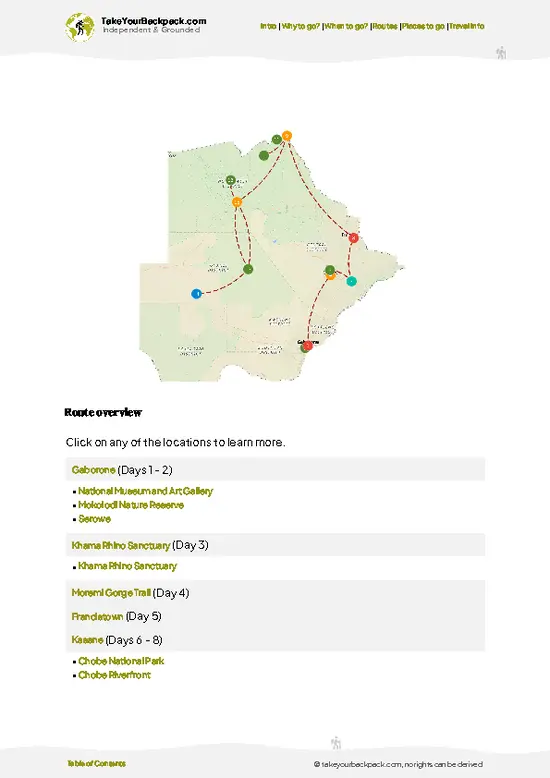
example page 0 from our offline Travel Guide for Botswana
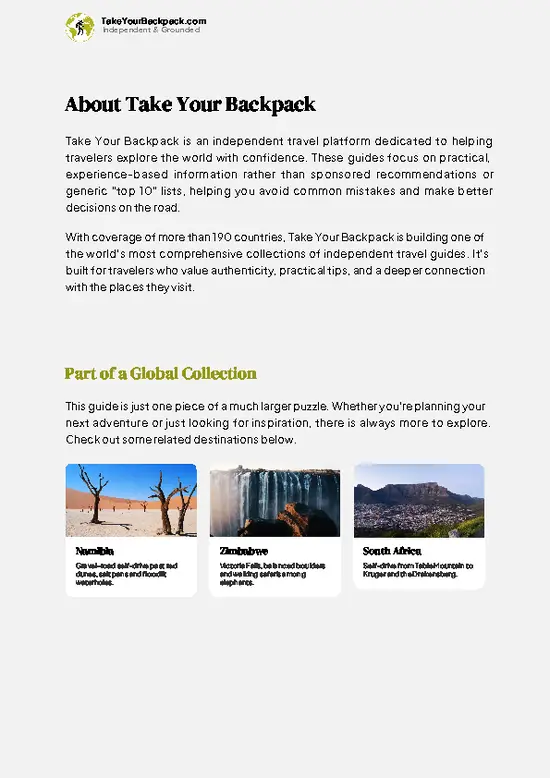
example page 1 from our offline Travel Guide for Botswana
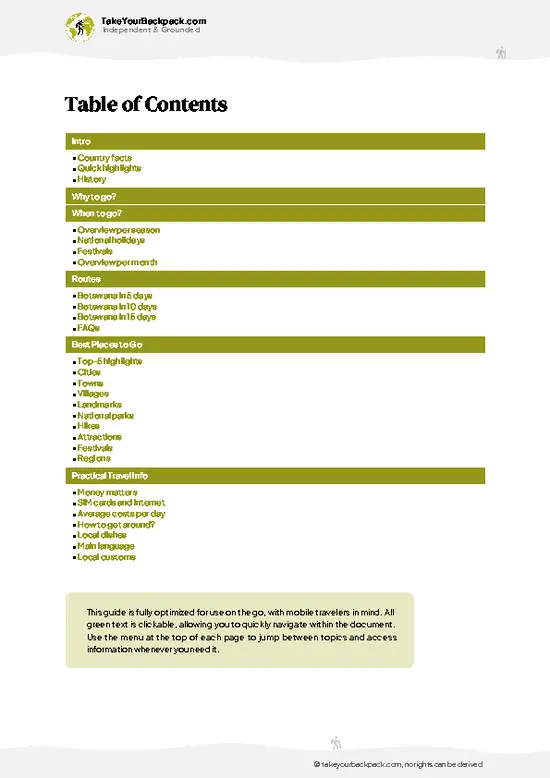
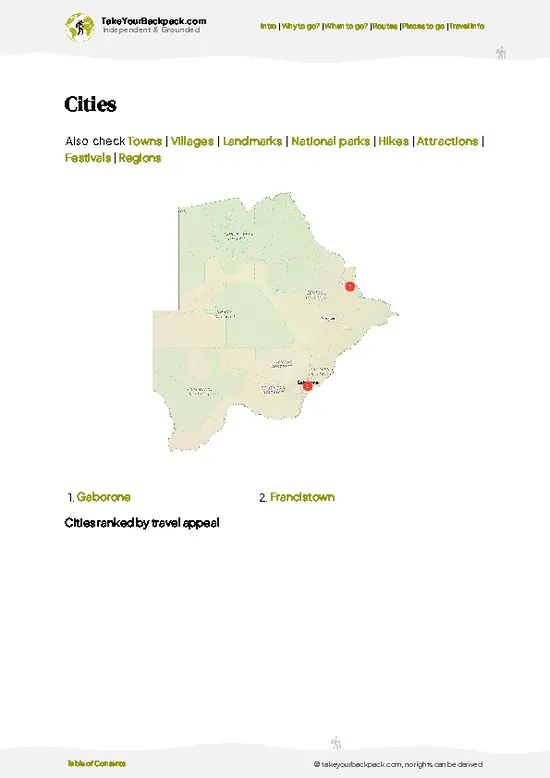
example page 2 from our offline Travel Guide for Botswana
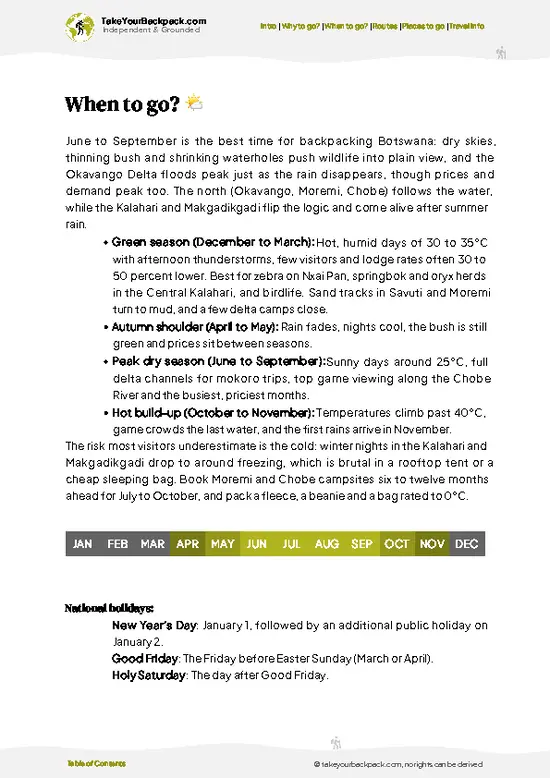
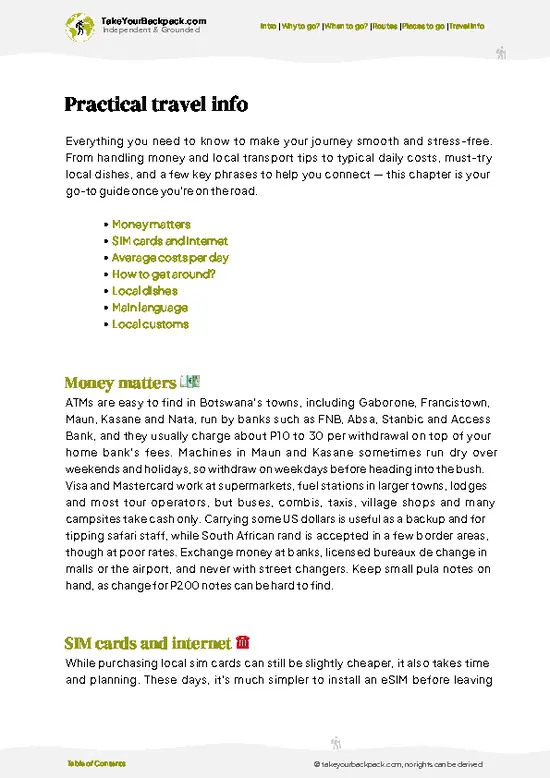
example page 3 from our offline Travel Guide for Botswana
example page 4 from our offline Travel Guide for Botswana
example page 5 from our offline Travel Guide for Botswana
example page 6 from our offline Travel Guide for Botswana
example page 7 from our offline Travel Guide for Botswana
Loading the map 🌍
CLICK TO FILTER
cities
towns
villages
landmarks
national parks
hikes
attractions
festivals
regions
SHOW COUNTRY’S BESTSHOW ALL

✨ Why go?
Ranked #5 festival in Botswana
What sets this place apart

Khawa Dune Challenge and Cultural Festival draws backpackers because it is one of the few events where the Kalahari itself is the main attraction, and the crowd is small enough that you actually talk to people. Racers, villagers, dancers and stray overlanders end up around the same fires, so a conversation about the dune course easily becomes an invitation to watch a dance rehearsal. The cultural side is what sets it apart from a sports weekend: San, Bakgalagadi and Bakalahari traditions are performed by the people who live here, and the event supports the community directly through local trading and crafts. It also fits neatly into a longer southern Africa route. Many travelers pair it with Kgalagadi Transfrontier Park or a loop through Namibia, since the village lies in a corner of the country … read more 👉
Khawa Dune Challenge and Cultural Festival draws backpackers because it is one of the few events where the Kalahari itself is the main attraction, and the crowd is small enough that you actually talk to people. Racers, villagers, dancers and stray overlanders end up around the same fires, so a conversation about the dune course easily becomes an invitation to watch a dance rehearsal. The cultural side is what sets it apart from a sports weekend: San, Bakgalagadi and Bakalahari traditions are performed by the people who live here, and the event supports the community directly through local trading and crafts. It also fits neatly into a longer southern Africa route. Many travelers pair it with Kgalagadi Transfrontier Park or a loop through Namibia, since the village lies in a corner of the country most itineraries skip. Come prepared to camp, carry water and fuel, and slow down, because the pace here is set by sand.

💡 HighlightsPlaces and moments you shouldn't skip

  1. The Dune Challenge: The headline competition runs over the red Kalahari dunes outside the village. Racers on quads and bikes fight soft sand and steep faces, while spectators watch from the slopes with a clear view of every climb.
  2. Traditional Dance and Music: Community groups perform on stage and in the open, with rhythmic clapping, singing and costume that come straight from local heritage. It is the clearest window into the cultural half of the festival.
  3. Village Craft Stalls: Local artisans sell beadwork, leather goods and ostrich eggshell items. Buying directly means the money stays in Khawa, and you leave with something made nearby.
  4. Traditional Food: Stalls and community cooks serve Botswana staples such as seswaa (pounded slow-cooked meat), pap and bogobe porridge. It is simple, filling
… read more 👉
  1. The Dune Challenge: The headline competition runs over the red Kalahari dunes outside the village. Racers on quads and bikes fight soft sand and steep faces, while spectators watch from the slopes with a clear view of every climb.
  2. Traditional Dance and Music: Community groups perform on stage and in the open, with rhythmic clapping, singing and costume that come straight from local heritage. It is the clearest window into the cultural half of the festival.
  3. Village Craft Stalls: Local artisans sell beadwork, leather goods and ostrich eggshell items. Buying directly means the money stays in Khawa, and you leave with something made nearby.
  4. Traditional Food: Stalls and community cooks serve Botswana staples such as seswaa (pounded slow-cooked meat), pap and bogobe porridge. It is simple, filling food that suits a dusty day outdoors.
  5. Camping Under the Kalahari Sky: With almost no light pollution, the night sky over the dunes is dense with stars. The camping areas around the village give you that view for the price of a pitched tent.
Khawa Dune Challenge and Cultural Festival has no single ticketed highlight, but competitors must register ahead for the races, and camping spots are best arranged before you travel.
Spotted a mistake or missing something? Contact us.

🌤️ When to go?When is the celebration of Khawa Dune Challenge and Cultural Festival?

The Khawa Dune Challenge and Cultural Festival is held at Khawa village in Botswana’s Kgalagadi District, usually over a weekend in late June or July, with the exact dates set annually by the organizers.
  • Best day: Saturday is the main day, with the dune races, community performances and craft stalls all running. Friday suits you if you want smaller crowds and time to meet the organizers.
  • Weather: Winter in the Kalahari brings days of 20 to 25°C (68 to 77°F), dry air and no rain. Nights drop to around 0 to 5°C (32 to 41°F), so bring a warm jacket, a hat, sunscreen and a headlamp for the walk back to camp.
  • Booking: Reserve camping or lodge beds 2 to 3 months ahead, since the few sites fill fast and prices can climb by 20 to 50 percent.
  • Travel: Sand tracks slow everyone down, so arrive Thursday or
… read more 👉
The Khawa Dune Challenge and Cultural Festival is held at Khawa village in Botswana’s Kgalagadi District, usually over a weekend in late June or July, with the exact dates set annually by the organizers.
  • Best day: Saturday is the main day, with the dune races, community performances and craft stalls all running. Friday suits you if you want smaller crowds and time to meet the organizers.
  • Weather: Winter in the Kalahari brings days of 20 to 25°C (68 to 77°F), dry air and no rain. Nights drop to around 0 to 5°C (32 to 41°F), so bring a warm jacket, a hat, sunscreen and a headlamp for the walk back to camp.
  • Booking: Reserve camping or lodge beds 2 to 3 months ahead, since the few sites fill fast and prices can climb by 20 to 50 percent.
  • Travel: Sand tracks slow everyone down, so arrive Thursday or Friday morning and leave Sunday after the dust settles. Fuel up in Tsabong first.
Confirm the date and your camp spot with the organizers before you drive out.


source: climatestotravel.comJANJanuary: not recommended for travelingFEBFebruary: not recommended for travelingMARMarch: not recommended for travelingAPRApril: not recommended for travelingMAYMay: excellent for travelingJUNJune: not recommended for travelingJULJuly: not recommended for travelingAUGAugust: not recommended for travelingSEPSeptember: not recommended for travelingOCTOctober: not recommended for travelingNOVNovember: not recommended for travelingDECDecember: not recommended for traveling

✈️ The backpacker research shortcutBotswana Travel Guide

An offline-friendly backpacking guide with optimized travel routes, ranked highlights, transport advice, and the best areas to stay.
example page 0 from our offline Travel Guide for Botswana
example page 1 from our offline Travel Guide for Botswana
example page 2 from our offline Travel Guide for Botswana
example page 3 from our offline Travel Guide for Botswana
example page 4 from our offline Travel Guide for Botswana
example page 5 from our offline Travel Guide for Botswana
example page 6 from our offline Travel Guide for Botswana
example page 7 from our offline Travel Guide for Botswana
The digital guide (172 pages) contains:
✅ 38 highlights, ranked by travel appeal
✅ Optimized 5, 10 & 15-day travel routes
✅ Cities, national parks, landmarks, beaches
✅ How to get around
✅ Offline-friendly for travel without Wi-Fi
👉 Click to see all 30+ guide features

📅 Plan smarter in minutes, not weeks
✅ Month by month travel advice
✅ Festivals & national holidays
✅ Budget expectations

🗺️ Go to the right places, skip the overrated ones
✅ Honest pros & cons of destinations
✅ Top hikes, parks & viewpoints
✅ Lesser-known places most travelers miss
✅ Clear “worth it vs skip it” guidance

🛏️ Travel smoothly without rookie mistakes
✅ Best areas to stay
✅ Transport systems explained simply
✅ Common scams & safety advice
✅ SIM cards, money & practical tips

🌍 Understand the country, not just visit it
✅ Culture & traditions
✅ 52 Essential phrases & customs
✅ Festivals worth planning around
✅ Traveler-friendly historical context
✅ Insights that make places more meaningful

📱 Built for real travel conditions
✅ Fully downloadable PDF
✅ Works completely offline
✅ Optimized for phone use
✅ Useful in remote areas & buses
✅ Everything in one place
Stop searching, start planning
Get instant access to your full guide. 30‑day money-back guarantee.
+ Add another guide for just

By proceeding you agree to our terms.
Sent to your inbox immediately after payment • 100% Secure Checkout
Best Backpacking Travel Advisor 2025 tourism awardBest Backpacking
Travel Advisor
2025
What others say about Take Your Backpack Guides:
⭐⭐⭐⭐⭐
Fantastic, amazing amount of information!
⭐⭐⭐⭐⭐
My goodness this is amazing, it's what I've been looking for hats off too you!
⭐⭐⭐⭐⭐
I think this is absolutely BRILLIANT
⭐⭐⭐⭐
Very complete and informative. It's still missing places, but I gotta to commend you
⭐⭐⭐⭐⭐
This is truly amazing, thank you, can't wait to explore it with my kids!
⭐⭐⭐⭐⭐
Awesome resource, thank you!
⭐⭐⭐⭐⭐
This is amazing! Can't wait to explore the ones I haven't seen
⭐⭐⭐⭐
I love this! Well done, great idea.
⭐⭐⭐⭐⭐
Thanks for taking the time to make this gem!
⭐⭐⭐⭐⭐
This might be the best website I've ever seen.
⭐⭐⭐⭐⭐
Congratulations, and thank you so much for your work; it's incredibly valuable.
⭐⭐⭐⭐
In all seriousness I think you did a great job pointing out the important spots
⭐⭐⭐⭐⭐
10/10 very good
⭐⭐⭐⭐⭐
As someone who's only just starting to visit regularly this is awesome, thank you.
⭐⭐⭐⭐
Thank you very much! I'm going to visit my dad, it's going to be very useful!
⭐⭐⭐⭐⭐
This is really cool! We'll be travelling for the first time and this definitely come in handy.
⭐⭐⭐⭐⭐
You are now our minister of culture, congratulations 👨‍💼
⭐⭐⭐⭐⭐
Just wanted to tell you that this is a pearl! Going to follow your recommendations.
⭐⭐⭐⭐⭐
This is so cool. I'll definitely be using the resource for my travels soon.
⭐⭐⭐⭐⭐
This is very impressive! Good work.
⭐⭐⭐⭐⭐
This is an amazing and informative site. Very well done!

🛏️ Where to stay?Where staying makes the most sense

Khawa village itself is the best place to sleep, because the festival ground, the dunes and the evening fires are all within walking distance, and you never face a night drive on sand tracks.
The community campsite on the edge of the village is the backpacker default. You pitch a tent on sandy ground, share basic ablution blocks and end up chatting with other travelers, volunteers and local organizers around the fires. Safety is good because the village is small, everyone knows everyone, and the event is run by the community. Keep valuables locked in your vehicle or tent, and expect cold nights. … read more 👉
Khawa village itself is the best place to sleep, because the festival ground, the dunes and the evening fires are all within walking distance, and you never face a night drive on sand tracks.
The community campsite on the edge of the village is the backpacker default. You pitch a tent on sandy ground, share basic ablution blocks and end up chatting with other travelers, volunteers and local organizers around the fires. Safety is good because the village is small, everyone knows everyone, and the event is run by the community. Keep valuables locked in your vehicle or tent, and expect cold nights.
Tsabong, about 2 hours or more away on rough road, is the fallback if camping is full. It has a handful of simple guesthouses, a fuel station and grocery shops, so it works for stocking up. The drawback is the daily drive, and you should not tackle the sand tracks after dark.
Solo travelers with no vehicle should arrange a lift from Tsabong with other festivalgoers or a tour operator before arriving. Camping near the main gathering area keeps you close to the music and the people. Bring your own tent, sleeping bag rated for freezing temperatures, and a water container.

👛 Costs (as of 22 October 2026)Travel costs and budget guide for Khawa Dune Challenge and Cultural

A weekend at the Khawa Dune Challenge and Cultural Festival costs roughly US$87 to 145 per day for an independent traveler sleeping in a tent and self-driving.
CategoryBudget RangeLocal Reality
Festival ticketsUS$5 to 15Entry is modest, and race or activity entries cost extra. Pay in pula at the gate.
AccommodationUS$10 to 25 camping (low season); US$15 to 35 (high season)Community camping is basic. Guesthouses in Tsabong run higher at roughly US$40 to 70 a room.
Local transportUS$20 to 50Fuel from Tsabong and shared lifts add up. A 4x4 or high-clearance vehicle is needed on sand tracks.
Food & drinksUS$12 to 25Braai plates cost US$3 to 6, and beer around US$1.50 to 3. Stock up on groceries in Tsabong.
Miscellaneous expensesUS$5 to 20Crafts, firewood, extra water and a tip for guides or helpers.
… read more 👉
A weekend at the Khawa Dune Challenge and Cultural Festival costs roughly US$87 to 145 per day for an independent traveler sleeping in a tent and self-driving.
CategoryBudget RangeLocal Reality
Festival ticketsUS$5 to 15Entry is modest, and race or activity entries cost extra. Pay in pula at the gate.
AccommodationUS$10 to 25 camping (low season); US$15 to 35 (high season)Community camping is basic. Guesthouses in Tsabong run higher at roughly US$40 to 70 a room.
Local transportUS$20 to 50Fuel from Tsabong and shared lifts add up. A 4x4 or high-clearance vehicle is needed on sand tracks.
Food & drinksUS$12 to 25Braai plates cost US$3 to 6, and beer around US$1.50 to 3. Stock up on groceries in Tsabong.
Miscellaneous expensesUS$5 to 20Crafts, firewood, extra water and a tip for guides or helpers.
Total Daily BudgetUS$87 to 145Costs drop if you split fuel and a campsite among travelers.
⚠️ Prices can change and everyone travels differently, so take this as a rough guide. Hope it helps you plan your adventure!

🍲 FoodLocal Cuisine & Drinks

Food at the festival is simple, hearty and cooked over wood. Expect braai (grilled beef, goat and boerewors sausage), served with pap, the thick maize porridge that anchors most Botswana meals, plus a tomato and onion relish. Village women often sell fat cakes (fried dough rounds), which are best eaten hot and greasy in the cold morning air.
Try the traditional dishes at the cultural stalls. The Khomani San and other local communities sometimes show off veldkos and bush foods, and a bowl of slow-cooked goat stew is worth lining up for. Wash it down with rooibos or sweet milky tea, which does real work when temperatures fall near freezing at night. Beer, soft drinks and Chibuku or other local brews appear at the bar tents, and the afternoon sun makes a cold drink very welcome.
Bring cash in Botswana … read more 👉
Food at the festival is simple, hearty and cooked over wood. Expect braai (grilled beef, goat and boerewors sausage), served with pap, the thick maize porridge that anchors most Botswana meals, plus a tomato and onion relish. Village women often sell fat cakes (fried dough rounds), which are best eaten hot and greasy in the cold morning air.
Try the traditional dishes at the cultural stalls. The Khomani San and other local communities sometimes show off veldkos and bush foods, and a bowl of slow-cooked goat stew is worth lining up for. Wash it down with rooibos or sweet milky tea, which does real work when temperatures fall near freezing at night. Beer, soft drinks and Chibuku or other local brews appear at the bar tents, and the afternoon sun makes a cold drink very welcome.
Bring cash in Botswana pula, since card machines are unreliable out here, and carry small notes because vendors rarely have change. Portions are generous, so sharing a plate is normal and nobody blinks. Lines move slowly when a pot runs out, so go early. Carry your own water, at least 3 liters a day, plus snacks for the drive.

FAQFrequently asked questions about Khawa Dune Challenge and Cultural

The Khawa Dune Challenge and Cultural Festival takes place over a weekend in winter, usually late June or July, with exact dates set each year by the organizers. Events run Friday to Sunday at Khawa village in the Kgalagadi District. Saturday is the main day, so arrive Thursday or Friday to claim a camp spot.
Attending the Khawa Dune Challenge and Cultural Festival costs about US$75 to 110 per day for an independent camper. Entry itself is low, around US$5 to 15, while fuel, food and camping make up most of the budget. Camping runs about US$15 to 35 a night, and a braai plate costs US$3 to 6.
For the Khawa Dune Challenge and Cultural Festival, general entry is usually paid at the gate, but camping and event spots are worth reserving ahead. Book 2 to 3 months in advance, since the village has limited space. Race entries should be confirmed with the organizers beforehand. Bring cash pula, as card payment is unreliable.
⚠️ Things can change over time, so always validate details locally before you go.

Other Botswanan festivals near Khawa Dune Challenge and Cultural

Explore more nearby:


💡 Not sure where to go next?
Create a personalized itinerary for Botswana including Khawa Dune Challenge and Cultural and the places that fit your trip.

Generate my itinerary

👉 Discover all festivals

Or checkout all Botswana has to offer (think cities, towns, villages, national parks, hikes, beaches, festivals)
Country photo of Botswana

We 💚 feedbackParting advice and final tips

Khawa Dune Challenge and Cultural Festival is easy to treat as a race weekend, yet the evenings reward more attention. Sit in on the dance and storytelling once the engines go quiet, because that is when the village shows itself. I would bring extra water, a warm layer for cold desert nights, and enough cash for craft stalls.

✍️ Help improve this page!
The information on this page is based on in-depth research, insights shared by experienced travelers, and feedback from the local travel community in Botswana. While every effort is made to keep the information accurate and current, conditions can change — so if you spot anything incorrect or outdated, please get in touch.


🙋‍♂️ Give feedback

👋 Meet the founderWho’s Behind Take Your Backpack?

Johan, backpacker and founder of TakeYourBackpackHi, I’m Johan (Netherlands 🇳🇱), the creator of TakeYourBackpack. Over the past 3 decades, I’ve backpacked through 90+ countries across six continents, gaining extensive experience with independent travel, long-term trips, and overland routes.

This site is built on a combination of firsthand travel experience and carefully curated insights from other backpackers. Many guides are based on places I’ve personally visited, while others bring together tips, observations, and practical advice shared by trusted travelers I’ve met along the way.

The goal is to provide realistic, experience-driven guidance — not generic itineraries — so you can explore destinations with better context, clearer expectations, and more confidence.