v2.webp)
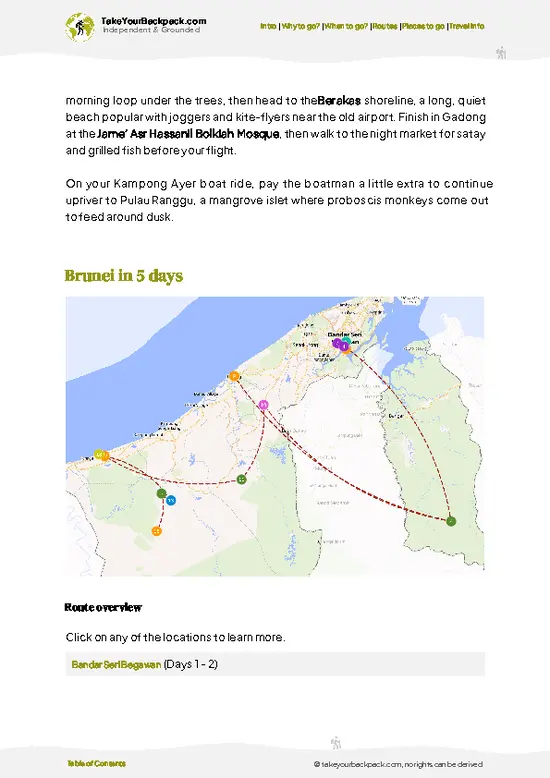
- Ngajat and traditional dance displays: The rhythm and athleticism of the ngajat (and other Dayak dances) are magnetic — quick footwork, dramatic poses and colourful costumes. It’s not just performance; dancers are telling community stories, so watching feels like being pulled into local history rather than a staged show.
- Sape and indigenous music: The sape (plucked lute) and gong ensembles create a uniquely Bornean soundtrack — mellow, hypnotic and surprisingly contagious. Live sets often thread between ceremonial moments and casual jams, giving you both solemn mood and spontaneous sing-alongs.
- Tuak tasting and pansoh (bamboo cooking): Sharing homemade rice wine (tuak) and food cooked in bamboo is the festival’s flavor — literal and social. Those smoky, slightly sweet pansoh dishes and
- Ngajat and traditional dance displays: The rhythm and athleticism of the ngajat (and other Dayak dances) are magnetic — quick footwork, dramatic poses and colourful costumes. It’s not just performance; dancers are telling community stories, so watching feels like being pulled into local history rather than a staged show.
- Sape and indigenous music: The sape (plucked lute) and gong ensembles create a uniquely Bornean soundtrack — mellow, hypnotic and surprisingly contagious. Live sets often thread between ceremonial moments and casual jams, giving you both solemn mood and spontaneous sing-alongs.
- Tuak tasting and pansoh (bamboo cooking): Sharing homemade rice wine (tuak) and food cooked in bamboo is the festival’s flavor — literal and social. Those smoky, slightly sweet pansoh dishes and communal sipping sessions are how stories, jokes and invitations happen; it’s the best way to meet people fast.
- Longhouse open-house hospitality: Many celebrations revolve around longhouses or communal spaces where everyone is welcome. Expect hands-on immersion: pop in for a meal, sit by a fire, listen to elders, and maybe crash a local dance. It’s the most authentic way to experience daily life woven into festival ritual.
- Crafts, costumes and hands-on workshops: Beadwork, weaving, traditional headdresses and tunics are everywhere, often with makers on site. You can try weaving a motif, learn to wear a costume properly, or pick up a small handmade souvenir — practical, tactile and much more meaningful than anything bought off a shelf.
Spotted a mistake or missing something? Contact us.
 Best Backpacking
.jpg) Hi, I’m Johan (Netherlands 🇳🇱), the creator of TakeYourBackpack. Over the past 3 decades, I’ve backpacked through 90+ countries across six continents, gaining extensive experience with independent travel, long-term trips, and overland routes.
Hi, I’m Johan (Netherlands 🇳🇱), the creator of TakeYourBackpack. Over the past 3 decades, I’ve backpacked through 90+ countries across six continents, gaining extensive experience with independent travel, long-term trips, and overland routes.