
The Live Instrument Demos
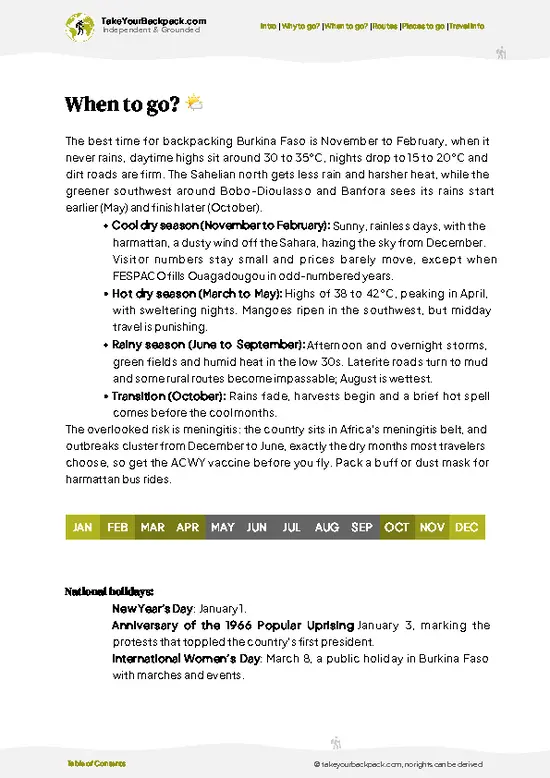
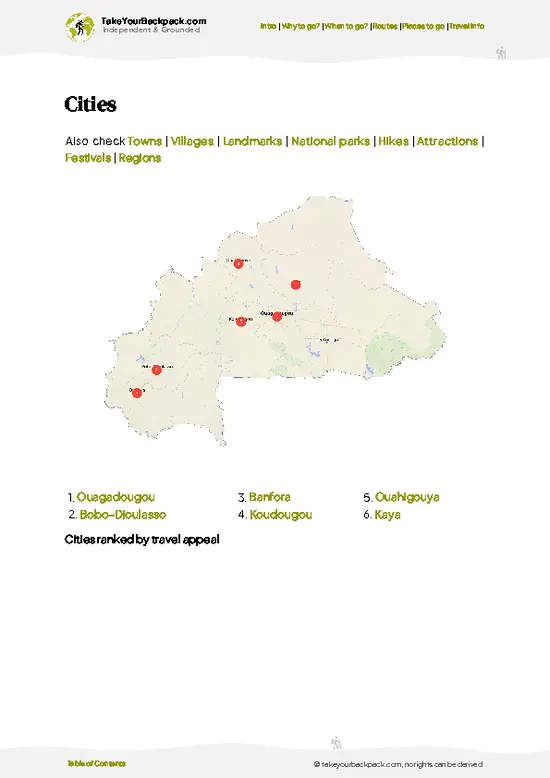
Forget the glass cases and “do not touch” signs. The Musée de la Musique de Ouagadougou is alive with sound, not silence. If you time your visit right, you’ll catch local musicians coaxing rhythms from balafons, koras, and djembes—sometimes with a crowd of kids, sometimes just for you. This isn’t background music; it’s a front-row ticket to the heartbeat of Burkina Faso. The energy is contagious, and you’ll leave with the rhythms echoing in your bones. If you’re lucky, you’ll get to try an instrument yourself—no judgment, just encouragement.
The West African Instrument Collection
This isn’t your average “old violin in a glass box” museum. The collection here is a crash course in the wild diversity of West African sound. You’ll see stringed ngonis, talking drums that … read more 👉
Forget the glass cases and “do not touch” signs. The Musée de la Musique de Ouagadougou is alive with sound, not silence. If you time your visit right, you’ll catch local musicians coaxing rhythms from balafons, koras, and djembes—sometimes with a crowd of kids, sometimes just for you. This isn’t background music; it’s a front-row ticket to the heartbeat of Burkina Faso. The energy is contagious, and you’ll leave with the rhythms echoing in your bones. If you’re lucky, you’ll get to try an instrument yourself—no judgment, just encouragement.
The West African Instrument Collection
This isn’t your average “old violin in a glass box” museum. The collection here is a crash course in the wild diversity of West African sound. You’ll see stringed ngonis, talking drums that … read more 👉
The Live Instrument Demos
Forget the glass cases and “do not touch” signs. The Musée de la Musique de Ouagadougou is alive with sound, not silence. If you time your visit right, you’ll catch local musicians coaxing rhythms from balafons, koras, and djembes—sometimes with a crowd of kids, sometimes just for you. This isn’t background music; it’s a front-row ticket to the heartbeat of Burkina Faso. The energy is contagious, and you’ll leave with the rhythms echoing in your bones. If you’re lucky, you’ll get to try an instrument yourself—no judgment, just encouragement.
The West African Instrument Collection
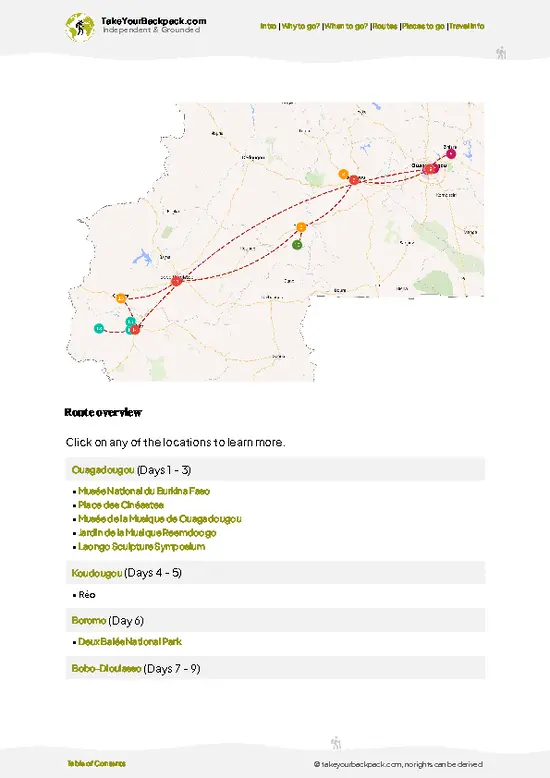
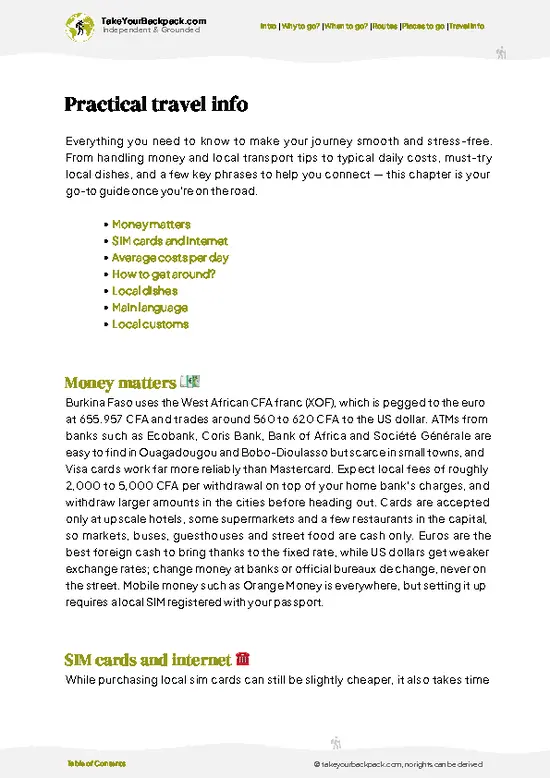
This isn’t your average “old violin in a glass box” museum. The collection here is a crash course in the wild diversity of West African sound. You’ll see stringed ngonis, talking drums that actually mimic human speech, and xylophones carved from gourds and wood. Each piece is battered, beautiful, and clearly used—these aren’t museum props, they’re working tools of living musicians. The labels are straightforward, sometimes handwritten, and often come with a story if you ask the right guide. You’ll walk away understanding why music is woven into every ceremony, protest, and party in this part of the world.
The Storytelling Sessions
Here’s the secret sauce: the museum doesn’t just show you instruments, it tells you why they matter. Some days, griots—traditional storytellers—drop in to spin tales that are half history lesson, half stand-up comedy. You’ll hear about legendary musicians, epic festivals, and the role of music in everything from weddings to revolutions. It’s unscripted, unpredictable, and a thousand times more memorable than any audio guide. If you want to understand Burkina Faso, this is where you start.
The Courtyard Jams
Instagram will never capture the real magic of the museum’s open-air courtyard. In the evenings, the place transforms into a jam session under the stars. Locals, expats, and travelers mix in a swirl of languages and rhythms. Sometimes it’s organized, sometimes it’s chaos, but it’s always genuine. You’ll see teenagers teaching elders new beats, and vice versa. No stage, no velvet ropes—just music, sweat, and laughter. If you’re looking for the soul of Ouagadougou, it’s here, not in a curated photo op.
The Instrument Workshop
If you’re the hands-on type, ask about the instrument-making workshops. You’ll get a crash course in how a calabash becomes a drum or how animal skins are stretched into sound. The craftspeople are patient, proud, and happy to share their tricks—no assembly line here, just real artisanship. You’ll leave with a new respect for the work behind every note you hear in West Africa. And maybe, if you’re brave, a slightly lopsided drum of your own.
Forget the glass cases and “do not touch” signs. The Musée de la Musique de Ouagadougou is alive with sound, not silence. If you time your visit right, you’ll catch local musicians coaxing rhythms from balafons, koras, and djembes—sometimes with a crowd of kids, sometimes just for you. This isn’t background music; it’s a front-row ticket to the heartbeat of Burkina Faso. The energy is contagious, and you’ll leave with the rhythms echoing in your bones. If you’re lucky, you’ll get to try an instrument yourself—no judgment, just encouragement.
The West African Instrument Collection
This isn’t your average “old violin in a glass box” museum. The collection here is a crash course in the wild diversity of West African sound. You’ll see stringed ngonis, talking drums that actually mimic human speech, and xylophones carved from gourds and wood. Each piece is battered, beautiful, and clearly used—these aren’t museum props, they’re working tools of living musicians. The labels are straightforward, sometimes handwritten, and often come with a story if you ask the right guide. You’ll walk away understanding why music is woven into every ceremony, protest, and party in this part of the world.
The Storytelling Sessions
Here’s the secret sauce: the museum doesn’t just show you instruments, it tells you why they matter. Some days, griots—traditional storytellers—drop in to spin tales that are half history lesson, half stand-up comedy. You’ll hear about legendary musicians, epic festivals, and the role of music in everything from weddings to revolutions. It’s unscripted, unpredictable, and a thousand times more memorable than any audio guide. If you want to understand Burkina Faso, this is where you start.
The Courtyard Jams
Instagram will never capture the real magic of the museum’s open-air courtyard. In the evenings, the place transforms into a jam session under the stars. Locals, expats, and travelers mix in a swirl of languages and rhythms. Sometimes it’s organized, sometimes it’s chaos, but it’s always genuine. You’ll see teenagers teaching elders new beats, and vice versa. No stage, no velvet ropes—just music, sweat, and laughter. If you’re looking for the soul of Ouagadougou, it’s here, not in a curated photo op.
The Instrument Workshop
If you’re the hands-on type, ask about the instrument-making workshops. You’ll get a crash course in how a calabash becomes a drum or how animal skins are stretched into sound. The craftspeople are patient, proud, and happy to share their tricks—no assembly line here, just real artisanship. You’ll leave with a new respect for the work behind every note you hear in West Africa. And maybe, if you’re brave, a slightly lopsided drum of your own.
Spotted a mistake or missing something? Contact us.
v2.webp)


Best Backpacking
Hi, I’m Johan (Netherlands 🇳🇱), the creator of TakeYourBackpack. Over the past decade, I’ve backpacked through 80+ countries across six continents, gaining extensive experience with independent travel, long-term trips, and overland routes.