v2.webp)

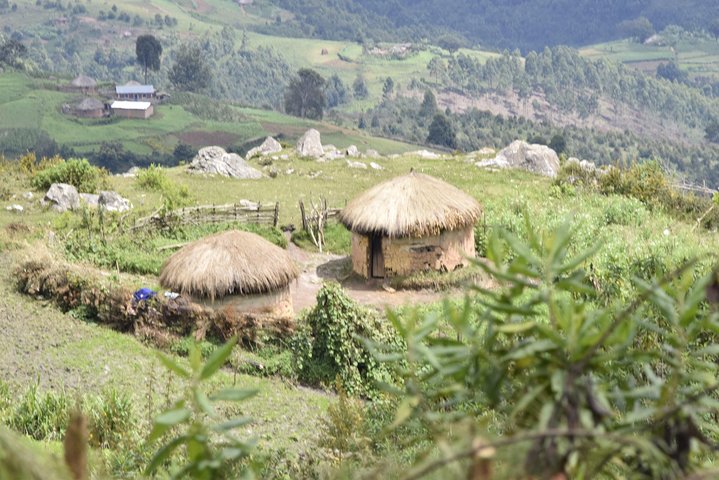
- Ancient montane canopy and mossy understory — Knotty old trees draped in thick moss and epiphytes give Kibira a genuine “primeval” feel. The forest’s altitude and persistent cloud cover create a lush, soft carpet of ferns and liverworts you don’t get on lowland hikes.
- Bamboo cathedrals and close birdlife — Long stretches of bamboo form tunnel-like corridors that sway and creak as you pass. Those stands host specialized forest birds and lots of lively bird-song, making Kibira especially rewarding for birdwatching compared with drier routes.
- Primate activity and chimpanzee signs — You’re likely to hear or see colobus and other monkeys; experienced guides also find nests, feeding traces and occasional chimp calls. Direct sightings aren’t guaranteed, but the real draw is the living, breathing
- Ancient montane canopy and mossy understory — Knotty old trees draped in thick moss and epiphytes give Kibira a genuine “primeval” feel. The forest’s altitude and persistent cloud cover create a lush, soft carpet of ferns and liverworts you don’t get on lowland hikes.
- Bamboo cathedrals and close birdlife — Long stretches of bamboo form tunnel-like corridors that sway and creak as you pass. Those stands host specialized forest birds and lots of lively bird-song, making Kibira especially rewarding for birdwatching compared with drier routes.
- Primate activity and chimpanzee signs — You’re likely to hear or see colobus and other monkeys; experienced guides also find nests, feeding traces and occasional chimp calls. Direct sightings aren’t guaranteed, but the real draw is the living, breathing primate forest—tracked respectfully with locals.
- Mossy ravines, streams and tucked-away waterfalls — Small waterfalls and crystal streams cut through steep, fern-lined ravines. They’re not huge tourist falls, but the secluded pools and dripping walls are perfect for a quiet break and feel more intimate than most mountain treks.
- Cultural encounters and community-led conservation — Villagers (including forest peoples with deep traditional knowledge) often guide sections of the trail, explaining medicinal plants, hunting history and forest-use rules. That human layer—stories, practices and local stewardship—makes the hike feel like a living landscape rather than just a photo stop.
Spotted a mistake or missing something? Contact us.

3 Day Burundi Tour- Multi-Day Burundi Sightseeing Tour with Karera Waterfalls

3 Day Burundi Nile Source Gitega Rusizi Park

Bujumbura City Tour

From Bujumbura: Private Day Tour-Gitega-Gishora Drum Sanctuary

Private Tour of Bujumbura

Discovering the Wonders of Burundi: A 7-Day Tour itinerary
5 Day Burundi Green Tour-Nature & Culture

Small Group Guided Shared Tour To Gishora Drum Sanctuary From Bujumbura

Full-Day Tour Bujumbura With Rusizi Park And Stanley Monument


 Best Backpacking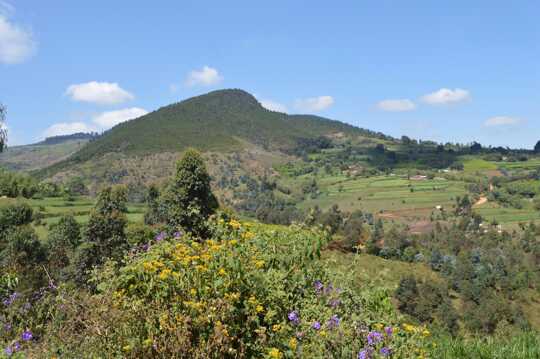
.jpg) Hi, I’m Johan (Netherlands 🇳🇱), the creator of TakeYourBackpack. Over the past 3 decades, I’ve backpacked through 90+ countries across six continents, gaining extensive experience with independent travel, long-term trips, and overland routes.
Hi, I’m Johan (Netherlands 🇳🇱), the creator of TakeYourBackpack. Over the past 3 decades, I’ve backpacked through 90+ countries across six continents, gaining extensive experience with independent travel, long-term trips, and overland routes.