v2.webp)
- Miradouro de Fontainhas — The tiny cliff-top viewpoint that gives the classic postcard shot: sheer drop to the Atlantic, a scatter of colorful houses on the slope and great light for sunrise/sunset photos. It’s the best single place to grasp why Fontainhas exists where it does.
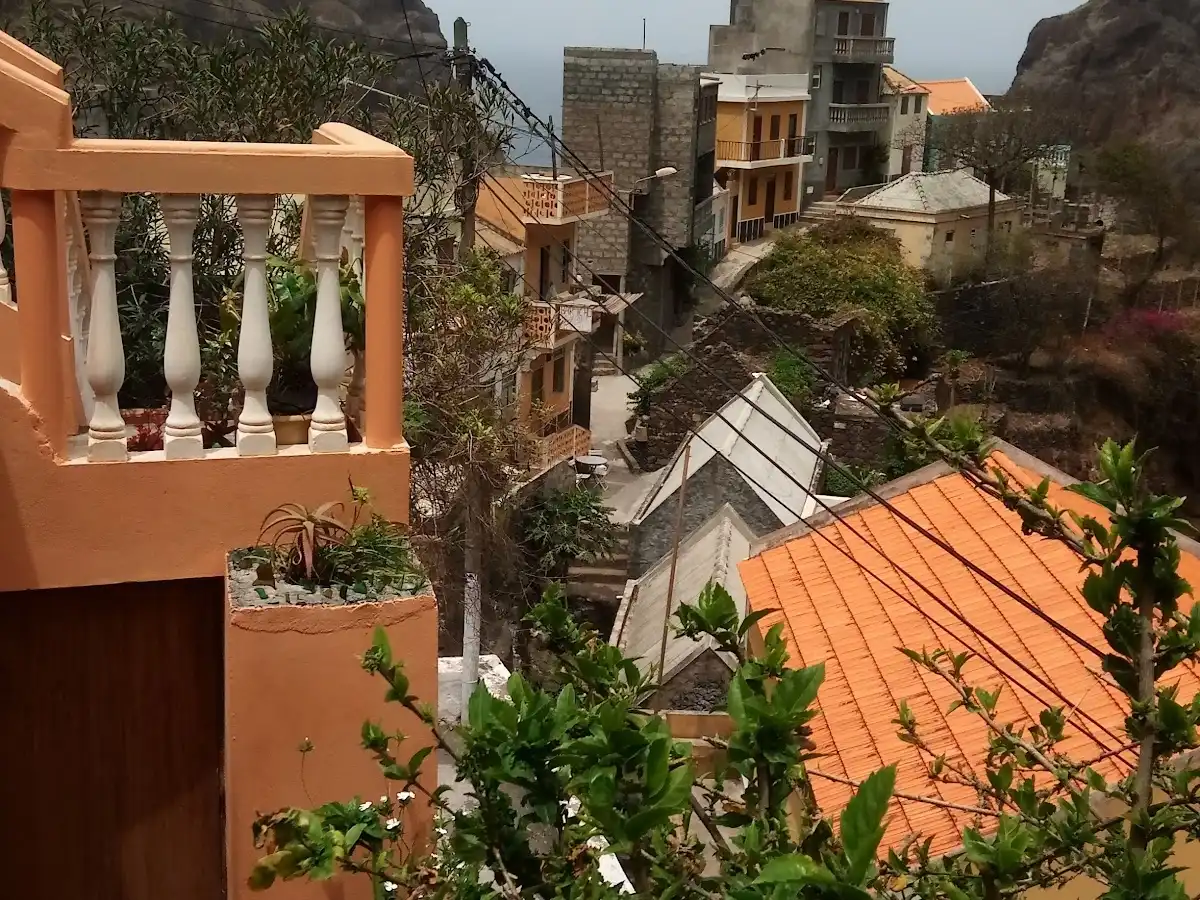
- Cliffside painted houses — The row of tightly packed, brightly painted homes clinging to the rock face. Not a museum — people live here — so you get an authentic feel of daily life, architecture adapted to steep terrain, and endless angles for photography.
- Cobbled alleys and stone stairways — Walk the village on foot: narrow lanes, handmade stone steps and little gateways. These lanes are where you’ll overhear conversations, see washing hung out, and find small surprises around every corner.
- The village chapel
- Miradouro de Fontainhas — The tiny cliff-top viewpoint that gives the classic postcard shot: sheer drop to the Atlantic, a scatter of colorful houses on the slope and great light for sunrise/sunset photos. It’s the best single place to grasp why Fontainhas exists where it does.
- Cliffside painted houses — The row of tightly packed, brightly painted homes clinging to the rock face. Not a museum — people live here — so you get an authentic feel of daily life, architecture adapted to steep terrain, and endless angles for photography.
- Cobbled alleys and stone stairways — Walk the village on foot: narrow lanes, handmade stone steps and little gateways. These lanes are where you’ll overhear conversations, see washing hung out, and find small surprises around every corner.
- The village chapel (local capela) — Small, simple and central to community life. If you time a visit with a local mass or festa you’ll see genuine traditions, music and community hospitality rather than tourist theatre.
- Household terraces and micro-farms — Mini terraces and kitchen gardens tucked into the slope show how people grow food here (bananas, vegetables, fruit trees in pockets). They’re living examples of resourceful mountain agriculture and add green texture to the village.
- Old water sources and cisterns (the “fontainhas”) — The village name points to springs and traditional water-collection systems. Spotting stone channels, wells and cisterns gives context to how the community managed precious water on the cliffs.
- Cliff-edge lookout points and basalt platforms — Walk down to the sharper edges of the headland for raw sea views, wind-sculpted rock and the sound of waves on basalt. Not a swimming beach, but superb for dramatic nature-watching and sunset.
- Local houses and small cafés — A handful of simple family-run cafés/guesthouses or “casas” where you can grab coffee, a local cake or a chat. These spots are the best place to taste local hospitality and hear stories from residents.
- Spontaneous handicraft and street sales — Small displays of locally made items or seasonal produce appear in front of houses. They’re not full markets, but you can pick up a handmade souvenir and support locals directly.
- Trailhead for the coastal walk to Ponta do Sol — The path that starts/threads through Fontainhas connects you to neighboring Ponta do Sol and nearby hamlets. It’s a short, scenic hike — ideal for seeing how the coastline and villages link up on foot.
Spotted a mistake or missing something? Contact us.

Santo Antão Highlights: Day Trip by Car w/ Ferry from São Vicente

Full-Day Island Tour in Santo Antão with Lunch Included

Santo Antão: Full-day Island Tour & Visit to Cova de Paúl Volcano Crater

Santo Antão: Trekking Cova de Paúl Volcano Crater - Ribeira de Paúl

Santo Antão: Hike Ponta do Sol - Fontainhas - Cruzinha

Santo Antão Day Trip by Car – Explore Island Highlights

Full-Day Hiking Experience Ponta do Sol - Fontainhas - Cruzinha with Lunch

Best of Santo Antão: 3 days hiking tour

Half-Day Adventure Hike in Ribeira Grande.

 Best Backpacking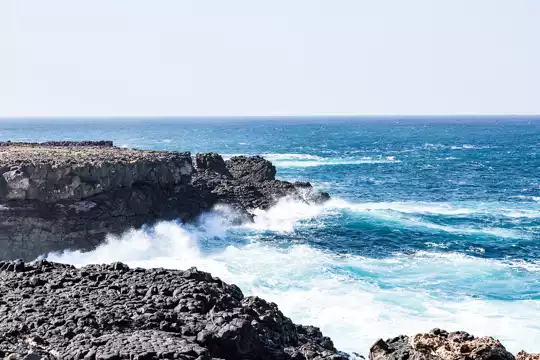
.jpg) Hi, I’m Johan (Netherlands 🇳🇱), the creator of TakeYourBackpack. Over the past decade, I’ve backpacked through 80+ countries across six continents, gaining extensive experience with independent travel, long-term trips, and overland routes.
Hi, I’m Johan (Netherlands 🇳🇱), the creator of TakeYourBackpack. Over the past decade, I’ve backpacked through 80+ countries across six continents, gaining extensive experience with independent travel, long-term trips, and overland routes.