×

Cambodia🇰🇭 | regionsKing Islandrural villages, rice paddies, Mekong river views | things to do and best time to go

Explore Tonle Sap LakeExplore Kampot

Backpacking in King Island
By Johan Kruseman 🇳🇱 | Updated June 5, 2026

Your toes sink into cool, flour-soft sand while a battered fishing boat coughs past, its engine echoing across the bay. The air smells like salt and grilled squid. Somewhere behind you, a dog barks at a rooster. This is King Island—technically Koh Kong, tucked up against Cambodia’s southwest border with Thailand, where the Cardamom Mountains tumble into the Gulf of Thailand.

Koh Kong is the kind of place that still feels like a rumor. You get wild rainforest, tangled mangroves, and beaches that haven’t been Instagrammed to death. It’s cheap—dorm beds and grilled fish for pocket change—but you’ll pay in time: buses crawl, boats are slow, and the roads are more pothole than pavement. The payoff? You get a raw, unpolished Cambodia, not the backpacker circus of Sihanoukville or the curated calm of Kampot. Tatai’s floating lodges, the Cardamom’s jungle treks, and the border-town weirdness of Koh Kong City all feel like secrets you’re in on. It’s not for everyone, but that’s the point.

Discover everything you want to know in the 📖 Cambodia Travel Guide.


Get your Cambodia guide
90 ranked highlights, routes & tips, works offline (345 pages)
Loading the map 🌍
CLICK TO FILTER
cities
towns
villages
landmarks
national parks
hikes
beaches
attractions
festivals
regions
SHOW COUNTRY’S BESTSHOW ALL

✨ Why go?
Ranked #99 region in Cambodia
Why visitors keep coming back

King Island in Cambodia is a rare spot where you don’t have to choose between rushing through sights or settling into one place. Backpackers stick around because it offers a variety of landscapes—from dense jungle trails to quiet riverbanks—without the hassle of hopping between distant towns. This means you can savor different vibes without wasting time on long transfers. The transport options here are refreshingly flexible; local boats, motorbikes, and even bicycles let you tailor your pace. You’re not locked into a rigid schedule, which is a game-changer when you want to soak in the moment rather than just tick boxes.

What really hooks travelers is the chance to blend nature and culture seamlessly. You might spend your morning trekking through untouched forest, then your afternoon chatting … read more 👉
King Island in Cambodia is a rare spot where you don’t have to choose between rushing through sights or settling into one place. Backpackers stick around because it offers a variety of landscapes—from dense jungle trails to quiet riverbanks—without the hassle of hopping between distant towns. This means you can savor different vibes without wasting time on long transfers. The transport options here are refreshingly flexible; local boats, motorbikes, and even bicycles let you tailor your pace. You’re not locked into a rigid schedule, which is a game-changer when you want to soak in the moment rather than just tick boxes.

What really hooks travelers is the chance to blend nature and culture seamlessly. You might spend your morning trekking through untouched forest, then your afternoon chatting with villagers or exploring ancient temples nearby. This slow travel rhythm lets you build a genuine connection with the place, rather than skimming its surface. In King Island, every hour feels earned, not lost. If you’re after a trip where time, money, and comfort balance out naturally, this spot hands you the keys without the usual trade-offs. It’s the kind of place where savvy backpackers come to stretch their legs—and their perspective.
Want to include King Island in your Cambodia route?
Create a personalized Cambodia itinerary that includes King Island and the places that fit your trip — based on your travel style, budget, and available time. Get your route in seconds.

Generate my trip

💡 HighlightsDon't-miss highlights and experiences

Koh Kong Mangrove Walkway
This isn’t your average boardwalk. Picture a winding wooden path slicing through a dense, salt-scented mangrove forest, with roots like gnarled fingers clutching the mud. You’ll spot mudskippers, crabs, and—if you’re lucky—a flash of iridescent kingfisher. The best part? Early morning, when the air is cool and the only sound is your own footsteps. Skip the midday heat unless you want to sweat like a local fisherman.

Peam Krasaop Wildlife Sanctuary
A sprawling wetland that feels like Cambodia’s answer to the Everglades, minus the crowds. Hire a local boat and glide through labyrinthine waterways. You’ll see stilt villages, floating shrimp farms, and maybe even a rare Irrawaddy dolphin if the river gods are smiling. The sanctuary is a masterclass in slow travel: bring … read more 👉
Koh Kong Mangrove Walkway
This isn’t your average boardwalk. Picture a winding wooden path slicing through a dense, salt-scented mangrove forest, with roots like gnarled fingers clutching the mud. You’ll spot mudskippers, crabs, and—if you’re lucky—a flash of iridescent kingfisher. The best part? Early morning, when the air is cool and the only sound is your own footsteps. Skip the midday heat unless you want to sweat like a local fisherman.

Peam Krasaop Wildlife Sanctuary
A sprawling wetland that feels like Cambodia’s answer to the Everglades, minus the crowds. Hire a local boat and glide through labyrinthine waterways. You’ll see stilt villages, floating shrimp farms, and maybe even a rare Irrawaddy dolphin if the river gods are smiling. The sanctuary is a masterclass in slow travel: bring patience, binoculars, and a willingness to get a little muddy.

Koh Kong Island Beaches
Cambodia’s largest island is a wild, jungle-cloaked escape. The sand is powdery, the water is glass-clear, and you’ll often have entire stretches to yourself. Don’t expect beach bars or Wi-Fi—this is the anti-Phuket. The trade-off? Getting here takes a bumpy boat ride and a flexible schedule, but the reward is a castaway experience with just enough civilization (think: a hammock and a cold Angkor beer).

Tatai Waterfall
A local favorite for good reason. The falls are wide, multi-tiered, and surrounded by thick rainforest. You can swim, picnic, or just let the spray cool you off. Go on a weekday and you’ll share the place with dragonflies and the odd fisherman, not busloads of tourists. The real hack: hire a kayak from Tatai village and paddle upstream for a private approach.

Chi Phat Community-Based Ecotourism
This is where you trade comfort for connection. Stay in a homestay, eat with your hosts, and trek into the Cardamom Mountains with guides who grew up here. The wildlife is wild—think hornbills, gibbons, and maybe even elephants if you’re lucky. It’s not luxury, but it’s the kind of experience that sticks with you long after your tan fades.

Koh Sralau Village (Hidden Gem)
A floating village that’s still more about fishing than Instagram. The houses bob gently on the water, and the only traffic jams are caused by kids paddling home from school. Spend the night in a basic guesthouse, eat fresh crab, and watch the sun melt into the mangroves. Most travelers whiz past on their way to bigger sights—don’t make that mistake.

Thma Bang District (Hidden Gem)
If you want to see the Cardamoms before the world catches on, this is your shot. Thma Bang is remote, rugged, and refreshingly unpolished. The jungle treks here are raw—no boardwalks, just animal trails and the occasional leech. You’ll meet indigenous communities who still hunt and farm the old way. Bring cash, curiosity, and a sense of humor.

Bak Khlong Beach (Hidden Gem)
Forget the guidebooks—this stretch of sand is where local families go to picnic and swim. The vibe is laid-back, with a few seafood shacks serving up grilled squid and cold beer. Sunsets here are the real deal: fiery, unfiltered, and best enjoyed with your feet in the surf. It’s not fancy, but it’s real.

Tatai River Sunset Cruise
There’s something about drifting down the Tatai River at dusk, watching the jungle turn gold, that makes you forget about your inbox. Local boatmen know the best bends for spotting birds and the occasional monkey. Bring a sarong for the evening chill and a bottle of something to toast the day.

Kbal Chhay Prek Koh Waterfall
Not to be confused with the more famous Kbal Chhay near Sihanoukville, this local spot is a favorite for families and picnickers. The falls are smaller but the pools are perfect for a dip, especially after a hot hike. Go during the rainy season for the best flow, and pack your own snacks—there’s no tourist infrastructure, just nature and a few friendly faces.
Spotted a mistake or missing something? Contact us.

⌛️ 5 daysSeeing the highlights in 5 days

Day 1: Arrival at Kaoh Kong


Start your journey in Kaoh Kong, the regional hub where the pulse of King Island’s transport system beats strongest. This town is your spine—everything radiates from here. The buses and boats connect like veins, but schedules are loose, so arriving early means you can snag the best seats and avoid last-minute scrambling. Use this day to settle in, sync your timing with local departures, and soak in the gritty charm of a border town that’s more about function than flash.

Day 2: Kaoh Kong to Koh Kong Island


The wiring here is a mix of boat rides and motorbike taxis. The boat to Koh Kong Island is your first real taste of the region’s rhythm—slow, scenic, and a bit unpredictable. The trade-off? You lose speed but gain a front-row seat to mangrove-lined waterways … read more 👉

Day 1: Arrival at Kaoh Kong


Start your journey in Kaoh Kong, the regional hub where the pulse of King Island’s transport system beats strongest. This town is your spine—everything radiates from here. The buses and boats connect like veins, but schedules are loose, so arriving early means you can snag the best seats and avoid last-minute scrambling. Use this day to settle in, sync your timing with local departures, and soak in the gritty charm of a border town that’s more about function than flash.

Day 2: Kaoh Kong to Koh Kong Island


The wiring here is a mix of boat rides and motorbike taxis. The boat to Koh Kong Island is your first real taste of the region’s rhythm—slow, scenic, and a bit unpredictable. The trade-off? You lose speed but gain a front-row seat to mangrove-lined waterways and fishermen’s villages. Once on the island, rent a motorbike to explore at your own pace. The roads are rough, but the freedom is worth the bumpy ride.

Day 3: Koh Kong Island Exploration


This day is about comfort sacrificed for authenticity. Public transport is scarce, so your motorbike is your lifeline. Head to the less-visited beaches and local markets. The payoff is a raw, unfiltered slice of island life that no tour bus can touch. The Off-Path Reward: Detour to the tiny fishing village of Koh S’la, accessible only by a dusty dirt track. It’s a quiet spot where you can chat with locals and watch traditional boat-building—an experience that feels like a secret handshake among insiders.

Day 4: Return to Kaoh Kong and onward to Tatai


Backtracking to Kaoh Kong might feel like lost time, but it’s the only way to connect with the Tatai River area. The road here is rough, and public transport is infrequent, so plan for a full day of travel. The trade-off is comfort and speed for access to one of Cambodia’s most pristine river ecosystems. Tatai’s waterfalls and jungle trails reward the effort with a sense of wilderness that’s rare this close to the border.

Day 5: Tatai River and Departure


Spend your final day soaking in the Tatai River’s natural beauty. The slow pace here is deliberate—there’s no rush, and the comfort of a riverside bungalow is a welcome contrast to the previous days’ rough rides. This day justifies the whole trip: the blend of raw nature, quiet isolation, and the satisfaction of having navigated King Island’s spine and wiring on your own terms. It’s the kind of day that turns a trip into a story worth telling.
Turn your King Island visit into an Cambodia adventure
Build a complete Cambodia route with King Island, hidden gems, must-see destinations, and realistic travel times included.

Generate my trip

🌤️ When to go?Weather, crowds, and seasonal trade-offs


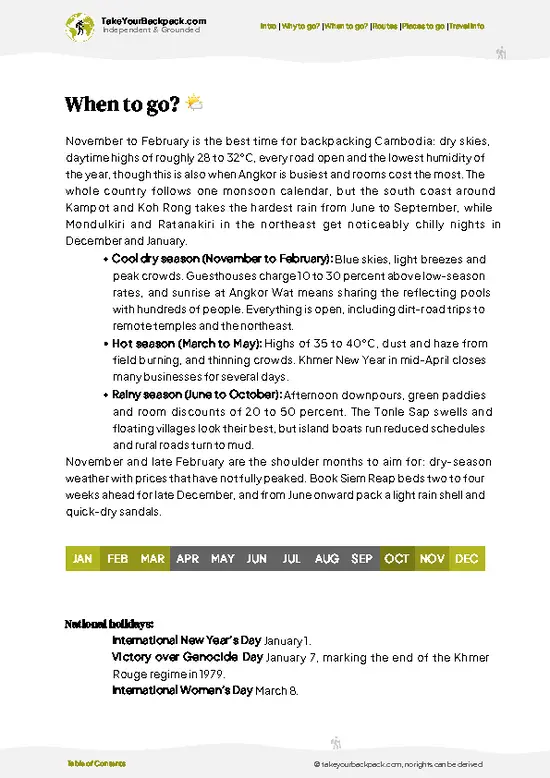
  • Topic: Weather – The dry season from November to April is your best bet. Expect clear skies and minimal rain, perfect for trekking and beach time. May through October is the monsoon season, with heavy downpours that can turn trails into mudslides and limit boat access.

  • Topic: Temperature – From November to February, temperatures hover around a comfortable 25-30°C (77-86°F), making outdoor activities enjoyable without overheating. March and April ramp up the heat to 33-35°C (91-95°F), which can be brutal if you’re hiking or exploring all day.

  • Topic: Daylight Hours – Daylight stays fairly consistent year-round, roughly 11 to 12 hours daily. However, during the dry season, mornings are crisp and clear, giving you a head start on adventures before the afternoon heat kicks in.

  • Topic: Crowds
read more 👉

  • Topic: Weather – The dry season from November to April is your best bet. Expect clear skies and minimal rain, perfect for trekking and beach time. May through October is the monsoon season, with heavy downpours that can turn trails into mudslides and limit boat access.

  • Topic: Temperature – From November to February, temperatures hover around a comfortable 25-30°C (77-86°F), making outdoor activities enjoyable without overheating. March and April ramp up the heat to 33-35°C (91-95°F), which can be brutal if you’re hiking or exploring all day.

  • Topic: Daylight Hours – Daylight stays fairly consistent year-round, roughly 11 to 12 hours daily. However, during the dry season, mornings are crisp and clear, giving you a head start on adventures before the afternoon heat kicks in.

  • Topic: Crowds – Peak tourist season aligns with the dry months, especially December and January. You’ll find more travelers but also better infrastructure and open services. Off-season means fewer people but expect some guesthouses and tours to close or run on limited schedules.

  • Topic: Seasonal Activities – November to April offers prime conditions for snorkeling, diving, and island hopping. The monsoon months are better for cultural immersion and inland exploration, as the seas get rough and boat trips become unreliable.

  • Topic: Price Fluctuations – Prices spike during the dry season, especially around Christmas and New Year. Booking early can save you a bundle. The rainy season sees steep discounts on accommodation and tours, but you trade that for unpredictable weather and limited options.


Pro-tip: Aim for late November or early December—right after the rains ease but before the holiday rush. You get the best weather, fewer crowds, and better deals. That’s the sweet spot only insiders know.


source: climatestotravel.comJANJanuary: highly recommended for travelingFEBFebruary: highly recommended for travelingMARMarch: good for travelingAPRApril: good for travelingMAYMay: fair for travelingJUNJune: fair for travelingJULJuly: fair for travelingAUGAugust: fair for travelingSEPSeptember: fair for travelingOCTOctober: fair for travelingNOVNovember: highly recommended for travelingDECDecember: excellent for traveling
when-to-go

✈️ The backpacker research shortcutCambodia Travel Guide

An offline-friendly backpacking guide with optimized travel routes, ranked highlights, transport advice, and the best areas to stay.
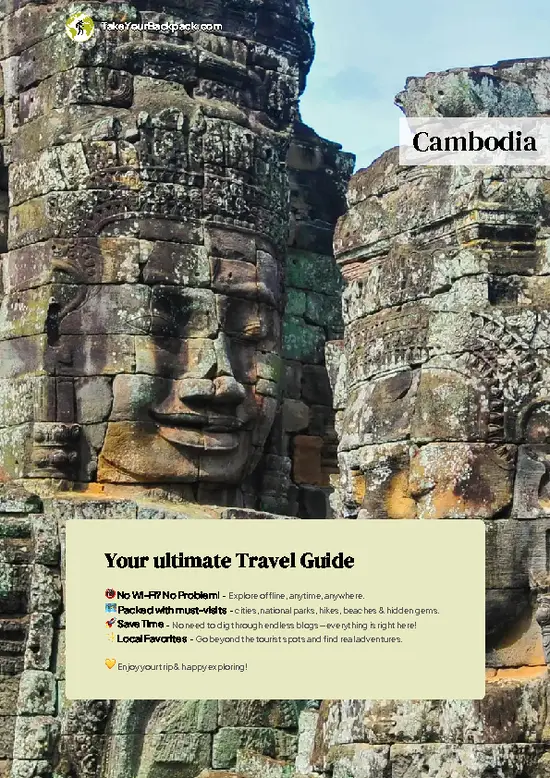
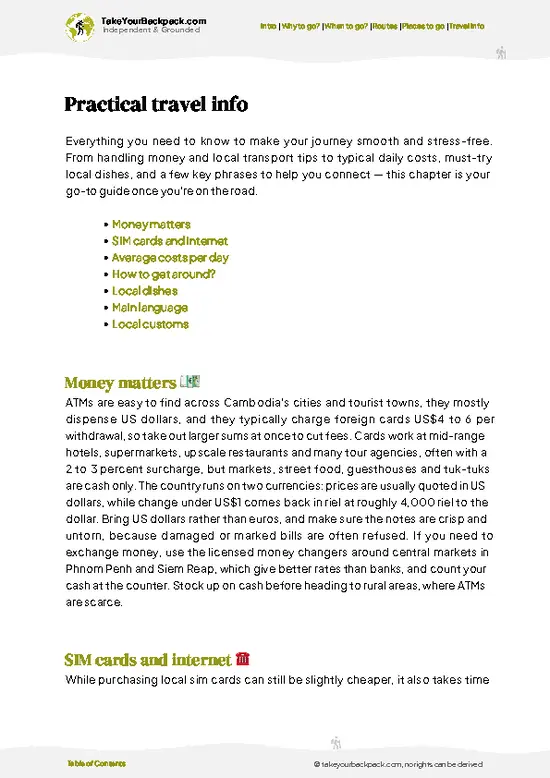
example page 0 from our offline Travel Guide for Cambodia
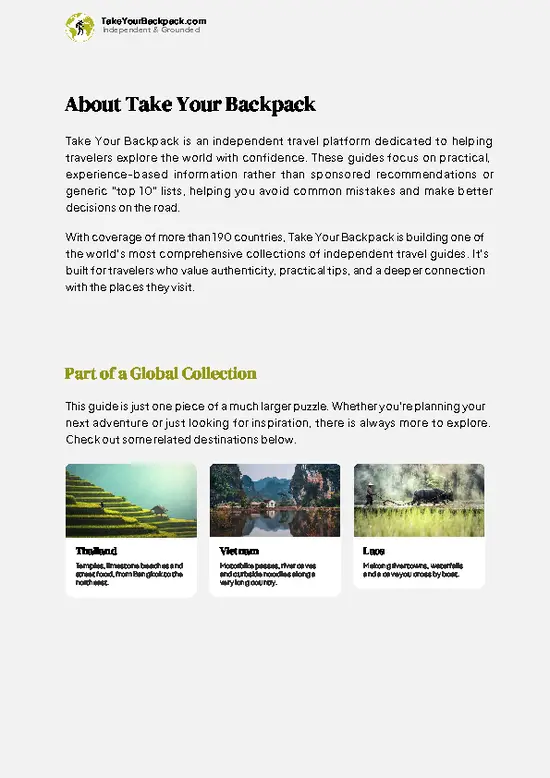
example page 1 from our offline Travel Guide for Cambodia
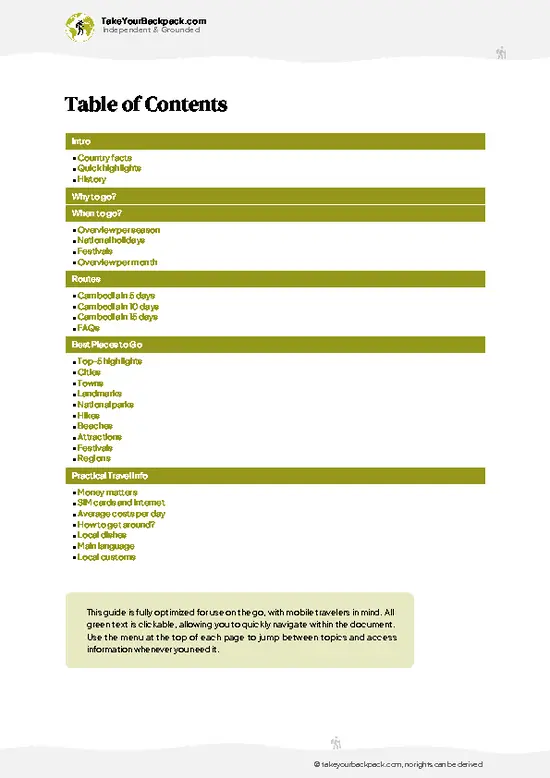
example page 2 from our offline Travel Guide for Cambodia
example page 3 from our offline Travel Guide for Cambodia
example page 4 from our offline Travel Guide for Cambodia
example page 5 from our offline Travel Guide for Cambodia
example page 6 from our offline Travel Guide for Cambodia
example page 7 from our offline Travel Guide for Cambodia
The digital guide (345 pages) contains:
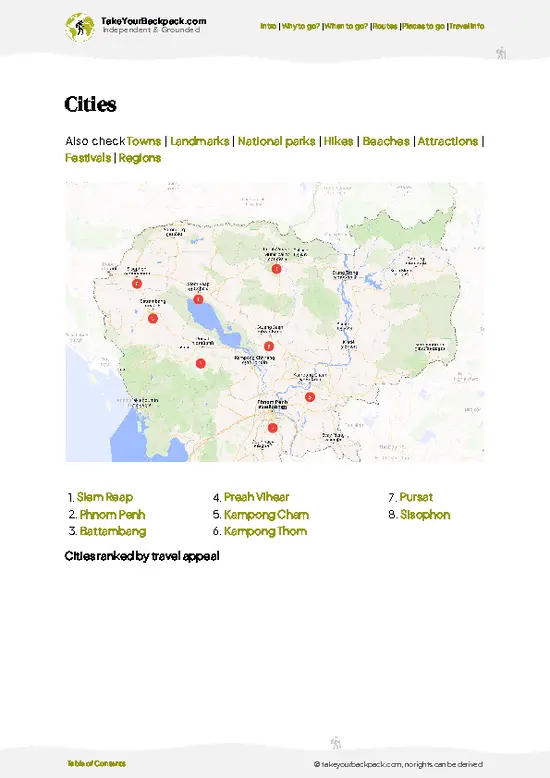
90 highlights, ranked by travel appeal
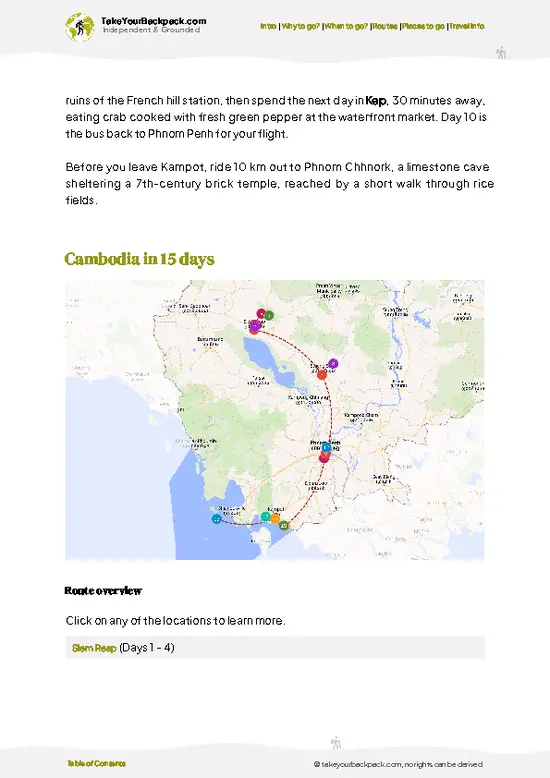
Optimized 5, 10 & 15-day travel routes
Cities, national parks, landmarks, beaches
How to get around
Offline-friendly for travel without Wi-Fi
👉 Click to see all 30+ guide features

📅 Plan smarter in minutes, not weeks
Month by month travel advice
Festivals & national holidays
Budget expectations

🗺️ Go to the right places, skip the overrated ones
Honest pros & cons of destinations
Top hikes, parks & viewpoints
Lesser-known places most travelers miss
Clear “worth it vs skip it” guidance

🛏️ Travel smoothly without rookie mistakes
Best areas to stay
Transport systems explained simply
Common scams & safety advice
SIM cards, money & practical tips

🌍 Understand the country, not just visit it
Culture & traditions
52 Essential phrases & customs
Festivals worth planning around
Traveler-friendly historical context
Insights that make places more meaningful

📱 Built for real travel conditions
Fully downloadable PDF
Works completely offline
Optimized for phone use
Useful in remote areas & buses
Everything in one place
Save weeks of stressful planning
Get instant access to your full guide. 30‑day money-back guarantee.


By proceeding you agree to our terms.
Sent to your inbox immediately after payment • 100% Secure Checkout
Best Backpacking Travel Advisor 2025 tourism awardBest Backpacking
Travel Advisor
2025
What others say about Take Your Backpack Guides:
⭐⭐⭐⭐⭐
Fantastic, amazing amount of information!
⭐⭐⭐⭐⭐
My goodness this is amazing, it's what I've been looking for hats off too you!
⭐⭐⭐⭐⭐
I think this is absolutely BRILLIANT
⭐⭐⭐⭐
Very complete and informative. It's still missing places, but I gotta to commend you
⭐⭐⭐⭐⭐
This is truly amazing, thank you, can't wait to explore it with my kids!
⭐⭐⭐⭐⭐
Awesome resource, thank you!
⭐⭐⭐⭐⭐
This is amazing! Can't wait to explore the ones I haven't seen
⭐⭐⭐⭐
I love this! Well done, great idea.
⭐⭐⭐⭐⭐
Thanks for taking the time to make this gem!
⭐⭐⭐⭐⭐
This might be the best website I've ever seen.
⭐⭐⭐⭐⭐
Congratulations, and thank you so much for your work; it's incredibly valuable.
⭐⭐⭐⭐
In all seriousness I think you did a great job pointing out the important spots
⭐⭐⭐⭐⭐
10/10 very good
⭐⭐⭐⭐⭐
As someone who's only just starting to visit regularly this is awesome, thank you.
⭐⭐⭐⭐
Thank you very much! I'm going to visit my dad, it's going to be very useful!
⭐⭐⭐⭐⭐
This is really cool! We'll be travelling for the first time and this definitely come in handy.
⭐⭐⭐⭐⭐
You are now our minister of culture, congratulations 👨‍💼
⭐⭐⭐⭐⭐
Just wanted to tell you that this is a pearl! Going to follow your recommendations.
⭐⭐⭐⭐⭐
This is so cool. I'll definitely be using the resource for my travels soon.
⭐⭐⭐⭐⭐
This is very impressive! Good work.
⭐⭐⭐⭐⭐
This is an amazing and informative site. Very well done!

🛏️ Where to stay?How to pick the right area

King Island in Cambodia isn’t exactly on every backpacker’s radar, which is why you want to zero in on the few spots where the vibe clicks with budget travelers and solo adventurers. The main hub is the town of Kaoh Kong, the gateway to King Island. It’s not flashy, but it’s safe, social, and packed with travelers who know the score: cheap eats, easy transport, and a laid-back scene where you can swap stories over a cold Angkor beer without feeling like a tourist in a zoo. The streets here are quiet enough to sleep but lively enough to meet people after dark.

If you want to stretch your legs … read more 👉
King Island in Cambodia isn’t exactly on every backpacker’s radar, which is why you want to zero in on the few spots where the vibe clicks with budget travelers and solo adventurers. The main hub is the town of Kaoh Kong, the gateway to King Island. It’s not flashy, but it’s safe, social, and packed with travelers who know the score: cheap eats, easy transport, and a laid-back scene where you can swap stories over a cold Angkor beer without feeling like a tourist in a zoo. The streets here are quiet enough to sleep but lively enough to meet people after dark.

If you want to stretch your legs and soak in some local flavor, the village of Koh Sdach is your go-to. It’s a fishing village with a tight-knit community, and while it’s a bit off the beaten path, it’s a magnet for backpackers who want to trade the usual hostel chaos for hammock hangs and fresh seafood. The trade-off? Fewer amenities but way more authenticity. You’ll find yourself chatting with fishermen and other travelers who are here for the long haul, not just a quick snap.

For those who want a middle ground, the small town of Botum Sakor offers a quieter base with enough local life to keep things interesting. It’s less touristy, which means you’re paying in comfort but gaining in genuine encounters and a slower pace. The key here is timing: arrive before sunset, grab a spot by the river, and watch the day fade with a local brew in hand. That’s the kind of moment that turns a trip from good to unforgettable.

🚌 Getting aroundTransportation options and practical tips

King Island’s transport scene is a dance between laid-back rhythms and the occasional jolt of unpredictability. Forget rigid timetables; here, the flow is dictated by the sun, the tide, and the local mood. You’ll find that schedules are more like suggestions, and the real magic happens when you tap into the local pulse—watching for the right moment to hop on a boat or flag down a motorbike taxi. It’s a place where patience pays off, but so does knowing the insider shortcuts that keep you moving without burning your budget or your energy.


  • Shared Motorbike Taxis: The backbone of King Island’s transport, these zippy rides run from dawn till dusk, usually between 6 AM and 6 PM. Expect to pay around $1-2 for short hops; they’re fast and flexible but hold on tight—comfort is minimal, and the
read more 👉
King Island’s transport scene is a dance between laid-back rhythms and the occasional jolt of unpredictability. Forget rigid timetables; here, the flow is dictated by the sun, the tide, and the local mood. You’ll find that schedules are more like suggestions, and the real magic happens when you tap into the local pulse—watching for the right moment to hop on a boat or flag down a motorbike taxi. It’s a place where patience pays off, but so does knowing the insider shortcuts that keep you moving without burning your budget or your energy.


  • Shared Motorbike Taxis: The backbone of King Island’s transport, these zippy rides run from dawn till dusk, usually between 6 AM and 6 PM. Expect to pay around $1-2 for short hops; they’re fast and flexible but hold on tight—comfort is minimal, and the roads can be bumpy.


  • Local Longtail Boats: The classic way to navigate the waterways, these boats operate mostly on demand rather than a fixed schedule. Prices vary but budget around $5-10 for a typical crossing. They’re slow but scenic, and timing depends on tides and weather, so plan for some waiting.


  • Songthaews (Shared Pickup Trucks): These are your go-to for slightly longer land journeys on King Island. They run irregularly, often filling up before leaving, so early arrival is key. Fares hover around $2-3. They offer a bit more shelter than motorbikes but can get crowded and hot.


  • Bicycle Rentals: For the truly independent traveler, renting a bike is a cheap and flexible option, usually costing $3-5 per day. It’s slower but lets you explore hidden corners at your own pace. Be ready for some rough patches on the roads and bring a good lock.


  • Private Tuk-Tuks: If you want comfort and speed without the hassle of shared rides, tuk-tuks can be hired privately. Expect to negotiate fares around $10-15 for half-day trips. They’re the most comfortable option but less budget-friendly and less common than motorbikes.


Master Tactical Tip: The real secret to mastering King Island’s transport is syncing your travel with the tides and local meal times. Boats and motorbike taxis tend to be more available right after breakfast and just before sunset, when locals are on the move. Arrive early at the docks or main roads, and you’ll snag a seat without the wait or the premium price. Timing here beats speed every time.

🍲 FoodEating & Drinking in King Island

King Island’s food scene is a low-key treasure trove that rewards those willing to dive in. The island’s signature dish is a fresh twist on Cambodia’s classic fish amok, but here it’s often grilled over charcoal, smoky and tender, served with sticky rice that clings to your fingers. Don’t miss the chance to sip on palm wine, a slightly sweet, fermented local brew that tastes like the island’s spirit in a glass—earthy, raw, and a little wild.

You’ll find the best bites not in fancy spots but at open-air markets where the air is thick with the scent of lemongrass and grilled seafood. Vendors cook over open flames, and the chatter is a mix of Khmer and curious travelers swapping stories. Grab a seat on a plastic stool, order a plate of fried tarantulas if you’re brave, or stick to grilled squid … read more 👉
King Island’s food scene is a low-key treasure trove that rewards those willing to dive in. The island’s signature dish is a fresh twist on Cambodia’s classic fish amok, but here it’s often grilled over charcoal, smoky and tender, served with sticky rice that clings to your fingers. Don’t miss the chance to sip on palm wine, a slightly sweet, fermented local brew that tastes like the island’s spirit in a glass—earthy, raw, and a little wild.

You’ll find the best bites not in fancy spots but at open-air markets where the air is thick with the scent of lemongrass and grilled seafood. Vendors cook over open flames, and the chatter is a mix of Khmer and curious travelers swapping stories. Grab a seat on a plastic stool, order a plate of fried tarantulas if you’re brave, or stick to grilled squid that’s chewy and charred just right. For a caffeine fix, the island’s street-side cafés serve strong, sweet iced coffee that jolts you awake with its syrupy punch.

Locals eat late, so don’t expect dinner before 7 pm. Sharing is the norm—dishes come family-style, and it’s polite to try a bit of everything. Watch how the elders use their hands, and don’t be shy to follow suit. The island’s food culture is about connection, flavor, and a little bit of adventure—exactly what you want from a backpacker’s meal.

Other Cambodian regions near King Island

Explore more nearby:

  • Koh Kong—Cardamom Mountains, mangrove forests, river estuaries| 8 km away
  • Koh Rong—white sand beaches, coral reefs, island nightlife| 100 km away
  • Tonle Sap Lake—floating villages, seasonal floodplains, freshwater fisheries| 255 km away

💡 Not sure where to go next?
Create a personalized itinerary for Cambodia including King Island and the places that fit your trip.

Generate my itinerary

👉 Discover all regions

Or checkout all Cambodia has to offer (think cities, towns, villages, national parks, hikes, beaches, festivals)
Country photo of Cambodia

We 💚 feedbackWhat to keep in mind

King Island isn’t about flashy resorts or crowds—it’s that rare spot where time slows and the sea feels like your own secret playground. The best surprise? The local seafood, fresh enough to make you rethink every meal you’ve had on the mainland. Heads up: don’t expect fast Wi-Fi or fancy amenities. That’s the trade-off for this slice of calm. If you’re chasing peace and authenticity over polished comfort, King Island quietly delivers—and you’ll leave with stories, not just photos.

✍️ Help improve this page!
The information on this page is based on in-depth research, insights shared by experienced travelers, and feedback from the local travel community in Cambodia. While every effort is made to keep the information accurate and current, conditions can change — so if you spot anything incorrect or outdated, please get in touch.


🙋‍♂️ Give feedback

👋 Meet the founderWho’s Behind Take Your Backpack?

Johan, backpacker and founder of TakeYourBackpackHi, I’m Johan (Netherlands 🇳🇱), the creator of TakeYourBackpack. Over the past decade, I’ve backpacked through 80+ countries across six continents, gaining extensive experience with independent travel, long-term trips, and overland routes.

This site is built on a combination of firsthand travel experience and carefully curated insights from other backpackers. Many guides are based on places I’ve personally visited, while others bring together tips, observations, and practical advice shared by trusted travelers I’ve met along the way.

The goal is to provide realistic, experience-driven guidance — not generic itineraries — so you can explore destinations with better context, clearer expectations, and more confidence.

Get full Cambodia guide •
Instant download • 90 highlights • Full Offline guide