×

Cambodia🇰🇭 | attractionsKompong Luong Floating VillageStilt houses, Tonle Sap lake, boat community | things to do and best time to go

Explore Wat LangkaExplore APOPO Visitor Center

Backpacking in Kompong Luong Floating Village
👀 For curious travelersattraction ranked #16
By Johan Kruseman 🇳🇱 | Updated May 17, 2026

Forget the dreamy Instagram shots—Kompong Luong Floating Village isn’t a serene, untouched waterworld where time stands still and locals paddle by with shy smiles. It’s a living, breathing community on the Tonle Sap Lake, about 5km from Krakor in Pursat Province, and it’s as raw and real as Cambodia gets. This isn’t a theme park; it’s a working village, with floating schools, shops, and even petrol stations bobbing on muddy water. Yes, you’ll see the occasional tourist boat, but the crowds are nothing like Angkor Wat’s selfie stampede. The wow-factor here isn’t about postcard beauty—it’s the sensory overload of daily life afloat: the clang of metal, the smell of fish, the sight of kids rowing to class. Getting here takes effort (and a bit of negotiation with boatmen), and prices can feel steep for what’s essentially a glimpse into someone else’s reality. But if you want Cambodia unfiltered, Kompong Luong delivers—messy, fascinating, and utterly human.

Discover everything you want to know in the 📖 Cambodia Travel Guide.


Get your Cambodia guide
90 ranked highlights, routes & tips, works offline (345 pages)
Loading the map 🌍
CLICK TO FILTER
cities
towns
villages
landmarks
national parks
hikes
beaches
attractions
festivals
regions
SHOW COUNTRY’S BESTSHOW ALL

✨ Why go?
Ranked #16 attraction in Cambodia
What makes this attraction worth visiting

Kompong Luong Floating Village is not some postcard-perfect, Instagram-only spot. Yes, it’s crowded, and yes, the tourist boats can feel like a parade. But here’s the real deal: this place is a living, breathing community that’s been adapting to the Tonle Sap’s wild rhythms for centuries. It’s the largest floating village in Southeast Asia, and that scale alone is jaw-dropping. You’re not just looking at houses on water—you’re witnessing a way of life shaped by the lake’s seasonal floods, where schools, markets, and homes all drift with the current.

Backpackers make time here because it’s a milestone on the Cambodia route that goes beyond Angkor Wat’s stone temples. It’s raw, it’s gritty, and it’s real. The cultural significance runs deep—this village tells the story of resilience, survival, … read more 👉
Kompong Luong Floating Village is not some postcard-perfect, Instagram-only spot. Yes, it’s crowded, and yes, the tourist boats can feel like a parade. But here’s the real deal: this place is a living, breathing community that’s been adapting to the Tonle Sap’s wild rhythms for centuries. It’s the largest floating village in Southeast Asia, and that scale alone is jaw-dropping. You’re not just looking at houses on water—you’re witnessing a way of life shaped by the lake’s seasonal floods, where schools, markets, and homes all drift with the current.

Backpackers make time here because it’s a milestone on the Cambodia route that goes beyond Angkor Wat’s stone temples. It’s raw, it’s gritty, and it’s real. The cultural significance runs deep—this village tells the story of resilience, survival, and adaptation in a way no museum can. The effort to get here—often a bumpy boat ride through narrow channels—pays off with moments of genuine connection, from chatting with fishermen to watching kids swim alongside floating homes. It’s not about polished tours; it’s about stepping into a world where water is life, and every ripple carries history. That’s why Kompong Luong earns its place on any serious traveler’s itinerary.
Want to include Kompong Luong Floating Village in your Cambodia route?
Create a personalized Cambodia itinerary that includes Kompong Luong Floating Village and the places that fit your trip — based on your travel style, budget, and available time. Get your route in seconds.

Generate my trip

💡 HighlightsEssential experiences to have while visiting Kompong Luong Floating Village

1. The Floating Market—Commerce on the Move
Forget the Instagram fantasy of a sleepy, untouched village. Kompong Luong is a living, breathing economic engine—on water. The floating market isn’t a staged show for tourists; it’s the real deal. Picture boats stacked with pineapples, instant noodles, and even live chickens, all bobbing in the midday heat. You’ll see kids paddling between shops, women haggling over fish, and the occasional ice delivery boat slicing through the chaos. The market’s rhythm is relentless, and you’re not a spectator—you’re in the thick of it, dodging splashes and inhaling the scent of river mud and fried snacks. This is commerce stripped of pretense, and it’s a thrill to witness.


2. The Mobile School—Education That Floats
Here’s something you won’t find in the brochure: … read more 👉
1. The Floating Market—Commerce on the Move
Forget the Instagram fantasy of a sleepy, untouched village. Kompong Luong is a living, breathing economic engine—on water. The floating market isn’t a staged show for tourists; it’s the real deal. Picture boats stacked with pineapples, instant noodles, and even live chickens, all bobbing in the midday heat. You’ll see kids paddling between shops, women haggling over fish, and the occasional ice delivery boat slicing through the chaos. The market’s rhythm is relentless, and you’re not a spectator—you’re in the thick of it, dodging splashes and inhaling the scent of river mud and fried snacks. This is commerce stripped of pretense, and it’s a thrill to witness.


2. The Mobile School—Education That Floats
Here’s something you won’t find in the brochure: Kompong Luong’s school is a floating barge, painted in sun-faded blues and yellows, drifting with the village. Kids arrive by canoe, uniforms rumpled, laughter echoing across the water. Lessons pause when the wind picks up or when a neighbor’s boat engine drowns out the teacher. It’s a raw, unfiltered look at resilience—education that adapts to the tides, literally. Watching a class in session, you’ll realize this isn’t a photo op; it’s a testament to human ingenuity and the will to learn, no matter the odds.


3. The Vietnamese-Cambodian Fusion—Culture Without Borders
Kompong Luong isn’t just Cambodian. It’s a patchwork of Vietnamese and Khmer families, many of whom have lived here for generations. You’ll hear a mashup of languages, see shrines to both Buddha and ancestors, and taste food that blurs every border—think fish amok with a Vietnamese twist, or banh mi sold from a canoe. The cultural blend isn’t curated for outsiders; it’s survival, identity, and daily life. If you’re looking for authenticity, it’s right here, in the way neighbors share a meal or celebrate a festival on a floating platform.


4. The Floating Petrol Station—Necessity Meets Absurdity
Yes, you read that right. There’s a floating gas station, complete with battered pumps and a rainbow sheen on the water. Locals pull up in boats, fill their tanks, and drift away. It’s a surreal sight—part Mad Max, part Southeast Asian pragmatism. This isn’t a tourist trap; it’s a lifeline for the community, and a reminder that ingenuity thrives where infrastructure fails. The floating petrol station is both hilarious and humbling, a detail you’ll remember long after the photos fade.


5. Sunset Over the Tonle Sap—Chaos Turns to Calm
By late afternoon, the village exhales. The market quiets, engines sputter to a stop, and the water glows gold. Kids cannonball off houseboats, fishermen mend nets, and the whole place feels suspended between worlds. This isn’t the curated sunset cruise you’ll find in Siem Reap. It’s raw, unscripted, and—if you let yourself drift with it—deeply moving. The real magic of Kompong Luong isn’t in the spectacle, but in these quiet, unguarded moments when the village belongs to itself.
Spotted a mistake or missing something? Contact us.

Things to do near Kompong Luong Floating Village

Ratings based on Tripadvisor reviews. When you book through this link, you support our work at no extra cost to you.

🌤️ When to go?Choosing the right time of year


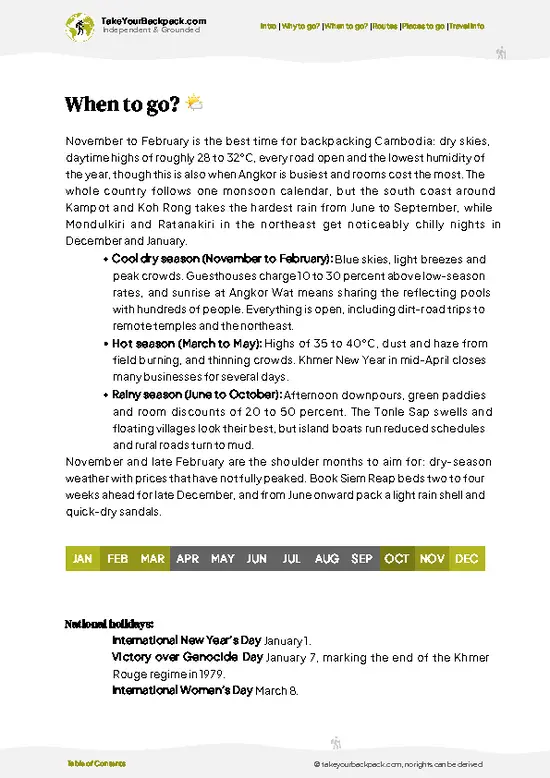
  • Weather: The dry season from November to April is your best bet for clear skies and calm waters, making boat rides smoother. The wet season, May to October, floods the village, which looks cool but can mean muddy paths and unpredictable travel.

  • Temperature: Expect highs around 30-35°C (86-95°F) during the dry months, with cooler mornings and evenings. The wet season is slightly cooler but stickier, with highs around 28-32°C (82-90°F).

  • Daylight Hours: Daylight stays fairly consistent year-round, roughly 11-12 hours, so you won’t lose much time exploring no matter when you go.

  • Crowds: Peak tourist season hits between December and February. The village can feel cramped, especially on weekends. Visiting just before or after this window means fewer boats and a more authentic vibe.

  • Seasonal
read more 👉

  • Weather: The dry season from November to April is your best bet for clear skies and calm waters, making boat rides smoother. The wet season, May to October, floods the village, which looks cool but can mean muddy paths and unpredictable travel.

  • Temperature: Expect highs around 30-35°C (86-95°F) during the dry months, with cooler mornings and evenings. The wet season is slightly cooler but stickier, with highs around 28-32°C (82-90°F).

  • Daylight Hours: Daylight stays fairly consistent year-round, roughly 11-12 hours, so you won’t lose much time exploring no matter when you go.

  • Crowds: Peak tourist season hits between December and February. The village can feel cramped, especially on weekends. Visiting just before or after this window means fewer boats and a more authentic vibe.

  • Seasonal Activities: The wet season swells the lake, allowing boats to reach deeper parts of the village and nearby floating farms. Dry season limits access but offers easier trekking around the area.

  • Price Fluctuations: Prices for tours and accommodations spike in the dry season, especially December and January. Off-season offers better deals but expect some services to be limited.


Pro-tip: Aim for late November or early March to dodge crowds, enjoy decent weather, and catch the village in a balanced state between flood and dry land.


source: climatestotravel.comJANJanuary: good for travelingFEBFebruary: good for travelingMARMarch: highly recommended for travelingAPRApril: highly recommended for travelingMAYMay: fair for travelingJUNJune: fair for travelingJULJuly: fair for travelingAUGAugust: fair for travelingSEPSeptember: fair for travelingOCTOctober: fair for travelingNOVNovember: highly recommended for travelingDECDecember: good for traveling
when-to-go

✈️ The backpacker research shortcutCambodia Travel Guide

An offline-friendly backpacking guide with optimized travel routes, ranked highlights, transport advice, and the best areas to stay.
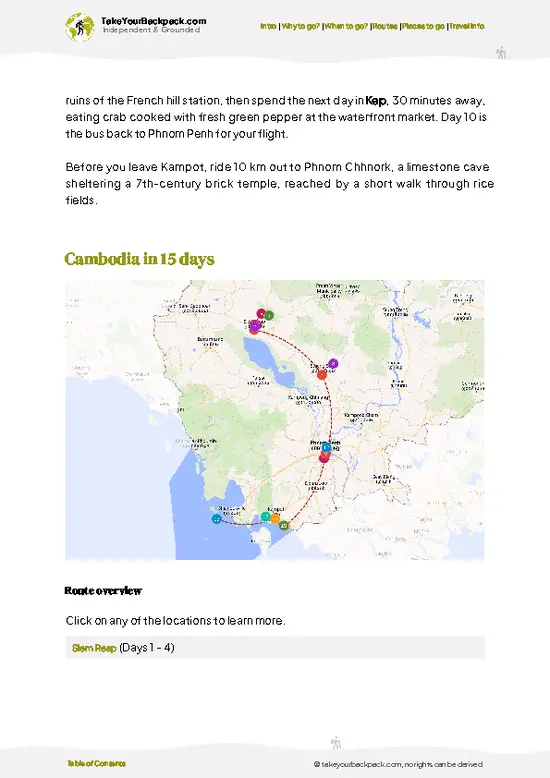
example page 0 from our offline Travel Guide for Cambodia
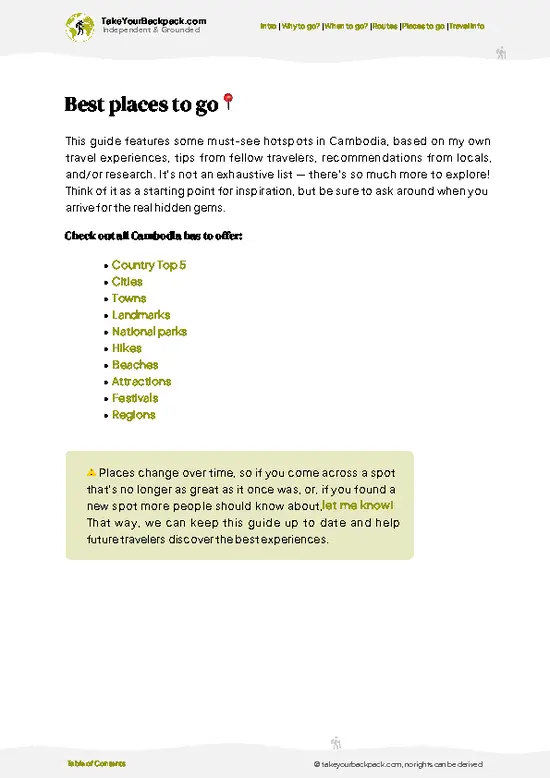
example page 1 from our offline Travel Guide for Cambodia
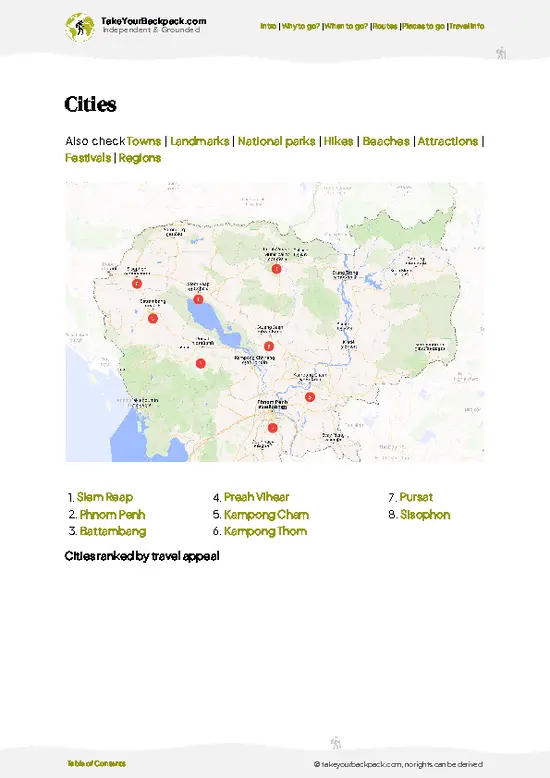
example page 2 from our offline Travel Guide for Cambodia
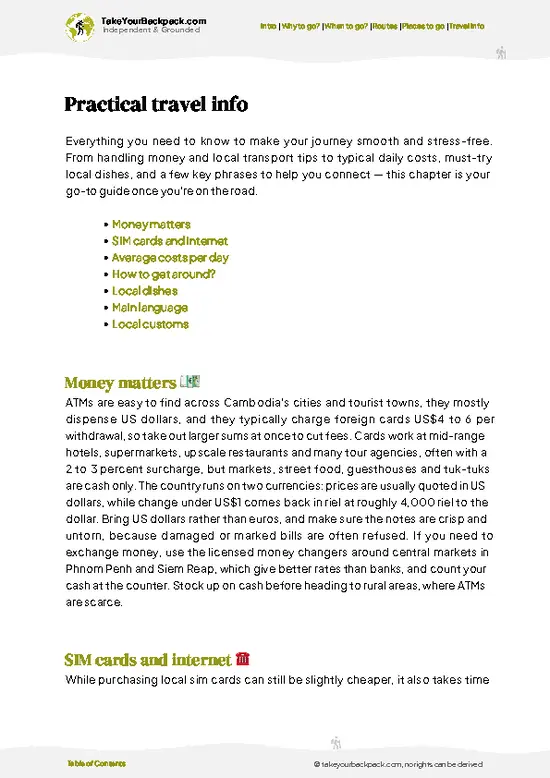
example page 3 from our offline Travel Guide for Cambodia
example page 4 from our offline Travel Guide for Cambodia
example page 5 from our offline Travel Guide for Cambodia
example page 6 from our offline Travel Guide for Cambodia
example page 7 from our offline Travel Guide for Cambodia
The digital guide (345 pages) contains:
90 highlights, ranked by travel appeal
Optimized 5, 10 & 15-day travel routes
Cities, national parks, landmarks, beaches
How to get around
Offline-friendly for travel without Wi-Fi
👉 Click to see all 30+ guide features

📅 Plan smarter in minutes, not weeks
Month by month travel advice
Festivals & national holidays
Budget expectations

🗺️ Go to the right places, skip the overrated ones
Honest pros & cons of destinations
Top hikes, parks & viewpoints
Lesser-known places most travelers miss
Clear “worth it vs skip it” guidance

🛏️ Travel smoothly without rookie mistakes
Best areas to stay
Transport systems explained simply
Common scams & safety advice
SIM cards, money & practical tips

🌍 Understand the country, not just visit it
Culture & traditions
52 Essential phrases & customs
Festivals worth planning around
Traveler-friendly historical context
Insights that make places more meaningful

📱 Built for real travel conditions
Fully downloadable PDF
Works completely offline
Optimized for phone use
Useful in remote areas & buses
Everything in one place
Save weeks of stressful planning
Get instant access to your full guide. 30‑day money-back guarantee.


By proceeding you agree to our terms.
Sent to your inbox immediately after payment • 100% Secure Checkout
Best Backpacking Travel Advisor 2025 tourism awardBest Backpacking
Travel Advisor
2025
What others say about Take Your Backpack Guides:
⭐⭐⭐⭐⭐
Fantastic, amazing amount of information!
⭐⭐⭐⭐⭐
My goodness this is amazing, it's what I've been looking for hats off too you!
⭐⭐⭐⭐⭐
I think this is absolutely BRILLIANT
⭐⭐⭐⭐
Very complete and informative. It's still missing places, but I gotta to commend you
⭐⭐⭐⭐⭐
This is truly amazing, thank you, can't wait to explore it with my kids!
⭐⭐⭐⭐⭐
Awesome resource, thank you!
⭐⭐⭐⭐⭐
This is amazing! Can't wait to explore the ones I haven't seen
⭐⭐⭐⭐
I love this! Well done, great idea.
⭐⭐⭐⭐⭐
Thanks for taking the time to make this gem!
⭐⭐⭐⭐⭐
This might be the best website I've ever seen.
⭐⭐⭐⭐⭐
Congratulations, and thank you so much for your work; it's incredibly valuable.
⭐⭐⭐⭐
In all seriousness I think you did a great job pointing out the important spots
⭐⭐⭐⭐⭐
10/10 very good
⭐⭐⭐⭐⭐
As someone who's only just starting to visit regularly this is awesome, thank you.
⭐⭐⭐⭐
Thank you very much! I'm going to visit my dad, it's going to be very useful!
⭐⭐⭐⭐⭐
This is really cool! We'll be travelling for the first time and this definitely come in handy.
⭐⭐⭐⭐⭐
You are now our minister of culture, congratulations 👨‍💼
⭐⭐⭐⭐⭐
Just wanted to tell you that this is a pearl! Going to follow your recommendations.
⭐⭐⭐⭐⭐
This is so cool. I'll definitely be using the resource for my travels soon.
⭐⭐⭐⭐⭐
This is very impressive! Good work.
⭐⭐⭐⭐⭐
This is an amazing and informative site. Very well done!

🛏️ Where to stay?How to pick the right area

Kompong Luong Floating Village is often sold as this serene, untouched slice of life on the water. The truth? It’s a bustling, crowded place during peak season, with boats packed like sardines and tourists snapping photos from every angle. It’s not the quiet, mystical escape Instagram makes it out to be. But here’s the kicker: that chaos is part of the charm if you know where to stay.

Forget trying to camp right on the floating village itself—that’s not where backpackers find their groove. Instead, focus on the nearby town of Chong Khneas. It’s the gateway to Kompong Luong and offers a solid … read more 👉
Kompong Luong Floating Village is often sold as this serene, untouched slice of life on the water. The truth? It’s a bustling, crowded place during peak season, with boats packed like sardines and tourists snapping photos from every angle. It’s not the quiet, mystical escape Instagram makes it out to be. But here’s the kicker: that chaos is part of the charm if you know where to stay.

Forget trying to camp right on the floating village itself—that’s not where backpackers find their groove. Instead, focus on the nearby town of Chong Khneas. It’s the gateway to Kompong Luong and offers a solid mix of budget-friendly guesthouses and hostels that attract solo travelers and small groups. This area is safe, with a decent backpacker scene that makes it easy to meet people without the pressure of forced socializing. You’ll find local eateries serving up real Cambodian flavors, and the vibe is relaxed enough to recover from the boat rides.

Another option is the slightly quieter village of Prek Toal, a bit further out but less touristy and more authentic. It’s a good spot if you want to dodge the crowds but still be close enough for day trips. Staying here means simpler accommodations and a chance to connect with locals who aren’t just there to cash in on tourists.

Bottom line: Kompong Luong’s magic isn’t in polished resorts or Instagram-perfect quiet—it’s in the gritty, lively communities nearby where you can soak in the real rhythms of life on the Tonle Sap. Choose your base wisely, and you’ll get the story behind the photos.

👛 Costs (as of 22 February 2025)What things cost and how to budget

Visiting Kompong Luong Floating Village in Cambodia doesn't require an entrance fee. To get there, you'll need to take a boat from the nearest port in Pursat town, which costs between $3 and $5, depending on the number of people. ([aboutasiatravel.com](https://www.aboutasiatravel.com/cambodia/guide/cambodia-tourist-attractions/kompong-luong/?utm_source=openai))

source: aboutasiatravel.com
⚠️ Prices can change and everyone travels differently, so take this as a rough guide. Hope it helps you plan your adventure!

Other Cambodian attractions near Kompong Luong Floating Village

Explore more nearby:


💡 Not sure where to go next?
Create a personalized itinerary for Cambodia including Kompong Luong Floating Village and the places that fit your trip.

Generate my itinerary

👉 Discover all attractions

Or checkout all Cambodia has to offer (think cities, towns, villages, national parks, hikes, beaches, festivals)
Country photo of Cambodia

We 💚 feedbackIs it worth it?

Kompong Luong isn’t the postcard-perfect escape you might expect—crowds show up, and the boat tours can feel a bit like a conveyor belt. But here’s the kicker: once you push past the tourist bubble, the real village life unfolds. Kids dart between stilt houses, fishermen haul in their catch with a quiet rhythm, and the sheer scale of this floating community hits you in a way no photo can capture. It’s gritty, alive, and utterly human—just don’t expect a polished souvenir moment.

✍️ Help improve this page!
The information on this page is based on in-depth research, insights shared by experienced travelers, and feedback from the local travel community in Cambodia. While every effort is made to keep the information accurate and current, conditions can change — so if you spot anything incorrect or outdated, please get in touch.


🙋‍♂️ Give feedback

👋 Meet the founderWho’s Behind Take Your Backpack?

Johan, backpacker and founder of TakeYourBackpackHi, I’m Johan (Netherlands 🇳🇱), the creator of TakeYourBackpack. Over the past decade, I’ve backpacked through 80+ countries across six continents, gaining extensive experience with independent travel, long-term trips, and overland routes.

This site is built on a combination of firsthand travel experience and carefully curated insights from other backpackers. Many guides are based on places I’ve personally visited, while others bring together tips, observations, and practical advice shared by trusted travelers I’ve met along the way.

The goal is to provide realistic, experience-driven guidance — not generic itineraries — so you can explore destinations with better context, clearer expectations, and more confidence.

Get full Cambodia guide •
Instant download • 90 highlights • Full Offline guide