×

Cayman Islands🇰🇾 | landmarksBlow HolesSurf-driven jets, ironshore limestone, southeast coast pull-off, east-wind swells | things to do and best time to go

Explore West BayExplore Pedro St. James

Backpacking in Blow Holes
🏆 Top pickunique site ranked #2
By Johan Kruseman 🇳🇱 | Updated October 20, 2026

Spray hits your forearms before you hear the boom, a cold salty mist drifting over the ironshore as a swell punches up through the rock. The Blow Holes sit on the southeast shore of Grand Cayman, in the Cayman Islands, on the coast road past Bodden Town toward East End. Jagged, knife-sharp limestone lines the cliff, and the jets only fire when the trade-wind surf rolls in hard, so a flat, calm day means a quiet vent and a shrug. Stay about twenty minutes, no longer, because it is a roadside pull-off with no facilities and no shade. Skip it if the sea looks glassy. Wear shoes with grip, keep a hand on your camera, and stand upwind of the vents. Photos look best with a long lens, a low angle, and a dark sky behind the white plume. Start your first day with a late-morning drive east, stop here while the wind is up, then finish with lunch in East End.

Discover everything you want to know in the 📖 Cayman Islands Travel Guide.


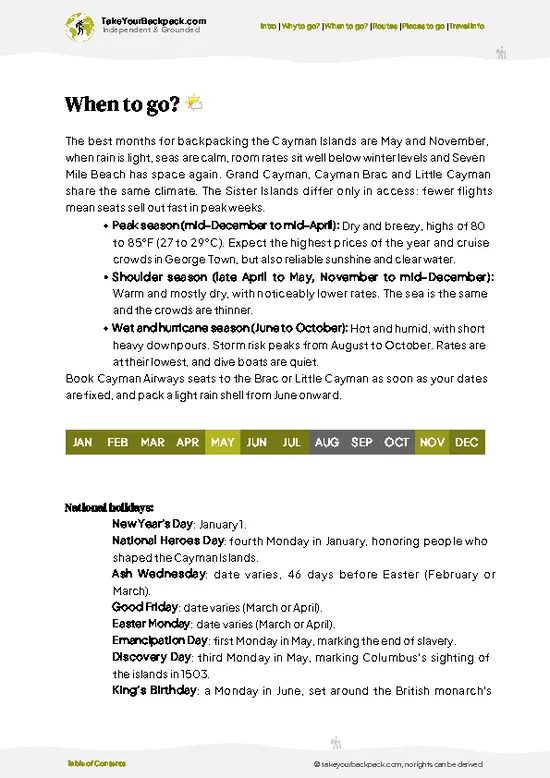
example page 0 from our offline Travel Guide for Cayman Islands
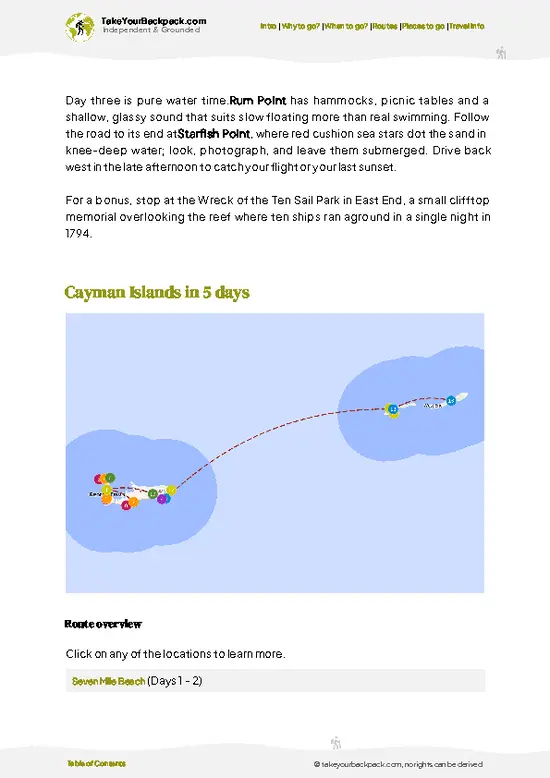
example page 1 from our offline Travel Guide for Cayman Islands
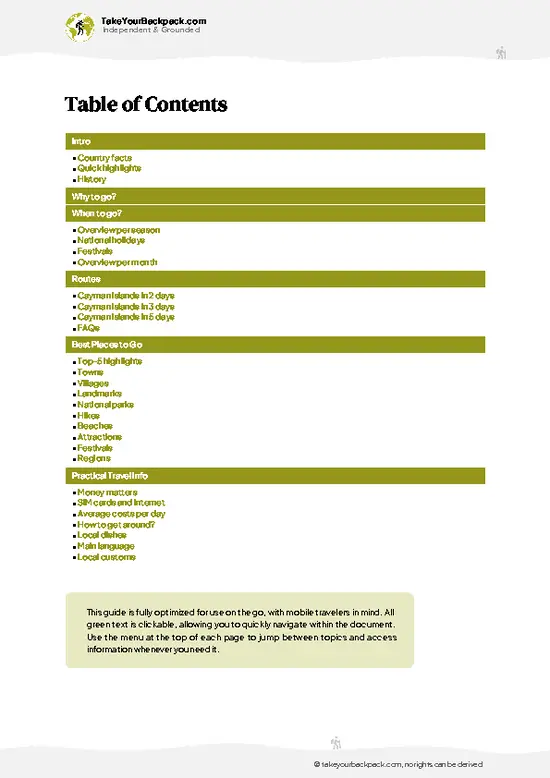
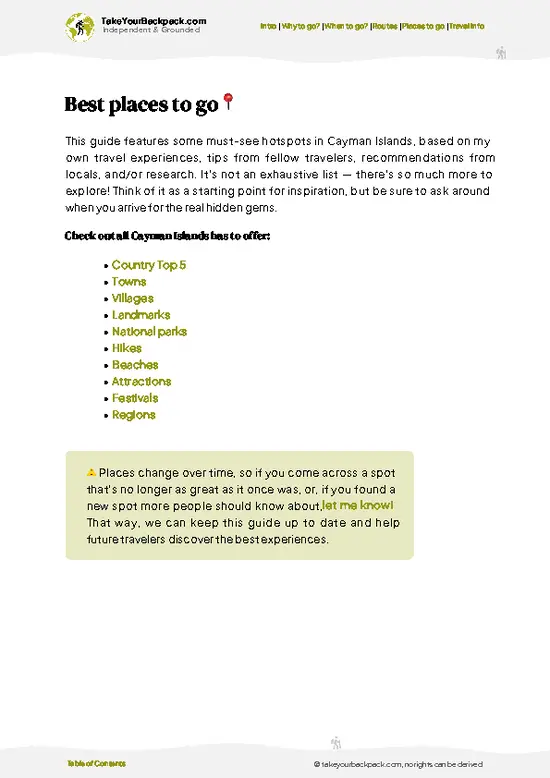
example page 2 from our offline Travel Guide for Cayman Islands
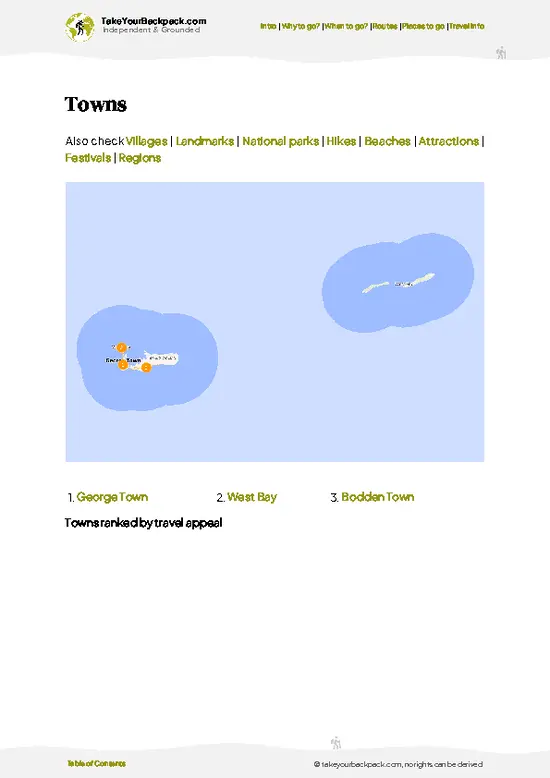
example page 3 from our offline Travel Guide for Cayman Islands
example page 4 from our offline Travel Guide for Cayman Islands
example page 5 from our offline Travel Guide for Cayman Islands
example page 6 from our offline Travel Guide for Cayman Islands
example page 7 from our offline Travel Guide for Cayman Islands
Loading the map 🌍
CLICK TO FILTER
towns
villages
landmarks
national parks
hikes
beaches
attractions
festivals
regions
SHOW COUNTRY’S BESTSHOW ALL

✨ Why go?
Ranked #2 unique site in Cayman Islands
Why visitors keep coming back

Blow Holes rewards the traveler who is tired of Seven Mile Beach and wants to see what the island looks like when nobody is selling anything. The first reason to go is the East End coast road, a slow, mostly empty drive past fishing settlements and wind-bent trees, with the sea on one side and mangrove and scrub on the other. Few tourists reach this end, so you can park, walk to the edge, and have the rock to yourself. The second is the ironshore limestone, a gray, pitted, knife-edged surface formed over ages from ancient coral reef. Seeing how the island was built and how the sea chews at it explains more than any museum panel. The third is how easily the stop fits into a loop. Blow Holes slots into a day that can include the lighthouse at Gorling Bluff, the wreck memorial park, and the old … read more 👉
Blow Holes rewards the traveler who is tired of Seven Mile Beach and wants to see what the island looks like when nobody is selling anything. The first reason to go is the East End coast road, a slow, mostly empty drive past fishing settlements and wind-bent trees, with the sea on one side and mangrove and scrub on the other. Few tourists reach this end, so you can park, walk to the edge, and have the rock to yourself. The second is the ironshore limestone, a gray, pitted, knife-edged surface formed over ages from ancient coral reef. Seeing how the island was built and how the sea chews at it explains more than any museum panel. The third is how easily the stop fits into a loop. Blow Holes slots into a day that can include the lighthouse at Gorling Bluff, the wreck memorial park, and the old homestead of Pedro St. James. You get a real sense of the island beyond the resort strip, and the only fuel you need is a full tank and a bottle of water.

💡 HighlightsKey sights and experiences for travelers

  1. The Blow Holes themselves: Swells push water through narrow vents in the coastal rock and force it skyward in booming jets. They are strongest when the wind comes in from the east or south and the surf is up.
  2. The ironshore shoreline: The black, jagged limestone around the vents is old fossilized reef. Stand a safe distance back and notice the sharp pits and tide pools carved by salt and waves.
  3. Spray photography: Wait for a set of larger waves and shoot a burst. A telephoto from a few steps back keeps your lens dry and flattens the plume against the sky.
  4. East End Lighthouse at Gorling Bluff: A small white lighthouse on a bluff with open sea views and a grassy park around it. It is a good place to picnic and watch the reef break far offshore.
  5. Wreck of the Ten Sail Park: A memorial to the 1794 wreck
… read more 👉
  1. The Blow Holes themselves: Swells push water through narrow vents in the coastal rock and force it skyward in booming jets. They are strongest when the wind comes in from the east or south and the surf is up.
  2. The ironshore shoreline: The black, jagged limestone around the vents is old fossilized reef. Stand a safe distance back and notice the sharp pits and tide pools carved by salt and waves.
  3. Spray photography: Wait for a set of larger waves and shoot a burst. A telephoto from a few steps back keeps your lens dry and flattens the plume against the sky.
  4. East End Lighthouse at Gorling Bluff: A small white lighthouse on a bluff with open sea views and a grassy park around it. It is a good place to picnic and watch the reef break far offshore.
  5. Wreck of the Ten Sail Park: A memorial to the 1794 wreck of a convoy of merchant ships on the reef, with the local legend that islanders rescued the crews. The park has shaded seating and a shoreline walk.
  6. Pedro St. James: The oldest surviving stone building on the island, dating to the late 1700s, now a heritage site with a short film and restored rooms on a hilltop. It carries the story of the Cayman Islands from planters and slavery to self-government.
  7. The East End village road: Small settlements of painted wooden houses, roadside fruit stands and local cafés. It is a quiet place to see daily island life away from the cruise crowds.
Blow Holes and the Wreck of the Ten Sail Park combine well in one day, since both are shoreline stops where you can watch the sea at work and then eat lunch in a nearby village.
Spotted a mistake or missing something? Contact us.

Things to do around Blow Holes

Ratings based on Tripadvisor reviews. When you book through this link, you support our work at no extra cost to you.

🌤️ When to go?Weather, crowds, and seasonal trade-offs

  • Winter Dry Season (December to April): Blow Holes on Grand Cayman's southeast coast is at its best from December to April. Days run 26 to 29°C (79 to 84°F), nights 21 to 23°C (70 to 73°F), and the trade winds push heavier surf into the rocks, so the spouts jump higher. Daylight lasts about 11 to 12 hours. Cruise ships crowd Seven Mile Beach, but the east end stays quiet, and lodging is at peak rates.
  • Summer Wet Season (May to October): Expect 30 to 33°C (86 to 91°F), strong humidity and afternoon downpours. Seas are often flatter, so the blowholes can be weak on calm days. Daylight stretches to about 13 hours. Rooms and car rentals cost noticeably less, and the roadside stop is nearly empty.
  • Hurricane Peak (August to October): Storms are most likely, and some east end businesses close. Big swells
… read more 👉
  • Winter Dry Season (December to April): Blow Holes on Grand Cayman's southeast coast is at its best from December to April. Days run 26 to 29°C (79 to 84°F), nights 21 to 23°C (70 to 73°F), and the trade winds push heavier surf into the rocks, so the spouts jump higher. Daylight lasts about 11 to 12 hours. Cruise ships crowd Seven Mile Beach, but the east end stays quiet, and lodging is at peak rates.
  • Summer Wet Season (May to October): Expect 30 to 33°C (86 to 91°F), strong humidity and afternoon downpours. Seas are often flatter, so the blowholes can be weak on calm days. Daylight stretches to about 13 hours. Rooms and car rentals cost noticeably less, and the roadside stop is nearly empty.
  • Hurricane Peak (August to October): Storms are most likely, and some east end businesses close. Big swells can make the coastline dramatic but dangerous, so stay well back from the rocks.
  • Shoulder Months (November and May): Moderate crowds, lower prices and decent surf.
Check the wind forecast before you go, because a strong easterly wind makes the biggest sprays.


source: climatestotravel.comJANJanuary: excellent for travelingFEBFebruary: excellent for travelingMARMarch: excellent for travelingAPRApril: highly recommended for travelingMAYMay: good for travelingJUNJune: good for travelingJULJuly: good for travelingAUGAugust: good for travelingSEPSeptember: fair for travelingOCTOctober: fair for travelingNOVNovember: highly recommended for travelingDECDecember: excellent for traveling
cayman-islands-unique-site-blow-holes
© Google | Nandan Dhar

✈️ The backpacker research shortcutCayman Islands Travel Guide

An offline-friendly backpacking guide with optimized travel routes, ranked highlights, transport advice, and the best areas to stay.
example page 0 from our offline Travel Guide for Cayman Islands
example page 1 from our offline Travel Guide for Cayman Islands
example page 2 from our offline Travel Guide for Cayman Islands
example page 3 from our offline Travel Guide for Cayman Islands
example page 4 from our offline Travel Guide for Cayman Islands
example page 5 from our offline Travel Guide for Cayman Islands
example page 6 from our offline Travel Guide for Cayman Islands
example page 7 from our offline Travel Guide for Cayman Islands
The digital guide (140 pages) contains:
✅ 33 highlights, ranked by travel appeal
✅ Optimized 2, 3 & 5-day travel routes
✅ Cities, national parks, landmarks, beaches
✅ How to get around
✅ Offline-friendly for travel without Wi-Fi
👉 Click to see all 30+ guide features

📅 Plan smarter in minutes, not weeks
✅ Month by month travel advice
✅ Festivals & national holidays
✅ Budget expectations

🗺️ Go to the right places, skip the overrated ones
✅ Honest pros & cons of destinations
✅ Top hikes, parks & viewpoints
✅ Lesser-known places most travelers miss
✅ Clear “worth it vs skip it” guidance

🛏️ Travel smoothly without rookie mistakes
✅ Best areas to stay
✅ Transport systems explained simply
✅ Common scams & safety advice
✅ SIM cards, money & practical tips

🌍 Understand the country, not just visit it
✅ Culture & traditions
✅ Local customs
✅ Festivals worth planning around
✅ Traveler-friendly historical context
✅ Insights that make places more meaningful

📱 Built for real travel conditions
✅ Fully downloadable PDF
✅ Works completely offline
✅ Optimized for phone use
✅ Useful in remote areas & buses
✅ Everything in one place
Stop searching, start planning
Get instant access to your full guide. 30‑day money-back guarantee.
+ Add another guide for just

By proceeding you agree to our terms.
Sent to your inbox immediately after payment • 100% Secure Checkout
Best Backpacking Travel Advisor 2025 tourism awardBest Backpacking
Travel Advisor
2025
What others say about Take Your Backpack Guides:
⭐⭐⭐⭐⭐
Fantastic, amazing amount of information!
⭐⭐⭐⭐⭐
My goodness this is amazing, it's what I've been looking for hats off too you!
⭐⭐⭐⭐⭐
I think this is absolutely BRILLIANT
⭐⭐⭐⭐
Very complete and informative. It's still missing places, but I gotta to commend you
⭐⭐⭐⭐⭐
This is truly amazing, thank you, can't wait to explore it with my kids!
⭐⭐⭐⭐⭐
Awesome resource, thank you!
⭐⭐⭐⭐⭐
This is amazing! Can't wait to explore the ones I haven't seen
⭐⭐⭐⭐
I love this! Well done, great idea.
⭐⭐⭐⭐⭐
Thanks for taking the time to make this gem!
⭐⭐⭐⭐⭐
This might be the best website I've ever seen.
⭐⭐⭐⭐⭐
Congratulations, and thank you so much for your work; it's incredibly valuable.
⭐⭐⭐⭐
In all seriousness I think you did a great job pointing out the important spots
⭐⭐⭐⭐⭐
10/10 very good
⭐⭐⭐⭐⭐
As someone who's only just starting to visit regularly this is awesome, thank you.
⭐⭐⭐⭐
Thank you very much! I'm going to visit my dad, it's going to be very useful!
⭐⭐⭐⭐⭐
This is really cool! We'll be travelling for the first time and this definitely come in handy.
⭐⭐⭐⭐⭐
You are now our minister of culture, congratulations 👨‍💼
⭐⭐⭐⭐⭐
Just wanted to tell you that this is a pearl! Going to follow your recommendations.
⭐⭐⭐⭐⭐
This is so cool. I'll definitely be using the resource for my travels soon.
⭐⭐⭐⭐⭐
This is very impressive! Good work.
⭐⭐⭐⭐⭐
This is an amazing and informative site. Very well done!

🛏️ Where to stay?Best areas to stay in Cayman Islands

Bodden Town and the east end districts are the closest bases to Blow Holes, with George Town and Seven Mile Beach as the main backpacker hubs about 30 to 45 minutes away by road. Grand Cayman has no dense hostel strip, so your choice of area matters more than the property.

Seven Mile Beach is where most budget travelers end up. It has the widest selection of cheaper rooms and shared stays, grocery stores, buses running along the main road, and plenty of other solo travelers to split a rental car with. Evenings are lively, and it is safe to walk at night along the busy stretches. Staying here … read more 👉
Bodden Town and the east end districts are the closest bases to Blow Holes, with George Town and Seven Mile Beach as the main backpacker hubs about 30 to 45 minutes away by road. Grand Cayman has no dense hostel strip, so your choice of area matters more than the property.

Seven Mile Beach is where most budget travelers end up. It has the widest selection of cheaper rooms and shared stays, grocery stores, buses running along the main road, and plenty of other solo travelers to split a rental car with. Evenings are lively, and it is safe to walk at night along the busy stretches. Staying here means driving or taking a long bus and taxi combination to the southeast coast.

George Town suits travelers relying on public buses, since the terminal is the hub for routes toward the east. It is practical and well-lit by day, though quieter after dark when cruise passengers leave.

Bodden Town is calmer, residential and historic, with local eateries and a short drive to the blowholes. It works best if you have a car and want a peaceful night. Options are limited, so book early in winter.

The east end around Gun Bay and Old Man Bay offers solitude and starry skies, but few shops or buses. Stock up on food beforehand.

👛 Costs (as of 20 October 2026)Money, prices, and spending tips

Blow Holes costs about US$72 to 141 per day for a backpacker on Grand Cayman, and the site itself is free to view from the roadside.
CategoryBudget RangeLocal Reality
EntryUS$0Blow Holes is a roadside viewing area with no ticket booth or gate.
Accommodation (high season)US$50 to 90Guesthouses, shared rooms and small studios run higher in winter. Summer rates drop to roughly US$40 to 70.
Local TransportUS$2 to 6Public buses cost about US$2 to 3 per ride, and routes toward Bodden Town and the east end run less often. A taxi from George Town is US$60 to 80 one way, so a rental car at US$45 to 70 a day, split between travelers, is often cheaper.
FoodUS$20 to 35Grocery stores and local jerk or fish stands keep meals at US$8 to 15. Restaurants cost more, and all prices are high compared with the region.
… read more 👉
Blow Holes costs about US$72 to 141 per day for a backpacker on Grand Cayman, and the site itself is free to view from the roadside.
CategoryBudget RangeLocal Reality
EntryUS$0Blow Holes is a roadside viewing area with no ticket booth or gate.
Accommodation (high season)US$50 to 90Guesthouses, shared rooms and small studios run higher in winter. Summer rates drop to roughly US$40 to 70.
Local TransportUS$2 to 6Public buses cost about US$2 to 3 per ride, and routes toward Bodden Town and the east end run less often. A taxi from George Town is US$60 to 80 one way, so a rental car at US$45 to 70 a day, split between travelers, is often cheaper.
FoodUS$20 to 35Grocery stores and local jerk or fish stands keep meals at US$8 to 15. Restaurants cost more, and all prices are high compared with the region.
Activities and ExtrasUS$0 to 10Viewing the spouts is free, and nearby beaches and the coastal drive cost nothing. Add a little for water and snacks.
Total Daily BudgetUS$72 to 141Includes high season accommodation, bus fares, food and extras. Sharing a car lifts it slightly, but split costs offset that.


source: caymanislands.ky
⚠️ Prices can change and everyone travels differently, so take this as a rough guide. Hope it helps you plan your adventure!

FAQTraveler FAQ

Blow Holes is a stretch of jagged ironshore limestone on Grand Cayman's southeast coast where waves force seawater through holes and caves, sending spouts up to several meters into the air. It sits along the coast road near Frank Sound Road and Bodden Town. Entry is free, and a small roadside viewing area and a few picnic spots are set back from the edge.
Blow Holes needs only 20 to 45 minutes, which is enough for photos and watching a few spray cycles. Most visitors combine it with a half-day trip along the east end, adding the Bodden Town historic sites, Gun Bay or the Queen Elizabeth II Botanic Park. Plan about 4 to 6 hours in total for the loop from Seven Mile Beach, including driving.
A rental car is the easiest way to reach Blow Holes, taking about 35 to 50 minutes from George Town and Seven Mile Beach along the main road east through Bodden Town. Public buses reach Bodden Town and the east end from the George Town terminal for about US$2 to 3, but service is limited, so you may need a walk or taxi for the last stretch. A taxi from Seven Mile Beach costs roughly US$60 to 90 one way.
⚠️ Things can change over time, so always validate details locally before you go.

Other destinations worth considering

Blow Holes isn’t the only highlight in Cayman Islands. Explore all what Cayman Islands has to offer.
Country photo of Cayman Islands

We 💚 feedbackIs it worth it?

Blow Holes is often visited on a calm afternoon, and travelers leave unimpressed by a soft hiss. Check the wind first and go when a stiff easterly or recent swell is running, because that is when the jets really fire. Wear closed shoes, stay well back from the wet rock, and bring a dry cloth for your camera.

✍️ Help improve this page!
The information on this page is based on in-depth research, insights shared by experienced travelers, and feedback from the local travel community in Cayman Islands. While every effort is made to keep the information accurate and current, conditions can change — so if you spot anything incorrect or outdated, please get in touch.


🙋‍♂️ Give feedback

👋 Meet the founderWho’s Behind Take Your Backpack?

Johan, backpacker and founder of TakeYourBackpackHi, I’m Johan (Netherlands 🇳🇱), the creator of TakeYourBackpack. Over the past 3 decades, I’ve backpacked through 90+ countries across six continents, gaining extensive experience with independent travel, long-term trips, and overland routes.

This site is built on a combination of firsthand travel experience and carefully curated insights from other backpackers. Many guides are based on places I’ve personally visited, while others bring together tips, observations, and practical advice shared by trusted travelers I’ve met along the way.

The goal is to provide realistic, experience-driven guidance — not generic itineraries — so you can explore destinations with better context, clearer expectations, and more confidence.