×

China🇨🇳 | festivalsDragon Boat FestivalBoat races, sticky rice dumplings, river ceremonies | things to do and best time to go

Explore Double Seventh FestivalExplore Harbin Ice and Snow Festival

Backpacking in Dragon Boat
🏆 Top pickfestival ranked #4
By Johan Kruseman 🇳🇱 | Updated June 2, 2026

Most people picture the Dragon Boat Festival as one giant race in one city, like a Chinese Super Bowl on water; in reality it’s a patchwork of local celebrations scattered across China, from big-ticket regattas in Guangzhou and Hong Kong to scrappy riverfront races in small towns along the Yangtze and in Fujian. You’re not going to “a festival ground” so much as dropping into a living holiday that hijacks rivers, lakes, and canals for a day. Expect pounding drums, shouted commands from steersmen, and that sharp, syncopated rhythm of paddles hitting water instead of curated EDM or pop lineups. The crowd is families, office teams, and hardcore local paddlers, with backpackers sprinkled in, not dominating. It’s chaotic, sweaty, and short—usually a single intense day—worth it if you like raw, civic energy more than polished, Instagram-ready spectacle.

Discover everything you want to know in the 📖 China Travel Guide.


Get your China guide
139 ranked highlights, routes & tips, works offline (496 pages)
Loading the map 🌍
CLICK TO FILTER
cities
towns
landmarks
national parks
hikes
beaches
attractions
festivals
regions
SHOW COUNTRY’S BESTSHOW ALL

✨ Why go?
Ranked #4 festival in China
What makes this festival worth celebrating

Backpackers flock to China’s Dragon Boat Festival for a rush of social energy and a taste of temporary community. This vibrant celebration, steeped in tradition, transforms rivers into racing tracks, where teams paddle fiercely, embodying the spirit of competition and camaraderie. It’s not just about the boats; it’s about the cultural immersion that happens when you join locals in their festivities.

Planning your route around this festival means you’re not just a spectator; you’re part of something bigger. You’ll find affordability here, too. Compared to other global festivals, the costs are manageable, allowing you to splurge on local delicacies like zongzi without breaking the bank.

Integrating the Dragon Boat Festival into your travel plans adds a layer of excitement. It’s a perfect … read more 👉
Backpackers flock to China’s Dragon Boat Festival for a rush of social energy and a taste of temporary community. This vibrant celebration, steeped in tradition, transforms rivers into racing tracks, where teams paddle fiercely, embodying the spirit of competition and camaraderie. It’s not just about the boats; it’s about the cultural immersion that happens when you join locals in their festivities.

Planning your route around this festival means you’re not just a spectator; you’re part of something bigger. You’ll find affordability here, too. Compared to other global festivals, the costs are manageable, allowing you to splurge on local delicacies like zongzi without breaking the bank.

Integrating the Dragon Boat Festival into your travel plans adds a layer of excitement. It’s a perfect pit stop between major cities, letting you soak in the local vibe while recharging your spirit. This festival isn’t just an event; it’s a launchpad for deeper connections and unforgettable experiences. Embrace the chaos, and let the rhythm of the paddles guide your journey!
Want to include Dragon Boat Festival in your China route?
Create a personalized China itinerary that includes Dragon Boat Festival and the places that fit your trip — based on your travel style, budget, and available time. Get your route in seconds.

Generate my trip

💡 HighlightsDon't-miss highlights and experiences

  1. Dragon boat races — The obvious headline act: teams thumping their way down the river to a drumbeat, boats decorated like painted dragons, and the whole riverbank roaring. What makes it special is the raw energy and ritual—it’s part sport, part ceremony, and every region has its own boat style and local crews, so the vibe ranges from serious competition to full-on community party.
  2. Zongzi (sticky rice parcels) — You’ll smell these before you see them: bamboo-wrapped rice with fillings that change by region (sweet red bean, savory pork belly, egg yolk, even modern twists). The best part is learning to wrap them at a market stall or neighborhood workshop and eating them warm; it’s a hands-on taste of history tied directly to the Qu Yuan story.
  3. Herbal customs: mugwort, calamus and fragrant
read more 👉
  1. Dragon boat races — The obvious headline act: teams thumping their way down the river to a drumbeat, boats decorated like painted dragons, and the whole riverbank roaring. What makes it special is the raw energy and ritual—it’s part sport, part ceremony, and every region has its own boat style and local crews, so the vibe ranges from serious competition to full-on community party.
  2. Zongzi (sticky rice parcels) — You’ll smell these before you see them: bamboo-wrapped rice with fillings that change by region (sweet red bean, savory pork belly, egg yolk, even modern twists). The best part is learning to wrap them at a market stall or neighborhood workshop and eating them warm; it’s a hands-on taste of history tied directly to the Qu Yuan story.
  3. Herbal customs: mugwort, calamus and fragrant sachets — Doors hung with mugwort and calamus, kids wearing tiny embroidered sachets full of herbs—these aren’t decorations so much as living folklore. The aromas are distinct and oddly comforting, and the craft stalls selling sachets and amulets make for inexpensive, meaningful souvenirs.
  4. Temple rites and Qu Yuan commemorations — Quiet, serious, and often surprising amid the festival buzz: incense, offerings, recitals of classical poetry and local rituals honoring Qu Yuan. It’s a reminder of the festival’s roots, and watching or joining a temple ceremony gives a deeper, quieter layer to the loud races and markets.
  5. Riverside markets, folk performances and amateur rowing — After the races, the riverfront turns into a lively bazaar: food stalls, puppet shows, dragon dances, loud music and sometimes chances to try rowing with locals. The mix of food, music and craft stalls creates a festive atmosphere that’s both tourist-friendly and authentically local.
Personal favorite: Dragon boat races — nothing beats that drum-driven rush from the riverbank.
Spotted a mistake or missing something? Contact us.

Things to do near Dragon Boat Festival

Ratings based on Tripadvisor reviews. When you book through this link, you support our work at no extra cost to you.

🌤️ When to go?When is the celebration of Dragon Boat Festival?


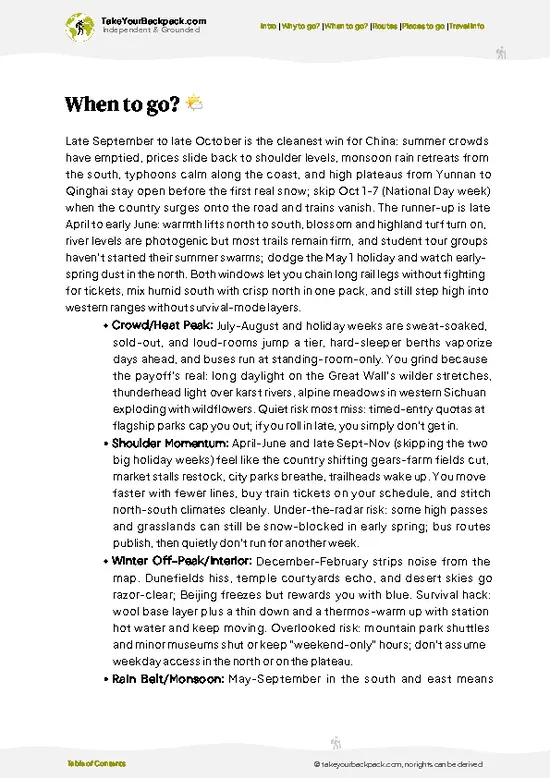
  • Weather: The Dragon Boat Festival falls in late spring or early summer, usually June. Expect warm, humid conditions with temperatures ranging from 22°C to 30°C (72°F to 86°F). Rain is common, so pack a lightweight rain jacket and quick-dry gear to stay nimble.

  • Temperature: Days can heat up quickly, especially in southern China. Early mornings and evenings are cooler, around 20°C (68°F), perfect for exploring before the sun peaks. Hydration is non-negotiable—heat can drain your energy fast.

  • Daylight Hours: Long daylight stretches—up to 14 hours—give you plenty of time to catch races, street food stalls, and local markets without rushing. Plan your day to hit the water events early, then dive into cultural spots as crowds swell.

  • Crowds: This festival draws locals and tourists alike,
read more 👉

  • Weather: The Dragon Boat Festival falls in late spring or early summer, usually June. Expect warm, humid conditions with temperatures ranging from 22°C to 30°C (72°F to 86°F). Rain is common, so pack a lightweight rain jacket and quick-dry gear to stay nimble.

  • Temperature: Days can heat up quickly, especially in southern China. Early mornings and evenings are cooler, around 20°C (68°F), perfect for exploring before the sun peaks. Hydration is non-negotiable—heat can drain your energy fast.

  • Daylight Hours: Long daylight stretches—up to 14 hours—give you plenty of time to catch races, street food stalls, and local markets without rushing. Plan your day to hit the water events early, then dive into cultural spots as crowds swell.

  • Crowds: This festival draws locals and tourists alike, so expect busy spots around major cities like Hangzhou and Wuhan. Arrive early or explore smaller towns for a more authentic vibe without the shoulder-to-shoulder crush.

  • Seasonal Activities: Beyond dragon boat races, the festival is rich with zongzi (sticky rice dumplings) tastings and traditional performances. These peak during the festival days, so timing your visit to coincide with the main event maximizes cultural immersion.

  • Price Fluctuations: Accommodation and transport prices spike during the festival. Booking weeks in advance is your best defense against inflated costs. Consider staying slightly outside city centers to save money and avoid the festival frenzy.


Pro-tip: Aim for the day before the festival to settle in—beat the crowds, soak up the pre-event buzz, and conserve your energy for the full-throttle experience ahead.


source: climatestotravel.comJANJanuary: not recommended for travelingFEBFebruary: not recommended for travelingMARMarch: not recommended for travelingAPRApril: not recommended for travelingMAYMay: not recommended for travelingJUNJune: excellent for travelingJULJuly: not recommended for travelingAUGAugust: not recommended for travelingSEPSeptember: not recommended for travelingOCTOctober: not recommended for travelingNOVNovember: not recommended for travelingDECDecember: not recommended for traveling

✈️ The backpacker research shortcutChina Travel Guide

An offline-friendly backpacking guide with optimized travel routes, ranked highlights, transport advice, and the best areas to stay.
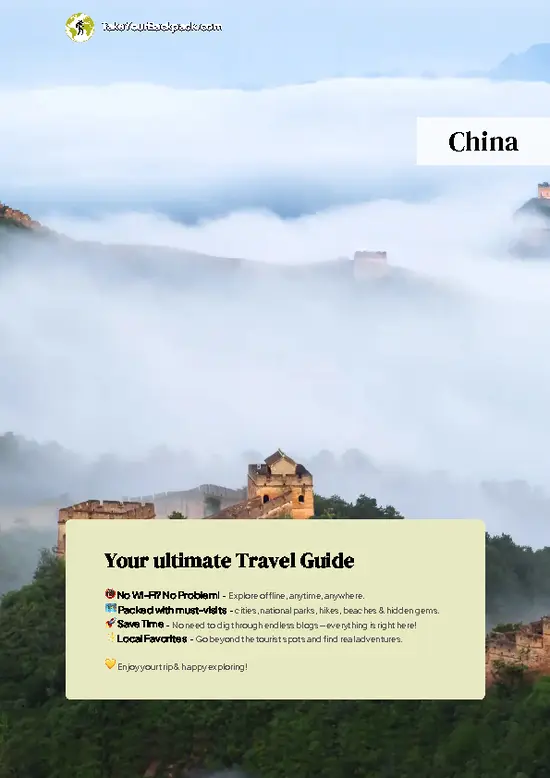
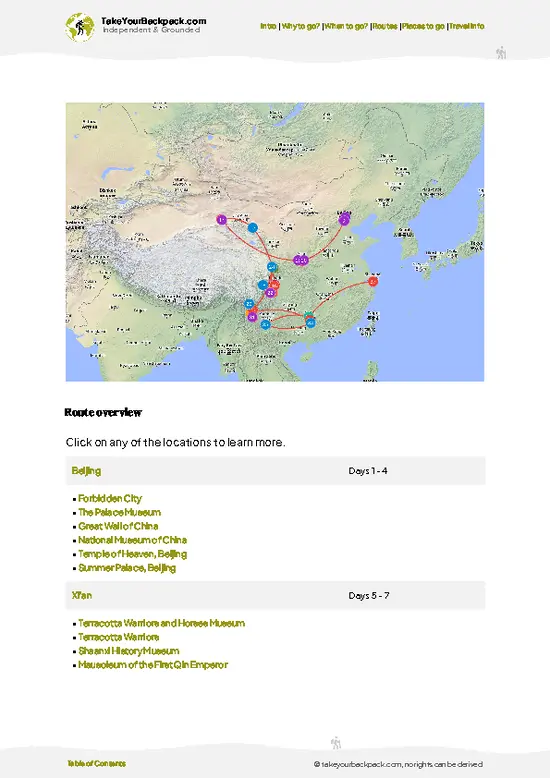
example page 0 from our offline Travel Guide for China
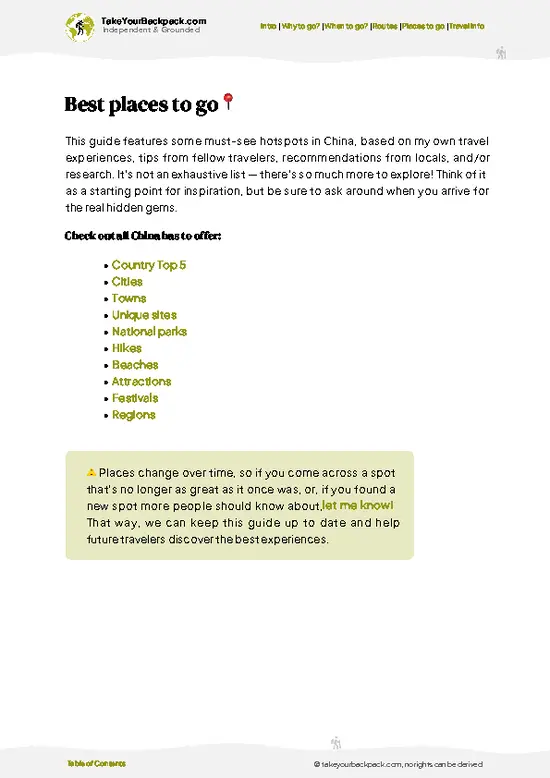
example page 1 from our offline Travel Guide for China
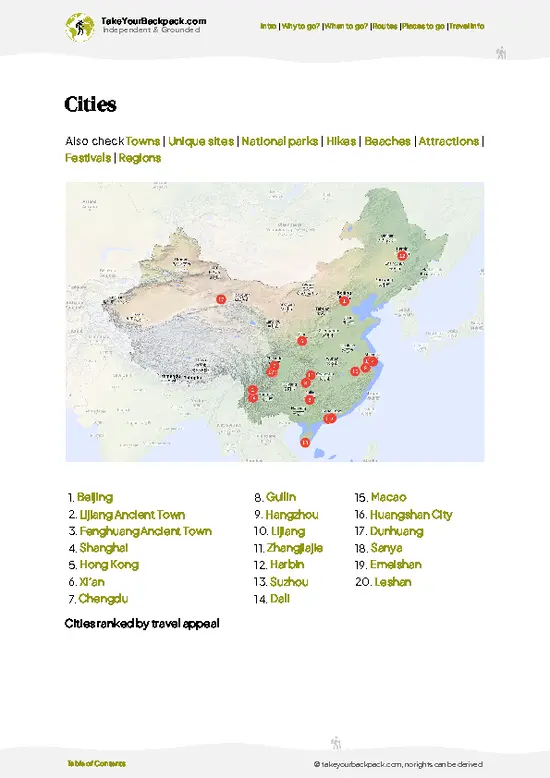
example page 2 from our offline Travel Guide for China
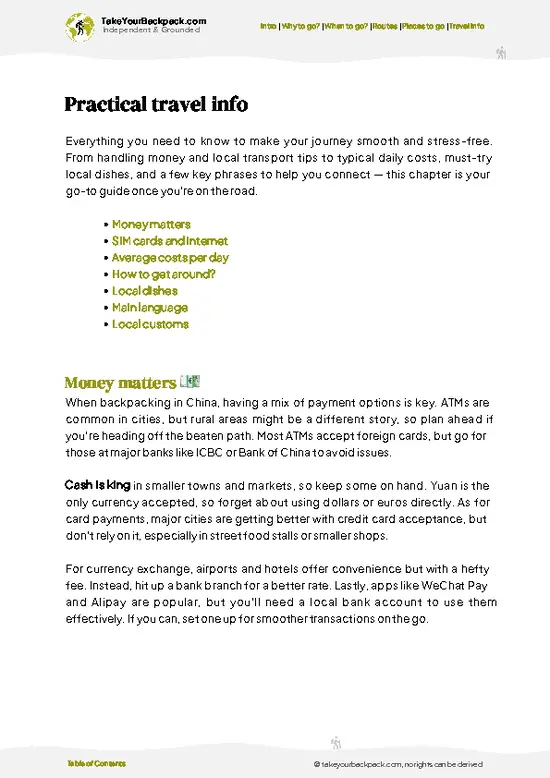
example page 3 from our offline Travel Guide for China
example page 4 from our offline Travel Guide for China
example page 5 from our offline Travel Guide for China
example page 6 from our offline Travel Guide for China
example page 7 from our offline Travel Guide for China
The digital guide (496 pages) contains:
139 highlights, ranked by travel appeal
Optimized 14, 21 & 30-day travel routes
Cities, national parks, landmarks, beaches
How to get around
Offline-friendly for travel without Wi-Fi
👉 Click to see all 30+ guide features

📅 Plan smarter in minutes, not weeks
Month by month travel advice
Festivals & national holidays
Budget expectations

🗺️ Go to the right places, skip the overrated ones
Honest pros & cons of destinations
Top hikes, parks & viewpoints
Lesser-known places most travelers miss
Clear “worth it vs skip it” guidance

🛏️ Travel smoothly without rookie mistakes
Best areas to stay
Transport systems explained simply
Common scams & safety advice
SIM cards, money & practical tips

🌍 Understand the country, not just visit it
Culture & traditions
52 Essential phrases & customs
Festivals worth planning around
Traveler-friendly historical context
Insights that make places more meaningful

📱 Built for real travel conditions
Fully downloadable PDF
Works completely offline
Optimized for phone use
Useful in remote areas & buses
Everything in one place
Save weeks of stressful planning
Get instant access to your full guide. 30‑day money-back guarantee.


By proceeding you agree to our terms.
Sent to your inbox immediately after payment • 100% Secure Checkout
Best Backpacking Travel Advisor 2025 tourism awardBest Backpacking
Travel Advisor
2025
What others say about Take Your Backpack Guides:
⭐⭐⭐⭐⭐
Fantastic, amazing amount of information!
⭐⭐⭐⭐⭐
My goodness this is amazing, it's what I've been looking for hats off too you!
⭐⭐⭐⭐⭐
I think this is absolutely BRILLIANT
⭐⭐⭐⭐
Very complete and informative. It's still missing places, but I gotta to commend you
⭐⭐⭐⭐⭐
This is truly amazing, thank you, can't wait to explore it with my kids!
⭐⭐⭐⭐⭐
Awesome resource, thank you!
⭐⭐⭐⭐⭐
This is amazing! Can't wait to explore the ones I haven't seen
⭐⭐⭐⭐
I love this! Well done, great idea.
⭐⭐⭐⭐⭐
Thanks for taking the time to make this gem!
⭐⭐⭐⭐⭐
This might be the best website I've ever seen.
⭐⭐⭐⭐⭐
Congratulations, and thank you so much for your work; it's incredibly valuable.
⭐⭐⭐⭐
In all seriousness I think you did a great job pointing out the important spots
⭐⭐⭐⭐⭐
10/10 very good
⭐⭐⭐⭐⭐
As someone who's only just starting to visit regularly this is awesome, thank you.
⭐⭐⭐⭐
Thank you very much! I'm going to visit my dad, it's going to be very useful!
⭐⭐⭐⭐⭐
This is really cool! We'll be travelling for the first time and this definitely come in handy.
⭐⭐⭐⭐⭐
You are now our minister of culture, congratulations 👨‍💼
⭐⭐⭐⭐⭐
Just wanted to tell you that this is a pearl! Going to follow your recommendations.
⭐⭐⭐⭐⭐
This is so cool. I'll definitely be using the resource for my travels soon.
⭐⭐⭐⭐⭐
This is very impressive! Good work.
⭐⭐⭐⭐⭐
This is an amazing and informative site. Very well done!

🛏️ Where to stay?Choosing the right base

When the Dragon Boat Festival rolls around, you want to be in the thick of it, feeling the pulse of the celebrations. Head to the vibrant neighborhoods near the riverside in cities like Hangzhou or Suzhou. These areas buzz with energy, and you’ll find plenty of budget-friendly hostels and guesthouses where fellow travelers gather.

Stay close to the water. The riverbanks are where the action happens—watch the boats race, join in the festivities, and soak up the local culture. You’ll find food stalls dishing out zongzi, the sticky rice dumplings that are a festival staple.

Safety is key, especially … read more 👉
When the Dragon Boat Festival rolls around, you want to be in the thick of it, feeling the pulse of the celebrations. Head to the vibrant neighborhoods near the riverside in cities like Hangzhou or Suzhou. These areas buzz with energy, and you’ll find plenty of budget-friendly hostels and guesthouses where fellow travelers gather.

Stay close to the water. The riverbanks are where the action happens—watch the boats race, join in the festivities, and soak up the local culture. You’ll find food stalls dishing out zongzi, the sticky rice dumplings that are a festival staple.

Safety is key, especially for solo backpackers. These neighborhoods are well-lit and bustling, filled with locals and fellow travelers alike. You’ll feel at ease while exploring.

Don’t overlook the communal vibe. Many hostels host events or group outings, making it easy to connect with others. This camaraderie can turn a solo trip into a shared adventure.

Avoid the tourist traps by sticking to local eateries and markets. Your budget will thank you, and you’ll savor authentic flavors that truly reflect the spirit of the festival. Embrace the chaos; it’s all part of the journey!

👛 Costs (as of 17 January 2025)How expensive it really is

The Dragon Boat Festival in China is a vibrant celebration, but navigating the costs can be tricky. Here’s how to budget effectively for an authentic experience without draining your wallet.
  • Festival Tickets: Entry to the main events is often free, but if you want to secure a good spot for the races or participate in special activities, expect to pay around €10-€30 ($11-$33). Some cultural performances may have ticket prices ranging from €5-€20 ($6-$22).
  • Accommodation: Prices vary widely depending on location and comfort level. Budget hostels can start at €10-€20 ($11-$22) per night, while mid-range hotels typically range from €30-€70 ($33-$77). If you’re eyeing a more upscale experience, expect to pay €80-€150 ($88-$165) or more.
  • Local Transport: Public transport is your best friend. Buses and
read more 👉
The Dragon Boat Festival in China is a vibrant celebration, but navigating the costs can be tricky. Here’s how to budget effectively for an authentic experience without draining your wallet.
  • Festival Tickets: Entry to the main events is often free, but if you want to secure a good spot for the races or participate in special activities, expect to pay around €10-€30 ($11-$33). Some cultural performances may have ticket prices ranging from €5-€20 ($6-$22).
  • Accommodation: Prices vary widely depending on location and comfort level. Budget hostels can start at €10-€20 ($11-$22) per night, while mid-range hotels typically range from €30-€70 ($33-$77). If you’re eyeing a more upscale experience, expect to pay €80-€150 ($88-$165) or more.
  • Local Transport: Public transport is your best friend. Buses and subways are affordable, usually costing around €0.50-€1 ($0.55-$1.10) per ride. If you opt for taxis, a short ride might set you back €3-€10 ($3.30-$11). Consider getting a transport card for convenience.
  • Food & Drinks: Street food is a highlight, with prices ranging from €1-€5 ($1.10-$5.50) for local snacks. Dining at casual restaurants will cost about €5-€15 ($5.50-$16.50) per meal. If you want to indulge in a sit-down meal, budget around €20-€40 ($22-$44) for a nice dinner.
  • Miscellaneous Expenses: This includes souvenirs, festival merchandise, and any extra activities. Set aside €20-€50 ($22-$55) for these little splurges. It’s easy to get caught up in the excitement, so keep an eye on your spending.

Planning ahead will help you enjoy the festival without the stress of unexpected costs. Keep your budget in check, and focus on the experiences that truly matter.


source: chinahighlights.com
⚠️ Prices can change and everyone travels differently, so take this as a rough guide. Hope it helps you plan your adventure!

🍲 FoodEating & Drinking in Dragon Boat

At the Dragon Boat Festival in China, food is as much a part of the experience as the races themselves. You’ll find zongzi, sticky rice dumplings wrapped in bamboo leaves, filled with everything from sweet red bean paste to savory pork. These little bundles are a must-try; they’re not just delicious but steeped in tradition.

Festival stalls buzz with energy, offering local specialties like grilled meats, spicy noodles, and tangy pickled vegetables. Don’t skip the qingming cake, a vibrant green treat made from mugwort, which is both a seasonal delight and a nod to the festival’s roots.

When it comes to drinks, you’ll see vendors serving up sweet rice wine and refreshing herbal teas. Grab a cup and soak in the atmosphere, but remember: sharing is part of the fun. It’s common to see groups … read more 👉
At the Dragon Boat Festival in China, food is as much a part of the experience as the races themselves. You’ll find zongzi, sticky rice dumplings wrapped in bamboo leaves, filled with everything from sweet red bean paste to savory pork. These little bundles are a must-try; they’re not just delicious but steeped in tradition.

Festival stalls buzz with energy, offering local specialties like grilled meats, spicy noodles, and tangy pickled vegetables. Don’t skip the qingming cake, a vibrant green treat made from mugwort, which is both a seasonal delight and a nod to the festival’s roots.

When it comes to drinks, you’ll see vendors serving up sweet rice wine and refreshing herbal teas. Grab a cup and soak in the atmosphere, but remember: sharing is part of the fun. It’s common to see groups passing around drinks and snacks, so don’t be shy about joining in.

Be mindful of cash vs. card; while some stalls accept cards, many prefer cash, especially in smaller towns. Serving sizes can be generous, so pace yourself. The goal is to savor each bite and sip while you soak in the vibrant festival spirit.

Other Chinese festivals near Dragon Boat

Explore more nearby:


💡 Not sure where to go next?
Create a personalized itinerary for China including Dragon Boat and the places that fit your trip.

Generate my itinerary

👉 Discover all festivals

Or checkout all China has to offer (think cities, towns, villages, national parks, hikes, beaches, festivals)
Country photo of China

We 💚 feedbackParting advice and final tips

The Dragon Boat Festival in China is a whirlwind of energy, where the thrill of racing boats meets the aroma of zongzi wafting through the air. You’ll feel the pulse of tradition in every splash and cheer. But brace yourself: the crowds can be overwhelming, especially in popular spots. Arrive early to snag a good view and save your energy for the races. It’s all about balancing the chaos with those unforgettable moments.

✈️ When did I visit China?
As part of my 1.5 year travel around the world trip, I visited China in August 2015, coming from Mongolia by the TransMongolia Express.

✍️ Help improve this page!
The information on this page is based on my own backpacking experience in China, supplemented with up-to-date research and feedback from other travelers. Travel details can change, so if you notice anything outdated or incomplete, feel free to let me know.


🙋‍♂️ Give feedback

👋 Meet the founderWho’s Behind Take Your Backpack?

Johan, backpacker and founder of TakeYourBackpackHi, I’m Johan (Netherlands 🇳🇱), the creator of TakeYourBackpack. Over the past decade, I’ve backpacked through 80+ countries across six continents, gaining extensive experience with independent travel, long-term trips, and overland routes.

This site is built on a combination of firsthand travel experience and carefully curated insights from other backpackers. Many guides are based on places I’ve personally visited, while others bring together tips, observations, and practical advice shared by trusted travelers I’ve met along the way.

The goal is to provide realistic, experience-driven guidance — not generic itineraries — so you can explore destinations with better context, clearer expectations, and more confidence.

Get full China guide •
Instant download • 139 highlights • Full Offline guide