×

China🇨🇳 | festivalsLaba FestivalRice porridge, temple rituals, winter prayers | things to do and best time to go

Explore Shoton FestivalExplore Ghost Festival

Backpacking in Laba
👌 Worth visitingfestival ranked #17
By Johan Kruseman 🇳🇱 | Updated June 5, 2026

Most guides sell Laba Festival as a quiet, homely soup day; in reality, in parts of northern China it turns streets into full-on food scrums where you queue like it’s a rock show, just for porridge. Centered around Buddhist temples and city neighborhoods across China, especially in places like Beijing and Henan, Laba is more ritual than “festival.” No bands, no EDM—just temple chants, incense, and vats of grain-and-bean porridge. It’s worth a stop if you love people-watching and raw, everyday culture, not if you’re chasing nightlife or big-party energy.

Discover everything you want to know in the 📖 China Travel Guide.


Get your China guide
139 ranked highlights, routes & tips, works offline (496 pages)
Loading the map 🌍
CLICK TO FILTER
cities
towns
landmarks
national parks
hikes
beaches
attractions
festivals
regions
SHOW COUNTRY’S BESTSHOW ALL

✨ Why go?
Ranked #17 festival in China
Reasons people choose to celebrate the here

Backpackers flock to the Laba Festival in China for a jolt of social energy and a taste of temporary community. This festival isn’t just a date on the calendar; it’s a vibrant celebration that immerses you in local culture. Picture yourself surrounded by laughter, music, and the aroma of traditional foods—each moment a chance to connect with locals and fellow travelers alike.

Plus, it’s affordable compared to similar events worldwide, allowing you to save your budget for experiences that matter. Planning your route around Laba means you’re not just hitting a destination; you’re weaving the festival into your broader travel narrative. It’s a perfect pit stop that fuels your journey, making every step feel like part of an exhilarating adventure.
Want to include Laba Festival in your China route?
Create a personalized China itinerary that includes Laba Festival and the places that fit your trip — based on your travel style, budget, and available time. Get your route in seconds.

Generate my trip

💡 HighlightsMust-see experiences and standout moments

  1. Laba porridge (腊八粥) — A steaming, chunky porridge made from mixed grains, beans, nuts and dried fruit. Temples and neighborhoods hand it out for free or sell warming bowls; it’s comforting, wildly varied region-to-region, and the clearest taste of why the festival exists. (Personal favorite — nothing beats queuing for a hot bowl on a cold morning.)
  2. Temple ceremonies and Buddhist observances — Morning chants, incense, bell-ringing and public blessings: many temples mark Laba with rituals tied to Buddha’s enlightenment. The solemn, smoky atmosphere in a crowded temple is unique and quietly moving, especially if you’ve never experienced large-scale Buddhist rites up close.
  3. Laba garlic (腊八蒜) — Garlic bulbs steeped in vinegar during the festival that turn an eye-catching green and taste sharp
read more 👉
  1. Laba porridge (腊八粥) — A steaming, chunky porridge made from mixed grains, beans, nuts and dried fruit. Temples and neighborhoods hand it out for free or sell warming bowls; it’s comforting, wildly varied region-to-region, and the clearest taste of why the festival exists. (Personal favorite — nothing beats queuing for a hot bowl on a cold morning.)
  2. Temple ceremonies and Buddhist observances — Morning chants, incense, bell-ringing and public blessings: many temples mark Laba with rituals tied to Buddha’s enlightenment. The solemn, smoky atmosphere in a crowded temple is unique and quietly moving, especially if you’ve never experienced large-scale Buddhist rites up close.
  3. Laba garlic (腊八蒜) — Garlic bulbs steeped in vinegar during the festival that turn an eye-catching green and taste sharp and pickled. It’s a domestic, almost alchemical tradition: people make a batch to eat with dumplings later in the Lunar New Year season. Weird-looking, addictive, and very local.
  4. Temple fairs and folk performances — Stalls, handicrafts, and live performances like folk opera, yangko dances, and sometimes dragon/lion troupes. These fairs marry commerce with culture: you can buy festival snacks, watch local performers, and feel the neighborhood energy—less polished than tourist shows, often more fun.
  5. Neighborhood sharing, ancestral offerings, and winter market snacks — Laba is as much about community as ritual: families swap bowls, leave porridge as offerings for ancestors, and street vendors sell season-only treats. The combination of domestic customs, neighborhood hospitality, and cold-weather snacks gives the day a cozy, lived-in vibe you won’t get in guidebooks.
Spotted a mistake or missing something? Contact us.

🌤️ When to go?When is the celebration of Laba Festival?


  • Topic: Weather – Laba Festival falls in January, smack in the middle of winter. Expect cold, often below freezing—temperatures hover around -5°C to 5°C (23°F to 41°F). Dress in layers; the chill can sap your energy fast.

  • Topic: Daylight Hours – Days are short, roughly 9 to 10 hours of daylight. Plan your outdoor exploration tightly; the sun sets early, so maximize daylight for wandering markets and street scenes.

  • Topic: Crowds – This festival draws locals more than tourists, so crowds are manageable. You’ll get authentic vibes without the tourist crush, but expect busier spots near temples and food stalls.

  • Topic: Seasonal Activities – The festival centers on eating Laba congee, a warming ritual perfect for cold weather. Outdoor activities are limited by the cold, so focus on cultural
read more 👉

  • Topic: Weather – Laba Festival falls in January, smack in the middle of winter. Expect cold, often below freezing—temperatures hover around -5°C to 5°C (23°F to 41°F). Dress in layers; the chill can sap your energy fast.

  • Topic: Daylight Hours – Days are short, roughly 9 to 10 hours of daylight. Plan your outdoor exploration tightly; the sun sets early, so maximize daylight for wandering markets and street scenes.

  • Topic: Crowds – This festival draws locals more than tourists, so crowds are manageable. You’ll get authentic vibes without the tourist crush, but expect busier spots near temples and food stalls.

  • Topic: Seasonal Activities – The festival centers on eating Laba congee, a warming ritual perfect for cold weather. Outdoor activities are limited by the cold, so focus on cultural immersion and indoor events.

  • Topic: Price Fluctuations – January is off-peak for most Chinese travel, so accommodation and transport prices dip. Use this to your advantage to snag deals and avoid inflated festival premiums.


Pro-tip: Time your visit for mid to late January—cold but manageable, fewer tourists, and prices that won’t drain your energy or wallet before the real adventure begins.


source: climatestotravel.comJANJanuary: excellent for travelingFEBFebruary: not recommended for travelingMARMarch: not recommended for travelingAPRApril: not recommended for travelingMAYMay: not recommended for travelingJUNJune: not recommended for travelingJULJuly: not recommended for travelingAUGAugust: not recommended for travelingSEPSeptember: not recommended for travelingOCTOctober: not recommended for travelingNOVNovember: not recommended for travelingDECDecember: not recommended for traveling

✈️ The backpacker research shortcutChina Travel Guide

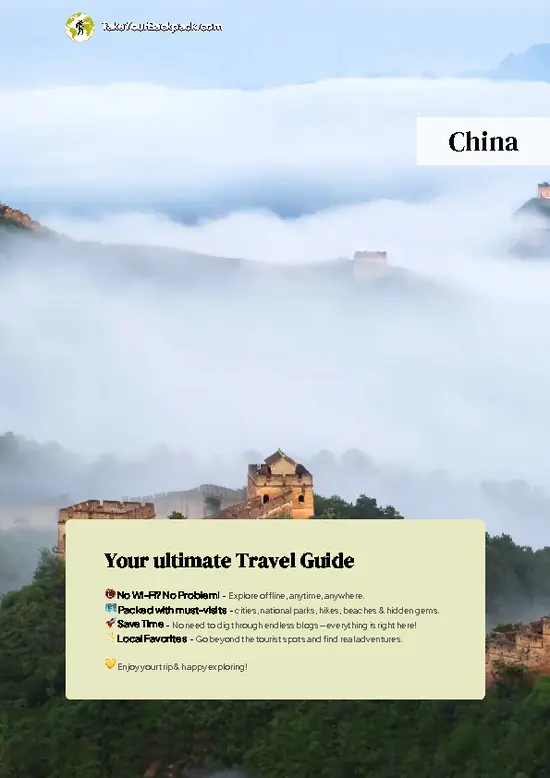
An offline-friendly backpacking guide with optimized travel routes, ranked highlights, transport advice, and the best areas to stay.
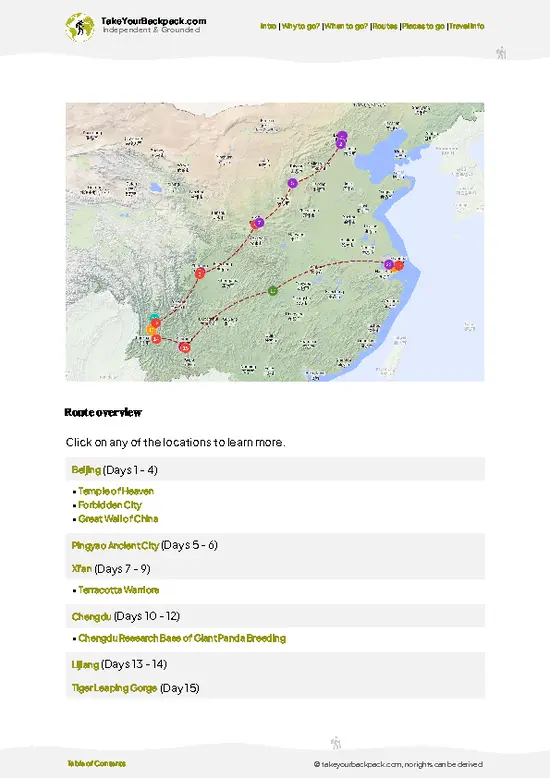
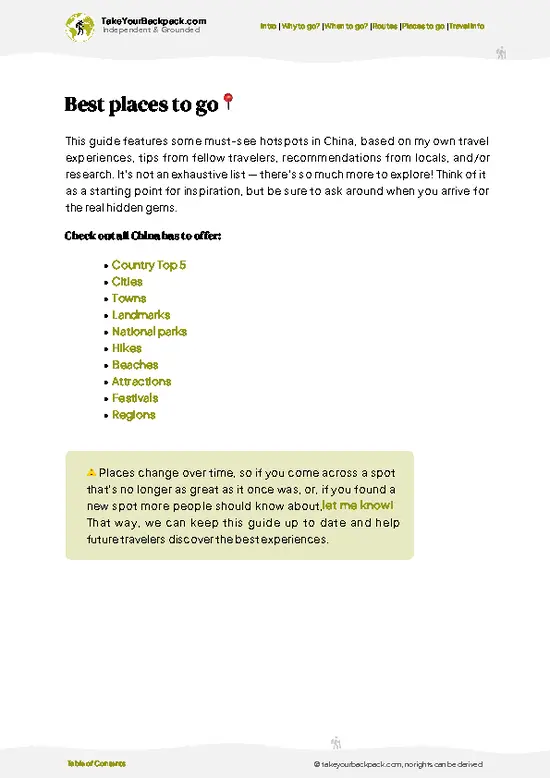
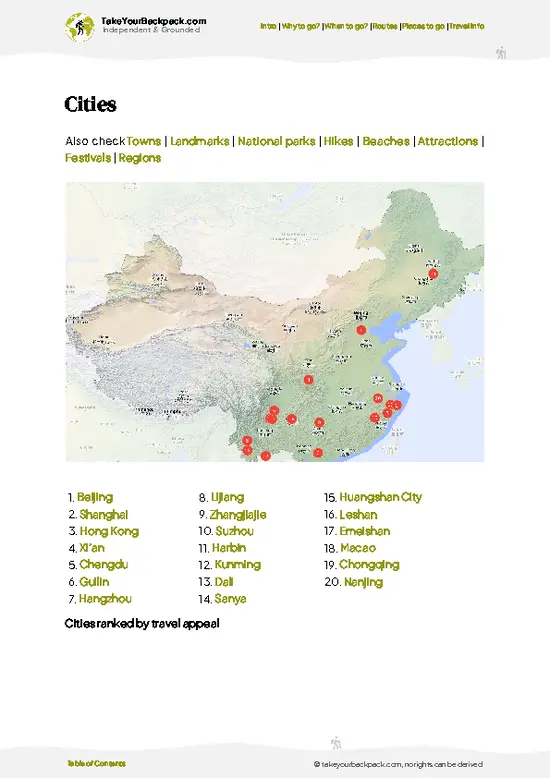
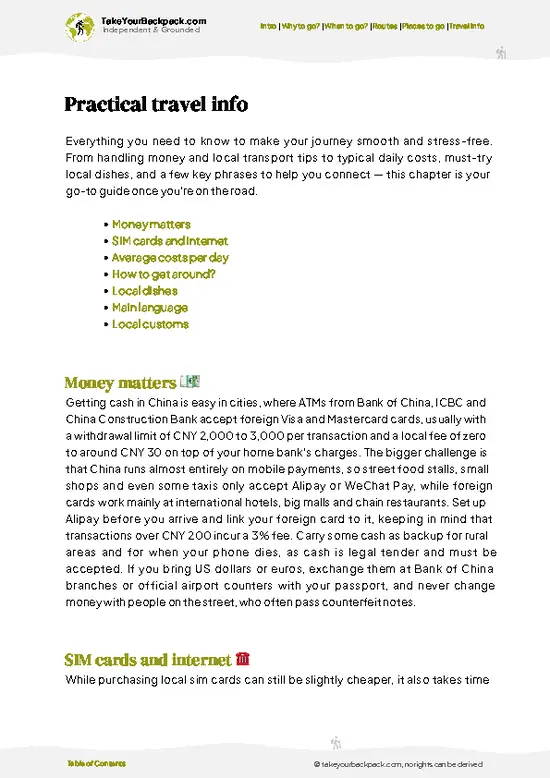
example page 0 from our offline Travel Guide for China
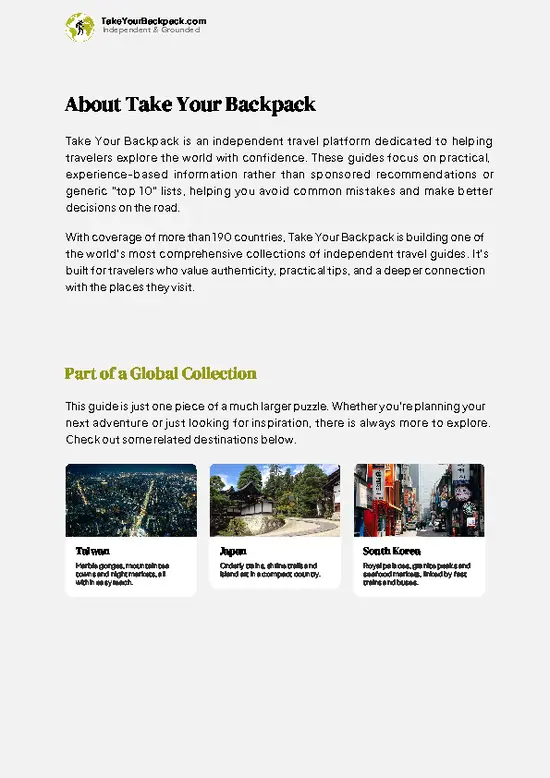
example page 1 from our offline Travel Guide for China
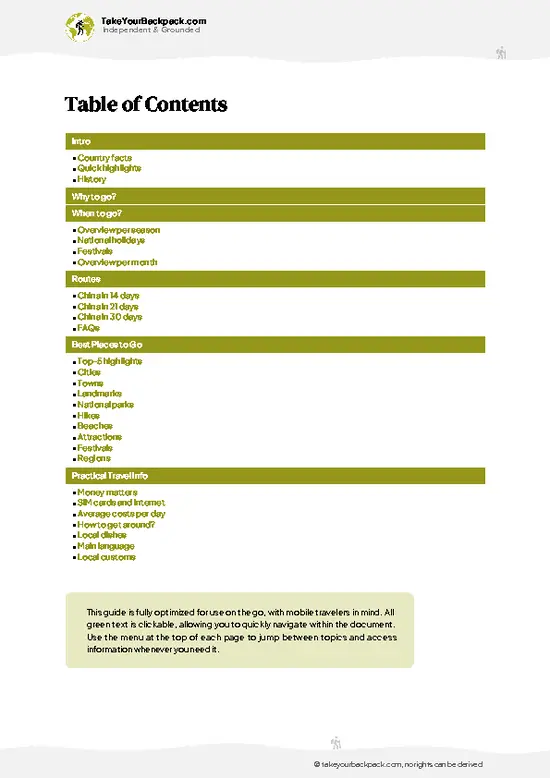
example page 2 from our offline Travel Guide for China
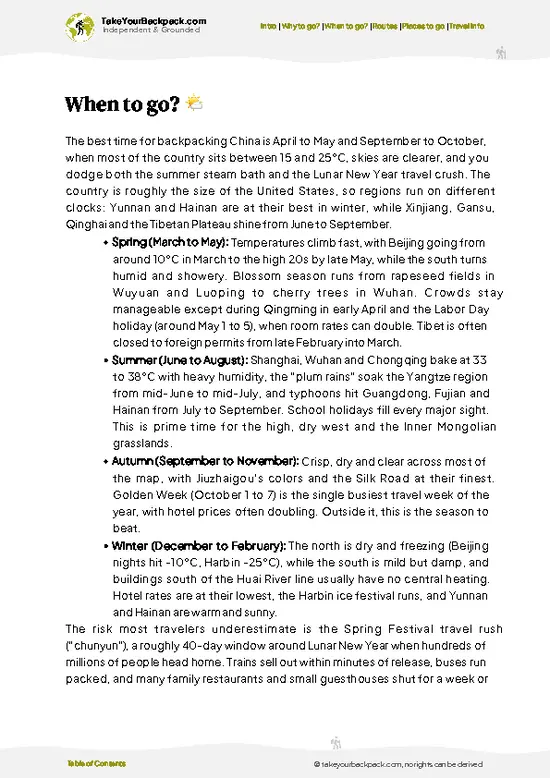
example page 3 from our offline Travel Guide for China
example page 4 from our offline Travel Guide for China
example page 5 from our offline Travel Guide for China
example page 6 from our offline Travel Guide for China
example page 7 from our offline Travel Guide for China
The digital guide (496 pages) contains:
139 highlights, ranked by travel appeal
Optimized 14, 21 & 30-day travel routes
Cities, national parks, landmarks, beaches
How to get around
Offline-friendly for travel without Wi-Fi
👉 Click to see all 30+ guide features

📅 Plan smarter in minutes, not weeks
Month by month travel advice
Festivals & national holidays
Budget expectations

🗺️ Go to the right places, skip the overrated ones
Honest pros & cons of destinations
Top hikes, parks & viewpoints
Lesser-known places most travelers miss
Clear “worth it vs skip it” guidance

🛏️ Travel smoothly without rookie mistakes
Best areas to stay
Transport systems explained simply
Common scams & safety advice
SIM cards, money & practical tips

🌍 Understand the country, not just visit it
Culture & traditions
52 Essential phrases & customs
Festivals worth planning around
Traveler-friendly historical context
Insights that make places more meaningful

📱 Built for real travel conditions
Fully downloadable PDF
Works completely offline
Optimized for phone use
Useful in remote areas & buses
Everything in one place
Save weeks of stressful planning
Get instant access to your full guide. 30‑day money-back guarantee.


By proceeding you agree to our terms.
Sent to your inbox immediately after payment • 100% Secure Checkout
Best Backpacking Travel Advisor 2025 tourism awardBest Backpacking
Travel Advisor
2025
What others say about Take Your Backpack Guides:
⭐⭐⭐⭐⭐
Fantastic, amazing amount of information!
⭐⭐⭐⭐⭐
My goodness this is amazing, it's what I've been looking for hats off too you!
⭐⭐⭐⭐⭐
I think this is absolutely BRILLIANT
⭐⭐⭐⭐
Very complete and informative. It's still missing places, but I gotta to commend you
⭐⭐⭐⭐⭐
This is truly amazing, thank you, can't wait to explore it with my kids!
⭐⭐⭐⭐⭐
Awesome resource, thank you!
⭐⭐⭐⭐⭐
This is amazing! Can't wait to explore the ones I haven't seen
⭐⭐⭐⭐
I love this! Well done, great idea.
⭐⭐⭐⭐⭐
Thanks for taking the time to make this gem!
⭐⭐⭐⭐⭐
This might be the best website I've ever seen.
⭐⭐⭐⭐⭐
Congratulations, and thank you so much for your work; it's incredibly valuable.
⭐⭐⭐⭐
In all seriousness I think you did a great job pointing out the important spots
⭐⭐⭐⭐⭐
10/10 very good
⭐⭐⭐⭐⭐
As someone who's only just starting to visit regularly this is awesome, thank you.
⭐⭐⭐⭐
Thank you very much! I'm going to visit my dad, it's going to be very useful!
⭐⭐⭐⭐⭐
This is really cool! We'll be travelling for the first time and this definitely come in handy.
⭐⭐⭐⭐⭐
You are now our minister of culture, congratulations 👨‍💼
⭐⭐⭐⭐⭐
Just wanted to tell you that this is a pearl! Going to follow your recommendations.
⭐⭐⭐⭐⭐
This is so cool. I'll definitely be using the resource for my travels soon.
⭐⭐⭐⭐⭐
This is very impressive! Good work.
⭐⭐⭐⭐⭐
This is an amazing and informative site. Very well done!

🛏️ Where to stay?How to pick the right area

When you’re gearing up for the Laba Festival in China, your base camp matters. Head to the vibrant streets of the city center, where the energy buzzes with locals and fellow travelers. This area is packed with budget-friendly hostels and guesthouses, perfect for meeting like-minded adventurers.

Look for spots near public transport; it’ll save you time and energy. The neighborhoods around the main square often host pop-up events and food stalls during the festival, so you can dive into the local culture without straying far.

Safety is key, so stick to well-lit areas and avoid the quieter backstreets … read more 👉
When you’re gearing up for the Laba Festival in China, your base camp matters. Head to the vibrant streets of the city center, where the energy buzzes with locals and fellow travelers. This area is packed with budget-friendly hostels and guesthouses, perfect for meeting like-minded adventurers.

Look for spots near public transport; it’ll save you time and energy. The neighborhoods around the main square often host pop-up events and food stalls during the festival, so you can dive into the local culture without straying far.

Safety is key, so stick to well-lit areas and avoid the quieter backstreets at night. If you’re feeling social, seek out places with communal spaces; they’re goldmines for connections and stories. This way, you’ll preserve your budget and energy for the festival’s unforgettable moments.

👛 Costs (as of 24 January 2025)How expensive it really is

The Laba Festival in China is a vibrant celebration, but navigating the costs can feel like a maze. Here’s how to budget wisely so you can focus on the experience instead of the expenses.
  • Festival Tickets: Expect to pay around €10 to €30 ($12 to $35) for entry. Prices can vary based on the specific events you want to attend. Some activities may be free, but special performances often come with a fee. Keep an eye out for package deals if you plan to join multiple events.
  • Accommodation: Budget options start at about €15 to €30 ($18 to $35) per night for hostels or guesthouses. Mid-range hotels can range from €40 to €80 ($45 to $90). Book early to snag the best deals, especially since the festival attracts crowds. Consider staying a bit outside the main area to save money and enjoy a quieter atmosphere.
read more 👉
The Laba Festival in China is a vibrant celebration, but navigating the costs can feel like a maze. Here’s how to budget wisely so you can focus on the experience instead of the expenses.
  • Festival Tickets: Expect to pay around €10 to €30 ($12 to $35) for entry. Prices can vary based on the specific events you want to attend. Some activities may be free, but special performances often come with a fee. Keep an eye out for package deals if you plan to join multiple events.
  • Accommodation: Budget options start at about €15 to €30 ($18 to $35) per night for hostels or guesthouses. Mid-range hotels can range from €40 to €80 ($45 to $90). Book early to snag the best deals, especially since the festival attracts crowds. Consider staying a bit outside the main area to save money and enjoy a quieter atmosphere.
  • Local Transport: Public transport is your friend. Buses and subways typically cost between €0.50 to €2 ($0.60 to $2.50) per ride. If you prefer taxis, budget around €5 to €15 ($6 to $18) for short trips. Walking is a great way to soak in the local vibe, so pack comfortable shoes.
  • Food & Drinks: Street food is a highlight, with meals costing between €2 to €5 ($2.50 to $6). Restaurants can range from €10 to €25 ($12 to $30) for a full meal. Don’t miss out on local specialties, but keep an eye on your spending if you’re dining out frequently. Water and soft drinks are usually around €1 ($1.20).
  • Miscellaneous Expenses: Set aside about €20 to €50 ($24 to $60) for souvenirs, snacks, or unexpected costs. This could include festival merchandise or local crafts. It’s always good to have a buffer for those spontaneous moments that make travel special.

By keeping these costs in mind, you’ll preserve your energy and budget for the moments that truly matter at the Laba Festival.


source: chinahighlights.com
⚠️ Prices can change and everyone travels differently, so take this as a rough guide. Hope it helps you plan your adventure!

🍲 FoodEating & Drinking in Laba

At the Laba Festival in China, food is a celebration of flavors and community. You’ll find sticky rice and laba congee simmering in large pots, their warmth inviting you to dive in. Don’t miss the pickled vegetables—they pack a punch and balance the sweetness of the rice dishes.

Street stalls buzz with energy, offering spicy tofu and sizzling meats that draw you in with their smoky aroma. Grab a bowl and share it with friends; this festival thrives on community spirit.

When it comes to drinks, look for sweet fermented rice wine—it’s a local favorite that complements the hearty dishes. Just a heads-up: cash is king here, so keep some handy. Serving sizes can be generous, so don’t hesitate to share. Embrace the chaos, savor the flavors, and let the festival fuel your adventure!

Other Chinese festivals near Laba

Explore more nearby:


💡 Not sure where to go next?
Create a personalized itinerary for China including Laba and the places that fit your trip.

Generate my itinerary

👉 Discover all festivals

Or checkout all China has to offer (think cities, towns, villages, national parks, hikes, beaches, festivals)
Country photo of China

We 💚 feedbackIs it worth it?

Laba Festival is a feast for the senses, where the aroma of fragrant rice porridge fills the air and the vibrant energy of local traditions sweeps you up. But brace yourself for crowds; they can be overwhelming. Embrace the chaos, though—it’s part of the experience. Just remember, your patience will pay off when you dive into the heart of this cultural celebration.

✈️ When did I visit China?
As part of my 1.5 year travel around the world trip, I visited China in August 2015, coming from Mongolia by the TransMongolia Express.

✍️ Help improve this page!
The information on this page is based on my own backpacking experience in China, supplemented with up-to-date research and feedback from other travelers. Travel details can change, so if you notice anything outdated or incomplete, feel free to let me know.


🙋‍♂️ Give feedback

👋 Meet the founderWho’s Behind Take Your Backpack?

Johan, backpacker and founder of TakeYourBackpackHi, I’m Johan (Netherlands 🇳🇱), the creator of TakeYourBackpack. Over the past decade, I’ve backpacked through 80+ countries across six continents, gaining extensive experience with independent travel, long-term trips, and overland routes.

This site is built on a combination of firsthand travel experience and carefully curated insights from other backpackers. Many guides are based on places I’ve personally visited, while others bring together tips, observations, and practical advice shared by trusted travelers I’ve met along the way.

The goal is to provide realistic, experience-driven guidance — not generic itineraries — so you can explore destinations with better context, clearer expectations, and more confidence.

Get full China guide •
Instant download • 139 highlights • Full Offline guide