×

China🇨🇳 | festivalsMiao New YearBuffalo fights, silver headdresses, folk dances | things to do and best time to go

Explore Ditan Temple FairExplore Water Splashing Festival

Backpacking in Miao New Year
👍 Recommendedfestival ranked #8
By Johan Kruseman 🇳🇱 | Updated October 4, 2026

Most summaries sell Miao New Year as one fixed date; in reality, different Miao villages stagger their celebrations over weeks, so you can literally chase the festival from valley to valley. Center of gravity: Guizhou province in southwest China, especially around Kaili and Leishan. As a backpacker, you’re walking into a mash-up of reed-pipe lusheng bands, bullfights, courtship songs, rice wine ambushes, and serious silver headdresses. It’s mostly rural Miao families plus a trickle of domestic tourists, so you feel like a guest, not a spectator in a stadium. Expect three to seven intense days per village. Worth it if you like muddy roads, homestays, and raw, noisy celebration more than polished comfort.

Discover everything you want to know in the 📖 China Travel Guide.


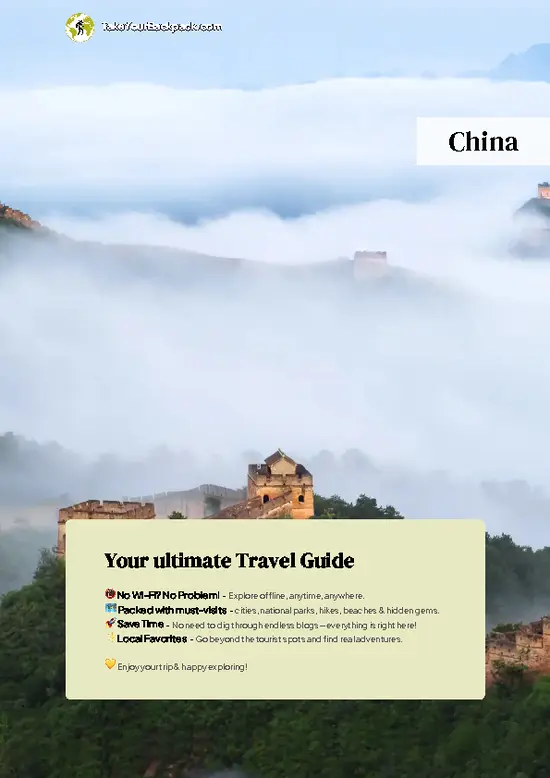
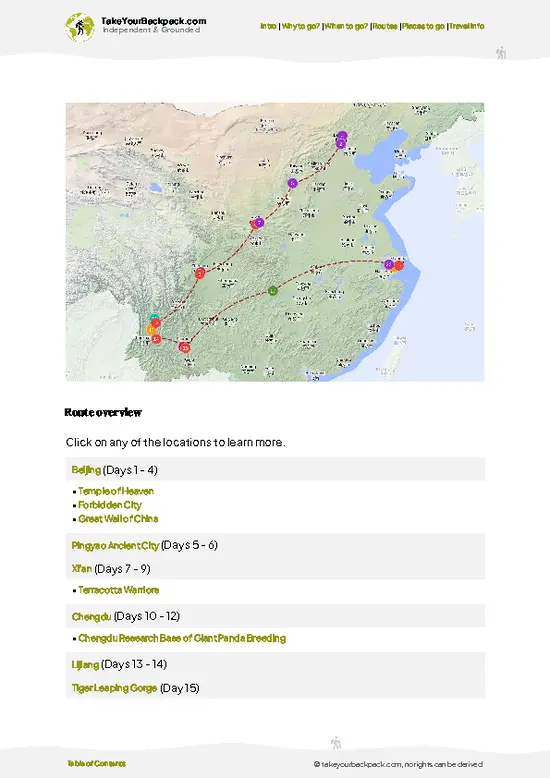
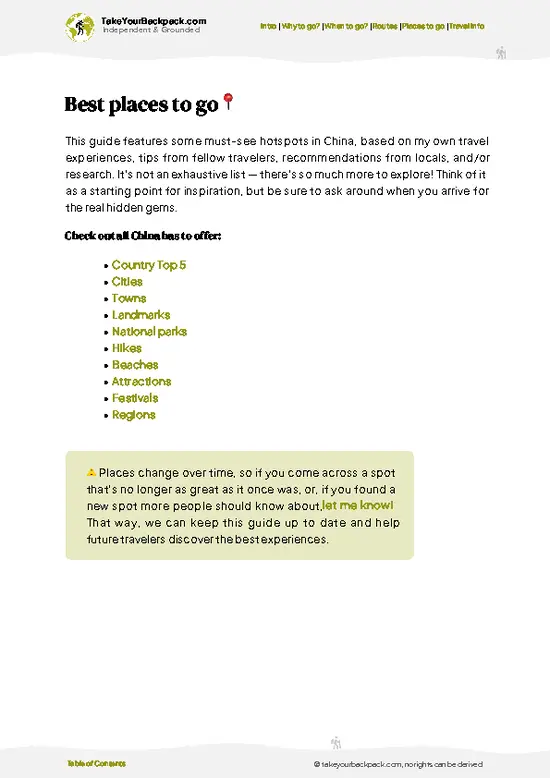
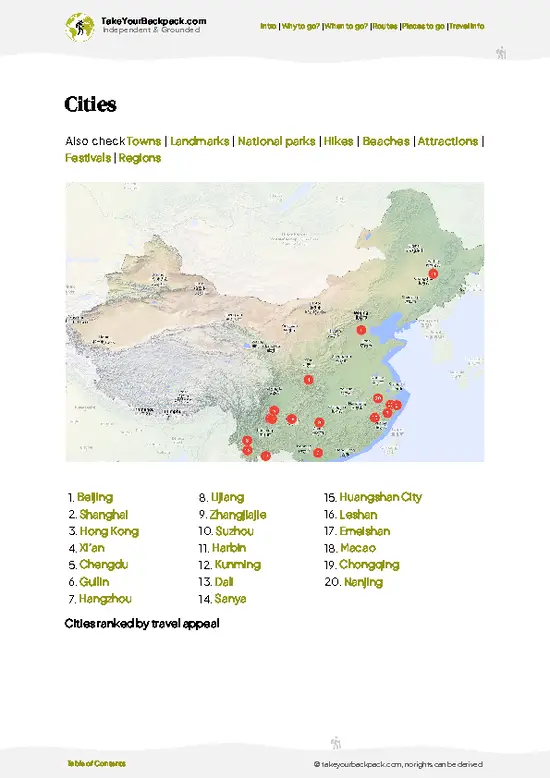
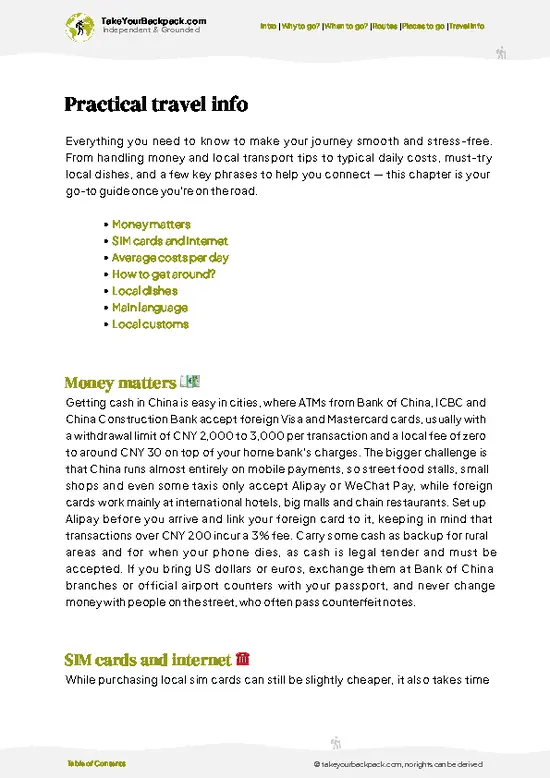
example page 0 from our offline Travel Guide for China
example page 1 from our offline Travel Guide for China
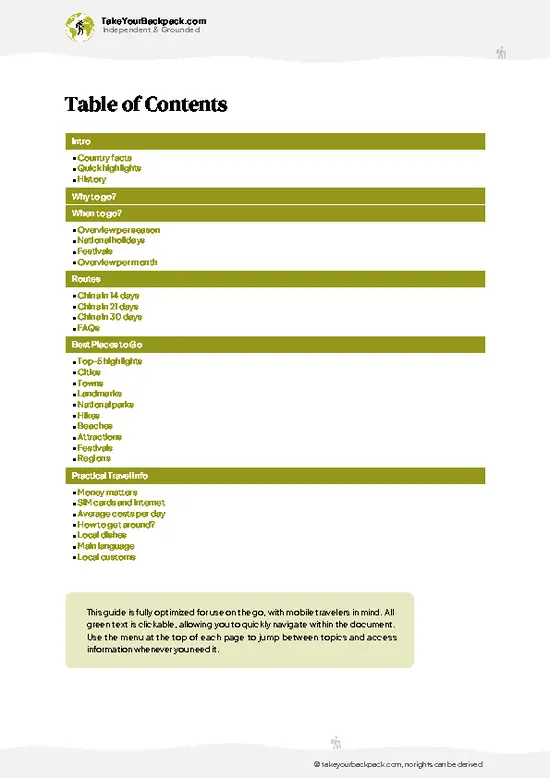
example page 2 from our offline Travel Guide for China
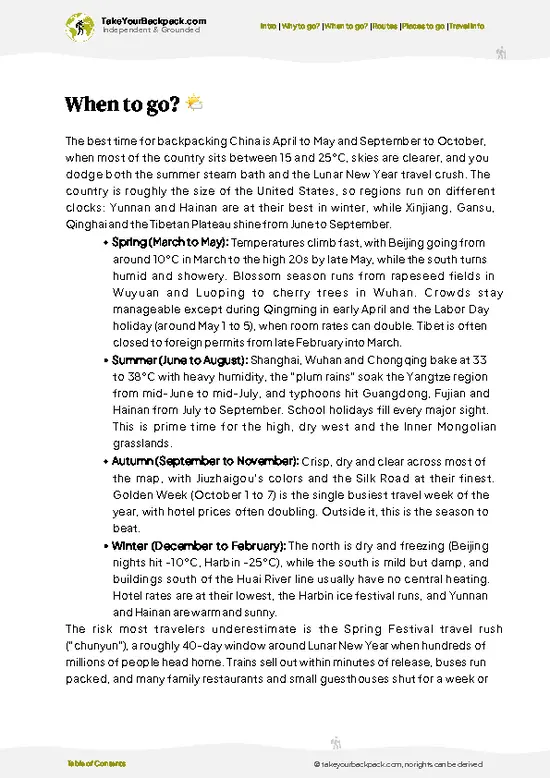
example page 3 from our offline Travel Guide for China
example page 4 from our offline Travel Guide for China
example page 5 from our offline Travel Guide for China
example page 6 from our offline Travel Guide for China
example page 7 from our offline Travel Guide for China
Loading the map 🌍
CLICK TO FILTER
cities
towns
landmarks
national parks
hikes
beaches
attractions
festivals
regions
SHOW COUNTRY’S BESTSHOW ALL

✨ Why go?
Ranked #8 festival in China
Why visitors keep coming back

Backpackers flock to the Miao New Year in China for a burst of social energy and a chance to dive into a temporary community. This festival isn’t just a spectacle; it’s a vibrant tapestry of cultural immersion where you can dance, feast, and connect with locals in a way that feels genuine. Compared to other festivals, it’s surprisingly affordable, allowing you to stretch your budget while soaking in unforgettable experiences. Plus, it fits seamlessly into longer travel plans, acting as a perfect pit stop that fuels your journey. Embrace the chaos, and let the festival’s rhythm guide your adventure!

💡 HighlightsKey sights and experiences for travelers

  1. Lusheng music and dance — The lusheng is a loud, reedy bamboo pipe that drives the whole party: dancers form circles, couples flirt with movement, and groups hold impromptu call-and-response competitions. It’s loud, contagious, and easy to join even if you don’t speak the language — personal favorite because nothing else at the New Year gets a whole village onto their feet like a good lusheng session.
  2. Silver costumes and parades — Miao silverwork is incredible: huge headdresses, filigree necklaces, and hammered ornaments that flash in the sun. Seeing dozens of women in traditional embroidered outfits and heavy silver at once is a photographer’s dream and a rare window into craftsmanship passed down generations.
  3. “Sisters’ Meal” courtship ritual — This matchmaking tradition involves young
… read more 👉
  1. Lusheng music and dance — The lusheng is a loud, reedy bamboo pipe that drives the whole party: dancers form circles, couples flirt with movement, and groups hold impromptu call-and-response competitions. It’s loud, contagious, and easy to join even if you don’t speak the language — personal favorite because nothing else at the New Year gets a whole village onto their feet like a good lusheng session.
  2. Silver costumes and parades — Miao silverwork is incredible: huge headdresses, filigree necklaces, and hammered ornaments that flash in the sun. Seeing dozens of women in traditional embroidered outfits and heavy silver at once is a photographer’s dream and a rare window into craftsmanship passed down generations.
  3. “Sisters’ Meal” courtship ritual — This matchmaking tradition involves young women offering wooden bowls of rice or cakes to potential partners, full of symbolic gestures and quiet social rules. It’s intimate, culturally specific, and one of the clearest ways to see how community life and romance are woven into Miao ceremonies.
  4. Folk games and competitive events — Expect regionally different but always lively contests: stilt dances, wrestling or tug-of-war, drum or flag battles, and in some places traditional bullfights or Lusheng competitions. They’re noisy, visceral, and a great way to watch local pride and rivalry play out without needing a ticket.
  5. Bazaars, handicrafts and local food — The New Year market is where artisans sell batik, embroidered textiles, and silver pieces while street stalls dish out sticky rice, smoked meats, pickles and local spirits. It’s the best place to pick up affordable souvenirs, try real home-style flavors, and soak up the festival’s everyday hustle.
Spotted a mistake or missing something? Contact us.

🌤️ When to go?When is the celebration of Miao New Year?

  • Topic: Weather - The festival falls between late January and early February, smack in the middle of winter. Expect chilly temps around 5-10°C (41-50°F), so pack layers. Rain is rare but cold wind can bite, especially in mountainous areas.
  • Topic: Temperature - Daytime highs hover near 10°C (50°F), but nights can dip close to freezing. This contrast means early mornings and evenings demand serious warmth if you want to stay energized for the festivities.
  • Topic: Daylight Hours - Short winter days limit daylight to about 10 hours. Plan your outdoor exploration tightly—most action happens midday when the sun is up and the cold eases.
  • Topic: Crowds - The festival is a major cultural event, so expect packed villages and busy transport. Arriving just before or after peak days can save you from
… read more 👉
  • Topic: Weather - The festival falls between late January and early February, smack in the middle of winter. Expect chilly temps around 5-10°C (41-50°F), so pack layers. Rain is rare but cold wind can bite, especially in mountainous areas.
  • Topic: Temperature - Daytime highs hover near 10°C (50°F), but nights can dip close to freezing. This contrast means early mornings and evenings demand serious warmth if you want to stay energized for the festivities.
  • Topic: Daylight Hours - Short winter days limit daylight to about 10 hours. Plan your outdoor exploration tightly—most action happens midday when the sun is up and the cold eases.
  • Topic: Crowds - The festival is a major cultural event, so expect packed villages and busy transport. Arriving just before or after peak days can save you from the crush without missing the core celebrations.
  • Topic: Seasonal Activities - Winter’s grip means fewer hiking options, but the festival’s vibrant dances, traditional costumes, and firecrackers fill the air with energy. Timing your visit to catch the main parade is key.
  • Topic: Price Fluctuations - Prices spike during the festival’s peak days. Book accommodations early or aim for the edges of the festival window to snag better deals and avoid last-minute stress.
Pro-tip: Arrive a day early to acclimate, secure lodging, and soak in the quiet before the festival’s pulse takes over—this strategy saves your energy and wallet for the real show.


source: climatestotravel.comJANJanuary: excellent for travelingFEBFebruary: not recommended for travelingMARMarch: not recommended for travelingAPRApril: not recommended for travelingMAYMay: not recommended for travelingJUNJune: not recommended for travelingJULJuly: not recommended for travelingAUGAugust: not recommended for travelingSEPSeptember: not recommended for travelingOCTOctober: not recommended for travelingNOVNovember: not recommended for travelingDECDecember: not recommended for traveling

✈️ The backpacker research shortcutChina Travel Guide

An offline-friendly backpacking guide with optimized travel routes, ranked highlights, transport advice, and the best areas to stay.
example page 0 from our offline Travel Guide for China
example page 1 from our offline Travel Guide for China
example page 2 from our offline Travel Guide for China
example page 3 from our offline Travel Guide for China
example page 4 from our offline Travel Guide for China
example page 5 from our offline Travel Guide for China
example page 6 from our offline Travel Guide for China
example page 7 from our offline Travel Guide for China
The digital guide (436 pages) contains:
✅ 121 highlights, ranked by travel appeal
✅ Optimized 14, 21 & 30-day travel routes
✅ Cities, national parks, landmarks, beaches
✅ How to get around
✅ Offline-friendly for travel without Wi-Fi
👉 Click to see all 30+ guide features

📅 Plan smarter in minutes, not weeks
✅ Month by month travel advice
✅ Festivals & national holidays
✅ Budget expectations

🗺️ Go to the right places, skip the overrated ones
✅ Honest pros & cons of destinations
✅ Top hikes, parks & viewpoints
✅ Lesser-known places most travelers miss
✅ Clear “worth it vs skip it” guidance

🛏️ Travel smoothly without rookie mistakes
✅ Best areas to stay
✅ Transport systems explained simply
✅ Common scams & safety advice
✅ SIM cards, money & practical tips

🌍 Understand the country, not just visit it
✅ Culture & traditions
✅ 52 Essential phrases & customs
✅ Festivals worth planning around
✅ Traveler-friendly historical context
✅ Insights that make places more meaningful

📱 Built for real travel conditions
✅ Fully downloadable PDF
✅ Works completely offline
✅ Optimized for phone use
✅ Useful in remote areas & buses
✅ Everything in one place
Stop searching, start planning
Get instant access to your full guide. 30‑day money-back guarantee.
+ Add another guide for just

By proceeding you agree to our terms.
Sent to your inbox immediately after payment • 100% Secure Checkout
Best Backpacking Travel Advisor 2025 tourism awardBest Backpacking
Travel Advisor
2025
What others say about Take Your Backpack Guides:
⭐⭐⭐⭐⭐
Fantastic, amazing amount of information!
⭐⭐⭐⭐⭐
My goodness this is amazing, it's what I've been looking for hats off too you!
⭐⭐⭐⭐⭐
I think this is absolutely BRILLIANT
⭐⭐⭐⭐
Very complete and informative. It's still missing places, but I gotta to commend you
⭐⭐⭐⭐⭐
This is truly amazing, thank you, can't wait to explore it with my kids!
⭐⭐⭐⭐⭐
Awesome resource, thank you!
⭐⭐⭐⭐⭐
This is amazing! Can't wait to explore the ones I haven't seen
⭐⭐⭐⭐
I love this! Well done, great idea.
⭐⭐⭐⭐⭐
Thanks for taking the time to make this gem!
⭐⭐⭐⭐⭐
This might be the best website I've ever seen.
⭐⭐⭐⭐⭐
Congratulations, and thank you so much for your work; it's incredibly valuable.
⭐⭐⭐⭐
In all seriousness I think you did a great job pointing out the important spots
⭐⭐⭐⭐⭐
10/10 very good
⭐⭐⭐⭐⭐
As someone who's only just starting to visit regularly this is awesome, thank you.
⭐⭐⭐⭐
Thank you very much! I'm going to visit my dad, it's going to be very useful!
⭐⭐⭐⭐⭐
This is really cool! We'll be travelling for the first time and this definitely come in handy.
⭐⭐⭐⭐⭐
You are now our minister of culture, congratulations 👨‍💼
⭐⭐⭐⭐⭐
Just wanted to tell you that this is a pearl! Going to follow your recommendations.
⭐⭐⭐⭐⭐
This is so cool. I'll definitely be using the resource for my travels soon.
⭐⭐⭐⭐⭐
This is very impressive! Good work.
⭐⭐⭐⭐⭐
This is an amazing and informative site. Very well done!

🛏️ Where to stay?How to pick the right area

For the Miao New Year festival, head to the vibrant heart of Guizhou Province. The town of Kaili is your best bet. It’s buzzing with backpackers and locals alike, making it easy to connect. You’ll find affordable guesthouses and hostels that foster a social vibe, perfect for solo travelers.

Stay close to the festival grounds for easy access to the celebrations. The streets come alive with music, dance, and colorful costumes, so being nearby means you won’t miss a beat.

Another option is the village of Xijiang Qianhu Miao Village. It’s picturesque and offers a unique cultural immersion. Just … read more 👉
For the Miao New Year festival, head to the vibrant heart of Guizhou Province. The town of Kaili is your best bet. It’s buzzing with backpackers and locals alike, making it easy to connect. You’ll find affordable guesthouses and hostels that foster a social vibe, perfect for solo travelers.

Stay close to the festival grounds for easy access to the celebrations. The streets come alive with music, dance, and colorful costumes, so being nearby means you won’t miss a beat.

Another option is the village of Xijiang Qianhu Miao Village. It’s picturesque and offers a unique cultural immersion. Just be aware that accommodations can fill up fast during the festival, so plan ahead to secure your spot. This way, you’ll save energy and cash for the experiences that truly matter.

👛 Costs (as of 4 October 2026)Travel costs and budget guide for Miao New Year

The Miao New Year festival in China is a vibrant celebration, but navigating the costs can be tricky. Here’s a breakdown to keep your budget intact while you soak in the culture.
  • Festival Tickets: Expect to pay around €10 to €30 ($11 to $33) for entry. Some events may charge extra for special performances or activities, so keep an eye out for those hidden fees.
  • Accommodation: Prices vary widely. Budget hostels start at about €15 to €25 ($16 to $28) per night. Mid-range hotels can range from €30 to €70 ($33 to $77). Book early to avoid inflated rates as the festival approaches.
  • Local Transport: Public transport is your friend. Buses and shared taxis typically cost between €1 to €5 ($1.10 to $5.50) for short distances. If you’re venturing further, budget around €10 to €20 ($11 to $22) for longer
… read more 👉
The Miao New Year festival in China is a vibrant celebration, but navigating the costs can be tricky. Here’s a breakdown to keep your budget intact while you soak in the culture.
  • Festival Tickets: Expect to pay around €10 to €30 ($11 to $33) for entry. Some events may charge extra for special performances or activities, so keep an eye out for those hidden fees.
  • Accommodation: Prices vary widely. Budget hostels start at about €15 to €25 ($16 to $28) per night. Mid-range hotels can range from €30 to €70 ($33 to $77). Book early to avoid inflated rates as the festival approaches.
  • Local Transport: Public transport is your friend. Buses and shared taxis typically cost between €1 to €5 ($1.10 to $5.50) for short distances. If you’re venturing further, budget around €10 to €20 ($11 to $22) for longer trips.
  • Food & Drinks: Street food is a must-try and usually costs between €2 to €5 ($2.20 to $5.50) per meal. Restaurants may charge €5 to €15 ($5.50 to $16.50) for a sit-down experience. Don’t forget to budget for drinks; local beers and teas are generally affordable, around €1 to €3 ($1.10 to $3.30).
  • Miscellaneous Expenses: Set aside about €20 to €50 ($22 to $55) for souvenirs, tips, or unexpected costs. This cushion will help you enjoy spontaneous experiences without stress.

Stay sharp and plan ahead to maximize your experience without breaking the bank.


source: chinatravel.com
⚠️ Prices can change and everyone travels differently, so take this as a rough guide. Hope it helps you plan your adventure!

🍲 FoodLocal Cuisine & Drinks

At the Miao New Year festival, food is a vibrant celebration of culture. You’ll find sticky rice wrapped in bamboo leaves, a must-try that’s both filling and flavorful. Don’t miss the sour fish soup—it’s a local specialty that packs a punch. Street stalls overflow with grilled meats and spicy pickled vegetables, perfect for snacking as you wander.

For drinks, grab a cup of local rice wine; it’s sweet and potent, a true taste of the region. Be ready to share; it’s customary to offer a sip to friends. Lines can get long, so be patient and enjoy the buzz of the crowd. Cash is king here, so keep some handy. Serving sizes are generous, so don’t hesitate to sample a bit of everything. Dive in and savor the experience!

FAQCommon questions from travelers

Miao New Year typically takes place between November and January, depending on the specific Miao community and lunar calendar. The festival usually lasts for about 3 to 7 days. Timing varies by region, so check local schedules if possible.
Attending Miao New Year is generally free as it is a traditional cultural festival celebrated by the Miao people. However, some organized events or performances may charge a small entrance fee, usually around 20 to 50 RMB. Travel and accommodation costs should be considered separately.
No, you do not usually need tickets in advance to attend Miao New Year celebrations as they are community-based and open to the public. For special performances or tourist-oriented events, booking in advance might be recommended but is not mandatory for the main festivities.
⚠️ Things can change over time, so always validate details locally before you go.

Other Chinese festivals near Miao New Year

Explore more nearby:


💡 Not sure where to go next?
Create a personalized itinerary for China including Miao New Year and the places that fit your trip.

Generate my itinerary

👉 Discover all festivals

Or checkout all China has to offer (think cities, towns, villages, national parks, hikes, beaches, festivals)
Country photo of China

We 💚 feedbackFinal thoughts on celebrating the Miao New Year

Miao New Year is a vibrant explosion of culture, where you’ll dance with locals and savor dishes that burst with flavor. But brace yourself for the crowds; they can be overwhelming. Embrace the chaos, though—it’s part of the experience. Just keep your energy for the moments that truly matter.

✈️ When did I visit China?
As part of my 1.5 year travel around the world trip, I visited China in August 2015, coming from Mongolia by the TransMongolia Express.

✍️ Help improve this page!
The information on this page is based on my own backpacking experience in China, supplemented with up-to-date research and feedback from other travelers. Travel details can change, so if you notice anything outdated or incomplete, feel free to let me know.


🙋‍♂️ Give feedback

👋 Meet the founderWho’s Behind Take Your Backpack?

Johan, backpacker and founder of TakeYourBackpackHi, I’m Johan (Netherlands 🇳🇱), the creator of TakeYourBackpack. Over the past 3 decades, I’ve backpacked through 90+ countries across six continents, gaining extensive experience with independent travel, long-term trips, and overland routes.

This site is built on a combination of firsthand travel experience and carefully curated insights from other backpackers. Many guides are based on places I’ve personally visited, while others bring together tips, observations, and practical advice shared by trusted travelers I’ve met along the way.

The goal is to provide realistic, experience-driven guidance — not generic itineraries — so you can explore destinations with better context, clearer expectations, and more confidence.