×

China🇨🇳 | festivalsWinter Solstice FestivalDumpling feasts, family reunions, longest night | things to do and best time to go

Explore Spring FestivalExplore National Day Golden Week

Backpacking in Winter Solstice
👌 Worth visitingfestival ranked #19
By Johan Kruseman 🇳🇱 | Updated May 28, 2026

Most travelers mix up China’s Winter Solstice Festival with some giant EDM blowout; it’s not a rave, it’s a seasonal ritual baked into daily life. Centered across China but especially strong in the south and in family-heavy cities like Guangzhou and Shanghai, it’s more home-table than main-stage. You get temple fairs, low-key street performances, and food—endless dumplings and tangyuan—rather than big-name DJs. The vibe is intimate, local, and short (a day or two), but if you like culture over crowds, it quietly punches way above its weight.

Discover everything you want to know in the 📖 China Travel Guide.


Get your China guide
139 ranked highlights, routes & tips, works offline (496 pages)
Loading the map 🌍
CLICK TO FILTER
cities
towns
landmarks
national parks
hikes
beaches
attractions
festivals
regions
SHOW COUNTRY’S BESTSHOW ALL

✨ Why go?
Ranked #19 festival in China
What makes this festival worth celebrating

Backpackers plan their routes around the Winter Solstice Festival in China for a reason. This event pulses with social energy, creating a temporary community that’s hard to replicate. You’ll find yourself immersed in cultural traditions that breathe life into your journey. Plus, it’s a steal compared to similar festivals worldwide. The affordability means you can splurge on local delicacies or crafts without breaking the bank. Integrating the festival into your travel plans adds a layer of excitement, transforming your adventure into a rich tapestry of experiences. Don’t miss out on this vibrant chapter of your journey!
Want to include Winter Solstice Festival in your China route?
Create a personalized China itinerary that includes Winter Solstice Festival and the places that fit your trip — based on your travel style, budget, and available time. Get your route in seconds.

Generate my trip

💡 HighlightsWhat this place is best known for

  1. Reunion foods: tangyuan and jiaozi — Food is the headline act. In the south you’ll see sweet glutinous rice balls (tangyuan) symbolizing family togetherness; in the north people make and eat jiaozi (dumplings) that are shaped like little ingots and meant to bring luck. The ritual of rolling, stuffing and sharing is as important as the flavors — it’s a hands-on family moment that tells you more about the holiday than any brochure.
  2. Temple fairs and folk performances — Local temple fairs light up with regional opera, yangge/folk dances, drumming, acrobatics and sometimes lion or dragon processions. What makes it special is the immediacy: performers and audience mix in the same crowded space, street-food stalls flank the stages, and everything feels improvised and alive. (Personal favorite
read more 👉
  1. Reunion foods: tangyuan and jiaozi — Food is the headline act. In the south you’ll see sweet glutinous rice balls (tangyuan) symbolizing family togetherness; in the north people make and eat jiaozi (dumplings) that are shaped like little ingots and meant to bring luck. The ritual of rolling, stuffing and sharing is as important as the flavors — it’s a hands-on family moment that tells you more about the holiday than any brochure.
  2. Temple fairs and folk performances — Local temple fairs light up with regional opera, yangge/folk dances, drumming, acrobatics and sometimes lion or dragon processions. What makes it special is the immediacy: performers and audience mix in the same crowded space, street-food stalls flank the stages, and everything feels improvised and alive. (Personal favorite — you get the best snapshots and the most honest smiles here.)
  3. Ancestor veneration and family rituals — Winter Solstice is one of those dates when families pause to honor ancestors: offerings, incense, and visiting ancestral tablets or graves. It’s quieter and more solemn than the noisy New Year festivities, and that contemplative tone gives the festival a depth — a reminder of continuity and the role of elders in Chinese family life.
  4. Communal warming foods and hot pots — Beyond the symbolic dishes, the practical winter survival kit comes out: shared hot pots, hearty stews, lamb and spicy skewers. Eating together from a boiling pot isn’t just delicious — it’s social glue. Expect a steamy, convivial atmosphere where strangers end up trading chopsticks and stories.
  5. Seasonal customs and “beating the cold” rituals — From the practice of “counting the nine” (the nine segments of winter) to small local ceremonies meant to welcome the returning yang (sun/positive energy), these folk customs vary by place but share a theme: communal rites to mark the turning of seasons. They’re fascinating because they blend practical weather wisdom, calendar folklore and playful superstition in ways you won’t see elsewhere.
Spotted a mistake or missing something? Contact us.
🌤️ When to go?When is the celebration of Winter Solstice Festival?


  • Weather: The Winter Solstice Festival falls in late December, when temperatures plunge. Expect biting cold, often between -5°C to 5°C (23°F to 41°F), so pack layers that fight the chill without slowing you down.

  • Daylight Hours: Days are shortest—roughly 9 hours of daylight—meaning you’ll want to start early to maximize exploration before dusk tightens its grip.

  • Crowds: This festival draws locals more than tourists, so crowds are manageable. Still, key events can get busy, so plan to arrive early or snag spots in advance.

  • Seasonal Activities: The cold invites unique winter rituals—fire displays, lanterns, and hearty street food that fuel your body and spirit. Missing these means missing the festival’s core.

  • Price Fluctuations: Off-peak travel costs dip slightly, but festival-related
read more 👉

  • Weather: The Winter Solstice Festival falls in late December, when temperatures plunge. Expect biting cold, often between -5°C to 5°C (23°F to 41°F), so pack layers that fight the chill without slowing you down.

  • Daylight Hours: Days are shortest—roughly 9 hours of daylight—meaning you’ll want to start early to maximize exploration before dusk tightens its grip.

  • Crowds: This festival draws locals more than tourists, so crowds are manageable. Still, key events can get busy, so plan to arrive early or snag spots in advance.

  • Seasonal Activities: The cold invites unique winter rituals—fire displays, lanterns, and hearty street food that fuel your body and spirit. Missing these means missing the festival’s core.

  • Price Fluctuations: Off-peak travel costs dip slightly, but festival-related accommodations can spike. Booking early locks in better rates and spares you last-minute stress.


Pro-tip: Embrace the cold as part of the adventure—dress smart, move fast, and savor the festival’s fiery warmth when the sun dips early.


source: climatestotravel.comJANJanuary: not recommended for travelingFEBFebruary: not recommended for travelingMARMarch: not recommended for travelingAPRApril: not recommended for travelingMAYMay: not recommended for travelingJUNJune: not recommended for travelingJULJuly: not recommended for travelingAUGAugust: not recommended for travelingSEPSeptember: not recommended for travelingOCTOctober: not recommended for travelingNOVNovember: not recommended for travelingDECDecember: excellent for traveling

✈️ The backpacker research shortcutChina Travel Guide

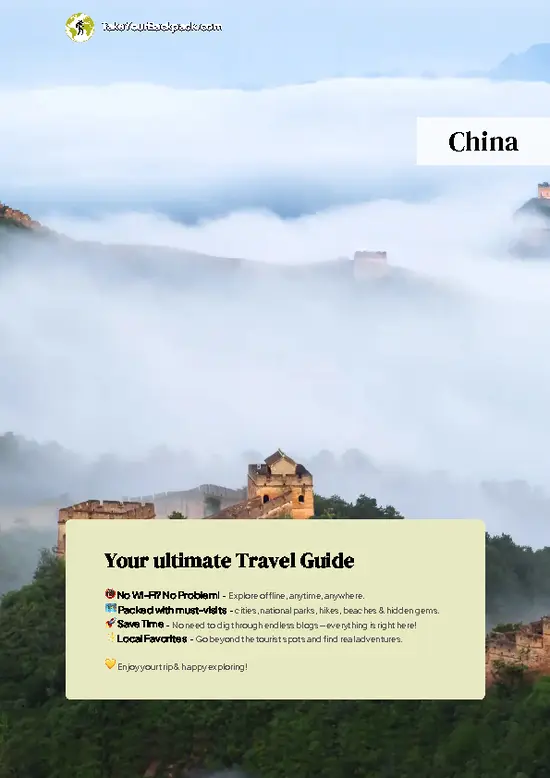
An offline-friendly backpacking guide with optimized travel routes, ranked highlights, transport advice, and the best areas to stay.
example page 0 from our offline Travel Guide for China
example page 1 from our offline Travel Guide for China
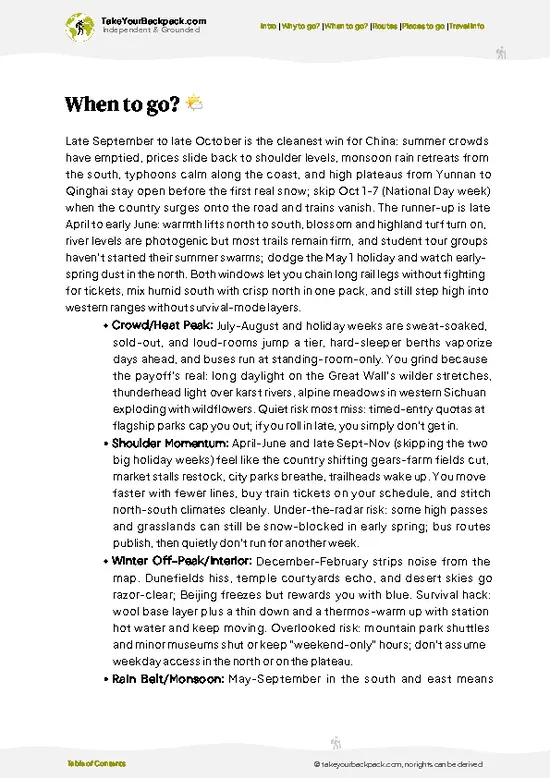
example page 2 from our offline Travel Guide for China
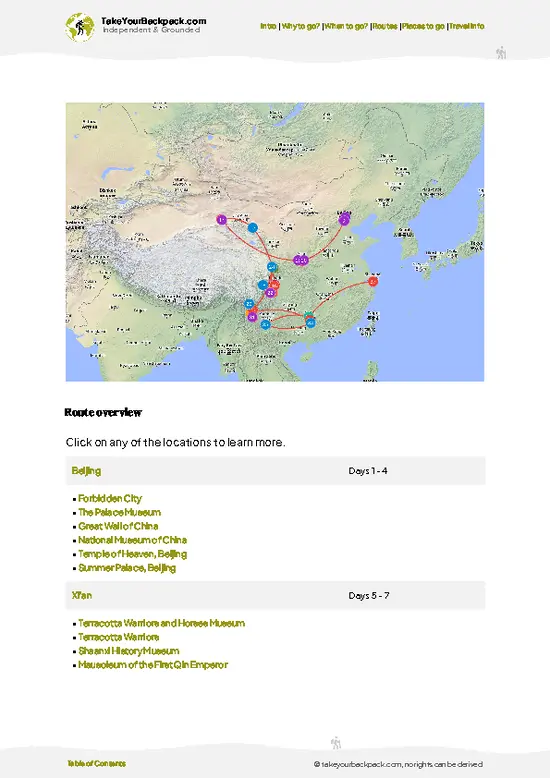
example page 3 from our offline Travel Guide for China
example page 4 from our offline Travel Guide for China
example page 5 from our offline Travel Guide for China
example page 6 from our offline Travel Guide for China
example page 7 from our offline Travel Guide for China
The digital guide (496 pages) contains:
139 highlights, ranked by travel appeal
Optimized 14, 21 & 30-day travel routes
Cities, national parks, landmarks, beaches
How to get around
Offline-friendly for travel without Wi-Fi
👉 Click to see all 30+ guide features

📅 Plan smarter in minutes, not weeks
Month by month travel advice
Festivals & national holidays
Budget expectations

🗺️ Go to the right places, skip the overrated ones
Honest pros & cons of destinations
Top hikes, parks & viewpoints
Lesser-known places most travelers miss
Clear “worth it vs skip it” guidance

🛏️ Travel smoothly without rookie mistakes
Best areas to stay
Transport systems explained simply
Common scams & safety advice
SIM cards, money & practical tips

🌍 Understand the country, not just visit it
Culture & traditions
52 Essential phrases & customs
Festivals worth planning around
Traveler-friendly historical context
Insights that make places more meaningful

📱 Built for real travel conditions
Fully downloadable PDF
Works completely offline
Optimized for phone use
Useful in remote areas & buses
Everything in one place
Save weeks of stressful planning
Get instant access to your full guide. 30‑day money-back guarantee.


By proceeding you agree to our terms.
Sent to your inbox immediately after payment • 100% Secure Checkout
Best Backpacking Travel Advisor 2025 tourism awardBest Backpacking
Travel Advisor
2025
What others say about Take Your Backpack Guides:
⭐⭐⭐⭐⭐
Fantastic, amazing amount of information!
⭐⭐⭐⭐⭐
My goodness this is amazing, it's what I've been looking for hats off too you!
⭐⭐⭐⭐⭐
I think this is absolutely BRILLIANT
⭐⭐⭐⭐
Very complete and informative. It's still missing places, but I gotta to commend you
⭐⭐⭐⭐⭐
This is truly amazing, thank you, can't wait to explore it with my kids!
⭐⭐⭐⭐⭐
Awesome resource, thank you!
⭐⭐⭐⭐⭐
This is amazing! Can't wait to explore the ones I haven't seen
⭐⭐⭐⭐
I love this! Well done, great idea.
⭐⭐⭐⭐⭐
Thanks for taking the time to make this gem!
⭐⭐⭐⭐⭐
This might be the best website I've ever seen.
⭐⭐⭐⭐⭐
Congratulations, and thank you so much for your work; it's incredibly valuable.
⭐⭐⭐⭐
In all seriousness I think you did a great job pointing out the important spots
⭐⭐⭐⭐⭐
10/10 very good
⭐⭐⭐⭐⭐
As someone who's only just starting to visit regularly this is awesome, thank you.
⭐⭐⭐⭐
Thank you very much! I'm going to visit my dad, it's going to be very useful!
⭐⭐⭐⭐⭐
This is really cool! We'll be travelling for the first time and this definitely come in handy.
⭐⭐⭐⭐⭐
You are now our minister of culture, congratulations 👨‍💼
⭐⭐⭐⭐⭐
Just wanted to tell you that this is a pearl! Going to follow your recommendations.
⭐⭐⭐⭐⭐
This is so cool. I'll definitely be using the resource for my travels soon.
⭐⭐⭐⭐⭐
This is very impressive! Good work.
⭐⭐⭐⭐⭐
This is an amazing and informative site. Very well done!

🛏️ Where to stay?Where staying makes the most sense

For the Winter Solstice Festival in China, aim for areas buzzing with energy and camaraderie. Look to the heart of the city where locals and travelers mingle. Staying near public squares or cultural hubs keeps you close to the action and the festivities.

Seek out neighborhoods known for their vibrant street food scenes; nothing beats bonding over a bowl of hot noodles after a day of exploration.

Safety is key, so stick to well-lit areas with a lively atmosphere. These spots not only offer budget-friendly options but also a chance to connect with fellow adventurers, making your experience richer and more memorable.

👛 Costs (as of 13 January 2025)How expensive it really is

The Winter Solstice Festival in China is a vibrant celebration, but navigating the costs can be tricky. Here’s a breakdown to keep your budget in check while you soak in the festivities.
  • Festival Tickets: Expect to pay around €10 to €30 ($12 to $35) for entry. Prices can vary based on the events you want to attend. Some workshops or special performances might cost extra, so keep an eye on the schedule and plan accordingly.
  • Accommodation: Budget options like hostels or guesthouses range from €15 to €40 ($18 to $48) per night. If you prefer a bit more comfort, mid-range hotels can run you €50 to €100 ($60 to $120). Book early to snag the best deals, as places fill up fast during the festival.
  • Local Transport: Public transport is your friend here. Buses and subways are efficient and cost about €0.
read more 👉
The Winter Solstice Festival in China is a vibrant celebration, but navigating the costs can be tricky. Here’s a breakdown to keep your budget in check while you soak in the festivities.
  • Festival Tickets: Expect to pay around €10 to €30 ($12 to $35) for entry. Prices can vary based on the events you want to attend. Some workshops or special performances might cost extra, so keep an eye on the schedule and plan accordingly.
  • Accommodation: Budget options like hostels or guesthouses range from €15 to €40 ($18 to $48) per night. If you prefer a bit more comfort, mid-range hotels can run you €50 to €100 ($60 to $120). Book early to snag the best deals, as places fill up fast during the festival.
  • Local Transport: Public transport is your friend here. Buses and subways are efficient and cost about €0.50 to €2 ($0.60 to $2.50) per ride. If you’re feeling adventurous, consider renting a bike for around €5 to €10 ($6 to $12) a day. Taxis are available but can add up quickly, so use them sparingly.
  • Food & Drinks: Street food is a must-try and typically costs between €2 to €5 ($2.50 to $6) per meal. If you opt for sit-down restaurants, budget around €10 to €20 ($12 to $24) per meal. Don’t forget to sample local specialties; they’re often the highlight of the culinary experience.
  • Miscellaneous Expenses: Set aside €20 to €50 ($24 to $60) for souvenirs, festival merchandise, or unexpected costs. This cushion will help you enjoy spontaneous experiences without stress.

Keep these figures in mind as you plan. By staying aware of potential costs, you can focus on enjoying the festival without worrying about your wallet.
⚠️ Prices can change and everyone travels differently, so take this as a rough guide. Hope it helps you plan your adventure!

🍲 FoodEating & Drinking in Winter Solstice

At the Winter Solstice Festival in China, food is a vibrant celebration. You’ll find steaming bowls of tangyuan, glutinous rice balls filled with sweet or savory surprises, perfect for sharing. Street stalls serve hot pot ingredients, where you dip fresh veggies and meats into bubbling broth.

Don’t miss the local rice wines; they pack a punch and warm you up against the winter chill.

Expect lines, but that’s part of the experience. Bring cash; some vendors don’t take cards. Serving sizes can be generous, so share dishes to sample more. Dive in, savor the flavors, and let the festival’s energy fuel your adventure!

Other Chinese festivals near Winter Solstice

Explore more nearby:


💡 Not sure where to go next?
Create a personalized itinerary for China including Winter Solstice and the places that fit your trip.

Generate my itinerary

👉 Discover all festivals

Or checkout all China has to offer (think cities, towns, villages, national parks, hikes, beaches, festivals)
Country photo of China

We 💚 feedbackSumming up the experience

The Winter Solstice Festival is a vibrant celebration of culture and community that pulls you in. But be ready for the cold—layers are your best friend. Embrace the chill, and you’ll find warmth in the connections you make and the stories you gather.

✈️ When did I visit China?
As part of my 1.5 year travel around the world trip, I visited China in August 2015, coming from Mongolia by the TransMongolia Express.

✍️ Help improve this page!
The information on this page is based on my own backpacking experience in China, supplemented with up-to-date research and feedback from other travelers. Travel details can change, so if you notice anything outdated or incomplete, feel free to let me know.


🙋‍♂️ Give feedback

👋 Meet the founderWho’s Behind Take Your Backpack?

Johan, backpacker and founder of TakeYourBackpackHi, I’m Johan (Netherlands 🇳🇱), the creator of TakeYourBackpack. Over the past decade, I’ve backpacked through 80+ countries across six continents, gaining extensive experience with independent travel, long-term trips, and overland routes.

This site is built on a combination of firsthand travel experience and carefully curated insights from other backpackers. Many guides are based on places I’ve personally visited, while others bring together tips, observations, and practical advice shared by trusted travelers I’ve met along the way.

The goal is to provide realistic, experience-driven guidance — not generic itineraries — so you can explore destinations with better context, clearer expectations, and more confidence.

Get full China guide •
Instant download • 139 highlights • Full Offline guide