×

Colombia🇨🇴 | national parksLos Katíos National ParkTilupo falls, Atrato wetlands, Chocó border, howler monkeys | things to do and best time to go

Explore Sanquianga National ParkExplore Sumapaz National Park

Backpacking in Los Katíos
By Johan Kruseman 🇳🇱 | Updated October 19, 2026

I tucked my phone into a dry bag before the boat pushed off from the Sautatá dock, and that one habit kept it alive through the spray and the afternoon downpour. Los Katíos National Park sits in the northwest of Colombia, on the Panama border in the Chocó region, with Cativo wetlands, rainforest and two waterfalls. The falls are the reason to come, and the wetland boat trips give you howler monkeys and herons at close range. Skip it if you want marked trails and easy buses. The park has been closed to visitors since 1996, and a reopening planned for 2026 had not been confirmed. Adventurous hikers with patience will love it; comfort seekers won't.

Discover everything you want to know in the 📖 Colombia Travel Guide.


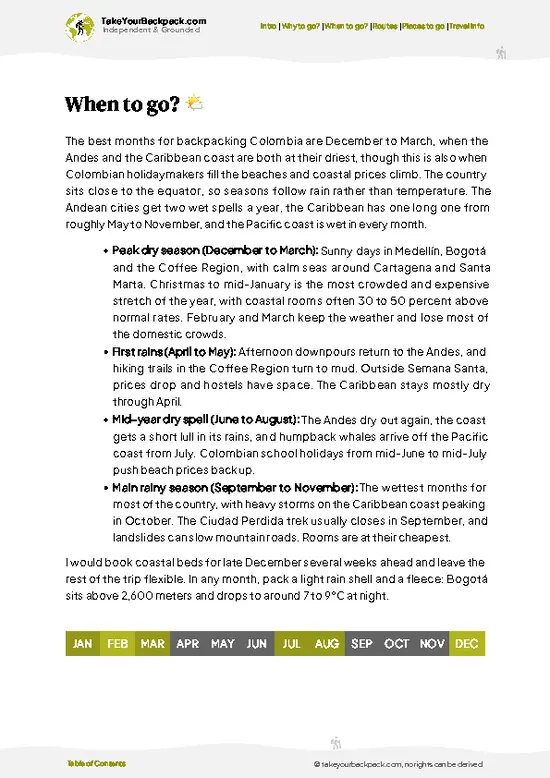
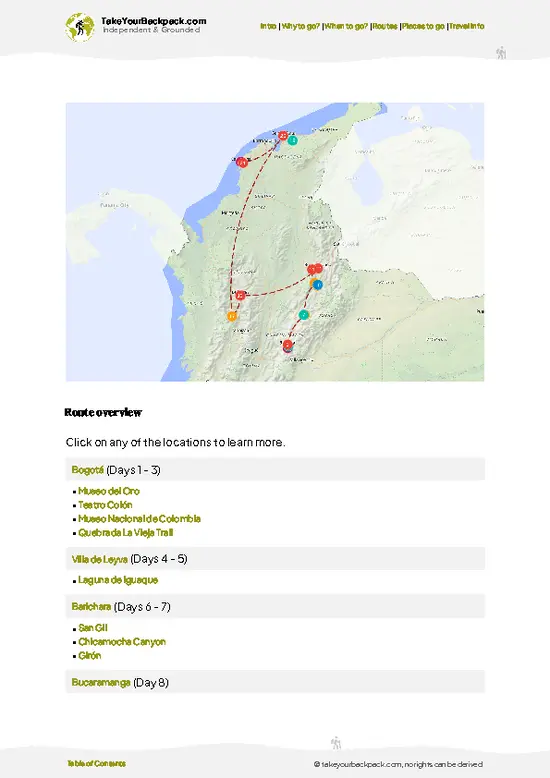
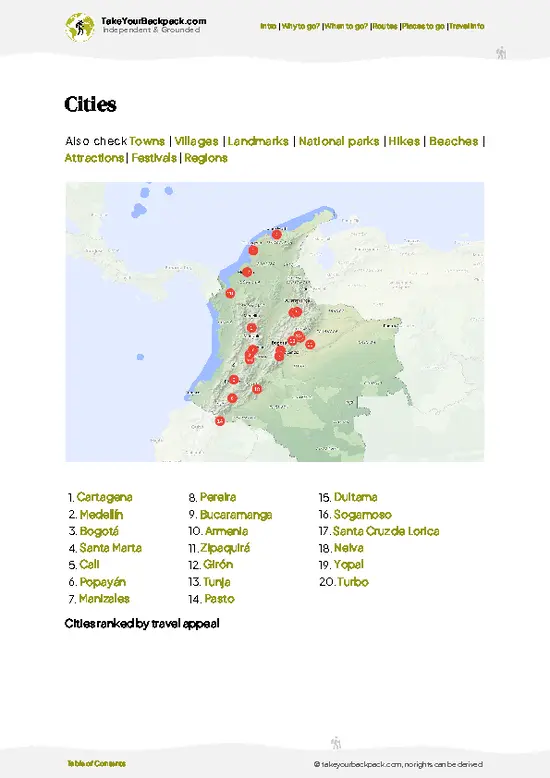
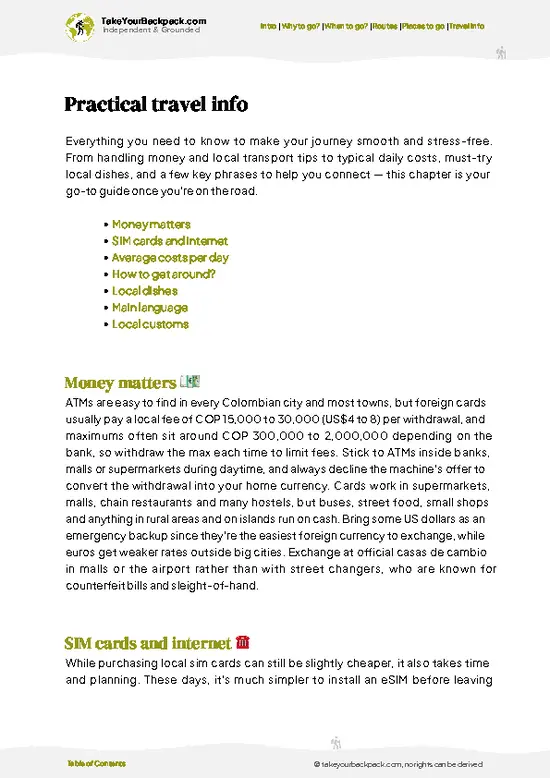
example page 0 from our offline Travel Guide for Colombia
example page 1 from our offline Travel Guide for Colombia
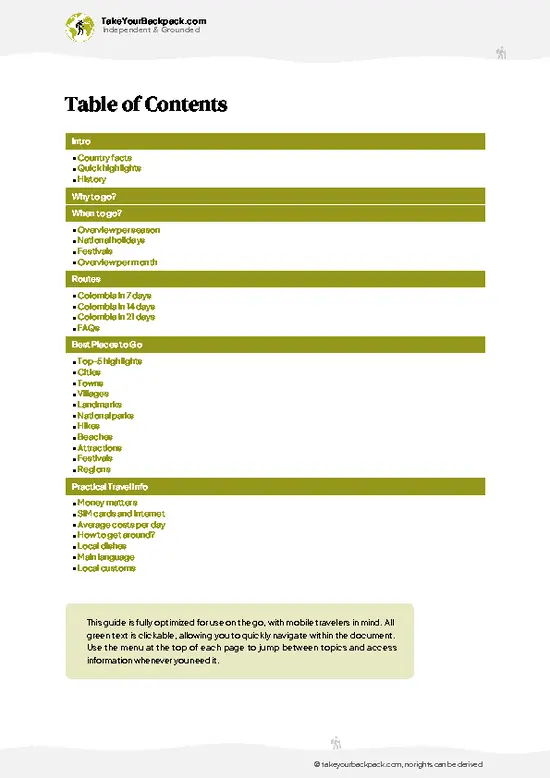
example page 2 from our offline Travel Guide for Colombia
example page 3 from our offline Travel Guide for Colombia
example page 4 from our offline Travel Guide for Colombia
example page 5 from our offline Travel Guide for Colombia
example page 6 from our offline Travel Guide for Colombia
example page 7 from our offline Travel Guide for Colombia
Loading the map 🌍
CLICK TO FILTER
cities
towns
villages
landmarks
national parks
hikes
beaches
attractions
festivals
regions
SHOW COUNTRY’S BESTSHOW ALL

✨ Why go?
Ranked #99 national park in Colombia
Why Los Katíos should be on your travel list

Los Katíos National Park suits independent travelers who like places that tourism has barely shaped. You won't queue behind tour buses here. The main draws are the Tilupo waterfall, a drop of roughly 100 meters reached by a forest walk, and the Atrato River wetlands, where you drift past floating vegetation and spot birds, caimans and monkeys from a small boat. Trails are short and simple, so you can see the highlights on your own schedule rather than as part of a package. Logistics take more planning than in Colombia's famous parks, and that is the point: fewer people, loud jungle, and a real sense of having gone somewhere. A UNESCO World Heritage listing also reflects its biodiversity, which is among the richest in the Americas.

💡 HighlightsKey sights and experiences for travelers

  1. Tilupo Waterfall: The park's signature sight, a roughly 100-meter cascade falling into a cool forest pool you can swim in after an easy, muddy walk through shaded jungle.
  2. Tendal Waterfall: A wider, gentler fall with a natural swimming area, reached on a short path that suits less confident hikers.
  3. Atrato River Wetlands: Channels of floating plants and swamp forest, best seen by small boat, where herons, kingfishers and caimans are common.
  4. Sautatá Sector: The ranger station and access point on the river, useful as a starting place for boat trips and guided walks.
  5. Alto de la Guillermina: A forest trail climbing toward a lookout, with excellent birding and primates along the way.
  6. Birdwatching along the Cativo Forest: Hundreds of bird species have been recorded, with toucans, parrots and trogons easiest
… read more 👉
  1. Tilupo Waterfall: The park's signature sight, a roughly 100-meter cascade falling into a cool forest pool you can swim in after an easy, muddy walk through shaded jungle.
  2. Tendal Waterfall: A wider, gentler fall with a natural swimming area, reached on a short path that suits less confident hikers.
  3. Atrato River Wetlands: Channels of floating plants and swamp forest, best seen by small boat, where herons, kingfishers and caimans are common.
  4. Sautatá Sector: The ranger station and access point on the river, useful as a starting place for boat trips and guided walks.
  5. Alto de la Guillermina: A forest trail climbing toward a lookout, with excellent birding and primates along the way.
  6. Birdwatching along the Cativo Forest: Hundreds of bird species have been recorded, with toucans, parrots and trogons easiest to find early in the morning.
  7. Howler and Spider Monkeys: Troops are regularly heard before they are seen, and the wetland edges give the clearest views.
For a first visit, Tilupo Waterfall is the one to build the trip around, since it combines the jungle walk, the swim and the park's best-known view.
Spotted a mistake or missing something? Contact us.

🌤️ When to go?When to go for the best experience

The drier stretch from December to March is the easiest window for Los Katíos, though the Darién lowlands stay hot and humid all year.
  • Dry Season (December to March): Days run 30 to 34°C (86 to 93°F), nights 22 to 24°C (72 to 75°F). Trails and boat rides are most dependable, and bird activity is high. Expect the most visitors, mainly Colombian holidaymakers around New Year.
  • Wetter Months (April to November): Heavy afternoon downpours are common, with a short drier spell around June and July. Trails turn to mud, the Atrato river rises, and the Tilupo waterfall runs at full strength. Crowds thin out and guide prices soften.
  • Daylight: Days stay close to 12 hours in every month, so plan hikes for the cooler morning.
Book your guide and boat a few days ahead if you arrive at New Year.

source: climatestotravel.comJANJanuary: excellent for travelingFEBFebruary: excellent for travelingMARMarch: excellent for travelingAPRApril: highly recommended for travelingMAYMay: fair for travelingJUNJune: fair for travelingJULJuly: fair for travelingAUGAugust: fair for travelingSEPSeptember: fair for travelingOCTOctober: fair for travelingNOVNovember: highly recommended for travelingDECDecember: highly recommended for traveling
when-to-go

✈️ The backpacker research shortcutColombia Travel Guide

An offline-friendly backpacking guide with optimized travel routes, ranked highlights, transport advice, and the best areas to stay.
example page 0 from our offline Travel Guide for Colombia
example page 1 from our offline Travel Guide for Colombia
example page 2 from our offline Travel Guide for Colombia
example page 3 from our offline Travel Guide for Colombia
example page 4 from our offline Travel Guide for Colombia
example page 5 from our offline Travel Guide for Colombia
example page 6 from our offline Travel Guide for Colombia
example page 7 from our offline Travel Guide for Colombia
The digital guide (349 pages) contains:
✅ 115 highlights, ranked by travel appeal
✅ Optimized 7, 14 & 21-day travel routes
✅ Cities, national parks, landmarks, beaches
✅ How to get around
✅ Offline-friendly for travel without Wi-Fi
👉 Click to see all 30+ guide features

📅 Plan smarter in minutes, not weeks
✅ Month by month travel advice
✅ Festivals & national holidays
✅ Budget expectations

🗺️ Go to the right places, skip the overrated ones
✅ Honest pros & cons of destinations
✅ Top hikes, parks & viewpoints
✅ Lesser-known places most travelers miss
✅ Clear “worth it vs skip it” guidance

🛏️ Travel smoothly without rookie mistakes
✅ Best areas to stay
✅ Transport systems explained simply
✅ Common scams & safety advice
✅ SIM cards, money & practical tips

🌍 Understand the country, not just visit it
✅ Culture & traditions
✅ 52 Essential phrases & customs
✅ Festivals worth planning around
✅ Traveler-friendly historical context
✅ Insights that make places more meaningful

📱 Built for real travel conditions
✅ Fully downloadable PDF
✅ Works completely offline
✅ Optimized for phone use
✅ Useful in remote areas & buses
✅ Everything in one place
Stop searching, start planning
Get instant access to your full guide. 30‑day money-back guarantee.
+ Add another guide for just

By proceeding you agree to our terms.
Sent to your inbox immediately after payment • 100% Secure Checkout
Best Backpacking Travel Advisor 2025 tourism awardBest Backpacking
Travel Advisor
2025
What others say about Take Your Backpack Guides:
⭐⭐⭐⭐⭐
Fantastic, amazing amount of information!
⭐⭐⭐⭐⭐
My goodness this is amazing, it's what I've been looking for hats off too you!
⭐⭐⭐⭐⭐
I think this is absolutely BRILLIANT
⭐⭐⭐⭐
Very complete and informative. It's still missing places, but I gotta to commend you
⭐⭐⭐⭐⭐
This is truly amazing, thank you, can't wait to explore it with my kids!
⭐⭐⭐⭐⭐
Awesome resource, thank you!
⭐⭐⭐⭐⭐
This is amazing! Can't wait to explore the ones I haven't seen
⭐⭐⭐⭐
I love this! Well done, great idea.
⭐⭐⭐⭐⭐
Thanks for taking the time to make this gem!
⭐⭐⭐⭐⭐
This might be the best website I've ever seen.
⭐⭐⭐⭐⭐
Congratulations, and thank you so much for your work; it's incredibly valuable.
⭐⭐⭐⭐
In all seriousness I think you did a great job pointing out the important spots
⭐⭐⭐⭐⭐
10/10 very good
⭐⭐⭐⭐⭐
As someone who's only just starting to visit regularly this is awesome, thank you.
⭐⭐⭐⭐
Thank you very much! I'm going to visit my dad, it's going to be very useful!
⭐⭐⭐⭐⭐
This is really cool! We'll be travelling for the first time and this definitely come in handy.
⭐⭐⭐⭐⭐
You are now our minister of culture, congratulations 👨‍💼
⭐⭐⭐⭐⭐
Just wanted to tell you that this is a pearl! Going to follow your recommendations.
⭐⭐⭐⭐⭐
This is so cool. I'll definitely be using the resource for my travels soon.
⭐⭐⭐⭐⭐
This is very impressive! Good work.
⭐⭐⭐⭐⭐
This is an amazing and informative site. Very well done!

🛏️ Where to stay?Where staying makes the most sense

Los Katíos has no visitor lodging while it is closed to tourism; community-run eco-hotels are planned for its reopening.
Outside the park, Turbo, on the Gulf of Urabá, is the usual gateway, with a handful of budget hostels and hotels, fan or air-conditioned rooms, and plenty of cheap fish restaurants. Riosucio, a small riverside town on the Atrato in Chocó, sits closest to the northern entrance and has a few very basic guesthouses. Apartadó is a larger option with better hotels and bus links toward Medellín, useful if you need a night before heading to Turbo. Stay in Turbo if you want the most choice.

👛 Costs (as of 19 October 2026)Travel costs and budget guide for Los Katíos

Expect to spend about US$75 a day at Los Katíos once the guide, boat and food are counted.
CategoryBudget RangeLocal Reality
Entrance feeUS$12 to 20Foreign visitors pay more than Colombians, paid in pesos at the park.
AccommodationUS$10 to 25Camping or ranger cabins in the park cost less than hotels in Turbo or Riosucio.
Local transportUS$10 to 25Bus or boat to Turbo, then a boat or road transfer to the park entrance.
Guide and boatUS$15 to 30Guides are usually required and cost less when split among a group.
Food and suppliesUS$8 to 15Simple fish and rice meals in town are cheap, while park food options are limited.
Total Daily BudgetUS$75Based on high-season camping or basic cabin lodging.
⚠️ Prices can change and everyone travels differently, so take this as a rough guide. Hope it helps you plan your adventure!

🥾 TrailsExploring Los Katíos: trails, terrain, and views

Los Katíos National Park has few formal trails, and most walks are short and humid, over muddy forest paths with roots and stream crossings. Wear shoes that can get wet.
  • Tilupo Waterfall trail: About 2 to 3 km round trip, roughly 1.5 to 2 hours, easy to moderate. A jungle path leads to the base of the fall and a swimming pool. Expect slippery mud and abundant insects.
  • Tendal Waterfall path: A short walk of about 30 to 45 minutes, easy. It ends at a broad cascade with a safe wading area.
  • Alto de la Guillermina: A longer climb of several hours, moderate to hard, with views over the forest and the best
… read more 👉
Los Katíos National Park has few formal trails, and most walks are short and humid, over muddy forest paths with roots and stream crossings. Wear shoes that can get wet.
  • Tilupo Waterfall trail: About 2 to 3 km round trip, roughly 1.5 to 2 hours, easy to moderate. A jungle path leads to the base of the fall and a swimming pool. Expect slippery mud and abundant insects.
  • Tendal Waterfall path: A short walk of about 30 to 45 minutes, easy. It ends at a broad cascade with a safe wading area.
  • Alto de la Guillermina: A longer climb of several hours, moderate to hard, with views over the forest and the best chances for birds and monkeys.
  • Wetland boat route: Around 2 to 3 hours on the Atrato channels, effortless, with caimans, herons and howler monkeys.
Access is the real challenge. Most visitors arrive by road and river from Turbo or Riosucio, then take a boat to the ranger stations, and public transport is limited, so many people arrange guides or a local boat. Security conditions and park openings can change, so confirm access with the park authority before setting out. The park is quiet and rarely crowded. An entrance fee applies, usually modest for Colombians and higher for foreigners, roughly US$5 to 15.
⚠️ Hiking info can sometimes be outdated or inaccurate. Before you hit the trail, check the latest conditions with locals. If you do spot anything that's off, I'd love to hear from you, so I can update it for fellow travelers.

🛡️ SafetySafety Tips and Common Scams in Los Katíos

Los Katíos is manageable for prepared hikers, but it is remote jungle where heat and humidity do most of the damage. Go with a registered local guide, which the park expects anyway, and check current conditions with park staff or Parques Nacionales before leaving Turbo, since security in the wider Urabá and Chocó region can change. Walk early, carry at least 3 liters of water, and wear quick-drying clothes and sturdy boots, because trails turn slick after rain. Insect repellent matters for mosquitoes, and long sleeves help. Snakes and other wildlife keep their distance if you stay on trails and watch where you step. Boat rides on the Atrato require life jackets.

FAQCommon questions from travelers

Plan two to three days for Los Katíos National Park. That gives you time to reach the park from Turbo, walk to the Tilupo waterfall and see the Atrato wetlands by boat. A third day helps if you want to visit La Tigra trail or add bird watching.
Visiting Los Katíos National Park without a car is realistic and most travelers do it that way. Buses connect Medellín with Turbo in roughly 8 to 9 hours, and from Turbo you take a boat across the Gulf of Urabá to Riosucio or arrange a transfer by road. Guides and boat operators in Turbo can organize the final leg to the Sautatá or Cruces stations.
Yes, Los Katíos National Park charges an entrance fee, and foreign visitors pay around US$12 to 20 depending on the category. Access is managed by Parques Nacionales, so check requirements and reserve lodging before you go. A local guide is normally required for the trails, usually at an extra cost of about US$15 to 30 a day.
⚠️ Things can change over time, so always validate details locally before you go.

Other Colombian national parks near Los Katíos

Explore more nearby:


💡 Not sure where to go next?
Create a personalized itinerary for Colombia including Los Katíos and the places that fit your trip.

Generate my itinerary

👉 Discover all national parks

Or checkout all Colombia has to offer (think cities, towns, villages, national parks, hikes, beaches, festivals)
Country photo of Colombia

We 💚 feedbackKey takeaways before you go

Los Katíos National Park will suit patient, mud-tolerant travelers who prefer birdsong to crowds and don't mind loose planning. If you want polished trails and quick transport, pick another park. I would bring a dry bag, waterproof sandals and plenty of bug repellent, then go early for the wetlands.

✈️ When did I visit Colombia?
Did a good 3-week trip around Colombia in August 2014.

✍️ Help improve this page!
The information on this page is based on my own backpacking experience in Colombia, supplemented with up-to-date research and feedback from other travelers. Travel details can change, so if you notice anything outdated or incomplete, feel free to let me know.


🙋‍♂️ Give feedback

👋 Meet the founderWho’s Behind Take Your Backpack?

Johan, backpacker and founder of TakeYourBackpackHi, I’m Johan (Netherlands 🇳🇱), the creator of TakeYourBackpack. Over the past 3 decades, I’ve backpacked through 90+ countries across six continents, gaining extensive experience with independent travel, long-term trips, and overland routes.

This site is built on a combination of firsthand travel experience and carefully curated insights from other backpackers. Many guides are based on places I’ve personally visited, while others bring together tips, observations, and practical advice shared by trusted travelers I’ve met along the way.

The goal is to provide realistic, experience-driven guidance — not generic itineraries — so you can explore destinations with better context, clearer expectations, and more confidence.