
×

Colombia🇨🇴 | national parksChiribiquete National Parktepui plateaus, ancient rock art, remote rainforest | things to do and best time to go

Explore Chingaza National ParkExplore El Cocuy National Park

Backpacking in Chiribiquete
UNESCO World Heritage site
👌 Worth visitingnational park ranked #19
By Johan Kruseman 🇳🇱 | Updated September 4, 2026

Your canoe engine cuts and the silence is loud: just the slap of brown water on fiberglass, the insect buzz, and the smell of wet stone and leaf mold rising from cliffs painted with ancient red figures. This is Chiribiquete National Park, sprawled across the Guaviare and Caquetá departments in Colombia’s Amazonian interior, and it is not a casual backpacker stop. The tepui plateaus, rock art, and wildlife are world-class, but hiking is heavily restricted, access is by expensive charter or controlled tours, and you can’t just roll in with a tent; camping and budget stays are basically off the table inside the park. Compared with easier Colombian parks like Tayrona or El Cocuy, Chiribiquete is wilder, pricier, more regulated, and far less social—more expedition than hangout, better for patient obsessives than spontaneous wanderers.

Discover everything you want to know in the 📖 Colombia Travel Guide.
Loading the map 🌍
CLICK TO FILTER
cities
towns
villages
landmarks
national parks
hikes
beaches
attractions
festivals
regions
SHOW COUNTRY’S BESTSHOW ALL

✨ Why go?
Ranked #19 national park in Colombia
Reasons people choose to explore here

Chiribiquete National Park attracts backpackers for several compelling reasons. First, its independent exploration opportunities are unmatched. You can wander through vast landscapes without the constraints of a tour group, allowing for a more personal connection with the environment.

Budget-conscious travelers will appreciate the camping and hostel options nearby. These accommodations keep costs low while providing a base for your adventures. Just be aware that amenities can be basic, so pack accordingly.

The trail variety is another draw. From easy walks to challenging treks, there’s something for everyone. This diversity allows you to tailor your experience based on your energy levels and interests.

Chiribiquete is particularly suited for self-guided travelers. While guided tours exist, … read more 👉
Chiribiquete National Park attracts backpackers for several compelling reasons. First, its independent exploration opportunities are unmatched. You can wander through vast landscapes without the constraints of a tour group, allowing for a more personal connection with the environment.

Budget-conscious travelers will appreciate the camping and hostel options nearby. These accommodations keep costs low while providing a base for your adventures. Just be aware that amenities can be basic, so pack accordingly.

The trail variety is another draw. From easy walks to challenging treks, there’s something for everyone. This diversity allows you to tailor your experience based on your energy levels and interests.

Chiribiquete is particularly suited for self-guided travelers. While guided tours exist, the park’s layout encourages you to chart your own course. Just remember to carry a reliable map and stay aware of your surroundings.

In short, this park offers a rich experience for those willing to embrace its wild beauty while keeping an eye on their budget and energy.
Want to include Chiribiquete National Park in your Colombia route?
Create a personalized Colombia itinerary that includes Chiribiquete National Park and the places that fit your trip — based on your travel style, budget, and available time. Get your route in seconds.

Generate my trip

💡 HighlightsMust-see experiences and standout moments

  • Tepuis (table-top sandstone plateaus): Sheer cliffs rising out of the jungle like islands in the sky — the sculpted sandstone forms, deep gorges and broken summits are visually stunning and create isolated habitats for odd plants and animals. The vertical faces make for dramatic photos and give the park that otherworldly skyline.
  • Ancient rock paintings: Huge galleries of pictographs and paintings on cliff walls — thousands of figures of people, animals and geometric shapes dated to several thousand years ago. They’re a cultural and visual highlight unlike anything else in the Amazon, and a personal favorite (also note: visiting the panels is tightly regulated and usually only possible with permitted expeditions).
  • Summit plateaus and micro-ecosystems: The tops of the tepuis host specialized
read more 👉
  • Tepuis (table-top sandstone plateaus): Sheer cliffs rising out of the jungle like islands in the sky — the sculpted sandstone forms, deep gorges and broken summits are visually stunning and create isolated habitats for odd plants and animals. The vertical faces make for dramatic photos and give the park that otherworldly skyline.
  • Ancient rock paintings: Huge galleries of pictographs and paintings on cliff walls — thousands of figures of people, animals and geometric shapes dated to several thousand years ago. They’re a cultural and visual highlight unlike anything else in the Amazon, and a personal favorite (also note: visiting the panels is tightly regulated and usually only possible with permitted expeditions).
  • Summit plateaus and micro-ecosystems: The tops of the tepuis host specialized plant communities — cloudier, wind-beaten, full of orchids, bromeliads and strange shrubs found nowhere else. Those small, high-altitude ecosystems contrast sharply with the lowland rainforest below.
  • Rivers, oxbow lakes and flooded forest corridors: Wide Amazon tributaries carve the landscape, creating mirror-flat oxbows, sandbars and seasonal flooded forests. Boat travel here is prime for wildlife sightings (caimans, river turtles, capybaras) and spectacular dawn/dusk light on the water.
  • Rich wildlife and megafauna possibilities: Jaguars, tapirs, spider monkeys, giant river otters and pink dolphins are all part of Chiribiquete’s cast — sightings are rare and require patience, but the park’s size and intact forest mean real chances for big wildlife encounters if you’re lucky.
  • Birdwatching and raptors: Harpy eagles, macaws, cotingas and a bonanza of hummingbirds and forest specialists make this a top spot for birders who can get there. The mix of river edge, lowland and tepui habitats gives good species variety in small areas.
  • Sheer cliff faces and waterfalls: Where the tepuis drop you’ll find plunging waterfalls (seasonal) and kilometer-long escarpments that are spectacular from below or from a distant boat — raw geology and powerful sights, especially after heavy rains.
Spotted a mistake or missing something? Contact us.

🌤️ When to go?Best time to explore Chiribiquete


  • Weather: The dry season from December to March is your best bet. Rainfall drops significantly, making trails less muddy and river crossings safer. The wet season (April to November) brings heavy rains that can turn paths into slippery messes and flood low areas.

  • Temperature: Expect daytime highs around 28-32°C (82-90°F) year-round, with nights cooling to 20-22°C (68-72°F). Humidity stays high, so pack moisture-wicking gear and prepare for sticky conditions.

  • Daylight Hours: Near the equator, daylight is steady—about 12 hours daily. No drastic shifts, so you can plan hikes without worrying about early sunsets or late sunrises.

  • Crowds: Chiribiquete is remote and rarely crowded. Still, the dry season sees a slight uptick in visitors, so book permits early to avoid last-minute hassles.
read more 👉

  • Weather: The dry season from December to March is your best bet. Rainfall drops significantly, making trails less muddy and river crossings safer. The wet season (April to November) brings heavy rains that can turn paths into slippery messes and flood low areas.

  • Temperature: Expect daytime highs around 28-32°C (82-90°F) year-round, with nights cooling to 20-22°C (68-72°F). Humidity stays high, so pack moisture-wicking gear and prepare for sticky conditions.

  • Daylight Hours: Near the equator, daylight is steady—about 12 hours daily. No drastic shifts, so you can plan hikes without worrying about early sunsets or late sunrises.

  • Crowds: Chiribiquete is remote and rarely crowded. Still, the dry season sees a slight uptick in visitors, so book permits early to avoid last-minute hassles.

  • Seasonal Activities: Dry months favor trekking and wildlife spotting. Wet months limit access but bring lush vegetation and active rivers, which might appeal if you’re after a different vibe.

  • Price Fluctuations: Costs for guides and permits tend to rise slightly in the dry season due to demand. Off-season might offer lower prices but comes with the risk of disrupted plans.


Pro-tip: Prioritize the dry season for reliable trails and safer river crossings—your energy and budget will thank you when you’re not stuck waiting out storms or paying extra for last-minute changes.


source: climatestotravel.comJANJanuary: excellent for travelingFEBFebruary: excellent for travelingMARMarch: excellent for travelingAPRApril: fair for travelingMAYMay: fair for travelingJUNJune: fair for travelingJULJuly: fair for travelingAUGAugust: fair for travelingSEPSeptember: fair for travelingOCTOctober: fair for travelingNOVNovember: fair for travelingDECDecember: excellent for traveling
colombia-national-park-chiribiquete-national-park
© Google | Eva Zuckerman

✈️ The backpacker research shortcutColombia Travel Guide

An offline-friendly backpacking guide with optimized travel routes, ranked highlights, transport advice, and the best areas to stay.
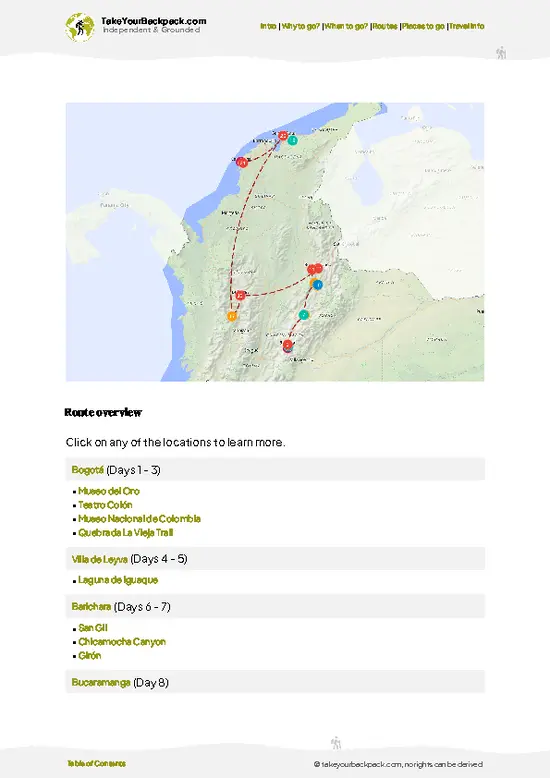
example page 0 from our offline Travel Guide for Colombia
example page 1 from our offline Travel Guide for Colombia
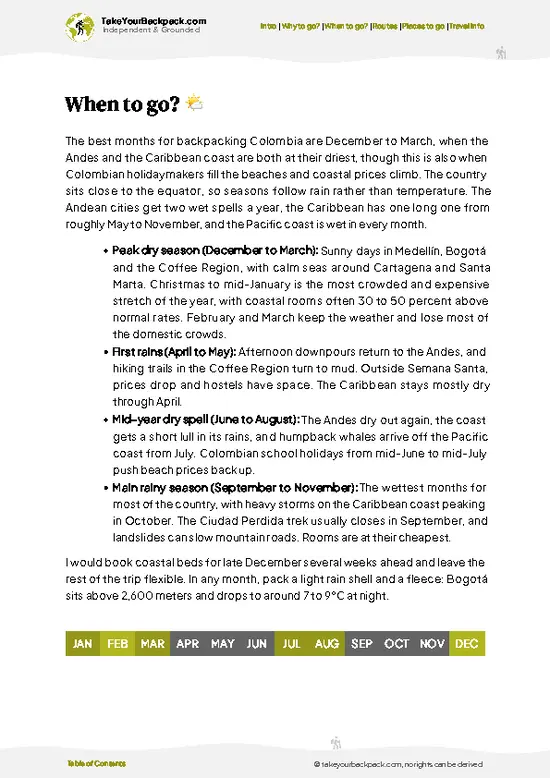
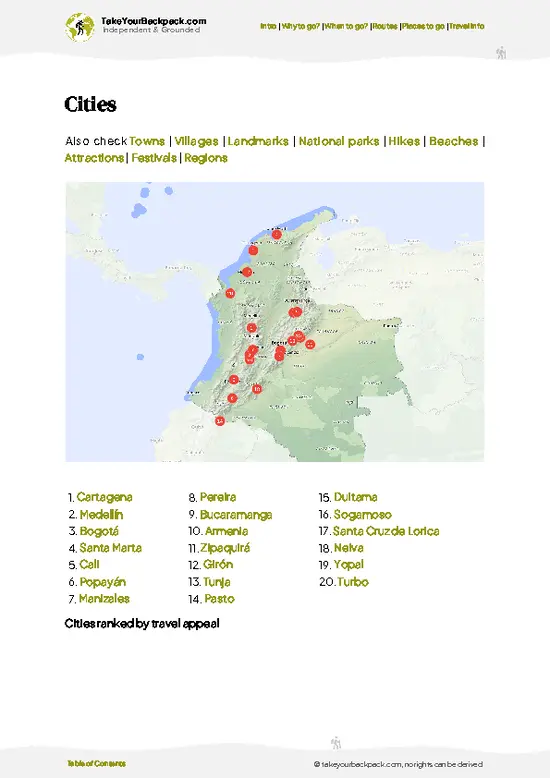
example page 2 from our offline Travel Guide for Colombia
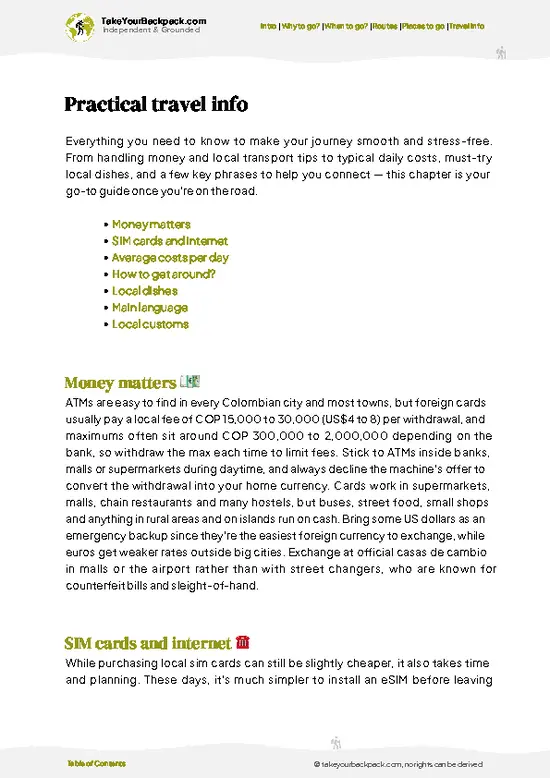
example page 3 from our offline Travel Guide for Colombia
example page 4 from our offline Travel Guide for Colombia
example page 5 from our offline Travel Guide for Colombia
example page 6 from our offline Travel Guide for Colombia
example page 7 from our offline Travel Guide for Colombia
The digital guide (464 pages) contains:
122 highlights, ranked by travel appeal
Optimized 7, 14 & 21-day travel routes
Cities, national parks, landmarks, beaches
How to get around
Offline-friendly for travel without Wi-Fi
👉 Click to see all 30+ guide features

📅 Plan smarter in minutes, not weeks
Month by month travel advice
Festivals & national holidays
Budget expectations

🗺️ Go to the right places, skip the overrated ones
Honest pros & cons of destinations
Top hikes, parks & viewpoints
Lesser-known places most travelers miss
Clear “worth it vs skip it” guidance

🛏️ Travel smoothly without rookie mistakes
Best areas to stay
Transport systems explained simply
Common scams & safety advice
SIM cards, money & practical tips

🌍 Understand the country, not just visit it
Culture & traditions
52 Essential phrases & customs
Festivals worth planning around
Traveler-friendly historical context
Insights that make places more meaningful

📱 Built for real travel conditions
Fully downloadable PDF
Works completely offline
Optimized for phone use
Useful in remote areas & buses
Everything in one place
Save weeks of stressful planning
Get instant access to your full guide. 30‑day money-back guarantee.
+ Add another guide for just €6.50

By proceeding you agree to our terms.
Sent to your inbox immediately after payment • 100% Secure Checkout
Best Backpacking Travel Advisor 2025 tourism awardBest Backpacking
Travel Advisor
2025
What others say about Take Your Backpack Guides:
⭐⭐⭐⭐⭐
Fantastic, amazing amount of information!
⭐⭐⭐⭐⭐
My goodness this is amazing, it's what I've been looking for hats off too you!
⭐⭐⭐⭐⭐
I think this is absolutely BRILLIANT
⭐⭐⭐⭐
Very complete and informative. It's still missing places, but I gotta to commend you
⭐⭐⭐⭐⭐
This is truly amazing, thank you, can't wait to explore it with my kids!
⭐⭐⭐⭐⭐
Awesome resource, thank you!
⭐⭐⭐⭐⭐
This is amazing! Can't wait to explore the ones I haven't seen
⭐⭐⭐⭐
I love this! Well done, great idea.
⭐⭐⭐⭐⭐
Thanks for taking the time to make this gem!
⭐⭐⭐⭐⭐
This might be the best website I've ever seen.
⭐⭐⭐⭐⭐
Congratulations, and thank you so much for your work; it's incredibly valuable.
⭐⭐⭐⭐
In all seriousness I think you did a great job pointing out the important spots
⭐⭐⭐⭐⭐
10/10 very good
⭐⭐⭐⭐⭐
As someone who's only just starting to visit regularly this is awesome, thank you.
⭐⭐⭐⭐
Thank you very much! I'm going to visit my dad, it's going to be very useful!
⭐⭐⭐⭐⭐
This is really cool! We'll be travelling for the first time and this definitely come in handy.
⭐⭐⭐⭐⭐
You are now our minister of culture, congratulations 👨‍💼
⭐⭐⭐⭐⭐
Just wanted to tell you that this is a pearl! Going to follow your recommendations.
⭐⭐⭐⭐⭐
This is so cool. I'll definitely be using the resource for my travels soon.
⭐⭐⭐⭐⭐
This is very impressive! Good work.
⭐⭐⭐⭐⭐
This is an amazing and informative site. Very well done!

🛏️ Where to stay?Best areas and accommodation options

Chiribiquete National Park is remote, and accommodation options are limited. There are no established lodges or hotels within the park itself. Your best bet is to base yourself in nearby towns like San Vicente del Caguán or La Macarena.

San Vicente del Caguán offers a few basic hostels and guesthouses. Expect simple amenities, but the hospitality is warm. This town serves as a launch point for tours into the park.

La Macarena, while a bit further, has more options. You’ll find eco-lodges that cater to backpackers, providing a more immersive experience. These lodges often include meals and … read more 👉
Chiribiquete National Park is remote, and accommodation options are limited. There are no established lodges or hotels within the park itself. Your best bet is to base yourself in nearby towns like San Vicente del Caguán or La Macarena.

San Vicente del Caguán offers a few basic hostels and guesthouses. Expect simple amenities, but the hospitality is warm. This town serves as a launch point for tours into the park.

La Macarena, while a bit further, has more options. You’ll find eco-lodges that cater to backpackers, providing a more immersive experience. These lodges often include meals and guided tours, which can save you the hassle of arranging everything separately.

Be prepared for limited electricity and Wi-Fi in both towns. Bring cash, as ATMs are scarce.

Plan your park visit carefully; permits are required and should be arranged in advance. This will help you avoid last-minute surprises. Prioritize your energy and budget for the experiences that truly matter—like the breathtaking landscapes and unique wildlife that make Chiribiquete a must-see.

👛 Costs (as of 4 September 2026)What things cost and how to budget

Visiting Chiribiquete National Park in Colombia can be a rewarding experience, but it’s essential to be aware of the costs involved to avoid surprises.

First, the entrance fee is around $10 to $15 USD per person. This fee helps maintain the park and its facilities.

Transportation to the park is where costs can escalate. If you’re flying into San Vicente del Caguán, expect to pay between $100 and $200 USD for a round-trip flight from Bogotá. From San Vicente, a 4x4 vehicle is necessary to reach the park entrance. This ride can cost around $50 to $100 USD, depending on the number of passengers and negotiation skills.

Guided tours are highly recommended for navigating the park. Prices vary widely, but you can expect to pay between $50 and $150 USD per day for a guide. This often includes … read more 👉
Visiting Chiribiquete National Park in Colombia can be a rewarding experience, but it’s essential to be aware of the costs involved to avoid surprises.

First, the entrance fee is around $10 to $15 USD per person. This fee helps maintain the park and its facilities.

Transportation to the park is where costs can escalate. If you’re flying into San Vicente del Caguán, expect to pay between $100 and $200 USD for a round-trip flight from Bogotá. From San Vicente, a 4x4 vehicle is necessary to reach the park entrance. This ride can cost around $50 to $100 USD, depending on the number of passengers and negotiation skills.

Guided tours are highly recommended for navigating the park. Prices vary widely, but you can expect to pay between $50 and $150 USD per day for a guide. This often includes meals and basic camping gear, but always confirm what’s included.

Accommodation options are limited. If you’re camping, factor in additional costs for gear rental, which can range from $20 to $50 USD per day. If you prefer a more comfortable stay, nearby lodges may charge between $30 and $100 USD per night.

Lastly, don’t forget about food. Budget around $10 to $30 USD per day for meals, depending on whether you’re eating at local spots or opting for more upscale dining.

In summary, a trip to Chiribiquete can range from a few hundred to over a thousand dollars, depending on your choices. Planning ahead and budgeting wisely will help you focus on the breathtaking landscapes rather than financial surprises.


source: colombia.travel
⚠️ Prices can change and everyone travels differently, so take this as a rough guide. Hope it helps you plan your adventure!

🥾 TrailsWhere to hike in Chiribiquete: trails for every level

Chiribiquete National Park is a hidden gem in Colombia, where the landscapes are straight out of a fantasy novel. Imagine towering tepuis (tabletop mountains), lush rainforests, and the chance to spot unique wildlife like jaguars and exotic birds. The park is remote, and while it’s not a typical hiking destination with well-marked trails, there are some areas where you can explore.

One notable route is the Chiribiquete Trail. Here are the details:
  • Length: 10 km
  • Estimated Duration: 4-5 hours
  • Difficulty Level: Moderate
  • Key Features: Stunning views of the tepuis, rich biodiversity, ancient rock art
  • Terrain:
read more 👉
Chiribiquete National Park is a hidden gem in Colombia, where the landscapes are straight out of a fantasy novel. Imagine towering tepuis (tabletop mountains), lush rainforests, and the chance to spot unique wildlife like jaguars and exotic birds. The park is remote, and while it’s not a typical hiking destination with well-marked trails, there are some areas where you can explore.

One notable route is the Chiribiquete Trail. Here are the details:
  • Length: 10 km
  • Estimated Duration: 4-5 hours
  • Difficulty Level: Moderate
  • Key Features: Stunning views of the tepuis, rich biodiversity, ancient rock art
  • Terrain: Varied, with some steep sections and muddy paths

Getting to the park is an adventure in itself. You’ll typically fly to San Vicente del Caguán and then take a small boat or a 4x4 to the park entrance. Just a heads up—it’s not the easiest journey, but that’s part of the charm. Crowds? Not really. You’re more likely to share the trail with a few curious monkeys than with hordes of tourists. And yes, there’s an entrance fee, but it’s worth every penny for the experience you’ll have in this untouched paradise. Just make sure to check for any permits you might need in advance!
⚠️ Hiking info can sometimes be outdated or inaccurate. Before you hit the trail, check the latest conditions with locals. If you do spot anything that's off, I'd love to hear from you, so I can update it for fellow travelers.

🛡️ SafetyStaying Safe: What Travelers Should Know

Chiribiquete National Park offers a unique experience, but it’s essential to be prepared. Weather can shift quickly; expect rain and humidity, especially during the wet season. Dress in layers and invest in a good waterproof jacket.

The terrain varies. Some trails are steep and can be slippery, especially after rain. Good hiking boots with solid grip are non-negotiable. Navigation can be tricky; download maps ahead of time and consider a local guide for the best experience.

Wildlife encounters are part of the charm, but keep your distance. Avoid feeding animals to maintain their natural behavior.

First-timers often underestimate the park’s remoteness. Bring enough food and water, as resupply options are limited. Plan your hikes early in the day to avoid afternoon storms. With the right … read more 👉
Chiribiquete National Park offers a unique experience, but it’s essential to be prepared. Weather can shift quickly; expect rain and humidity, especially during the wet season. Dress in layers and invest in a good waterproof jacket.

The terrain varies. Some trails are steep and can be slippery, especially after rain. Good hiking boots with solid grip are non-negotiable. Navigation can be tricky; download maps ahead of time and consider a local guide for the best experience.

Wildlife encounters are part of the charm, but keep your distance. Avoid feeding animals to maintain their natural behavior.

First-timers often underestimate the park’s remoteness. Bring enough food and water, as resupply options are limited. Plan your hikes early in the day to avoid afternoon storms. With the right preparation, you’ll preserve your energy and enjoy the park’s wonders.

FAQTraveler FAQ

At least 7 to 10 days are recommended to explore Chiribiquete National Park due to its remote location and the time needed for guided tours and travel logistics. The park is vast, covering over 4.3 million hectares, so short visits are impractical.
No, you cannot visit Chiribiquete National Park without organized transport, as there are no roads or public transport leading directly to the park. Access is typically by small plane or boat arranged through authorized tour operators.
Yes, a permit is required to enter Chiribiquete National Park, and it must be obtained through Colombia's National Natural Parks authority. Entrance fees vary, but expect to pay several hundred dollars as part of a guided tour package, which includes permits.
⚠️ Things can change over time, so always validate details locally before you go.

Other Colombian national parks near Chiribiquete

Explore more nearby:


💡 Not sure where to go next?
Create a personalized itinerary for Colombia including Chiribiquete and the places that fit your trip.

Generate my itinerary

👉 Discover all national parks

Or checkout all Colombia has to offer (think cities, towns, villages, national parks, hikes, beaches, festivals)
Country photo of Colombia

We 💚 feedbackIs it worth it?

Chiribiquete National Park is a treasure trove of biodiversity and ancient rock art, making it a must-see for nature lovers and history buffs alike. But be prepared: access can be tricky. Limited permits and the need for guided tours mean you’ll need to plan ahead. It’s a hassle, but that effort pays off when you’re standing in the shadow of those towering tepuis, soaking in the raw beauty of this untouched paradise.

✈️ When did I visit Colombia?
Did a good 3-week trip around Colombia in August 2014.

✍️ Help improve this page!
The information on this page is based on my own backpacking experience in Colombia, supplemented with up-to-date research and feedback from other travelers. Travel details can change, so if you notice anything outdated or incomplete, feel free to let me know.


🙋‍♂️ Give feedback

👋 Meet the founderWho’s Behind Take Your Backpack?

Johan, backpacker and founder of TakeYourBackpackHi, I’m Johan (Netherlands 🇳🇱), the creator of TakeYourBackpack. Over the past decade, I’ve backpacked through 80+ countries across six continents, gaining extensive experience with independent travel, long-term trips, and overland routes.

This site is built on a combination of firsthand travel experience and carefully curated insights from other backpackers. Many guides are based on places I’ve personally visited, while others bring together tips, observations, and practical advice shared by trusted travelers I’ve met along the way.

The goal is to provide realistic, experience-driven guidance — not generic itineraries — so you can explore destinations with better context, clearer expectations, and more confidence.

Get full Colombia guide •
Instant download • 122 highlights • Full Offline guide