×
Museo del Oro

Colombia🇨🇴 | attractionsMuseo del OroMuisca Raft, Offering Room, Quimbaya poporos, guided tour | things to do and best time to go

Explore CapurganáExplore Museo de Antioquia

Backpacking in Museo del Oro
🏆 Top pickattraction ranked #1
By Johan Kruseman 🇳🇱 | Updated October 19, 2026

Museo del Oro is not mainly a room of shiny trinkets; most of what you see was made by pre-Hispanic peoples as offerings and as markers of rank, and the labels spend as much time on ritual as on metalwork. It sits in Bogotá, Colombia’s capital, on Parque de Santander, a few steps from the colonial streets of La Candelaria. Entry is cheap, and weekends and holidays get loud with school groups, so go early on a weekday. Skip the gift shop. Back the third floor, where the Muisca raft and the dark Poporo Quimbaya room make the case for the trip. I walked in without an audio guide, assumed the labels would explain everything, and drifted past the ceremonial section in ten minutes. A guide later made me return and the cases suddenly read as a story. A good first day: arrive at opening, take the guided tour, then wander into La Candelaria for lunch.

Discover everything you want to know in the 📖 Colombia Travel Guide.


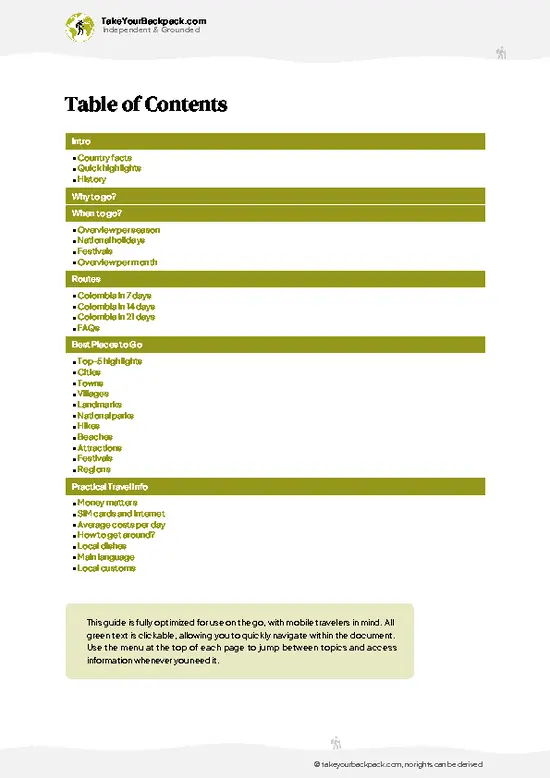
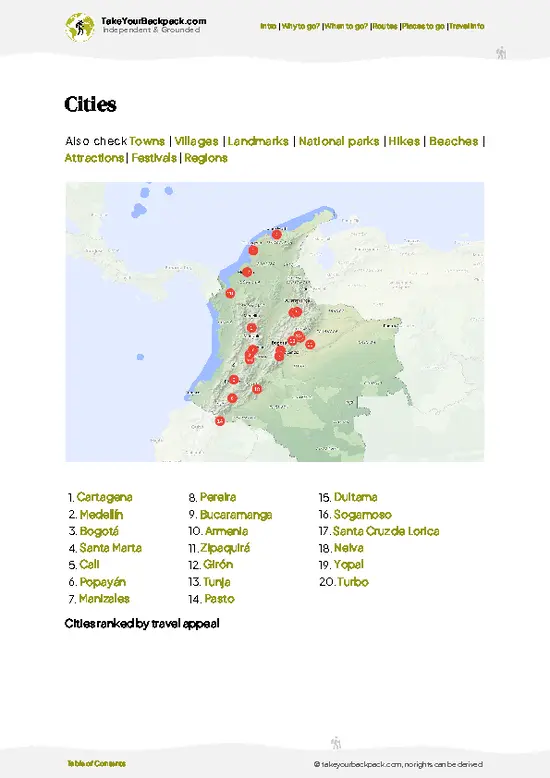
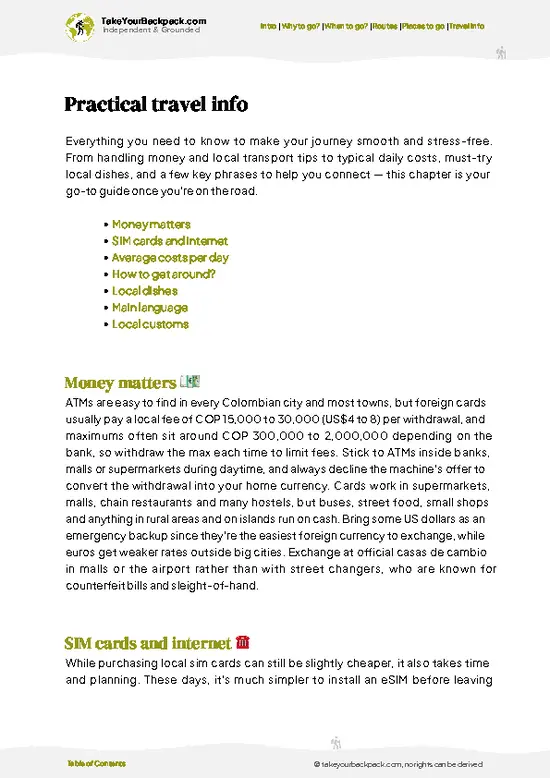
example page 0 from our offline Travel Guide for Colombia
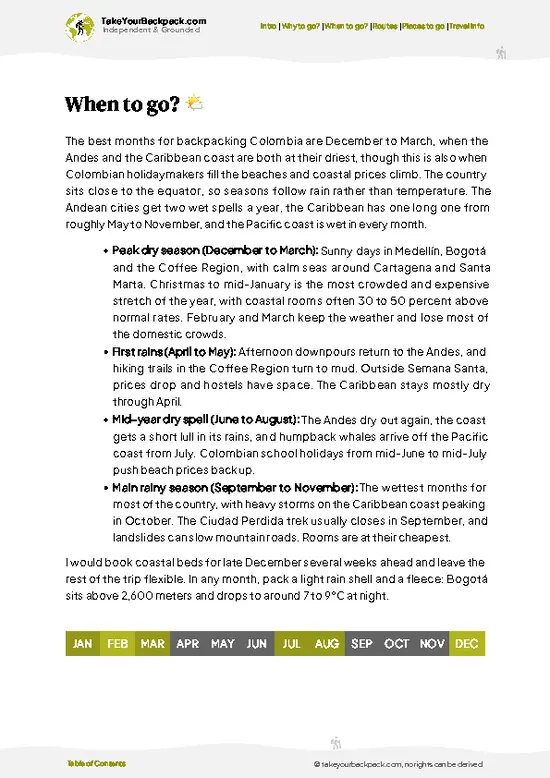
example page 1 from our offline Travel Guide for Colombia
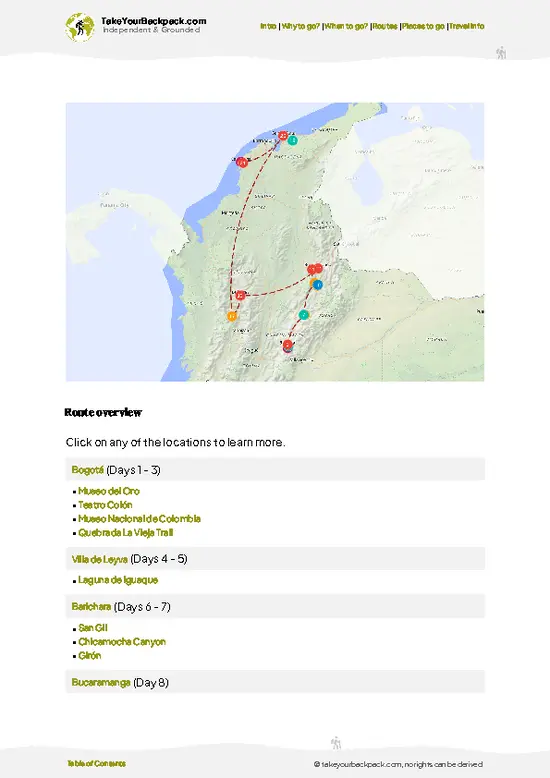
example page 2 from our offline Travel Guide for Colombia
example page 3 from our offline Travel Guide for Colombia
example page 4 from our offline Travel Guide for Colombia
example page 5 from our offline Travel Guide for Colombia
example page 6 from our offline Travel Guide for Colombia
example page 7 from our offline Travel Guide for Colombia
Loading the map 🌍
CLICK TO FILTER
cities
towns
villages
landmarks
national parks
hikes
beaches
attractions
festivals
regions
SHOW COUNTRY’S BESTSHOW ALL

✨ Why go?
Ranked #1 attraction in Colombia
What sets this place apart

Museo del Oro holds roughly 55,000 pieces of metal, stone, ceramic and textile, and it is the clearest way to understand who lived in Colombia before the Spanish arrived. Most countries show you kings and battles. Here you see how the Muisca, Quimbaya, Tairona and Calima people used gold as a spiritual tool, shaped through lost-wax casting and alloy tricks that still impress metallurgists.

The Muisca raft is the reason many people come. It depicts the El Dorado ceremony, where a chief covered in gold dust was rowed onto Lake Guatavita. Reading about the legend is one thing. Standing in front of the tiny figures is another.

The Offering Room is the other draw. The lights dim, then thousands of gold pieces glow around you in a dark circular chamber. It is theatrical, yet it is also honest … read more 👉
Museo del Oro holds roughly 55,000 pieces of metal, stone, ceramic and textile, and it is the clearest way to understand who lived in Colombia before the Spanish arrived. Most countries show you kings and battles. Here you see how the Muisca, Quimbaya, Tairona and Calima people used gold as a spiritual tool, shaped through lost-wax casting and alloy tricks that still impress metallurgists.

The Muisca raft is the reason many people come. It depicts the El Dorado ceremony, where a chief covered in gold dust was rowed onto Lake Guatavita. Reading about the legend is one thing. Standing in front of the tiny figures is another.

The Offering Room is the other draw. The lights dim, then thousands of gold pieces glow around you in a dark circular chamber. It is theatrical, yet it is also honest about scale.

For a route through Colombia, this is the best first stop. It gives context to San Agustín, Ciudad Perdida and the Zenú lands you may visit later.

💡 HighlightsTop highlights of Museo del Oro

  1. The Muisca Raft: A small gold model of the El Dorado ritual, with a central chief and attendants on a boat. It is the most famous object here and sits in its own lit case.
  2. The Offering Room: A dark chamber that fills with light and gold at once, with thousands of objects shown together. It is the showpiece and it earns the gasps.
  3. Poporos Quimbaya: Smooth, sculpted lime flasks used for chewing coca. They are beautifully proportioned and show how refined Quimbaya goldwork became.
  4. Tairona Gold Pendants: Elaborate bat-man and animal figures with fine filigree. They look almost modern, and the details reward a close look.
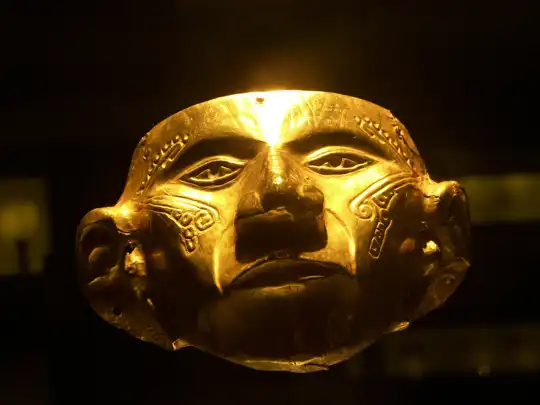
  5. Calima Diadems and Masks: Hammered gold headgear and large funerary masks, shown beside the cultural story of the Calima region.
  6. The Ceramics and Stone Hall: Gold gets the attention,
… read more 👉
  1. The Muisca Raft: A small gold model of the El Dorado ritual, with a central chief and attendants on a boat. It is the most famous object here and sits in its own lit case.
  2. The Offering Room: A dark chamber that fills with light and gold at once, with thousands of objects shown together. It is the showpiece and it earns the gasps.
  3. Poporos Quimbaya: Smooth, sculpted lime flasks used for chewing coca. They are beautifully proportioned and show how refined Quimbaya goldwork became.
  4. Tairona Gold Pendants: Elaborate bat-man and animal figures with fine filigree. They look almost modern, and the details reward a close look.
  5. Calima Diadems and Masks: Hammered gold headgear and large funerary masks, shown beside the cultural story of the Calima region.
  6. The Ceramics and Stone Hall: Gold gets the attention, yet the pottery and carved stone here show everyday life. Look for the figurative vessels with expressive faces.
  7. The Guided Tour: Offered in English and Spanish at set times. A guide connects cases that otherwise feel like separate rooms, and it is the best use of an hour.
  8. The Museum Building Itself: A modernist structure with calm interior spaces, a quiet contrast to the loud plaza outside.
The Offering Room pairs well with an afternoon at the nearby Botero Museum.
Spotted a mistake or missing something? Contact us.

Things to do around Museo del Oro

Ratings based on Tripadvisor reviews. When you book through this link, you support our work at no extra cost to you.

🌤️ When to go?Best time to visit Museo del Oro

  • Dry Season (December to March): Bogotá’s driest stretch brings crisp mornings around 7 to 9°C (45 to 48°F) and sunny afternoons near 19 to 20°C (66 to 68°F). Weekend lines at the museum are longer, and hotel prices rise around the holidays.
  • Second Dry Window (July to August): Lighter rain, cool breezes and similar temperatures. Colombian school holidays fill the Candelaria district with domestic visitors.
  • Rainy Months (April to June, September to November): Afternoon downpours are common, yet the museum is indoors, so rain barely matters. Highs hover around 18 to 19°C (64 to 66°F), and beds are easier to find at lower rates.
  • Day of the Week: Tuesday through Friday mornings are quietest. The museum is closed on Mondays, and Sundays draw local families. Daylight lasts roughly 12 hours all year,
… read more 👉
  • Dry Season (December to March): Bogotá’s driest stretch brings crisp mornings around 7 to 9°C (45 to 48°F) and sunny afternoons near 19 to 20°C (66 to 68°F). Weekend lines at the museum are longer, and hotel prices rise around the holidays.
  • Second Dry Window (July to August): Lighter rain, cool breezes and similar temperatures. Colombian school holidays fill the Candelaria district with domestic visitors.
  • Rainy Months (April to June, September to November): Afternoon downpours are common, yet the museum is indoors, so rain barely matters. Highs hover around 18 to 19°C (64 to 66°F), and beds are easier to find at lower rates.
  • Day of the Week: Tuesday through Friday mornings are quietest. The museum is closed on Mondays, and Sundays draw local families. Daylight lasts roughly 12 hours all year, so timing hardly changes your visit.
  • Holidays: Long weekends (puentes) and Holy Week bring crowds to the Candelaria area.
Arrive at opening time on a Tuesday and you will have the Poporo and Muisca raft rooms nearly to yourself.


source: climatestotravel.comJANJanuary: excellent for travelingFEBFebruary: highly recommended for travelingMARMarch: good for travelingAPRApril: fair for travelingMAYMay: fair for travelingJUNJune: good for travelingJULJuly: fair for travelingAUGAugust: highly recommended for travelingSEPSeptember: excellent for travelingOCTOctober: fair for travelingNOVNovember: fair for travelingDECDecember: good for traveling
Colombia - Museo del Oro

✈️ The backpacker research shortcutColombia Travel Guide

An offline-friendly backpacking guide with optimized travel routes, ranked highlights, transport advice, and the best areas to stay.
example page 0 from our offline Travel Guide for Colombia
example page 1 from our offline Travel Guide for Colombia
example page 2 from our offline Travel Guide for Colombia
example page 3 from our offline Travel Guide for Colombia
example page 4 from our offline Travel Guide for Colombia
example page 5 from our offline Travel Guide for Colombia
example page 6 from our offline Travel Guide for Colombia
example page 7 from our offline Travel Guide for Colombia
The digital guide (349 pages) contains:
✅ 115 highlights, ranked by travel appeal
✅ Optimized 7, 14 & 21-day travel routes
✅ Cities, national parks, landmarks, beaches
✅ How to get around
✅ Offline-friendly for travel without Wi-Fi
👉 Click to see all 30+ guide features

📅 Plan smarter in minutes, not weeks
✅ Month by month travel advice
✅ Festivals & national holidays
✅ Budget expectations

🗺️ Go to the right places, skip the overrated ones
✅ Honest pros & cons of destinations
✅ Top hikes, parks & viewpoints
✅ Lesser-known places most travelers miss
✅ Clear “worth it vs skip it” guidance

🛏️ Travel smoothly without rookie mistakes
✅ Best areas to stay
✅ Transport systems explained simply
✅ Common scams & safety advice
✅ SIM cards, money & practical tips

🌍 Understand the country, not just visit it
✅ Culture & traditions
✅ 52 Essential phrases & customs
✅ Festivals worth planning around
✅ Traveler-friendly historical context
✅ Insights that make places more meaningful

📱 Built for real travel conditions
✅ Fully downloadable PDF
✅ Works completely offline
✅ Optimized for phone use
✅ Useful in remote areas & buses
✅ Everything in one place
Stop searching, start planning
Get instant access to your full guide. 30‑day money-back guarantee.
+ Add another guide for just

By proceeding you agree to our terms.
Sent to your inbox immediately after payment • 100% Secure Checkout
Best Backpacking Travel Advisor 2025 tourism awardBest Backpacking
Travel Advisor
2025
What others say about Take Your Backpack Guides:
⭐⭐⭐⭐⭐
Fantastic, amazing amount of information!
⭐⭐⭐⭐⭐
My goodness this is amazing, it's what I've been looking for hats off too you!
⭐⭐⭐⭐⭐
I think this is absolutely BRILLIANT
⭐⭐⭐⭐
Very complete and informative. It's still missing places, but I gotta to commend you
⭐⭐⭐⭐⭐
This is truly amazing, thank you, can't wait to explore it with my kids!
⭐⭐⭐⭐⭐
Awesome resource, thank you!
⭐⭐⭐⭐⭐
This is amazing! Can't wait to explore the ones I haven't seen
⭐⭐⭐⭐
I love this! Well done, great idea.
⭐⭐⭐⭐⭐
Thanks for taking the time to make this gem!
⭐⭐⭐⭐⭐
This might be the best website I've ever seen.
⭐⭐⭐⭐⭐
Congratulations, and thank you so much for your work; it's incredibly valuable.
⭐⭐⭐⭐
In all seriousness I think you did a great job pointing out the important spots
⭐⭐⭐⭐⭐
10/10 very good
⭐⭐⭐⭐⭐
As someone who's only just starting to visit regularly this is awesome, thank you.
⭐⭐⭐⭐
Thank you very much! I'm going to visit my dad, it's going to be very useful!
⭐⭐⭐⭐⭐
This is really cool! We'll be travelling for the first time and this definitely come in handy.
⭐⭐⭐⭐⭐
You are now our minister of culture, congratulations 👨‍💼
⭐⭐⭐⭐⭐
Just wanted to tell you that this is a pearl! Going to follow your recommendations.
⭐⭐⭐⭐⭐
This is so cool. I'll definitely be using the resource for my travels soon.
⭐⭐⭐⭐⭐
This is very impressive! Good work.
⭐⭐⭐⭐⭐
This is an amazing and informative site. Very well done!

🛏️ Where to stay?Best areas to stay in Colombia

La Candelaria is the neighborhood to pick, because the Museo del Oro sits on its edge at Parque de Santander and most hostels are a 5 to 15 minute walk away. Dorm beds run about US$8 to 15, and the area has the highest concentration of social hostels in Bogotá, plus free walking tours that start from Plaza Bolívar. Cobbled streets, street art and cheap set-lunch cafés make it easy to meet other travelers. After dark, stay on the main lit streets near Chorro de Quevedo and Calle 12, take a taxi from the upper hillside blocks, and keep your phone tucked away.

Centro Internacional, a few blocks … read more 👉
La Candelaria is the neighborhood to pick, because the Museo del Oro sits on its edge at Parque de Santander and most hostels are a 5 to 15 minute walk away. Dorm beds run about US$8 to 15, and the area has the highest concentration of social hostels in Bogotá, plus free walking tours that start from Plaza Bolívar. Cobbled streets, street art and cheap set-lunch cafés make it easy to meet other travelers. After dark, stay on the main lit streets near Chorro de Quevedo and Calle 12, take a taxi from the upper hillside blocks, and keep your phone tucked away.

Centro Internacional, a few blocks north of the museum, is quieter and more business-oriented. It has fewer hostels but handy transit links, including TransMilenio stops, and rooms in simple hotels from roughly US$18 to 30.

Chapinero and Zona T are about 20 to 30 minutes away by bus or taxi. They suit travelers who want nightlife, craft beer and restaurants more than museum proximity. Parque 93 and Usaquén are calmer and pricier, with a Sunday flea market in Usaquén. For a first visit, Candelaria keeps museum mornings easy and the city’s history on your doorstep.

👛 Costs (as of 19 October 2026)Money, prices, and spending tips

A day around the Museo del Oro costs roughly US$18 to 45, with the entry ticket being only a small part of it.
CategoryBudget RangeLocal Reality
Museum EntryUS$1 to 1.50Admission is very low on weekdays, and Sundays are typically free. Pay in Colombian pesos at the ticket desk.
Audio GuideUS$0 to 4Exhibits are labeled in Spanish and English, so a guide is optional.
Accommodation (High Season)US$8 to 15A dorm bed in La Candelaria. Private rooms start around US$25.
FoodUS$6 to 12A set lunch (menú del día) near the museum costs US$3 to 5, and coffee about US$1 to 2.
Local TransportUS$1 to 5TransMilenio rides cost about US$0.80 each, and a short taxi or rideshare in the center runs US$2 to 5.
ExtrasUS$2 to 8Walking tours work on tips, and nearby museums such as Botero cost little or nothing.
Total Daily
… read more 👉
A day around the Museo del Oro costs roughly US$18 to 45, with the entry ticket being only a small part of it.
CategoryBudget RangeLocal Reality
Museum EntryUS$1 to 1.50Admission is very low on weekdays, and Sundays are typically free. Pay in Colombian pesos at the ticket desk.
Audio GuideUS$0 to 4Exhibits are labeled in Spanish and English, so a guide is optional.
Accommodation (High Season)US$8 to 15A dorm bed in La Candelaria. Private rooms start around US$25.
FoodUS$6 to 12A set lunch (menú del día) near the museum costs US$3 to 5, and coffee about US$1 to 2.
Local TransportUS$1 to 5TransMilenio rides cost about US$0.80 each, and a short taxi or rideshare in the center runs US$2 to 5.
ExtrasUS$2 to 8Walking tours work on tips, and nearby museums such as Botero cost little or nothing.
Total Daily BudgetUS$18 to 45Roughly US$35 for most backpackers in high season.


source: banrepcultural.org
⚠️ Prices can change and everyone travels differently, so take this as a rough guide. Hope it helps you plan your adventure!

FAQFrequently asked questions about Museo del Oro

Plan on 2 to 3 hours at the Museo del Oro, which is enough to see the three floors of Muisca, Tairona and Quimbaya pieces. The highlight is the dim Offering Room, where thousands of gold objects glow around you. Add another hour if you take the audio guide or join one of the tours in English or Spanish.
Yes, the Museo del Oro is excellent value at roughly US$1 to 1.50 for admission, and Sundays are typically free. It holds around 55,000 pieces of pre-Hispanic gold and other materials, including the Muisca raft that inspired the El Dorado legend. Free Sundays get crowded, so a weekday morning gives you a calmer visit.
The Museo del Oro is on Carrera 6 at Calle 16, beside Parque de Santander in central Bogotá. From La Candelaria it is a 5 to 15 minute walk. From elsewhere, take TransMilenio to the Museo del Oro station (about US$0.80), or a taxi from El Dorado Airport, roughly 30 to 60 minutes depending on traffic, for about US$8 to 12.
⚠️ Things can change over time, so always validate details locally before you go.

Other Colombian attractions near Museo del Oro

Explore more nearby:

  • Museo Botero—Plump Botero figures, courtyard bronzes, donated collection, colonial mansion| 1 km away
  • Teatro Colón—Horseshoe boxes, painted dome, presidential box, opera nights| 1 km away
  • Museo de Arte Moderno de Bogotá—Salmona brickwork, Beatriz González, rotating shows, Monday closure| 1 km away

💡 Not sure where to go next?
Create a personalized itinerary for Colombia including Museo del Oro and the places that fit your trip.

Generate my itinerary

👉 Discover all attractions

Or checkout all Colombia has to offer (think cities, towns, villages, national parks, hikes, beaches, festivals)
Country photo of Colombia

We 💚 feedbackKey takeaways before you go

Museo del Oro needs about two to three hours, and a guided tour is worth adding if your schedule has room. I would go on a weekday morning, then spend the rest of the day in La Candelaria. A second visit is rarely necessary unless the temporary exhibitions interest you.

✈️ When did I visit Colombia?
Did a good 3-week trip around Colombia in August 2014.

✍️ Help improve this page!
The information on this page is based on my own backpacking experience in Colombia, supplemented with up-to-date research and feedback from other travelers. Travel details can change, so if you notice anything outdated or incomplete, feel free to let me know.


🙋‍♂️ Give feedback

👋 Meet the founderWho’s Behind Take Your Backpack?

Johan, backpacker and founder of TakeYourBackpackHi, I’m Johan (Netherlands 🇳🇱), the creator of TakeYourBackpack. Over the past 3 decades, I’ve backpacked through 90+ countries across six continents, gaining extensive experience with independent travel, long-term trips, and overland routes.

This site is built on a combination of firsthand travel experience and carefully curated insights from other backpackers. Many guides are based on places I’ve personally visited, while others bring together tips, observations, and practical advice shared by trusted travelers I’ve met along the way.

The goal is to provide realistic, experience-driven guidance — not generic itineraries — so you can explore destinations with better context, clearer expectations, and more confidence.