×

Côte d’Ivoire🇨🇮 | landmarksBasilica of Our Lady of Peacecolossal dome, stained glass, open esplanade | things to do and best time to go

Explore Akwaba PalaceExplore Mount Tonkoui

Backpacking in Basilica of Our Lady of Peace
🏆 Top pickunique site ranked #1
By Johan Kruseman 🇳🇱 | Updated May 14, 2026

Here’s the shocker: the Basilica of Our Lady of Peace in Yamoussoukro, Côte d’Ivoire, is officially bigger than St. Peter’s in Rome, but you’ll often have the entire nave to yourself—no crowds, no selfie-stick gridlock, just you and a jaw-dropping sea of marble. This isn’t the Instagrammed Africa of dusty markets and wild safaris; it’s a surreal, almost otherworldly monument dropped in the middle of a quiet, government-planned city. The wow-factor is real: the dome is colossal, the stained glass is a kaleidoscope, and the sheer audacity of building the world’s largest church in a country where most people aren’t Catholic is a story in itself. But here’s the rub: it’s expensive to enter, and the vibe can feel almost eerie—think grand, echoing emptiness rather than spiritual buzz. Still, if you want photos that look like you rented out the Vatican, and a firsthand glimpse at the contradictions of modern West Africa, this is a detour that actually delivers.

Discover everything you want to know in the 📖 Côte d’Ivoire Travel Guide.
Loading the map 🌍
CLICK TO FILTER
cities
towns
landmarks
national parks
hikes
beaches
attractions
festivals
regions
SHOW COUNTRY’S BESTSHOW ALL

✨ Why go?
Ranked #1 unique site in Côte d’Ivoire
What makes it a must-see unique site

The Basilica of Our Lady of Peace in Côte d’Ivoire is a must-see, but let’s cut through the fluff. Yes, it’s massive and yes, it’s one of the largest churches in the world. But here’s the kicker: it’s not just about the size. The architecture is a blend of modern and traditional styles, making it a visual feast.

Now, let’s talk crowds. Expect a fair number of tourists, especially on weekends. But don’t let that deter you. The atmosphere inside is serene, and the sheer scale of the place can make you feel small in the best way possible.

Cost? It’s practically free. A small donation is appreciated, but you won’t break the bank. This makes it a perfect stop for budget backpackers.

What’s more, it fits seamlessly into a broader route through West Africa. Pair it with a visit to Yamoussoukro, … read more 👉
The Basilica of Our Lady of Peace in Côte d’Ivoire is a must-see, but let’s cut through the fluff. Yes, it’s massive and yes, it’s one of the largest churches in the world. But here’s the kicker: it’s not just about the size. The architecture is a blend of modern and traditional styles, making it a visual feast.

Now, let’s talk crowds. Expect a fair number of tourists, especially on weekends. But don’t let that deter you. The atmosphere inside is serene, and the sheer scale of the place can make you feel small in the best way possible.

Cost? It’s practically free. A small donation is appreciated, but you won’t break the bank. This makes it a perfect stop for budget backpackers.

What’s more, it fits seamlessly into a broader route through West Africa. Pair it with a visit to Yamoussoukro, the capital, and explore the local markets and culture. The real magic lies in the juxtaposition of this monumental site against the vibrant life of the city. It’s not just a photo op; it’s a chance to connect with the heart of Côte d’Ivoire.
Want to include Basilica of Our Lady of Peace in your Côte d’Ivoire route?
Create a personalized Côte d’Ivoire itinerary that includes Basilica of Our Lady of Peace and the places that fit your trip — based on your travel style, budget, and available time. Get your route in seconds.

Generate my trip

💡 HighlightsWhat this place is best known for

  • Sheer scale and monumental dome — Walk in and you’ll get why people stare: it’s one of the largest churches in the world by area and has a massive dome inspired by St. Peter’s. The space feels intentionally vast—hard to miss, even from a distance.
  • Light, stained glass and marble finishes — The apse’s stained glass and the polished marble floors/walls give the interior a surprisingly bright, sumptuous feel. It’s a contrast to the surrounding town that makes for striking photos (and quiet, reflective moments).
  • Colonnades, fountains and reflecting pools — The big forecourt, rows of columns and neat reflecting pools are part of the theater of the place. Great for pacing around, framing shots, and watching light move across the façade.
  • Panoramic esplanade views — Climb the steps and you get
read more 👉
  • Sheer scale and monumental dome — Walk in and you’ll get why people stare: it’s one of the largest churches in the world by area and has a massive dome inspired by St. Peter’s. The space feels intentionally vast—hard to miss, even from a distance.
  • Light, stained glass and marble finishes — The apse’s stained glass and the polished marble floors/walls give the interior a surprisingly bright, sumptuous feel. It’s a contrast to the surrounding town that makes for striking photos (and quiet, reflective moments).
  • Colonnades, fountains and reflecting pools — The big forecourt, rows of columns and neat reflecting pools are part of the theater of the place. Great for pacing around, framing shots, and watching light move across the façade.
  • Panoramic esplanade views — Climb the steps and you get a wide view of Yamoussoukro and the basilica’s cruciform layout. Golden hour here is unexpectedly pretty; the cross and dome silhouette well against the sky.
  • Unusual political and cultural backstory — The basilica was built by President Félix Houphouët-Boigny and carries a heavy, sometimes controversial legacy about money, national identity and legacy-building. Learning that story makes the visit much more interesting than just architecture.
  • Attend a service or hear the choir — When masses or special ceremonies happen, the place transforms from a monument to a lived place of worship—local devotion, music and robes give you the human side of the site.
  • Crocodile lake and nearby sights — A short walk away is the famous crocodile lake and a handful of local stalls and guides. It’s an easy combo: basilica photos in the morning, then a quick local-culture stop before you leave town.
Spotted a mistake or missing something? Contact us.

Things to do near Basilica of Our Lady of Peace

Ratings based on Tripadvisor reviews. When you book through this link, you support our work at no extra cost to you.

🌤️ When to go?Best time to visit Basilica of Our Lady of Peace


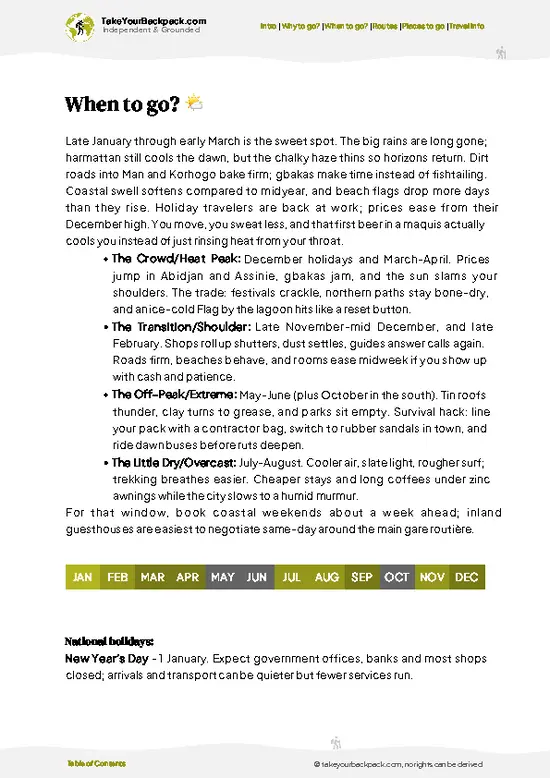
  • Weather: The dry season from November to March is your best bet. Expect less mud and fewer rain delays, which means you can actually enjoy the massive scale of the basilica without slipping around or hiding under an umbrella.

  • Temperature: Temperatures hover between 24°C and 32°C (75°F to 90°F) year-round, but the dry season feels less oppressive. The rainy season (April to October) brings humidity that can make exploring a sweaty slog.

  • Daylight Hours: Côte d’Ivoire sits near the equator, so daylight is steady—about 12 hours daily. No need to rush your visit early or late; the light stays consistent.

  • Crowds: The basilica isn’t a tourist magnet like the Eiffel Tower, but weekends and religious holidays pack in local visitors. For a quieter experience, aim for weekdays during the dry season.
read more 👉

  • Weather: The dry season from November to March is your best bet. Expect less mud and fewer rain delays, which means you can actually enjoy the massive scale of the basilica without slipping around or hiding under an umbrella.

  • Temperature: Temperatures hover between 24°C and 32°C (75°F to 90°F) year-round, but the dry season feels less oppressive. The rainy season (April to October) brings humidity that can make exploring a sweaty slog.

  • Daylight Hours: Côte d’Ivoire sits near the equator, so daylight is steady—about 12 hours daily. No need to rush your visit early or late; the light stays consistent.

  • Crowds: The basilica isn’t a tourist magnet like the Eiffel Tower, but weekends and religious holidays pack in local visitors. For a quieter experience, aim for weekdays during the dry season.

  • Seasonal Activities: Religious festivals around December and Easter add a cultural punch but also crowds and higher prices. If you want to soak in local life, these are gold mines, but not for solitude seekers.

  • Price Fluctuations: Accommodation and transport costs spike during peak dry season and holidays. Booking ahead can save you a headache and cash.


Pro-tip: Visit just before the dry season peaks—late November to early December—to dodge the worst crowds and still enjoy pleasant weather.


source: climatestotravel.comJANJanuary: excellent for travelingFEBFebruary: excellent for travelingMARMarch: excellent for travelingAPRApril: good for travelingMAYMay: fair for travelingJUNJune: fair for travelingJULJuly: fair for travelingAUGAugust: fair for travelingSEPSeptember: fair for travelingOCTOctober: good for travelingNOVNovember: highly recommended for travelingDECDecember: highly recommended for traveling
when-to-go

✈️ The backpacker research shortcutCôte d’Ivoire Travel Guide

An offline-friendly backpacking guide with optimized travel routes, ranked highlights, transport advice, and the best areas to stay.
The digital guide (337 pages) contains:
85 highlights, ranked by travel appeal
Optimized 5, 10 & 15-day travel routes
Cities, national parks, landmarks, beaches
How to get around
Offline-friendly for travel without Wi-Fi
👉 Click to see all 30+ guide features

📅 Plan smarter in minutes, not weeks
Month by month travel advice
Festivals & national holidays
Budget expectations

🗺️ Go to the right places, skip the overrated ones
Honest pros & cons of destinations
Top hikes, parks & viewpoints
Lesser-known places most travelers miss
Clear “worth it vs skip it” guidance

🛏️ Travel smoothly without rookie mistakes
Best areas to stay
Transport systems explained simply
Common scams & safety advice
SIM cards, money & practical tips

🌍 Understand the country, not just visit it
Culture & traditions
52 Essential phrases & customs
Festivals worth planning around
Traveler-friendly historical context
Insights that make places more meaningful

📱 Built for real travel conditions
Fully downloadable PDF
Works completely offline
Optimized for phone use
Useful in remote areas & buses
Everything in one place
Save weeks of stressful planning
Get instant access to your full guide. 30‑day money-back guarantee.


By proceeding you agree to our terms.
Sent to your inbox immediately after payment • 100% Secure Checkout
Best Backpacking Travel Advisor 2025 tourism awardBest Backpacking
Travel Advisor
2025
What others say about Take Your Backpack Guides:
⭐⭐⭐⭐⭐
Fantastic, amazing amount of information!
⭐⭐⭐⭐⭐
My goodness this is amazing, it's what I've been looking for hats off too you!
⭐⭐⭐⭐⭐
I think this is absolutely BRILLIANT
⭐⭐⭐⭐
Very complete and informative. It's still missing places, but I gotta to commend you
⭐⭐⭐⭐⭐
This is truly amazing, thank you, can't wait to explore it with my kids!
⭐⭐⭐⭐⭐
Awesome resource, thank you!
⭐⭐⭐⭐⭐
This is amazing! Can't wait to explore the ones I haven't seen
⭐⭐⭐⭐
I love this! Well done, great idea.
⭐⭐⭐⭐⭐
Thanks for taking the time to make this gem!
⭐⭐⭐⭐⭐
This might be the best website I've ever seen.
⭐⭐⭐⭐⭐
Congratulations, and thank you so much for your work; it's incredibly valuable.
⭐⭐⭐⭐
In all seriousness I think you did a great job pointing out the important spots
⭐⭐⭐⭐⭐
10/10 very good
⭐⭐⭐⭐⭐
As someone who's only just starting to visit regularly this is awesome, thank you.
⭐⭐⭐⭐
Thank you very much! I'm going to visit my dad, it's going to be very useful!
⭐⭐⭐⭐⭐
This is really cool! We'll be travelling for the first time and this definitely come in handy.
⭐⭐⭐⭐⭐
You are now our minister of culture, congratulations 👨‍💼
⭐⭐⭐⭐⭐
Just wanted to tell you that this is a pearl! Going to follow your recommendations.
⭐⭐⭐⭐⭐
This is so cool. I'll definitely be using the resource for my travels soon.
⭐⭐⭐⭐⭐
This is very impressive! Good work.
⭐⭐⭐⭐⭐
This is an amazing and informative site. Very well done!

🛏️ Where to stay?Best areas to stay in Côte d’Ivoire

Staying near the Basilica of Our Lady of Peace in Yamoussoukro can be a mixed bag. The area is known for its grandeur, but the reality is that it can get crowded with tourists snapping selfies. If you want to experience the real vibe, focus on the neighborhoods that offer a blend of safety, social interaction, and affordability.

Look for accommodations around the city center. This area buzzes with local life, making it easier to connect with fellow travelers and locals alike. You’ll find street vendors selling delicious attiéké and grilled fish, perfect for a budget-friendly meal. Plus, being … read more 👉
Staying near the Basilica of Our Lady of Peace in Yamoussoukro can be a mixed bag. The area is known for its grandeur, but the reality is that it can get crowded with tourists snapping selfies. If you want to experience the real vibe, focus on the neighborhoods that offer a blend of safety, social interaction, and affordability.

Look for accommodations around the city center. This area buzzes with local life, making it easier to connect with fellow travelers and locals alike. You’ll find street vendors selling delicious attiéké and grilled fish, perfect for a budget-friendly meal. Plus, being in the heart of the action means you can easily walk to the Basilica and soak in its impressive architecture without the hassle of transport.

Another option is to head toward the outskirts, where you can find quieter spots that still offer easy access to the Basilica. These areas tend to have a more laid-back atmosphere, allowing you to unwind after a day of exploring. You might even stumble upon local markets or small cafes where you can chat with residents and get a taste of everyday life.

Avoid the tourist traps that charge a premium for mediocre experiences. Instead, embrace the local culture and find a place that feels authentic. That’s where the real magic happens.

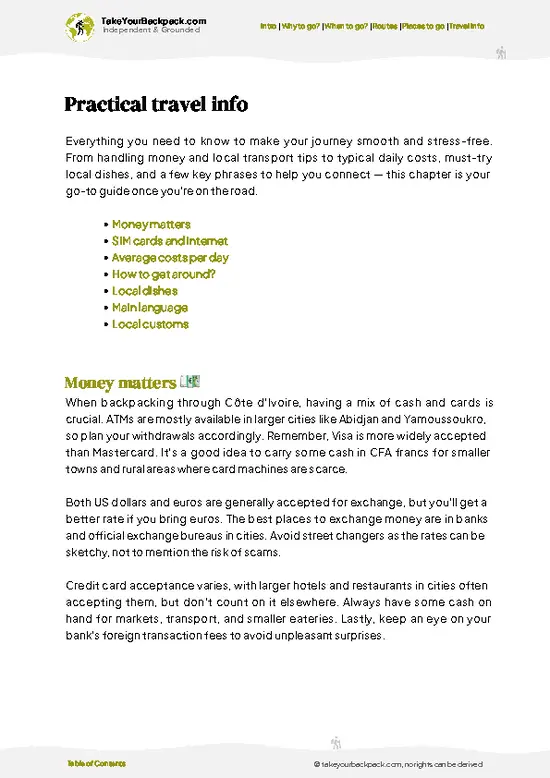
👛 Costs (as of 28 January 2026)Money, prices, and spending tips

Visiting the Basilica of Our Lady of Peace in Côte d’Ivoire isn’t just about the stunning architecture; it’s also about navigating the costs that come with the experience. Here’s the real deal on what you can expect to spend.
  • Entrance Fee: The entrance is typically free, but donations are encouraged. If you want to support the upkeep, consider giving around €2-€5 ($2-$6). It’s a small price for a place that holds so much significance.
  • Transportation: Getting there can vary. If you’re taking a taxi, expect to pay between €5-€15 ($5-$16) depending on your starting point in Abidjan. Public transport is cheaper, around €0.50-€1 ($0.50-$1.20), but it can be a bit of an adventure.
  • Guided Tours: If you want a deeper understanding of the basilica’s history and architecture, guided tours are available.
read more 👉
Visiting the Basilica of Our Lady of Peace in Côte d’Ivoire isn’t just about the stunning architecture; it’s also about navigating the costs that come with the experience. Here’s the real deal on what you can expect to spend.
  • Entrance Fee: The entrance is typically free, but donations are encouraged. If you want to support the upkeep, consider giving around €2-€5 ($2-$6). It’s a small price for a place that holds so much significance.
  • Transportation: Getting there can vary. If you’re taking a taxi, expect to pay between €5-€15 ($5-$16) depending on your starting point in Abidjan. Public transport is cheaper, around €0.50-€1 ($0.50-$1.20), but it can be a bit of an adventure.
  • Guided Tours: If you want a deeper understanding of the basilica’s history and architecture, guided tours are available. Prices range from €10-€20 ($11-$22) per person. It’s worth it for the insights you’ll gain.
  • Food and Drink: There are local eateries nearby. A meal can cost between €3-€10 ($3-$11). Grab a local dish to fuel your exploration. Water and snacks will set you back about €1-€3 ($1-$3).
  • Souvenirs: If you’re looking to take something home, budget around €5-€20 ($5-$22) for local crafts or religious items. It’s a nice way to remember your visit.

Be prepared for crowds, especially on weekends and holidays. The basilica attracts many visitors, so timing your visit can make a difference. Early mornings are usually quieter. The real magic lies in the atmosphere and the stories that echo within its walls.


source: cotedivoiretourisme.ci
⚠️ Prices can change and everyone travels differently, so take this as a rough guide. Hope it helps you plan your adventure!

Other Ivorian landmarks near Basilica of Our Lady of Peace

Explore more nearby:

  • Abidjan Lagoon—urban waterways, stilt villages, city skyline views| 217 km away
  • Akwaba Palace—royal residence, Akan architecture, ceremonial grounds| 226 km away
  • Mount Tonkoui—highest peak, panoramic forest views, cool mountain air| 264 km away

💡 Not sure where to go next?
Create a personalized itinerary for Côte d’Ivoire including Basilica of Our Lady of Peace and the places that fit your trip.

Generate my itinerary

👉 Discover all landmarks

Or checkout all Côte d’Ivoire has to offer (think cities, towns, villages, national parks, hikes, beaches, festivals)
Country photo of Côte d’Ivoire

We 💚 feedbackWhat to keep in mind

The Basilica of Our Lady of Peace is a colossal sight, but don’t let the Instagram hype fool you. Yes, it’s crowded, and the entry fee can feel steep for what you get. But here’s the kicker: step inside, and you’ll find a serene atmosphere that’s a world away from the chaos outside. The best surprise? The local community often gathers here, giving you a glimpse of genuine Ivorian life. Just be prepared for the heat; it can be intense, so hydrate before you go.

✍️ Help improve this page!
The information on this page is based on in-depth research, insights shared by experienced travelers, and feedback from the local travel community in Côte d’Ivoire. While every effort is made to keep the information accurate and current, conditions can change — so if you spot anything incorrect or outdated, please get in touch.


🙋‍♂️ Give feedback

👋 Meet the founderWho’s Behind Take Your Backpack?

Johan, backpacker and founder of TakeYourBackpackHi, I’m Johan (Netherlands 🇳🇱), the creator of TakeYourBackpack. Over the past decade, I’ve backpacked through 80+ countries across six continents, gaining extensive experience with independent travel, long-term trips, and overland routes.

This site is built on a combination of firsthand travel experience and carefully curated insights from other backpackers. Many guides are based on places I’ve personally visited, while others bring together tips, observations, and practical advice shared by trusted travelers I’ve met along the way.

The goal is to provide realistic, experience-driven guidance — not generic itineraries — so you can explore destinations with better context, clearer expectations, and more confidence.

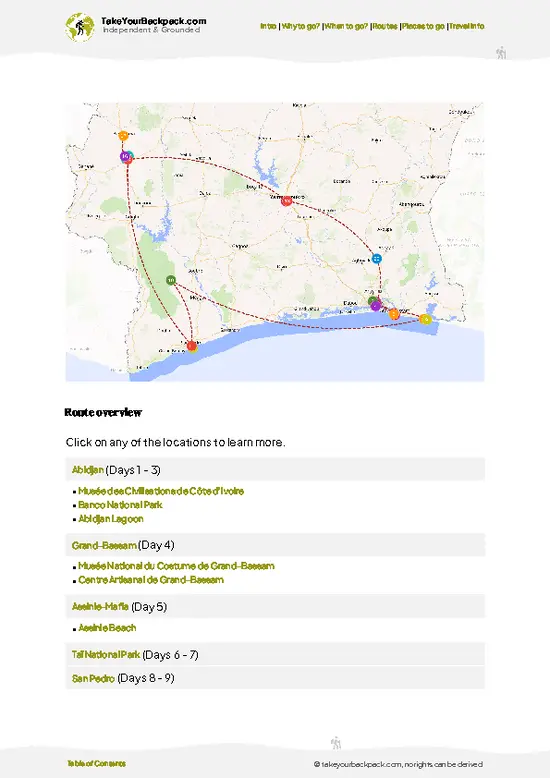
Get full country guide •
Instant download • 85 highlights • Full Offline guide