v2.webp)
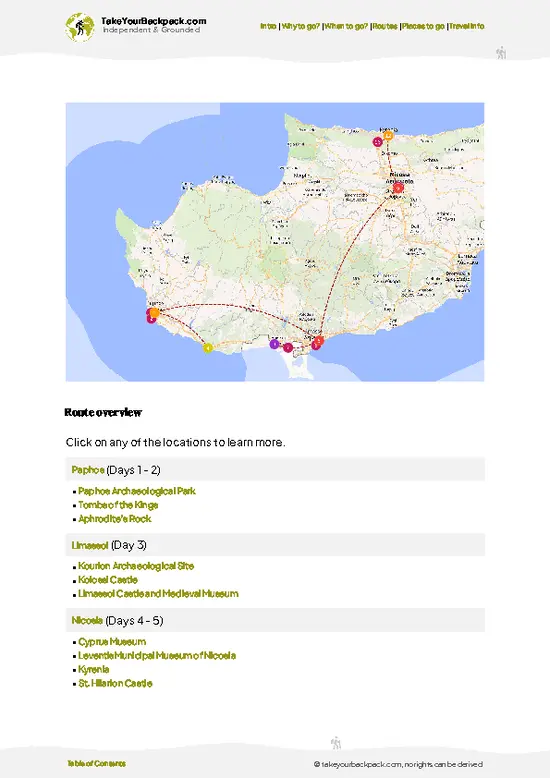
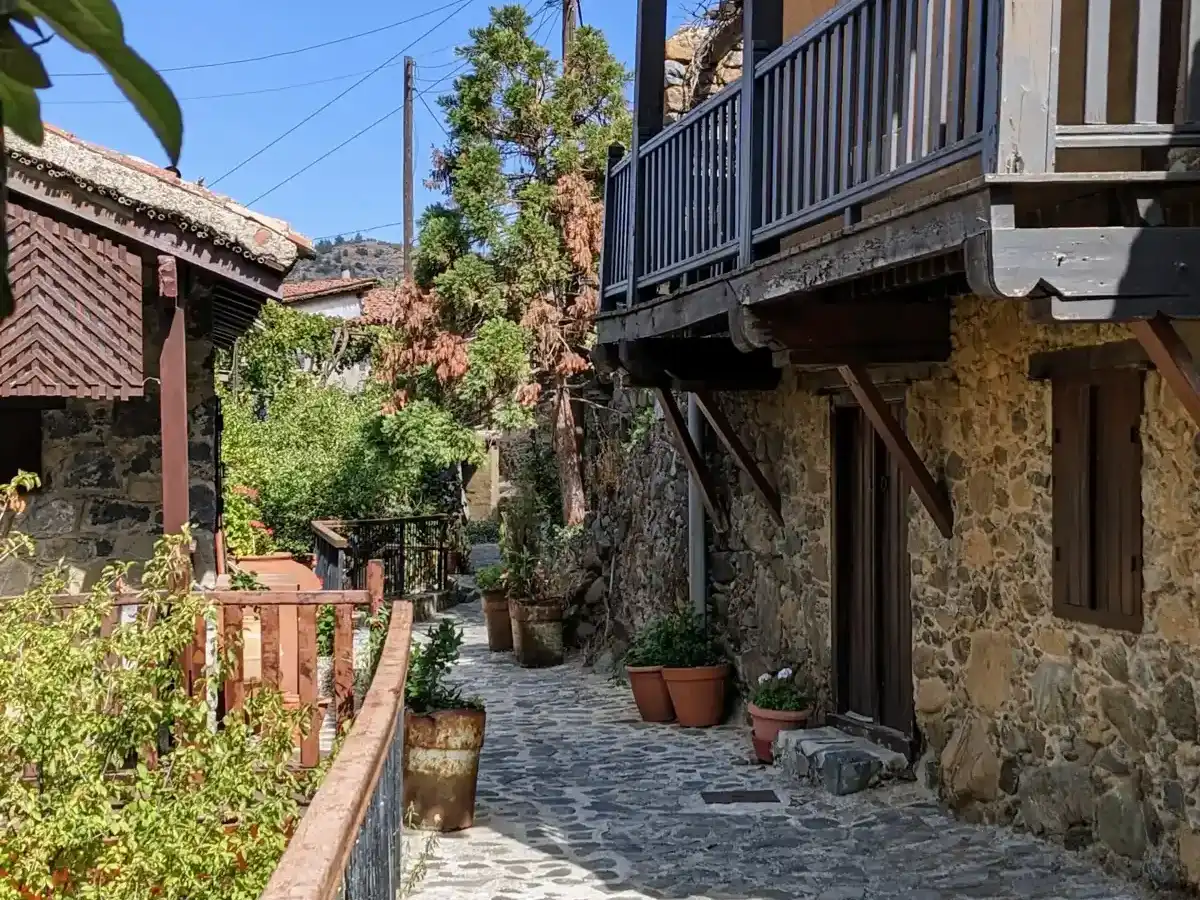
- Pano (Upper) Kakopetria historic quarter — Narrow, stone-paved lanes and traditional stone houses cluster here; wandering this upper village feels like stepping into a working postcard of Cypriot rural life and gives the best views over the valley below.
- Kato (Lower) Kakopetria riverfront and central square — The lower village sits along the Karkotis river with cafés and benches under plane trees; it’s where locals meet, river life happens, and you get real everyday atmosphere away from staged tourist spots.
- Agios Nikolaos tis Stegis (St. Nicholas of the Roof) — One of the Painted Churches of the Troodos (UNESCO list): a compact, timber-roofed Byzantine church with well-preserved frescoes — a must for history and art lovers and easy to visit on foot.
- Karkotis River and the stone bridges
- Pano (Upper) Kakopetria historic quarter — Narrow, stone-paved lanes and traditional stone houses cluster here; wandering this upper village feels like stepping into a working postcard of Cypriot rural life and gives the best views over the valley below.
- Kato (Lower) Kakopetria riverfront and central square — The lower village sits along the Karkotis river with cafés and benches under plane trees; it’s where locals meet, river life happens, and you get real everyday atmosphere away from staged tourist spots.
- Agios Nikolaos tis Stegis (St. Nicholas of the Roof) — One of the Painted Churches of the Troodos (UNESCO list): a compact, timber-roofed Byzantine church with well-preserved frescoes — a must for history and art lovers and easy to visit on foot.
- Karkotis River and the stone bridges — The river cuts a green corridor through the village; you’ll find small stone bridges, shallow pools, and pleasant riverside walks that reveal old mills, water channels and local life beside the water.
- Old watermills and communal wash-houses — Scattered along the riverbanks are the remains and restored examples of the village’s traditional watermills and public washhouses — practical vernacular architecture that tells how people actually lived and worked here.
- Small chapels and frescoed churches around Kakopetria — Beyond the big painted church there are several little chapels with surviving icons and fresco fragments; they’re quiet, intimate places that show how Byzantine faith and local craft mixed in village life.
- Local folklore/heritage displays (municipal collection) — A compact folk collection (check opening hours) with household tools, costumes and photos gives context to the buildings and landscapes you’re walking through — useful if you want the backstory without a guided tour.
- Traditional stone houses and architectural details trail — Spend time looking up: carved doorframes, wooden balconies, old lintels and external cisterns are why the built environment feels coherent and lived-in; a self-guided architecture stroll rewards curious eyes.
- Short nature trails and riverside picnic spots — Several easy paths start right in town and follow the river or climb a little into the hills; perfect for a short hike, birdwatching, or a shaded picnic without needing full trekking gear.
- Village producers and small shops (honey, preserves, herbs) — The local stalls and small shops in and around the square sell mountain honey, handmade preserves and herbs — tasting and buying from producers is a direct, tasty way to support the place and take a piece of Kakopetria home.
Spotted a mistake or missing something? Contact us.

Discover SCUBA Diving with Pissouri Bay Divers

Troodos Mountains Villages: All Inclusive Food & Wine Day Tour

Best of Troodos Mountains & Villages tour from Limassol

Limassol Cruise Terminal Traditional and Modern Cyprus Tour

Fasouri Watermania Waterpark Admission Ticket

Troodos Mountains Vino Venture: All Inclusive Full Day Wine Tour

Land Sailing in Limassol

Surf and Turf Full Day Jeep & Boat Combination Tour from Limassol

Pafos - Archaeology & Beauty tour from Limassol

 Best Backpacking
.jpg) Hi, I’m Johan (Netherlands 🇳🇱), the creator of TakeYourBackpack. Over the past 3 decades, I’ve backpacked through 90+ countries across six continents, gaining extensive experience with independent travel, long-term trips, and overland routes.
Hi, I’m Johan (Netherlands 🇳🇱), the creator of TakeYourBackpack. Over the past 3 decades, I’ve backpacked through 90+ countries across six continents, gaining extensive experience with independent travel, long-term trips, and overland routes.