×

El Salvador🇸🇻 | citiesSan SalvadorUrban markets, national museums, city parks | things to do and best time to go

Explore San MiguelExplore Santa Ana

Backpacking in San Salvador
🏆 Top pickcity ranked #1
By Johan Kruseman 🇳🇱 | Updated June 7, 2026

San Salvador is not for travelers who need cobblestoned cuteness, easy photo-ops, and a perfectly packaged “colonial town” vibe. It’s for backpackers who like to see how a country actually runs. The capital sits in the center-west of El Salvador, in a bowl of hills and volcano views, and it’s where buses, politics, and nightlife all collide. You get gritty streets, traffic, and visible inequality, but also Plaza Gerardo Barrios with its heavy history, the brutalist Iglesia El Rosario, solid museums, and bars in Zona Rosa that go late. It’s cheap for food and transport, mid-range for nightlife, and logistically simple: buses radiate everywhere, from Santa Ana to the beaches. Safety is better than its reputation if you stick to central, well-frequented areas and use taxis or rideshares at night. Compared to laid-back Suchitoto or surf towns, San Salvador feels intense, urban, and very real.

Discover everything you want to know in the 📖 El Salvador Travel Guide.
Loading the map 🌍
CLICK TO FILTER
cities
towns
landmarks
national parks
hikes
beaches
attractions
festivals
regions
SHOW COUNTRY’S BESTSHOW ALL

✨ Why go?
Ranked #1 city in El Salvador
What makes it a must-see city

San Salvador is a strategic hub for backpackers navigating Central America. It’s not just a stopover; it’s a place that offers a blend of affordability and accessibility. The city is packed with highlights that cater to various interests, from rich history to vibrant street art. You’ll find that the hostel scene is lively and budget-friendly, making it easy to meet fellow travelers and share tips.

The food scene is a delightful mix of local flavors and international options, perfect for fueling your adventures. Plus, the city’s walkability allows you to explore neighborhoods without the hassle of public transport. When the sun sets, the nightlife kicks in, offering everything from laid-back bars to energetic clubs, ensuring your evenings are just as engaging as your days.

As a basecampread more 👉
San Salvador is a strategic hub for backpackers navigating Central America. It’s not just a stopover; it’s a place that offers a blend of affordability and accessibility. The city is packed with highlights that cater to various interests, from rich history to vibrant street art. You’ll find that the hostel scene is lively and budget-friendly, making it easy to meet fellow travelers and share tips.

The food scene is a delightful mix of local flavors and international options, perfect for fueling your adventures. Plus, the city’s walkability allows you to explore neighborhoods without the hassle of public transport. When the sun sets, the nightlife kicks in, offering everything from laid-back bars to energetic clubs, ensuring your evenings are just as engaging as your days.

As a basecamp for day trips, San Salvador connects you to stunning landscapes and cultural experiences, making it a practical choice for those looking to explore beyond the city. If you’re after a blend of comfort and convenience, this city fits the bill perfectly, whether you’re here for a few days or just a quick stop.
Want to include San Salvador in your El Salvador route?
Create a personalized El Salvador itinerary that includes San Salvador and the places that fit your trip — based on your travel style, budget, and available time. Get your route in seconds.

Generate my trip

💡 HighlightsMust-see experiences and standout moments

  • Monumento al Divino Salvador del Mundo — The city’s signature icon: a towering statue of Christ on a globe sitting above a busy roundabout. Great for photos, short people-watching sessions, and understanding how Salvadorans visually anchor national identity.
  • Catedral Metropolitana de San Salvador — Big, solemn cathedral in the downtown core with striking stained glass and a deep connection to Archbishop Óscar Romero; visiting gives you a sense of the religious and political layers that shaped modern El Salvador.
  • Palacio Nacional — A beautifully restored early-20th-century government palace with ornate rooms and murals; you can walk the exterior and usually join a guided peek inside to feel the old-seat-of-power vibe.
  • Teatro Nacional de San Salvador — Elegant neoclassical theater where
read more 👉
  • Monumento al Divino Salvador del Mundo — The city’s signature icon: a towering statue of Christ on a globe sitting above a busy roundabout. Great for photos, short people-watching sessions, and understanding how Salvadorans visually anchor national identity.
  • Catedral Metropolitana de San Salvador — Big, solemn cathedral in the downtown core with striking stained glass and a deep connection to Archbishop Óscar Romero; visiting gives you a sense of the religious and political layers that shaped modern El Salvador.
  • Palacio Nacional — A beautifully restored early-20th-century government palace with ornate rooms and murals; you can walk the exterior and usually join a guided peek inside to feel the old-seat-of-power vibe.
  • Teatro Nacional de San Salvador — Elegant neoclassical theater where you can catch a concert or just admire the carved wood, chandeliers and historic posters — it’s a small cultural jewel in the city center.
  • Museo Nacional de Antropología Dr. David J. Guzmán (MUNA) — The best place in the city to see pre-Columbian artifacts, colonial objects and rotating exhibits that explain the country’s deep, complex history in an accessible way.
  • Museo de Arte de El Salvador (MARTE) — A modern-art museum with solid Salvadoran collections and changing contemporary shows; great if you want to see local art scenes away from the souvenir stalls.
  • Mercado Central — Not a single sight but an essential sensory experience: crowded aisles, street-food stalls, fruit sellers and handicraft booths. Go hungry, bring cash, and practice your bargaining face.
  • Iglesia El Calvario — A historic downtown church with distinctive towers and an active neighborhood; it’s worth a visit for architecture and for watching daily devotional life up close.
  • Museo de la Palabra y la Imagen (MUPI) — Focused on memory, oral history and visual storytelling, this small museum is one of the best places to learn about the civil war, social movements and Salvadoran culture through personal artifacts and photos.
  • Zona Rosa & Colonia San Benito — Walkable neighborhoods rather than a single landmark: think galleries, small museums, cafés, street art and a safer-feeling night scene. Perfect for tasting the city’s contemporary food and creative pulse.
If you’ve got a day to spare, easy nearby trips include the crater at Parque Nacional El Boquerón on the San Salvador volcano, the UNESCO archaeological site Joya de Cerén, and the Pacific surf towns and beaches around La Libertad/El Tunco.
Spotted a mistake or missing something? Contact us.

Things to do in San Salvador

Ratings based on Tripadvisor reviews. When you book through this link, you support our work at no extra cost to you.

🏘️ NeighborhoodsNeighborhood guide to San Salvador

San Salvador offers a mix of vibrant neighborhoods, each with its own character and advantages for backpackers. Here’s a breakdown to help you navigate your options.

Centro Histórico: This is the heart of the city, where history meets hustle. You’ll find affordable hostels and local eateries. The vibe is lively, especially during the day, with street vendors and cultural sites. Walkability is high, but be cautious at night. Great for short stays to soak up the local culture.

Zona Rosa: Known for its nightlife, Zona Rosa is where you’ll find bars, clubs, and a younger crowd. Prices can be higher here, but the energy is palpable. It’s walkable, with plenty of transport options. Ideal for those looking to socialize and enjoy a vibrant atmosphere, but not as suited for quiet retreats.

Santa read more 👉
San Salvador offers a mix of vibrant neighborhoods, each with its own character and advantages for backpackers. Here’s a breakdown to help you navigate your options.

Centro Histórico: This is the heart of the city, where history meets hustle. You’ll find affordable hostels and local eateries. The vibe is lively, especially during the day, with street vendors and cultural sites. Walkability is high, but be cautious at night. Great for short stays to soak up the local culture.

Zona Rosa: Known for its nightlife, Zona Rosa is where you’ll find bars, clubs, and a younger crowd. Prices can be higher here, but the energy is palpable. It’s walkable, with plenty of transport options. Ideal for those looking to socialize and enjoy a vibrant atmosphere, but not as suited for quiet retreats.

Santa Tecla: Just outside the city, this area offers a more suburban feel. It’s quieter, with parks and cafes, making it perfect for longer stays. Costs are moderate, and while it’s less walkable, public transport is accessible. A good choice if you want a break from the city buzz.

La Libertad: If you’re into surfing, this coastal area is a must. It’s a bit of a trek from the city center, but the beach vibes are worth it. Accommodation ranges from budget hostels to mid-range hotels. Perfect for those wanting to blend city life with beach relaxation, though it’s better for longer stays.

San Benito: This neighborhood is a mix of residential and commercial spaces. It’s quieter than Zona Rosa but still has some nightlife options. Costs are reasonable, and it’s fairly walkable. Good for those who want a balance of local life and accessibility to attractions.

⌛️ 1 dayA smart one-day plan

San Salvador, the vibrant capital of El Salvador, pulses with a unique blend of history, culture, and resilience. It’s a city that invites exploration, with its lively markets, rich culinary scene, and a backdrop of stunning volcanoes. Spend a day here, and you’ll uncover layers of local life that many travelers miss.

Start your morning in the historic neighborhood of Centro Histórico. Grab a coffee at a local café, like Café de la Gran Via, where the aroma of freshly brewed Salvadoran coffee fills the air. After your caffeine fix, stroll over to the iconic Metropolitan Cathedral. Its architecture tells stories of the past, and the peaceful ambiance is perfect for reflection. Don’t rush; take a moment to absorb the atmosphere.

As the sun climbs higher, head to the bustling Mercado Central. … read more 👉
San Salvador, the vibrant capital of El Salvador, pulses with a unique blend of history, culture, and resilience. It’s a city that invites exploration, with its lively markets, rich culinary scene, and a backdrop of stunning volcanoes. Spend a day here, and you’ll uncover layers of local life that many travelers miss.

Start your morning in the historic neighborhood of Centro Histórico. Grab a coffee at a local café, like Café de la Gran Via, where the aroma of freshly brewed Salvadoran coffee fills the air. After your caffeine fix, stroll over to the iconic Metropolitan Cathedral. Its architecture tells stories of the past, and the peaceful ambiance is perfect for reflection. Don’t rush; take a moment to absorb the atmosphere.

As the sun climbs higher, head to the bustling Mercado Central. This market is a feast for the senses. Dive into the local flavors with a pupusa, a traditional Salvadoran dish. The vendors here are friendly and eager to share their culinary secrets. While you’re at it, pick up some handmade crafts to take home—supporting local artisans is always a win.

In the afternoon, make your way to the bohemian neighborhood of Santa Tecla. Here, you’ll find the stunning El Boquerón National Park, where a short hike leads you to breathtaking views of the San Salvador volcano. This spot is often overlooked by tourists, but it offers a refreshing escape into nature without straying too far from the city.

As evening approaches, return to Santa Tecla for dinner at a local eatery like La Pampa, known for its grilled meats and vibrant atmosphere. Afterward, take a leisurely walk through the Parque de la Libertad, where locals gather to unwind. The energy is infectious, and you might even catch a live music performance.

This day in San Salvador is a tapestry of experiences, each thread woven with the city’s spirit. You’ll leave feeling enriched, having tasted the heart of El Salvador in just one day.
Turn your San Salvador visit into an El Salvador adventure
Build a complete El Salvador route with San Salvador, hidden gems, must-see destinations, and realistic travel times included.

Generate my trip

🌤️ When to go?Weather, crowds, and seasonal trade-offs


  • Topic: Weather and Temperature – San Salvador’s dry season from November to April offers sunny days with temperatures around 24-30°C (75-86°F), perfect for hiking and city strolls. The wet season, May to October, brings heavy afternoon rains and humidity, with temps hovering between 23-28°C (73-82°F), which can slow down outdoor plans.

  • Topic: Daylight Hours – Daylight remains fairly consistent year-round, roughly 11 to 12 hours daily. This stability means you won’t lose precious exploration time no matter when you visit, but starting early is key during the rainy season to avoid afternoon downpours.

  • Topic: Crowds – Tourist numbers peak during the dry season, especially December through February, when international visitors flock in. This means busier hostels and higher prices but also
read more 👉

  • Topic: Weather and Temperature – San Salvador’s dry season from November to April offers sunny days with temperatures around 24-30°C (75-86°F), perfect for hiking and city strolls. The wet season, May to October, brings heavy afternoon rains and humidity, with temps hovering between 23-28°C (73-82°F), which can slow down outdoor plans.

  • Topic: Daylight Hours – Daylight remains fairly consistent year-round, roughly 11 to 12 hours daily. This stability means you won’t lose precious exploration time no matter when you visit, but starting early is key during the rainy season to avoid afternoon downpours.

  • Topic: Crowds – Tourist numbers peak during the dry season, especially December through February, when international visitors flock in. This means busier hostels and higher prices but also more social opportunities and events.

  • Topic: Seasonal Activities – The dry season aligns with cultural festivals like the August Festival and Christmas markets, adding local flavor. The wet season, while quieter, offers lush landscapes and fewer tourists, ideal if you prefer solitude and nature photography.

  • Topic: Price Fluctuations – Accommodation and flights spike during the dry season’s peak months. Booking early can save money, but traveling in the shoulder months of November or April balances cost and comfort well.


Pro-tip: Aim for the shoulder months—November or April—to dodge crowds and rain while keeping prices reasonable and weather agreeable.


source: climatestotravel.comJANJanuary: highly recommended for travelingFEBFebruary: highly recommended for travelingMARMarch: highly recommended for travelingAPRApril: highly recommended for travelingMAYMay: fair for travelingJUNJune: fair for travelingJULJuly: fair for travelingAUGAugust: good for travelingSEPSeptember: fair for travelingOCTOctober: fair for travelingNOVNovember: highly recommended for travelingDECDecember: highly recommended for traveling

✈️ The backpacker research shortcutEl Salvador Travel Guide

An offline-friendly backpacking guide with optimized travel routes, ranked highlights, transport advice, and the best areas to stay.
example page 0 from our offline Travel Guide for El Salvador
example page 1 from our offline Travel Guide for El Salvador
example page 2 from our offline Travel Guide for El Salvador
example page 3 from our offline Travel Guide for El Salvador
example page 4 from our offline Travel Guide for El Salvador
example page 5 from our offline Travel Guide for El Salvador
example page 6 from our offline Travel Guide for El Salvador
example page 7 from our offline Travel Guide for El Salvador
The digital guide (302 pages) contains:
79 highlights, ranked by travel appeal
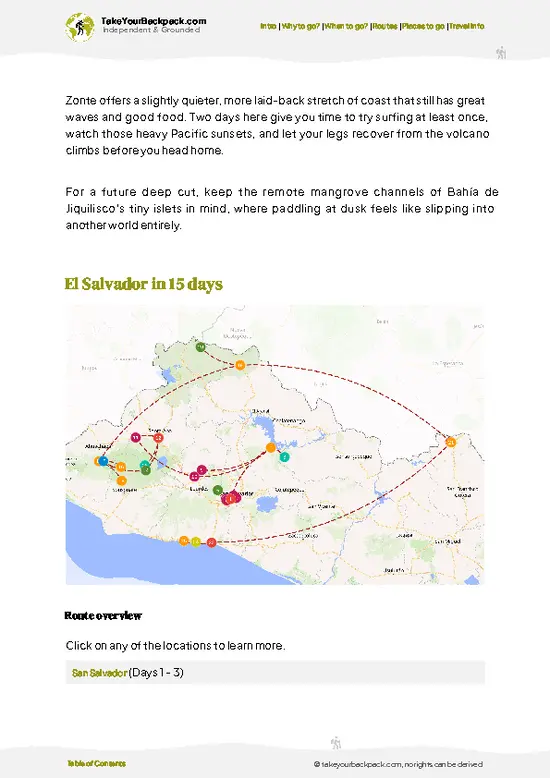
Optimized 5, 10 & 15-day travel routes
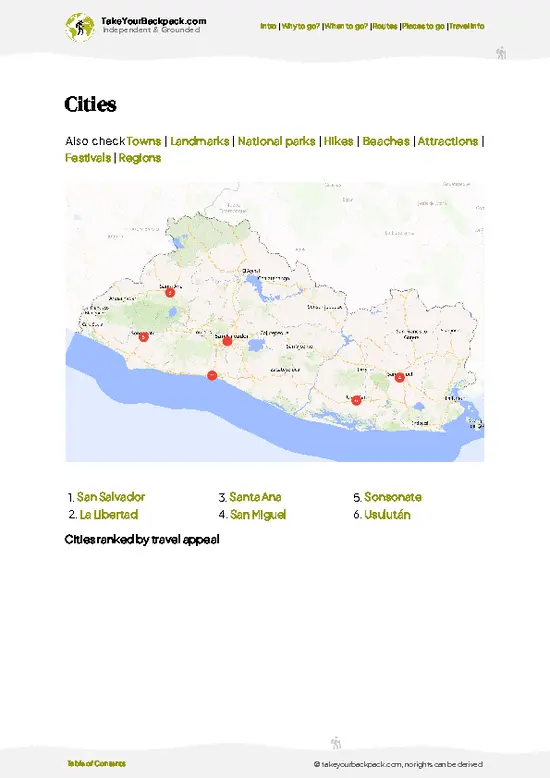
Cities, national parks, landmarks, beaches
How to get around
Offline-friendly for travel without Wi-Fi
👉 Click to see all 30+ guide features

📅 Plan smarter in minutes, not weeks
Month by month travel advice
Festivals & national holidays
Budget expectations

🗺️ Go to the right places, skip the overrated ones
Honest pros & cons of destinations
Top hikes, parks & viewpoints
Lesser-known places most travelers miss
Clear “worth it vs skip it” guidance

🛏️ Travel smoothly without rookie mistakes
Best areas to stay
Transport systems explained simply
Common scams & safety advice
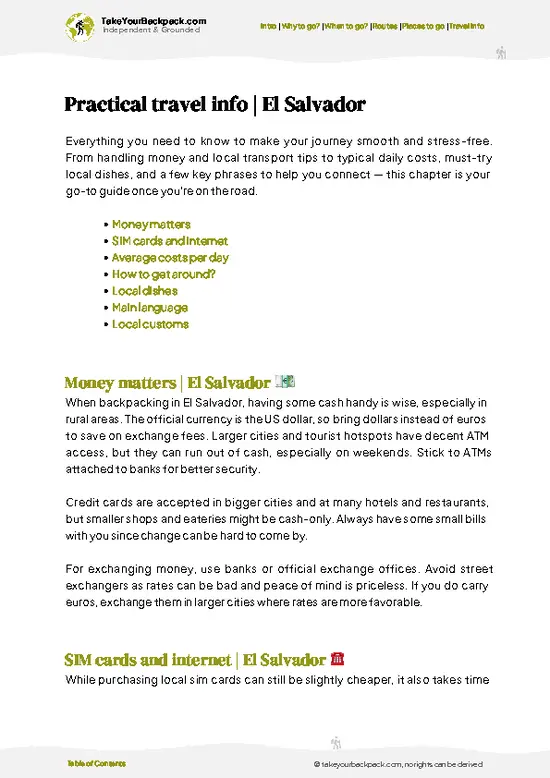
SIM cards, money & practical tips

🌍 Understand the country, not just visit it
Culture & traditions
52 Essential phrases & customs
Festivals worth planning around
Traveler-friendly historical context
Insights that make places more meaningful

📱 Built for real travel conditions
Fully downloadable PDF
Works completely offline
Optimized for phone use
Useful in remote areas & buses
Everything in one place
Save weeks of stressful planning
Get instant access to your full guide. 30‑day money-back guarantee.


By proceeding you agree to our terms.
Sent to your inbox immediately after payment • 100% Secure Checkout
Best Backpacking Travel Advisor 2025 tourism awardBest Backpacking
Travel Advisor
2025
What others say about Take Your Backpack Guides:
⭐⭐⭐⭐⭐
Fantastic, amazing amount of information!
⭐⭐⭐⭐⭐
My goodness this is amazing, it's what I've been looking for hats off too you!
⭐⭐⭐⭐⭐
I think this is absolutely BRILLIANT
⭐⭐⭐⭐
Very complete and informative. It's still missing places, but I gotta to commend you
⭐⭐⭐⭐⭐
This is truly amazing, thank you, can't wait to explore it with my kids!
⭐⭐⭐⭐⭐
Awesome resource, thank you!
⭐⭐⭐⭐⭐
This is amazing! Can't wait to explore the ones I haven't seen
⭐⭐⭐⭐
I love this! Well done, great idea.
⭐⭐⭐⭐⭐
Thanks for taking the time to make this gem!
⭐⭐⭐⭐⭐
This might be the best website I've ever seen.
⭐⭐⭐⭐⭐
Congratulations, and thank you so much for your work; it's incredibly valuable.
⭐⭐⭐⭐
In all seriousness I think you did a great job pointing out the important spots
⭐⭐⭐⭐⭐
10/10 very good
⭐⭐⭐⭐⭐
As someone who's only just starting to visit regularly this is awesome, thank you.
⭐⭐⭐⭐
Thank you very much! I'm going to visit my dad, it's going to be very useful!
⭐⭐⭐⭐⭐
This is really cool! We'll be travelling for the first time and this definitely come in handy.
⭐⭐⭐⭐⭐
You are now our minister of culture, congratulations 👨‍💼
⭐⭐⭐⭐⭐
Just wanted to tell you that this is a pearl! Going to follow your recommendations.
⭐⭐⭐⭐⭐
This is so cool. I'll definitely be using the resource for my travels soon.
⭐⭐⭐⭐⭐
This is very impressive! Good work.
⭐⭐⭐⭐⭐
This is an amazing and informative site. Very well done!

🛏️ Where to stay?Choosing the right base

San Salvador’s backpacker sweet spot is the Zona Rosa and its immediate surroundings. This area strikes a smart balance between safety, social buzz, and budget options. It’s not the cheapest corner of the city, but it’s where you’ll find a cluster of hostels geared toward solo travelers and small groups who want to connect without sacrificing basic comfort. The vibe here is lively but manageable—cafés, bars, and street food stalls spill into the streets, creating natural hangouts that make meeting people effortless.

Compared to downtown San Salvador, Zona Rosa feels less chaotic and sketchy, … read more 👉
San Salvador’s backpacker sweet spot is the Zona Rosa and its immediate surroundings. This area strikes a smart balance between safety, social buzz, and budget options. It’s not the cheapest corner of the city, but it’s where you’ll find a cluster of hostels geared toward solo travelers and small groups who want to connect without sacrificing basic comfort. The vibe here is lively but manageable—cafés, bars, and street food stalls spill into the streets, creating natural hangouts that make meeting people effortless.

Compared to downtown San Salvador, Zona Rosa feels less chaotic and sketchy, which matters when you’re carrying your gear and navigating unfamiliar streets. Downtown has its charms and is cheaper, but the trade-off is a higher risk of petty crime and a less welcoming atmosphere for newcomers. On the other hand, neighborhoods like Escalón offer a more upscale, residential feel with fewer social opportunities and higher prices, making them less ideal for budget backpackers seeking community.

Zona Rosa’s accessibility to public transport and proximity to cultural spots also means you’re not locked into expensive taxis or long commutes. You’re trading a bit of money for safety and social ease, which pays off in peace of mind and memorable connections. In San Salvador, this trade-off is where the backpacker game is won.

🚌 Getting aroundMoving around without the hassle

San Salvador moves with a pulse that’s part chaos, part rhythm—like a street musician improvising over a steady beat. The city’s flow isn’t about strict timetables or pristine order; it’s a dance of honking buses, weaving motos, and pedestrians carving their own paths. You’ll find that time here bends around traffic snarls and market bustle, demanding a flexible mindset. Understanding the trade-offs between time, money, and comfort is your secret weapon. You’re not just getting from A to B; you’re navigating a living system where every choice shifts your experience.


  • Walking: The cheapest and most flexible way to explore downtown and nearby neighborhoods. It costs nothing but your energy and time. Walking lets you soak in street life, but distances can be long and sidewalks uneven, so plan
read more 👉
San Salvador moves with a pulse that’s part chaos, part rhythm—like a street musician improvising over a steady beat. The city’s flow isn’t about strict timetables or pristine order; it’s a dance of honking buses, weaving motos, and pedestrians carving their own paths. You’ll find that time here bends around traffic snarls and market bustle, demanding a flexible mindset. Understanding the trade-offs between time, money, and comfort is your secret weapon. You’re not just getting from A to B; you’re navigating a living system where every choice shifts your experience.


  • Walking: The cheapest and most flexible way to explore downtown and nearby neighborhoods. It costs nothing but your energy and time. Walking lets you soak in street life, but distances can be long and sidewalks uneven, so plan for slower progress and occasional detours around traffic or construction.


  • Microbuses: These minibuses are the backbone of local transit, running from early morning (around 5:00 AM) until about 9:00 PM. Fares hover around $0.25 to $0.50, making them unbeatable for budget travelers. They’re fast when traffic cooperates but can get packed and uncomfortable during rush hours. Routes aren’t always clearly marked, so a bit of local savvy or a phrasebook helps.


  • Rutas (Public Buses): Larger and slower than microbuses, rutas cover longer distances and run on fixed routes with stops. They operate roughly from 5:00 AM to 8:00 PM, costing about $0.30 to $0.75. Expect a slower ride with frequent stops and a more relaxed pace, but they offer a window into daily life and are less cramped than microbuses.


  • Taxis: Metered taxis exist but are less common and often replaced by informal taxi services. Expect to negotiate fares upfront, usually between $3 and $10 depending on distance. Taxis offer comfort and speed but at a significant cost premium. They’re best for late-night rides or when you’re carrying heavy gear.


  • Mototaxis: These three-wheeled motorcycles are a quick way to navigate narrow streets and avoid traffic jams. They’re cheap (around $0.50 to $1 per ride) and fast for short distances but offer zero protection from weather or road hazards. Use them for short hops when time is tight and you’re comfortable with a bit of risk.


Mastering San Salvador’s transit means balancing your priorities: save money and embrace the microbus crush, or pay up for a taxi and reclaim your time and comfort. Walking gives you freedom but demands stamina. Mototaxis slice through traffic but trade safety for speed. Each choice is a move in the game—knowing the trade-offs lets you play it smart and win your day.

👛 Costs (as of 22 December 2024)Typical daily expenses

Backpacking in San Salvador, El Salvador, offers a clear trade-off between cost and comfort, with prices leaning toward the budget-friendly side but varying by season and choice of experience.
  • Dorm Accommodation (High Season): Expect to pay around $10 to $15 per night. This is when demand peaks, often during local festivals or holidays, pushing prices slightly higher but still affordable.
  • Dorm Accommodation (Off-Season): Prices drop to about $7 to $10 per night. Hostels ease up on rates, making it a great time to snag a bed for less without sacrificing safety or basic amenities.
  • Meals: Street food and casual local eateries dominate the scene, with typical meals costing between $2 and $5. For a mix of traditional pupusas or a simple plate of rice and beans, this is your sweet spot for authentic,
read more 👉
Backpacking in San Salvador, El Salvador, offers a clear trade-off between cost and comfort, with prices leaning toward the budget-friendly side but varying by season and choice of experience.
  • Dorm Accommodation (High Season): Expect to pay around $10 to $15 per night. This is when demand peaks, often during local festivals or holidays, pushing prices slightly higher but still affordable.
  • Dorm Accommodation (Off-Season): Prices drop to about $7 to $10 per night. Hostels ease up on rates, making it a great time to snag a bed for less without sacrificing safety or basic amenities.
  • Meals: Street food and casual local eateries dominate the scene, with typical meals costing between $2 and $5. For a mix of traditional pupusas or a simple plate of rice and beans, this is your sweet spot for authentic, filling food without breaking the bank.
  • Local Transport: Buses and shared vans are the norm, with fares usually around $0.25 to $0.50 per ride. It’s cheap but expect crowded conditions and irregular schedules.
  • City Transport Pass: If you plan to move around a lot, a monthly or weekly pass isn’t common, but budgeting about $10 to $15 weekly for frequent rides is realistic. This gives you flexibility without the hassle of buying single tickets constantly.
  • Basic Activities/Entry Fees: Museums, parks, and cultural sites typically charge between $2 and $5. Some popular spots might be slightly higher, but nothing here demands a big splurge.
  • Miscellaneous Expenses: Think bottled water, occasional snacks, or small tips—budget around $3 to $5 daily. These add up but remain manageable if you keep an eye on them.

In total, a backpacker in San Salvador can expect to spend roughly $15 to $30 per day, depending on season and lifestyle choices. This range balances low-cost basics with enough flexibility to enjoy the city’s offerings without feeling pinched.


source: elsalvador.travel
⚠️ Prices can change and everyone travels differently, so take this as a rough guide. Hope it helps you plan your adventure!

🚌 Day tripsExploring the surroundings

San Salvador is a fantastic launchpad for day trips that pack a punch without draining your wallet or time. Let’s dive into some high-value adventures that will elevate your experience in El Salvador.

Volcán de San Salvador
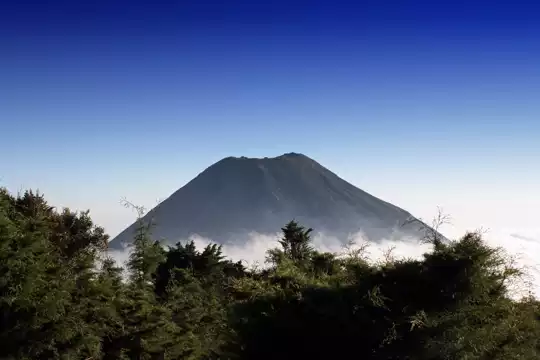
Just a short 30-minute bus ride from the city, this volcano offers a thrilling hike with panoramic views that make the effort worthwhile. The trail is well-marked, but don’t underestimate the steep sections. Bring plenty of water and snacks; you’ll want to linger at the summit. The best time to go is early morning to avoid the heat and catch the sunrise. Many first-timers forget to check the weather, so plan accordingly.


Suchitoto
About an hour and a half from San Salvador, this charming colonial town is a breath of fresh air. The cobblestone streets and vibrant … read more 👉
San Salvador is a fantastic launchpad for day trips that pack a punch without draining your wallet or time. Let’s dive into some high-value adventures that will elevate your experience in El Salvador.

Volcán de San Salvador
Just a short 30-minute bus ride from the city, this volcano offers a thrilling hike with panoramic views that make the effort worthwhile. The trail is well-marked, but don’t underestimate the steep sections. Bring plenty of water and snacks; you’ll want to linger at the summit. The best time to go is early morning to avoid the heat and catch the sunrise. Many first-timers forget to check the weather, so plan accordingly.


Suchitoto
About an hour and a half from San Salvador, this charming colonial town is a breath of fresh air. The cobblestone streets and vibrant art scene are perfect for wandering. You can explore the local market, visit the historic church, or take a boat ride on Lake Suchitlán. Budget around $10 for transport and a meal. The rainy season can dampen your plans, so aim for the dry months from November to April.
👉 Explore Suchitoto

La Ruta de Las Flores
This scenic route, roughly two hours from the capital, is a tapestry of coffee plantations, waterfalls, and quaint villages. You can hop between towns like Juayúa and Apaneca, sampling local food and coffee along the way. It’s a great way to experience the local culture without breaking the bank—expect to spend around $15 for transport and snacks. Many backpackers miss out on the hidden waterfalls; don’t be one of them!


El Tunco
If you’re craving some beach time, head to El Tunco, just under an hour away. This surf town is buzzing with energy, perfect for chilling out or catching some waves. You can rent a board for about $10 or just enjoy the sunset with a local pupusa in hand. The weekends can get crowded, so consider a weekday visit for a more relaxed vibe.
👉 Explore El Tunco

Cerro Verde National Park
A two-hour trip will land you in this stunning national park, where you can hike and explore diverse ecosystems. The trails are well-maintained, and you might even spot some wildlife. Bring a packed lunch to enjoy amidst the lush scenery. Many backpackers overlook the entrance fee, which is around $3, so plan for that in your budget.
👉 Explore Cerro Verde National Park
Want to know what more El Salvador offers?
The El Salvador Travel Guide describes 79 highlights, from cities to national parks, from beaches to hikes

Get the Travel Guide -

🍲 FoodEating & Drinking in San Salvador

In San Salvador, the food scene is a vibrant tapestry of flavors that beckons you to dive in. Start with pupusas, the iconic dish made of thick corn tortillas stuffed with cheese, beans, or pork. They’re often served with a tangy slaw called curtido and a spicy tomato sauce. Grab a few from a street vendor, and you’ll feel the pulse of local life around you.

Markets are the heartbeat of the city. The Mercado Central is a sensory overload, where the aroma of grilled meats mingles with the sweetness of fresh fruit. Here, you can sample yuca frita or tamales, each bite a testament to the region’s culinary heritage. Don’t skip the horchata, a refreshing drink made from rice, cinnamon, and vanilla — it’s the perfect antidote to the heat.

As the sun sets, the bar scene comes alive. Casual spots … read more 👉
In San Salvador, the food scene is a vibrant tapestry of flavors that beckons you to dive in. Start with pupusas, the iconic dish made of thick corn tortillas stuffed with cheese, beans, or pork. They’re often served with a tangy slaw called curtido and a spicy tomato sauce. Grab a few from a street vendor, and you’ll feel the pulse of local life around you.

Markets are the heartbeat of the city. The Mercado Central is a sensory overload, where the aroma of grilled meats mingles with the sweetness of fresh fruit. Here, you can sample yuca frita or tamales, each bite a testament to the region’s culinary heritage. Don’t skip the horchata, a refreshing drink made from rice, cinnamon, and vanilla — it’s the perfect antidote to the heat.

As the sun sets, the bar scene comes alive. Casual spots buzz with laughter and chatter, where locals sip on cerveza or aguas frescas. It’s customary to share a toast, so don’t be shy about joining in.

Etiquette is simple: eat with your hands when it comes to pupusas, and don’t rush. Meals are a communal affair, meant to be savored. In San Salvador, food isn’t just sustenance; it’s a way to connect, to share stories, and to embrace the vibrant culture around you.

🛡️ SafetyTraveler Safety Guide

San Salvador has a vibrant pulse, but like any city, it requires a bit of savvy. Generally, it’s safe, especially in tourist-friendly areas like Zona Rosa and the historic center. However, stay aware in less populated spots, particularly after dark. Solo travelers should stick to well-lit streets and avoid wandering too far off the beaten path at night.

Scams are rare but can happen. Be cautious of overly friendly strangers offering unsolicited help, especially at bus stations. They might lead you to a taxi that charges more than necessary. Always opt for registered taxis or rideshare apps for peace of mind.

Annoyances can include aggressive street vendors. A polite “no, gracias” usually does the trick. Keep your belongings close, especially in crowded areas, and avoid flashy displays of … read more 👉
San Salvador has a vibrant pulse, but like any city, it requires a bit of savvy. Generally, it’s safe, especially in tourist-friendly areas like Zona Rosa and the historic center. However, stay aware in less populated spots, particularly after dark. Solo travelers should stick to well-lit streets and avoid wandering too far off the beaten path at night.

Scams are rare but can happen. Be cautious of overly friendly strangers offering unsolicited help, especially at bus stations. They might lead you to a taxi that charges more than necessary. Always opt for registered taxis or rideshare apps for peace of mind.

Annoyances can include aggressive street vendors. A polite “no, gracias” usually does the trick. Keep your belongings close, especially in crowded areas, and avoid flashy displays of wealth. Carry a small amount of cash for street food or local markets, but keep your main stash secure. With a bit of awareness, you can navigate San Salvador confidently and enjoy its rich culture.

Other Salvadoran cities near San Salvador

Explore more nearby:

  • La Libertad—Pacific surf breaks, seafood piers, coastal highway| 25 km away
  • Santa Ana—Neo-Gothic cathedral, coffee estates, colonial center| 49 km away
  • Sonsonate—Railway heritage, market streets, gateway to Ruta de Las Flores| 55 km away

💡 Not sure where to go next?
Create a personalized itinerary for El Salvador including San Salvador and the places that fit your trip.

Generate my itinerary

👉 Discover all cities

Or checkout all El Salvador has to offer (think cities, towns, villages, national parks, hikes, beaches, festivals)
Country photo of El Salvador

We 💚 feedbackSumming up the experience

San Salvador has a raw energy that’s hard to shake off. The street food? A revelation—try the pupusas; they’ll change your life. But don’t get too comfortable; the city has its gritty edges. Stay aware, especially after dark. The best surprise? The vibrant art scene in neighborhoods like Santa Tecla. It’s a canvas of colors and stories. Embrace the chaos, and you’ll find a warmth in the people that makes every moment worth it. Just keep your wits about you, and you’ll be golden.

✍️ Help improve this page!
The information on this page is based on in-depth research, insights shared by experienced travelers, and feedback from the local travel community in El Salvador. While every effort is made to keep the information accurate and current, conditions can change — so if you spot anything incorrect or outdated, please get in touch.


🙋‍♂️ Give feedback

👋 Meet the founderWho’s Behind Take Your Backpack?

Johan, backpacker and founder of TakeYourBackpackHi, I’m Johan (Netherlands 🇳🇱), the creator of TakeYourBackpack. Over the past decade, I’ve backpacked through 80+ countries across six continents, gaining extensive experience with independent travel, long-term trips, and overland routes.

This site is built on a combination of firsthand travel experience and carefully curated insights from other backpackers. Many guides are based on places I’ve personally visited, while others bring together tips, observations, and practical advice shared by trusted travelers I’ve met along the way.

The goal is to provide realistic, experience-driven guidance — not generic itineraries — so you can explore destinations with better context, clearer expectations, and more confidence.

Get full country guide •
Instant download • 79 highlights • Full Offline guide