×

Faroe Islands🇫🇴 | villagesKirkjubømedieval ruins, Roykstovan farmhouse, pilgrimage site | things to do and best time to go

Explore TvøroyriExplore National Theatre of the Faroe Islands

Backpacking in Kirkjubø
🌟 Highlightvillage ranked #5
By Johan Kruseman 🇳🇱 | Updated September 4, 2026

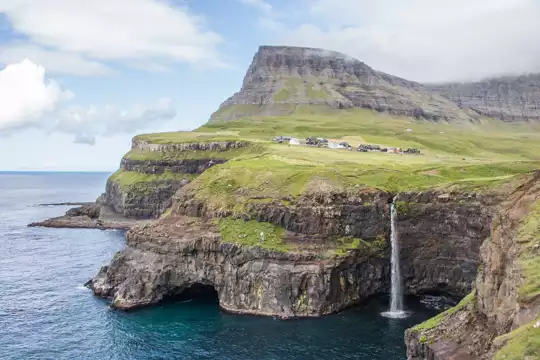
Forget the postcard myth: Kirkjubø isn’t some bustling medieval hamlet frozen in time. It’s a working village, small enough that the wind off the Atlantic feels like it’s always just circled the last house. You’ll find Kirkjubø on the southwest edge of Streymoy, the main island of the Faroes, where the land drops into the sea and sheep outnumber people by a wide margin. For backpackers, Kirkjubø is a crossroads between the Faroe Islands’ ancient pulse and its raw, everyday quiet. The pros? You get the oldest wooden house in Europe (still lived in), a 900-year-old church, and a footpath that rolls over green hills straight to the next village—no cars, just the sound of your boots and the sea. The cons? Evenings are hushed, with little more than the glow of a kitchen window and the scent of peat smoke. You’ll meet other travelers if you stay in a guesthouse, but this isn’t a social hub like Tórshavn. Compared to nearby Velbastaður or Hvalvík, Kirkjubø is more exposed, more historic, and far quieter—perfect if you want to feel the Faroe Islands’ bones, not just its surface.

Discover everything you want to know in the 📖 Faroe Islands Travel Guide.
Best time to go: March - October
Population: less than 100
Loading the map 🌍
CLICK TO FILTER
towns
villages
landmarks
national parks
hikes
beaches
attractions
festivals
regions
SHOW COUNTRY’S BESTSHOW ALL

✨ Why go?
Ranked #5 village in Faroe Islands
What makes this village worth visiting

Kirkjubø sits quietly on the edge of the Faroe Islands, a deliberate pause in the whirlwind of island hopping. Backpackers choose it not for flashy attractions but for its slow, grounded rhythm—the kind that lets you breathe in the salty air and hear the distant slap of waves against rugged cliffs. It’s a place where the grass grows thick on old turf roofs, and the scent of peat fires lingers in the cool breeze, grounding you in a timeless Faroese moment. For hikers, Kirkjubø is a strategic base: close enough to launch into wild coastal trails and secluded beaches, yet far enough from busier hubs to feel like a genuine retreat. The village’s small size and quiet streets mean you won’t find a bustling nightlife or crowds, making it ideal for solo travelers or couples craving calm after days … read more 👉
Kirkjubø sits quietly on the edge of the Faroe Islands, a deliberate pause in the whirlwind of island hopping. Backpackers choose it not for flashy attractions but for its slow, grounded rhythm—the kind that lets you breathe in the salty air and hear the distant slap of waves against rugged cliffs. It’s a place where the grass grows thick on old turf roofs, and the scent of peat fires lingers in the cool breeze, grounding you in a timeless Faroese moment. For hikers, Kirkjubø is a strategic base: close enough to launch into wild coastal trails and secluded beaches, yet far enough from busier hubs to feel like a genuine retreat. The village’s small size and quiet streets mean you won’t find a bustling nightlife or crowds, making it ideal for solo travelers or couples craving calm after days of trekking or ferry hopping. Most visitors stay briefly—one or two nights—to recharge, savor local character, and prepare for the next leg. It’s not a place to linger if you crave constant social buzz, but for those who appreciate the texture of everyday island life and the slow unfolding of landscape, Kirkjubø offers a rare, unhurried clarity that makes the rest of the Faroe Islands feel even more alive.
Want to include Kirkjubø in your Faroe Islands route?
Create a personalized Faroe Islands itinerary that includes Kirkjubø and the places that fit your trip — based on your travel style, budget, and available time. Get your route in seconds.

Generate my trip

💡 HighlightsThe experiences that define the visit

Kirkjubøargarður (King’s Farm)
You step into Kirkjubøargarður and the air shifts—there’s a cool, earthy scent of old timber and sheep wool, the kind that clings to your boots after a morning fog. This isn’t just the oldest wooden house in Europe still inhabited (since the 11th century, no less); it’s the living, beating heart of Faroese history. The Patursson family, who have called it home for 17 generations, still tend the sheep and welcome visitors into rooms where medieval bishops once plotted and poets scribbled. The black-tarred walls and turf roof are as much a part of the landscape as the sea beyond. You’ll see ancient beams, hand-carved benches, and relics that feel almost mythic—like the whale vertebrae used as stools. Best visited in the late morning or early afternoon, when the … read more 👉
Kirkjubøargarður (King’s Farm)
You step into Kirkjubøargarður and the air shifts—there’s a cool, earthy scent of old timber and sheep wool, the kind that clings to your boots after a morning fog. This isn’t just the oldest wooden house in Europe still inhabited (since the 11th century, no less); it’s the living, beating heart of Faroese history. The Patursson family, who have called it home for 17 generations, still tend the sheep and welcome visitors into rooms where medieval bishops once plotted and poets scribbled. The black-tarred walls and turf roof are as much a part of the landscape as the sea beyond. You’ll see ancient beams, hand-carved benches, and relics that feel almost mythic—like the whale vertebrae used as stools. Best visited in the late morning or early afternoon, when the light slants through the tiny windows and the family is most likely to offer a guided tour. Entry is usually around 70-100 DKK, and you’ll want at least 45 minutes to do it justice. Don’t rush; let the creaks and whispers of the house settle in.


Saint Olav’s Church (Kirkjubøur Church)
The stone walls of Saint Olav’s Church have stood since the 12th century, battered by Atlantic winds and the salt tang that rides in from the fjord. Step inside and you’re greeted by the hush of centuries—faded frescoes, the scent of cold stone, and the echo of hymns sung by generations of islanders. This is the oldest church still in use in the Faroes, and it’s not just a relic; it’s a living part of the village, hosting baptisms and weddings beneath its low, wooden ceiling. The graveyard outside is a roll call of local history, with lichen-covered stones and wildflowers nodding in the breeze. Visit in the late afternoon for the best light through the windows, and if you’re lucky, you’ll catch the organist practicing. There’s no entry fee, and 20-30 minutes is enough for a thoughtful visit—longer if you linger among the gravestones.


Magnus Cathedral Ruins
Just a few steps from the church, the Magnus Cathedral ruins rise like a skeleton of ambition—massive sandstone blocks, open to the sky, with grass and wild thyme pushing through cracks. Construction began in the 1300s, but the cathedral was never finished, leaving behind a haunting, roofless shell that’s both beautiful and a little melancholic. Stand in the nave and you’ll feel the wind funnel through the arches, carrying the cries of seabirds and the distant clang of sheep bells. It’s a place for quiet awe, especially at sunset when the stones glow gold and the Atlantic horizon burns orange. Free to wander, and you’ll need 20-30 minutes to soak in the atmosphere. Bring a rain jacket—the weather turns fast.


Kirkjubø is compact, but if you crave more, the dramatic cliffs of Hestur Island, the windswept beaches of Sandur, and the puffin colonies at Skúvoy are all within easy day-trip reach—each a different chapter in the Faroese story, just beyond the village’s ancient stones.
Spotted a mistake or missing something? Contact us.

🌤️ When to go?Weather, crowds, and seasonal trade-offs


  • Weather: Kirkjubø’s weather is famously fickle, with frequent rain and wind year-round. The summer months, especially June through August, offer the mildest conditions, with temperatures hovering around 10-13°C (50-55°F). This is when the skies clear enough to appreciate the rugged coastline without being drenched every hour.

  • Temperature: Winters (November to February) are cold and damp, averaging 2-5°C (36-41°F), which can make outdoor exploration less inviting. Spring and autumn sit in a cool middle ground, but expect chill and moisture. Summer’s relative warmth is your best bet for comfortable hiking and village strolls.

  • Daylight Hours: The Faroe Islands swing from about 3-4 hours of daylight in December to nearly 20 hours in June. Visiting in late May to early July means long, lingering
read more 👉

  • Weather: Kirkjubø’s weather is famously fickle, with frequent rain and wind year-round. The summer months, especially June through August, offer the mildest conditions, with temperatures hovering around 10-13°C (50-55°F). This is when the skies clear enough to appreciate the rugged coastline without being drenched every hour.

  • Temperature: Winters (November to February) are cold and damp, averaging 2-5°C (36-41°F), which can make outdoor exploration less inviting. Spring and autumn sit in a cool middle ground, but expect chill and moisture. Summer’s relative warmth is your best bet for comfortable hiking and village strolls.

  • Daylight Hours: The Faroe Islands swing from about 3-4 hours of daylight in December to nearly 20 hours in June. Visiting in late May to early July means long, lingering evenings perfect for soaking in the village’s quiet charm under soft, extended daylight.

  • Crowds: Kirkjubø is never overwhelmed, but summer sees a gentle uptick in visitors. If you want the village almost to yourself, aim for late May or early September when the weather is still decent but the day-trippers thin out.

  • Seasonal Activities: Summer brings local festivals and boat tours, adding layers to your experience beyond hiking. Winter offers a stark, raw beauty but fewer services and limited daylight, which can feel isolating rather than immersive.

  • Price Fluctuations: Accommodation and transport costs peak in July and August. Booking in shoulder months like May or September can save you money while still delivering good weather and daylight.


Pro-tip: Plan for late spring or early autumn to balance decent weather, extended daylight, fewer crowds, and better prices—this is when Kirkjubø’s atmosphere feels most genuine and accessible.


source: climatestotravel.comJANJanuary: fair for travelingFEBFebruary: fair for travelingMARMarch: good for travelingAPRApril: good for travelingMAYMay: highly recommended for travelingJUNJune: excellent for travelingJULJuly: excellent for travelingAUGAugust: excellent for travelingSEPSeptember: highly recommended for travelingOCTOctober: good for travelingNOVNovember: fair for travelingDECDecember: below average for traveling
faroe-islands-city-kirkjubo
© Google |

✈️ The backpacker research shortcutFaroe Islands Travel Guide

An offline-friendly backpacking guide with optimized travel routes, ranked highlights, transport advice, and the best areas to stay.
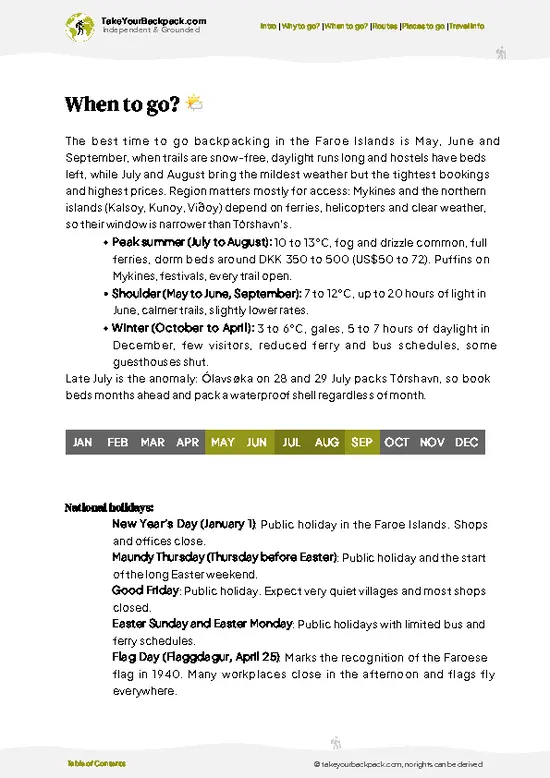
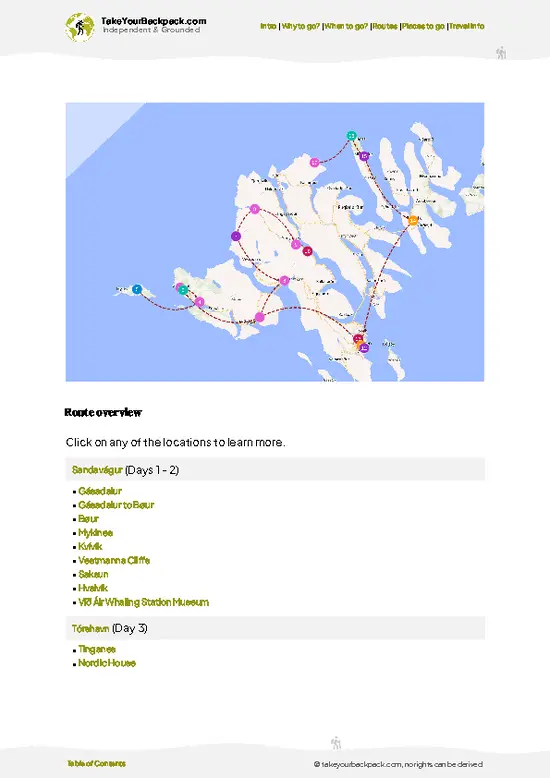
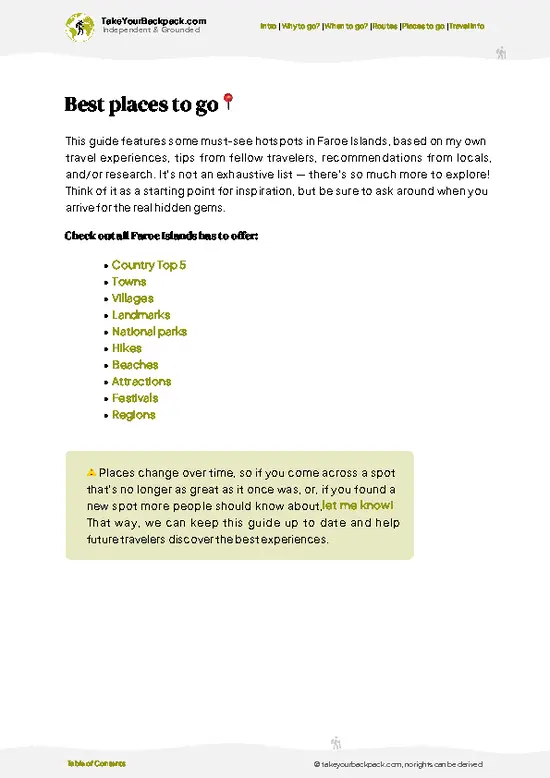
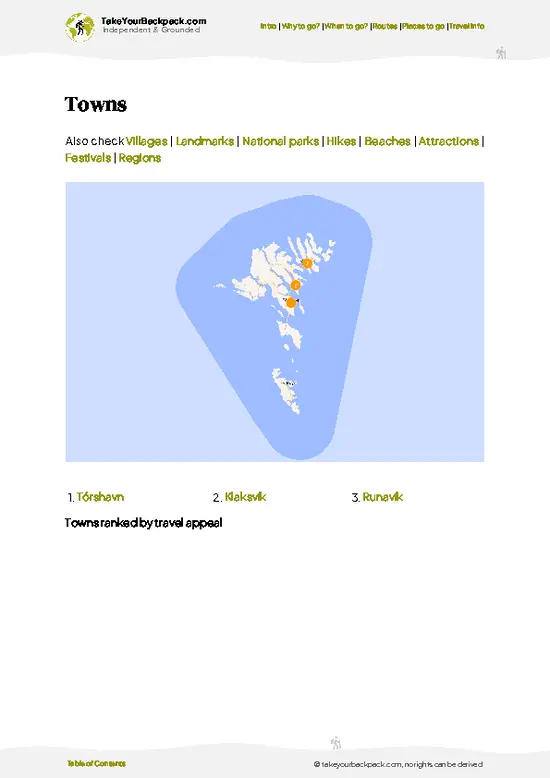
example page 0 from our offline Travel Guide for Faroe Islands
example page 1 from our offline Travel Guide for Faroe Islands
example page 2 from our offline Travel Guide for Faroe Islands
example page 3 from our offline Travel Guide for Faroe Islands
example page 4 from our offline Travel Guide for Faroe Islands
example page 5 from our offline Travel Guide for Faroe Islands
example page 6 from our offline Travel Guide for Faroe Islands
example page 7 from our offline Travel Guide for Faroe Islands
The digital guide (164 pages) contains:
40 highlights, ranked by travel appeal
Optimized 2, 3 & 5-day travel routes
Cities, national parks, landmarks, beaches
How to get around
Offline-friendly for travel without Wi-Fi
👉 Click to see all 30+ guide features

📅 Plan smarter in minutes, not weeks
Month by month travel advice
Festivals & national holidays
Budget expectations

🗺️ Go to the right places, skip the overrated ones
Honest pros & cons of destinations
Top hikes, parks & viewpoints
Lesser-known places most travelers miss
Clear “worth it vs skip it” guidance

🛏️ Travel smoothly without rookie mistakes
Best areas to stay
Transport systems explained simply
Common scams & safety advice
SIM cards, money & practical tips

🌍 Understand the country, not just visit it
Culture & traditions
52 Essential phrases & customs
Festivals worth planning around
Traveler-friendly historical context
Insights that make places more meaningful

📱 Built for real travel conditions
Fully downloadable PDF
Works completely offline
Optimized for phone use
Useful in remote areas & buses
Everything in one place
Save weeks of stressful planning
Get instant access to your full guide. 30‑day money-back guarantee.
+ Add another guide for just US$7.80

By proceeding you agree to our terms.
Sent to your inbox immediately after payment • 100% Secure Checkout
Best Backpacking Travel Advisor 2025 tourism awardBest Backpacking
Travel Advisor
2025
What others say about Take Your Backpack Guides:
⭐⭐⭐⭐⭐
Fantastic, amazing amount of information!
⭐⭐⭐⭐⭐
My goodness this is amazing, it's what I've been looking for hats off too you!
⭐⭐⭐⭐⭐
I think this is absolutely BRILLIANT
⭐⭐⭐⭐
Very complete and informative. It's still missing places, but I gotta to commend you
⭐⭐⭐⭐⭐
This is truly amazing, thank you, can't wait to explore it with my kids!
⭐⭐⭐⭐⭐
Awesome resource, thank you!
⭐⭐⭐⭐⭐
This is amazing! Can't wait to explore the ones I haven't seen
⭐⭐⭐⭐
I love this! Well done, great idea.
⭐⭐⭐⭐⭐
Thanks for taking the time to make this gem!
⭐⭐⭐⭐⭐
This might be the best website I've ever seen.
⭐⭐⭐⭐⭐
Congratulations, and thank you so much for your work; it's incredibly valuable.
⭐⭐⭐⭐
In all seriousness I think you did a great job pointing out the important spots
⭐⭐⭐⭐⭐
10/10 very good
⭐⭐⭐⭐⭐
As someone who's only just starting to visit regularly this is awesome, thank you.
⭐⭐⭐⭐
Thank you very much! I'm going to visit my dad, it's going to be very useful!
⭐⭐⭐⭐⭐
This is really cool! We'll be travelling for the first time and this definitely come in handy.
⭐⭐⭐⭐⭐
You are now our minister of culture, congratulations 👨‍💼
⭐⭐⭐⭐⭐
Just wanted to tell you that this is a pearl! Going to follow your recommendations.
⭐⭐⭐⭐⭐
This is so cool. I'll definitely be using the resource for my travels soon.
⭐⭐⭐⭐⭐
This is very impressive! Good work.
⭐⭐⭐⭐⭐
This is an amazing and informative site. Very well done!

🛏️ Where to stay?Where staying makes the most sense

Kirkjubø, with its weathered turf roofs and salt-tinged air, isn’t your typical backpacker hub. It’s small, quiet, and feels like stepping into a living history book. That means your lodging options are limited but deeply authentic. The best move is to aim for the Kirkjubøur Guesthouse, a family-run spot that doubles as a cultural anchor. Staying here means waking up to the smell of peat fires and the distant bleating of sheep, not the buzz of tourist crowds. It’s simple, clean, and right next to the medieval farm, so you’re immersed in the village’s soul from the moment you open your door.

If … read more 👉
Kirkjubø, with its weathered turf roofs and salt-tinged air, isn’t your typical backpacker hub. It’s small, quiet, and feels like stepping into a living history book. That means your lodging options are limited but deeply authentic. The best move is to aim for the Kirkjubøur Guesthouse, a family-run spot that doubles as a cultural anchor. Staying here means waking up to the smell of peat fires and the distant bleating of sheep, not the buzz of tourist crowds. It’s simple, clean, and right next to the medieval farm, so you’re immersed in the village’s soul from the moment you open your door.

If you want to stretch your legs and meet other travelers, the nearby town of Tórshavn, just a 15-minute bus ride away, offers more traditional hostels and guesthouses with social vibes. But here’s the kicker: Kirkjubø’s charm is in its quiet, raw atmosphere. Booking a place in the village itself means embracing that stillness, which is a rare luxury in today’s travel world.

Pro tip: accommodations here fill up fast during summer, so lock in your spot early. Also, pack layers—wind and drizzle sneak in even on clear days. The payoff? Nights spent under Faroese skies so clear you can trace the Milky Way’s icy fingers, all from your doorstep. That’s the kind of stay that makes the rugged journey worth every step.

🚌 Day tripsShort trips worth adding

Kirkjubø on the Faroe Islands is a quiet, manageable hub that feels like a secret handshake for backpackers who want to explore without the hassle of constant packing and moving. It’s small enough to keep your bearings but well connected enough to launch into some of the most rewarding day trips the islands offer.

Gjógv Village and Gorge

A short 40-minute bus ride or a brisk 10-kilometer hike from Kirkjubø, Gjógv is a natural wonder that feels like stepping into a postcard. The gorge itself is a narrow cleft carved by the sea, framed by cliffs that catch the soft Faroese light just right in late spring and summer. The village’s colorful houses and the salty tang of the ocean air make it a sensory treat. Budget travelers can easily get there by public bus for under 10 euros round trip, and … read more 👉
Kirkjubø on the Faroe Islands is a quiet, manageable hub that feels like a secret handshake for backpackers who want to explore without the hassle of constant packing and moving. It’s small enough to keep your bearings but well connected enough to launch into some of the most rewarding day trips the islands offer.

Gjógv Village and Gorge

A short 40-minute bus ride or a brisk 10-kilometer hike from Kirkjubø, Gjógv is a natural wonder that feels like stepping into a postcard. The gorge itself is a narrow cleft carved by the sea, framed by cliffs that catch the soft Faroese light just right in late spring and summer. The village’s colorful houses and the salty tang of the ocean air make it a sensory treat. Budget travelers can easily get there by public bus for under 10 euros round trip, and the hike back offers a chance to stretch legs and soak in the rugged landscape. Avoid the common mistake of rushing through—take time to sit by the water and watch the waves pulse through the gorge. 👉 Explore Kirkjubø

Saksun Lagoon and Village

About an hour’s bus ride from Kirkjubø, Saksun is a quiet village where the sea meets a tidal lagoon surrounded by steep mountains. The dramatic shift between low and high tide here is worth timing your visit for, especially in late spring when the light softens and the lagoon mirrors the sky like glass. The walk from the village to the lagoon is short but steep, rewarding you with views that feel earned. Public transport is reliable but infrequent, so plan your return carefully to avoid a long wait. Entry is free, and packing a simple picnic here turns the trip into a full sensory experience—fresh air, the scent of wet grass, and the distant call of seabirds. 👉 Explore Kirkjubø

Tórshavn, the Capital

Just a 20-minute bus ride from Kirkjubø, Tórshavn is a compact capital that offers a surprising mix of old and new. You can wander cobblestone streets, browse local markets, and sip coffee in cafés where the aroma of freshly ground beans competes with the salty breeze from the harbor. It’s a perfect half-day trip for those who want a break from nature without losing the Faroese vibe. Costs are minimal—bus fare plus whatever you choose to spend on food or souvenirs. The best time to visit is mid-morning when the town wakes up but before the afternoon drizzle rolls in. Don’t make the rookie error of skipping the small museums; they pack a punch of local history and culture. 👉 Explore Kirkjubø

Vestmanna Bird Cliffs Boat Tour

If you’re up for a bit of splurge and a splash of adventure, the boat tour from Vestmanna is a must. It’s about a 45-minute bus ride from Kirkjubø, and the tour itself lasts around two hours, circling towering cliffs alive with puffins, guillemots, and other seabirds. The salty spray, the roar of the ocean, and the dizzying height of the cliffs create a sensory overload that’s hard to forget. Tickets cost around 50 euros, which is steep but worth it for the raw, close-up experience of Faroese wildlife. Summer is the best season here, as the birds are nesting and the weather is more forgiving. Book early to avoid disappointment, especially on weekends. 👉 Explore Kirkjubø
Want to know what more Faroe Islands offers?
The Faroe Islands Travel Guide describes 40 highlights, from cities to national parks, from beaches to hikes

Get the Travel Guide -

FAQCommon questions from travelers

Kirkjubø is accessible by car or bus from Tórshavn, the capital of the Faroe Islands, located about 12 kilometers away. The drive takes roughly 20 minutes via the Eysturoyartunnilin tunnel. Public buses run several times a day but check schedules in advance as frequency varies by season.
Yes, Kirkjubø is worth the trip for its historical significance and scenic views. It hosts Kirkjubøargarður, one of the oldest inhabited wooden houses in the world, dating back to the 11th century. The village offers a unique glimpse into Faroese culture and traditional farming life.
Yes, Kirkjubø can be visited as a day trip from Tórshavn. The short travel time allows for a few hours to explore the historic farm and surrounding nature. Plan for at least half a day to fully appreciate the site and nearby walking trails.
⚠️ Things can change over time, so always validate details locally before you go.

Other Faroese villages near Kirkjubø

Explore more nearby:

  • Nólsoy—harbor village, lighthouse hike, bird colonies| 9 km away
  • Sandavágur—red-roofed church, rune stone, coastal plain| 22 km away
  • Kvívík—Viking longhouse remains, river crossing, hillside views| 23 km away

💡 Not sure where to go next?
Create a personalized itinerary for Faroe Islands including Kirkjubø and the places that fit your trip.

Generate my itinerary

👉 Discover all villages

Or checkout all Faroe Islands has to offer (think cities, towns, villages, national parks, hikes, beaches, festivals)
Country photo of Faroe Islands

We 💚 feedbackIs it worth it?

Kirkjubø hits you with a quiet kind of magic—no crowds, just the wind carrying salty sea air and the low hum of history in every creak of those ancient wooden beams. The real surprise? How alive the past feels here, not like a museum but a lived-in story. Just a heads-up: the weather can flip fast, so pack layers that breathe and block wind. Stick around for the late afternoon light—it softens the turf and makes the whole village glow like it’s holding its breath, waiting for you to notice.

✍️ Help improve this page!
The information on this page is based on in-depth research, insights shared by experienced travelers, and feedback from the local travel community in Faroe Islands. While every effort is made to keep the information accurate and current, conditions can change — so if you spot anything incorrect or outdated, please get in touch.


🙋‍♂️ Give feedback

👋 Meet the founderWho’s Behind Take Your Backpack?

Johan, backpacker and founder of TakeYourBackpackHi, I’m Johan (Netherlands 🇳🇱), the creator of TakeYourBackpack. Over the past decade, I’ve backpacked through 80+ countries across six continents, gaining extensive experience with independent travel, long-term trips, and overland routes.

This site is built on a combination of firsthand travel experience and carefully curated insights from other backpackers. Many guides are based on places I’ve personally visited, while others bring together tips, observations, and practical advice shared by trusted travelers I’ve met along the way.

The goal is to provide realistic, experience-driven guidance — not generic itineraries — so you can explore destinations with better context, clearer expectations, and more confidence.

Get full country guide •
Instant download • 40 highlights • Full Offline guide