×

Faroe Islands🇫🇴 | landmarksKópakonan statueseal woman legend, coastal sculpture, folklore site | things to do and best time to go

Explore Vestmanna CliffsExplore Bøur

Backpacking in Kópakonan statue
👀 For curious travelersunique site ranked #5
By Johan Kruseman 🇳🇱 | Updated September 23, 2026

Salt spray stings your cheeks as the wind barrels in from the North Atlantic, and you squint against the gray glare—there she is, Kópakonan, the seal woman, rising from the rocks with her bronze skin slick with rain. You’re standing at the edge of Mikladalur on Kalsoy, a village so quiet you can hear your own boots scuffing the wet stone steps.

Let’s cut through the Instagram fog: Kópakonan isn’t some secret, untouched wonder, but she’s not a tourist circus either. The statue is remote—really remote. You’ll need to time your ferry, brave a few tunnels, and maybe share the moment with a handful of other windblown souls. No ticket lines, no vendors hawking trinkets, just the raw Faroe Islands mood: wild, brooding, and honest. The story behind her—equal parts folklore and heartbreak—hits harder than any filter. Photos? Sure, but the real magic is the way she anchors you to the edge of the world, reminding you that legends here feel almost plausible.

Discover everything you want to know in the 📖 Faroe Islands Travel Guide.


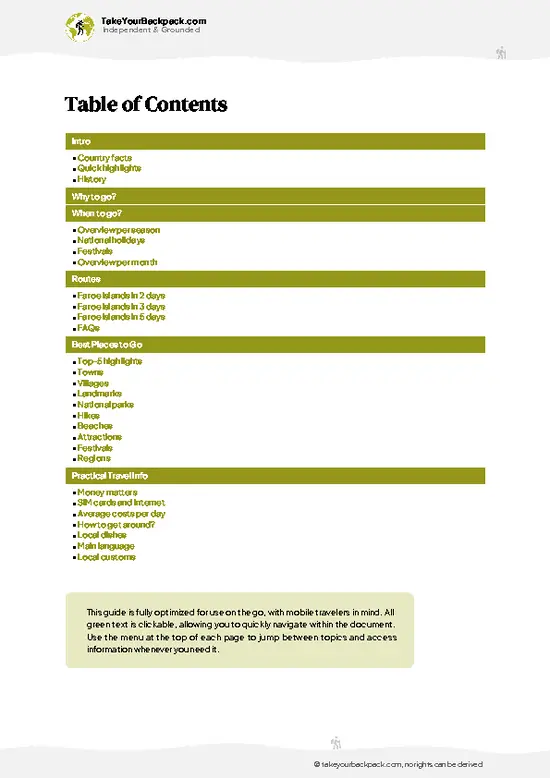
example page 0 from our offline Travel Guide for Faroe Islands
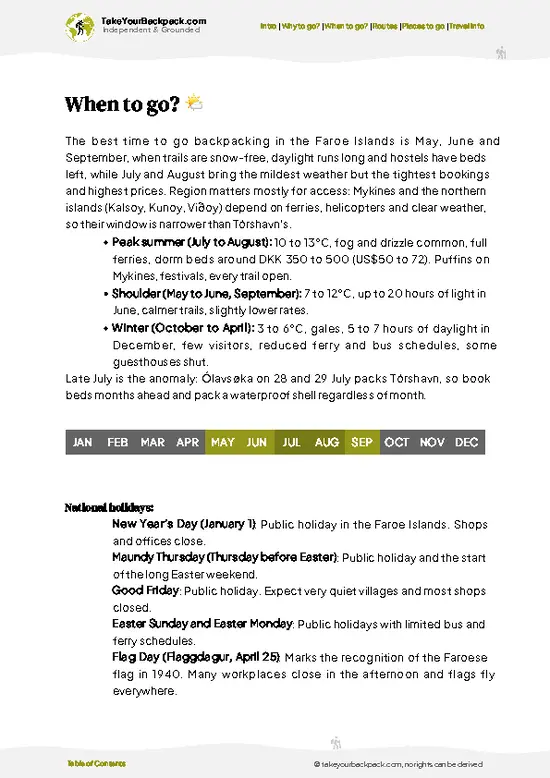
example page 1 from our offline Travel Guide for Faroe Islands
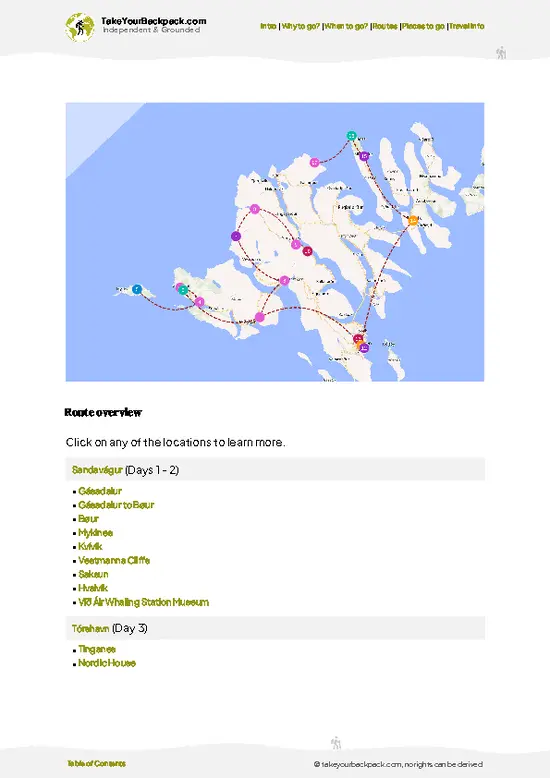
example page 2 from our offline Travel Guide for Faroe Islands
example page 3 from our offline Travel Guide for Faroe Islands
example page 4 from our offline Travel Guide for Faroe Islands
example page 5 from our offline Travel Guide for Faroe Islands
example page 6 from our offline Travel Guide for Faroe Islands
example page 7 from our offline Travel Guide for Faroe Islands
Loading the map 🌍
CLICK TO FILTER
towns
villages
landmarks
national parks
hikes
beaches
attractions
festivals
regions
SHOW COUNTRY’S BESTSHOW ALL

✨ Why go?
Ranked #5 unique site in Faroe Islands
What sets this place apart

The Kópakonan statue in the Faroe Islands isn’t some overhyped tourist trap plastered all over Instagram with crowds elbowing for the perfect selfie. Sure, it draws visitors, but the real magic isn’t in the statue itself—it’s in what it represents and how it fits into your journey. This bronze figure of the Selkie woman, a mythic seal-woman from Faroese folklore, captures a story that’s deeply woven into the islands’ identity. It’s not just a photo op; it’s a tangible connection to local culture and legend.

Getting there is straightforward—located in Tórshavn, the capital, it’s easily accessible by foot or a short bus ride, making it a low-cost stop that doesn’t demand a detour out of your way. Backpackers appreciate this because it slots naturally into a broader itinerary exploring the Faroe … read more 👉
The Kópakonan statue in the Faroe Islands isn’t some overhyped tourist trap plastered all over Instagram with crowds elbowing for the perfect selfie. Sure, it draws visitors, but the real magic isn’t in the statue itself—it’s in what it represents and how it fits into your journey. This bronze figure of the Selkie woman, a mythic seal-woman from Faroese folklore, captures a story that’s deeply woven into the islands’ identity. It’s not just a photo op; it’s a tangible connection to local culture and legend.

Getting there is straightforward—located in Tórshavn, the capital, it’s easily accessible by foot or a short bus ride, making it a low-cost stop that doesn’t demand a detour out of your way. Backpackers appreciate this because it slots naturally into a broader itinerary exploring the Faroe Islands’ rugged landscapes and tight-knit communities. The statue itself isn’t flashy, but it’s a quiet reminder of the islands’ soul, a pause that enriches your understanding beyond the cliffs and fjords.

In short, the Kópakonan statue is worth your time because it’s a low-effort, high-reward cultural checkpoint that grounds your adventure in something uniquely Faroese—no crowds, no cost barriers, just authentic storytelling carved in bronze.

💡 HighlightsPlaces and moments you shouldn't skip

The Kópakonan Statue Itself: Raw, Weather-Battered Artistry
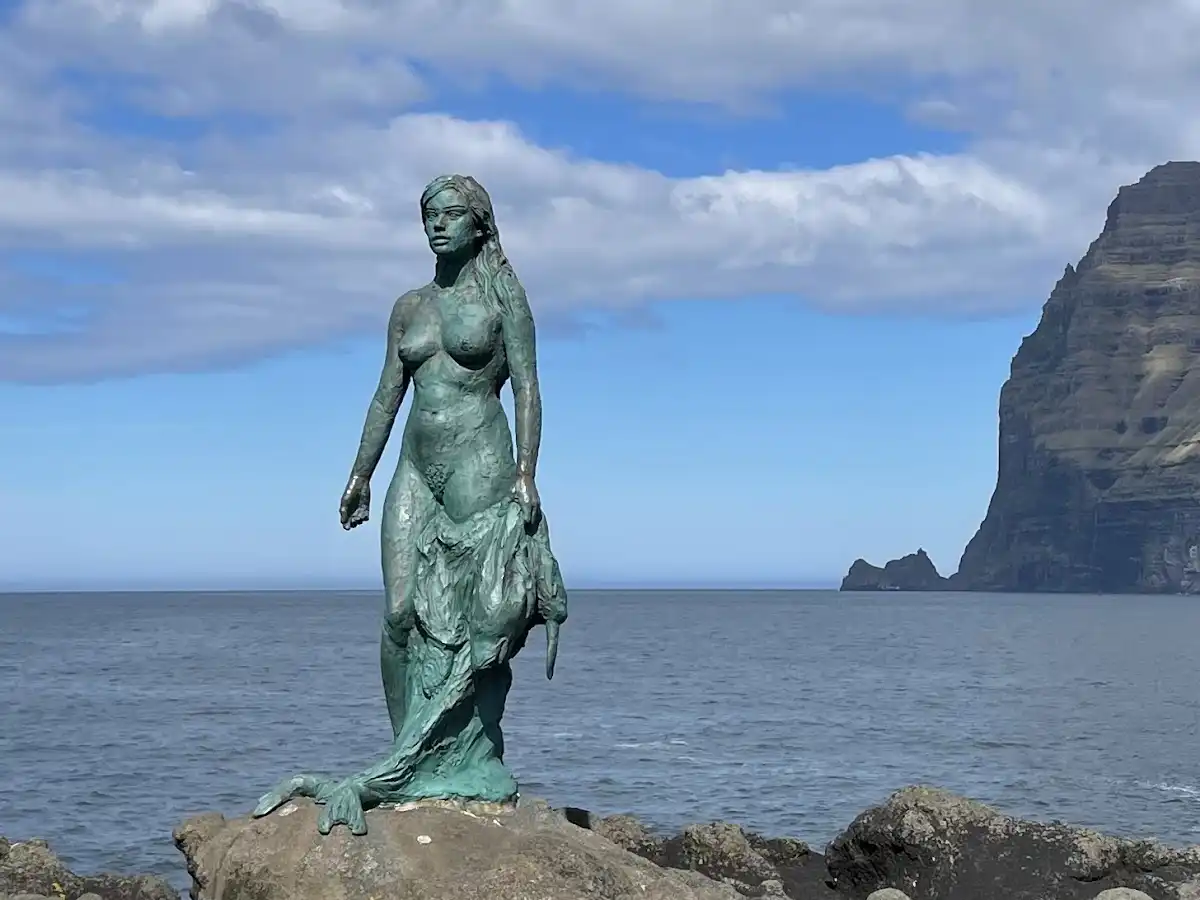
Forget the Instagram-perfect mermaid in Copenhagen. The Kópakonan statue in Mikladalur is a different beast—literally. She’s not some sanitized fairy tale; she’s a seal-woman mid-transformation, all muscle, tension, and wild hair, cast in bronze and bracing herself against the North Atlantic wind. You can see the sinews in her back, the curve of her tail splitting into legs, the look in her eyes that says she’s seen more storms than tourists. This isn’t a selfie backdrop—it’s a punch of Faroese folklore, staring you down at the edge of the world.


The Legend of the Seal Woman: Dark Folklore, No Filter
The story behind the statue isn’t cute. It’s a Faroese legend about a seal who sheds her skin to become a woman, is captured by a local … read more 👉
The Kópakonan Statue Itself: Raw, Weather-Battered Artistry
Forget the Instagram-perfect mermaid in Copenhagen. The Kópakonan statue in Mikladalur is a different beast—literally. She’s not some sanitized fairy tale; she’s a seal-woman mid-transformation, all muscle, tension, and wild hair, cast in bronze and bracing herself against the North Atlantic wind. You can see the sinews in her back, the curve of her tail splitting into legs, the look in her eyes that says she’s seen more storms than tourists. This isn’t a selfie backdrop—it’s a punch of Faroese folklore, staring you down at the edge of the world.


The Legend of the Seal Woman: Dark Folklore, No Filter
The story behind the statue isn’t cute. It’s a Faroese legend about a seal who sheds her skin to become a woman, is captured by a local man, and forced to live as his wife until she escapes back to the sea. The tale is raw, tragic, and laced with the kind of moral ambiguity you don’t get in Disney movies. Standing here, with the wind howling and the Atlantic crashing below, you feel the weight of the story—loss, longing, and the wildness of a culture shaped by isolation and the sea. If you want a sanitized fairy tale, look elsewhere. This is myth with teeth.


The Setting: North Atlantic Drama, No Crowds Required
Here’s the honest truth: you’re not coming for manicured lawns or curated viewpoints. The statue stands on a rocky outcrop, with the ocean pounding below and cliffs looming overhead. The weather is rarely “nice” by postcard standards, but that’s the point. Mist, rain, and wind are part of the experience. You’ll probably have the place to yourself, except for the occasional sheep and the ever-present seabirds. It’s not “remote” in the Instagram sense—it’s genuinely out there, and the journey is half the magic.


The Walk Down: Slippery, Steep, and Worth Every Step
You don’t just roll up and snap a photo. There’s a steep, sometimes slick path down from the village to the statue. It’s not technical, but it’s not for flip-flops or anyone expecting a red carpet. The descent forces you to slow down, breathe in the salt air, and notice the details: wildflowers clinging to the rocks, the sound of the surf, the way the light shifts minute by minute. By the time you reach the statue, you’ve earned it.


Village of Mikladalur: Living Faroese Culture
Mikladalur isn’t a theme park. It’s a working village where people still fish, farm, and live with the sea as their neighbor and adversary. You’ll see turf-roofed houses, drying fish, and maybe a local or two who’ll give you a nod but won’t perform for your camera. The authenticity isn’t curated—it’s just life, and it’s humbling. If you want to understand the Faroe Islands beyond the brochure, this is where you start.

Spotted a mistake or missing something? Contact us.

Things to do near Kópakonan statue

Ratings based on Tripadvisor reviews. When you book through this link, you support our work at no extra cost to you.

🌤️ When to go?Choosing the right time of year

  • Weather: The Faroe Islands are famously unpredictable. From May to September, expect the mildest weather, with temperatures hovering between 8°C and 13°C (46°F to 55°F). Outside these months, rain and wind dominate, making the statue less accessible and the experience harsher.
  • Temperature: Summer months, June through August, offer the warmest conditions, rarely climbing above 13°C (55°F). Winters are cold and wet, often dipping to 3°C (37°F) or lower, which can make the trek to Kópakonan less enjoyable and more dangerous.
  • Daylight Hours: In June and July, the Faroe Islands bask in nearly 20 hours of daylight, giving you plenty of time to explore without rushing. Conversely, December and January bring just 6 hours of light, limiting your window for sightseeing.
  • Crowds: July and August
… read more 👉
  • Weather: The Faroe Islands are famously unpredictable. From May to September, expect the mildest weather, with temperatures hovering between 8°C and 13°C (46°F to 55°F). Outside these months, rain and wind dominate, making the statue less accessible and the experience harsher.
  • Temperature: Summer months, June through August, offer the warmest conditions, rarely climbing above 13°C (55°F). Winters are cold and wet, often dipping to 3°C (37°F) or lower, which can make the trek to Kópakonan less enjoyable and more dangerous.
  • Daylight Hours: In June and July, the Faroe Islands bask in nearly 20 hours of daylight, giving you plenty of time to explore without rushing. Conversely, December and January bring just 6 hours of light, limiting your window for sightseeing.
  • Crowds: July and August attract the most visitors, especially cruise ship day-trippers, which can dilute the raw, intimate feel of the statue. Visiting in May, early June, or September means fewer people and a more personal encounter.
  • Seasonal Activities: Summer aligns with local festivals and boat tours, adding layers to your visit. Outside summer, the focus shifts to storm watching and solitude, which appeals to a different kind of traveler but demands respect for the elements.
  • Price Fluctuations: Accommodation and flights peak in July and August, often doubling compared to shoulder months like May or September. Booking outside the high season can save you serious cash without sacrificing the essence of the experience.
Pro-tip: Aim for late May or early September to dodge crowds, enjoy decent weather, and keep costs manageable—this is when Kópakonan’s true spirit shines without the tourist noise.


source: climatestotravel.comJANJanuary: below average for travelingFEBFebruary: fair for travelingMARMarch: fair for travelingAPRApril: fair for travelingMAYMay: highly recommended for travelingJUNJune: highly recommended for travelingJULJuly: good for travelingAUGAugust: good for travelingSEPSeptember: highly recommended for travelingOCTOctober: fair for travelingNOVNovember: fair for travelingDECDecember: below average for traveling
faroe-islands-unique-site-kopakonan-statue
© Google |

✈️ The backpacker research shortcutFaroe Islands Travel Guide

An offline-friendly backpacking guide with optimized travel routes, ranked highlights, transport advice, and the best areas to stay.
example page 0 from our offline Travel Guide for Faroe Islands
example page 1 from our offline Travel Guide for Faroe Islands
example page 2 from our offline Travel Guide for Faroe Islands
example page 3 from our offline Travel Guide for Faroe Islands
example page 4 from our offline Travel Guide for Faroe Islands
example page 5 from our offline Travel Guide for Faroe Islands
example page 6 from our offline Travel Guide for Faroe Islands
example page 7 from our offline Travel Guide for Faroe Islands
The digital guide (161 pages) contains:
✅ 39 highlights, ranked by travel appeal
✅ Optimized 2, 3 & 5-day travel routes
✅ Cities, national parks, landmarks, beaches
✅ How to get around
✅ Offline-friendly for travel without Wi-Fi
👉 Click to see all 30+ guide features

📅 Plan smarter in minutes, not weeks
✅ Month by month travel advice
✅ Festivals & national holidays
✅ Budget expectations

🗺️ Go to the right places, skip the overrated ones
✅ Honest pros & cons of destinations
✅ Top hikes, parks & viewpoints
✅ Lesser-known places most travelers miss
✅ Clear “worth it vs skip it” guidance

🛏️ Travel smoothly without rookie mistakes
✅ Best areas to stay
✅ Transport systems explained simply
✅ Common scams & safety advice
✅ SIM cards, money & practical tips

🌍 Understand the country, not just visit it
✅ Culture & traditions
✅ 52 Essential phrases & customs
✅ Festivals worth planning around
✅ Traveler-friendly historical context
✅ Insights that make places more meaningful

📱 Built for real travel conditions
✅ Fully downloadable PDF
✅ Works completely offline
✅ Optimized for phone use
✅ Useful in remote areas & buses
✅ Everything in one place
Stop searching, start planning
Get instant access to your full guide. 30‑day money-back guarantee.
+ Add another guide for just

By proceeding you agree to our terms.
Sent to your inbox immediately after payment • 100% Secure Checkout
Best Backpacking Travel Advisor 2025 tourism awardBest Backpacking
Travel Advisor
2025
What others say about Take Your Backpack Guides:
⭐⭐⭐⭐⭐
Fantastic, amazing amount of information!
⭐⭐⭐⭐⭐
My goodness this is amazing, it's what I've been looking for hats off too you!
⭐⭐⭐⭐⭐
I think this is absolutely BRILLIANT
⭐⭐⭐⭐
Very complete and informative. It's still missing places, but I gotta to commend you
⭐⭐⭐⭐⭐
This is truly amazing, thank you, can't wait to explore it with my kids!
⭐⭐⭐⭐⭐
Awesome resource, thank you!
⭐⭐⭐⭐⭐
This is amazing! Can't wait to explore the ones I haven't seen
⭐⭐⭐⭐
I love this! Well done, great idea.
⭐⭐⭐⭐⭐
Thanks for taking the time to make this gem!
⭐⭐⭐⭐⭐
This might be the best website I've ever seen.
⭐⭐⭐⭐⭐
Congratulations, and thank you so much for your work; it's incredibly valuable.
⭐⭐⭐⭐
In all seriousness I think you did a great job pointing out the important spots
⭐⭐⭐⭐⭐
10/10 very good
⭐⭐⭐⭐⭐
As someone who's only just starting to visit regularly this is awesome, thank you.
⭐⭐⭐⭐
Thank you very much! I'm going to visit my dad, it's going to be very useful!
⭐⭐⭐⭐⭐
This is really cool! We'll be travelling for the first time and this definitely come in handy.
⭐⭐⭐⭐⭐
You are now our minister of culture, congratulations 👨‍💼
⭐⭐⭐⭐⭐
Just wanted to tell you that this is a pearl! Going to follow your recommendations.
⭐⭐⭐⭐⭐
This is so cool. I'll definitely be using the resource for my travels soon.
⭐⭐⭐⭐⭐
This is very impressive! Good work.
⭐⭐⭐⭐⭐
This is an amazing and informative site. Very well done!

🛏️ Where to stay?Where staying makes the most sense

The Kópakonan statue on the Faroe Islands is a magnet for travelers chasing something off the beaten path, but don’t kid yourself—this isn’t a bustling tourist hub with endless budget options. The reality? The Faroe Islands are remote, and accommodations near Kópakonan tend to be sparse and pricier than your average backpacker haunt. Crowds aren’t overwhelming, but the few spots that do exist fill up fast, especially in summer.

If you want to stay close and keep your wallet intact, your best bet is to focus on the village of Mikladalur itself or nearby villages like Viðareiði. These places are … read more 👉
The Kópakonan statue on the Faroe Islands is a magnet for travelers chasing something off the beaten path, but don’t kid yourself—this isn’t a bustling tourist hub with endless budget options. The reality? The Faroe Islands are remote, and accommodations near Kópakonan tend to be sparse and pricier than your average backpacker haunt. Crowds aren’t overwhelming, but the few spots that do exist fill up fast, especially in summer.

If you want to stay close and keep your wallet intact, your best bet is to focus on the village of Mikladalur itself or nearby villages like Viðareiði. These places are small, safe, and have a tight-knit vibe that solo travelers will appreciate. You’ll find guesthouses and small inns where locals often run the show, giving you a genuine taste of Faroese life without the tourist gloss. Social scenes here aren’t about bars or clubs—they’re about shared meals, storytelling, and the kind of quiet camaraderie that comes from being in a place where everyone knows everyone.

Don’t expect luxury or endless amenities. The charm is in the rugged landscape, the raw North Atlantic air, and the chance to connect with a community that’s as remote as it is welcoming. If you’re after authenticity over convenience, this is where you want to be.

👛 Costs (as of 23 September 2026)Money, prices, and spending tips

Visiting the Kópakonan statue in the Faroe Islands involves several typical expenses to consider:
  • Accommodation: Budget options like guesthouses or hostels range from USD70 to 120 per night, while mid-range hotels can cost USD120 to 200.
  • Food and Drink: Expect to spend around USD30 to 60 daily on meals, with local cafes and casual dining offering more affordable options than restaurants.
  • Transportation: Renting a car is common and costs about USD50 to 100 per day, essential for reaching the statue and exploring the islands.
  • Entrance Fees and Activities: The Kópakonan statue itself is free to visit, but guided tours or additional activities might add USD20 to 50 to your budget.
  • Miscellaneous: Budget around USD10 to 20 for small purchases, snacks, or souvenirs.


source: visitfaroeislands.com
⚠️ Prices can change and everyone travels differently, so take this as a rough guide. Hope it helps you plan your adventure!

FAQCommon questions from travelers

Kópakonan statue is a bronze sculpture representing the Selkie Woman, a mythical seal-woman from Faroese folklore, located in the village of Mikladalur on Kalsoy Island. It symbolizes the legend of the seal folk who could shed their skins to become human. The statue was erected in 2011 and is a popular cultural landmark.
Visiting the Kópakonan statue typically takes about 30 minutes to 1 hour, including time to walk around the site and take photos. If you plan to explore Kalsoy Island further, allocate a full day for hiking and sightseeing.
To reach the Kópakonan statue, take a ferry from Klaksvík to Syðradalur on Kalsoy Island, which runs several times a day and takes about 35 minutes. From Syðradalur, it is a 20-minute walk to Mikladalur village where the statue is located.
⚠️ Things can change over time, so always validate details locally before you go.

Other Faroese landmarks near Kópakonan statue

Explore more nearby:

  • Fossá Waterfall—tiered cascade, mountain backdrop, spray zone| 19 km away
  • Vestmanna Cliffs—bird colonies, sea caves, boat access| 29 km away
  • Tinganes—red timber buildings, government quarter, stone lanes| 37 km away

💡 Not sure where to go next?
Create a personalized itinerary for Faroe Islands including Kópakonan statue and the places that fit your trip.

Generate my itinerary

👉 Discover all landmarks

Or checkout all Faroe Islands has to offer (think cities, towns, villages, national parks, hikes, beaches, festivals)
Country photo of Faroe Islands

We 💚 feedbackParting advice and final tips

The Kópakonan statue isn’t some flashy landmark that’ll blow your mind at first glance—expect a modest crowd, especially in summer, and a bit of wind that cuts right through your jacket. But here’s the kicker: it’s the raw connection to Faroese legend that sticks with you. Standing there, you feel the grit of the sea and the stubborn spirit of the people. It’s not about a perfect photo; it’s about catching a glimpse of a culture that’s fiercely proud and quietly enduring. That’s the real magic.

✍️ Help improve this page!
The information on this page is based on in-depth research, insights shared by experienced travelers, and feedback from the local travel community in Faroe Islands. While every effort is made to keep the information accurate and current, conditions can change — so if you spot anything incorrect or outdated, please get in touch.


🙋‍♂️ Give feedback

👋 Meet the founderWho’s Behind Take Your Backpack?

Johan, backpacker and founder of TakeYourBackpackHi, I’m Johan (Netherlands 🇳🇱), the creator of TakeYourBackpack. Over the past 3 decades, I’ve backpacked through 90+ countries across six continents, gaining extensive experience with independent travel, long-term trips, and overland routes.

This site is built on a combination of firsthand travel experience and carefully curated insights from other backpackers. Many guides are based on places I’ve personally visited, while others bring together tips, observations, and practical advice shared by trusted travelers I’ve met along the way.

The goal is to provide realistic, experience-driven guidance — not generic itineraries — so you can explore destinations with better context, clearer expectations, and more confidence.