v2.webp)
- Marktplatz & St. Michael’s Church — The heart of Schwäbisch Hall: dramatic stone steps rising up to the Protestant St. Michael’s, surrounded by timber-framed houses. Great for photos, people-watching and getting a real feel for the town’s medieval layout.
- Freilichtspiele (open-air theatre) — The summer productions staged on the church steps are famous across Germany; even off-season you can walk the stage and imagine the drama. If you’re lucky with timing, seeing a performance here feels uniquely local and intensely atmospheric.
- Hällisch-Fränkisches Museum — Small but smart: regional archaeology, everyday objects and town history presented in historic buildings. Good stop to understand why salt, trade and guilds shaped Hall the way they did.
- Kunsthalle Würth — A surprisingly strong contemporary
- Marktplatz & St. Michael’s Church — The heart of Schwäbisch Hall: dramatic stone steps rising up to the Protestant St. Michael’s, surrounded by timber-framed houses. Great for photos, people-watching and getting a real feel for the town’s medieval layout.
- Freilichtspiele (open-air theatre) — The summer productions staged on the church steps are famous across Germany; even off-season you can walk the stage and imagine the drama. If you’re lucky with timing, seeing a performance here feels uniquely local and intensely atmospheric.
- Hällisch-Fränkisches Museum — Small but smart: regional archaeology, everyday objects and town history presented in historic buildings. Good stop to understand why salt, trade and guilds shaped Hall the way they did.
- Kunsthalle Würth — A surprisingly strong contemporary art venue for a town this size, with rotating exhibitions from the Würth collection. It’s modern contrast to the old town and worth a couple quiet hours if you like minimalist, graphic or large-scale works.
- Kloster Comburg (Comburg Monastery) — A short uphill walk from the center brings you to this impressive Romanesque/early Gothic monastery complex with cloisters, views and museum rooms. It’s a different pace from the market — quieter, older and wonderfully photogenic.
- Altstadt (Old Town) & half-timbered lanes — Wander the narrow streets, peek into courtyards and discover tucked-away squares; the crooked facades and varied timberwork are the town’s soul. No single building defines it — the whole maze of streets does.
- Kocher riverbank and bridges — The river snakes through the town in pretty loops; follow the paths for mellow riverside views, charming pedestrian bridges and cafés that feel local rather than touristy. Perfect for a relaxed walk or sunset photos.
- Medieval city wall remnants & towers — Bits of the old fortifications and lookout towers remain; climb one for a skyline of roofs, chimneys and church steeples. It’s an easy way to get a mini-aerial sense of how the town grew.
- Johanniterhaus / Commandery buildings — Historic buildings tied to the Hospitaller/Teutonic orders that occupied Hall, now housing exhibitions or civic uses. Architecturally interesting and a tangible link to the town’s medieval institutional life.
- Town Hall (Rathaus) area and civic squares — The Rathaus and its surrounding civic buildings showcase Hall’s municipal history and provide lively market/activity space. Good spot to watch daily life, markets or seasonal events without straying from the center.
Spotted a mistake or missing something? Contact us.

Medieval Musical Tour of Rothenburg ob der Tauber

Romantic Road Coach Trip from Frankfurt to Rothenburg/round trip

Rothenburg ob der Tauber Private Walking Tour With A Professional Guide

Rothenburg Self-Guided City Walking Tour & Scavenger Hunt

Rothenburg Ob Der Tauber Private Walking Tour with Local Guide

Rothenburg Scavenger Hunt & Highlights Self-Guided Walking Tour

Private Walking Tour in Rothenburg Medieval Old Town Heritage

Rothenburg ob der Tauber Interactive City Tour

Rothenburg: Medieval Walls, Towers & Historic Old Town


 Best Backpacking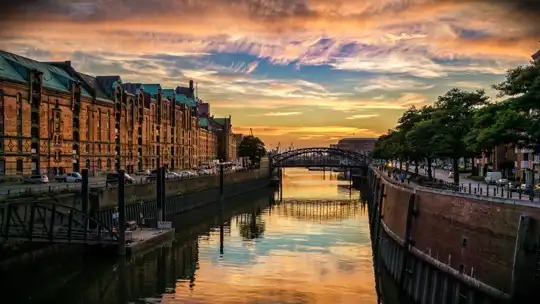
.jpg) Hi, I’m Johan (Netherlands 🇳🇱), the creator of TakeYourBackpack. Over the past decade, I’ve backpacked through 80+ countries across six continents, gaining extensive experience with independent travel, long-term trips, and overland routes.
Hi, I’m Johan (Netherlands 🇳🇱), the creator of TakeYourBackpack. Over the past decade, I’ve backpacked through 80+ countries across six continents, gaining extensive experience with independent travel, long-term trips, and overland routes.