


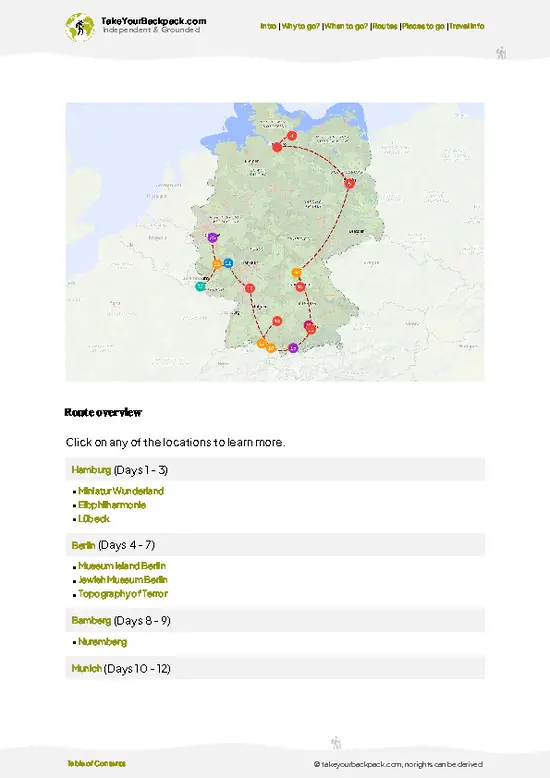
The Excavated Cellar Ruins
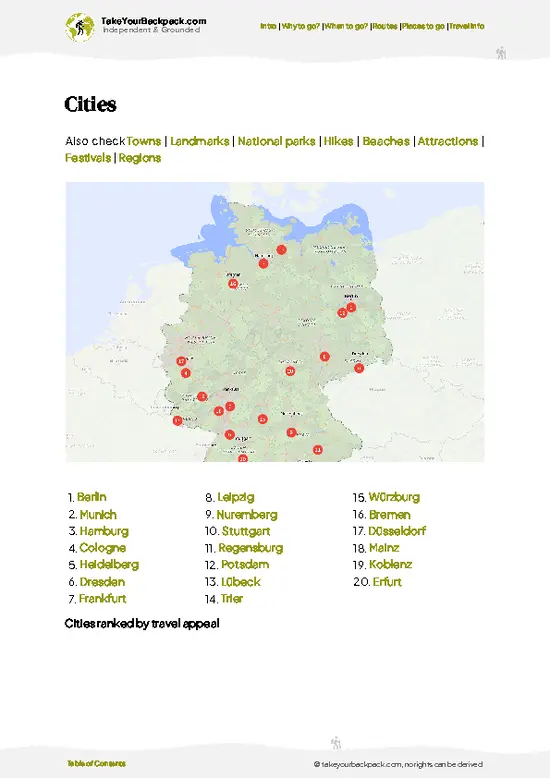
Let’s get real: most people come for the history, but the first thing that hits you is the raw, exposed cellar walls. These aren’t just old bricks—they’re the literal bones of the Nazi regime’s headquarters. You’re standing where the SS and Gestapo plotted terror. No velvet ropes, no sugarcoating. The air here is heavy, and that’s the point. It’s not pretty, but it’s unforgettable in a way Instagram can’t touch. You feel the weight of history in your gut, not just your head.
The Permanent Exhibition: “Topography of Terror”
This isn’t your average museum slideshow. The main exhibition pulls zero punches. Stark photos, chilling documents, and blunt explanations lay out how the machinery of oppression worked—step by step, face by face. It’s not about shock value; it’s … read more 👉
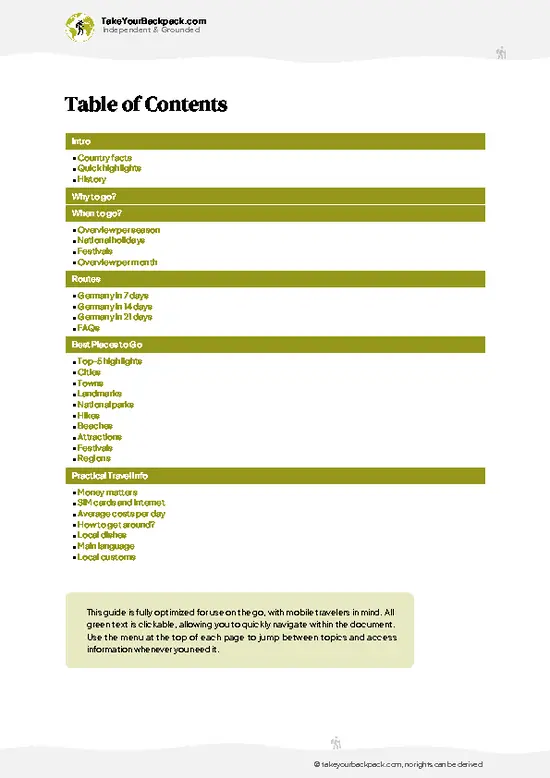
The Excavated Cellar Ruins
Let’s get real: most people come for the history, but the first thing that hits you is the raw, exposed cellar walls. These aren’t just old bricks—they’re the literal bones of the Nazi regime’s headquarters. You’re standing where the SS and Gestapo plotted terror. No velvet ropes, no sugarcoating. The air here is heavy, and that’s the point. It’s not pretty, but it’s unforgettable in a way Instagram can’t touch. You feel the weight of history in your gut, not just your head.
The Permanent Exhibition: “Topography of Terror”
This isn’t your average museum slideshow. The main exhibition pulls zero punches. Stark photos, chilling documents, and blunt explanations lay out how the machinery of oppression worked—step by step, face by face. It’s not about shock value; it’s about clarity. You see the perpetrators, the victims, and the bystanders. The storytelling is clinical, but that’s what makes it hit so hard. You walk away with a clear-eyed understanding of how ordinary people became cogs in a nightmare.
The Outdoor Exhibition Along the Berlin Wall Remnant
Here’s where the Instagram crowd gets it wrong: the Wall isn’t just a photo op. The outdoor panels run parallel to a surviving stretch of the Berlin Wall, but instead of posing, you’re reading about the layers of control—Nazi terror, then Cold War division—stacked right on top of each other. The juxtaposition is brutal and brilliant. It’s a crash course in how history doesn’t just repeat; it piles up.
The Site’s Audio Guides and Multilingual Resources
I’ve seen a lot of museums fumble the “visitor experience” ball, but here, the audio guides are sharp, direct, and available in a ton of languages. No fluff, no patronizing. You get context, survivor voices, and expert commentary that actually adds value, not just background noise. If you want to go deep, this is the tool. (Personal favorite—nothing beats walking the grounds with the narration in your ear, letting the facts land without distraction.)
The Temporary Exhibitions
Don’t skip these. The rotating exhibits dig into specific themes—think resistance movements, propaganda, or the postwar reckoning. They’re curated with the same no-nonsense approach as the main show. If you’re lucky, you’ll catch one that connects the dots between past and present, making the history feel urgent, not just archival.
The Memorial to the Victims
It’s quiet, almost easy to miss, but that’s the power. There’s no grand monument—just a space to reflect, right where the machinery of terror once operated. It’s a reminder that the real point isn’t spectacle; it’s memory. You leave changed, not entertained. And that’s the real magic.
Spotted a mistake or missing something? Contact us.

Berlin's Best: 2 Hour Walking Tour Third Reich and the Cold War

Berlin Must-see Tour – offer at the end of the tour

Private Walking Tour Berlin Third Reich Hitler and World War II

Berlin Private Half-Day Walking Tour: Discover the German Capital’s History
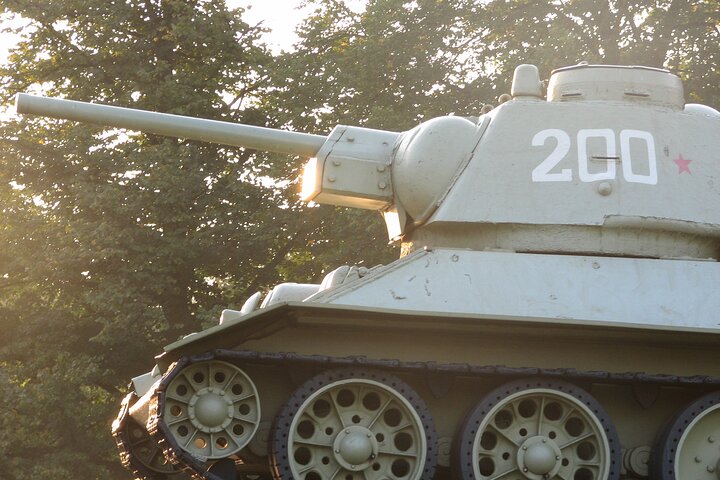
Private Walking Tour: World War 2 and Cold War Sites in Berlin

Individual City Tour -
Rickshaw Sightseeing in Berlin

5hours: Guide, Chauffeur & Photographer in Berlin private Tour

PRIVATE BEHIND THE BERLIN WALL and COLD WAR BERLIN TOUR

All-in-One Berlin Highlights on Foot: Private Walking Tour


 Best Backpacking
 Hi, I’m Johan (Netherlands 🇳🇱), the creator of TakeYourBackpack. Over the past 3 decades, I’ve backpacked through 90+ countries across six continents, gaining extensive experience with independent travel, long-term trips, and overland routes.