×

Ghana🇬🇭 | festivalsBugum ChuguStraw torches, night marches, lunsi drums, Dagomba smocks | things to do and best time to go

Explore Asafotufiam FestivalExplore Nkyidwo Festival

Backpacking in Bugum Chugu
👀 For curious travelersfestival ranked #16
By Johan Kruseman 🇳🇱 | Updated October 22, 2026

Smoke stings my eyes before I see the flames. Young men sprint past with bundles of blazing dried millet stalks, sparks showering the dust, while lunsi drums hammer from somewhere behind the crowd. Bugum Chugu, the Fire Festival of the Dagomba people, takes place in Tamale and Yendi in northern Ghana, at the start of the Islamic New Year. Expect a few nights of torchlit processions, drumming and chiefly pageantry, with a mostly local crowd. Book Tamale beds early, carry cash, and confirm dates locally, because they shift yearly.

Discover everything you want to know in the 📖 Ghana Travel Guide.


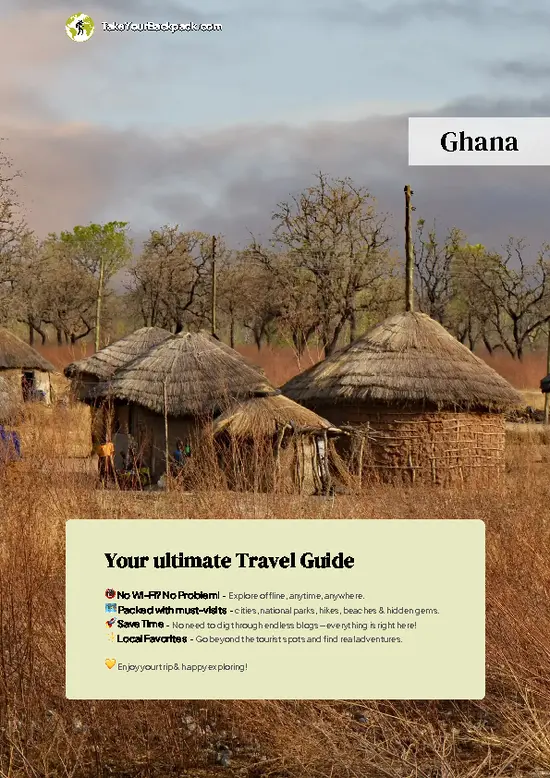
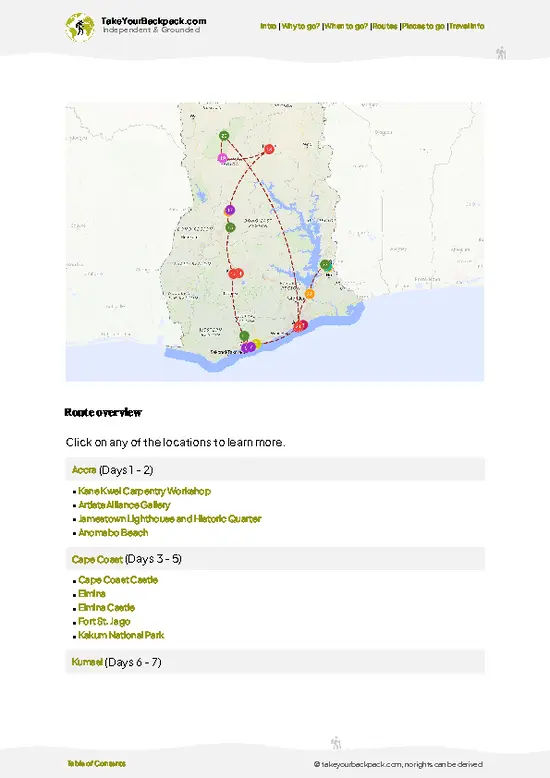
example page 0 from our offline Travel Guide for Ghana
example page 1 from our offline Travel Guide for Ghana
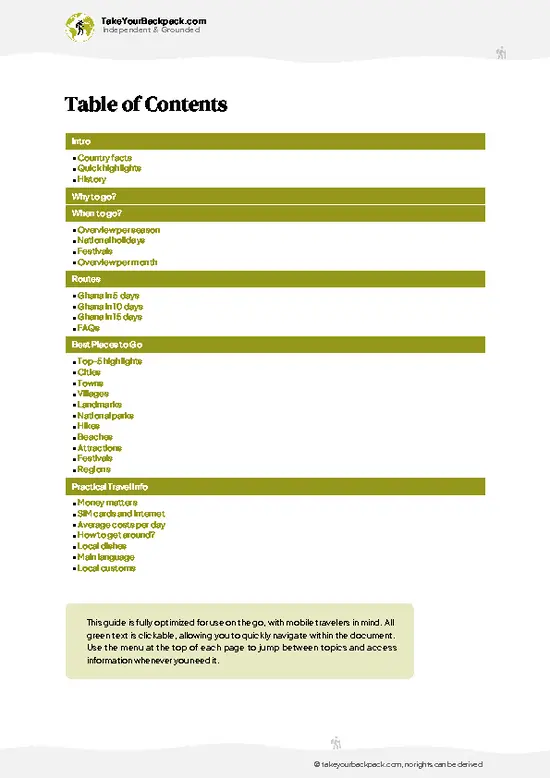
example page 2 from our offline Travel Guide for Ghana
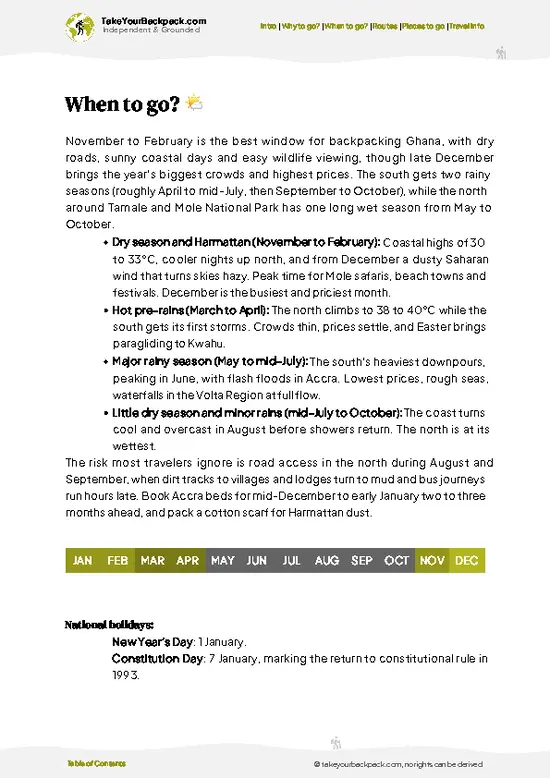
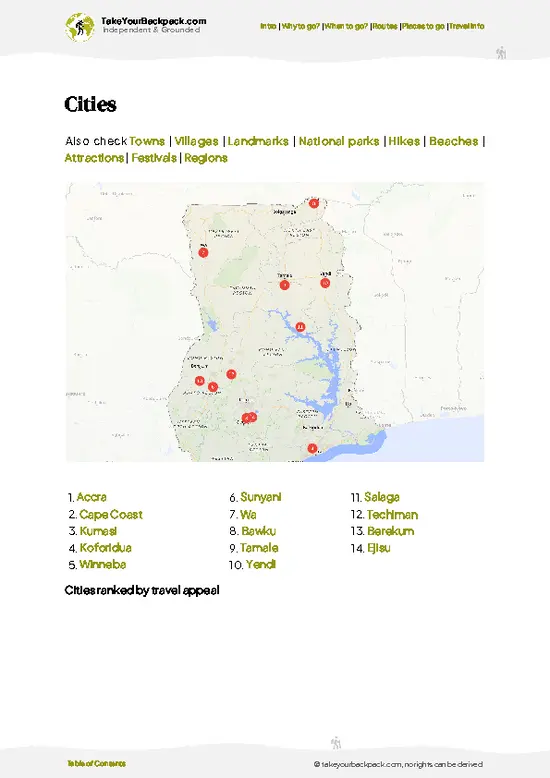
example page 3 from our offline Travel Guide for Ghana
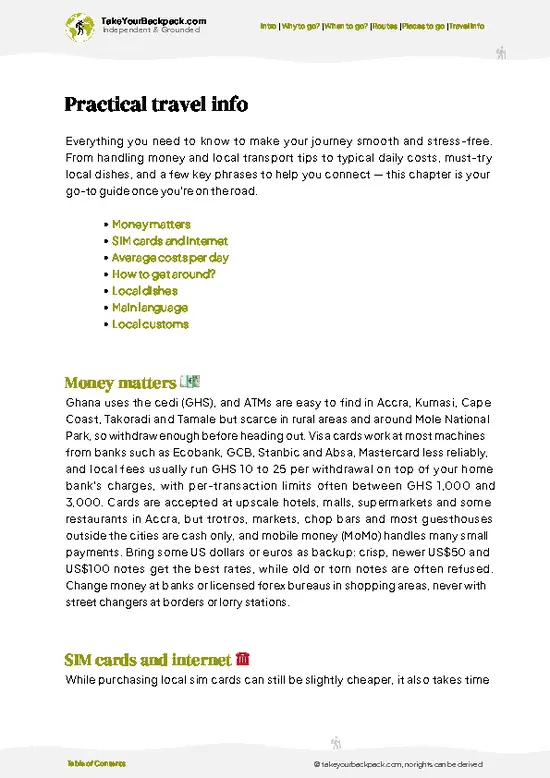
example page 4 from our offline Travel Guide for Ghana
example page 5 from our offline Travel Guide for Ghana
example page 6 from our offline Travel Guide for Ghana
example page 7 from our offline Travel Guide for Ghana
Loading the map 🌍
CLICK TO FILTER
cities
towns
villages
landmarks
national parks
hikes
beaches
attractions
festivals
regions
SHOW COUNTRY’S BESTSHOW ALL

✨ Why go?
Ranked #16 festival in Ghana
Reasons people choose to celebrate the here

Backpackers route through northern Ghana for this because it is a local celebration, not a packaged event. You will be among Dagomba families, drummers and chiefs’ retinues, and the temporary community forms fast when strangers share a rooftop view or a bowl of street food. It is also far cheaper than Ghana’s big commercial festivals, with no entry fee for the street parades. The festival fits neatly into an overland loop that links Tamale, Mole National Park and the Larabanga mosque, and it offers real cultural depth in a region most visitors skip.

💡 HighlightsWhat this place is best known for

  1. The Bugum Chugu fire festival procession: Bugum Chugu, the Festival of Fire, is the Dagomba celebration marking the Islamic new year period in Tamale and the Northern Region. Drummers lead crowds at night, and the burning torches of straw are the image everyone searches for.
  2. Torch-lit night marches: Young men carry blazing bundles of dry grass through the streets after dark. The heat, crackle and smoke fill the lanes, so stand upwind and keep clear of the flames.
  3. Dagomba drumming: Lunsi drummers play the hourglass talking drums and chant praise histories of chiefs. The rhythms carry the whole event, and you can hear the drumming before you see the fire.
  4. The chief’s palace gathering: Celebrations center on the Dagomba chiefs, with processions to the palace to pay respects. Dress modestly, greet
… read more 👉
  1. The Bugum Chugu fire festival procession: Bugum Chugu, the Festival of Fire, is the Dagomba celebration marking the Islamic new year period in Tamale and the Northern Region. Drummers lead crowds at night, and the burning torches of straw are the image everyone searches for.
  2. Torch-lit night marches: Young men carry blazing bundles of dry grass through the streets after dark. The heat, crackle and smoke fill the lanes, so stand upwind and keep clear of the flames.
  3. Dagomba drumming: Lunsi drummers play the hourglass talking drums and chant praise histories of chiefs. The rhythms carry the whole event, and you can hear the drumming before you see the fire.
  4. The chief’s palace gathering: Celebrations center on the Dagomba chiefs, with processions to the palace to pay respects. Dress modestly, greet elders first, and watch from the edges unless someone invites you closer.
  5. Dagomba dress and horsemen display: Families wear northern smocks (fugu) in bold stripes, and riders in royal regalia add pageantry to the streets. Ask before photographing people, since many are happy to pose once greeted properly.
Watching the procession and the drumming from the street costs nothing, so the whole experience can be had without paying an entry fee.
Spotted a mistake or missing something? Contact us.

🌤️ When to go?When is the celebration of Bugum Chugu?

Bugum Chugu is the Bugum festival of the Chakosi and Dagomba-speaking fire festival communities around Bimbilla and Yendi area... held in the Northern Region of Ghana.

source: climatestotravel.comJANJanuary: not recommended for travelingFEBFebruary: not recommended for travelingMARMarch: not recommended for travelingAPRApril: not recommended for travelingMAYMay: not recommended for travelingJUNJune: not recommended for travelingJULJuly: not recommended for travelingAUGAugust: highly recommended for travelingSEPSeptember: highly recommended for travelingOCTOctober: not recommended for travelingNOVNovember: not recommended for travelingDECDecember: not recommended for traveling

✈️ The backpacker research shortcutGhana Travel Guide

An offline-friendly backpacking guide with optimized travel routes, ranked highlights, transport advice, and the best areas to stay.
example page 0 from our offline Travel Guide for Ghana
example page 1 from our offline Travel Guide for Ghana
example page 2 from our offline Travel Guide for Ghana
example page 3 from our offline Travel Guide for Ghana
example page 4 from our offline Travel Guide for Ghana
example page 5 from our offline Travel Guide for Ghana
example page 6 from our offline Travel Guide for Ghana
example page 7 from our offline Travel Guide for Ghana
The digital guide (321 pages) contains:
✅ 105 highlights, ranked by travel appeal
✅ Optimized 5, 10 & 15-day travel routes
✅ Cities, national parks, landmarks, beaches
✅ How to get around
✅ Offline-friendly for travel without Wi-Fi
👉 Click to see all 30+ guide features

📅 Plan smarter in minutes, not weeks
✅ Month by month travel advice
✅ Festivals & national holidays
✅ Budget expectations

🗺️ Go to the right places, skip the overrated ones
✅ Honest pros & cons of destinations
✅ Top hikes, parks & viewpoints
✅ Lesser-known places most travelers miss
✅ Clear “worth it vs skip it” guidance

🛏️ Travel smoothly without rookie mistakes
✅ Best areas to stay
✅ Transport systems explained simply
✅ Common scams & safety advice
✅ SIM cards, money & practical tips

🌍 Understand the country, not just visit it
✅ Culture & traditions
✅ 52 Essential phrases & customs
✅ Festivals worth planning around
✅ Traveler-friendly historical context
✅ Insights that make places more meaningful

📱 Built for real travel conditions
✅ Fully downloadable PDF
✅ Works completely offline
✅ Optimized for phone use
✅ Useful in remote areas & buses
✅ Everything in one place
Stop searching, start planning
Get instant access to your full guide. 30‑day money-back guarantee.
+ Add another guide for just

By proceeding you agree to our terms.
Sent to your inbox immediately after payment • 100% Secure Checkout
Best Backpacking Travel Advisor 2025 tourism awardBest Backpacking
Travel Advisor
2025
What others say about Take Your Backpack Guides:
⭐⭐⭐⭐⭐
Fantastic, amazing amount of information!
⭐⭐⭐⭐⭐
My goodness this is amazing, it's what I've been looking for hats off too you!
⭐⭐⭐⭐⭐
I think this is absolutely BRILLIANT
⭐⭐⭐⭐
Very complete and informative. It's still missing places, but I gotta to commend you
⭐⭐⭐⭐⭐
This is truly amazing, thank you, can't wait to explore it with my kids!
⭐⭐⭐⭐⭐
Awesome resource, thank you!
⭐⭐⭐⭐⭐
This is amazing! Can't wait to explore the ones I haven't seen
⭐⭐⭐⭐
I love this! Well done, great idea.
⭐⭐⭐⭐⭐
Thanks for taking the time to make this gem!
⭐⭐⭐⭐⭐
This might be the best website I've ever seen.
⭐⭐⭐⭐⭐
Congratulations, and thank you so much for your work; it's incredibly valuable.
⭐⭐⭐⭐
In all seriousness I think you did a great job pointing out the important spots
⭐⭐⭐⭐⭐
10/10 very good
⭐⭐⭐⭐⭐
As someone who's only just starting to visit regularly this is awesome, thank you.
⭐⭐⭐⭐
Thank you very much! I'm going to visit my dad, it's going to be very useful!
⭐⭐⭐⭐⭐
This is really cool! We'll be travelling for the first time and this definitely come in handy.
⭐⭐⭐⭐⭐
You are now our minister of culture, congratulations 👨‍💼
⭐⭐⭐⭐⭐
Just wanted to tell you that this is a pearl! Going to follow your recommendations.
⭐⭐⭐⭐⭐
This is so cool. I'll definitely be using the resource for my travels soon.
⭐⭐⭐⭐⭐
This is very impressive! Good work.
⭐⭐⭐⭐⭐
This is an amazing and informative site. Very well done!

🛏️ Where to stay?Best areas and accommodation options

Tamale is the practical base, with a short, cheap trip to Yendi for the larger royal events. Stay in central Tamale around the Central Market and the Aboabo and Gumani roads, where budget guesthouses, taxis and cheap eateries sit within walking distance, and you can meet other travelers in shared common areas. Staying within a 10 to 15 minute drive of the main procession routes means you will not be hunting for a taxi after midnight. In Yendi, options are limited and basic, so most visitors prefer day trips by shared taxi or minibus, roughly 1.5 to 2 hours each way. Avoid isolated outskirts if … read more 👉
Tamale is the practical base, with a short, cheap trip to Yendi for the larger royal events. Stay in central Tamale around the Central Market and the Aboabo and Gumani roads, where budget guesthouses, taxis and cheap eateries sit within walking distance, and you can meet other travelers in shared common areas. Staying within a 10 to 15 minute drive of the main procession routes means you will not be hunting for a taxi after midnight. In Yendi, options are limited and basic, so most visitors prefer day trips by shared taxi or minibus, roughly 1.5 to 2 hours each way. Avoid isolated outskirts if you will be walking back late at night. Book early, because beds in the center fill quickly during festival days.

👛 Costs (as of 22 October 2026)Money, prices, and spending tips

Budget about USD 30 to 60 a day for Bugum Chugu, because the street events are free and most costs are beds, transport and food.
CategoryBudget RangeLocal Reality
Festival ticketsUSD 0Street parades and processions are free. Some palace events may ask for a small donation or tip.
AccommodationUSD 12 to 40Basic guesthouses in Tamale cost around USD 12 to 25. Prices rise and rooms fill during festival days.
Local transportUSD 2 to 12Shared taxis within Tamale cost less than USD 1. Trips to Yendi cost roughly USD 4 to 8 each way.
Food & drinksUSD 6 to 14Street meals cost USD 1.5 to 4, and a restaurant meal costs USD 5 to 9.
Miscellaneous expensesUSD 5 to 15Covers phone data, drinking water, small tips for guides and ATM fees.


source: visitghana.com
⚠️ Prices can change and everyone travels differently, so take this as a rough guide. Hope it helps you plan your adventure!

🍲 FoodLocal Flavors for Backpackers

Street food is the main event here. Look for tuo zaafi (TZ), the northern millet or maize staple, served with green ayoyo leaf soup, and kebabs grilled over charcoal and dusted with spicy yaji pepper. Hot koose bean fritters and koko millet porridge show up at dawn stalls. For drinks, try zom-koom, a tangy millet drink, or bagged water and cold sodas. Most vendors take cash only in small notes, so bring plenty of change. Portions are generous and often shared from one bowl, so wash your hands first and eat with the right hand. Lines at popular grills move fast, but be ready to point and order quickly.

FAQCommon questions from travelers

Bugum Chugu takes place during the Islamic month of Muharram, around the Islamic New Year, so the date moves about 11 days earlier each year. It is celebrated mainly in Tamale and Yendi in northern Ghana, with events running over several days. Confirm the exact dates locally about a month ahead.
Watching Bugum Chugu costs nothing, since the street processions are free. Most travelers spend USD 30 to 60 a day on beds, food and transport. Guesthouses in Tamale run about USD 12 to 25 a night, and a shared taxi to Yendi costs roughly USD 4 to 8 each way.
No, you do not need tickets because the processions and street celebrations are open to the public. What you should book early is accommodation in Tamale, ideally one to two weeks ahead, because rooms fill and prices rise. Bring cash in small notes for transport and food.
⚠️ Things can change over time, so always validate details locally before you go.

Other Ghanaian festivals near Bugum Chugu

Explore more nearby:

  • Damba Festival—Tamale, Dagomba chiefs, horseback processions, Prophet’s birthday
  • Adae Kese Festival—Manhyia Palace, Asantehene, ancestral stools, Kumasi| 353 km away
  • Akwasidae Festival—42-day cycle, Sunday durbar, talking drums, palace courtyard| 353 km away

💡 Not sure where to go next?
Create a personalized itinerary for Ghana including Bugum Chugu and the places that fit your trip.

Generate my itinerary

👉 Discover all festivals

Or checkout all Ghana has to offer (think cities, towns, villages, national parks, hikes, beaches, festivals)
Country photo of Ghana

We 💚 feedbackKey takeaways before you go

Bugum Chugu is worth the journey north for the torchlit processions alone, with fire, drums and a crowd that welcomes curious visitors. The drawback is planning: dates drift every year, signage is minimal, and you need local confirmation before booking. Go with patience, cash and a flexible schedule, and the night rewards you.

✈️ When did I visit Ghana?
Ghana I visited in December 2024, starting in Accra following the coast, then up north to Mole National park to finish in the Volta Region.

✍️ Help improve this page!
The information on this page is based on my own backpacking experience in Ghana, supplemented with up-to-date research and feedback from other travelers. Travel details can change, so if you notice anything outdated or incomplete, feel free to let me know.


🙋‍♂️ Give feedback

👋 Meet the founderWho’s Behind Take Your Backpack?

Johan, backpacker and founder of TakeYourBackpackHi, I’m Johan (Netherlands 🇳🇱), the creator of TakeYourBackpack. Over the past 3 decades, I’ve backpacked through 90+ countries across six continents, gaining extensive experience with independent travel, long-term trips, and overland routes.

This site is built on a combination of firsthand travel experience and carefully curated insights from other backpackers. Many guides are based on places I’ve personally visited, while others bring together tips, observations, and practical advice shared by trusted travelers I’ve met along the way.

The goal is to provide realistic, experience-driven guidance — not generic itineraries — so you can explore destinations with better context, clearer expectations, and more confidence.