×

Ghana🇬🇭 | festivalsFetu AfahyeCape Coast, Oguaa, palanquin chiefs, September | things to do and best time to go

Explore Damba FestivalExplore Adae Kese Festival

Backpacking in Fetu Afahye
🌟 Highlightfestival ranked #6
By Johan Kruseman 🇳🇱 | Updated October 22, 2026

Fetu Afahye is not for anyone who wants a polished, ticketed festival with a stage, a schedule and a wristband. It is a Cape Coast street celebration, loud, crowded and sweaty, and the timings drift. That is exactly why backpackers benefit: you watch a living Fanti tradition without a tour bus between you and it. It takes place in Cape Coast, in Ghana’s Central Region, about 3 to 3.5 hours by road west of Accra, and runs for about a week, peaking with a Saturday durbar and procession. Book rooms early, carry small cash and expect delays. I stood at Victoria Park as the drums started, palm oil and charcoal smoke in the air, red-clad chiefs sweeping past under umbrellas the size of satellite dishes, and my shirt stuck to my back within minutes.

Discover everything you want to know in the 📖 Ghana Travel Guide.


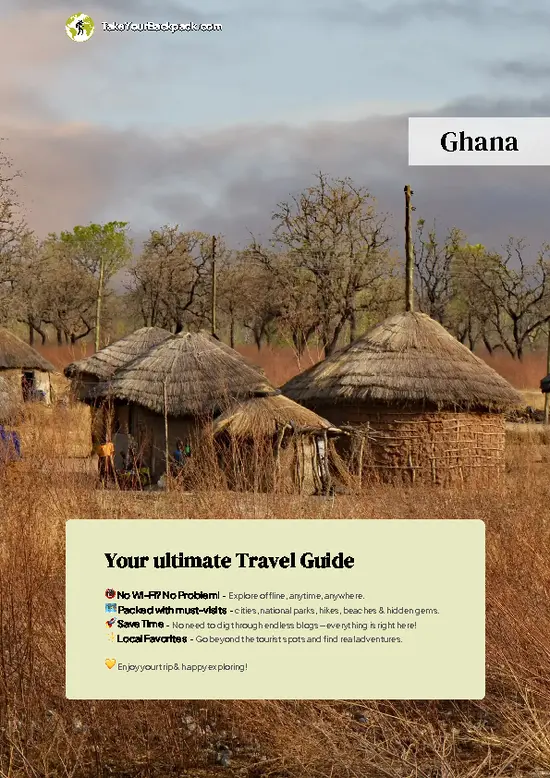
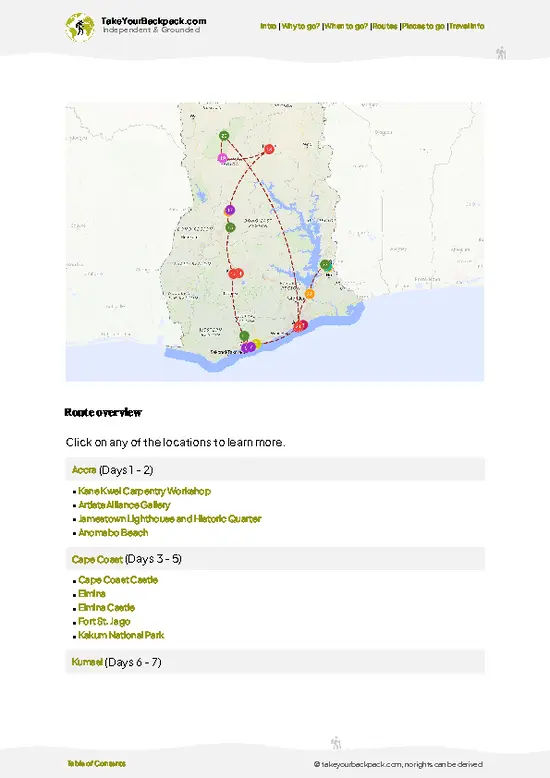
example page 0 from our offline Travel Guide for Ghana
example page 1 from our offline Travel Guide for Ghana
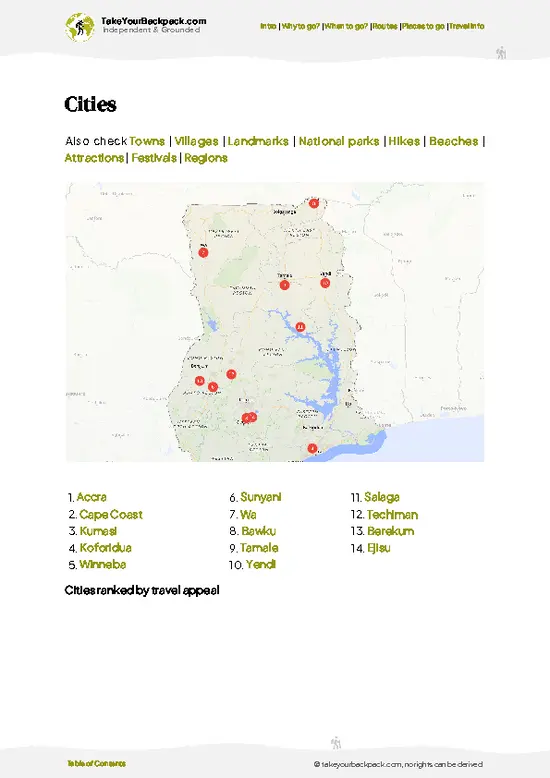
example page 2 from our offline Travel Guide for Ghana
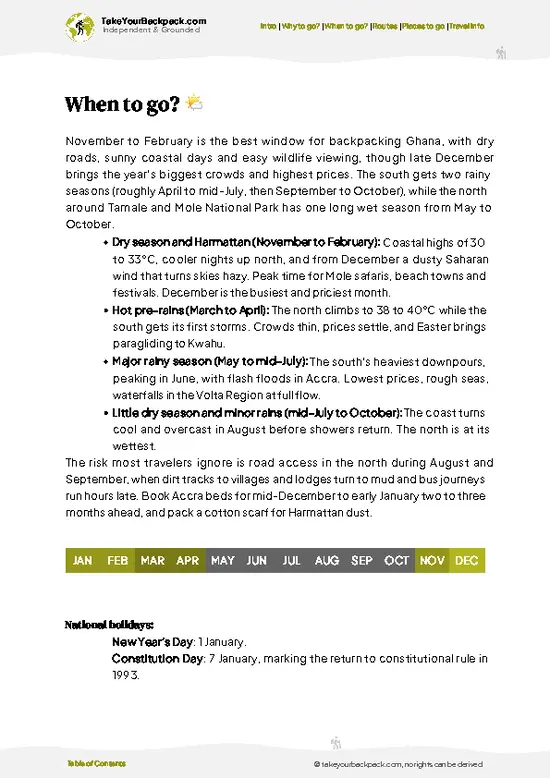
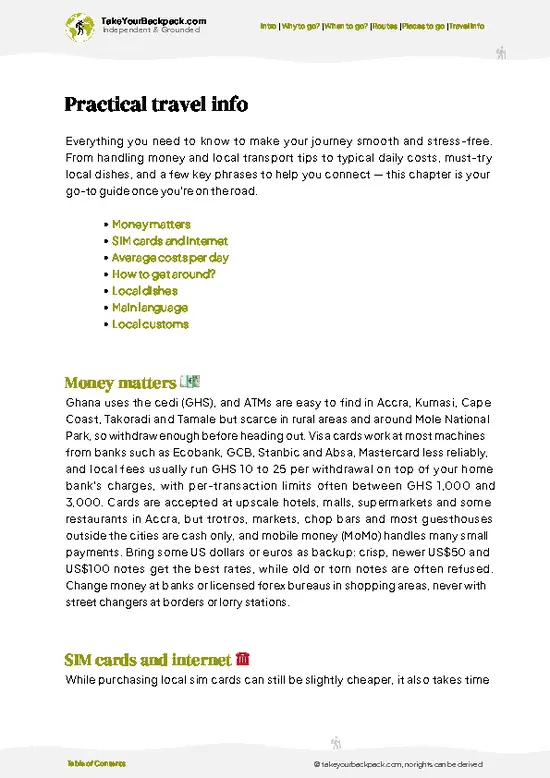
example page 3 from our offline Travel Guide for Ghana
example page 4 from our offline Travel Guide for Ghana
example page 5 from our offline Travel Guide for Ghana
example page 6 from our offline Travel Guide for Ghana
example page 7 from our offline Travel Guide for Ghana
Loading the map 🌍
CLICK TO FILTER
cities
towns
villages
landmarks
national parks
hikes
beaches
attractions
festivals
regions
SHOW COUNTRY’S BESTSHOW ALL

✨ Why go?
Ranked #6 festival in Ghana
Reasons people choose to celebrate the here

Backpackers plan around Fetu Afahye because it puts you inside a temporary community that the whole town owns. Chiefs in colorful kente and gold, Asafo company drummers and dancers, and families in their best cloth fill the streets, and nobody expects you to stand apart. You will be pulled into conversations within minutes, usually starting with where you are from and whether you have eaten.
The cultural depth is real. Fetu marks the Oguaa people’s thanksgiving and cleansing ritual, and the procession is the visible end of days of ceremony. Compared with European or even Accra-area festivals, it is very affordable: no entry fee, cheap street food and guesthouse beds at normal rates outside the peak weekend.
It also fits a longer route neatly. Cape Coast sits beside Cape Coast Castle, Kakum National … read more 👉
Backpackers plan around Fetu Afahye because it puts you inside a temporary community that the whole town owns. Chiefs in colorful kente and gold, Asafo company drummers and dancers, and families in their best cloth fill the streets, and nobody expects you to stand apart. You will be pulled into conversations within minutes, usually starting with where you are from and whether you have eaten.
The cultural depth is real. Fetu marks the Oguaa people’s thanksgiving and cleansing ritual, and the procession is the visible end of days of ceremony. Compared with European or even Accra-area festivals, it is very affordable: no entry fee, cheap street food and guesthouse beds at normal rates outside the peak weekend.
It also fits a longer route neatly. Cape Coast sits beside Cape Coast Castle, Kakum National Park and the beach towns of Elmina and Anomabu, so you can combine history, canopy walks and festival days in one stretch of the coast.

💡 HighlightsKey sights and experiences for travelers

  1. The Grand Durbar of Chiefs: On the festival Saturday, chiefs and queen mothers arrive in palanquins or on foot, shaded by huge umbrellas and dressed in kente and gold jewelry. The speeches and greetings last for hours, so bring a hat and water.
  2. The Street Procession: The parade winds through Cape Coast’s streets, with drumming, horns and dancing all the way. Spectators crowd the roadsides, so claim a spot early near the main route if you want to photograph it.
  3. Asafo Company Displays: The Asafo are the traditional warrior groups of the Fante. Each company has its own flags, songs and drum rhythms, and watching them compete in color and energy is a highlight.
  4. The Ritual Cleansing: The festival began as a thanksgiving to the gods and ancestors, and part of it is a ceremonial cleansing of the town.
… read more 👉
  1. The Grand Durbar of Chiefs: On the festival Saturday, chiefs and queen mothers arrive in palanquins or on foot, shaded by huge umbrellas and dressed in kente and gold jewelry. The speeches and greetings last for hours, so bring a hat and water.
  2. The Street Procession: The parade winds through Cape Coast’s streets, with drumming, horns and dancing all the way. Spectators crowd the roadsides, so claim a spot early near the main route if you want to photograph it.
  3. Asafo Company Displays: The Asafo are the traditional warrior groups of the Fante. Each company has its own flags, songs and drum rhythms, and watching them compete in color and energy is a highlight.
  4. The Ritual Cleansing: The festival began as a thanksgiving to the gods and ancestors, and part of it is a ceremonial cleansing of the town. The most sacred parts are for residents, so watch respectfully and ask before taking pictures.
  5. Street Parties and Evening Concerts: After the formal events, the town fills with music from sound systems, local bands and impromptu dancing. This is where you meet people, so go with an open mind and a small amount of cash.
I would pick the durbar first. It is the clearest view of Fante leadership and tradition in one place, and it gives context to everything else you see.
Spotted a mistake or missing something? Contact us.

🌤️ When to go?When is the celebration of Fetu Afahye?

Fetu Afahye is held in Cape Coast on the first Saturday of September, as a one-day street festival with a build-up that starts earlier in the week, centered on the Victoria Park durbar grounds.
  • Best day: Saturday is the one. The Oguaa chiefs ride in palanquins through town in the morning, then the durbar fills Victoria Park in the afternoon. Quieter weekdays have rituals but little spectacle.
  • Weather: Expect 24 to 28°C (75 to 82°F), humid, with showers possible, since September is damp on the coast. Bring a light rain jacket, sunscreen, a hat and sandals you can get muddy.
  • Booking: Reserve beds four to six weeks ahead. Rooms in town can cost 30 to 60 percent more that weekend, and many fill completely.
  • Crowds and transport: Arrive Friday. Roads from Accra jam on Saturday morning, and trotros leaving
… read more 👉
Fetu Afahye is held in Cape Coast on the first Saturday of September, as a one-day street festival with a build-up that starts earlier in the week, centered on the Victoria Park durbar grounds.
  • Best day: Saturday is the one. The Oguaa chiefs ride in palanquins through town in the morning, then the durbar fills Victoria Park in the afternoon. Quieter weekdays have rituals but little spectacle.
  • Weather: Expect 24 to 28°C (75 to 82°F), humid, with showers possible, since September is damp on the coast. Bring a light rain jacket, sunscreen, a hat and sandals you can get muddy.
  • Booking: Reserve beds four to six weeks ahead. Rooms in town can cost 30 to 60 percent more that weekend, and many fill completely.
  • Crowds and transport: Arrive Friday. Roads from Accra jam on Saturday morning, and trotros leaving after the durbar fill fast, so depart Sunday morning.
Get into the streets by 8 a.m. on Saturday, before the procession closes the main roads.


source: climatestotravel.comJANJanuary: not recommended for travelingFEBFebruary: not recommended for travelingMARMarch: not recommended for travelingAPRApril: not recommended for travelingMAYMay: not recommended for travelingJUNJune: not recommended for travelingJULJuly: not recommended for travelingAUGAugust: not recommended for travelingSEPSeptember: excellent for travelingOCTOctober: not recommended for travelingNOVNovember: not recommended for travelingDECDecember: not recommended for traveling

✈️ The backpacker research shortcutGhana Travel Guide

An offline-friendly backpacking guide with optimized travel routes, ranked highlights, transport advice, and the best areas to stay.
example page 0 from our offline Travel Guide for Ghana
example page 1 from our offline Travel Guide for Ghana
example page 2 from our offline Travel Guide for Ghana
example page 3 from our offline Travel Guide for Ghana
example page 4 from our offline Travel Guide for Ghana
example page 5 from our offline Travel Guide for Ghana
example page 6 from our offline Travel Guide for Ghana
example page 7 from our offline Travel Guide for Ghana
The digital guide (321 pages) contains:
✅ 105 highlights, ranked by travel appeal
✅ Optimized 5, 10 & 15-day travel routes
✅ Cities, national parks, landmarks, beaches
✅ How to get around
✅ Offline-friendly for travel without Wi-Fi
👉 Click to see all 30+ guide features

📅 Plan smarter in minutes, not weeks
✅ Month by month travel advice
✅ Festivals & national holidays
✅ Budget expectations

🗺️ Go to the right places, skip the overrated ones
✅ Honest pros & cons of destinations
✅ Top hikes, parks & viewpoints
✅ Lesser-known places most travelers miss
✅ Clear “worth it vs skip it” guidance

🛏️ Travel smoothly without rookie mistakes
✅ Best areas to stay
✅ Transport systems explained simply
✅ Common scams & safety advice
✅ SIM cards, money & practical tips

🌍 Understand the country, not just visit it
✅ Culture & traditions
✅ 52 Essential phrases & customs
✅ Festivals worth planning around
✅ Traveler-friendly historical context
✅ Insights that make places more meaningful

📱 Built for real travel conditions
✅ Fully downloadable PDF
✅ Works completely offline
✅ Optimized for phone use
✅ Useful in remote areas & buses
✅ Everything in one place
Stop searching, start planning
Get instant access to your full guide. 30‑day money-back guarantee.
+ Add another guide for just

By proceeding you agree to our terms.
Sent to your inbox immediately after payment • 100% Secure Checkout
Best Backpacking Travel Advisor 2025 tourism awardBest Backpacking
Travel Advisor
2025
What others say about Take Your Backpack Guides:
⭐⭐⭐⭐⭐
Fantastic, amazing amount of information!
⭐⭐⭐⭐⭐
My goodness this is amazing, it's what I've been looking for hats off too you!
⭐⭐⭐⭐⭐
I think this is absolutely BRILLIANT
⭐⭐⭐⭐
Very complete and informative. It's still missing places, but I gotta to commend you
⭐⭐⭐⭐⭐
This is truly amazing, thank you, can't wait to explore it with my kids!
⭐⭐⭐⭐⭐
Awesome resource, thank you!
⭐⭐⭐⭐⭐
This is amazing! Can't wait to explore the ones I haven't seen
⭐⭐⭐⭐
I love this! Well done, great idea.
⭐⭐⭐⭐⭐
Thanks for taking the time to make this gem!
⭐⭐⭐⭐⭐
This might be the best website I've ever seen.
⭐⭐⭐⭐⭐
Congratulations, and thank you so much for your work; it's incredibly valuable.
⭐⭐⭐⭐
In all seriousness I think you did a great job pointing out the important spots
⭐⭐⭐⭐⭐
10/10 very good
⭐⭐⭐⭐⭐
As someone who's only just starting to visit regularly this is awesome, thank you.
⭐⭐⭐⭐
Thank you very much! I'm going to visit my dad, it's going to be very useful!
⭐⭐⭐⭐⭐
This is really cool! We'll be travelling for the first time and this definitely come in handy.
⭐⭐⭐⭐⭐
You are now our minister of culture, congratulations 👨‍💼
⭐⭐⭐⭐⭐
Just wanted to tell you that this is a pearl! Going to follow your recommendations.
⭐⭐⭐⭐⭐
This is so cool. I'll definitely be using the resource for my travels soon.
⭐⭐⭐⭐⭐
This is very impressive! Good work.
⭐⭐⭐⭐⭐
This is an amazing and informative site. Very well done!

🛏️ Where to stay?How to pick the right area

The best area for backpackers is central Cape Coast, close to Victoria Park and the Castle. Staying here means you can walk to the procession route, drumming and street parties, and walk home afterward without needing transport at night. Guesthouses and hostels cluster near the town center and the coast road, and this is where you will most easily meet other travelers.
The Castle and Fort William area is the other good option. It is lively during the day, close to the seafront and easy to navigate, and has plenty of small restaurants. Beach-side stretches west of town are calmer and suit those … read more 👉
The best area for backpackers is central Cape Coast, close to Victoria Park and the Castle. Staying here means you can walk to the procession route, drumming and street parties, and walk home afterward without needing transport at night. Guesthouses and hostels cluster near the town center and the coast road, and this is where you will most easily meet other travelers.
The Castle and Fort William area is the other good option. It is lively during the day, close to the seafront and easy to navigate, and has plenty of small restaurants. Beach-side stretches west of town are calmer and suit those who want a quieter retreat, though you will need a shared taxi (a few cedis) to reach the main events.
Kakum and Abrafo, about 30 to 40 minutes away by road, offer a quieter jungle atmosphere, but you lose festival spontaneity. Elmina, around 20 minutes away, is another sociable alternative with a relaxed fishing-town feel.
Book as early as possible, since rooms in the center fill for festival week. Check that your room has a fan or air conditioning and a working water supply, and stay in company after dark.

👛 Costs (as of 22 October 2026)Money, prices, and spending tips

A budget traveler can expect to spend about US$35 to 70 a day during Fetu Afahye, mostly on accommodation, which rises sharply over the festival weekend.
CategoryBudget RangeLocal Reality
Festival ticketsUS$0The street procession and most public events are free. Some after-parties or reserved seating at the durbar may charge a small fee.
AccommodationUS$12 to 40 per nightDorm beds and basic guesthouse rooms are at the low end. Prices rise and minimum stays can apply during festival week.
Local transportUS$2 to 10 per dayShared taxis within town cost a few cedis, and a taxi from Accra costs around US$5 to 8 by bus or tro-tro, or more by private car.
Food & drinksUS$8 to 18 per dayStreet food and chop bar meals cost US$2 to 5. Beer is around US$1.50 to 3.
Miscellaneous expensesUS$5 to 15 per dayCovers
… read more 👉
A budget traveler can expect to spend about US$35 to 70 a day during Fetu Afahye, mostly on accommodation, which rises sharply over the festival weekend.
CategoryBudget RangeLocal Reality
Festival ticketsUS$0The street procession and most public events are free. Some after-parties or reserved seating at the durbar may charge a small fee.
AccommodationUS$12 to 40 per nightDorm beds and basic guesthouse rooms are at the low end. Prices rise and minimum stays can apply during festival week.
Local transportUS$2 to 10 per dayShared taxis within town cost a few cedis, and a taxi from Accra costs around US$5 to 8 by bus or tro-tro, or more by private car.
Food & drinksUS$8 to 18 per dayStreet food and chop bar meals cost US$2 to 5. Beer is around US$1.50 to 3.
Miscellaneous expensesUS$5 to 15 per dayCovers festival cloth or souvenirs, water, tips for photos and entrance to Cape Coast Castle (about US$10 to 15 for foreigners).
⚠️ Prices can change and everyone travels differently, so take this as a rough guide. Hope it helps you plan your adventure!

🍲 FoodEating & Drinking in Fetu Afahye

Street food is the heart of festival eating. Expect fried fish, kebabs grilled over charcoal, fried plantain (kelewele) dusted with ginger and pepper, and waakye served in leaves. Near the coast, fresh seafood with spicy shito sauce is a must.
For authenticity, find a seat at a local chop bar and order fufu with light soup or banku with grilled tilapia. Both are filling, and the pepper bites back, so ask for it mild if you are unsure.
To drink, try sobolo, a chilled hibiscus drink, and palm wine from roadside vendors. Local beers like Star and Club are on sale everywhere, along with bottled water and sachets of cold water.
Cash is essential. Carry plenty of small cedi notes, as vendors rarely have change for large bills and cards are almost never accepted. Expect lines at popular stalls, and … read more 👉
Street food is the heart of festival eating. Expect fried fish, kebabs grilled over charcoal, fried plantain (kelewele) dusted with ginger and pepper, and waakye served in leaves. Near the coast, fresh seafood with spicy shito sauce is a must.
For authenticity, find a seat at a local chop bar and order fufu with light soup or banku with grilled tilapia. Both are filling, and the pepper bites back, so ask for it mild if you are unsure.
To drink, try sobolo, a chilled hibiscus drink, and palm wine from roadside vendors. Local beers like Star and Club are on sale everywhere, along with bottled water and sachets of cold water.
Cash is essential. Carry plenty of small cedi notes, as vendors rarely have change for large bills and cards are almost never accepted. Expect lines at popular stalls, and eat with your right hand if food is served without cutlery. If someone invites you to share a meal, accept, since it is a normal gesture of hospitality.

FAQFrequently asked questions about Fetu Afahye

Fetu Afahye is held in Cape Coast, Ghana, on the first Saturday of September, with events across the preceding week. The main day is the Saturday durbar and procession, but activities often begin earlier in the week. Check dates with local sources, since the schedule is set by the traditional council.
Attending is mostly free, since the procession and street celebrations are open to the public. Budget about US$35 to 70 a day for a backpacker, including a bed at US$12 to 40, meals at US$2 to 5 and local transport at a few cedis a ride. Prices for rooms rise sharply on the festival weekend.
No advance tickets are needed for the street procession and most public events in Cape Coast. Some reserved seating or after-parties may charge a small fee at the door. What you do need to book early is accommodation, ideally weeks ahead, since central rooms fill for the first weekend of September.
⚠️ Things can change over time, so always validate details locally before you go.

Other Ghanaian festivals near Fetu Afahye

Explore more nearby:

  • Panafest—African diaspora, Cape Coast Castle, cultural performances, reconciliation
  • Bakatue—Benya Lagoon, Elmina, casting net, canoe regatta| 12 km away
  • Aboakyer—Winneba, Effutu hunters, live deer chase, Penkye Otu| 74 km away

💡 Not sure where to go next?
Create a personalized itinerary for Ghana including Fetu Afahye and the places that fit your trip.

Generate my itinerary

👉 Discover all festivals

Or checkout all Ghana has to offer (think cities, towns, villages, national parks, hikes, beaches, festivals)
Country photo of Ghana

We 💚 feedbackParting advice and final tips

Fetu Afahye is worth the trip for the durbar alone: chiefs, drums and cloth in a town that treats you as a guest, not an audience. The drawback is the logistics. Programs shift, crowds are dense, the heat is heavy and prices spike on festival weekend. Arrive early, carry small cedi notes and keep your plans flexible. You will leave sunburned, a bit tired and very glad you came.

✈️ When did I visit Ghana?
Ghana I visited in December 2024, starting in Accra following the coast, then up north to Mole National park to finish in the Volta Region.

✍️ Help improve this page!
The information on this page is based on my own backpacking experience in Ghana, supplemented with up-to-date research and feedback from other travelers. Travel details can change, so if you notice anything outdated or incomplete, feel free to let me know.


🙋‍♂️ Give feedback

👋 Meet the founderWho’s Behind Take Your Backpack?

Johan, backpacker and founder of TakeYourBackpackHi, I’m Johan (Netherlands 🇳🇱), the creator of TakeYourBackpack. Over the past 3 decades, I’ve backpacked through 90+ countries across six continents, gaining extensive experience with independent travel, long-term trips, and overland routes.

This site is built on a combination of firsthand travel experience and carefully curated insights from other backpackers. Many guides are based on places I’ve personally visited, while others bring together tips, observations, and practical advice shared by trusted travelers I’ve met along the way.

The goal is to provide realistic, experience-driven guidance — not generic itineraries — so you can explore destinations with better context, clearer expectations, and more confidence.