×

Grenada🇬🇩 | national parksMount Hartman National ParkGrenada dove, dry acacia scrub, dawn bird walks, southwest peninsula | things to do and best time to go

Explore Levera National ParkExplore Carriacou

Backpacking in Mount Hartman
👌 Worth visitingnational park ranked #3
By Johan Kruseman 🇳🇱 | Updated October 22, 2026

The real decision at Mount Hartman National Park is whether you walk it in the cool early morning or save it for a lazy afternoon, and the answer is morning, because the dry scrub offers almost no shade once the sun climbs. The park sits on the southwest tip of Grenada, on the Lance aux Epines peninsula, a short ride from the capital St. George’s and the airport. It protects one of the last patches of dry forest on the island, plus the home of the critically endangered Grenada dove, so the birding is the main draw, along with easy loop walks through cactus and acacia and views over salt ponds and Hog Island. Be warned that the walks are short and the terrain is flat, so serious hikers will want to pair it with the rainforest trails inland. Bring water and sun protection, since there is no shop here, and wear closed shoes for loose, thorny ground. Taxis can be slow to find for the return, so arrange your pickup before you set off. The dove itself is small, shy and easy to miss, so listen for its soft call and stand still.

Discover everything you want to know in the 📖 Grenada Travel Guide.


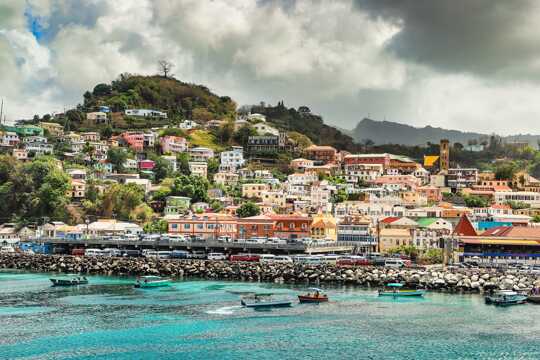
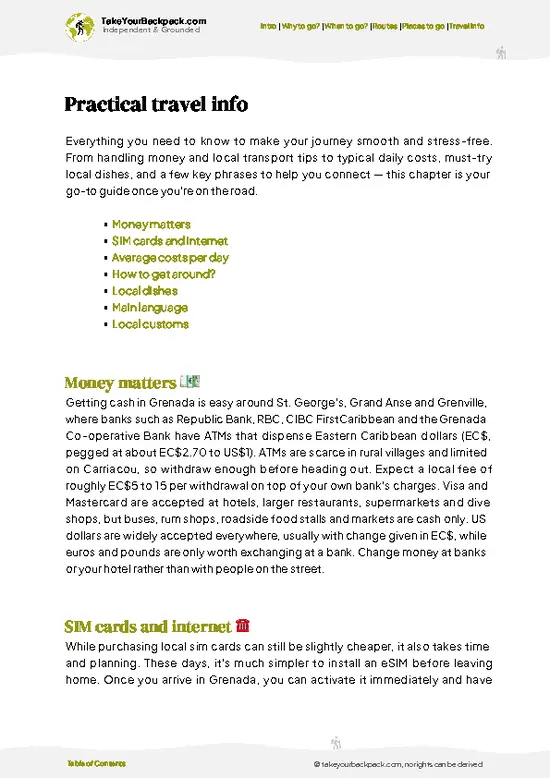
example page 0 from our offline Travel Guide for Grenada
example page 1 from our offline Travel Guide for Grenada
example page 2 from our offline Travel Guide for Grenada
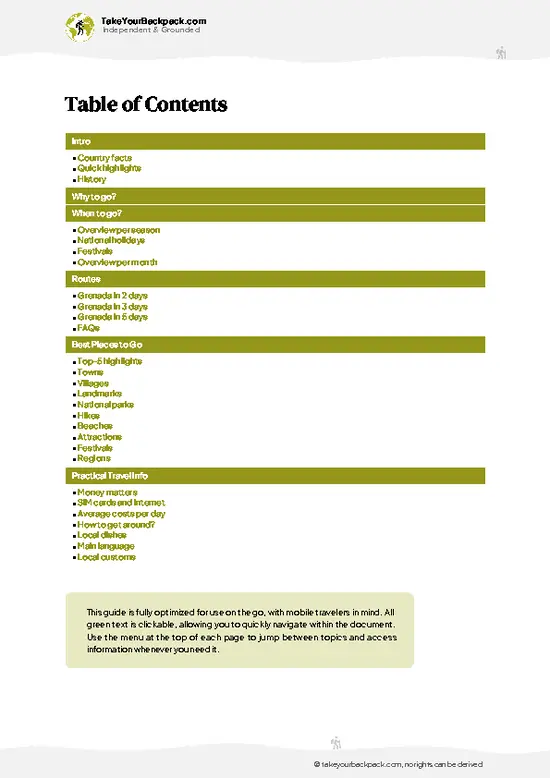
example page 3 from our offline Travel Guide for Grenada
example page 4 from our offline Travel Guide for Grenada
example page 5 from our offline Travel Guide for Grenada
example page 6 from our offline Travel Guide for Grenada
example page 7 from our offline Travel Guide for Grenada
Loading the map 🌍
CLICK TO FILTER
towns
villages
landmarks
national parks
hikes
beaches
attractions
festivals
regions
SHOW COUNTRY’S BESTSHOW ALL

✨ Why go?
Ranked #3 national park in Grenada
Why visitors keep coming back

Mount Hartman National Park is for the traveler who gets more excited about one rare bird than a long trail list. The Grenada Dove, the country’s national bird, survives in only a few small patches of dry woodland, and this is the most accessible of them. Seeing one, or even hearing one, gives you a conservation story you can follow with your own eyes rather than read on a sign.
It also suits self-directed travelers who like to build their own day. The park lies close to the south-coast bays, so you can pair a dawn bird walk with a swim and a long lunch near Hartman Bay without chasing transfers. Tours here are small and led by people who know the birds, which makes a guide the better choice over wandering alone. The terrain is flat, the walks are short, and nobody needs special fitness. If … read more 👉
Mount Hartman National Park is for the traveler who gets more excited about one rare bird than a long trail list. The Grenada Dove, the country’s national bird, survives in only a few small patches of dry woodland, and this is the most accessible of them. Seeing one, or even hearing one, gives you a conservation story you can follow with your own eyes rather than read on a sign.
It also suits self-directed travelers who like to build their own day. The park lies close to the south-coast bays, so you can pair a dawn bird walk with a swim and a long lunch near Hartman Bay without chasing transfers. Tours here are small and led by people who know the birds, which makes a guide the better choice over wandering alone. The terrain is flat, the walks are short, and nobody needs special fitness. If you want a rugged multi-day trek, Grenada’s rainforest interior serves you better. If you want a quiet morning with a species you may never see elsewhere, this is the place.

💡 HighlightsKey sights and experiences for travelers

  1. Grenada Dove: The reason the park exists. This plump, brownish bird with a pale face is critically endangered and found nowhere else in the wild. It forages on the ground in thickets, so listen for its low, mournful call before you look.
  2. Dry scrub woodland: Thorny acacia, cactus and low, tangled trees make a landscape totally unlike the rainforest in Grenada’s interior. The light is harsh, the leaf litter crunches, and the air smells of dust and warm vegetation.
  3. Guided dawn bird walk: Morning is when the dove is most vocal, and a guide who knows the territory can lead you to listening spots you would never find alone. Walks are slow and quiet by design.
  4. Other resident birds: Smaller species such as Zenaida doves and bananaquits flit through the same scrub, so even if the Grenada Dove stays hidden
… read more 👉
  1. Grenada Dove: The reason the park exists. This plump, brownish bird with a pale face is critically endangered and found nowhere else in the wild. It forages on the ground in thickets, so listen for its low, mournful call before you look.
  2. Dry scrub woodland: Thorny acacia, cactus and low, tangled trees make a landscape totally unlike the rainforest in Grenada’s interior. The light is harsh, the leaf litter crunches, and the air smells of dust and warm vegetation.
  3. Guided dawn bird walk: Morning is when the dove is most vocal, and a guide who knows the territory can lead you to listening spots you would never find alone. Walks are slow and quiet by design.
  4. Other resident birds: Smaller species such as Zenaida doves and bananaquits flit through the same scrub, so even if the Grenada Dove stays hidden you still get a decent morning of birdwatching.
  5. Lizards and ground life: In the sunnier gaps you will spot anoles and other small reptiles darting across the trail edges. They are easier to see than the dove and fun to watch for photographers with patience.
  6. Coastal outlooks near Hartman Bay: Where the woodland thins toward the south coast you get glimpses of calm bays dotted with moored yachts. They make a good reward after the walk and a place to cool off.
Mount Hartman National Park takes about two to three hours for a guided morning walk, and a half day if you add a swim at a nearby bay.
Spotted a mistake or missing something? Contact us.

Things to do near Mount Hartman National Park

Ratings based on Tripadvisor reviews. When you book through this link, you support our work at no extra cost to you.

🌤️ When to go?Weather, crowds, and seasonal trade-offs

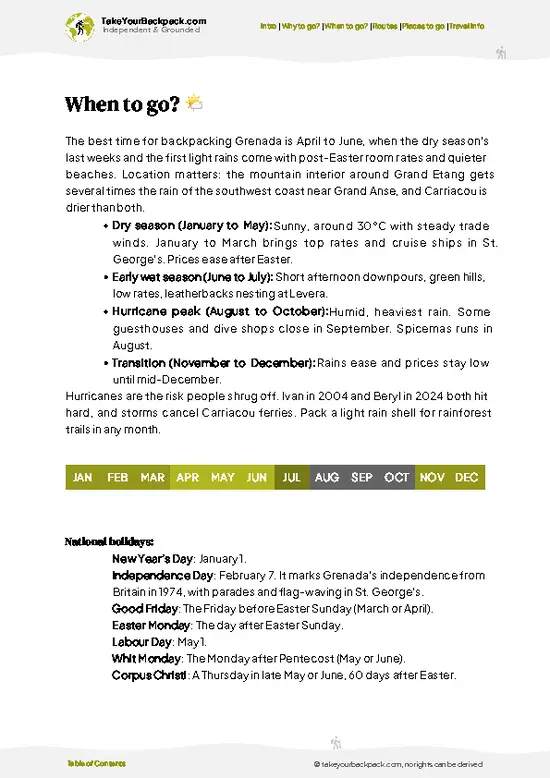
  • Dry Season (January to May): Mount Hartman National Park is at its easiest here, with days of 28 to 31°C (82 to 88°F), nights near 23°C (73°F) and little rain. The dry scrub and cactus woodland are open and walkable, though the bare ground holds the heat by midday.
  • Wet Season (June to December): Showers are short and frequent, humidity is heavy, and temperatures stay similar at 27 to 31°C (81 to 88°F). Trails get muddy, the scrub turns green, and mosquitoes multiply. This is also the hurricane-season window, with the highest risk in August to October, though Grenada sits south of the usual storm track.
  • Daylight: Days run roughly 11 to 13 hours across the year, so plan walks for early morning or late afternoon to avoid the harshest sun.
  • Crowds and Prices: The park is quiet in every month. Nearby
… read more 👉
  • Dry Season (January to May): Mount Hartman National Park is at its easiest here, with days of 28 to 31°C (82 to 88°F), nights near 23°C (73°F) and little rain. The dry scrub and cactus woodland are open and walkable, though the bare ground holds the heat by midday.
  • Wet Season (June to December): Showers are short and frequent, humidity is heavy, and temperatures stay similar at 27 to 31°C (81 to 88°F). Trails get muddy, the scrub turns green, and mosquitoes multiply. This is also the hurricane-season window, with the highest risk in August to October, though Grenada sits south of the usual storm track.
  • Daylight: Days run roughly 11 to 13 hours across the year, so plan walks for early morning or late afternoon to avoid the harshest sun.
  • Crowds and Prices: The park is quiet in every month. Nearby Grand Anse guesthouses cost most from December to April and drop by 20 to 30 percent in the wet season.
  • Seasonal Events: Carnival in Grenada (Spicemas) in August and the Pure Grenada events bring crowds to St. George’s, not to the park, and push up beds across the south.
Go early in the day, any month, and pair the walk with a beach afternoon at Hartman Bay or Grand Anse.


source: climatestotravel.comJANJanuary: excellent for travelingFEBFebruary: excellent for travelingMARMarch: excellent for travelingAPRApril: excellent for travelingMAYMay: highly recommended for travelingJUNJune: fair for travelingJULJuly: fair for travelingAUGAugust: fair for travelingSEPSeptember: fair for travelingOCTOctober: fair for travelingNOVNovember: fair for travelingDECDecember: good for traveling
when-to-go

✈️ The backpacker research shortcutGrenada Travel Guide

An offline-friendly backpacking guide with optimized travel routes, ranked highlights, transport advice, and the best areas to stay.
example page 0 from our offline Travel Guide for Grenada
example page 1 from our offline Travel Guide for Grenada
example page 2 from our offline Travel Guide for Grenada
example page 3 from our offline Travel Guide for Grenada
example page 4 from our offline Travel Guide for Grenada
example page 5 from our offline Travel Guide for Grenada
example page 6 from our offline Travel Guide for Grenada
example page 7 from our offline Travel Guide for Grenada
The digital guide (143 pages) contains:
✅ 32 highlights, ranked by travel appeal
✅ Optimized 2, 3 & 5-day travel routes
✅ Cities, national parks, landmarks, beaches
✅ How to get around
✅ Offline-friendly for travel without Wi-Fi
👉 Click to see all 30+ guide features

📅 Plan smarter in minutes, not weeks
✅ Month by month travel advice
✅ Festivals & national holidays
✅ Budget expectations

🗺️ Go to the right places, skip the overrated ones
✅ Honest pros & cons of destinations
✅ Top hikes, parks & viewpoints
✅ Lesser-known places most travelers miss
✅ Clear “worth it vs skip it” guidance

🛏️ Travel smoothly without rookie mistakes
✅ Best areas to stay
✅ Transport systems explained simply
✅ Common scams & safety advice
✅ SIM cards, money & practical tips

🌍 Understand the country, not just visit it
✅ Culture & traditions
✅ Local customs
✅ Festivals worth planning around
✅ Traveler-friendly historical context
✅ Insights that make places more meaningful

📱 Built for real travel conditions
✅ Fully downloadable PDF
✅ Works completely offline
✅ Optimized for phone use
✅ Useful in remote areas & buses
✅ Everything in one place
Stop searching, start planning
Get instant access to your full guide. 30‑day money-back guarantee.
+ Add another guide for just

By proceeding you agree to our terms.
Sent to your inbox immediately after payment • 100% Secure Checkout
Best Backpacking Travel Advisor 2025 tourism awardBest Backpacking
Travel Advisor
2025
What others say about Take Your Backpack Guides:
⭐⭐⭐⭐⭐
Fantastic, amazing amount of information!
⭐⭐⭐⭐⭐
My goodness this is amazing, it's what I've been looking for hats off too you!
⭐⭐⭐⭐⭐
I think this is absolutely BRILLIANT
⭐⭐⭐⭐
Very complete and informative. It's still missing places, but I gotta to commend you
⭐⭐⭐⭐⭐
This is truly amazing, thank you, can't wait to explore it with my kids!
⭐⭐⭐⭐⭐
Awesome resource, thank you!
⭐⭐⭐⭐⭐
This is amazing! Can't wait to explore the ones I haven't seen
⭐⭐⭐⭐
I love this! Well done, great idea.
⭐⭐⭐⭐⭐
Thanks for taking the time to make this gem!
⭐⭐⭐⭐⭐
This might be the best website I've ever seen.
⭐⭐⭐⭐⭐
Congratulations, and thank you so much for your work; it's incredibly valuable.
⭐⭐⭐⭐
In all seriousness I think you did a great job pointing out the important spots
⭐⭐⭐⭐⭐
10/10 very good
⭐⭐⭐⭐⭐
As someone who's only just starting to visit regularly this is awesome, thank you.
⭐⭐⭐⭐
Thank you very much! I'm going to visit my dad, it's going to be very useful!
⭐⭐⭐⭐⭐
This is really cool! We'll be travelling for the first time and this definitely come in handy.
⭐⭐⭐⭐⭐
You are now our minister of culture, congratulations 👨‍💼
⭐⭐⭐⭐⭐
Just wanted to tell you that this is a pearl! Going to follow your recommendations.
⭐⭐⭐⭐⭐
This is so cool. I'll definitely be using the resource for my travels soon.
⭐⭐⭐⭐⭐
This is very impressive! Good work.
⭐⭐⭐⭐⭐
This is an amazing and informative site. Very well done!

🛏️ Where to stay?Choosing the right base

No accommodation exists inside Mount Hartman National Park, so most backpackers sleep in the Grand Anse and Morne Rouge area or around Lance aux Epines, all within 10 to 20 minutes by minibus or taxi. Grand Anse has the widest choice, with small guesthouses and apartments at roughly US$50 to 110 a night for a double, plus the long beach and a stretch of cheap local eateries. Lance aux Epines is quieter and residential, with a handful of self-catering apartments close to the park’s western side and the Hartman Bay shore. True Blue Bay, a short ride from the dry forest, has a marina, restaurants … read more 👉
No accommodation exists inside Mount Hartman National Park, so most backpackers sleep in the Grand Anse and Morne Rouge area or around Lance aux Epines, all within 10 to 20 minutes by minibus or taxi. Grand Anse has the widest choice, with small guesthouses and apartments at roughly US$50 to 110 a night for a double, plus the long beach and a stretch of cheap local eateries. Lance aux Epines is quieter and residential, with a handful of self-catering apartments close to the park’s western side and the Hartman Bay shore. True Blue Bay, a short ride from the dry forest, has a marina, restaurants and mid-range rooms from about US$90. For the lowest prices, look at private rooms and Airbnb listings in Calivigny, Woburn or Westerhall, usually US$35 to 70, where you will need buses or a ride to get to the park trailheads. St. George’s, the capital, is about 20 to 30 minutes away by road and works if you want more nightlife and ferry connections, but it is less convenient for early starts. Grenada has no dedicated hostel scene, so book guesthouses ahead from December to April. Camping inside the park is not an established option.

👛 Costs (as of 22 October 2026)Typical daily expenses

A day at Mount Hartman National Park costs roughly US$49 to 175 for a backpacker, depending on where you sleep and how you travel. The park itself is a short walk-in reserve with little formal infrastructure, so most spending goes on beds, food and rides. Prices are quoted in US dollars, though you pay in Eastern Caribbean dollars on the ground.
CategoryBudget RangeLocal Reality
Entrance FeesUS$0 to 10Access to the dry-forest tracks is generally free or low cost, and guided walks to see the dove habitat cost more.
Accommodation (High Season)US$35 to 90Guesthouses and apartments around Grand Anse and Lance aux Epines. Wet-season rates are 20 to 30 percent lower.
Local TransportUS$2 to 20Minibuses run along the main road for about US$1 to 2 a ride, and a taxi to the area costs US$10 to 20 each way.
… read more 👉
A day at Mount Hartman National Park costs roughly US$49 to 175 for a backpacker, depending on where you sleep and how you travel. The park itself is a short walk-in reserve with little formal infrastructure, so most spending goes on beds, food and rides. Prices are quoted in US dollars, though you pay in Eastern Caribbean dollars on the ground.
CategoryBudget RangeLocal Reality
Entrance FeesUS$0 to 10Access to the dry-forest tracks is generally free or low cost, and guided walks to see the dove habitat cost more.
Accommodation (High Season)US$35 to 90Guesthouses and apartments around Grand Anse and Lance aux Epines. Wet-season rates are 20 to 30 percent lower.
Local TransportUS$2 to 20Minibuses run along the main road for about US$1 to 2 a ride, and a taxi to the area costs US$10 to 20 each way.
Food and SuppliesUS$12 to 30Local roti or fish plates run US$5 to 10, while resort-area restaurants charge US$20 to 35 a main course. Bring water from a shop.
Guides and ExtrasUS$0 to 25Optional birding or bush guides, and snorkel rental at nearby beaches.
Total Daily BudgetUS$49 to 175A frugal day with a bed, bus rides and local food starts near US$49 and rises with taxis and guides.
⚠️ Prices can change and everyone travels differently, so take this as a rough guide. Hope it helps you plan your adventure!

🥾 TrailsHiking Mount Hartman national park: highlights and difficulty

Mount Hartman National Park is a small, flat dry-forest reserve, so the walking is short, easy, and focused on listening rather than covering distance. There are no signposted, named trails to tick off. What people actually do is follow narrow tracks and clearings through the scrub with a guide, stopping often.
  • Guided dove walk: A slow loop through the thickets, usually one to three hours depending on how cooperative the birds are. Difficulty is easy, with level ground, but the sun and thorns make long sleeves, closed shoes and a hat sensible.
  • Terrain: Sandy, rocky soil under acacia and cactus,
… read more 👉
Mount Hartman National Park is a small, flat dry-forest reserve, so the walking is short, easy, and focused on listening rather than covering distance. There are no signposted, named trails to tick off. What people actually do is follow narrow tracks and clearings through the scrub with a guide, stopping often.
  • Guided dove walk: A slow loop through the thickets, usually one to three hours depending on how cooperative the birds are. Difficulty is easy, with level ground, but the sun and thorns make long sleeves, closed shoes and a hat sensible.
  • Terrain: Sandy, rocky soil under acacia and cactus, with little shade in the open gaps and dense, scratchy undergrowth at the edges. Stay on the paths your guide chooses to avoid damaging nesting habitat.
  • Wildlife: The Grenada Dove is the headline, backed by smaller birds and lizards. Sightings are never guaranteed, and the dove is often heard rather than seen.
  • Scenery: Not sweeping views, but a distinct dry-coast landscape of cactus and thorn that contrasts sharply with the lush parts of the island.
  • Best conditions: Early morning, when it is cooler and the birds are calling. Midday is hot and quiet.
Getting there is simple by road from the south-coast area near Grand Anse and the airport, using a taxi or local minibus toward the south and a short walk or ride at the end. Having a driver wait for you is easier than finding a ride back. Crowds are minimal, often just your small group. Because the dove habitat is sensitive, visits are normally arranged ahead through local conservation contacts or tour operators rather than as a drop-in, so ask your accommodation to set it up and confirm any entry arrangements when you book.
⚠️ Hiking info can sometimes be outdated or inaccurate. Before you hit the trail, check the latest conditions with locals. If you do spot anything that's off, I'd love to hear from you, so I can update it for fellow travelers.

🛡️ SafetyStaying Safe: What Travelers Should Know

Mount Hartman National Park is a low-risk, easy place to hike, with short and mostly flat tracks through dry scrub, so the main issues are heat and sun. Midday temperatures reach 30 to 32°C (86 to 90°F) with little shade, so carry at least 1.5 liters of water per person, wear a hat and reef-safe sunscreen, and walk early. Trails are lightly marked and can be faint, so download an offline map or ask local guides before you set out. The ground is rocky and dry in the dry season and slick after rain, so closed shoes beat sandals. Mosquitoes and sandflies are common near the mangroves at dusk, and repellent helps. The park protects the endangered Grenada dove, which is shy and easily disturbed, so stay on tracks, keep voices low and never approach nesting areas. Snakes are present but rarely seen … read more 👉
Mount Hartman National Park is a low-risk, easy place to hike, with short and mostly flat tracks through dry scrub, so the main issues are heat and sun. Midday temperatures reach 30 to 32°C (86 to 90°F) with little shade, so carry at least 1.5 liters of water per person, wear a hat and reef-safe sunscreen, and walk early. Trails are lightly marked and can be faint, so download an offline map or ask local guides before you set out. The ground is rocky and dry in the dry season and slick after rain, so closed shoes beat sandals. Mosquitoes and sandflies are common near the mangroves at dusk, and repellent helps. The park protects the endangered Grenada dove, which is shy and easily disturbed, so stay on tracks, keep voices low and never approach nesting areas. Snakes are present but rarely seen and harmless to most walkers. Do not leave valuables in a parked car or on nearby beaches.

FAQFrequently asked questions about Mount Hartman

Half a day is plenty for Mount Hartman National Park, and 2 to 3 hours covers a walk through its dry coastal woodland on the southwest peninsula. Early morning is the best window, when the cactus scrub and thorny thickets are cooler and the Grenada dove, a critically endangered bird found only on this island, is most active. Most backpackers fit it in alongside Grand Anse (about 6 km away) or the Lance aux Epines and True Blue area. A second day only makes sense if you add beaches or a boat trip from Prickly Bay.
Yes, Mount Hartman National Park is easy to reach without a car, since it sits about 10 km from St. George’s and close to the airport road. Take a route minibus from St. George’s or Grand Anse toward Lance aux Epines (roughly US$1 to 2), then walk the last stretch along the road. A taxi from Grand Anse runs about US$12 to 20 each way, and drivers will agree to a return pickup if you settle the time first. Walking back along the road is flat, but there is little shade, so carry water.
Mount Hartman National Park has no entrance gate and no ticket booth, so there is no entrance fee collected on site. Walking the edges and tracks costs nothing, though the area is a protected sanctuary for the Grenada dove, so stay on existing paths and keep voices low. Do not play bird calls to lure the dove, and keep dogs out. Guided birding trips arranged through local guides are priced separately, usually in the range of US$30 to 60 per person.
⚠️ Things can change over time, so always validate details locally before you go.

Other Grenadian national parks near Mount Hartman

Explore more nearby:

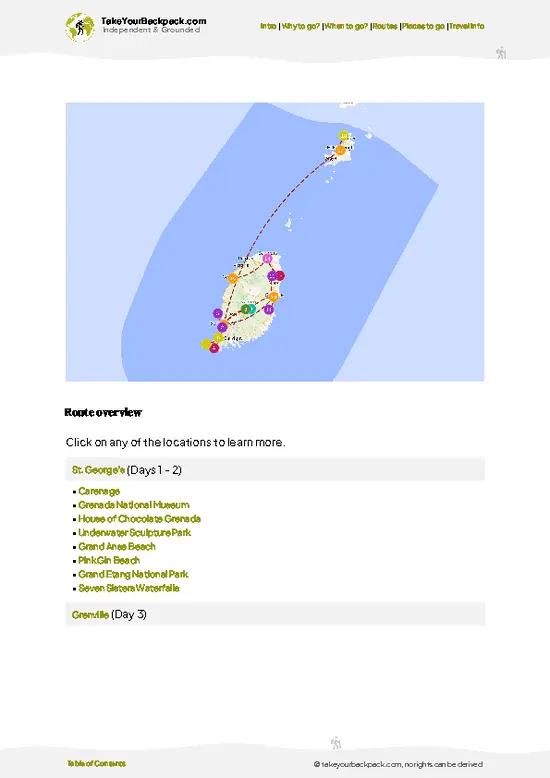
  • Grand Etang National Park—Crater lake at 530 meters, cloud forest trails, mona monkeys, Morne LaBaye viewpoint| 11 km away
  • Levera National Park—Leatherback nesting, Bathway reef pool, mangrove boardwalks, waterbirds| 27 km away

💡 Not sure where to go next?
Create a personalized itinerary for Grenada including Mount Hartman and the places that fit your trip.

Generate my itinerary

👉 Discover all national parks

Or checkout all Grenada has to offer (think cities, towns, villages, national parks, hikes, beaches, festivals)
Country photo of Grenada

We 💚 feedbackIs it worth it?

Mount Hartman National Park is at its best in the first hour or two after daybreak, when the air is cooler and the dove’s call carries across the scrub. I would book a morning walk, bring a long-sleeved shirt and plenty of water, and plan the beach for afterward. Midday visits are hot and quiet.

✍️ Help improve this page!
The information on this page is based on in-depth research, insights shared by experienced travelers, and feedback from the local travel community in Grenada. While every effort is made to keep the information accurate and current, conditions can change — so if you spot anything incorrect or outdated, please get in touch.


🙋‍♂️ Give feedback

👋 Meet the founderWho’s Behind Take Your Backpack?

Johan, backpacker and founder of TakeYourBackpackHi, I’m Johan (Netherlands 🇳🇱), the creator of TakeYourBackpack. Over the past 3 decades, I’ve backpacked through 90+ countries across six continents, gaining extensive experience with independent travel, long-term trips, and overland routes.

This site is built on a combination of firsthand travel experience and carefully curated insights from other backpackers. Many guides are based on places I’ve personally visited, while others bring together tips, observations, and practical advice shared by trusted travelers I’ve met along the way.

The goal is to provide realistic, experience-driven guidance — not generic itineraries — so you can explore destinations with better context, clearer expectations, and more confidence.