×

Guinea🇬🇳 | festivalsFestival des Arts et de la Culture de GuinéeTraditional dance, artisan crafts, regional costumes, cultural showcases | things to do and best time to go

Explore Fête de l’IndépendanceExplore Festival de la Francophonie

Backpacking in des Arts et de la Culture de Guinée
🏆 Top pickfestival ranked #1
By Johan Kruseman 🇳🇱 | Updated May 4, 2026

Here’s the curveball: Festival des Arts et de la Culture de Guinée isn’t just a parade of drummers and dancers for tourists—it’s a fiercely local, high-stakes competition where entire regions battle for cultural bragging rights. Forget the sanitized “cultural showcase” you’ll see in travel blurbs. This is Conakry’s pulse at full volume, with every neighborhood sending their best griots, acrobats, and kora players to outdo the rest. The festival takes over the capital, Conakry, usually for about a week, and it’s less about passive spectating and more about being swept into a kinetic, all-ages crowd that’s part block party, part Olympic opening ceremony, part all-night jam session. Expect traditional Mandingue rhythms, modern Guinean pop, and a crowd that’s 90% local—rowdy, proud, and ready to pull you into the dance circle whether you’re ready or not. If you want a festival that’s raw, communal, and unfiltered, this is the one that’ll test your stamina and reward your curiosity.

Discover everything you want to know in the 📖 Guinea Travel Guide.


Get your Guinea guide
67 ranked highlights, routes & tips, works offline (282 pages)
Loading the map 🌍
CLICK TO FILTER
cities
towns
landmarks
national parks
hikes
beaches
attractions
festivals
regions
SHOW COUNTRY’S BESTSHOW ALL

✨ Why go?
Ranked #1 festival in Guinea
Reasons people choose to celebrate the here

Backpackers flock to the Festival des Arts et de la Culture de Guinée for a reason: it’s a cultural explosion that transforms the landscape into a vibrant tapestry of music, dance, and art. This isn’t just a festival; it’s a temporary community where you can connect with locals and fellow travelers, sharing stories and experiences that last long after the last drumbeat fades.

Planning your route around this festival means tapping into a social energy that’s hard to find elsewhere. You’ll immerse yourself in Guinean culture, tasting street food that’s as rich as the rhythms that fill the air. Plus, compared to similar events around the globe, this festival is a budget-friendly option that doesn’t skimp on authenticity.

Integrating the festival into your longer travel plans adds a layer … read more 👉
Backpackers flock to the Festival des Arts et de la Culture de Guinée for a reason: it’s a cultural explosion that transforms the landscape into a vibrant tapestry of music, dance, and art. This isn’t just a festival; it’s a temporary community where you can connect with locals and fellow travelers, sharing stories and experiences that last long after the last drumbeat fades.

Planning your route around this festival means tapping into a social energy that’s hard to find elsewhere. You’ll immerse yourself in Guinean culture, tasting street food that’s as rich as the rhythms that fill the air. Plus, compared to similar events around the globe, this festival is a budget-friendly option that doesn’t skimp on authenticity.

Integrating the festival into your longer travel plans adds a layer of excitement and purpose. You’re not just passing through; you’re participating in something alive and dynamic. So, gear up for a journey that’s as much about the experience as the destination. This is where your adventure truly begins.
Want to include Festival des Arts et de la Culture de Guinée in your Guinea route?
Create a personalized Guinea itinerary that includes Festival des Arts et de la Culture de Guinée and the places that fit your trip — based on your travel style, budget, and available time. Get your route in seconds.

Generate my trip

💡 HighlightsEssential experiences to have while celebrating the des Arts et de la Culture de Guinée

  • Thunderous percussion and traditional dance ensembles — Guinea is famous for its drumming: djembé, dunun, balafon and the tight rhythms that drive whole performances. Watching a troupe is raw, physical theatre — dancers and drummers trade energy back and forth — and you’ll often be invited to clap or join a simple rhythm, which turns spectators into part of the show.
  • Masked and ancestral dance performances — elaborate masks, layered costumes and choreographies tied to ethnic histories make these acts visually striking and culturally deep. They aren’t just entertainment; they’re living expressions of lineage and myth, so the atmosphere feels reverent and electric at the same time.
  • Contemporary fusion and cross-genre showcases — the festival isn’t stuck in the past: modern bands, theatre
read more 👉
  • Thunderous percussion and traditional dance ensembles — Guinea is famous for its drumming: djembé, dunun, balafon and the tight rhythms that drive whole performances. Watching a troupe is raw, physical theatre — dancers and drummers trade energy back and forth — and you’ll often be invited to clap or join a simple rhythm, which turns spectators into part of the show.
  • Masked and ancestral dance performances — elaborate masks, layered costumes and choreographies tied to ethnic histories make these acts visually striking and culturally deep. They aren’t just entertainment; they’re living expressions of lineage and myth, so the atmosphere feels reverent and electric at the same time.
  • Contemporary fusion and cross-genre showcases — the festival isn’t stuck in the past: modern bands, theatre and multimedia artists riff off traditional forms to create fresh hybrids. That contrast — traditional rhythms meeting electric guitars, spoken word or experimental dance — is where you see Guinea’s culture evolving on stage.
  • Artisan markets and live craft demonstrations — painters, textile weavers, batik and indigo dyers, and woodcarvers set up stalls and work in public, so you can watch a piece being made and buy it straight from the maker. It’s the best place to pick up authentic souvenirs and ask makers about techniques and meanings behind designs.
  • Late-night street life: food, jams and open-mic storytelling — after formal shows finish, the real festival often moves into streets and courtyards: impromptu jams, griot storytelling, and stalls selling bissap, grilled fish and maffe. That informal, communal vibe — noisy, tasty, and unpredictable — is what sticks with most visitors.
Spotted a mistake or missing something? Contact us.
🌤️ When to go?When is the celebration of Festival des Arts et de la Culture de Guinée?


  • Weather: The festival usually takes place during the dry season, roughly November to February. This is your best bet to avoid Guinea’s heavy rains, which can turn roads into mud traps and dampen outdoor events.

  • Temperature: Expect daytime highs around 28-32°C (82-90°F) during the festival months. Nights cool down to a comfortable 20-22°C (68-72°F), perfect for evening performances without sweating through your shirt.

  • Daylight Hours: Guinea sits near the equator, so daylight stays steady year-round—about 11 to 12 hours daily. This means you get plenty of time to explore beyond the festival without racing the sunset.

  • Crowds: The festival draws a lively crowd, but it’s not a crush-fest like major global events. Arriving early in the dry season helps you snag better accommodation and
read more 👉

  • Weather: The festival usually takes place during the dry season, roughly November to February. This is your best bet to avoid Guinea’s heavy rains, which can turn roads into mud traps and dampen outdoor events.

  • Temperature: Expect daytime highs around 28-32°C (82-90°F) during the festival months. Nights cool down to a comfortable 20-22°C (68-72°F), perfect for evening performances without sweating through your shirt.

  • Daylight Hours: Guinea sits near the equator, so daylight stays steady year-round—about 11 to 12 hours daily. This means you get plenty of time to explore beyond the festival without racing the sunset.

  • Crowds: The festival draws a lively crowd, but it’s not a crush-fest like major global events. Arriving early in the dry season helps you snag better accommodation and avoid last-minute price hikes.

  • Seasonal Activities: The dry season aligns with other cultural events and outdoor markets, so you can layer your experience. Avoid the rainy season when many activities shut down or become inaccessible.

  • Price Fluctuations: Prices for lodging and transport spike during the festival and dry season. Booking ahead saves you from inflated last-minute costs, letting you spend more on authentic experiences rather than emergency taxis.


Pro-tip: Lock in your trip for late November or early December—dry, manageable crowds, and prices that haven’t peaked yet. That’s when you’ll get the festival’s full energy without the usual travel headaches.


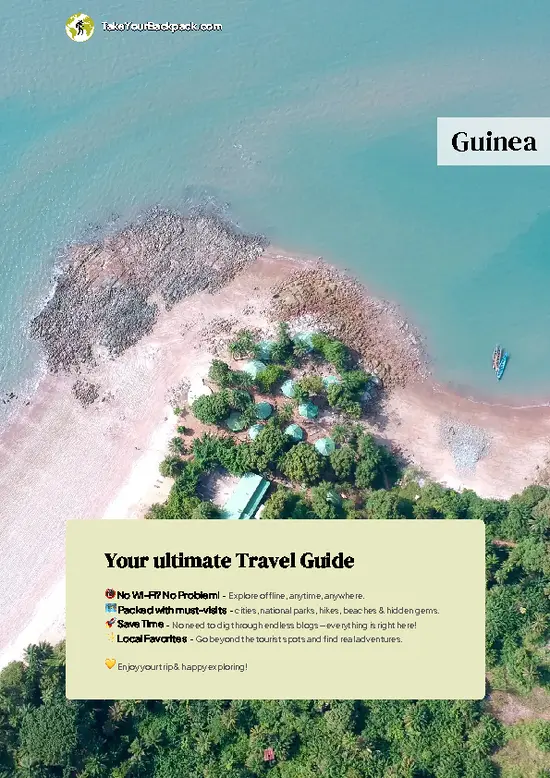
source: climatestotravel.comJANJanuary: excellent for travelingFEBFebruary: not recommended for travelingMARMarch: not recommended for travelingAPRApril: not recommended for travelingMAYMay: not recommended for travelingJUNJune: not recommended for travelingJULJuly: not recommended for travelingAUGAugust: not recommended for travelingSEPSeptember: not recommended for travelingOCTOctober: not recommended for travelingNOVNovember: not recommended for travelingDECDecember: not recommended for traveling

✈️ The backpacker research shortcutGuinea Travel Guide

An offline-friendly backpacking guide with optimized travel routes, ranked highlights, transport advice, and the best areas to stay.
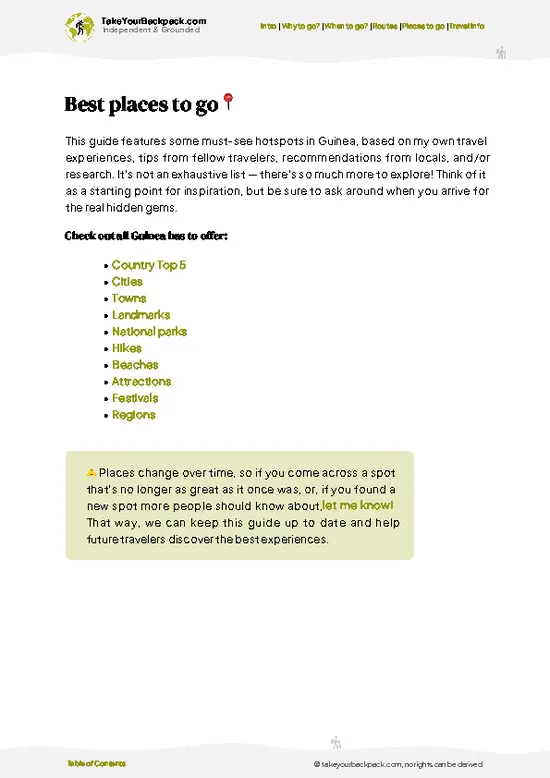
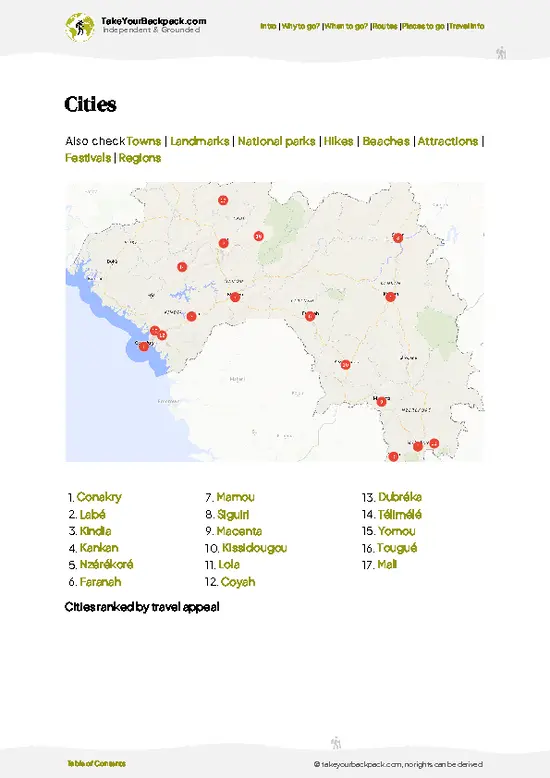
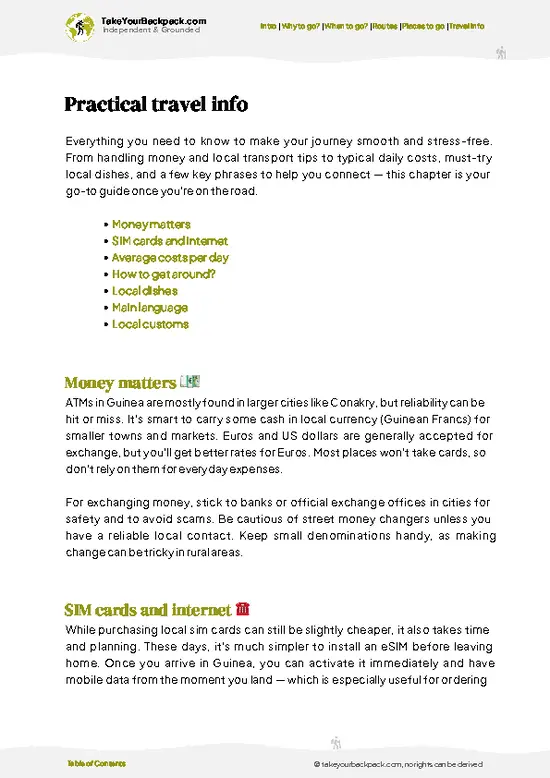
example page 0 from our offline Travel Guide for Guinea
example page 1 from our offline Travel Guide for Guinea
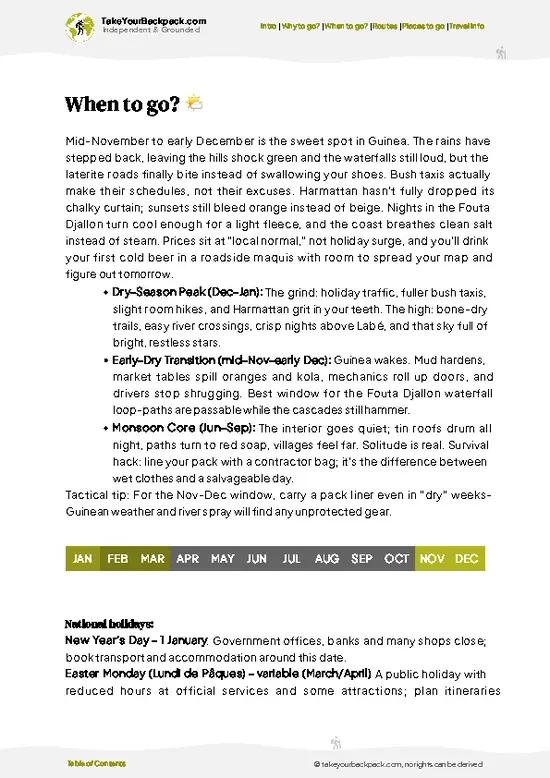
example page 2 from our offline Travel Guide for Guinea
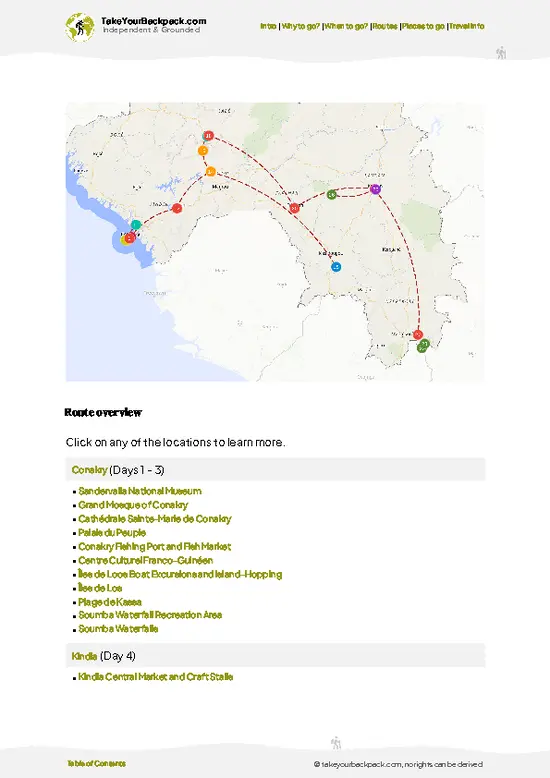
example page 3 from our offline Travel Guide for Guinea
example page 4 from our offline Travel Guide for Guinea
example page 5 from our offline Travel Guide for Guinea
example page 6 from our offline Travel Guide for Guinea
example page 7 from our offline Travel Guide for Guinea
The digital guide (282 pages) contains:
67 highlights, ranked by travel appeal
Optimized 5, 10 & 15-day travel routes
Cities, national parks, landmarks, beaches
How to get around
Offline-friendly for travel without Wi-Fi
👉 Click to see all 30+ guide features

📅 Plan smarter in minutes, not weeks
Month by month travel advice
Festivals & national holidays
Budget expectations

🗺️ Go to the right places, skip the overrated ones
Honest pros & cons of destinations
Top hikes, parks & viewpoints
Lesser-known places most travelers miss
Clear “worth it vs skip it” guidance

🛏️ Travel smoothly without rookie mistakes
Best areas to stay
Transport systems explained simply
Common scams & safety advice
SIM cards, money & practical tips

🌍 Understand the country, not just visit it
Culture & traditions
52 Essential phrases & customs
Festivals worth planning around
Traveler-friendly historical context
Insights that make places more meaningful

📱 Built for real travel conditions
Fully downloadable PDF
Works completely offline
Optimized for phone use
Useful in remote areas & buses
Everything in one place
Save weeks of stressful planning
Get instant access to your full guide. 30‑day money-back guarantee.


By proceeding you agree to our terms.
Sent to your inbox immediately after payment • 100% Secure Checkout
Best Backpacking Travel Advisor 2025 tourism awardBest Backpacking
Travel Advisor
2025
What others say about Take Your Backpack Guides:
⭐⭐⭐⭐⭐
Fantastic, amazing amount of information!
⭐⭐⭐⭐⭐
My goodness this is amazing, it's what I've been looking for hats off too you!
⭐⭐⭐⭐⭐
I think this is absolutely BRILLIANT
⭐⭐⭐⭐
Very complete and informative. It's still missing places, but I gotta to commend you
⭐⭐⭐⭐⭐
This is truly amazing, thank you, can't wait to explore it with my kids!
⭐⭐⭐⭐⭐
Awesome resource, thank you!
⭐⭐⭐⭐⭐
This is amazing! Can't wait to explore the ones I haven't seen
⭐⭐⭐⭐
I love this! Well done, great idea.
⭐⭐⭐⭐⭐
Thanks for taking the time to make this gem!
⭐⭐⭐⭐⭐
This might be the best website I've ever seen.
⭐⭐⭐⭐⭐
Congratulations, and thank you so much for your work; it's incredibly valuable.
⭐⭐⭐⭐
In all seriousness I think you did a great job pointing out the important spots
⭐⭐⭐⭐⭐
10/10 very good
⭐⭐⭐⭐⭐
As someone who's only just starting to visit regularly this is awesome, thank you.
⭐⭐⭐⭐
Thank you very much! I'm going to visit my dad, it's going to be very useful!
⭐⭐⭐⭐⭐
This is really cool! We'll be travelling for the first time and this definitely come in handy.
⭐⭐⭐⭐⭐
You are now our minister of culture, congratulations 👨‍💼
⭐⭐⭐⭐⭐
Just wanted to tell you that this is a pearl! Going to follow your recommendations.
⭐⭐⭐⭐⭐
This is so cool. I'll definitely be using the resource for my travels soon.
⭐⭐⭐⭐⭐
This is very impressive! Good work.
⭐⭐⭐⭐⭐
This is an amazing and informative site. Very well done!

🛏️ Where to stay?Best areas and accommodation options

When you’re gearing up for the Festival des Arts et de la Culture de Guinée, you want your base camp to be as vibrant as the event itself. Head to Conakry’s Kaloum district. This bustling area is alive with energy, making it a prime spot for backpackers. You’ll find a mix of affordable guesthouses and lively hostels, perfect for meeting fellow travelers. The proximity to the festival means you can dive into the action without wasting time on transport.

Another solid option is the suburb of Dixinn. It’s a bit quieter but still close enough to the festival buzz. Here, you’ll discover local eateries … read more 👉
When you’re gearing up for the Festival des Arts et de la Culture de Guinée, you want your base camp to be as vibrant as the event itself. Head to Conakry’s Kaloum district. This bustling area is alive with energy, making it a prime spot for backpackers. You’ll find a mix of affordable guesthouses and lively hostels, perfect for meeting fellow travelers. The proximity to the festival means you can dive into the action without wasting time on transport.

Another solid option is the suburb of Dixinn. It’s a bit quieter but still close enough to the festival buzz. Here, you’ll discover local eateries and markets that give you a taste of everyday life in Guinea. Plus, the community vibe is welcoming, making it easy to connect with locals and fellow adventurers.

Stay alert for potential hidden costs. Some places might charge extra for amenities that seem included. Always clarify what’s covered before you book. This way, you preserve your budget for the festival’s unforgettable experiences. Choose wisely, and you’ll find that the journey is just as exhilarating as the destination.

👛 Costs (as of 19 March 2026)How expensive it really is

The Festival des Arts et de la Culture de Guinée is a vibrant celebration, but navigating costs can be tricky. Here’s what you need to know to keep your budget intact while maximizing your experience.
  • Festival Tickets: Expect to pay around €5 to €15 for entry. Prices can vary based on the day and specific events. Some performances may be free, but don’t miss out on the ticketed events that showcase top-tier talent.
  • Accommodation: Budget options start at about €10 to €20 per night for hostels or guesthouses. Mid-range hotels will set you back €30 to €60. Book early to snag the best deals, especially during the festival.
  • Local Transport: Public transport is affordable. Buses and shared taxis cost around €0.50 to €2 for short distances. If you prefer more comfort, budget €10 to €20 for a private
read more 👉
The Festival des Arts et de la Culture de Guinée is a vibrant celebration, but navigating costs can be tricky. Here’s what you need to know to keep your budget intact while maximizing your experience.
  • Festival Tickets: Expect to pay around €5 to €15 for entry. Prices can vary based on the day and specific events. Some performances may be free, but don’t miss out on the ticketed events that showcase top-tier talent.
  • Accommodation: Budget options start at about €10 to €20 per night for hostels or guesthouses. Mid-range hotels will set you back €30 to €60. Book early to snag the best deals, especially during the festival.
  • Local Transport: Public transport is affordable. Buses and shared taxis cost around €0.50 to €2 for short distances. If you prefer more comfort, budget €10 to €20 for a private taxi ride across town. Walking is also a great way to soak in the local atmosphere.
  • Food & Drinks: Street food is your best friend here. Meals can range from €2 to €5. If you opt for sit-down restaurants, expect to pay €10 to €20 for a hearty meal. Don’t forget to try local specialties; they’re often the highlight!
  • Miscellaneous Expenses: Set aside €5 to €15 for souvenirs or unexpected costs. This could include tips, small entry fees to local attractions, or a spontaneous drink with new friends.

Keep these figures in mind as you plan. They’ll help you avoid surprises and ensure you have the energy and funds for the moments that truly matter.
⚠️ Prices can change and everyone travels differently, so take this as a rough guide. Hope it helps you plan your adventure!

🍲 FoodLocal Cuisine & Drinks

At the Festival des Arts et de la Culture de Guinée, food is not just sustenance; it’s a vibrant celebration of culture. You’ll find local specialties like fufu, a starchy staple made from cassava or yams, served with rich, spicy sauces. Don’t miss jollof rice, a West African classic, bursting with flavor and often accompanied by grilled chicken or fish.

Festival stalls are a feast for the senses. The aroma of grilled kebabs wafts through the air, mingling with the sweet scent of bissap, a refreshing hibiscus drink. Try it chilled; it’s a perfect antidote to the heat. For a kick, grab some palm wine—it’s a local favorite that’s often shared among friends, embodying the spirit of community.

Be ready for some quirks. Lines can get long, so patience is key. Sharing is common; locals often … read more 👉
At the Festival des Arts et de la Culture de Guinée, food is not just sustenance; it’s a vibrant celebration of culture. You’ll find local specialties like fufu, a starchy staple made from cassava or yams, served with rich, spicy sauces. Don’t miss jollof rice, a West African classic, bursting with flavor and often accompanied by grilled chicken or fish.

Festival stalls are a feast for the senses. The aroma of grilled kebabs wafts through the air, mingling with the sweet scent of bissap, a refreshing hibiscus drink. Try it chilled; it’s a perfect antidote to the heat. For a kick, grab some palm wine—it’s a local favorite that’s often shared among friends, embodying the spirit of community.

Be ready for some quirks. Lines can get long, so patience is key. Sharing is common; locals often invite you to taste their dishes, so don’t hesitate to reciprocate. Cash is king here; many stalls won’t accept cards, so stock up on local currency. Serving sizes can be generous, so pace yourself to savor every bite. This festival isn’t just about eating; it’s about connecting with the heart of Guinean culture.

Other Guinean festivals near des Arts et de la Culture de Guinée

Explore more nearby:


💡 Not sure where to go next?
Create a personalized itinerary for Guinea including des Arts et de la Culture de Guinée and the places that fit your trip.

Generate my itinerary

👉 Discover all festivals

Or checkout all Guinea has to offer (think cities, towns, villages, national parks, hikes, beaches, festivals)
Country photo of Guinea

We 💚 feedbackWhat to keep in mind

The Festival des Arts et de la Culture de Guinée is a whirlwind of energy. You’ll feel the pulse of creativity everywhere—music, dance, art. The best surprise? The local street food. Don’t skip the grilled fish; it’s a flavor explosion. But here’s the catch: be ready for crowds. They can be overwhelming, especially during peak performances. Stay flexible, embrace the chaos, and you’ll find those moments that make the journey worthwhile. Trust me, it’s all part of the adventure.

✍️ Help improve this page!
The information on this page is based on in-depth research, insights shared by experienced travelers, and feedback from the local travel community in Guinea. While every effort is made to keep the information accurate and current, conditions can change — so if you spot anything incorrect or outdated, please get in touch.


🙋‍♂️ Give feedback

👋 Meet the founderWho’s Behind Take Your Backpack?

Johan, backpacker and founder of TakeYourBackpackHi, I’m Johan (Netherlands 🇳🇱), the creator of TakeYourBackpack. Over the past decade, I’ve backpacked through 80+ countries across six continents, gaining extensive experience with independent travel, long-term trips, and overland routes.

This site is built on a combination of firsthand travel experience and carefully curated insights from other backpackers. Many guides are based on places I’ve personally visited, while others bring together tips, observations, and practical advice shared by trusted travelers I’ve met along the way.

The goal is to provide realistic, experience-driven guidance — not generic itineraries — so you can explore destinations with better context, clearer expectations, and more confidence.

Get full Guinea guide •
Instant download • 67 highlights • Full Offline guide