v2.webp)
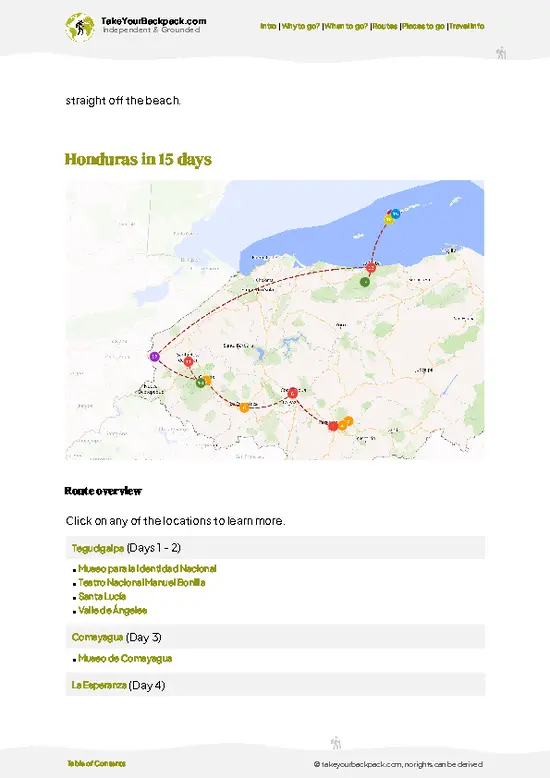
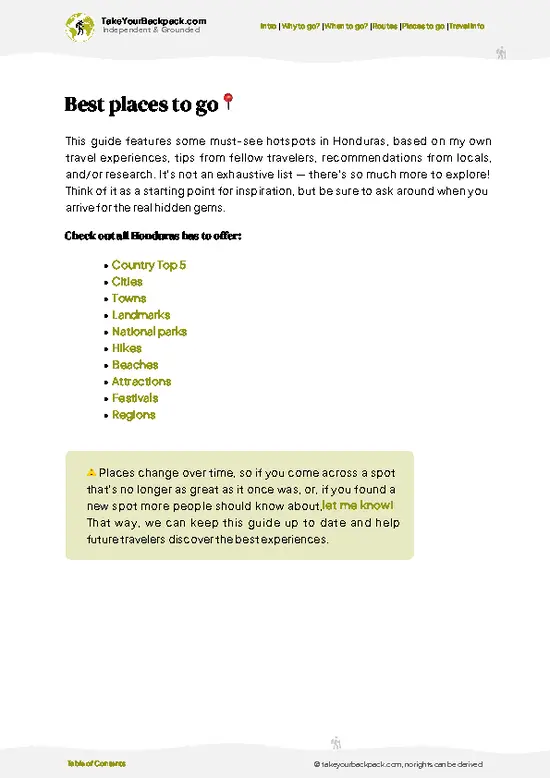
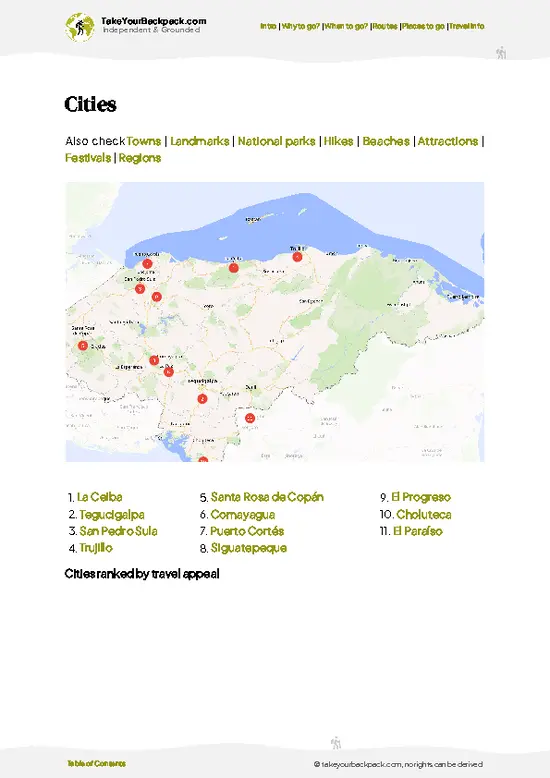
- The Talgua ossuary door: This is what the caves are known for. Explorers found the calcite-coated bones in 1994, and the burials date to about 1000 to 800 BC. The chamber is closed behind a barred door, so you see the entrance and hear the story, not the skulls.
- The raised walkway: A path of about 500 m through the main passage keeps your feet dry and protects the cave floor. It is flat and easy, and guides point out features along the way.
- Flowstone and stalactite formations: Mineral-rich water has built curtains, columns and drip formations along the passage. The lighting makes the shapes easy to photograph.
- The Talgua River: The river runs through the cave system and is how the explorers reached the ossuary. You can hear it below the walkway, and it is a reminder that this is a living cave.
- The Talgua ossuary door: This is what the caves are known for. Explorers found the calcite-coated bones in 1994, and the burials date to about 1000 to 800 BC. The chamber is closed behind a barred door, so you see the entrance and hear the story, not the skulls.
- The raised walkway: A path of about 500 m through the main passage keeps your feet dry and protects the cave floor. It is flat and easy, and guides point out features along the way.
- Flowstone and stalactite formations: Mineral-rich water has built curtains, columns and drip formations along the passage. The lighting makes the shapes easy to photograph.
- The Talgua River: The river runs through the cave system and is how the explorers reached the ossuary. You can hear it below the walkway, and it is a reminder that this is a living cave.
- The visitor center: A small stop before the tour with context on the burials and the people who made them. It helps the closed ossuary make sense.
- Parque Nacional Cuevas del Río Talgua forest trail: The path to the entrance passes through dense forest with birdsong and shade. It is short but a pleasant way to start the visit.
Spotted a mistake or missing something? Contact us.

Advanced Open Water Course

Goodman's Island Style Roatan Highlights Tour

Chocolate Making Class at the Roatan Chocolate Factory in West End

Roatan Sloth and Monkey Sanctuary with West Bay Beach Break

Roatan Reef snorkeling and tour.

Roatan Honduras Private Tour With Island Highlights

Monkey/Sloth Park + Zipline And City Tour In Roatan

Roatan Night Snorkel Adventure

Roatan Snorkeling Shore Excursion Sanctuary Park and Beach Break


 Best Backpacking
.jpg) Hi, I’m Johan (Netherlands 🇳🇱), the creator of TakeYourBackpack. Over the past 3 decades, I’ve backpacked through 90+ countries across six continents, gaining extensive experience with independent travel, long-term trips, and overland routes.
Hi, I’m Johan (Netherlands 🇳🇱), the creator of TakeYourBackpack. Over the past 3 decades, I’ve backpacked through 90+ countries across six continents, gaining extensive experience with independent travel, long-term trips, and overland routes.